7-Day Meal Plan For Ulcerative Colitis

Medical Reviewer: Christina Harris, RDN

Author: Sarah Bullard, MS, RD
Summary
- Ulcerative colitis is a type of Inflammatory bowel disease that can cause painful ulcers in the intestinal wall.
- Optimizing your food and beverage intake may help reduce inflammation and improve ulcerative colitis.
- For personalized nutrition support, try consulting a dietitian through Nourish.
Updated by: Maya De La Rosa-Cohen
Inflammatory bowel disease (IBD) is used to describe two conditions—Crohn’s disease and ulcerative colitis.
Common symptoms of an IBD flare-up include diarrhea, stomach pain, bloody stools, weight loss, and fatigue.
While your gut is inflamed, nutrition intake can sharply decline.
Treating a flare-up typically requires medications and optimizing your nutritional intake.
Your diet should be rich with vitamins, minerals, and other essential nutrients to help you heal.
Following a modified Mediterranean Diet has shown the most promising results for people with ulcerative colitis because this eating approach helps reduce inflammation.
Read on to learn more and try our delicious seven-day anti-inflammatory meal plan for ulcerative colitis.
{{splash}}
Dietary Basics for Crohn's Disease and Ulcerative Colitis
There is no specific diet that will prevent or treat IBD.
However, there are eating patterns that help to reduce inflammation and flare-ups while optimizing nutrition.
During a Crohn’s disease or ulcerative colitis flare-up, most people don’t eat enough due to pain and diarrhea.
Frequent or prolonged flare-ups can lead to nutrient deficiencies and malnutrition.
The main goals for managing IBD are to resolve flare-ups quickly and then to prevent flare-ups and IBD symptoms.
During a flare-up, a low-fiber diet and small, frequent meals and nutrition shakes are often recommended.
Research shows you don’t need to avoid certain foods and maintain a low-fiber diet after resolving a flare-up.
In fact, the high-fiber Mediterranean Diet is recommended with a slight modification.
Individuals should choose fruits and vegetables with more soluble fiber than insoluble fiber or cooked forms.
Soluble fiber dissolves in water, slows how fast food moves through the intestines, and helps reduce diarrhea.
Examples include:
- Beets.
- Potatoes.
- Carrots.
- Zucchini.
- Boiled and blended broccoli and peppers.
- Bananas.
- Apples.
- Applesauce.
- Avocado.
- Legumes (beans and lentils).
- Freshly squeezed vegetable and fruit juices.
However, some people find certain foods problematic. If you find a triggering food, avoid it.
Probiotics and Ulcerative Colitis
Probiotics are a combination of live microorganisms that live in the body and can be found in some cultured foods (like yogurt or kimchi).
They contribute to the health of the body’s microbiome, an important community of microbes (including bacteria, fungi, viruses, and protozoa) that support many essential bodily functions.
Most of the probiotics in the body can be found in the gut (specifically the large intestines).
Probiotics can help maintain a healthy balance of good bacteria in the body.
Research from the Penn State College of Medicine shows that one type of probiotic, the LA1 strain of probiotic bacterial species Lactobacillus acidophilus, may help to improve barrier function and improve quality of life in people with IBD.
Unlike some medications, probiotics may help offer relief from IBD symptoms with minimal side effects.
However, more human studies are needed to confirm these findings.
Foods to Eat for Ulcerative Colitis
It’s important to remember that people with ulcerative colitis will react differently to different foods.
Still, many people with the disease will have trigger foods, or foods that trigger symptoms.
Paying attention to your body’s reaction after meals can help you to understand your potential trigger foods.
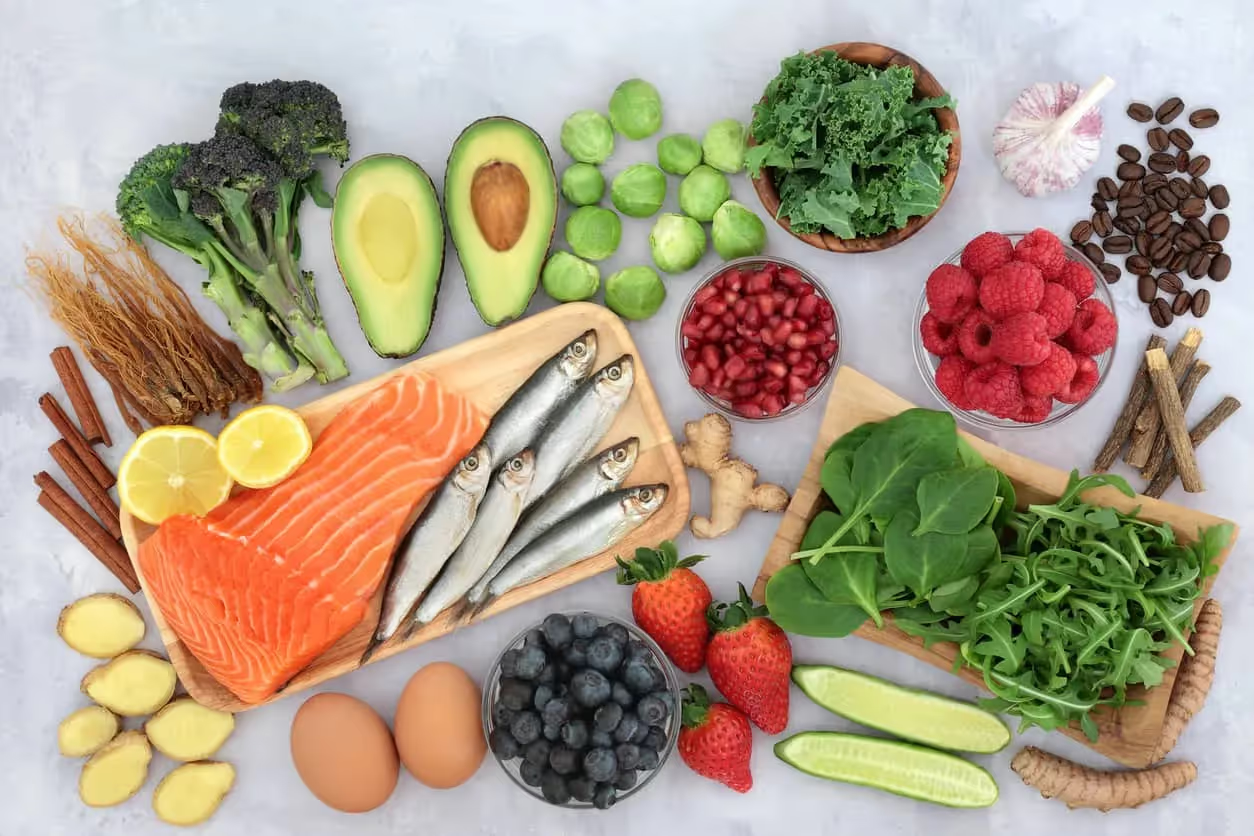
Thankfully, there are some foods that have been shown to decrease inflammation in the body over time.
These include:
- Fruits, including bananas, raspberries, applesauce, and blended fruits.
- Vegetables, including squashes, cooked carrots, and green beans.
- Foods rich in omega 3 fatty acids, including salmon, tuna, mackerel, walnut butter, chia seeds, flaxseed oil, and flaxseed meal.
Cooked starches, like potatoes, sweet potatoes and rice and cooked leafy green vegetables (cut into small pieces) are additional examples of healthy foods to include in your diet for ulcerative colitis.
7-Day Meal Plan for Ulcerative Colitis
People with ulcerative colitis have different tastes, nutritional needs, and reactions to certain foods.
When making a meal plan to support your health, pay attention to which foods make you feel best and how you can experiment with food texture, cooking method, and portion sizes to keep symptoms at bay.
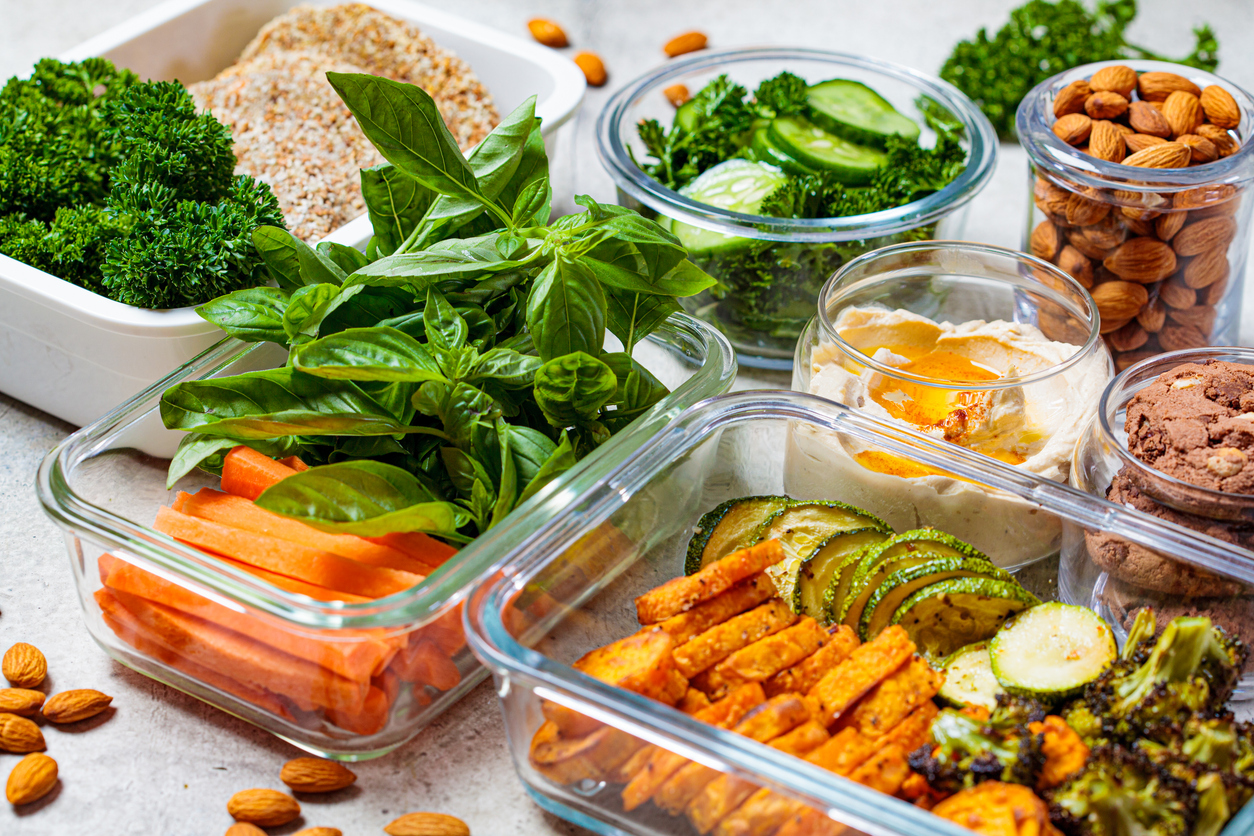
Below is an example of a 7-day meal plan for ulcerative colitis you can try at home.
Day 1
Breakfast
Microwaved old-fashioned oats with lactose-free milk (or a low-fat dairy alternative), cinnamon, and topped with cooked diced apples.
Lunch
Baked chicken seasoned with your favorite spices.
Serve with roasted carrots drizzled with olive oil and steamed rice.
Dinner
Baked salmon seasoned with lemon juice, garlic, and pepper.
Serve with peeled and baked summer squash and green beans seasoned with olive oil, garlic, and pepper.
Snacks
Small tuna packet and peaches canned in water or juice; applesauce and hard-boiled egg.
Day 2
Breakfast
Plain lactose-free, nonfat Greek yogurt topped with melted creamy nut butter.
Fresh squeezed fruit and vegetable juice (use favorites).
Lunch
Leftover cooked salmon served cold. Reheat sweet potatoes and green beans.
Dinner
Harvest soup made with pureed, roasted red peppers, sweet potatoes, apples and carrots.
Served with toasted bread and baked chicken.
Snacks
Hard-boiled egg with pears canned in juice or water; raspberries and lactose-free plain yogurt.
Day 3
Breakfast
Sweet potato toast topped with scrambled eggs and cheddar cheese. Add a banana.
Lunch
Tuna salad made with lactose-free, nonfat Greek yogurt and hard-boiled egg served on whole grain crackers or bread.
Add applesauce sprinkled with cinnamon.
Dinner
Salmon cakes served with mashed potatoes and roasted carrots.
Use olive oil for salmon cakes and carrots.
Snacks
Overnight chia pudding with almond milk and cinnamon; banana with warmed peanut butter.
Day 4
Breakfast
Smoothie made with lactose-free milk or a dairy alternative like almond milk.
Add a medium banana, two tablespoons of peanut or almond butter, unsweetened cocoa powder, and ground flax seed.
Lunch
Quinoa salad made from pre-cooked and cooled quinoa.
Add chopped cucumbers, tomatoes, bell pepper, feta cheese, and olives.
Make a dressing with olive oil, lemon juice, basil, salt, and pepper. Add cooked chicken for additional protein.
Dinner
Three-bean chili made with black beans, red kidney beans, pinto beans, diced tomatoes, garlic, and tomato paste.
Serve with homemade cornbread.
Snacks
Hummus and crackers; walnuts and pear applesauce.
Day 5
Breakfast
Bean-based muffins: use navy beans added to a banana muffin recipe.
Pair with scrambled eggs and fresh squeezed fruit and vegetable juice.
Lunch
Leftover three-bean chili served over a small baked potato.
Top with shredded cheddar cheese if there are no lactose intolerance issues.
Dinner
Baked cod, flounder, or salmon served with rice and cooked vegetables (green beans or zucchini).
Season with olive oil, garlic, lemon juice, salt, and pepper.
Snacks
Plain lactose-free nonfat yogurt; hard-boiled egg and crackers.
Day 6
Breakfast
Energy bites are pre-made with old-fashioned oats, chia seeds, peanut butter, unsweetened cocoa powder, pure maple syrup, and a sprinkling of mini dark chocolate chips.
Pair with your choice of fruit (small banana or raspberries).
Lunch
Green smoothie made with avocado, lactose-free milk (or dairy alternative), frozen banana, ground flaxseed, cannellini, or navy beans.
Be careful adding spinach or kale as they are high in insoluble fiber.
Some individuals can tolerate small amounts when their IBD is well-managed.
Prepare ahead of time in an ice cube tray.
Then, pop the desired amount of cubes in a cup with a lid.
Once thawed in the refrigerator, you can shake it up to blend before drinking.
Dinner
One-pot slow cooker chicken served with slow-cooked carrots and potatoes.
Seasoned with oregano, black pepper, salt, and parsley.
Snacks
Baked apples and energy bites; Colby cheese and crackers.
Day 7
Breakfast
Microwaved old-fashioned oats with lactose-free milk (or dairy alternative), ground flax seed, cinnamon, chopped walnuts, and cooked apples.
Lunch
Grown-up charcuterie board: water-packed tuna, hummus, crackers, black and green olives.
Add pears or peaches canned in water or fruit juice.
Dinner
Mashed potato bowls topped with tender slow-cooked chicken or turkey (use leftover chicken from the night before).
Serve with cooked garlic, green beans, and baked pears.
Snacks
Popsicles made from smoothie leftovers; peanut butter mixed into unsweetened Greek yogurt topped with a few dark chocolate chips (if tolerated)
Inflammatory vs. Anti-inflammatory Foods
Research continues to support that the components of the Mediterranean diet are anti-inflammatory.
These components are fruits, vegetables, legumes, olive oil, fermented foods, low-lactose dairy products, omega-3 fat foods like salmon and tuna, and spices like oregano, cinnamon, and turmeric.
The exclusion of inflammatory foods on a Mediterranean diet, like processed meat and red meat, alcohol, processed items, and sugary foods, also helps to reduce inflammation.
Research from 2021, on 142 IBD patients eating a Mediterranean diet for six months, shows reduced inflammatory markers and less active disease.
For patients with ulcerative colitis, inflammation was reduced by 12.5%, and 6.8% of participants had active disease compared to 23.7% before starting the anti-inflammatory diet.
{{splash}}
Foods to Avoid with Ulcerative Colitis
With ulcerative colitis, some foods are associated with increased inflammation and flare-ups.
Avoid inflammatory foods like:
- Processed meat (bacon, sausage, hot dogs).
- Red, fatty meat.
- Excess alcohol.
- Processed foods low in vitamins and minerals (frozen dinners, chips, candies, etc.)
- High-sugar foods and beverages.
Some individuals with ulcerative colitis experience symptoms when eating too much insoluble fiber (fiber that doesn’t digest well or dissolve in water).
Examples of foods with insoluble fiber include raw leafy greens, raw vegetables like cauliflower, broccoli, peppers, and raw fruits.
During a flare-up, high-fiber foods of any type can cause pain as the body digests them.
Research shows no need to avoid certain foods and maintain a low-fiber diet after resolving a flare-up.
Food Preparation and Planning
In general, reducing insoluble fiber intake may help prevent any ulcerative colitis side effects.
You may also feel fewer side effects by choosing cooked vegetables and fruits or canned produce (which is often cooked and peeled.)
Research indicates the size and coarseness of insoluble fiber can irritate the intestine and increase stool output (cause diarrhea).
When insoluble fiber is ground into smaller pieces, it doesn’t cause this problem.
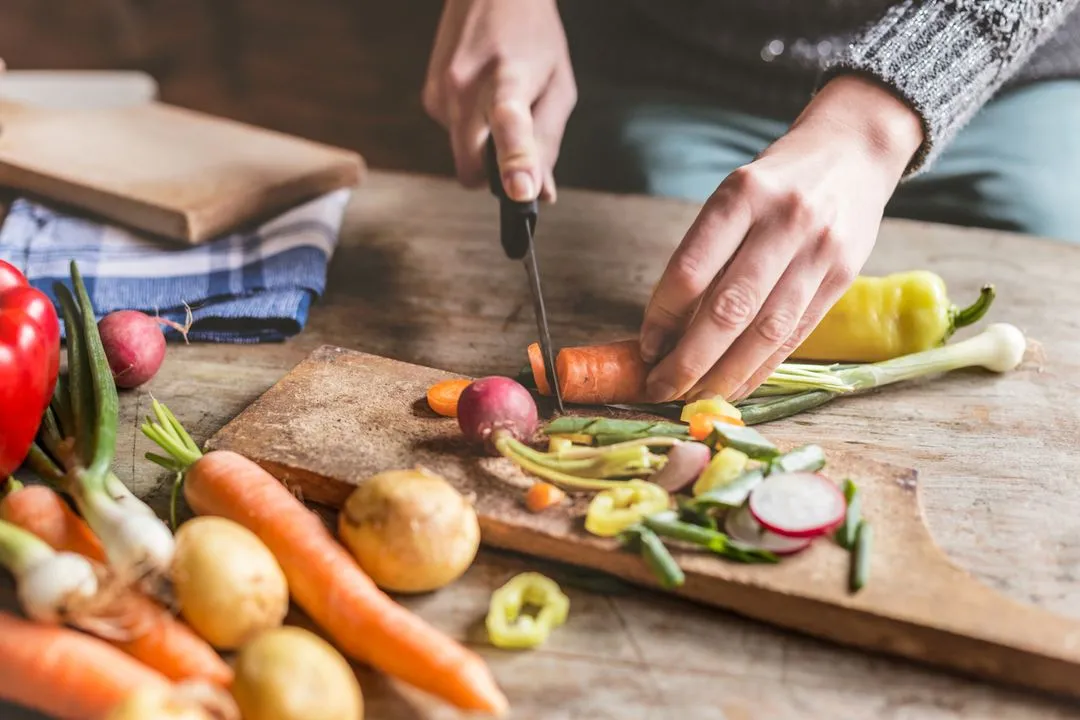
Consider chopping foods rich in insoluble fiber into small pieces and incorporating them into smoothies or soups for better tolerance and to obtain more nutrient-rich foods.
Grocery Shopping Tips for Ulcerative Colitis
Shopping for food doesn’t have to be stressful if you have ulcerative colitis.
Here are some tips you can follow to help make grocery shopping as easy as possible.
- Start with produce: Fill your cart with fruits and vegetables that you enjoy and that won’t trigger your symptoms, like bananas, avocado, squash, carrots, potatoes, and leafy green vegetables.
- Stock-up on omega-3s: Look for omega-3 rich foods that you like to eat, like walnut butter, tuna, salmon, or mackerel.
- Skip the frozen food aisle: These options are more likely to be processed or ultra-processed and may trigger your ulcerative colitis symptoms.
- Avoid alcohol, red meat, and processed snacks: These are also likely to trigger flare-ups or symptoms.
Takeaways
This 7-day meal plan for ulcerative colitis can help you plan delicious meals with confidence.
An ulcerative colitis meal plan increases anti-inflammatory foods like vegetables, fruits, and beans and reduces inflammatory foods.
Consider adding insoluble fiber foods in small amounts, and cooking, peeling, or chopping them to reduce digestion side effects.
Meeting with an ulcerative colitis dietitian for individualized care can help you manage IBD. You can find a dietitian near you through Nourish.
Frequently Asked Questions
What is a good meal for someone with ulcerative colitis?
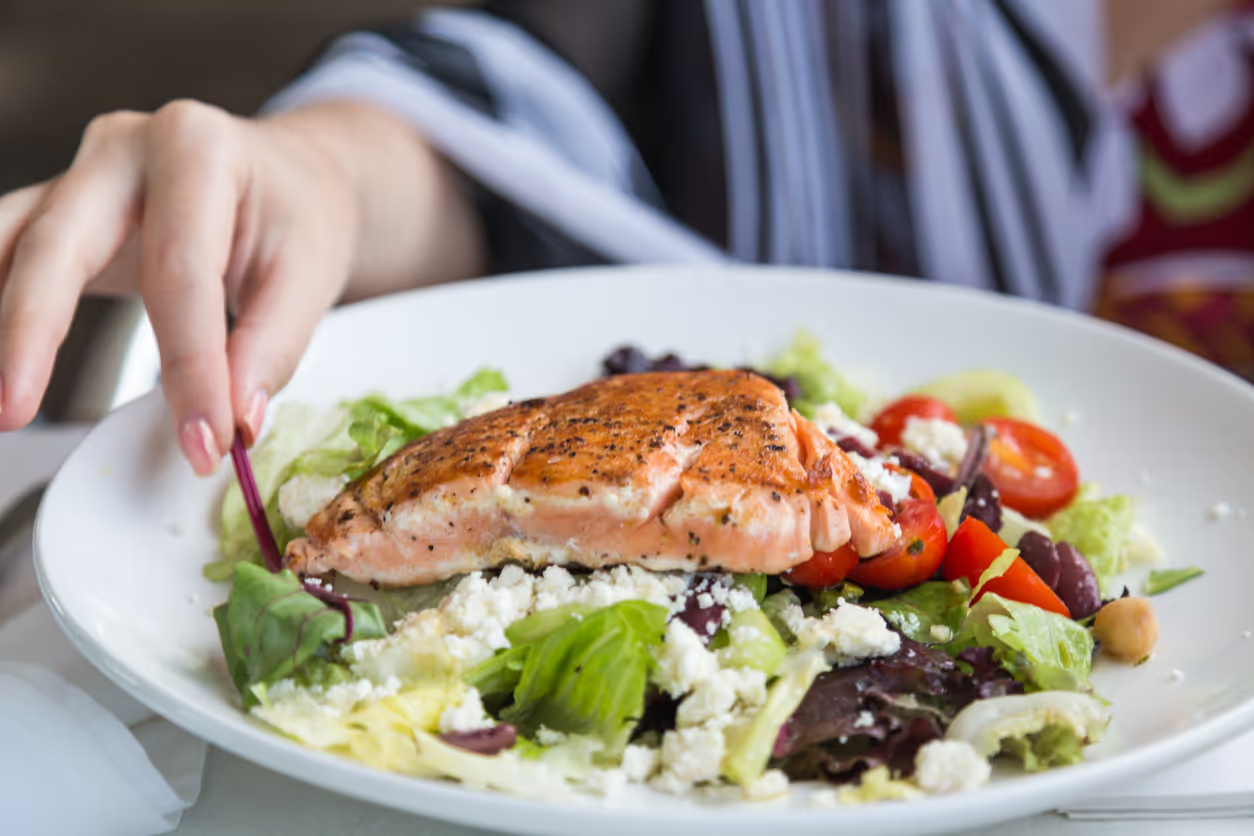
Choose an omega-3-rich protein like salmon and pair it with cooked vegetables and grains like carrots, potatoes, and rice.
Can you eat spaghetti with ulcerative colitis?
Spaghetti noodles are generally well-tolerated for people with ulcerative colitis.
Cooking and pureeing the vegetables used in the sauce can make them easier to digest.
What can you eat for breakfast when you have colitis?
Good breakfast options for colitis include fermented, unsweetened dairy products like yogurt and kefir, smoothies, hard-boiled or scrambled eggs, and cooked oatmeal.
References
View all references
- What is inflammatory bowel disease (IBD)? | IBD. (2022, April 13). CDC.
- Radziszewska, M., Smarkusz-Zarzecka, J., Ostrowska, L., & Pogodziński, D. (2022). Nutrition and Supplementation in Ulcerative Colitis. Nutrients, 14(12), 2469.
- Reports, M. (2023, August 17). LA1 probiotic strain shows early promise in treatment of IBD - Medical Update. Medical Update.
- Levine A, Rhodes JM, Lindsay JO, et al. Dietary Guidance From the International Organization for the Study of Inflammatory Bowel Diseases. Clin Gastroenterol Hepatol. 2020;18(6):1381-1392. doi:10.1016/j.cgh.2020.01.046
- What should I eat? (n.d.). Crohn’s & Colitis Foundation.
- Chicco, F., Magrì, S., Cingolani, A., Paduano, D., Pesenti, M., Zara, F., Tumbarello, F., Urru, E., Melis, A., Casula, L., Fantini, M. C., & Usai, P. (2021). Multidimensional Impact of Mediterranean Diet on IBD Patients. Inflammatory bowel diseases, 27(1), 1–9.
- McRorie, J. W., Jr, & McKeown, N. M. (2017). Understanding the Physics of Functional Fibers in the Gastrointestinal Tract: An Evidence-Based Approach to Resolving Enduring Misconceptions about Insoluble and Soluble Fiber. Journal of the Academy of Nutrition and Dietetics, 117(2), 251–264.
Nourish has strict sourcing policies and prioritizes primary sources, including medical organizations, governmental agencies, academic institutions, and peer-reviewed scientific journals. Learn more about our medical review process and editorial guidelines.






%20(1).webp)