How to Fix Loss of Appetite Due to Anxiety

Medical Reviewer: Ellie Stamerjohn, MS, RDN, LD

Author: Julia Zakrzewski, RD

Summary
- Anxiety is a feeling that can manifest physical symptoms, including a change in appetite.
- Some strategies that may help ease anxious thoughts include deep breathing exercises, meditation, mindfulness practices, and progressive muscle relaxation.
- If you’ve been diagnosed with an anxiety condition, consider trying cognitive behavior therapy. It can help you address the root cause of your anxiety, which should help you regain an appetite.
Occasional bouts of anxiety are a normal part of life. Still, if it starts affecting your diet quality and appetite levels, you may benefit from learning strategies to better manage your mental health.
Keep reading to learn how anxiety can affect your physical and mental well-being, and try our evidence-based strategies for improving your appetite.
{{splash}}
Why Do I Experience Appetite Loss with Anxiety?
Several biological changes happen in your body when you’re experiencing anxiety.
They’re typically triggered by a release of hormones, which can impact your heart rate, energy levels, and mood and cause difficulties sleeping and appetite changes.
Appetite loss doesn’t always occur with anxiety, but it can happen.
Anecdotal symptoms linked to appetite loss and mental health may include:
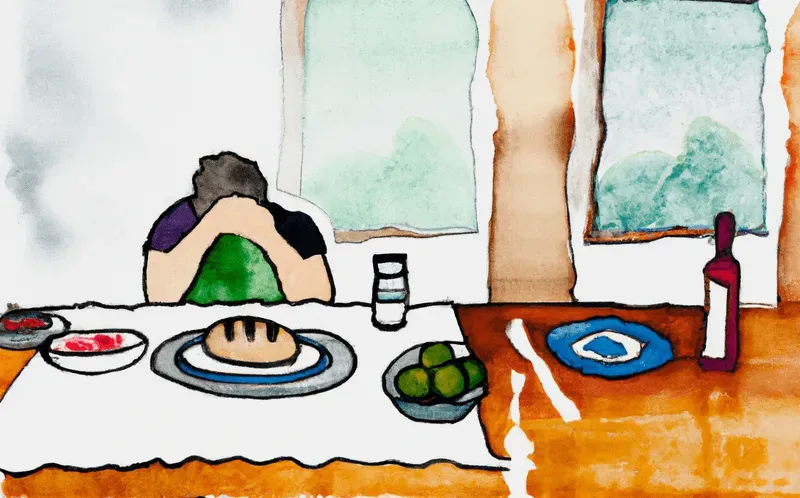
- Feeling “too nervous” to eat.
- Experiencing digestive symptoms after eating, like gas or stomach cramps.
- Developing food aversions, including smells or textures.
- Decreased enjoyment of food.
The Impact of Stress Hormones on Appetite
Cortisol is your body’s stress hormone and affects nearly every organ system.
When you feel anxious, cortisol levels rise, impacting your appetite and metabolism.
People’s appetites may respond to stress differently.
A literature review suggests that acute bouts of stress (short-term) can lead to decreased appetite.
In contrast, chronic (long-term) stress can raise appetite levels.
Fight-or-Flight Response
When you experience acute stress (like getting stuck in a traffic jam or arguing with your spouse), your sympathetic nervous system initiates the fight-or-flight response.
To prepare for the “fight-or-flight,” adrenaline hormones rush into your bloodstream, prompting more blood flow to muscles (to get ready to fight or flee from the perceived threat).
During this state, you may experience increased muscle strength and mental activity.
Your blood sugar levels will rise to supply your muscles with energy, and appetite levels will usually decrease.
These physiological symptoms should resolve when the perceived threat is gone.
Other Symptoms of Stress and Anxiety
Anxiety can present differently, but the National Institute of Mental Health states these symptoms can also occur with generalized anxiety:
- Feeling restless or on edge.
- Being easily fatigued.
- Having difficulty concentrating.
- Being irritable.
- Having unexplained pains, including headaches or muscle aches.
- Finding it difficult to control feelings of worry.
- Being unable to fall or stay asleep.
Other forms of anxiety, like panic disorder, can have symptoms of sweating, trembling, chest pain, and a pounding or racing heart.
Social anxiety is characterized by blushing, sweating, stomach aches, feeling self-conscious, and finding it difficult to make eye contact with others.
All of these forms of anxiety are treatable through mental health therapy and sometimes medication.
Your appetite should return when you begin feeling better.
Tips for Eating When You Lose Your Appetite Due to Anxiety
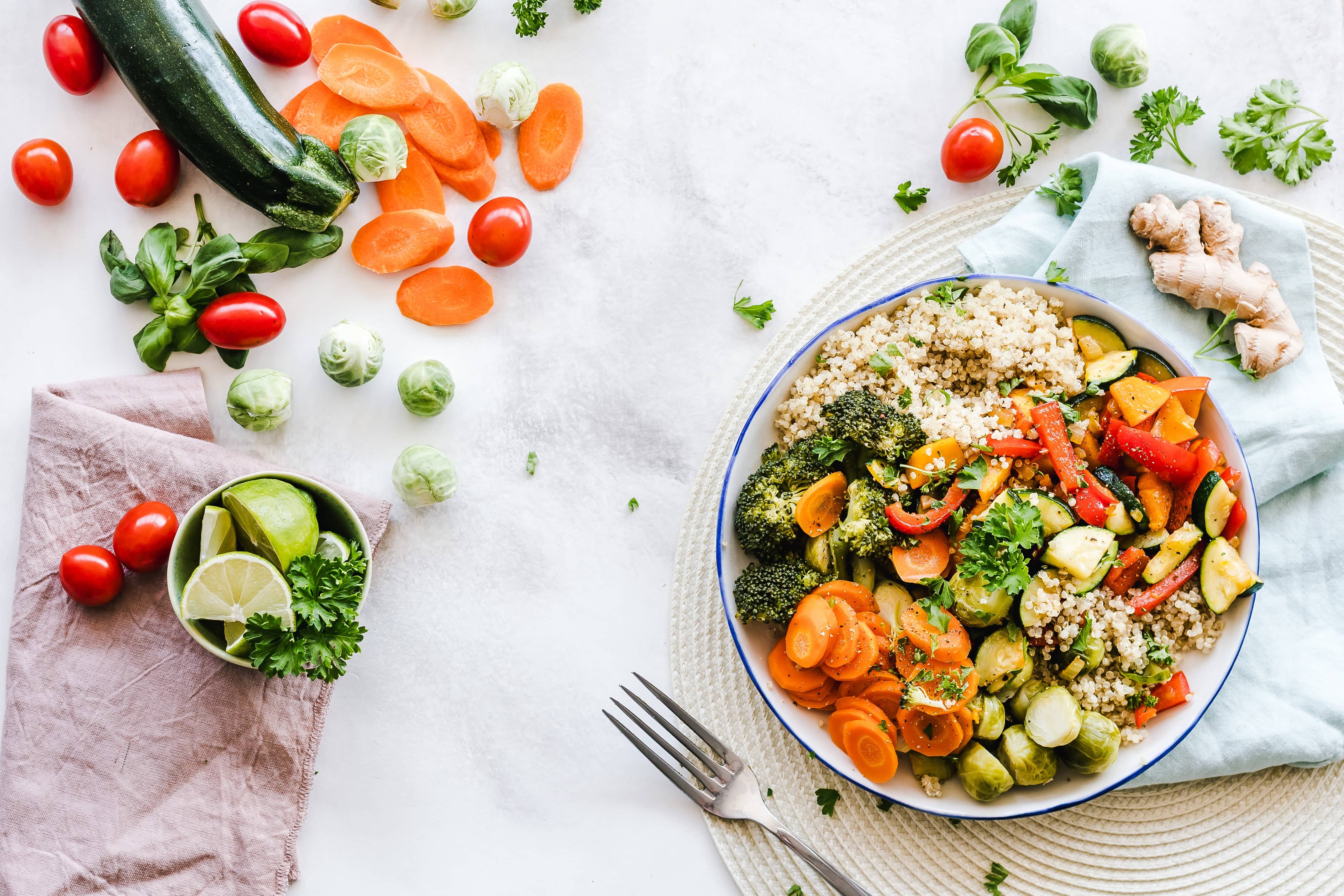
Even with a low appetite, your body needs daily energy and proper nutrients.
It might not be feasible (or realistic) to eat three large meals while you’re feeling anxious, and instead, you may feel better after eating frequent, small meals throughout the day.
Anxiety can impact your digestive system, so you might feel better choosing bland foods that are easy to digest.
These can include lower-fiber foods such as cooked fruits or vegetables, white rice, or pasta noodles.
For protein, pick lean options such as poultry, fish, eggs, or tofu.
Some healthy snacks you can put together include:
- Cottage cheese with fresh fruits.
- Cooked vegetable soup with boiled dumplings.
- White rice with beans and boiled vegetables (carrots and peas).
- Whole-grain crackers with cheese.
Eating cold foods and beverages may be easier if you’re feeling nauseated (a side effect of anxiety).
Cold foods typically have less offensive smells and may be perceived as more palatable.
Some examples include Greek yogurt, a smoothie, applesauce, and a protein shake.
How to Regain Your Appetite with Anxiety
Discovering ways to cope with anxious thoughts and behaviors should help restore your appetite.
Below are six simple strategies you can try to manage your anxiety.
1. Deep Breathing Exercises
Deep belly breathing can help relax your nervous system, allowing you to feel calmer and more at ease.
Several breathing exercises exist, and you can start with this simple version called the 4-7-8 technique.
1. Breathe in for four seconds.
2. Hold your breath for seven seconds.
3. Exhale for eight seconds.
Do this a few times until you feel relaxed.
2. Meditation
Meditation is an ancient practice that trains the mind to focus and develop awareness.
It can be helpful for anxious-prone people to calm their running thoughts and find mental clarity.
New meditators experienced mental health benefits after practicing 13 minutes of guided meditation for at least eight weeks.
You may picture meditation as a sitting practice, but there are several different ways to practice.
You can use an app to complete a guided meditation at home or try free YouTube videos.
3. Mindfulness Practices
Mindfulness practices help people be present and acknowledge their current state without judgment.
Similarly to meditation, achieving this calm state can help people address their stressors while keeping their anxiety in check.
You can complete mindfulness-based cognitive therapy with a trained professional or try home-based practices.
Examples include body scanning, breathing exercises, and building a gratitude list.
Mindful eating is another form of mindfulness practice that can help you become more aware of your food and increase the enjoyment of your meals.
A registered dietitian can teach you how to practice mindful eating, which may help you better tune into your hunger and fullness cues.
4. Progressive Muscle Relaxation
Progressive muscle relaxation (PMR) helps release muscle tension, which can help you feel more relaxed overall.
PMR has two steps:
- Squeeze a muscle tightly for five to ten seconds.
- Relax, and allow the muscle to be completely loose.
Move across the muscle groups until you’ve completed your whole body.
Once you've done this, you should feel a deep, restful state where your muscles and limbs can comfortably stay still.
5. Dietary Changes
Some foods and beverages, such as caffeinated drinks and foods high in refined sugars (sodas, candies, etc.), can worsen symptoms of anxiety.
You may feel better choosing decaf beverages instead.
Try soothing beverages like hot herbal teas, such as chamomile or mint.
There isn’t much research on the best foods to eat, but picking meals that are easy to digest may be a great place to start.
This can include:
- Lean soups or stews.
- Plain whole-grain toast with nut butter and freshly sliced fruits.
- Cold smoothies with protein, either from soft tofu or Greek yogurt.
- A meal replacement, like a protein shake or energy bar, if nothing else sounds good.
If you’re continuously unable to eat, you should consider booking an appointment with a dietitian.
They can offer personalized nutrition recommendations so you can feel energized and healthy.
{{splash}}
6. Therapy
Addressing the root cause of your anxiety is vital for long-term improvements.
A mental health counselor can teach you strategies to manage your anxiety through cognitive behavior therapy.
This evidence-based approach can help you reframe your thoughts and behaviors that create anxiety.
Your therapist may suggest other types of therapies depending on your health needs.
Takeaway
Some people have low appetite levels while experiencing high levels of anxiety.
Meditation, mindfulness practices, and progressive muscle relaxation are a few strategies that may help you feel more relaxed.
If you need help, consider working with a mental health therapist.
They can teach you cognitive behavior therapy strategies, which are proven to help manage anxiety.
Your appetite should return as you become better at addressing anxious thoughts and behaviors.
How a Dietitian Can Help
A registered dietitian is a nutrition expert and licensed healthcare professional.
They can help you build a balanced eating plan that aligns with fluctuating appetite levels.
You may not know what to expect if you’ve never met with a dietitian before.
Here are questions to ask:
- How do I know if I’m hungry?
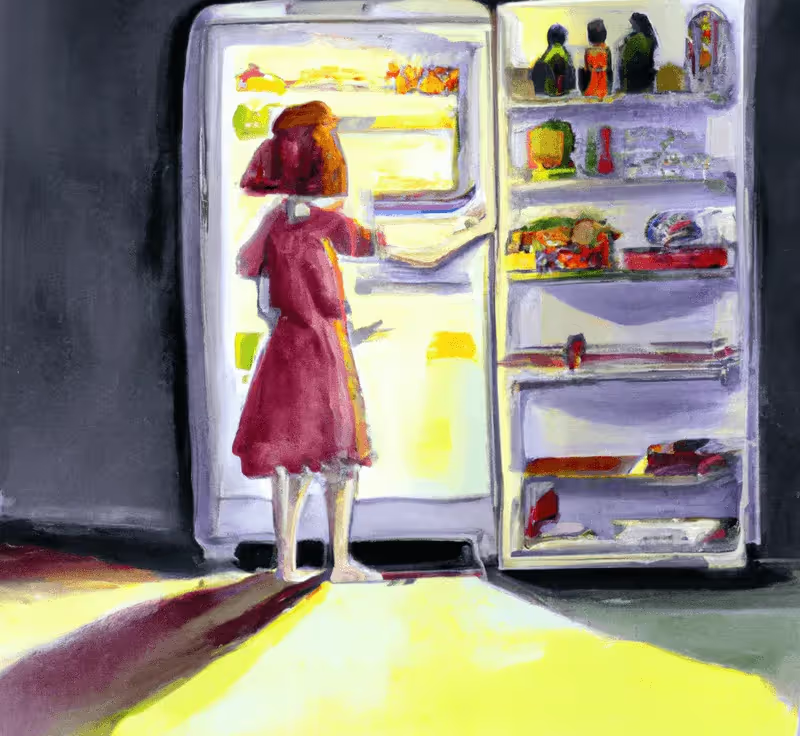
- I’ve noticed that I’m only hungry at night. Is that bad?
- I’m hungry, but I don’t have an appetite. How can I address that?
Find a dietitian who accepts insurance through Nourish.
Frequently Asked Questions
How can I increase my appetite after anxiety?
It’s hard to eat when you’re feeling anxious. First, try calming exercises to help your body relax, like meditation, progressive muscle relaxation, and mindfulness. Once you feel better, your appetite should increase.
How can I get my appetite back?
Treating the source of your anxiety may help bring your appetite back. People have success managing their anxious thoughts and behaviors after completing cognitive behavior therapy.
Also, a registered dietitian can teach you how to identify your hunger and fullness cues, making it easier to recognize when you’re hungry. Consistently tuning into your body cues may help you regain your appetite.
What should I eat if I have no appetite?
If you don’t have an appetite, you don’t have to eat. Wait an hour, do a body scan, and look for clues that could signal hunger. This may include a grumbling stomach, fatigue, irritability, and brain drain.
If it’s been more than six hours, you can try having something small and see how you feel. You should consider connecting with a registered dietitian for more personalized recommendations.
References
View all references
Nourish has strict sourcing policies and prioritizes primary sources, including medical organizations, governmental agencies, academic institutions, and peer-reviewed scientific journals. Learn more about our medical review process and editorial guidelines.

























.avif)














.avif)

.avif)
.avif)
.avif)