10 Worst Foods For Autoimmune Disease

Medical Reviewer: Christina Harris, RDN

Author: Jennifer Huddy, MS, RD, LD

Summary
- An autoimmune condition is when the immune system wrongly attacks healthy tissues, which causes damage and inflammation in the long term.
- Many foods have been linked with the development and progression of autoimmune conditions. Specifically, the Western diet contains high amounts of refined sugar, red meat, and ultra-processed foods, which are known to be pro-inflammatory.
- On the other hand, a Mediterranean diet may decrease the risk of autoimmune disease due to its anti-inflammatory benefits and positive impact on gut health.
If you have an autoimmune disease, chances are, you’ve been inundated with conflicting nutrition advice online.
Research has linked autoimmune conditions with chronic inflammation and impaired gut health.
A person’s eating pattern can influence these factors, so many foods are being studied for their role in the development of these diseases.
However, because there are many different autoimmune conditions, making generalized nutrition recommendations can be challenging.
Read this article to learn what the science says about popular food eliminations for autoimmune diseases.
{{splash}}
How Foods Affect Autoimmune Diseases
An autoimmune condition occurs when the immune system attacks healthy cells in the body, resulting in damage and chronic inflammation.
They are thought to be caused by a complex interaction between genetics and environmental factors.
There are over 80 different autoimmune diseases, including:
- Celiac disease.
- Multiple sclerosis (MS).
- Type 1 diabetes.
- Crohn’s disease.
- Lupus.
- Autoimmune thyroiditis.
- Rheumatoid arthritis (RA).
Research shows that a person’s food choices can play a role in the onset and management of certain autoimmune conditions.
One theory is that the Western diet, rich in processed foods, refined sugar, and saturated fat, may increase the risk of developing an autoimmune condition because of how it may affect gut health and cause inflammation.
However, the relationship between diet and autoimmune diseases is complex and not fully understood.
In addition, foods can impact each condition differently.
This makes it challenging to recommend a universal diet for people with an autoimmune disease.
10 Foods to Avoid for Autoimmune Disease
While there’s no optimal diet for everyone with an autoimmune condition, it may be helpful to limit or avoid specific foods, depending on the disease.
Though some food eliminations lack supporting research, you may notice you have individual trigger foods for your symptoms. It’s best to work with your doctor and dietitian to identify an optimal eating plan for you.
1. Gluten
It’s well known that gluten can cause intestinal damage and digestive symptoms in people with celiac disease. Experts recommend a strict gluten-free diet to manage celiac disease.
While some studies suggest a gluten-free diet may reduce symptoms in other autoimmune conditions like multiple sclerosis, rheumatoid arthritis, and autoimmune thyroiditis, the evidence to support this is limited and often conflicting.
Interestingly, research shows that people with celiac disease who follow a strict gluten-free diet have a lower risk of developing additional autoimmune diseases than those who don’t adhere to the diet.
2. Dairy
Many people think of dairy as pro-inflammatory and therefore limit their intake to improve their autoimmune condition.
However, current research doesn’t support the idea that dairy causes inflammation.
Dairy has been shown to have a neutral effect on inflammation.
A 2021 study found that people with inflammatory arthritis did not experience increased symptoms following dairy consumption.
Another study from 2022 found that people with inflammatory bowel disease (IBD) did not have higher rates of dairy intolerance than the general population.
On the other hand, the autoimmune protocol (AIP), a restrictive elimination diet followed by some people with autoimmune diseases, recommends avoiding dairy, among many other foods.
While research supporting this diet is preliminary, it may help reduce inflammation in people with IBD.
3. Processed Foods
Ultra-processed foods (UPF’s) include items like fast food, packaged snacks, and ice cream that tend to be low-fiber and high in fat and food additives.
A diet rich in UPF’s may increase inflammation and negatively impact gut health, therefore increasing the risk of autoimmune conditions.
A 2023 study found that a higher intake of UPF’s was associated with an increased risk of multiple sclerosis (MS).
The researchers also found that diets rich in minimally processed, whole foods were associated with a lower risk of MS.
4. Alcohol
Alcohol is commonly known as being pro-inflammatory, especially when consumed in high amounts.
Excessive alcohol is theorized to increase the risk of certain autoimmune conditions.
However, numerous studies have shown that light to moderate alcohol consumption may reduce the risk and severity of some autoimmune diseases, including rheumatoid arthritis, multiple sclerosis, and lupus.
One drink or less per day for women and two drinks or less per day for men is considered alcohol moderation.
Though more research is needed, some researchers suggest red wine may be beneficial in moderation because of its high content of anti-inflammatory compounds like polyphenols.
There is a nuanced connection between alcohol and autoimmune disease.
Talk to your doctor about their recommendations around alcohol before making changes to your intake.
{{splash}}
5. Sugar
A high intake of refined sugar has been shown to increase inflammation markers in the body and may negatively impact gut health.
Because of this, researchers are studying how sugar may affect the onset and clinical outcomes of various autoimmune diseases.
A 2020 study found that people with lupus who consumed more sugar experienced more significant complications related to the condition compared to people with a low sugar intake.
Research shows that a high intake of sugary beverages, like soda, is associated with a greater risk of rheumatoid arthritis (RA).
For this reason, experts recommend people with RA reduce their intake of refined sugar.
6. Artificial Sweeteners
In an attempt to minimize the inflammation that refined sugar may cause, many people turn to artificial sweeteners to flavor their food.
Examples of popular zero-calorie sweeteners include sucralose, stevia, and aspartame.
Artificial sweeteners have been shown to negatively impact gut health by decreasing the amount of healthy bacteria.
Because gut health can influence immune function, some researchers suspect artificial sweeteners may play a role in the development of autoimmune conditions like Hashimoto’s thyroiditis.
While animal studies have linked artificial sweeteners with autoimmune disease, more human research is necessary to understand this link fully.
7. Red Meat
Research demonstrates that a diet high in animal protein may increase inflammation and result in more complications from autoimmune disorders.
One study from 2012 found that a high animal protein diet was associated with a greater risk of developing inflammatory bowel disease and experiencing relapses.
Specifically, red meat has been shown to worsen inflammation in autoimmune conditions like rheumatoid arthritis.
In contrast, plant-based proteins, including beans and lentils, are anti-inflammatory and may be beneficial for autoimmune conditions.
8. Fried Foods
Fried foods tend to be high in saturated fat, which is pro-inflammatory.
Fats like saturated and trans fat may negatively impact the immune system, leading to poorer outcomes in autoimmune conditions.
For example, a diet high in saturated fat has been linked with a relapse of multiple sclerosis in pediatric patients.
On the other hand, healthy fats, including polyunsaturated fats and omega-3 fatty acids, can improve clinical markers and symptoms in people with autoimmune diseases like lupus.
9. Refined Grains
Refined grains have been processed to remove the outer layer of the grain, which reduces the fiber and nutrient content.
A high intake of refined grains, such as white flour and white bread, is linked with chronic inflammation.
Additionally, because refined grains are low in fiber, they can negatively impact gut health.
Research shows that a diet that includes high amounts of refined carbohydrates is associated with an increased risk of rheumatoid arthritis.
10. Nightshade Vegetables
Nightshade vegetables are part of the Solanaceae family and include:
- Potatoes.
- Tomatoes.
- Peppers.
- Eggplant.
Nightshades contain small amounts of solanine, a compound that is toxic in large quantities.
Some animal studies have found that solanine increases inflammation and damages the digestive tract lining.
For this reason, many people with autoimmune diseases avoid nightshade vegetables.
However, there is a lack of human studies to support these findings.
Additionally, other studies show that nightshade vegetables are nutrient-dense and have anti-inflammatory benefits.
{{splash}}
Healing Foods for Autoimmune Diseases
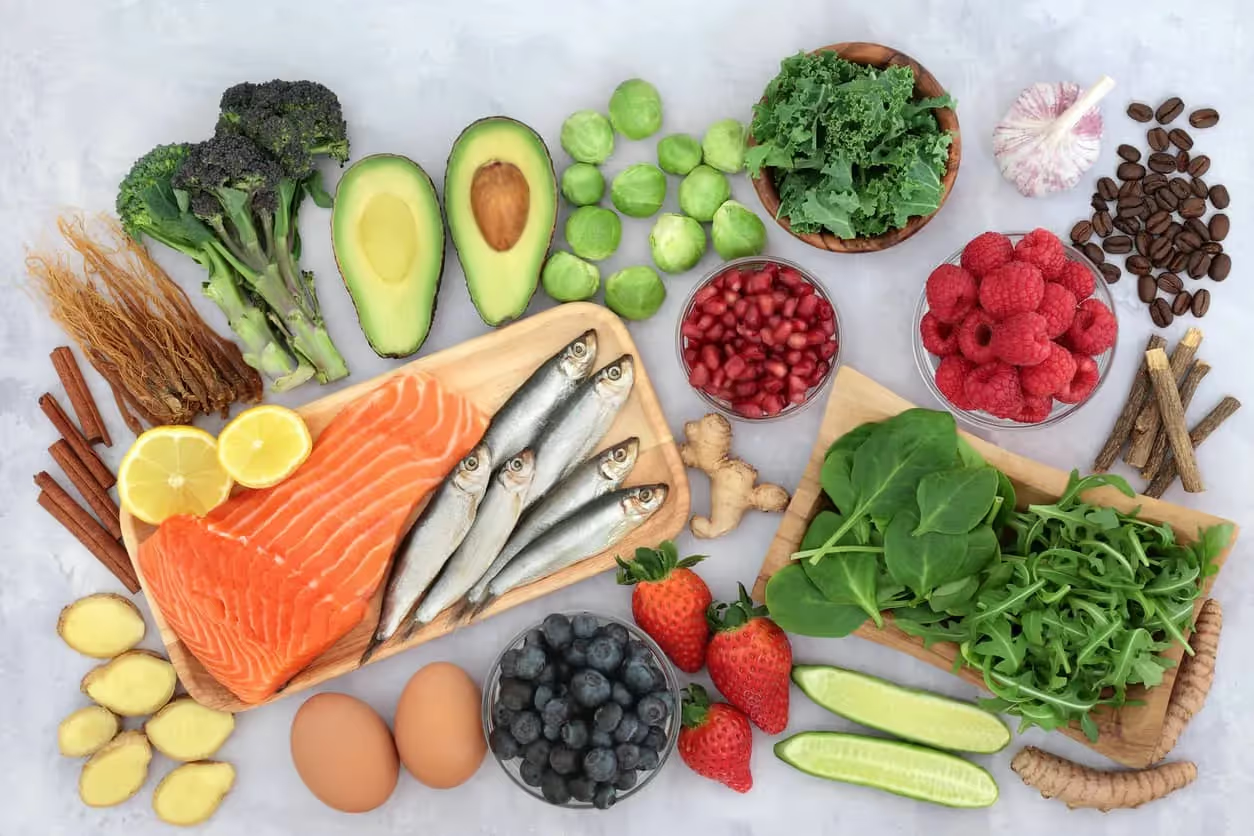
Research shows that the Mediterranean diet has an anti-inflammatory effect and is associated with improved gut health.
For these reasons, it is proposed to benefit certain autoimmune conditions, though more evidence is needed.
The Mediterranean diet is rich in fiber and antioxidants from whole foods such as:
- Olive oil.
- Whole grains.
- Fruits.
- Vegetables.
- Nuts.
- Legumes.
- Herbs and spices.
- Moderate intake of fish, dairy, and meat.
Because each autoimmune condition is so different, it’s essential to talk to your doctor or dietitian before making any significant dietary changes.
For example, increasing your fiber intake during a Crohn’s disease flare may worsen symptoms.
Similarly, eating gluten-containing whole grains will negatively impact a person with celiac disease.
Takeaway
The relationship between diet and autoimmune disease is nuanced and requires more research to understand fully.
Current studies show that a Western diet, high in refined grains, sugars, animal protein, and saturated fat, may increase the risk of autoimmune conditions due to its pro-inflammatory features.
Conversely, an anti-inflammatory, Mediterranean diet rich in minimally processed whole foods may benefit autoimmune conditions.
Many popular diet recommendations for autoimmune conditions lack evidence or have been primarily drawn from animal studies.
Talk to your doctor and dietitian about the best diet for you.
How a Dietitian Can Help
The amount of conflicting nutrition information online regarding autoimmune diseases can be overwhelming.
An autoimmune dietitian can help you sort through this information to find the dietary changes that are evidence-based for your condition.
Start making dietary changes by finding a dietitian through Nourish.
Frequently Asked Questions
What foods aggravate autoimmune disease?
Foods present in high amounts in the Western diet have been linked with an increased risk of autoimmune disease and may aggravate symptoms in those with existing conditions.
This includes foods like:
- Refined grains.
- Refined sugar.
- Red meat.
- Fried foods.
- Ultra-processed foods.
These foods can be pro-inflammatory and may negatively impact gut health, which are factors that are associated with autoimmune disease.
Why are eggs bad for autoimmune disease?
There is limited evidence to support the theory that eggs cause inflammation and negatively impact autoimmune diseases.
However, the autoimmune protocol (AIP), an elimination diet developed for people with autoimmune diseases, recommends avoiding eggs, among many other foods.
While more research is needed to prove its effectiveness, the AIP has been shown to improve clinical outcomes in certain conditions, like inflammatory bowel disease.
Is oatmeal bad for autoimmune disease?
A Mediterranean diet rich in whole grains has been suggested by many experts as a way to reduce chronic inflammation and improve gut health in people with autoimmune diseases.
This eating pattern is rich in olive oil, fruits, vegetables, plant proteins, and whole grains.
Since oats are a whole grain, they are generally recommended as part of a balanced, anti-inflammatory diet.
References
View all references
Nourish has strict sourcing policies and prioritizes primary sources, including medical organizations, governmental agencies, academic institutions, and peer-reviewed scientific journals. Learn more about our medical review process and editorial guidelines.










%20(1).webp)