The 7 Best Books for Emotional Eating

Medical Reviewer: Ellie Stamerjohn, MS, RDN, LD

Author: Jennifer Huddy, MS, RD, LD

Summary
- Emotional eating happens when a person overeats to help regulate their emotions, typically when not physically hungry.
- Frequent emotional eating that comes with feeling a lack of control and intense guilt may be a deeper issue, like binge eating disorder.
- Emotional eating books can be a helpful tool in addition to professional support when it comes to learning how to overcome emotional eating.
If you experience emotional eating on a regular basis, it can feel overwhelming to find ways to move away from this behavior.
Working with a registered dietitian and a therapist to learn ways to regulate emotional eating and improve your relationship with food can be incredibly helpful.
If you’re looking for some information on steps you can take to get started, books on emotional eating and online support groups can be a great supplement to professional advice.
Continue reading to find a list of emotional eating books to guide you on the journey to healing your relationship with food.
{{splash}}
What Is Emotional Eating?
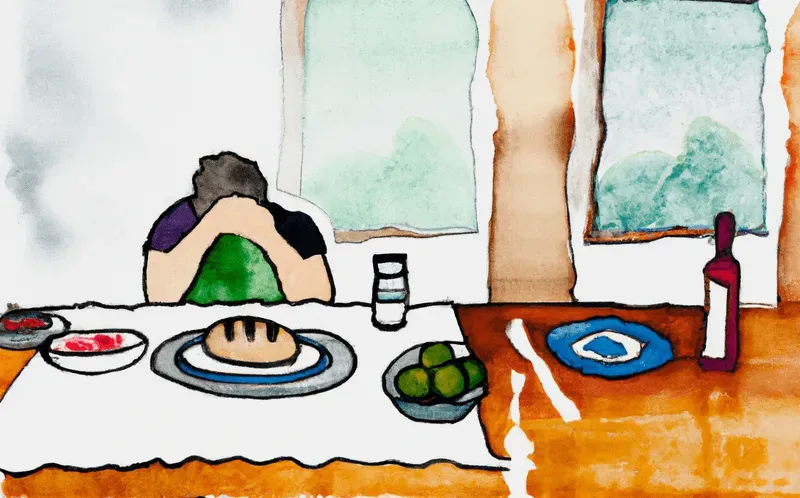
Emotional eating is defined as overeating in response to emotions.
While it’s most common with negative emotions, like stress or sadness, it can also occur with positive feelings.
Emotional eating usually happens when a person is not feeling physically hungry.
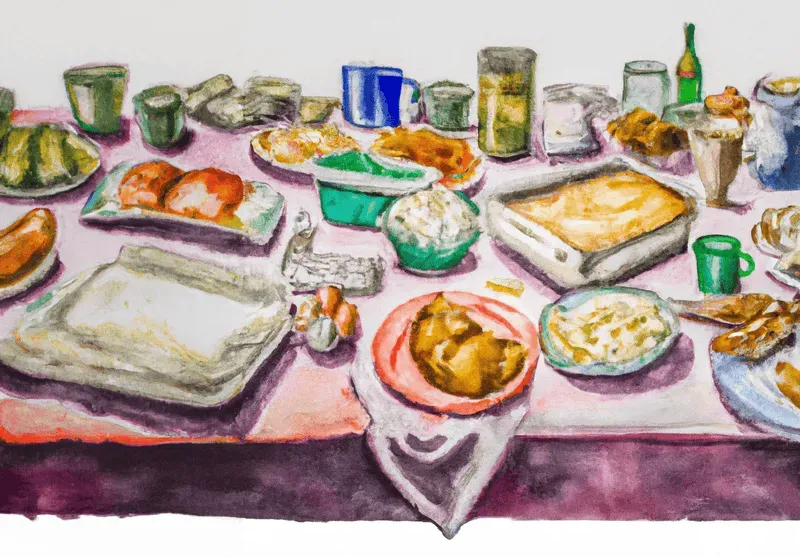
It tends to involve highly palatable foods, like desserts and fast food.
These foods are associated with a mood-boosting increase in dopamine, a hormone in the brain.
It's normal to eat emotionally on occasion, but when it happens frequently, emotional eating is linked with concerns like:
- Binge eating.
- Low mood.
- Weight changes.
- Difficulty regulating emotions.
Take our free emotional eating quiz to assess your behaviors.
Managing Emotional Eating
Though the initial response to emotional eating may be to “double down” on dieting efforts to regulate weight and stop overeating, this can often worsen emotional eating.
Research shows that dieting is a risk factor for emotional eating because of the psychological and physical effects of restriction.
Mindfulness tools are often used to teach awareness and emotional regulation for people who struggle with emotional eating.
A therapist is a great tool to help you understand the root cause of your overeating and learn healthy coping mechanisms.
A non-diet dietitian can help you unpack your relationship with food and your body image and guide you to set realistic goals that support your health and well-being.
You will learn helpful strategies like mindfulness and intuitive eating to stop emotional eating for good.
Binge Eating Disorder
In some cases, emotional eating is a sign of a deeper issue.
When emotional eating happens frequently and is associated with feeling a lack of control followed by intense guilt and shame, binge eating may be at play.
If you’re concerned you may have binge eating disorder, talk to your doctor about an evaluation and treatment options.
7 Books That Will Transform Your Mindset Around Emotional Eating
If you want to learn how to conquer emotional eating and improve your relationship with food, there are many books written by healthcare professionals that can help you get started.
Though emotional eating books can give you insight and tips to supplement professional help, they should not be a replacement for medical care.
1. Intuitive Eating by Evelyn Tribole, MS, RDN, CEDRD and Elyse Resch, MS, RDN, CDERD
The authors of this book founded intuitive eating, a non-diet approach that involves listening to your internal hunger and fullness cues to regulate your eating.
The book walks you through the ten principles of intuitive eating, covering everything from coping with negative emotions to building a healthy relationship with food and exercise.
Backed by research, intuitive eating is a great tool to help you manage emotional eating in a gentle, non-diet way.
Many dietitians have special training in the intuitive eating approach and can support you in this journey.
Get started with Nourish today to find a non-diet dietitian who can help you manage emotional eating using the intuitive eating principles.
2. Anti-Diet by Christy Harrison, MPH, RD
Written by a registered dietitian, this book explores diet culture, weight stigma, and the downsides of restrictive dieting.
It’s a great option if you’re looking to break free from chronic dieting and emotional eating.
You’ll learn why restrictive dieting is often ineffective in the long-term and gain valuable tools for improving your health and well-being. Instead of recommending a specific eating plan, the author emphasizes the value of intuitive eating and body acceptance as an alternative to dieting.
3. The Body Is Not an Apology by Sonya Renee Taylor
Sonya Renee Taylor is an award-winning activist, poet, and author whose work emphasizes body acceptance and social justice.
Her book, The Body Is Not an Apology, discusses the concept of “radical self-love,” which involves unpacking and healing your relationship with your body image.
Research has linked emotional eating with negative body image, so for many people, managing emotional eating involves addressing their body image concerns.
This book can be a valuable resource if you feel your emotional eating is related to feeling shame about your body size.
4. Eat What You Love, Love What You Eat by Michelle May, MD
In this book, the author describes how to use mindful eating strategies to overcome emotional eating.
She outlines the binge-restrict cycle that can be common with yo-yo dieting–overeating, guilt, restrictive dieting, and repeat.
The author recommends avoiding labels like “good foods” and bad foods” and listening to your natural hunger and fullness cues to guide your eating.
Her book focuses on building healthy habits instead of following restrictive diet rules that make many foods off-limits.
{{splash}}
5. Body Kindness by Rebecca Scritchfield, RDN
Written by a registered dietitian who runs a weight-inclusive nutrition counseling practice, “body kindness” is the concept of pursuing physical and mental health without dieting.
It involves treating yourself with love and respect throughout your health journey rather than letting guilt and shame fuel your choices.
A whole section of the book focuses on how thoughts and emotions can impact your food choices and habits, making it a valuable tool for learning how to manage emotional eating.
6. End Emotional Eating by Jennifer Taitz, PsyD
This book offers evidence-based strategies for overcoming emotional eating through a psychological lens.
Written by a clinical psychologist, this book outlines how to use tools from dialectical behavioral therapy (DBT) to manage emotional eating.
Dialectical behavior therapy is often used in the treatment of eating disorders, especially binge eating disorder.
It emphasizes learning mindfulness techniques and healthy ways to cope with your emotions, which are necessary skills for overcoming emotional eating.
7. The Mindful Eating Workbook by Vincci Tsui, RD
If you’re looking for an interactive emotional eating book, this workbook is the best of both worlds.
It provides information on mindful eating strategies and includes practical exercises to help you understand how your emotions impact your eating habits.
Learning how to eat mindfully and listen to your body’s hunger and fullness cues can take time, and this workbook can help you practice these skills in a non-judgemental space.
{{splash}}
Takeaway
Emotional eating, or overeating in response to negative emotions, can feel like a difficult behavior to manage.
It often requires learning new emotional regulation tools and coping mechanisms as well as addressing your relationship with food.
Though not a replacement for medical care, emotional eating books can be a great starting point for people looking to learn more about overcoming emotional eating.
If you have concerns about emotional eating or binge eating, a more intense form of overeating, talk to your doctor about your options.
How a Dietitian Can Help
A dietitian specializing in emotional eating can help you heal your relationship with food.
Your sessions may focus on topics such as meeting your health goals without restrictive dieting and building sustainable healthy habits.
Find a dietitian who accepts insurance through Nourish.
Frequently Asked Questions
How can I satisfy my emotional hunger?
The first step in managing emotional hunger or emotional eating is understanding the root cause of your overeating.
It may be helpful to unpack this with the help of a therapist or registered dietitian. You’ll learn your emotional triggers and tips for regulating emotions without relying on food.
What is emotional junk food?
When people overeat as a tool to regulate negative emotions, it’s known as emotional eating.
It’s common for emotional eating to involve junk food or desserts because these are highly palatable foods known to trigger a dopamine boost. Dopamine is the “feel-good” hormone in your brain that can improve your mood.
Do your emotions affect your eating habits?
In many people, emotions impact their eating habits and their relationship with food. When experiencing negative emotions, some people lose their appetite, but others are drawn to eating.
Emotional eating is a tool many people use to cope with uncomfortable emotions like stress or grief.
While emotional eating may result in a short term dopamine-boost, it’s linked with long-term health effects, like weight changes, binge eating, and depression.
References
View all references
Nourish has strict sourcing policies and prioritizes primary sources, including medical organizations, governmental agencies, academic institutions, and peer-reviewed scientific journals. Learn more about our medical review process and editorial guidelines.

























.avif)
















.avif)

.avif)
.avif)
.avif)