What Is IOP Eating Disorder Treatment?

Medical Reviewer: Taylor Hawkins, RD, LD

Author: Jennifer Huddy, MS, RD, LD

Summary
- An intensive outpatient program (IOP) for eating disorder treatment involves participants attending sessions several times per week, each lasting a few hours.
- Each IOP session usually consists of individual therapy, group therapy, and meal support for one meal.
- IOP treatment centers offer convenient, flexible eating disorder treatment on an outpatient basis while still providing access to a multidisciplinary team.
If you’re looking into eating disorder treatment options, you may have heard about IOP or intensive outpatient programs.
IOP treatment is a step down from higher levels of eating disorder care, like residential and partial hospitalization.
Rather than 24-hour or daily care, an IOP involves several sessions per week, usually scheduled in the mornings or evenings.
Continue reading to learn more about intensive outpatient treatment for eating disorders and whether it may be a good fit for your recovery journey.
{{splash}}
What is Intensive Outpatient Treatment (IOP) for Eating Disorders?
An intensive outpatient program (IOP) is a type of eating disorder treatment that consists of several meetings per week lasting a few hours at a time.
Sessions focus on individual and group therapy as well as meal support for eating disorder recovery.
IOP programs take place at outpatient clinics, and the sessions are often in the evenings so the participants can live at home and continue going to work or school.
For example, sessions may be held three days per week from 4-7 PM.
Hybrid or virtual IOP programs are also available, which is when some or all of the treatment is completed remotely.
These programs are for individuals who don’t need around-the-clock monitoring and who have a stable physical and mental health status.
The IOP level of care is usually the last step of eating disorder treatment before transitioning to standard outpatient therapy, which is less intensive.
However, some people with milder symptoms may be able to start with IOP treatment.
How Does IOP Differ From Other Forms of Treatment?
There are several types of eating disorder treatment a person may begin with, depending on the amount of support they need.
Starting with the highest level of care and ending with the lowest, these include:
- Inpatient treatment.
- Residential treatment.
- Partial hospital program (PHP).
- Intensive outpatient program (IOP).
- Outpatient therapy.
Participants don’t always move through these levels of care linearly.
Some people with mild symptoms may manage their eating disorder on an outpatient basis, whereas others benefit from a higher level of care.
Inpatient Treatment
Participants of inpatient eating disorder treatment programs are fully hospitalized and receive around-the-clock medical and psychiatric monitoring.
Patients may enter treatment with unstable vital signs (such as dehydration, electrolyte imbalance, or low blood pressure) or critical mental health concerns.
Residential Treatment
Residential eating disorder treatment is a step down from hospitalization.
Participants still receive 24-hour care and live at the facility but are medically stable.
Partial Hospital Program
Partial hospital programs (PHP), also known as day treatment, are when participants stay at the facility the whole day but go home each night.
Patients eat all their meals at the treatment center.
This level of care is for people who are medically and psychiatrically stable but still engage in eating disorder behaviors like binge eating, purging, or restricting.
After PHP treatment, individuals can transition to an intensive outpatient program (IOP).
Outpatient Therapy
Outpatient therapy is the least intensive level of eating disorder treatment care.
In outpatient therapy, the individual continues working with their care team, such as the therapist, dietitian, and physician, but on a less frequent basis than IOP treatment.
Schedules for outpatient treatment vary greatly depending on where the person is in their recovery journey.
Sessions may occur weekly or monthly.
Benefits of IOP Eating Disorder Treatment
Intensive outpatient treatment can be an excellent option for many people who need more support for their eating disorders but don’t need the level of monitoring that comes with inpatient and residential care.
Flexibility
Intensive outpatient programs are highly flexible, and many programs offer a morning and an afternoon time slot so that participants can choose the time that best suits their schedule.
Because these programs involve approximately 10 hours of treatment per week, most participants can continue their regular work or school schedule.
In contrast, PHP, residential, and inpatient treatment are full-time programs that require participants to take time away from their regular commitments.
Convenience
IOP treatment only takes place several days per week for a few hours at a time, which makes it convenient to attend.
Additionally, with the growing popularity of telehealth, many programs have expanded to include hybrid or virtual IOP treatment models.
This further improves the convenience and flexibility of IOP treatment and also expands access to care.
However, research on the effectiveness of virtual IOP treatment is preliminary, highlighting the need for more studies on the subject.
Comprehensive Care
Intensive outpatient programs provide a unique opportunity for participants to receive comprehensive care in one outpatient location.
Most treatment centers will have a multidisciplinary team that may include providers like:
- Medical doctors.
- Psychiatrists.
- Registered dietitians.
- Therapists.
- Nurse practitioners
- Physician’s assistants.
These clinicians work together to coordinate care and ensure a smooth treatment experience.
On the other hand, standard outpatient treatment is usually conducted by individual providers at different times and sometimes at various clinics.
For example, a patient may visit their primary care doctor monthly, see their therapist weekly, and work with a dietitian every two weeks.
Integration of Real-Life Experiences into Treatment
Because most people attending IOP eating disorder treatment are going to work or school during the day, the sessions can address relevant triggers that come up in daily life.
This can be especially helpful for individuals transitioning from a higher level of care who are returning to work or school after some time away.
Participants can identify real-life barriers and discuss how to handle them to promote long-term eating disorder recovery.
What to Expect from IOP Eating Disorder Treatment
If you’re looking into intensive outpatient programs for eating disorders, you may wonder what to expect as you get started and progress through treatment.
Initial Assessment
Each IOP treatment center will have a slightly different admissions procedure, but most will involve an initial phone call to determine whether the program can meet your treatment needs.
Then, you’ll schedule an initial assessment, where a clinician will ask for more details about your current eating habits, lifestyle, and health concerns.
During the assessment, the provider will determine whether IOP is the appropriate level of care for you. If the program is a good fit, the team will create an individualized treatment plan for you, and you’ll begin attending the sessions.
Structure of IOP Sessions
Intensive outpatient sessions involve a combination of individual and group therapy.
Participants may have visits with their therapist or dietitian during this time.
For adolescents, many programs also offer family therapy, which involves the patient’s immediate family members in the recovery process.
Common types of therapy conducted in IOP sessions include:
- Cognitive behavioral therapy (CBT).
- Dialectical behavioral therapy (DBT).
- Acceptance and commitment therapy (ACT).
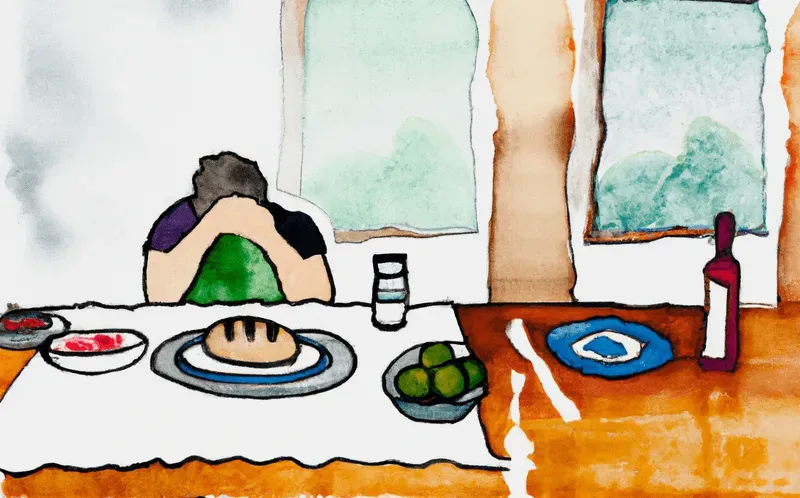
IOP sessions are scheduled to overlap with one meal time so that participants can receive meal support.
The group eats the meal together, usually supervised by a dietitian or a therapist.
{{splash}}
Support and Resources
Intensive outpatient programs often provide support beyond the treatment sessions to ensure the success of their patients.
When a participant completes the program, the treatment team may help with the transition to standard outpatient therapy by recommending a frequency of care and making sure the patient has providers lined up to work with.
Many programs also offer virtual or in-person support groups for people undergoing treatment or who are in active recovery.
Takeaway
An intensive outpatient program (IOP) is a step down from residential and partial hospitalization eating disorder treatment programs.
It usually involves several 3-hour sessions each week, which allows participants to attend work or school.
Each session includes individual and group therapy. A therapist or dietitian also provides meal support for one meal.
IOP treatment can be a flexible treatment option for people who no longer need a high level of care for their eating disorder but still need support.
How a Dietitian Can Help
Registered dietitians work in all areas of eating disorder treatment, from inpatient to IOP to outpatient.
They can provide meal plans, give meal support, and help you heal your relationship with food.
If you’re transitioning out of IOP treatment, you may be looking for a dietitian to work with on an ongoing basis.
Find an outpatient eating disorder dietitian who can help you maintain the progress you’ve made in your recovery.
Frequently Asked Questions
What does IOP stand for in mental health?
IOP stands for intensive outpatient program.
It’s a type of mental health treatment used for eating disorders and substance abuse.
IOP treatment usually involves several sessions per week lasting a few hours each.
It often serves as the bridge between inpatient and outpatient treatment and is based on individual and group therapy.
Why is an IOP used?
An intensive outpatient program (IOP) for eating disorders is used as a transition between inpatient and outpatient treatment.
Participants attend several sessions per week, each lasting a few hours.
Sessions include meal support along with individual and group therapy.
Most participants in IOP treatment can continue going to school or work in some capacity.
What’s the difference between IOP and PHP?
A partial hospital program (PHP) is a type of eating disorder treatment in which the participants stay at the center all day and go home each night.
All meals are supervised, and the patients undergo individual and group therapy.
Intensive outpatient programs (IOP) are a step down from PHP treatment.
Participants attend sessions several days per week, each lasting a few hours (meaning they can attend work and school).
Each session includes meal support for one meal, along with individual and group therapy.
References
View all references
Nourish has strict sourcing policies and prioritizes primary sources, including medical organizations, governmental agencies, academic institutions, and peer-reviewed scientific journals. Learn more about our medical review process and editorial guidelines.

























.avif)

















.avif)


.avif)
.avif)
.avif)