How To Stop Feeling Guilty After Eating

Author: Julia Zakrzewski, RD

Do you often feel guilty after enjoying a meal?
Whether it's due to societal pressures, health concerns, or a history of dieting, the sensation of guilt associated with eating is common for many people.
Continue reading to learn strategies to help you reclaim a healthy relationship with food and embrace a more positive approach to nourishment and well-being.
{{splash}}
What is Food Guilt?
Food guilt is when a person feels ashamed after eating a specific food or a significant portion of food.
It’s most common with highly palatable foods that are considered unhealthy or indulgent.
The idea that certain foods are morally “good” or “bad” is prevalent in our society.
This messaging, commonly touted by the diet industry, can contribute to feeling guilty after eating.
Often, the guilty feeling is related to a fear of weight gain or not meeting one’s health goals.
Here are a few examples of food guilt thoughts:
- “I am bad for wanting second servings.”
- “I can’t believe I ate the entire dessert. Why did I do that?”
- “If I eat chips tonight, I’ll skip breakfast tomorrow.”
- “I could never eat that food.”
The language you use to describe food matters.
Assigning morally charged words to food, like “bad” or “cheat,” contributes to the emotional toll they can have on you after eating.
You should never feel guilty when choosing foods to nourish your body.
Although some foods are more energy dense than others, it doesn’t mean you have to feel ashamed for enjoying them.
These foods serve other roles in your well-being, and you can safely include them in a balanced diet.
What Are Food Rules?
The diet industry is notorious for creating food rules to help people lose weight.
These rules are restrictive practices that are often difficult to sustain long-term. A consistent outcome is that you are likely to feel guilty if you break a food rule.
Here are some examples of common food rules observed in Western society:
- Don’t eat after eight o'clock.
- Avoid sugary fruits.
- Avoid all foods made with white flour.
- Don’t snack between your meals.
- Honey is better for you than white sugar.
- If you’re hungry, drink water.
- Avoid emotional eating.
It can be eye-opening to realize that most of these food rules aren’t rooted in evidence.
Further, whether or not you follow these rules doesn’t determine your worth as a person.
Letting go of these food rules is freeing but can take time to unlearn. Be gentle with yourself as you move through this process.
Are All Food Rules Bad?
Some people can become obsessed with food rules and grow fearful of breaking them.
They worry that a particular food or food group can negatively impact their health and will avoid them at all costs.
Being rigid about food rules can be a precursor to a type of disordered eating called orthorexia.
It often starts with a clear ambition to follow a healthy diet but can become obsessive behavior. If this sounds like you, talk to your doctor for support.
Of course, many medical conditions can be impacted by nutrition, like diabetes and kidney disease.
However, it’s rare that you would need to completely eliminate certain foods from your diet to stay healthy.
{{splash}}
Why Do I Feel Guilty After Eating?
In addition to the shame that comes from breaking food rules, other factors can cause you to feel guilty after eating.
Diet Culture
The pervasiveness of diet culture in our society can contribute to food guilt in many different ways.
First, restrictive dieting and food rules can make you enjoy your food less and feel increased guilt and shame after eating.
Diet culture is also apparent in social media.
When you are exposed to images and content of people following seemingly “perfect” diets, it can influence how you feel about your own food choices.
Body image concerns can also step from the diet industry messaging of the thin ideal.
Feeling ashamed about your body size can cause you to experience guilt after eating.
Comments From Loved Ones
Everyone has an opinion regarding nutrition–from which diet is best to which foods you should avoid.
Well-meaning comments from loved ones can make you feel guilty about your food choices.
Healthy boundary setting is essential in helping you move past the guilt and avoid hurtful comments.
Health Conditions
Much of food guilt is rooted in the belief that your eating pattern does not align with your health goals, whether that be weight loss or managing a health condition.
Often, restrictive nutrition advice from healthcare providers can fuel guilt even when you enjoy off-limits foods in moderation.
7 Tips to Overcome Food Guilt
Most dietitians will be the first to tell you there are no good or bad foods. But how can you meet your health goals while avoiding guilt and food rules?
1. Increase Awareness At Meals
The first step is to bring awareness to how you label foods.
Are you categorizing them as good or bad? Notice when certain foods evoke a strong emotion.
Understanding how you react can give you insight into how food guilt manifests throughout your day.
As you navigate these emotions, being kind and gracious to yourself is essential.
Some food rules have been instilled in us since childhood.
Take your time and approach these changes with curiosity and positivity.
With practice, you can reframe your critical inner dialogue around food.
{{splash}}
2. Say Goodbye To Diets
Following prescriptive diets can result in food guilt due to all the rules that are difficult to follow.
Instead, work on tuning into your body’s natural hunger and fullness signals to guide your eating.
Building trust with your nutrition intuition can take time, but the reward of eating without feeling food guilt can be worth the change.
Whenever someone approaches you with a new diet, simply say, “Thanks, but I’m trying to work on a different approach to eating without a diet.”
Letting people know that you are not interested in diets can remind them not to bring up that topic with you in the future.
3. Limit Food Restrictions.
A 2013 study revealed that people who tried to restrict their intake did not eat fewer calories. Instead, they felt higher levels of guilt after eating.
A review from 2018 also found that restricted eaters were more likely to overeat when they experienced negative emotions.
Reducing the number of food restrictions in your diet can help release you from guilt and shame after eating.
Introduce “forbidden” foods back into your diet slowly and patiently. Your goal should be to work on long-term sustainable changes, which will take time.
4. Unfollow Social Media Accounts
This step may be the most helpful if you regularly consume social media.
Unfollowing diet and weight loss-focused accounts and hashtags can improve your mood and mindset toward food guilt within a few days.
It’s tough not to compare yourself to people online.
A 2020 review of thirty studies found that young adults know that social media content can be highly edited.
However, they still compare their body image and food choices and seek validation from the online community.
Sometimes, unfollowing accounts perpetuating food guilt is the only way to maintain healthy boundaries.
5. Avoid Labeling Foods As Good And Bad
Your body needs nutritionally dense foods to stay healthy long-term.
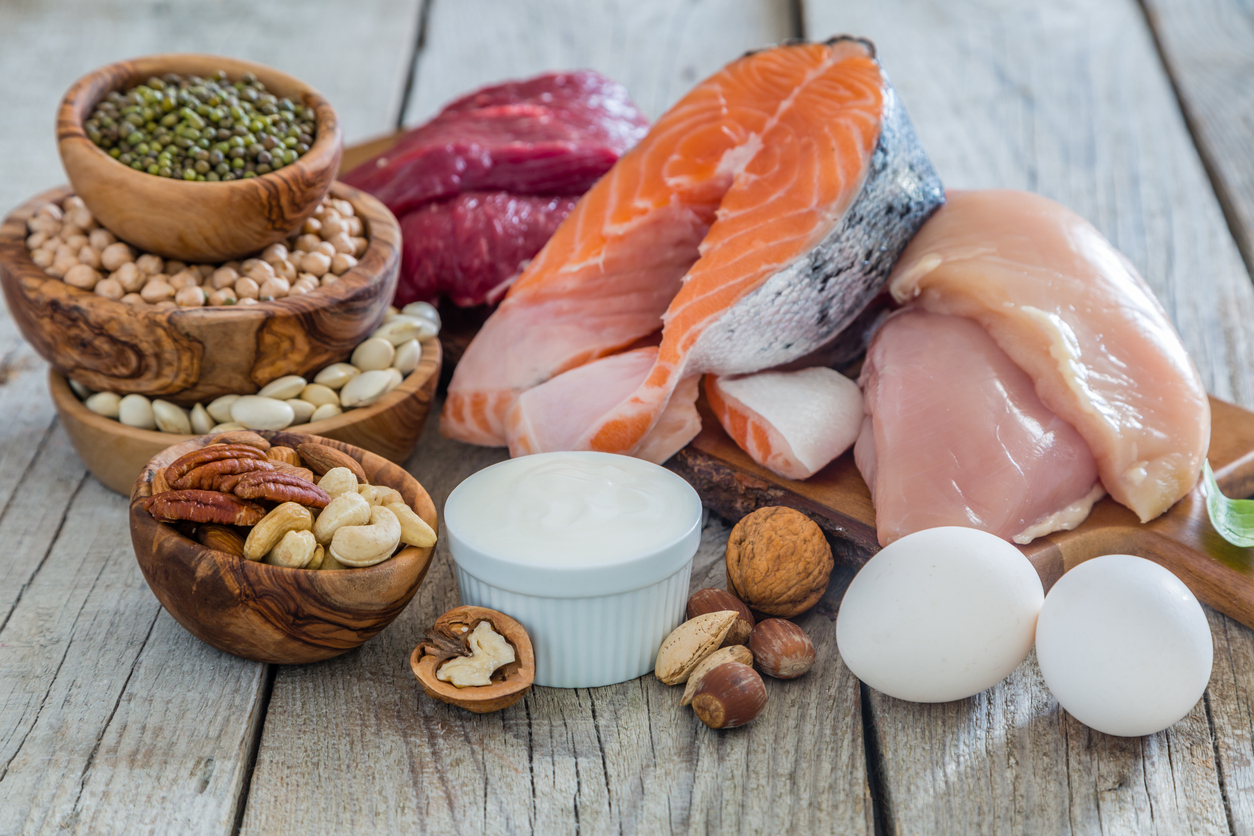
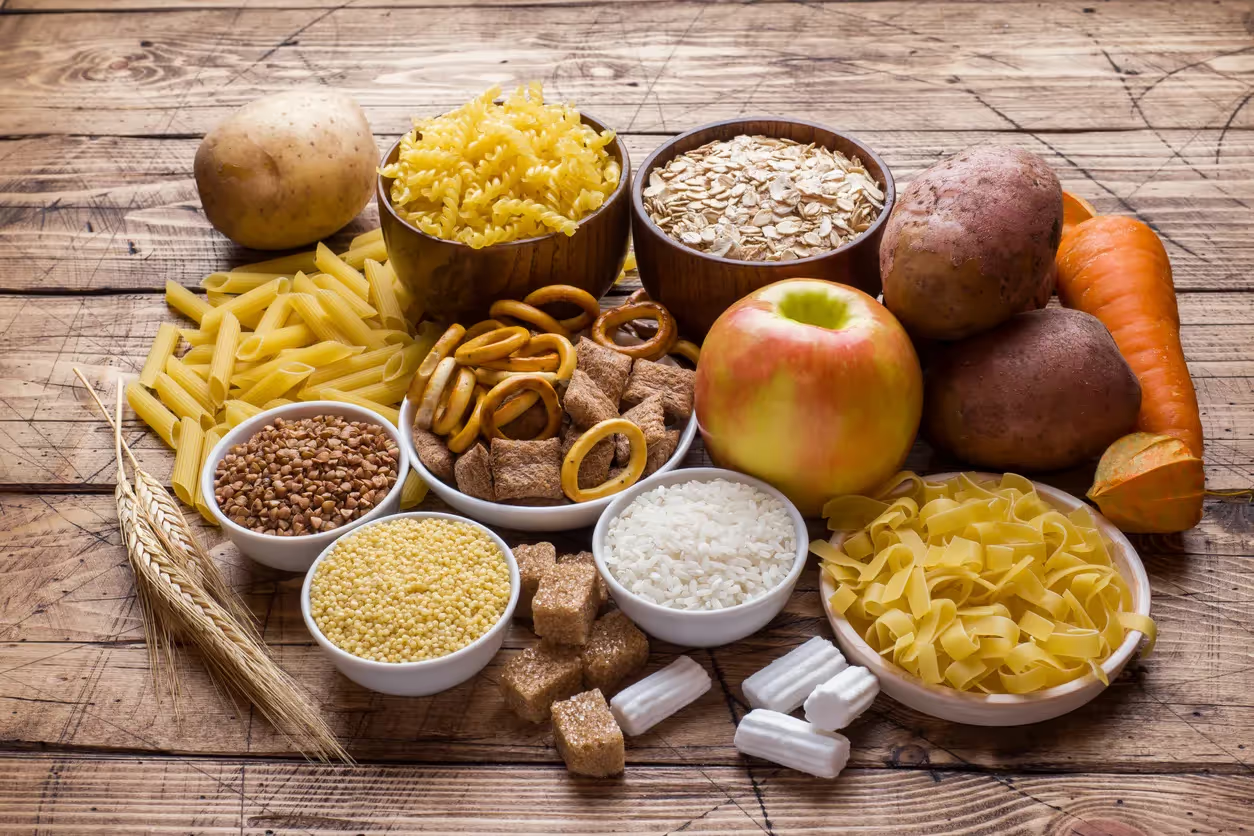
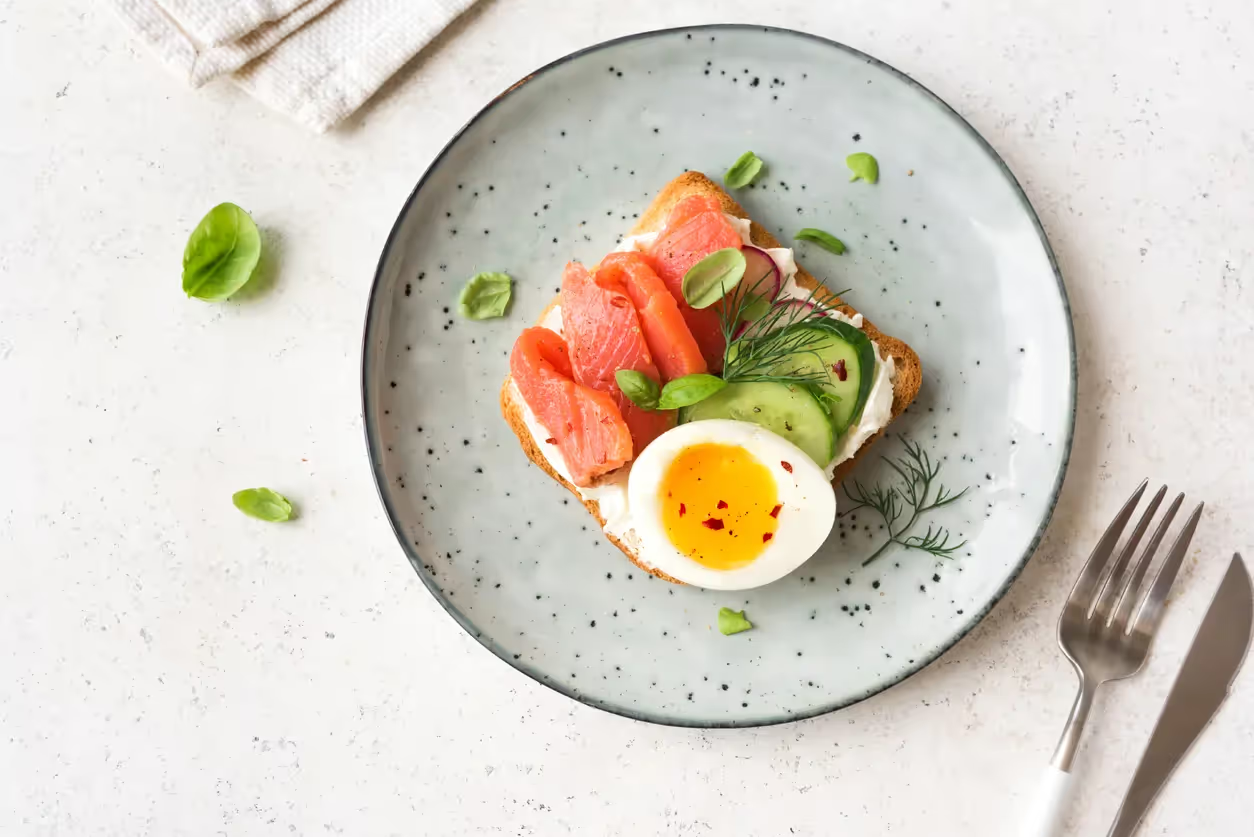
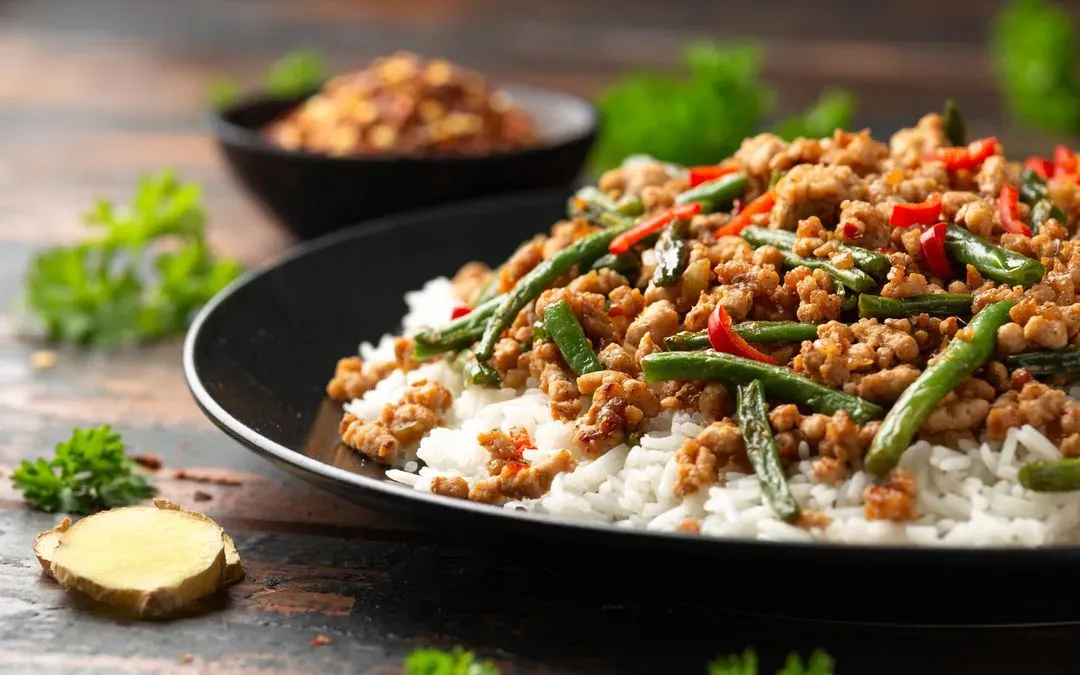
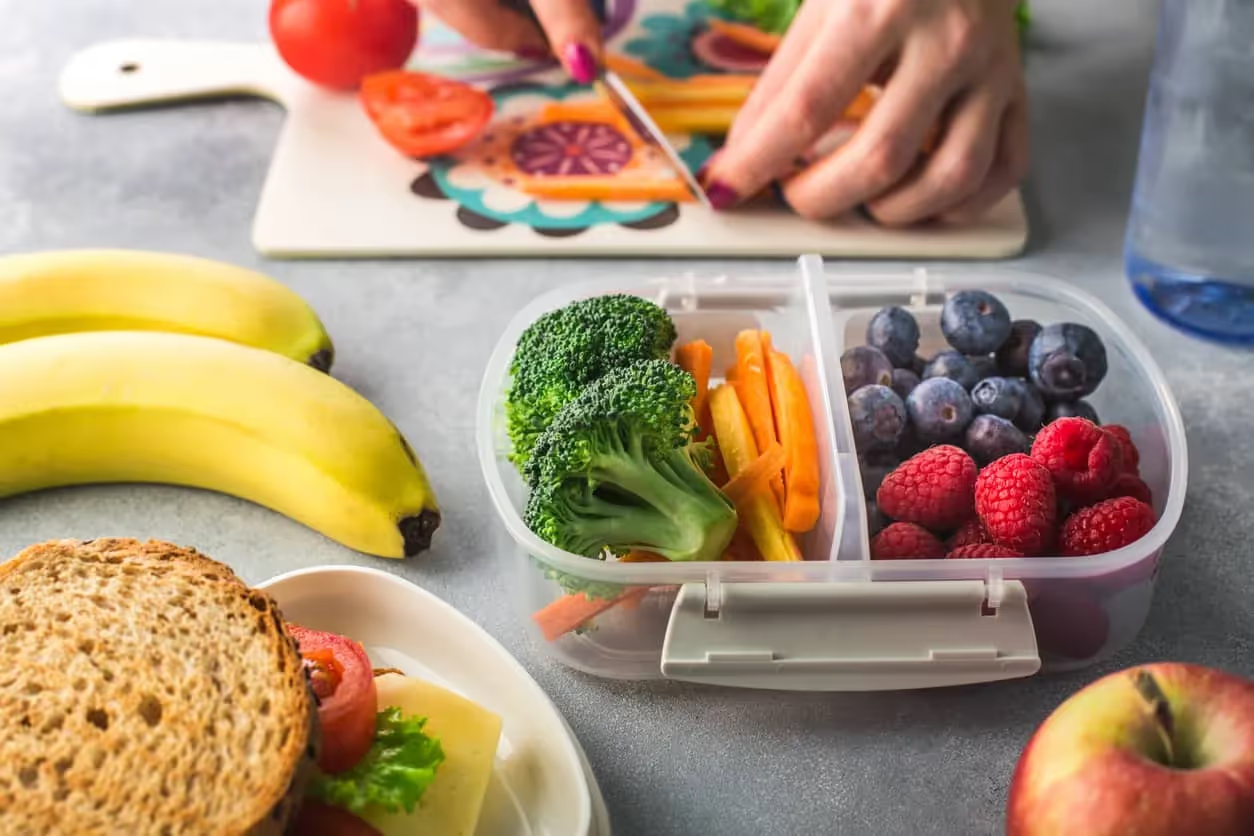
These include a combination of fiber-rich carbohydrates, healthy fats, lean proteins, and colorful vegetables and fruits.
At the same time, food can be a big part of celebrations, milestone moments, or to satisfy nostalgia and cravings.
It’s okay to eat for these reasons; food serves a more significant role than only providing the body with nutrients.
Instead of labeling these foods as “bad,” consider opting for gentler language, such as foods for the soul.
6. Actively Say Yes To Eating Opportunities
Take action by saying yes to snacks, meals, or dining opportunities you may have otherwise said no to because of food rules you learned.
Observe how this change in response feels.
Initially, it could feel a little scary because it’s going against the grain of what diet culture promotes.
Moving past food rules and dieting can allow you to become more in touch with your body and improve your relationship with food.
7. Reach Out For Help.
If you want to make changes but need help figuring out where to start, consulting with a nutrition health professional is a great place to start.
Registered dietitians have extensive nutrition training and can help you manage guilt around food and eating.
Working with a therapist can also be beneficial if you feel a mental health condition is impacting your relationship with food.
Takeaway
Food guilt is when a person feels ashamed after eating, typically when energy-dense foods are involved.
It can stem from restrictive dieting and food rules, which are external guidelines on which foods are “good” and “bad.”
You can move past food guilt and improve your relationship with food by avoiding fad diets, unfollowing diet-focused social media accounts, and setting boundaries with loved ones.
Practice listening to your natural hunger and fullness cues to guide your eating instead.
How a Dietitian Can Help
Unlearning food rules can be challenging.
The first step to making effective changes is to consult a registered dietitian who offers non-diet, weight-neutral care.
Together, you can work on a plan to help you overcome food guilt and learn sustainable eating habits.
Find a dietitian near you that accepts insurance through Nourish.
{{splash}}
Frequently Asked Questions
References
View all references
- Plan Your Plate. (2018, December). NIH News in Health.
- Elder, R. S., & Mohr, G. S. (2020). Guilty displeasures: How imagined guilt dampens consumer enjoyment. Appetite, 150, 104641.
- Tabri, N., Yung, J. J., & Elliott, C. M. (2022). Connecting a health-focused self-concept with orthorexia nervosa symptoms via fear of losing control over eating unhealthy food and disgust for unhealthy food. Eating and weight disorders : EWD, 10.1007/s40519-022-01494-4. Advance online publication.
- Rounsefell, K., Gibson, S., McLean, S., Blair, M., Molenaar, A., Brennan, L., Truby, H., & McCaffrey, T. A. (2020). Social media, body image and food choices in healthy young adults: A mixed methods systematic review. Nutrition & dietetics: the journal of the Dietitians Association of Australia, 77(1), 19–40.
- de Witt Huberts, J. C., Evers, C., & de Ridder, D. T. (2013). Double trouble: restrained eaters do not eat less and feel worse. Psychology & health, 28(6), 686–700.
- Evers, C., Dingemans, A., Junghans, A. F., & Boevé, A. (2018). Feeling bad or feeling good, does emotion affect your consumption of food? A meta-analysis of the experimental evidence. Neuroscience and biobehavioral reviews, 92, 195–208.
Nourish has strict sourcing policies and prioritizes primary sources, including medical organizations, governmental agencies, academic institutions, and peer-reviewed scientific journals. Learn more about our medical review process and editorial guidelines.












.jpg)






















.avif)

.avif)



























.avif)

%20(1).webp)