How To Stop Mindless Eating

Medical Reviewer: Renae Khalil RD, LDN

Author: Julia Zakrzewski, RD

Summary
- Mindless eating is when you eat without awareness.
- Identifying triggers, limiting distractions, and keeping a food journal may help you stop mindless eating.
- You can learn more about how to eat mindfully under the guidance of a registered dietitian.
You must eat regularly for energy, but finding time to sit and mindfully enjoy your meal can be challenging.
For example, you might be demonstrating mindless eating behaviors if you feel rushed, distracted, and unable to focus on meals.
Fortunately, there are several ways to increase mindfulness when eating.
Read on to learn how to stop mindless eating and feel satisfied after meals.
{{splash}}
What is Mindless Eating?
Mindless eating is the opposite of mindful eating.
Distractions may interfere with your ability to enjoy your meal and listen to your body’s hunger and fullness cues.
Some examples of mindless eating can include:
- Eating because food is in front of you—not because you’re hungry.
- Eating in the car while you’re doing errands or commuting.
- Clearing your kids' plates after a meal even though you’re full.
Sometimes, being unable to recognize when you’re satisfied could lead to overeating, leaving you feeling overstuffed and physically uncomfortable.
Mentally, you might feel like you lack control when you’re around food, which may feel frustrating.
All of these sensations could detract from your overall dining experience and make it harder to feel good about your eating habits.
Potential Causes of Mindless Eating
Below are some generalized factors that could cause you to eat mindlessly.
If you want more personalized insight, consider reviewing your eating behaviors with a registered dietitian.
They are trained nutrition experts who can help you become a more mindful eater.
Stress
Feeling stressed can make it hard to focus and enjoy your meal, especially if you have a million thoughts running through your head.
To manage your stress at meals better, try unplugging and finding a calming dining environment.
Being in a quiet space and practicing deep breathing before you eat might also help you relax so that you can better focus on mindful eating.
Boredom
Seeking food when you’re bored can affect your nutritional intake.
Some research suggests that people who engage in boredom eating may seek more palatable foods and have a higher calorie intake.
It may be challenging to practice mindfulness when you’re eating out of boredom.
Your intake may be more habitual than physiologically necessary, and food might not taste as good.
Also, boredom can return if you haven’t found an activity or hobby to enjoy, so eating while you’re bored may only serve as a temporary distraction.
Your Environment
An environment rich with distractions can make it very challenging to practice mindful eating.
Some environmental factors that might affect your ability to eat mindfully include:
- Having a busy office space with co-workers frequently stopping at your desk.
- Being plugged into your computer at meals.
- Feeling pressed for time and forcing yourself to eat quickly.
- Being on your phone (scrolling, texting, watching videos, etc.)
- Missing a comfortable space to eat.
To decrease distractions, dedicate a regular time to eating every day.
Turn off your phone, and take your time eating. Try to point out flavors and textures you enjoy in your meal.
Distractions
In addition to environmental distractions, there might be other forms of distractions that are unique to you—like feeling irked when somebody loudly chews their food or sitting beside a “mouth breather.”
You can’t control people around you, but if you’re distracted and unable to focus on your meal, you can choose to sit somewhere else that’s free from distractions.
How to Stop Mindless Eating
If you want to eat more mindfully, follow some of our tips.
Identify Triggers
First, try to identify triggers that might be contributing to mindless eating.
Write them down on your phone or in a journal.
There isn’t a formal approach to this, but it might be helpful to start small—like only focusing on one meal of the day.
To make the most of this exercise, pick the meal you think you will most likely eat mindlessly.
You can then brainstorm solutions to address these triggers or ask your dietitian for expert advice.
Keep a Food Journal
It might be helpful to write down your nutritional intake and eating experiences.
Some prompts that might help are:
- How was I feeling before the meal?
- What distractions did I notice while eating?
- How did I feel after eating?
- Did I feel rushed or calm?
Your dietitian can recommend other helpful prompts based on your needs.
Notice Emotional Cues
Emotions are powerful and can influence your eating behaviors, especially if you use food or beverages to cope with your feelings.
If you notice that you turn to food for comfort or self-soothe, you might want to work with a dietitian specializing in emotional eating.
Take our free quiz if you’re unsure if your emotions are impacting your eating choices.
It could give you better insight into your relationship with food, and you can review your results with your dietitian for more guidance.
Practice Intuitive Eating
Intuitive eating is often mentioned when discussing mindful eating.
It incorporates many similar features and might appeal to you if you want to heal your relationship with food and eating.
A dietitian specializing in intuitive eating can help you develop this practice and adopt a more mindful approach to nourishing yourself.
Limit Distractions
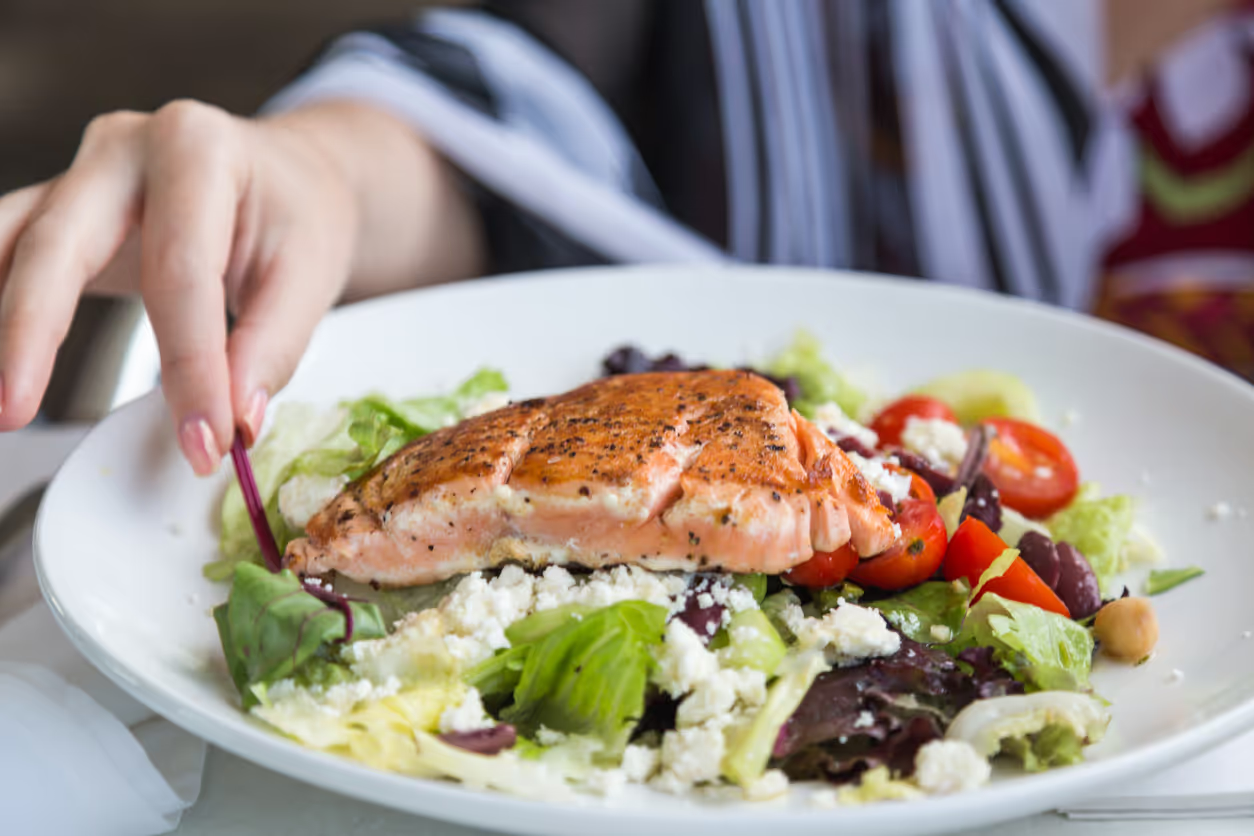
Try to limit distractions at meals by dedicating a calm, quiet place to eat.
Ensure you give yourself plenty of time to enjoy your meal.
Stock Up on Nutritious Snacks
Your body needs fuel to thrive, and having nutritious and filling snacks on hand can make it easier to eat well.
Some parts of your daily schedule are out of your control—like how long your lunch break is at work, but you can control what you eat during that break to feel energized and full.
Some quick snacks to keep on hand include:
- Veggie packs with hummus.
- Unsalted trail mix with fruits.
- Whole wheat crackers with tinned fish.
Build Long-Term Habits
Modifying your eating habits takes time, but you can achieve your health goals by taking small steps daily.
Here’s an example of a timeline that could help you build long-term habits (this can be customized to your needs):
- Week 1: Dedicate a time to eat lunch daily.
- Week 2: Turn off your phone/computer and try to identify things you like in your meal.
- Week 3: Weather permitting, leave the office and take your lunch outside in a quiet park.
Is Mindless Eating Bad for Your Health?
Little research demonstrates that mindless eating is bad for your health, and we need more data to better understand how it could impact overall wellness.
What Should You Eat To Be Healthy?
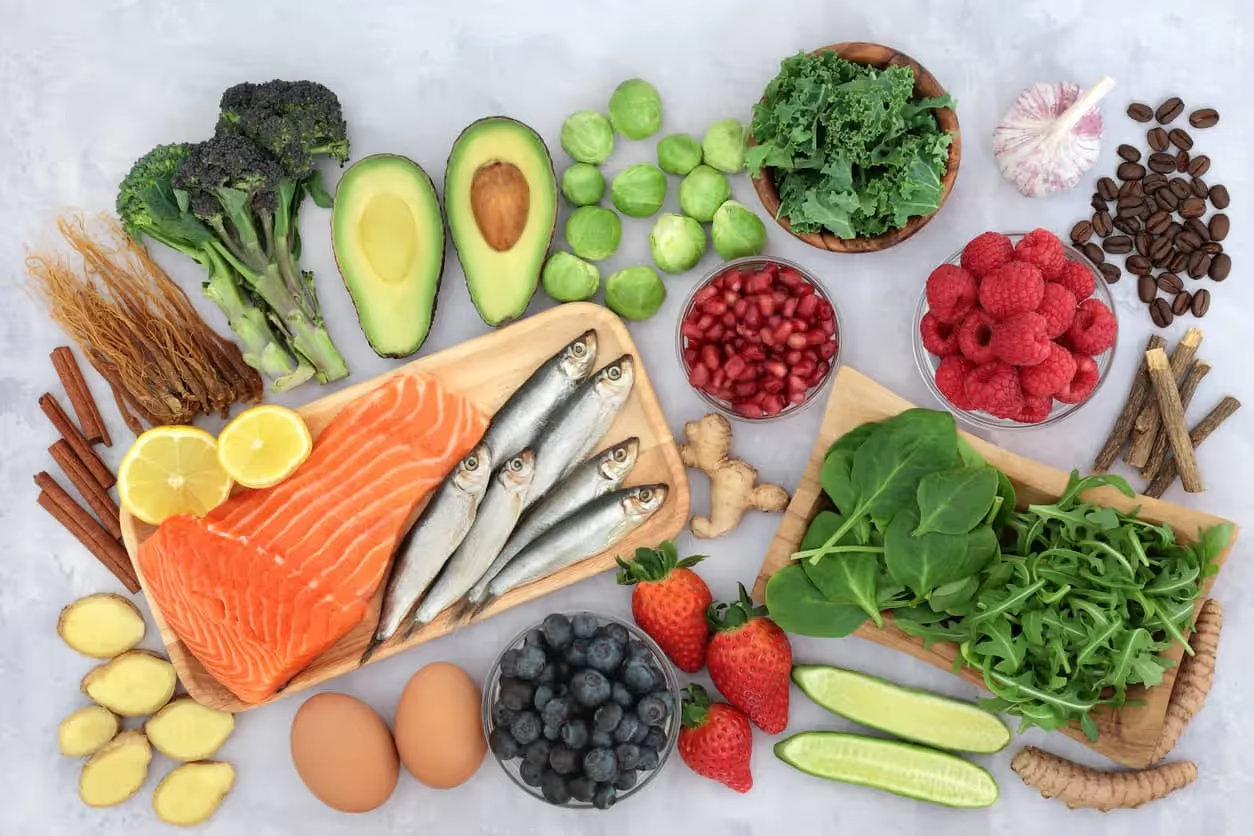
To optimize your health, federal nutrition guidelines recommend following these dietary recommendations:
- Eat a fiber-rich diet with vegetables, fruits, legumes, whole grains, nuts, and seeds.
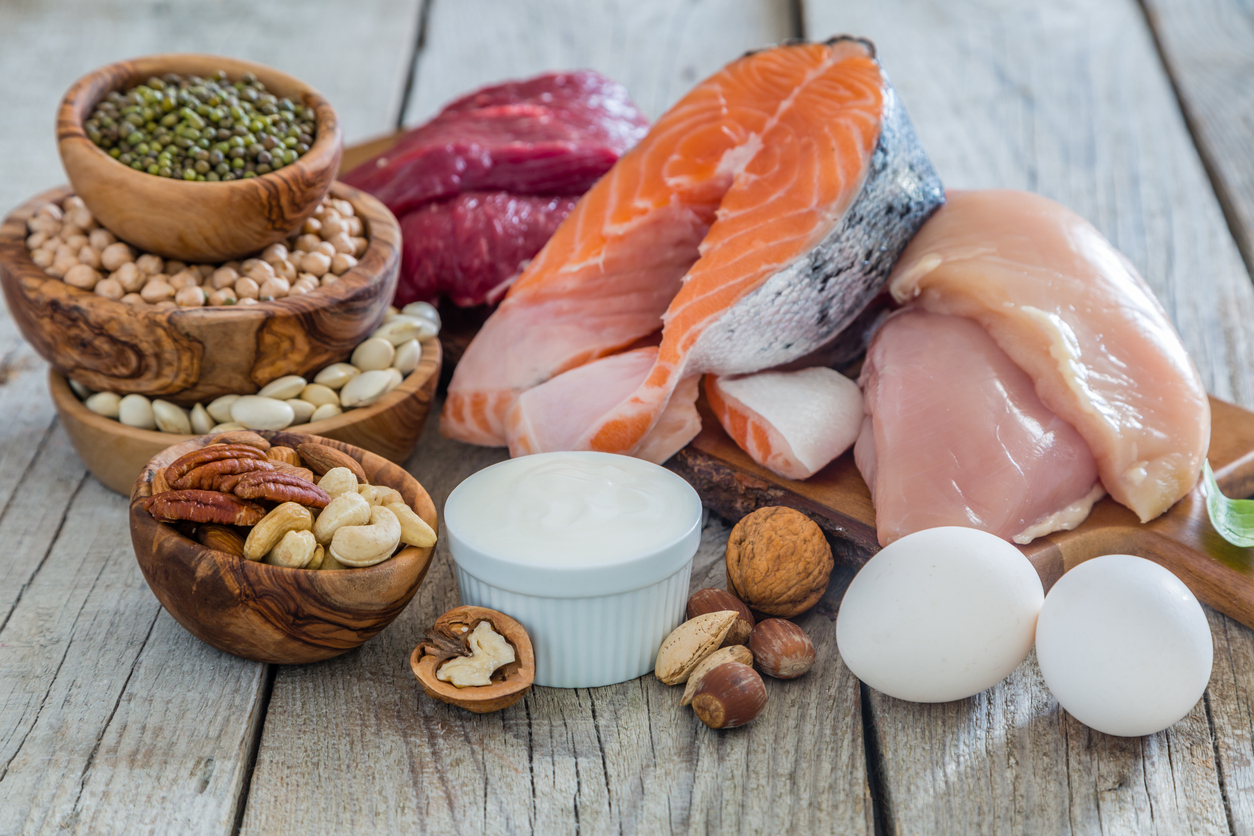
- Choose lean proteins like fish, poultry, eggs, and plant-based options.
- Enjoy foods with unsaturated fats more often than foods with saturated or trans fats.
- Pick whole grains for 50% of your carbohydrate intake.
- Eat when you’re hungry—many adults need several meals and snacks daily to thrive.
- Choose foods that celebrate your culture.
{{splash}}
Tips for Staying Mindful While Eating
To continue eating mindfully, use tools and strategies that work for you.
For example, if you like accountability, keep an easy-to-use food journal that you can complete regularly.
Your dietitian will give you plenty of other strategies.
Remember also to be kind to yourself as you explore your eating habits.
Try not to judge or criticize yourself if you eat mindlessly again—it happens!
A sign of positive behavior change will show itself in how you respond to the situation.
In the past, you might have felt defeated or frustrated.
But, after learning how to cope better, you might practice more self-compassion and recognize that mindless eating at one meal (or several) doesn’t define your health.
Takeaway
Mindless eating behaviors can develop when you’re unable to sit and thoroughly enjoy your meal.
To increase mindfulness, try to dedicate a quiet space to consume your food and drinks.
Unplug from work and cellphones, and try to limit any other distractions that interfere with your meals.
For more support, consider working with a registered dietitian.
They can help you build a personalized nutrition plan to address mindless eating.
How a Dietitian Can Help
A registered dietitian is a nutrition expert and a licensed healthcare provider who can help you build a nutritionally balanced meal and learn to eat mindfully.
At Nourish, every dietitian appointment is done online.
Every appointment is 55 minutes long and covered by insurance. In addition to receiving personalized nutrition care, you can also use the Nourish app to access free resources and stay connected with your dietitian between visits.
Find a dietitian who accepts insurance through Nourish.
Frequently Asked Questions
How do I stop mindless snacking?
To address mindless snacking, it's important that you identify the root cause of the behavior:
- Are you hungry? Maybe your meal portions are too small, and you get snacky because you’re hungry.
- Are you snacking to procrastinate?
- Are you bored?
- Are you distracted?
Once you understand your eating behaviors you can brainstorm possible solutions under the guidance of a registered dietitian.
Why do I eat so mindlessly?
Several factors could prompt you to eat mindlessly, including:
- Unmanaged stress.
- Environmental factors.
- Distractions.
- Missing a designated space to eat.
- Emotional cues.
How do you train your mind to eat less?
Your body has hormones that will signal your brain when you’re hungry and full.
However, sometimes, it can be hard to tune into these signals, and a dietitian can help you relearn.
Some physiological signs that might indicate you’ve had enough include:
- A comfortable feeling of fullness in your stomach.
- You’re no longer thinking about food and eating.
- Food no longer tastes as good as your first bites.
References
View all references
Mindful Eating: The Art of Presence While You Eat - PMC
Full article: Stress and eating behaviours in healthy adults: a systematic review and meta-analysis
The Effect of Diaphragmatic Breathing on Attention, Negative Affect and Stress in Healthy Adults
Dietary Guidelines for Americans, 2020-2025
Nourish has strict sourcing policies and prioritizes primary sources, including medical organizations, governmental agencies, academic institutions, and peer-reviewed scientific journals. Learn more about our medical review process and editorial guidelines.











.jpg)
























.avif)


.avif)






























.avif)

%20(1).webp)








.avif)
.avif)