7 Foods To Avoid After Coronary Bypass Surgery

Medical Reviewer: Ellie Stamerjohn, MS, RDN, LD

Author: Julia Zakrzewski, RD

Summary
- Heart surgeons perform coronary bypass surgery to restore blood flow back to the heart.
- After surgery, it’s important to make dietary changes that support heart health, such as eating foods with fiber, omega-3 fatty acids, lean proteins, and other essential vitamins and minerals.
- To further optimize your heart health, limit your intake of ultra-processed foods, caffeinated products, alcohol, and foods high in sodium and added sugars.
Coronary bypass artery grafting (CABG), or heart bypass surgery, is recommended for patients with one or two narrowing coronary arteries—vessels that supply the heart with blood.
Surgeons create a detour around the heart that bypasses clogged arteries to restore blood supply to the heart.
After surgery, you’ll need to continue managing your heart health through a combination of diet and lifestyle changes and possibly start taking medications.
We’ve made a list of seven foods to avoid after coronary bypass surgery and included other nutritious options you can have instead.
Read on to learn more.
{{splash}}
7 Foods to Avoid After Coronary Bypass Surgery
After coronary bypass surgery, foods that should be limited include ultra-processed products, alcohol, sugar-sweetened beverages, caffeinated goods, and fast food.
Consider working with a registered dietitian to better understand what a heart-healthy diet could look like for you.
They can offer personalized recommendations that will help you feel your best.
1. Foods High in Saturated and Trans Fats
Saturated and trans fats are harder for the body to metabolize.
They can contribute to atherosclerotic plaque build-up in the arteries—which can clog the blood vessels—and raise blood cholesterol levels, endangering heart health.
Everyone could benefit from decreasing their intake of saturated and trans fats, and it’s particularly important after coronary bypass surgery to ensure your arteries remain unclogged and pliant so blood can continue to flow to the heart.
Examples of foods that contain moderate to high amounts of saturated and trans fats include:
- Beef.
- Lamb.
- Pork.
- Poultry with skin.
- Beef fat (tallow).
- Lard and cream.
- Full-fat dairy, including butter, cream, cheeses, and ice cream.
- Tropical oils like palm oil, coconut oil, palm kernel oil.
- Foods prepared with hydrogenated oils, including some fried or deep-fried foods.
The American Heart Association recommends limiting your intake of foods with saturated fat to only 5-6% of your total daily calories.
If you eat a 2000-calorie diet, you can have no more than 120 calories from saturated fat (approximately 13g).
For context, four ounces of extra lean ground beef has 3.5g of saturated fat, and three ounces of cooked salmon has about 1.1g.
2. High-Sodium Foods
Sodium chloride (salt) adds flavor to foods, aids with muscle and nerve function, and promotes fluid balance.
However, high-sodium foods go above and beyond what you need to stay healthy and can raise blood pressure by causing fluid retention, which can be dangerous after bypass surgery.
Foods high in sodium (containing more than 20% of the daily value) include:
- Pickled goods, including olives, pickles, and other vegetables.
- Some canned soups, broths, and instant soup-packs.
- Many frozen dinners, appetizers, or heat-and-eat snacks.
- Savory shelf-stable snacks like chips, pretzels, and some crackers.
- Some breads, including flavored items like garlic bread.
- Some cheeses, particularly feta.
- Condiments like soy sauce, fish sauce, salad dressings, and BBQ sauces.
- Processes and cured meats, including bacon, sausages, deli, etc.
- Smoked and tinned protein, including meat, fish, and shellfish (mussels, etc.)
Your healthcare provider may recommend a reduced daily sodium target for you to follow based on your overall health status, which could be anywhere from 1500 to 2000mg, depending on your needs.
3. Ultra-Processed Foods
Ultra-processed foods (UPFs) are manufactured to be more palatable and shelf-stable.
They’re naturally high in fats, sodium, and added sugars, and research demonstrated that people who frequently eat UPFs experience worse health outcomes, including cardiometabolic health.
Some of these examples have already been listed because they’re high in saturated fat and sodium, but for consistency, we’ve included them again:
- Ice cream, ice cream sandwiches, etc.
- Candies, chocolates, pastries, and other desserts.
- Sugar-sweetened drinks like juices and sodas.
- Fried foods, including savory and sweet options (like donuts).
- Frozen or microwavable meals.
- Canned meals (ravioli, soups, ham and beans, etc.)
- Refined flour products include white pasta, white bread, taco shells, ramen noodles, and rice noodles.
- Chips, pretzels, and some crackers.
- Sweetened cereals and some granola bars.
4. Fast Food
Although there are healthier alternatives, typical fast food options can be high in saturated fats and sodium.
When dining out, try to limit your intake of burgers and fries or pizzas with processed meats.
Instead, choose take-out dishes prepared with leaner cooking methods, like a grilled chicken sandwich, instead of deep-fried chicken tenders.
Also, opt for a baked potato or green salad with dressing on the side.
For more ideas, check out our list of healthier fast-food options for breakfast.
5. Foods High in Added Sugar
Sugar is the simplest form of carbohydrates—your body’s preferred fuel source.
When you consume more sugar (or fuel) than you burn, your body stores it as triglycerides, a type of cholesterol that can increase your risk of heart disease.
Foods high in added sugar include:
- Candies, sweets, pastries.
- Frozen treats like ice cream, popsicles, and freezies.
- Sugar-sweetened beverages, including fruit juices, sodas, milkshakes, and premixed smoothies.
- Sweetened yogurts.
- Sweetened breakfast cereals.
- Some spreads, like sweetened fruit jam or marmalade.
6. Alcohol
There aren’t any published guidelines that say you need to restrict alcohol after surgery, but it’s wise to limit your intake if you’re taking prescription medications, as they could be less effective after drinking.
Moderate to high chronic alcohol consumption is also associated with heart disease.
Ask your doctor to outline how much and how often you can safely drink.
7. Caffeine
Caffeine can have stimulating side effects, and your cardiologist or surgeon will tell you if consuming caffeinated products is safe after surgery.
Foods and beverages with caffeine include:
- Coffee and espresso beverages.
- Sodas.
- Some teas, including black tea and green tea.
- Chocolate-covered coffee beans.
- Energy drinks.
Chocolate and chocolate beverages can contain low amounts of caffeine, and your doctor or dietitian can clarify whether they are safe for you to eat and drink.
What to Eat Instead
There are so many foods that support heart health.
We’ve listed some examples below, but ask your dietitian for more personalized recommendations and serving sizes.
Fruits and vegetables
Fruits and vegetables can be enjoyed fresh, frozen, or canned.
When buying prepackaged foods, ensure they don’t contain added sugars or sodium.
- Berries (blueberries, strawberries, raspberries, blackberries, boysenberries, gooseberries, etc.)
- Tropical fruits (bananas, mangos, pineapples, papayas, passionfruit, açai, etc.)
- Pome fruits (apples, pears, quince).
- Stone fruits (plums, peaches, apricots, mangos, cherries, nectarines, lychees, avocados, etc.)
- Root vegetables (carrots, beets, sweet potato, yam, radish, parsnips, etc.)
- Cruciferous vegetables (cabbages, broccoli, cauliflower, Brussels sprouts, bok choy, etc.)
- Leafy greens (lettuces, spinach, kale, Swiss chard, etc.)
- Allium vegetables (onions, leeks, garlic, chives, scallions, etc.)
Nuts and Seeds
Nuts and seeds contain polyunsaturated and monounsaturated fats known to benefit heart health.
Enjoy a variety of unsalted nuts and seeds by adding them to salads, soups, yogurts, and cereals.
Aso, try adding nut or seed butter in smoothies, baking, soups, or as a spread on whole-grain toasted bread.
Fatty Fish
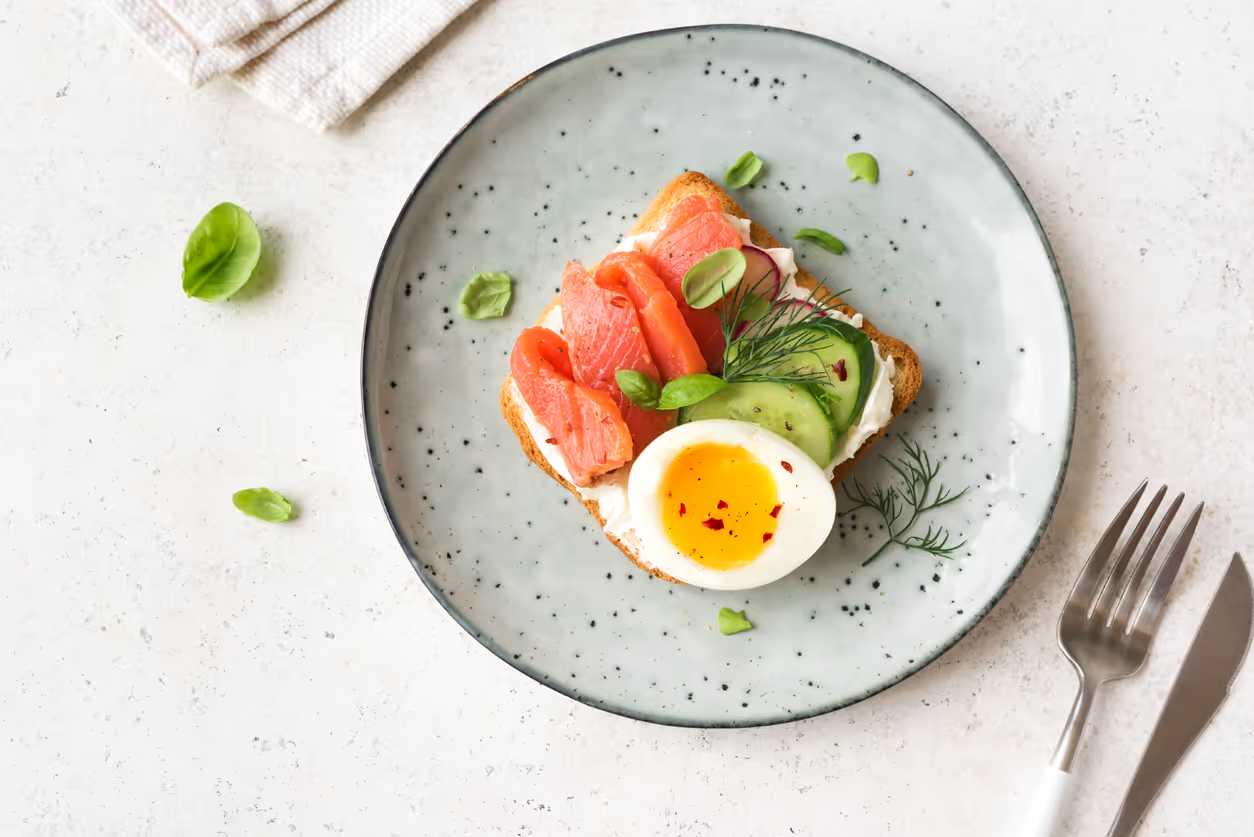
Fish is a lean source of protein, and some species contain omega-3 fatty acids—a nourishing type of dietary fat that can reduce overall inflammation and support heart health.
- Trout.
- Salmon.
- Mackerel.
- Herring.
- Sardines.
If you’re vegetarian or don’t eat fish, your dietitian can review plant-based sources of omega-3 with you.
Some items are flaxseed oil, chia seeds, and walnuts.
Plant-Based Proteins
Beans are another protein-rich food that contains high amounts of fiber—a nutrient that can lower bad cholesterol.
- Kidney beans.
- Black beans.
- Navy beans.
- White beans.
- Romano beans.
- Chickpeas (or Garbanzo beans).
You can add more beans to your diet by adding them to soups, salads, stews, chilis, wraps, and sandwiches.
You can also snack on roasted beans.
Whole Grains
Whole grains are rich in fiber and provide energy.
Try to eat them at least 50% of the time you pick carbohydrates.
- Quinoa.
- Millet.
- Buckwheat.
- Oats.
- Teff.
- Amaranth.
- Wheat berries.
- Whole-grain pasta or couscous.
- Brown rice.
You can also use whole-grain flours in baking for additional health benefits.
{{splash}}
How to Incorporate Heart-Healthy Foods Into Your Diet
Give yourself a few weeks to rest after surgery, and when you feel better, consider meal prepping some dishes to make it easier to include heart-healthy foods into your diet.
To ease into this practice, try making a few snacks first.
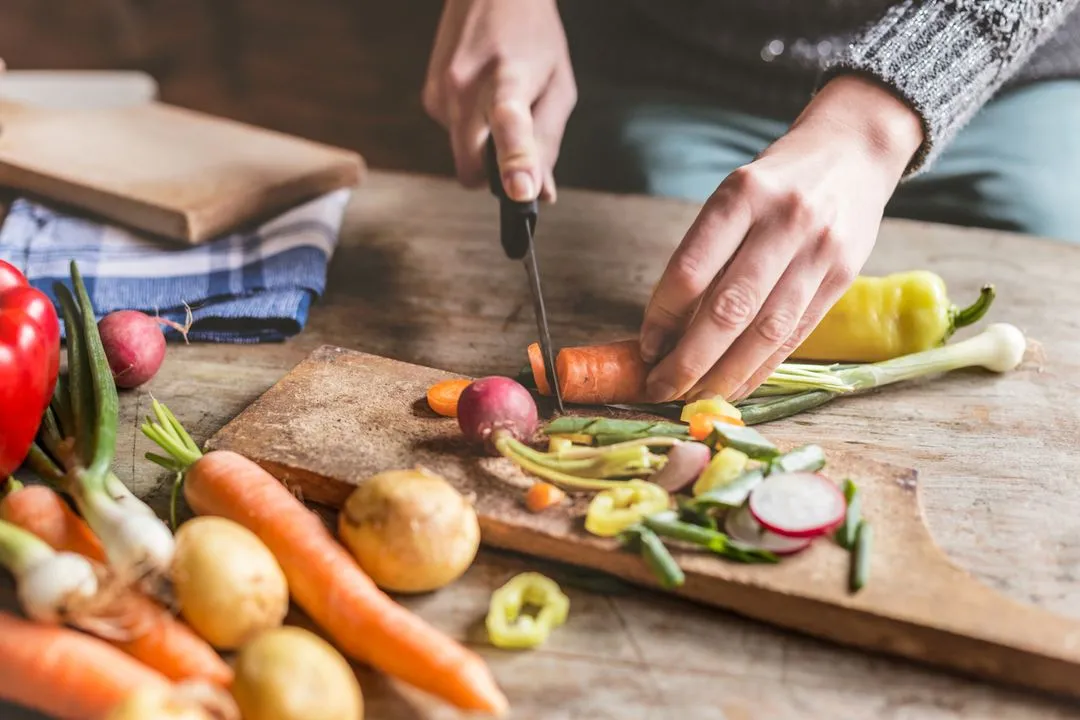
Cut up and leave vegetable sticks in your fridge, keep fruit washed and peeled, and store roasted nuts and seeds in your pantry.
Also, try following the USDA MyPlate model when planning your meals to ensure they’re nutritionally balanced.
When filling your plate, fill half with non-starchy vegetables, a quarter with lean protein, and the final quarter with complex carbohydrates.
Here are some balanced, heart-healthy meals:
- Whole-wheat spaghetti with tomato sauce. For protein, add equal parts of ground turkey and brown lentils to your sauce and vegetables like zucchini, onions, peppers, and asparagus for fiber.
- Bake trout with cubed sweet potato and broccoli. Serve over brown rice, and add a homemade Greek salad with low-fat feta cheese, lettuce, tomato, cucumber, olives, olive oil, and fresh herbs.
- Grill skinless chicken breasts and serve on a whole-wheat bun. Top with light mayonnaise, tomato slices, red onion, hot pepper slices (optional), and sliced avocado.
Takeaway
Having heart surgery is a big step forward in your treatment plan, and making dietary changes afterward can ensure you recover quickly and maintain optimal results.
To keep your heart strong and healthy, try to limit your intake of these seven foods:
- Foods that are high in saturated and trans fats.
- Foods that are high in sodium.
- Foods that are high in sugar.
- Ultra-processed foods.
- Most fast food and take-out meals.
- Alcoholic beverages.
- Caffeinated products (your cardiologist can tell you if you can drink coffee).
How a Dietitian Can Help
A heart health dietitian is a nutrition expert who can help you make food choices after surgery that will support your cardiovascular well-being.
Through individual counseling, you’ll learn how to choose and prepare foods that help you feel satisfied and content.
At Nourish, all appointments are done remotely to accommodate your schedule.
For more support, you can download the Nourish app to access free resources and stay connected with your dietitian between visits.
Find a dietitian who accepts insurance through Nourish.
Frequently Asked Questions
What food is good for heart bypass patients?
Several foods are recommended for people who’ve had bypass surgery:
- Whole grains.
- Vegetables.
- Fruits.
- Lean proteins, including omega-3-rich fish.
- Beans.
- Nuts.
- Seeds.
Can I eat pizza after a heart bypass?
Unless your doctor says otherwise, you can eat pizza in moderation after heart surgery.
Try to build a balanced meal by using lean proteins like roasted chicken instead of pepperoni, whole-grain crust, and asking for low-fat cheese.
Also, pair your pizza slice with fiber-rich vegetables on the side.
Can you eat cheese after heart bypass surgery?
You can eat cheese in moderation after heart bypass surgery.
Full-fat cheese is high in saturated fat, and depending on the rest of your diet, choosing low-fat products might be safer for your heart health.
For a more tailored answer, ask your dietitian how much cheese you can eat.
References
View all references
What Is Coronary Artery Bypass Grafting? | NHLBI, NIH
Saturated Fat | American Heart Association
Trans Fats | American Heart Association
Beef, ground, 93% lean meat / 7% fat, raw
Fish, salmon, Atlantic, wild, cooked, dry heat
Get the Scoop on Sodium and Salt | American Heart Association
HDL (Good), LDL (Bad) Cholesterol and Triglycerides | American Heart Association
Omega-3 Fatty Acids - Health Professional Fact Sheet
Make Half Your Grains Whole Grains | MyPlate
Polyunsaturated Fats | American Heart Association
Monounsaturated Fats | American Heart Association
Nourish has strict sourcing policies and prioritizes primary sources, including medical organizations, governmental agencies, academic institutions, and peer-reviewed scientific journals. Learn more about our medical review process and editorial guidelines.







.jpg)