Foods to Avoid With High Blood Pressure: Eat These Instead

Medical Reviewer: John Markell, RDN, LDN, CDN, CPT

Author: Julia Zakrzewski, RD
Summary
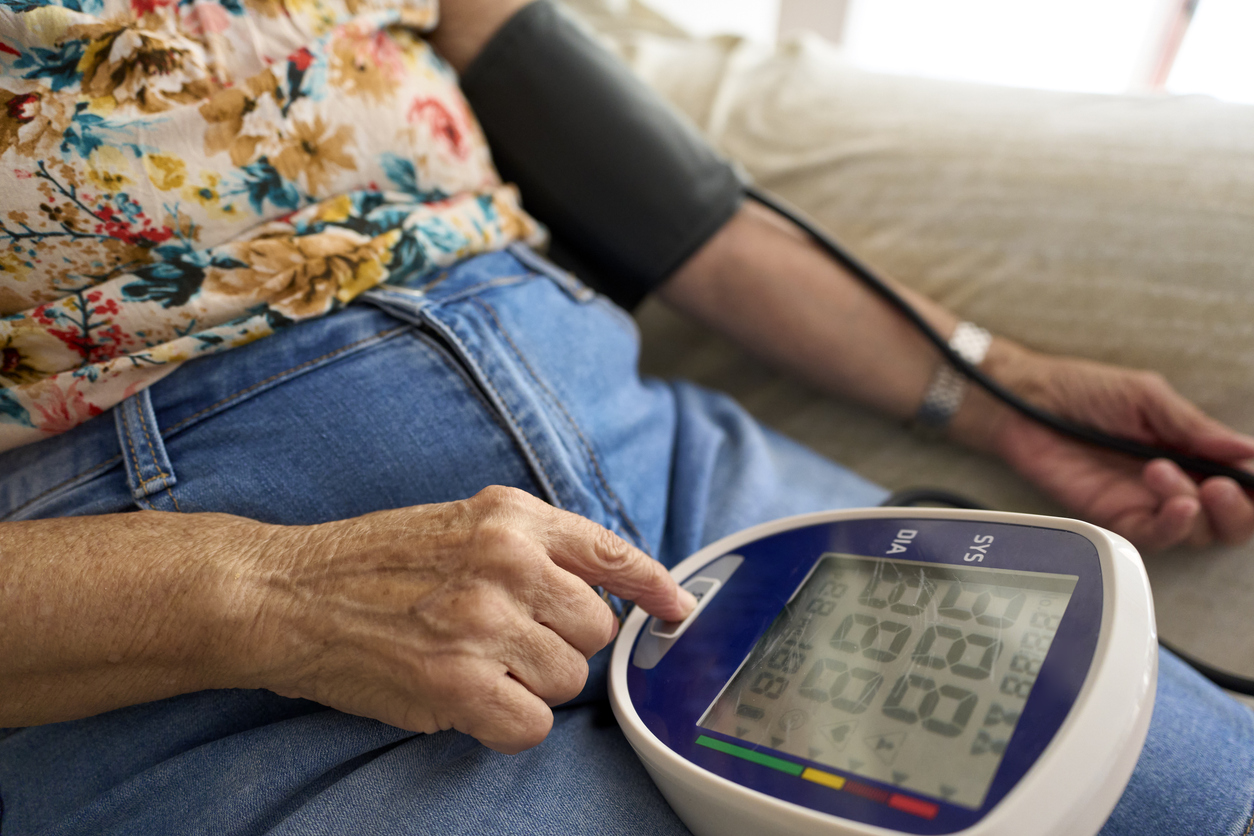
- Health authorities state that a blood pressure reading consistently above 130/80 mm Hg is too high.
- Restricting your ultra-processed foods, sodium, added sugar, and saturated fat intake may lower your blood pressure.
- You may want to avoid eating cured deli meats, brined vegetables, high-fat meats, salty cheeses, and canned or frozen dinners, if you have high blood pressure.
High blood pressure (hypertension) is a medical condition that forces the heart to work harder.
If unaddressed, it can damage arteries and surrounding cardiovascular tissues.
Your doctor may recommend dietary and lifestyle changes and, if necessary, medications to reduce your blood pressure.
Your healthcare provider may ask you to limit your sodium intake to 2300mg daily or 1500mg if needed.
Foods high in salt can raise blood pressure levels and should be limited if you have hypertension.
In addition to cutting back on salt, you may also want to eat more potassium-rich foods to control your blood pressure better.
To help you get started, we've created a list of foods to limit or avoid if you’re trying to lower your blood pressure.
Keep reading to learn more.
{{splash}}
Top Foods to Avoid with High Blood Pressure
We’ve listed foods to limit or avoid if you’re trying to lower your blood pressure.
If you have any questions about this list, consider contacting a registered dietitian. They can help you build an eating plan with foods and beverages that will lower your blood pressure and make you feel joyful and satisfied after eating.
Ultra-processed and Packaged Foods High in Sodium
Ultra-processed and packaged foods can be high in sodium, saturated fat, and added sugars.
These foods may raise blood pressure levels and impact your overall health.
Try to limit your intake of these foods, or ask your dietitian for less-salty options:
- Smoked or cured protein (fish, meats, etc.)
- Canned meals like ravioli and soups.
- Crackers, chips, pretzels, dried seaweed, and other savory snacks.
- Salted nuts and seeds.
- Some sauces or condiments like soy sauce, fish sauce, dressings, certain salsas, etc.
- Many frozen dinners.
Some ready-to-eat foods, like bread and cheese, can be high in salt.
Check the nutritional information to pick the best option for your health goals. Aim for a product with 5-20% or less daily sodium value.
Red Meat
Cutting back on your red meat intake is recommended for overall heart health.
These types of meat tend to have higher amounts of saturated fat, which can raise cholesterol levels in some people and increase the risk of heart disease.
These foods are considered red meat:
- Beef.
- Pork.
- Lamb.
- Mutton.
- Goat.
- Veal.
Full-Fat Dairy Products
Many whole-milk dairy products are rich in protein, calcium, and other minerals but also contain higher levels of saturated fat.
According to the American Heart Association, saturated fats can increase the level of low-density lipoprotein (LDL)—dubbed “bad” cholesterol—which can increase the risk of stroke and heart disease by hardening and damaging blood vessels.
Try to choose lower-fat dairy products more often and limit your intake of these items:
- Whole-fat milk.
- Whole-fat yogurts.
- Whole-fat sour cream.
- Heavy cream and full-fat whipping cream.
- Ice-cream.
- Whole-fat cheeses.
- Butter and ghee (clarified butter).
Fried Foods
Fried foods contain saturated and trans fats and may be high in salt (depending on how they’re prepared).
Limiting your intake of these foods while trying to stabilize your blood pressure levels is wise.
- French fries.
- Some crackers.
- Fried chips.
- Battered and fried meats or fish.
- Chicken wings.
- Onion rings.
- Tempura vegetables.
- Some fruits and starchy vegetables, like apples and plantains.
- Spring rolls and egg rolls.
Sweet fried foods aren’t necessarily salty, like a donut or a churro, but the types of fat in those products aren’t recommended on a heart-healthy diet.
They should also be limited.
Sugary Drinks
Sugar-sweetened beverages, like soft drinks, may increase blood pressure in adults after long-term consumption (at least ten years).
Sugar-sweetened drinks may also raise children’s blood pressure and should be limited in youth and adolescents.
Examples include:
- Sodas.
- Fruit juices and fruit juice from concentrate.
- Sweetened dairy (strawberry milk, chocolate milk, etc.)
- Sweetened plant-based beverages (chocolate soy milk, vanilla rice milk, oat milk, etc.)
- Sweetened kefir (a drinkable yogurt).
- Sweetened preblended smoothies.
- Sweetened sports drinks.
- Novelty coffee drinks like mochas, frappucinos, etc.
- Some energy drinks.
Caffeine
The American Heart Association reported that people with extremely high blood pressure may benefit from reducing their caffeine intake to less than two cups daily.
Your primary care provider can tell you how much caffeine you can consume based on your current blood pressure levels.
These items can contain caffeine:
- Brewed coffee and espresso.
- Green teas.
- Espresso bean snacks (sometimes coated in chocolate).
- Energy drinks.
- Sodas.
Alcohol
You may benefit from reducing drinking while trying to lower blood pressure levels.
These beverages all contain alcohol and should be limited:
- Beers.
- Ciders.
- Mead.
- Wines.
- Spirits (brandy, vodka, gin, whisky, tequila, etc.)
- Cocktails and premixed coolers.
What to Eat Instead
The DASH (Dietary Approaches to Stop Hypertension) diet is evidence-based for lowering high blood pressure.
Its recommendations include eating plenty of whole, minimally processed foods such as fruits and vegetables, whole grains, and lean proteins and limiting sweets.
Check out our brief list below to learn what foods you can eat while trying to lower your blood pressure, and try our free DASH diet meal plan.
For more personalized tips, consider working with a registered dietitian.
Fresh Fruits and Vegetables
Fruits and vegetables contain minerals, electrolytes, and other nutrients that may positively impact blood pressure.
The DASH diet guidelines suggest having 4-5 servings of fruits and vegetables daily.
Try adding these foods to your meals and snacks:
- Bananas.
- Avocados.
- Berries.
- Apples.
- Apricots.
- Pears.
- Plums.
- Peaches.
- Potatoes (skin on).
- Fresh and canned tomatoes (sodium-free).
- Leafy greens (spinach, kale, Swiss Chard, etc.)
- Garlic.
- Onion.
- Bell peppers.
- Squash.
- Eggplant.
- Cauliflower.
- Broccoli.
Whole Grains
Whole grains are rich in fiber and provide energy.
The DASH diet guidelines suggest having 6-8 servings of grains daily. Try these items:
- Quinoa.
- Teff.
- Amaranth.
- Bulgur.
- Buckwheat.
- Sorghum.
- Wheatberries.
- Brown rice.
- Oatmeal.
Lean Protein Sources (Fish, Poultry, Beans)
Eating protein daily ensures your body has the resources to make hormones and enzymes and repair tissues.
It also provides some energy.
Choose lean sources of protein most often:
- Legumes (kidney beans, chickpeas, lentils, pinto beans, soybeans, etc.)
- Tofu.
- Eggs.
- Extra-lean ground meat.
- Skinless poultry.
- Fish.
Low-fat or Non-dairy Alternatives
To reduce your intake of saturated fats, choose low-fat dairy products more often.
You can also enjoy unsweetened plant-based dairy alternatives.
Aim for two to three servings daily of the following foods:
- Low-fat or fat-free milk.
- Low-fat or fat-free yogurt (plain).
- Reduced fat cheese. You should also check the nutrition facts for sodium because many cheeses can be high in salt.
- Low-fat or fat-free sour cream.
- Unsweetened almond milk, soy milk, rice milk, cashew milk, etc.
Healthy Fats (Avocado, Nuts, Olive Oil)
The DASH diet guidelines recommend having two to three servings daily of healthy fats, such as poly and monounsaturated fats.
Try to eat these sources of healthy fats more often:
- Avocado.
- Nuts and nut butter (with no added salt, sugar, or fats).
- Seeds.
- Omega-3-rich fish (salmon, trout, herring, etc.)
- Plant-based oils like olive oil, canola oil, sunflower oil, etc.
Herbal Teas or Water for Hydration
Stay hydrated by choosing beverages without added sweeteners.
- Water (infuse it with fresh herbs, fruits, or vegetables).
- Unsweetened teas (hot or cold).
- Plain carbonated water.
Ask your dietitian if sugar-free drinks can fit into your eating plan.
Other Tips for Managing High Blood Pressure
Below are other lifestyle changes you can make to lower high blood pressure levels.
Be Physically Active
Regularly completing physical activity benefits your cardiovascular health and overall well-being.
Try to make workouts fun by recruiting a walking buddy, trying new gym classes, or learning a new skill (how about dancing or rock climbing?)
Adults should aim to do at least 150 minutes of moderate-intensity exercise weekly and two days of strength training.
Most children need 60 minutes of exercise daily and bone and muscle strengthening exercises three days per week.
Maintain a Healthy Weight
Your weight may impact your blood pressure, and your numbers may improve by losing weight.
Ask your doctor or dietitian for personalized advice, such as how much to lose and what weight-loss methods are sustainable.
{{splash}}
Don’t Add Salt While Cooking
When cooking meals at home, try to avoid adding salt or salty ingredients to your dishes.
Instead, add flavor by using fresh or dried herbs, black pepper, and other ground spices and spice mixes that don’t contain sodium.
You may also reduce the sodium content of some foods, such as canned beans, vegetables, and fish, by thoroughly rinsing them under water as well as trying to choose low or no sodium options.
Takeaway
Your food and beverage choices can impact your blood pressure levels.
To reduce your numbers, try cutting back on ultra-processed foods—which tend to be very high in salt, added sugar, and saturated fat.
Replace these items with whole, unprocessed items daily, including fruits, vegetables, whole grains, beans, and other lean proteins and healthy fats.
For further benefits, try incorporating more elements of the DASH diet into your daily routine. Your dietitian can help.
How a Dietitian Can Help
A registered dietitian is a nutrition expert and licensed health care provider.
They’re trained in counseling and clinical care and can help you improve your health through diet modifications.
At Nourish, every dietitian appointment is done online and is covered by insurance.
You can discuss your goals and progress at every session and learn strategies to manage everyday scenarios, such as dining out without consuming too much salt.
Find a dietitian through Nourish today.
Frequently Asked Questions
What are the worst foods for high blood pressure?
Ultra-processed foods that are high in salt and saturated fat may impact your blood pressure.
These foods include:
- Deep fried foods.
- Cured meats.
- Brined vegetables like olives and pickles.
- Salty cheeses.
- Many breads.
- Most frozen or canned dinners.
- Instant soups.
- Many take-out and drive-through options.
What should you eat when BP is high?
Try following the DASH diet to lower blood pressure.
This approach includes:
- Fruits.
- Vegetables.
- Minimally-processed lean proteins (animal and plant-based).
- Low-fat dairy products or unsweetened plant-based alternatives.
- Healthy fats (avocado, olive oil, nuts, seeds, etc.)
- Water and other non-sweetened beverages.
What foods are bad for raising blood pressure?
Everyone is different, but foods that are high in sodium may increase blood pressure levels in some people.
Look at the nutritional facts table to assess a food's sodium content: anything with 20% or more daily value is considered high, and you may want to find a better option.
References
View all references
What Is High Blood Pressure? | NHLBI, NIH
Health Topics - High Blood Pressure - POLARIS.
How Potassium Can Help Control High Blood Pressure | American Heart Association
Picking Healthy Proteins | American Heart Association.
People with very high blood pressure may want to go easy on the coffee | American Heart Association
Limiting Alcohol to Manage High Blood Pressure | American Heart Association
Living with the DASH Eating Plan | NHLBI, NIH
Adult Activity: An Overview | Physical Activity Basics | CDC.
Child Activity: An Overview | Physical Activity Basics | CDC
Sodium in Your Diet: Use the Nutrition Facts Label and Reduce Your Intake
Saturated Fat | American Heart Association
Nourish has strict sourcing policies and prioritizes primary sources, including medical organizations, governmental agencies, academic institutions, and peer-reviewed scientific journals. Learn more about our medical review process and editorial guidelines.








.jpg)