60+ Foods To Avoid With Prediabetes (And What To Eat Instead)

Medical Reviewer: Christine Russell, MS, RD, LD, CDCES

Author: Julia Zakrzewski, RD

Summary
- Prediabetes is a health condition where blood sugar levels are higher than usual but not high enough to be diagnosed as type 2 diabetes.
- Your food choices impact your blood sugar levels, and you may find it easier to stabilize your levels by decreasing your intake of refined foods with high amounts of added sugar.
- Pick foods containing fiber, protein, and healthy fats to optimize your blood glucose levels.
Prediabetes is when your blood sugar levels are high but not high enough to be diagnosed as type 2 diabetes.
Many people with prediabetes don’t experience symptoms, and the condition is usually diagnosed through routine bloodwork.
Improving your blood sugar levels is vital for reducing the risks of developing diabetes and other health complications.
Meeting with a dietitian immediately after getting a diagnosis can be helpful.
They can offer evidence-based dietary and lifestyle suggestions to help you manage your blood sugar levels.
Keep reading to learn which foods you may want to avoid if you have prediabetes—and discover delicious alternatives you can enjoy every day.
{{splash}}
Sugary Drinks
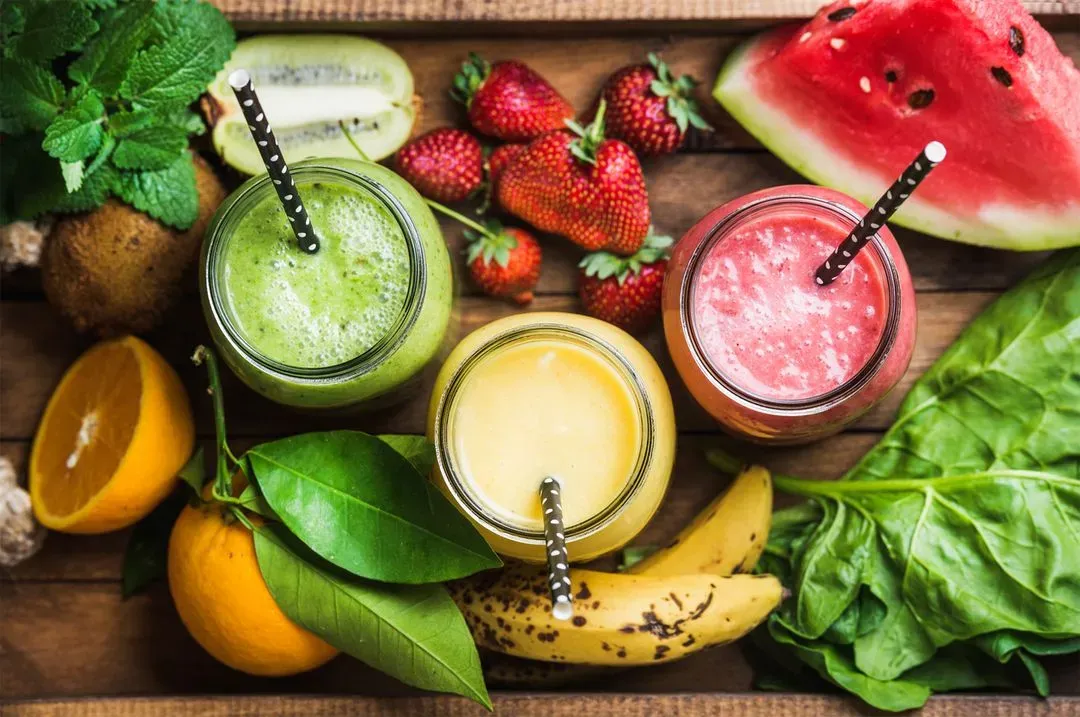
Sugar-sweetened beverages contain high amounts of glucose (sugar) that are rapidly absorbed into your bloodstream, making it hard to maintain stable blood glucose levels.
Examples of sugary drinks you may want to avoid include:
- Juice.
- Store-bought smoothies.
- Sodas.
- Fruity cocktails.
- Sports drinks.
- Novelty coffee beverages (frappuccino, etc.)
- Hot chocolates.
- Sugar-sweetened tea.
Try This Alternative
Here are some refreshing drinks without added sugars:
- Water infused with fresh fruits and herbs.
- Plain tea, like chamomile, mint, Earl Grey, or green tea.
- Plain sparkling water. Optional: add lemon juice.
Artificially flavored beverages shouldn’t affect your blood sugar levels, and you can review these products with a dietitian.
Baked Sweets
Commercially prepared baked sweets may contain high amounts of added sugar and fat.
Although an occasional cookie shouldn’t interfere with your overall health goals, you may benefit from reducing your intake of these foods:
- Donuts.
- Cookies.
- Croissants.
- Muffins.
- Cupcakes.
- Cakes.
- Pies.
- Fruit strudels.
Try This Alternative
You can enjoy desserts while managing your blood sugars.
Here are some tasty treats to try:
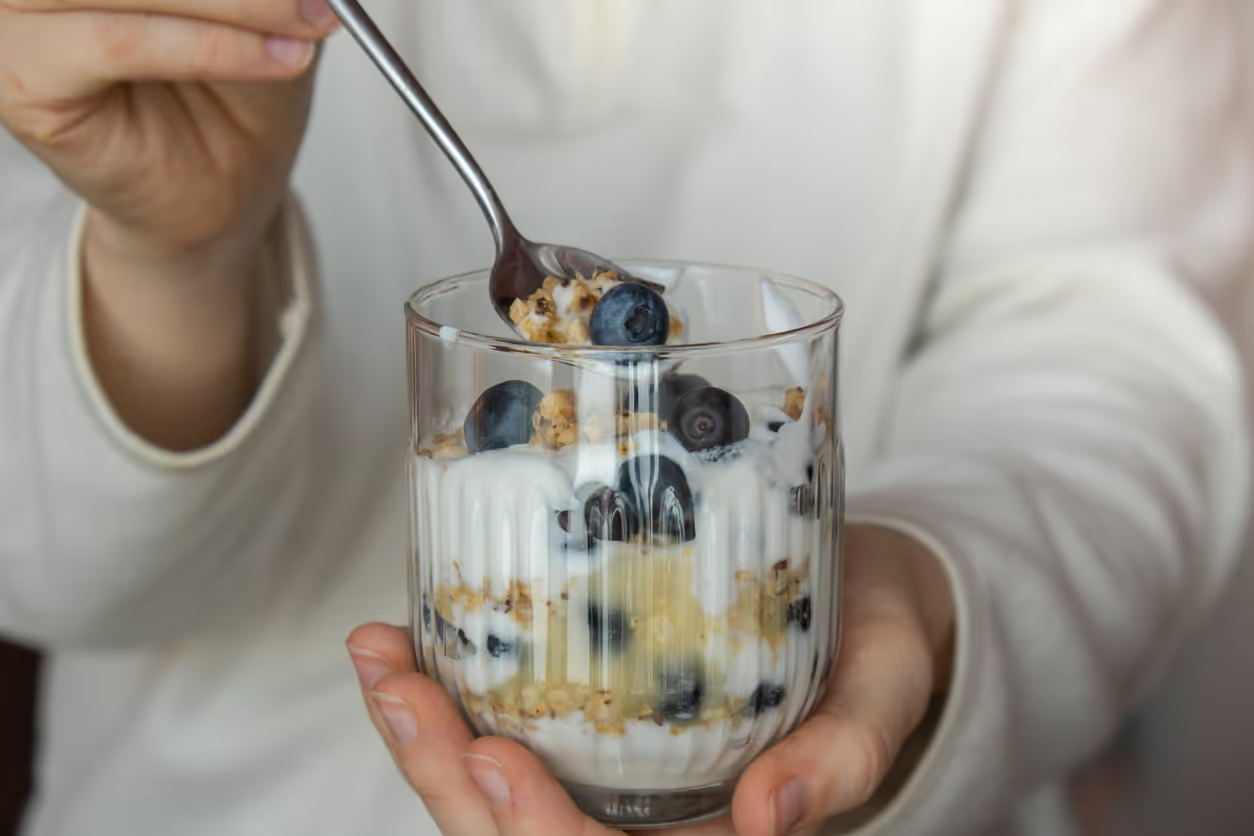
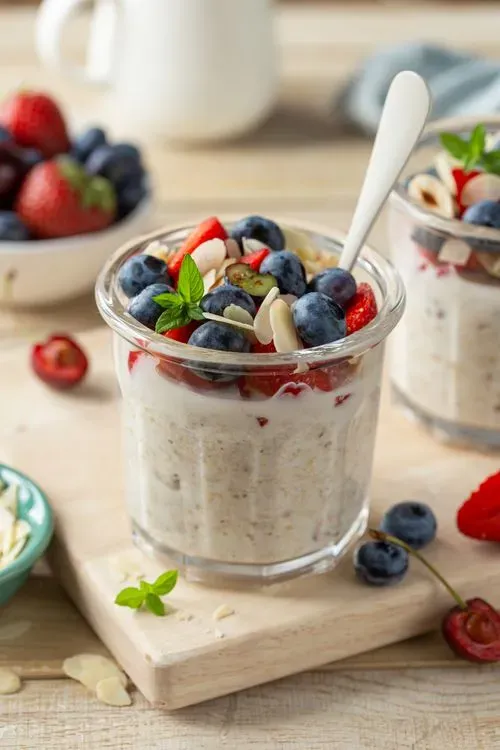
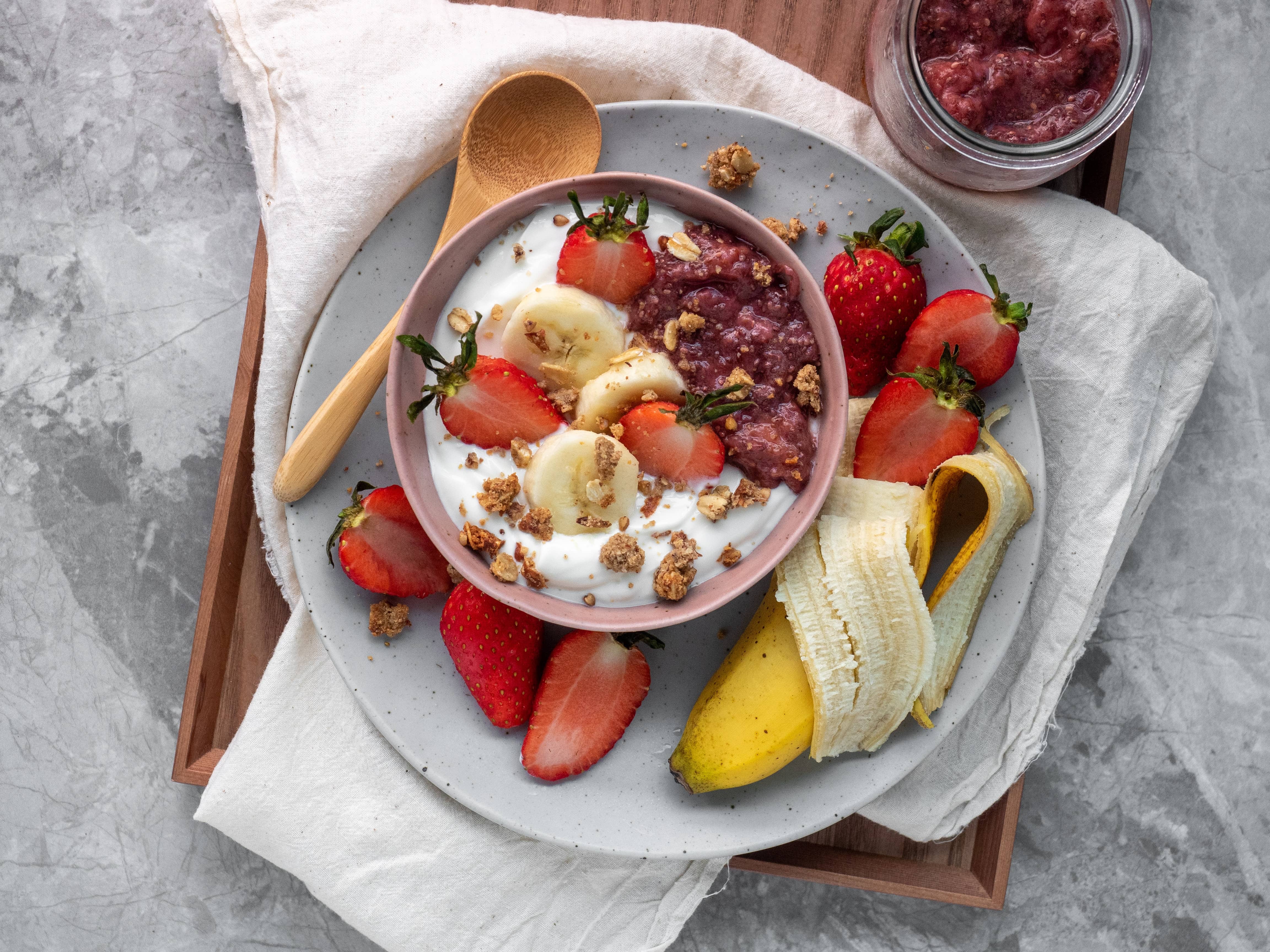
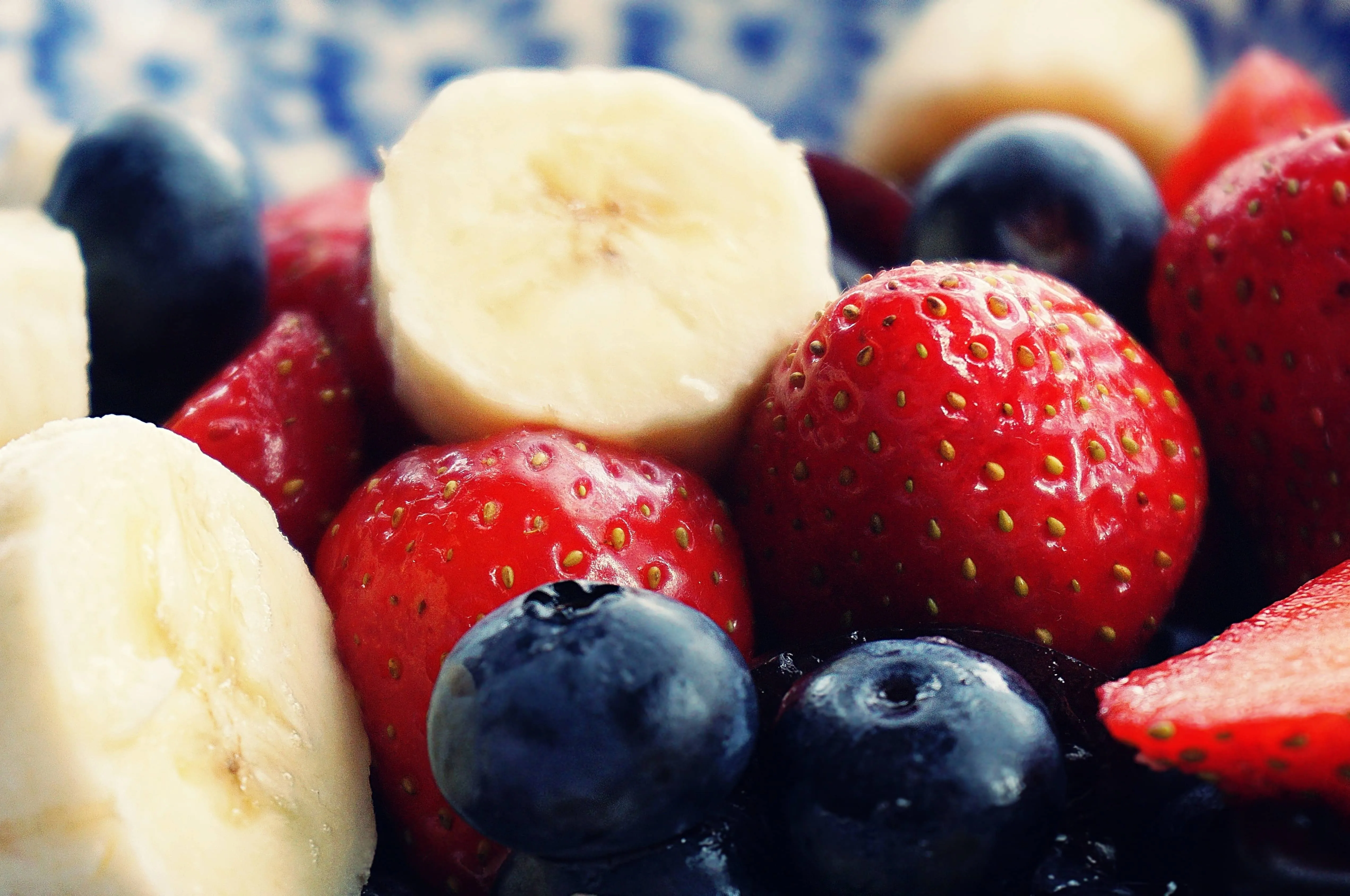
- Fresh fruits over low-fat plain Greek yogurt.
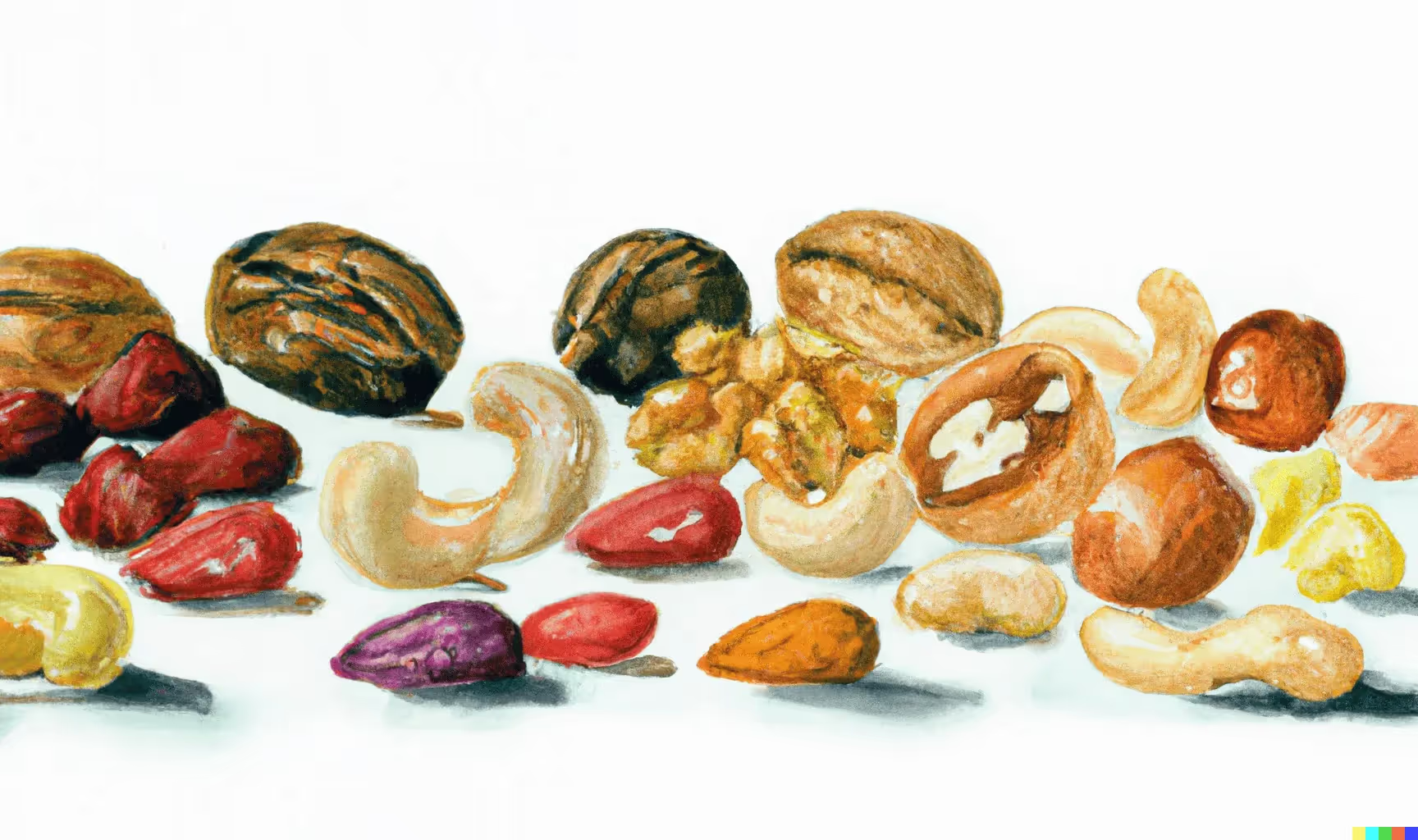
- One small cookie paired with mixed roasted nuts.
- Baked peach with oats, chopped walnuts, ground cinnamon, and nutmeg.
- Whole grain bread with plain low-fat cottage cheese and fresh strawberries.
- Homemade muffins baked with olive oil, mixed berries, whole wheat flour, egg, and ground flax.
Refined Carbohydrates
Refined carbohydrates include grains and foods that have been mechanically processed, usually to make them more shelf-stable.
Unfortunately, they tend to have lower fiber levels, making it harder to stabilize your blood sugars.
You may want to avoid:
- French baguette.
- Italian ciabatta or focaccia bread.
- White flour naan or roti.
- Corn grits.
- White flour tortillas or taco shells.
- White flour pasta.
- White rice.
- White pita bread.
- Most breakfast cereals.
- Crackers.
- White flour pizza dough.
Additionally, the pastries and baked goods mentioned above made with white flour are also considered a refined source of carbohydrates.
Try This Alternative
Carbohydrates offer a rich energy source your body needs to function.
High-quality carbohydrates are more desirable for blood sugar control and contain fiber and other essential nutrients.
Here are delicious options to try:
- Ancient whole grains (quinoa, teff, millet, amaranth, bulgur, etc.)
- Whole wheat bread.
- Wild and brown rice.
- Whole wheat pasta.
- Oats.
- Whole grain sourdough bread.
- Whole grain crackers.
If you enjoy baking, try using whole wheat flour.
Processed Meats
Reducing your intake of processed meats may decrease your risk of developing type 2 diabetes.
It also supports other areas of your health, like cholesterol and gut health.
Try to limit your intake of:
- Bacon.
- Hot-dogs.
- Sausages.
- Marbled deli meats, like salami.
- Jerky.
- Cured beef and other meats.
- Canned meat.
Try This Alternative
The American Diabetes Association (ADA) recommends a mixed intake of plant-based protein and lean animal sources.
Here are nutritious options to enjoy:
- Beans (lentils, chickpeas, kidney beans, black beans, white beans, etc.)
- Black-eyed peas or split peas.
- Tofu and tempeh.
- Extra-lean ground beef.
- Poultry.
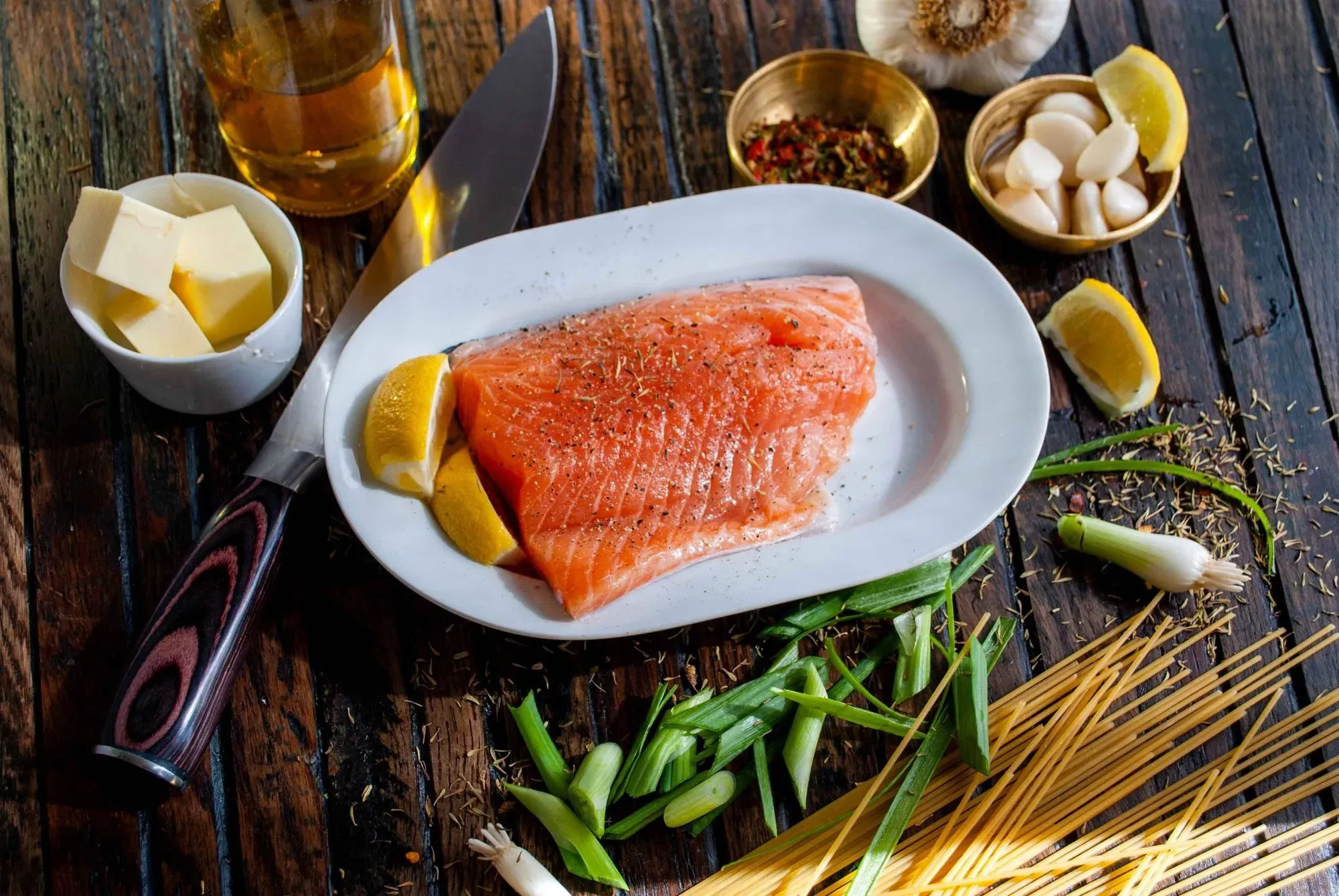
- Fish (salmon, trout, haddock, tuna, anchovy, etc.)
- Reduced fat cottage cheese.
- Eggs.
If beans are new for you—ask your dietitian for recipes to prepare them.
High-Fat Dairy Products
Animal-based dairy products contain calcium, protein, and other essential nutrients.
However, high-fat products also contain saturated fats, which may increase your risk of heart disease or stroke.
Try to limit your intake of:
- Whole milk or 2% milk (per the ADA.)
- Cream.
- Ice-cream.
- Whole milk yogurt (3.5% and higher.)
- Butter.
- Full-fat cheeses.
- Sour cream.
Try This Alternative
Fortunately, plenty of low-fat dairy products are available at the grocery store.
In addition to choosing reduced-fat products, buy plain options whenever possible to decrease your intake of added sugars.
- Skim milk (1% or less.)
- Fat-free or low-fat cheese.
- Low-fat yogurt.
- Low-fat sour cream.
Your dietitian may recommend a low-fat ice cream brand or alternative frozen treat upon request.
Fried Foods
Fried foods are considered ultra-processed and generally have high levels of saturated fats—with low amounts of fiber.
Some research suggests that regularly eating fried foods can increase your risk of type 2 diabetes and may not be the best choice while trying to manage prediabetes.
Try to avoid these fried foods:
- Onion rings.
- French fries.
- Deep-fried pickles.
- Donuts.
- Potato chips or corn chips.
- Falafel.
- Chicken wings.
- Chicken nuggets or tenders.
- Tempura (Japanese deep-fried foods.)
Try This Alternative
Healthier cooking methods that require small amounts of fat include barbecuing, baking, boiling, poaching, roasting, and light sauté.
Here are mouth-watering foods you can try instead:
- Air-fry vegetable chips.
- Roasted parsnips fries.
- Baked chickpea balls.
- Grilled cauliflower wings.
- Baked potato with low-fat sour cream and chives.
- Broiled, seasoned vegetables.
Experimenting with new recipes is one of the best ways to increase your comfort level in the kitchen.
Alcohol
Too much alcohol has been linked with higher blood sugar levels and A1c.
If you want to drink, ask your healthcare team how many drinks you can have per week.
Until then, try to limit your intake of these beverages:
- Beer.
- Wine.
- Spirits.
- Liquors.
- Cocktails.
- Canned drinks.
Try This Alternative
Premixed alcohol-free beverages may be an appropriate substitute, depending on their carbohydrate content.
If you’re craving a carbonated drink, try having sparkling water flavored with fresh lime and herbs.
Trans Fats
Everyone should be aware of trans fats and limit their intake as much as possible.
Trace amounts are naturally found in dairy and animal meats, but manufactured trans fats, like partially hydrogenated oils, are considered more hazardous to your health.
Some foods that may contain trans fats include:
- Shortening.
- Frozen meals.
- Commercial baked goods (fresh and frozen).
- Microwave popcorn.
- Fried foods.
Try This Alternative
The FDA has banned artificial trans fats from food products as of 2020, but reading food labels is still good practice.
Adults who follow a 2000-calorie meal plan (the energy value used to calculate most nutrition labels) should aim for less than 2.2g/day of trans fat.
Choosing whole, minimally processed foods is a great way to avoid artificial trans fats.
Packaged Snack Foods
Packaged snack foods are usually processed to increase their shelf life and flavor.
They may contain higher amounts of sugar and sodium compared to fresh options.
Examples of packaged snack foods you may want to avoid include:
- Chips.
- Snack mixes (Bits and Bites, Chocolate trail mix, etc.)
- Candies.
Try This Alternative
Easy, nutritious snacks you can carry include:
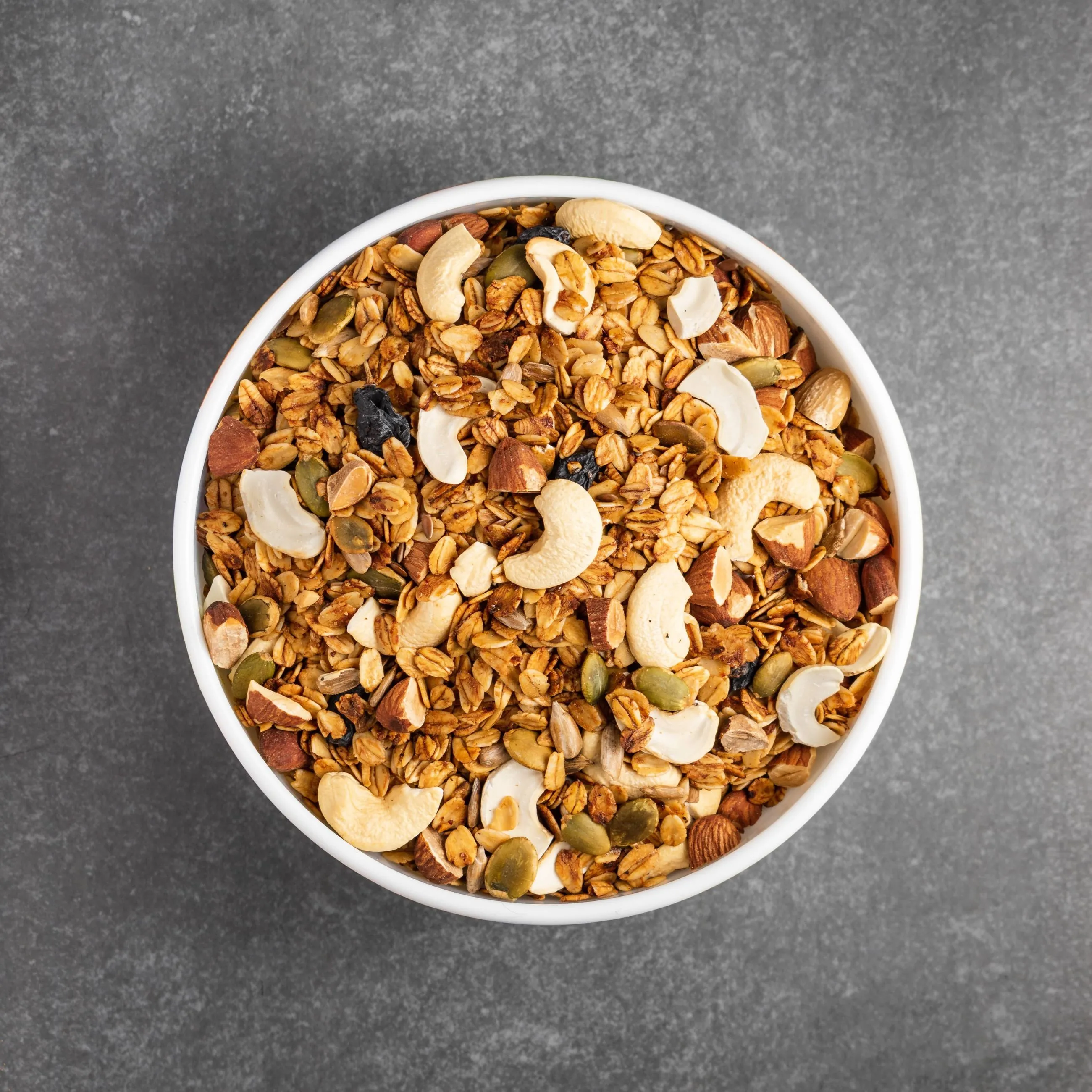
- Unsalted roasted nut mix.
- Toasted whole grain pita bread with hummus.
- Homemade oatmeal energy balls with nut butter and unsweetened coconut shavings.
- Air-fryer vegetable chips.
- Fresh fruit with a slice of cheese.
- Vegetable sticks with Greek yogurt dip.
Sugary Breakfast Cereals
Sweetened breakfast cereals may contain high amounts of added sugars while having lower levels of fiber.
This nutritional profile may rapidly raise your blood sugar levels, possibly leading to a sugar spike.
Here are a few examples of sugary breakfast cereals to avoid:
- Frosted Shreddies.
- Fruit Loops.
- Cap’n Crunch.
- Honey Coated Shreddies.
- Lucky Charms.
- Cinnamon Toast Crunch.
Try This Alternative
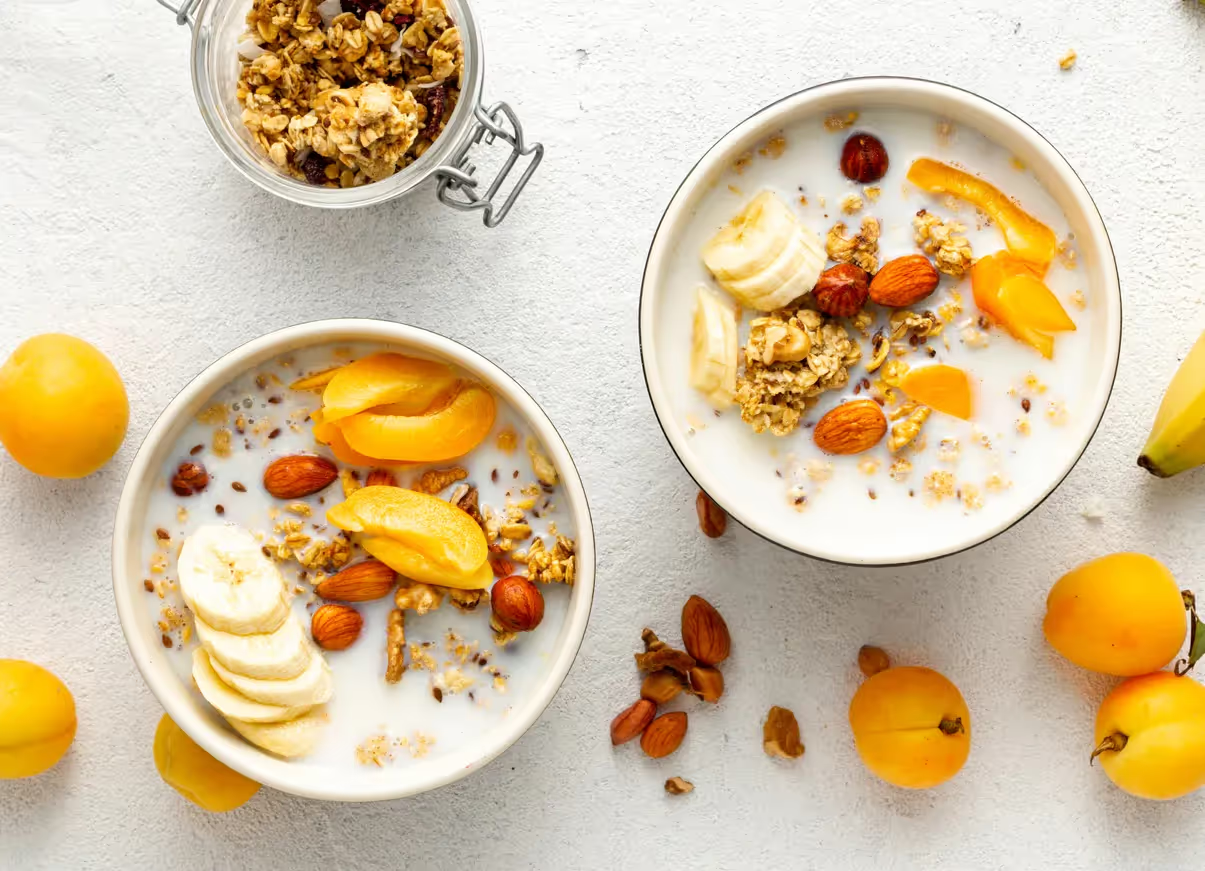
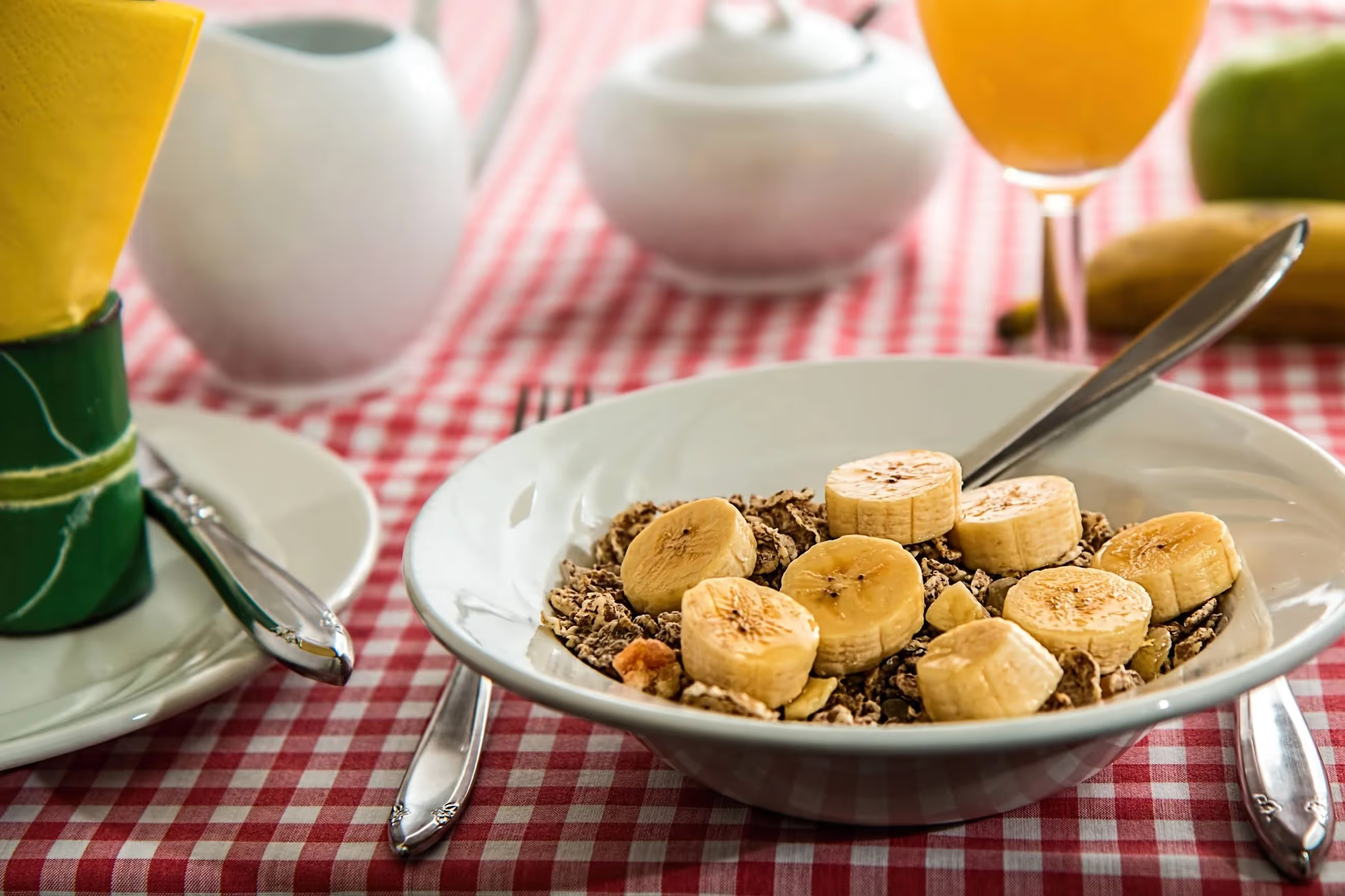
Some flavorful, nutritious cereals you can try are:
- Oats (steel cut, rolled, or instant large flakes.)
- Boiled quinoa or millet.
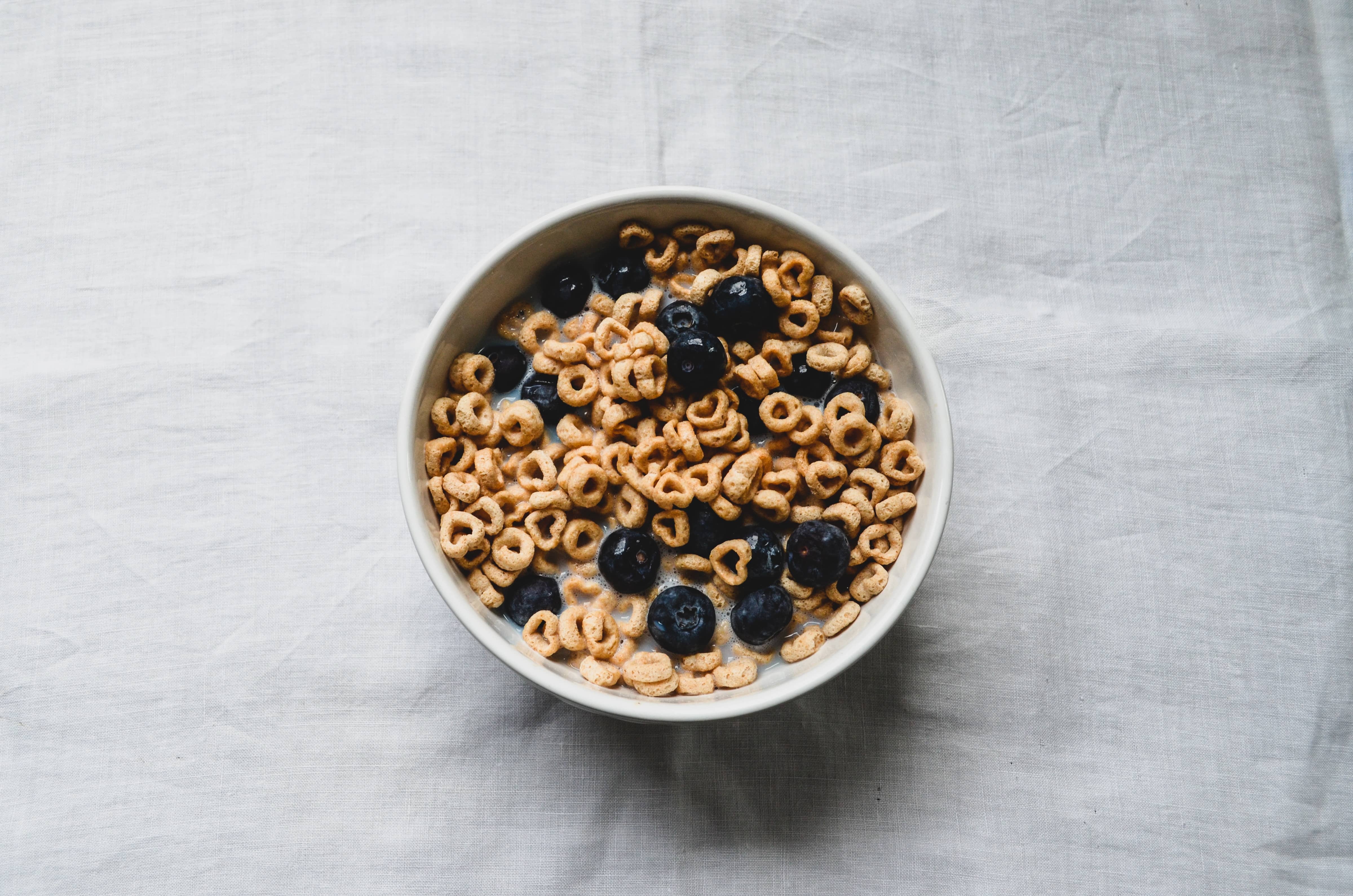
- Plain Cheerios.
- Grape Nuts.
- Weetabix whole grain cereal.
Frozen Meals
Frozen meals have been served since the 50s, and their convenience continues to make them popular.
However, modern products are considered ultra-processed and can have higher sodium, sugar, and saturated fat levels, which could make it hard to stabilize your blood sugar levels.
Try This Alternative
If you have a frozen meal, pair it with whole foods to increase the nutritional quality of your meal.
For example, add a fresh salad or a side of air-fried or microwaved vegetables.
Compare food labels of possible options to pick the best product.
Choose a frozen meal with lower amounts of sodium, saturated fats, trans fats, and added sugars.
Jelly and Jam
Jelly, jam, and other sweet ingredients may affect blood sugar levels.
Other sweet spreads and syrups to keep an eye on include:
- Honey.
- Maple syrup.
- High fructose corn syrup.
- Chocolate or butterscotch sauce.
- Compote.
- Fruit chutney.
- Fruit curd.
- Marmalade.
- Fruit butter.
- Marshmallow fluff.
Try This Alternative
Here are tasty alternatives you can add to your dishes:
- Nut butter.
- Sugar-free jam, in moderation.
- Decorate your toast with fresh fruits or a homemade fruit salsa.
- One or two tablespoons of diced dried fruits.
{{splash}}
Takeaway
Your dietary choices directly impact your blood sugar levels. Enjoy foods with fiber, healthy fats, protein, and high-quality carbohydrates to optimize your levels.
Keep in mind a sustainable nutrition plan includes all your favorite foods—so you don’t need to give up chips if you have prediabetes.
Instead, consider working with a dietitian to learn how to build balanced meals.
How a Dietitian Can Help
A registered dietitian is a nutrition expert and licensed health care professional.
They offer comprehensive nutrition counseling to help you confidently achieve your health goals.
Some dietitians complete advanced training, earning the title of Certified Diabetes Care and Education Specialist (CDCES), and are even more qualified to support you.
You can work with a CDCES dietitian through Nourish. Find a dietitian near you today.
Frequently Asked Questions
What are the worst foods for prediabetes?
Foods high in sugar with little to no fiber are most likely to cause your blood sugar levels to spike.
These include foods like cakes, cookies, and candies, as well as sugar-sweetened beverages like sodas, sports drinks, etc.
What is the fastest way to fix prediabetes?
Completing daily behaviors, like making healthy eating choices and completing regular physical activity, can help you manage prediabetes.
The ADA also suggests losing weight, which a dietitian can support you with (if it’s something you want to pursue.)
Are bananas bad for prediabetes?
You can enjoy bananas if you have prediabetes.
Pair the yellow fruit with a protein-rich food to help slow digestion and decrease the impact on your blood sugar levels.
For example, try eating a banana with nut butter.
References
View all references
Get the Facts: Sugar-Sweetened Beverages and Consumption | Nutrition | CDC
USDA MyPlate Grains Group – one of the five food groups. (n.d.).
Best protein Choices for Diabetes |ADA. (n.d.).
Alcohol and Diabetes | ADA. (n.d.).
Trans fats. | AHA (2023, May 10).
Nutrition, C. F. F. S. a. A. (2023, August 30). Trans fat. U.S. Food And Drug Administration.
Nutrition: Trans fat. | W.H.O. Int. (n.d.)
Calculating Sugar Limits in Cereals | USDA
Frozen Food That's Freezer Friendly | USDA
Nourish has strict sourcing policies and prioritizes primary sources, including medical organizations, governmental agencies, academic institutions, and peer-reviewed scientific journals. Learn more about our medical review process and editorial guidelines.







.avif)


%20(1).webp)

.avif)



.avif)









.avif)





































.avif)

.avif)