Top Foods to Avoid on Metformin

Medical Reviewer: Christa Brown, MS, RDN, LD

Author: Ashley Petrie, RDN, LDN

Summary
- Metformin is a prescription medication used to lower blood sugar in the treatment of type 2 diabetes.
- There is no specific diet you must follow while taking metformin. However, avoiding certain foods may make the medication more effective and reduce its side effects.
- Eating a healthy, well-balanced diet while taking metformin is the best way to control blood sugar and improve overall health.
Metformin is a prescription medication used to treat type 2 diabetes.
It works by making your body more sensitive to insulin, a naturally occurring hormone that controls the amount of sugar in your blood.
Metformin also helps lower the amount of sugar you absorb from food after eating and decreases how much sugar your liver makes on its own.
While there is no specific diet you need to follow while taking metformin, limiting certain foods can help make it more effective.
Certain foods could also worsen metformin's side effects, so they may also want to be avoided.
Read on to learn more about what foods to eat and avoid while taking metformin for type 2 diabetes.
{{splash}}
Foods to Avoid While Taking Metformin
Metformin is prescribed to help people with type 2 diabetes manage their blood sugar levels.
Although no specific metformin diet exists, limiting certain foods can help the medication work better.
Here is a comprehensive list of foods to avoid while taking metformin.
Simple Carbohydrates and Sugar-Sweetened Foods
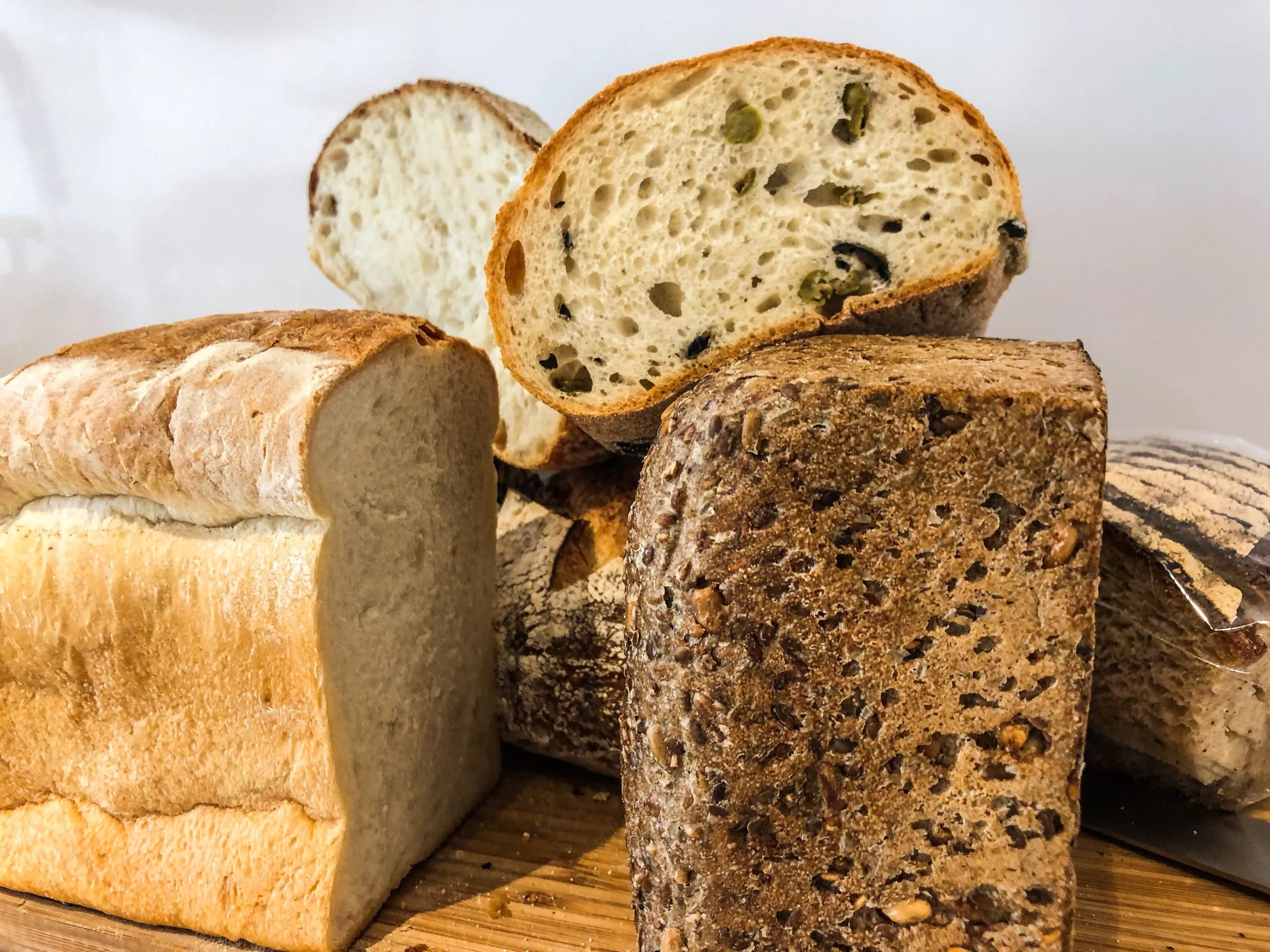
Simple carbohydrates are low in fiber and include foods such as white bread, pasta, tortillas, and rice.
Sugar-sweetened foods and beverages, like sodas, fruit juices, cookies, donuts, ice cream, and candies, are also considered simple carbohydrates.
When you eat simple carbohydrates, your body rapidly turns them into glucose (sugar) because they lack the fiber needed to slow digestion. This quick breakdown causes a sharp spike in your blood sugar levels after eating.
Eating simple carbs and sugary foods regularly might make it harder for metformin to keep your blood sugar levels balanced.
Saturated Fats
The Dietary Guidelines for Americans recommend limiting saturated fat to 10% of daily calories because it may be associated with higher blood cholesterol levels and a higher risk of heart disease.
Saturated fat is found in foods like butter, coconut oil, cheeses, red meats, processed meats, and fried foods.
You don’t have to eliminate these foods completely, but choosing lower-fat options may be beneficial.
If you have diabetes, watching your saturated fat intake is even more important.
A recent population-based study on adults aged 20 to 84 showed that diabetes alone was also a risk factor for experiencing a cardiovascular event, like a heart attack or stroke, when compared to people without diabetes.
Trans Fats
Another type of fat to avoid if you have diabetes is trans fat.
Trans fat is a mostly man-made fat that is commonly found in ultra-processed foods like margarine, shortening, packaged snacks, and store-bought baked goods such as pastries, pies, and donuts.
Research has shown that trans fat increases your risk of heart disease by raising LDL "bad" cholesterol levels while lowering HDL "good" cholesterol levels.
Your body does not need trans fat, so the current recommendation is to limit it from your diet as much as possible.
Excess Sodium
Both diabetes and a high-sodium diet have been linked to an increased risk of high blood pressure.
If you’re taking metformin for diabetes management, aim for a daily sodium intake of 2,300 milligrams or less.
Examples of high-sodium foods include deli meats, sausage, bacon, canned soups, frozen dinners, fast food, and restaurant food.
Alcohol
Alcohol can make it harder to control your blood sugar and increase the chances of experiencing side effects while on metformin.
If you're taking metformin, it's best to either drink alcohol moderately on occasion or avoid it completely.
Moderate drinking is defined as one drink or less per day for women and two drinks or less per day for men.
Regular heavy drinking or binge drinking while taking metformin may also increase your risk of developing a rare condition called lactic acidosis.
Foods to Eat While Taking Metformin
Metformin works best when used along with a healthy diet. Here's a list of foods that can help manage diabetes and stabilize blood sugar levels.
Lean Protein
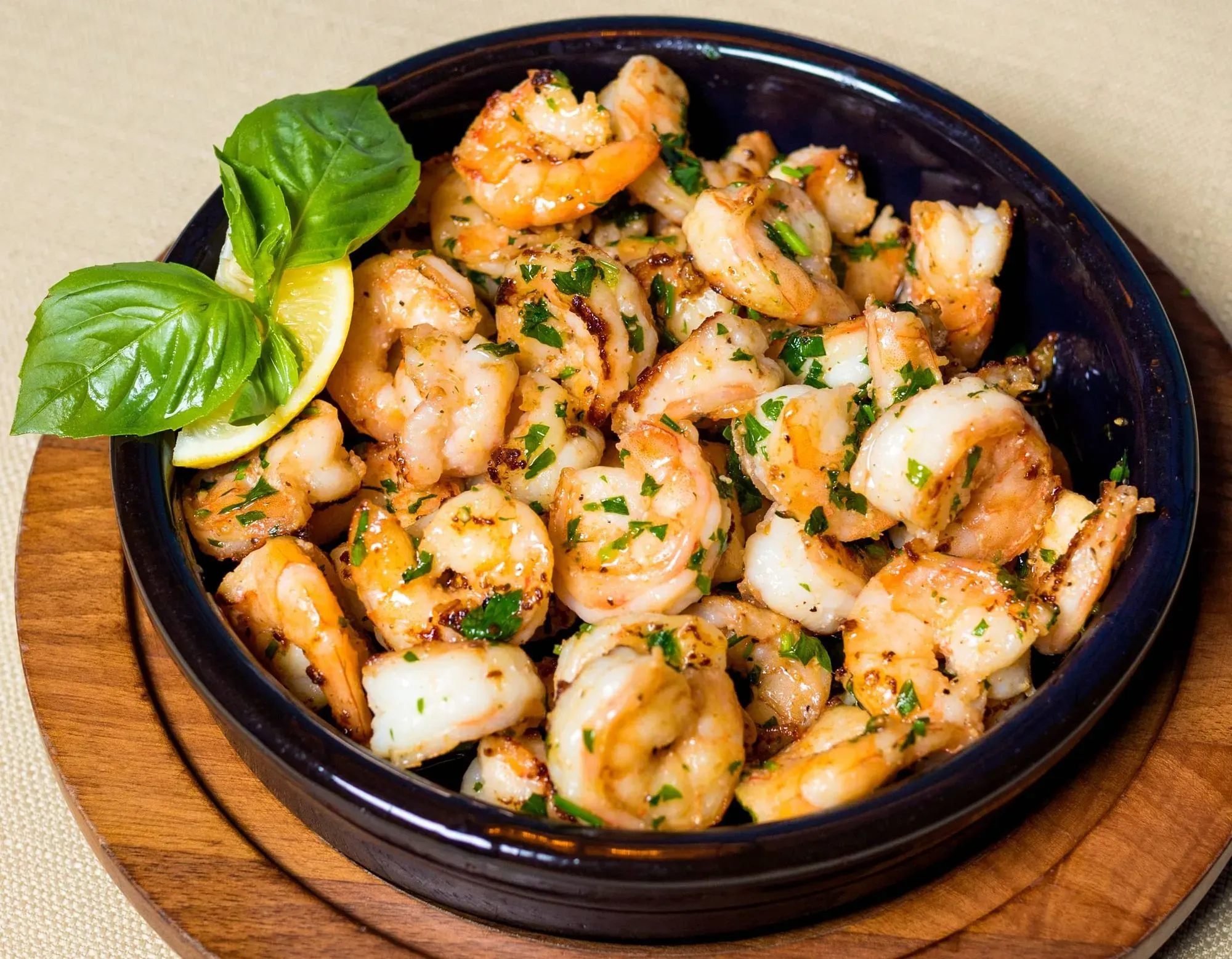
Lean proteins, like chicken, turkey, fish, and tofu, are low in saturated fat and help stabilize blood sugar by slowing digestion.
They also keep you feeling full longer, meaning you’re less likely to overeat and gain weight.
High-Fiber Foods and Complex Carbohydrates
Complex carbohydrates and high-fiber foods are digested more slowly than simple carbohydrates.
This slower digestion results in a more gradual increase in blood sugar levels after eating.
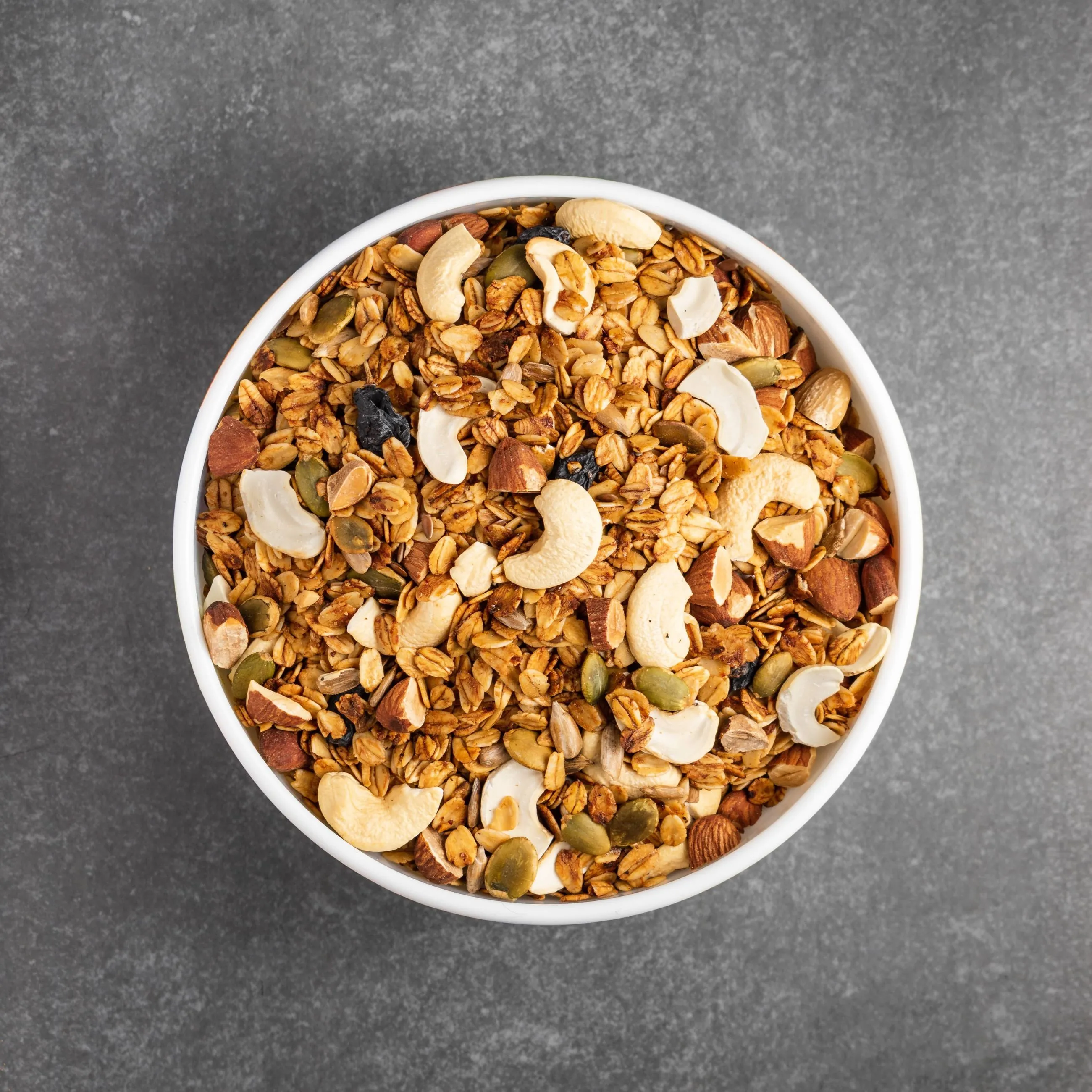
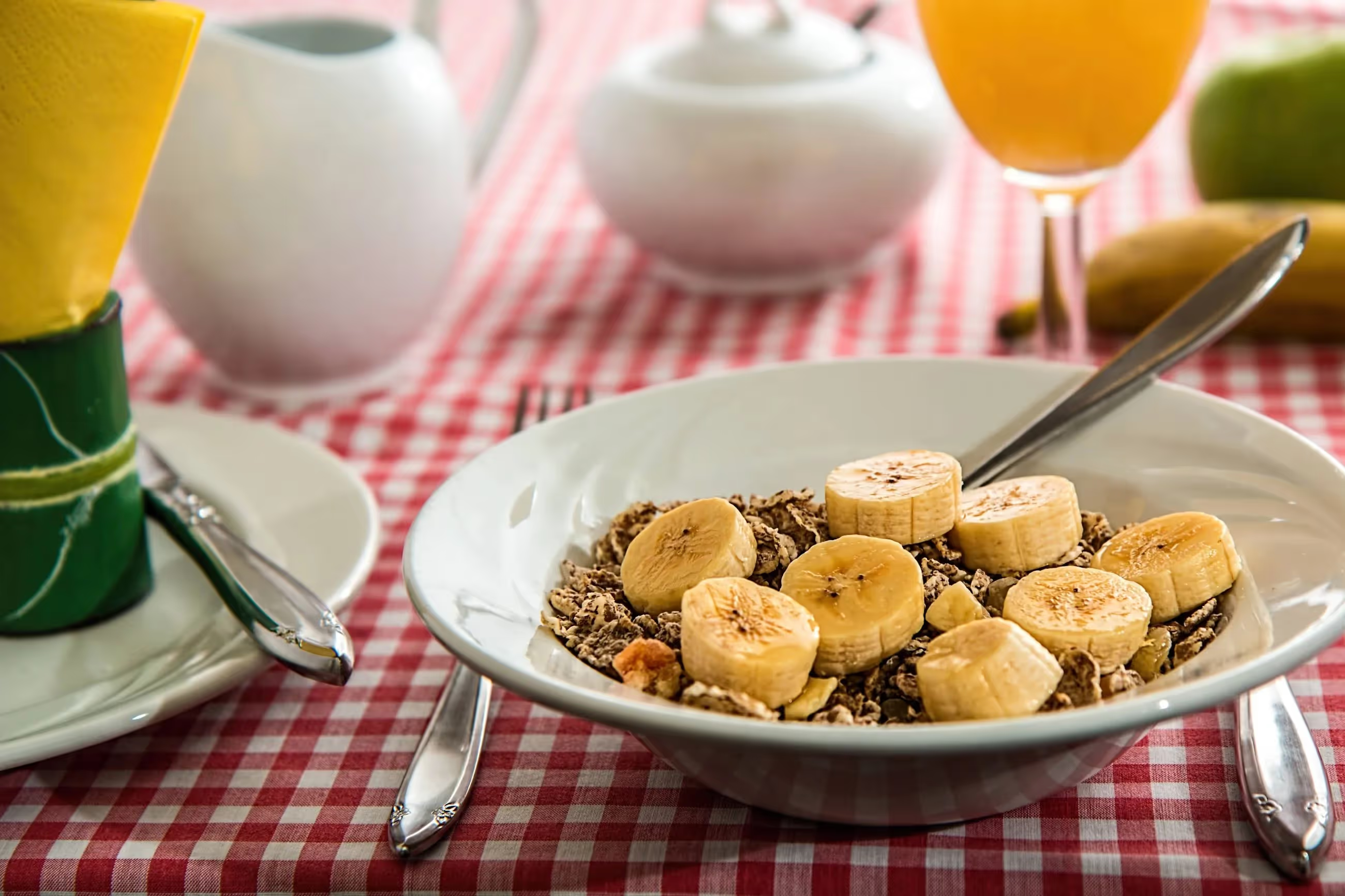
Examples of complex carbs include oats, brown rice, quinoa, whole wheat bread, beans, and lentils.
Swap these foods for simple carbohydrates to better control your blood sugar levels.
Healthy Fats
Monounsaturated fats (MUFAs) and polyunsaturated fats (PUFAs) are considered to be healthy or “good” fats.
Research suggests that replacing saturated fats in your diet with MUFAs and PUFAs might lower the chances of developing heart disease and diabetes.
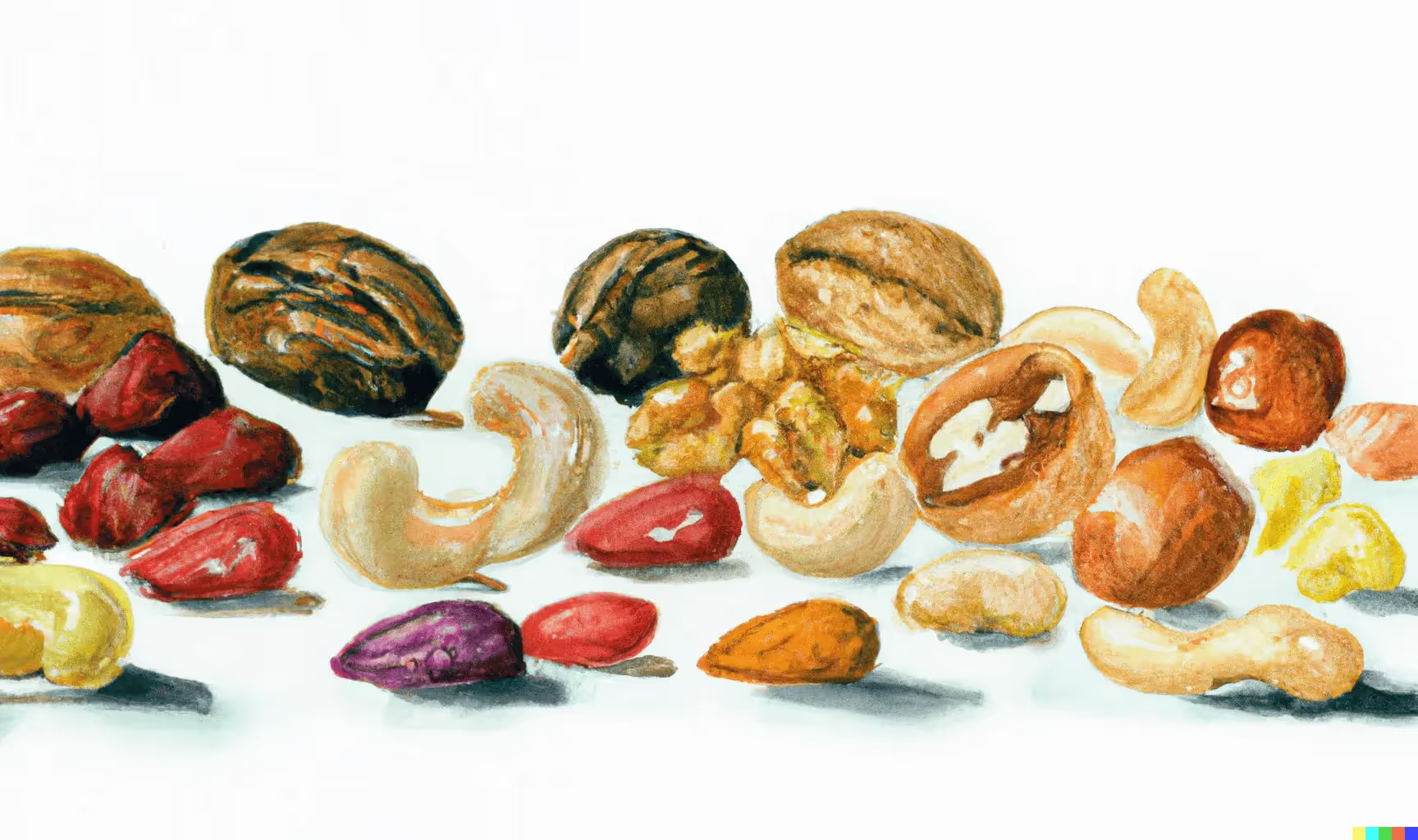
Foods like fatty fish, nuts, seeds, avocados, and olive oil are great sources of healthy fats.
Low-Carb Fruits and Vegetables
Fruits and vegetables are full of essential vitamins and minerals that are beneficial for your health.
If you have diabetes, choose non-starchy vegetables and low-carb fruits for better blood sugar control.
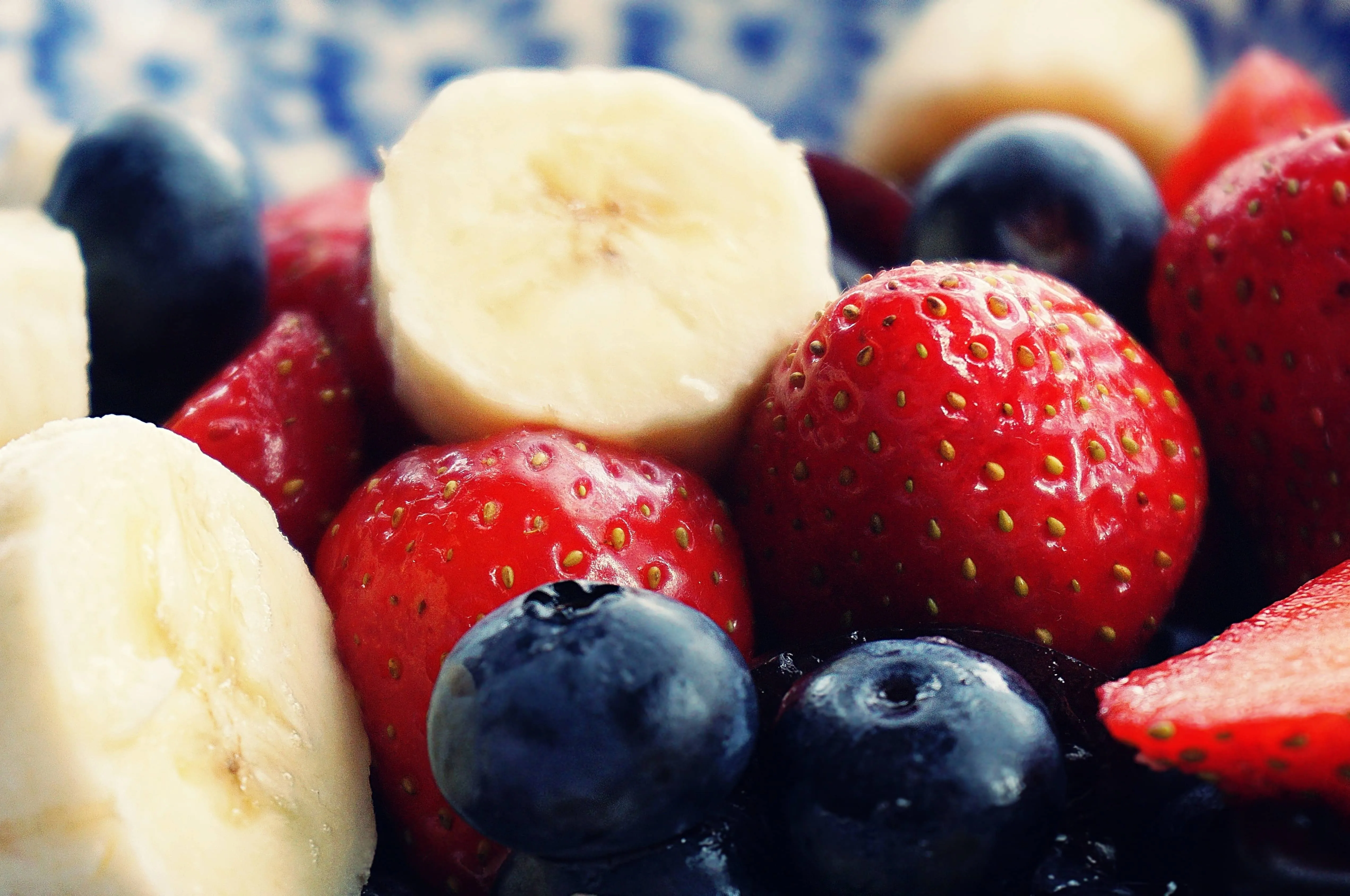
Examples of non-starchy vegetables include broccoli, cauliflower, spinach, kale, asparagus, and zucchini. Fruits that are lower in sugar include berries, citrus fruits, apples, and pears.
Should I Follow a Certain Diet on Metformin?
You do not need to follow a certain diet on metformin.
However, eating a healthy diet consisting mostly of lean protein, fruits, vegetables, healthy fats, and fiber-rich foods is best for blood sugar management and overall health.
Avoiding alcohol, along with excess sugar, sodium, saturated fat, and trans fat, can also make your blood sugar levels easier to control.
Do Any Foods Trigger Metformin Side Effects?
Metformin does not react with any specific foods to trigger side effects.
However, it is recommended to take it with food, as doing so helps reduce the likelihood of experiencing stomach-related issues.
Alcohol should also be avoided to lower the risk of developing a rare condition called lactic acidosis.
Potential Side Effects and Risks
The most common side effects and risks of taking metformin include:
- Diarrhea or constipation.
- Nausea.
- Upset stomach.
- Gas and indigestion.
- Change in sense of taste.
- Low energy or a feeling of weakness.
- Headache.
- Muscle pain.
Tips for Getting the Most Out of Metformin Treatment
Here are some tips if you recently started taking metformin and want to get the most out of your treatment.
- Balance your plate. A balanced meal of lean protein, fiber, healthy fats, and vegetables can prevent sudden blood sugar spikes and subsequent crashes.
- Limit alcohol and processed foods. Many ultra-processed foods contain excess sugar, sodium, and unhealthy fats. Limit these, along with alcohol, to keep your blood sugar in check and allow metformin to work its best.
- Avoid skipping meals. For people with diabetes, it's important to keep blood sugar levels stable throughout the day. Avoid skipping meals to prevent low blood sugar and maximize the effectiveness of metformin.
- Take metformin with food. It is best to take metformin with a meal to avoid unpleasant digestive side effects that could negatively impact your desire to eat a healthy diet.
Takeaway
Metformin is an oral tablet used to help people with type 2 diabetes manage their blood sugar levels.
However, managing your blood sugar involves more than just taking medication.
While there is no specific metformin diet, eating a generally healthy diet while taking metformin can help maximize its effectiveness.
To help control your blood sugar more easily, limit certain foods, such as simple carbohydrates, sugary foods, saturated and trans fats, excess sodium, and alcohol.
Instead, focus on eating a balanced diet of lean protein, high-fiber complex carbohydrates, healthy fats, fruits, and vegetables to make the most of your metformin treatment.
How a Dietitian Can Help
If you’re unsure or have questions about what diet to follow while taking metformin, a registered dietitian can help.
Dietitians can provide personalized recommendations for what to eat to help you better manage your blood sugar on metformin.
They will review your health history, current diet, and lifestyle preferences to create a personalized plan that works for you.
Additionally, if you experience side effects, a dietitian may be able to help you manage them with certain dietary changes.
Find a diabetes dietitian to learn what foods to eat and avoid while taking metformin to improve your blood sugar control and overall health.
Frequently Asked Questions
What is the best food to take metformin with?
The best food to take with metformin is a healthy, balanced meal consisting of lean protein, fiber, healthy fats, low-carb fruits, and non-starchy vegetables. Taking metformin with a balanced meal will help decrease the risk of experiencing negative side effects while also improving your blood sugar control.
Can you drink coffee with metformin?
Yes, you can drink coffee with metformin. However, it is best to do so in moderation, as caffeine can increase the risk of gastrointestinal side effects.
What should you not mix with metformin?
Drinking excessive amounts of alcohol while taking metformin is not recommended because it increases your chances of developing a rare condition called lactic acidosis. Heavy drinking can also interfere with blood sugar control. If you do drink alcohol, it’s best to do so only occasionally and in moderation.
References
View all references
- Metformin: MedlinePlus drug information. (n.d.).
- Type 2 diabetes. (2023, November 21). National Institute of Diabetes and Digestive and Kidney Diseases.
- Simple carbohydrates: MedlinePlus Medical Encyclopedia Image. (n.d.).
- Sugar sweetened beverage intake. (2022, April 11). Centers for Disease Control and Prevention.
- Bonsembiante, L., Targher, G., & Maffeis, C. (2021). Type 2 diabetes and dietary carbohydrate intake of adolescents and young adults: What is the impact of different choices? Nutrients, 13(10), 3344.
- Home | Dietary guidelines for Americans. (n.d.).
- Hooper, L., Martin, N., Jimoh, O. F., Kirk, C., Foster, E., & Abdelhamid, A. (2020). Reduction in saturated fat intake for cardiovascular disease. Cochrane Library, 2020(8).
- Facts about saturated fats: MedlinePlus Medical Encyclopedia. (n.d.).
- Ke, C., Lipscombe, L., Weisman, A., Zhou, L., Austin, P. C., Shah, B. R., & Booth, G. L. (2022). Trends in the Association between Diabetes and Cardiovascular Events, 1994-2019. JAMA, 328(18), 1866.
- Facts about trans fats: MedlinePlus Medical Encyclopedia. (n.d.).
- Vitale, M., Costabile, G., Testa, R., D’Abbronzo, G., Nettore, I. C., Macchia, P. E., & Giacco, R. (2024). Ultra-Processed Foods and Human Health: A Systematic Review and Meta-Analysis of Prospective Cohort Studies. Advances in Nutrition, 15(1), 100121.
- Iqbal, M. P. (1969). Trans fatty acids – a risk factor for cardiovascular disease. Pakistan Journal of Medical Sciences, 30(1).
- Naha, S., Gardner, M. J., Khangura, D., Kurukulasuriya, L. R., & Sowers, J. R. (2021, August 7). Hypertension in diabetes. Endotext - NCBI Bookshelf.
- Grillo, A., Salvi, L., Coruzzi, P., Salvi, P., & Parati, G. (2019). Sodium intake and hypertension. Nutrients, 11(9), 1970.
- Nutrition, C. F. F. S. a. A. (2024, March 5). Sodium in your diet. U.S. Food And Drug Administration.
- Diabetes and alcohol: MedlinePlus Medical Encyclopedia. (n.d.).
- Lactic acidosis: MedlinePlus Medical Encyclopedia. (n.d.).
- Healthy Living with Diabetes. (2024, April 10). National Institute of Diabetes and Digestive and Kidney Diseases.
- Gannon, M. C., Nuttall, F. Q., Saeed, A., Jordan, K., & Hoover, H. (2003). An increase in dietary protein improves the blood glucose response in persons with type 2 diabetes. The American Journal of Clinical Nutrition, 78(4), 734–741.
- Moon, J., & Koh, G. (2020). Clinical evidence and Mechanisms of High-Protein Diet-Induced Weight Loss. Journal of Obesity & Metabolic Syndrome, 29(3), 166–173.
- Hayes, J., & Benson, G. (2016). What the latest evidence tells us about fat and cardiovascular health. Diabetes Spectrum, 29(3), 171–175.
- Li, Y., Xiong, B., Zhu, M., Ren, Y., Lan, Y., Hu, T., Wang, Y., Yang, H., Liao, Z., Xiao, K., & She, Q. (2023). Associations of starchy and non-starchy vegetables with risk of metabolic syndrome: evidence from the NHANES 1999–2018. Nutrition & Metabolism, 20(1).
- National Library of Medicine. (n.d.-a). Caffeine.
Nourish has strict sourcing policies and prioritizes primary sources, including medical organizations, governmental agencies, academic institutions, and peer-reviewed scientific journals. Learn more about our medical review process and editorial guidelines.








.avif)



%20(1).webp)

.avif)



.avif)










.avif)








































.avif)

.avif)