How to Follow an Insulin Resistance Diet: Meal Plan & Tips

Medical Reviewer: Christina Harris, RDN

Author: Jennifer Huddy, MS, RD, LD

Summary
- Insulin resistance is when your cells don’t respond as well to insulin, making it more challenging for your body to process glucose, or sugar.
- A diet rich in whole grains, lean proteins, healthy fats, fruits, and non-starchy vegetables can improve insulin resistance and reduce the risk of type 2 diabetes.
- Other lifestyle changes may help manage insulin resistance, like exercising regularly, prioritizing hydration, and focusing on small, frequent meals.
Insulin resistance is a condition in which your body doesn’t process glucose (sugar) as well as it should.
It’s a precursor to type 2 diabetes, but can also be present in other conditions, like polycystic ovary syndrome (PCOS).
Doctors recommend diet and lifestyle changes and often medication to treat insulin resistance.
With so much conflicting information online, knowing which foods are best for improving insulin sensitivity can be challenging.
Keep reading to learn more about the top foods for insulin resistance and how to build a balanced meal plan.
{{splash}}
What is Insulin Resistance?
Insulin is a hormone your pancreas releases in response to eating carbohydrates.
In the digestive tract, carbohydrates are broken down into glucose (sugar) and enter the bloodstream.
Insulin helps deliver glucose from your bloodstream into the cells of your muscles and other parts of your body to be used for energy.
Insulin resistance is when the cells in your muscles, fat, and organs stop responding to insulin and no longer process sugar as effectively.
Over time, the pancreas starts producing more insulin to help the body process the glucose and keep blood sugar levels regular, but this is only a temporary solution.
When insulin resistance is left untreated, cells eventually become so resistant to insulin that the pancreas isn’t able to keep up, resulting in prediabetes or type 2 diabetes.
The Best Foods For Insulin Resistance
Research shows that including certain foods in your diet can help improve insulin resistance.
Below are some of the most beneficial foods for people with insulin resistance:
Whole Grains
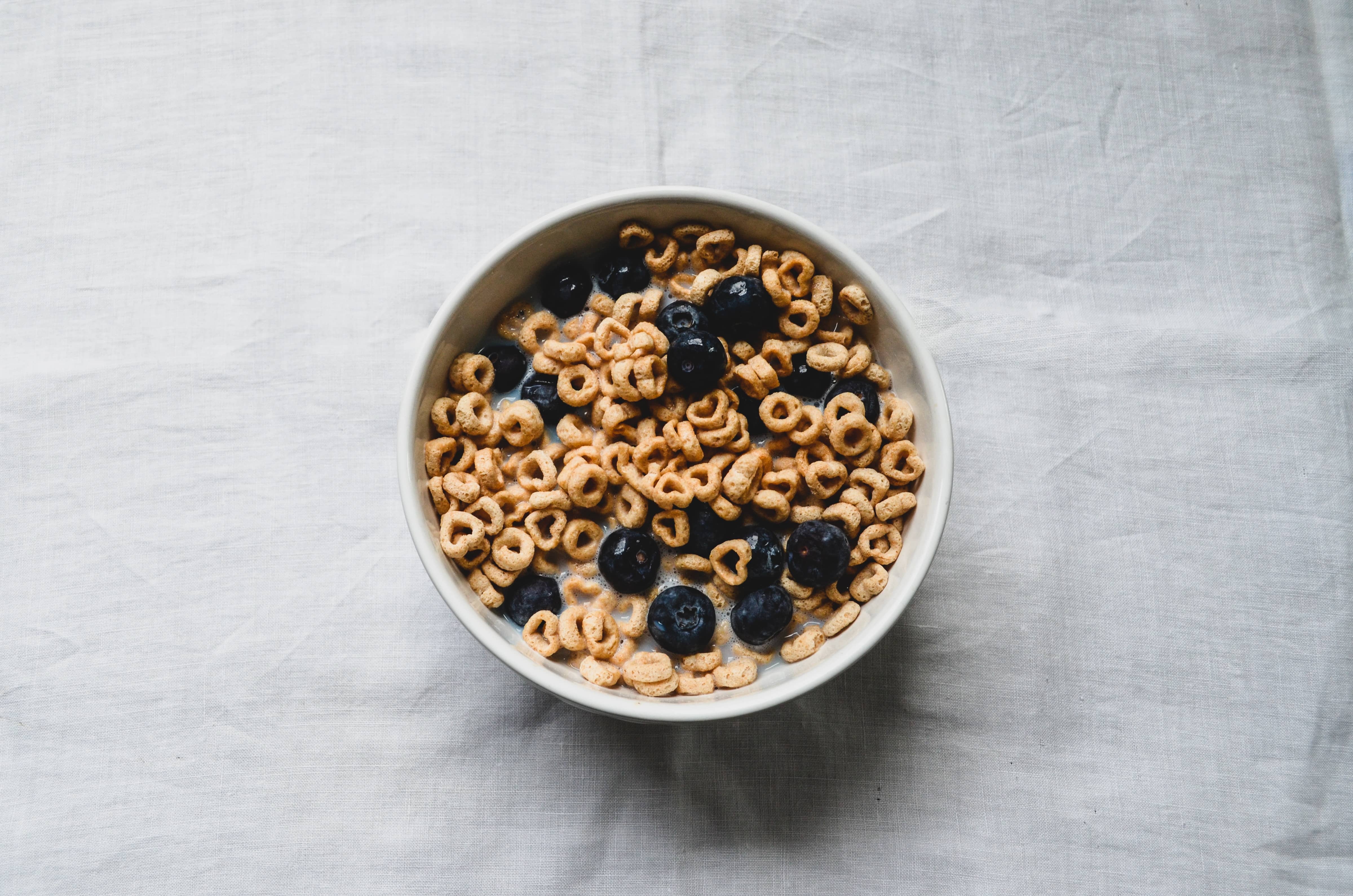
Research demonstrates that eating more whole grains improves insulin resistance.
The high fiber content of whole grains slows down digestion, preventing blood sugar spikes and reducing the demand for insulin production.
If you’ve been diagnosed with insulin resistance, try to incorporate more whole grains into your diet, such as:
- Quinoa.
- Brown rice.
- Barley.
- Oatmeal.
Berries
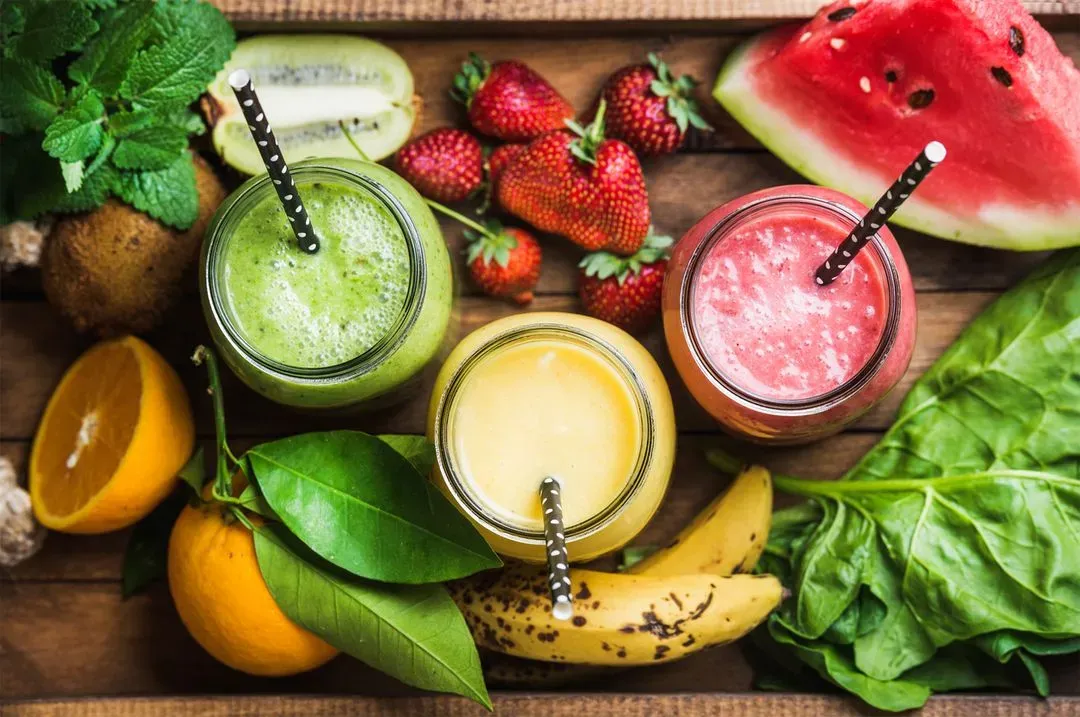
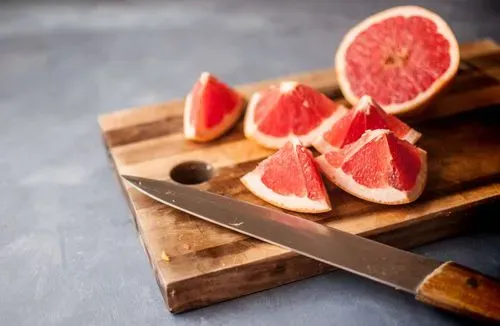
Eating more fruits and non-starchy vegetables has been linked with improvements in insulin sensitivity.
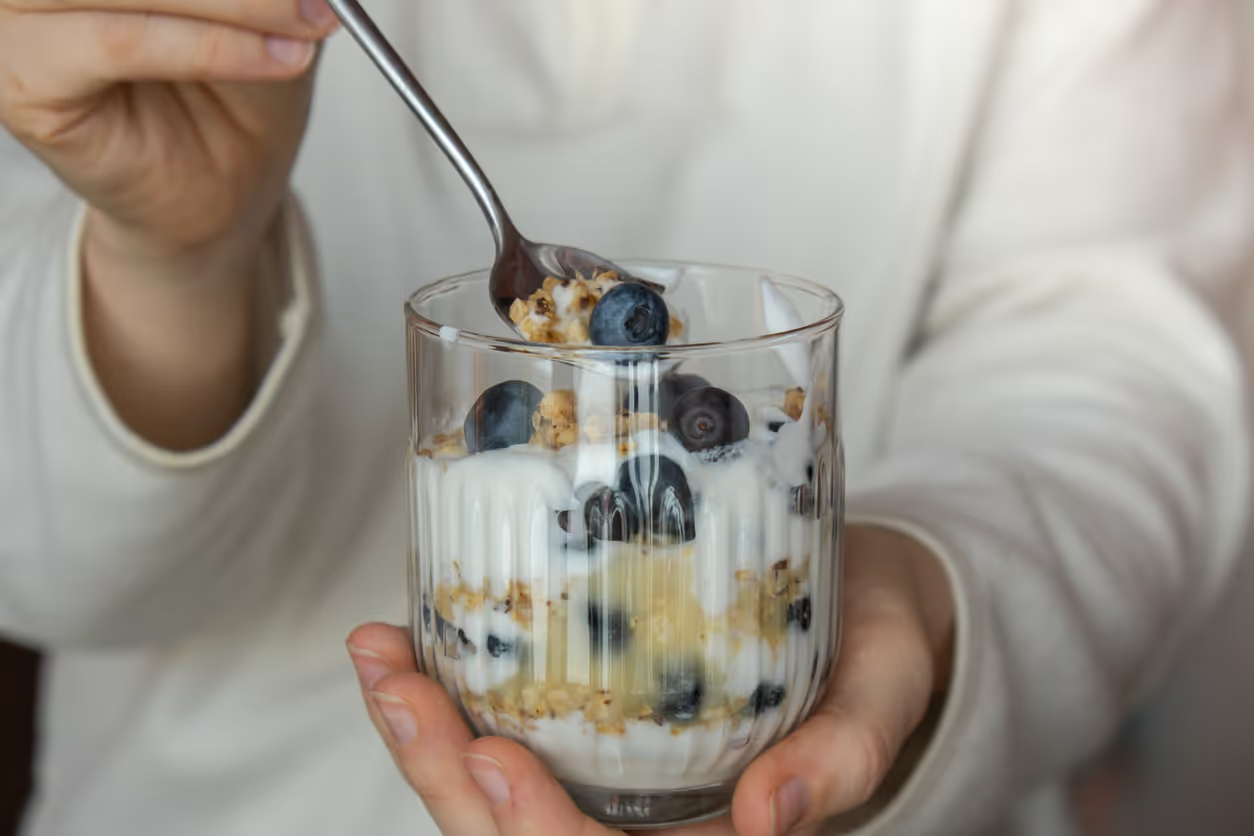
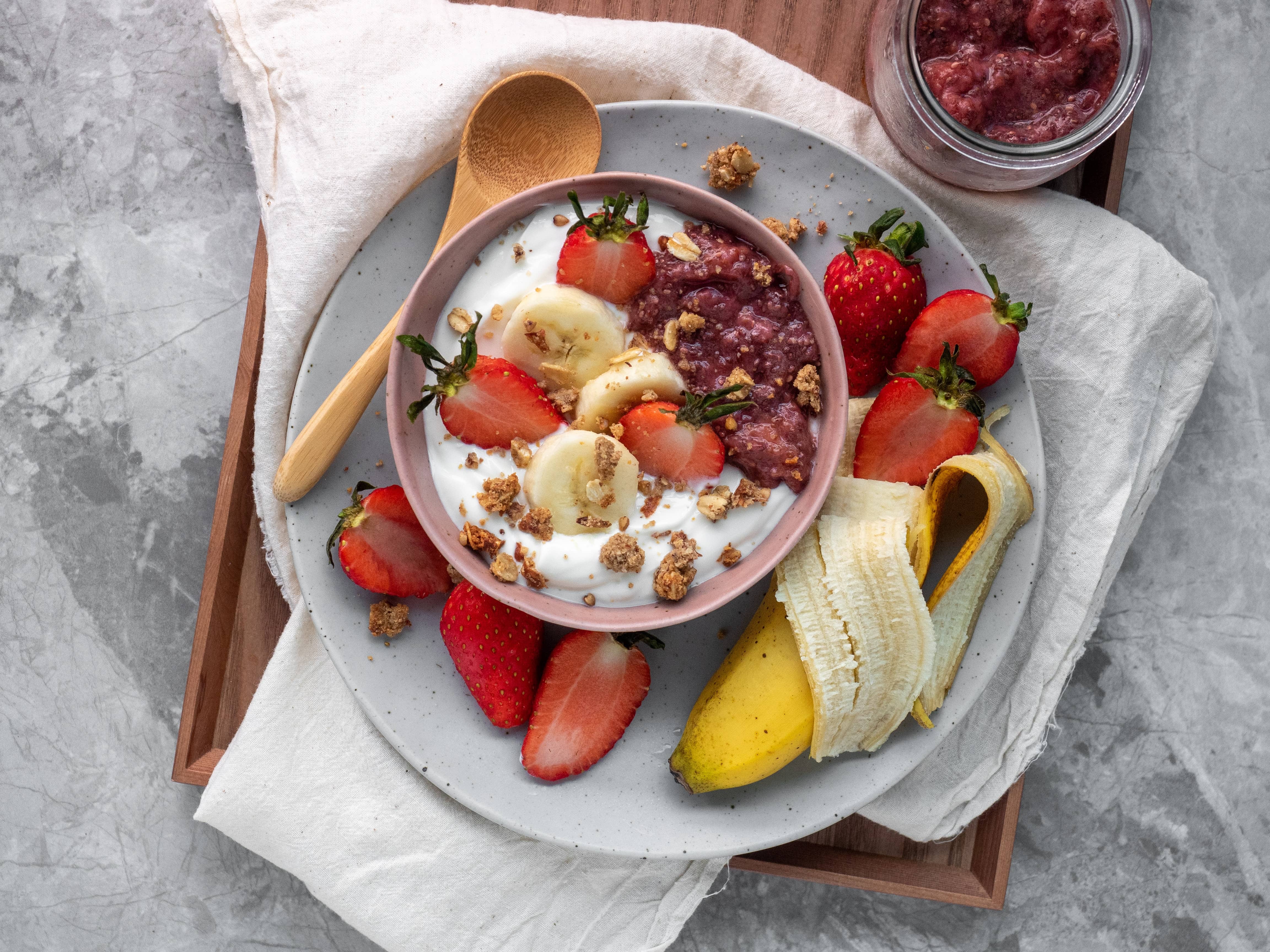
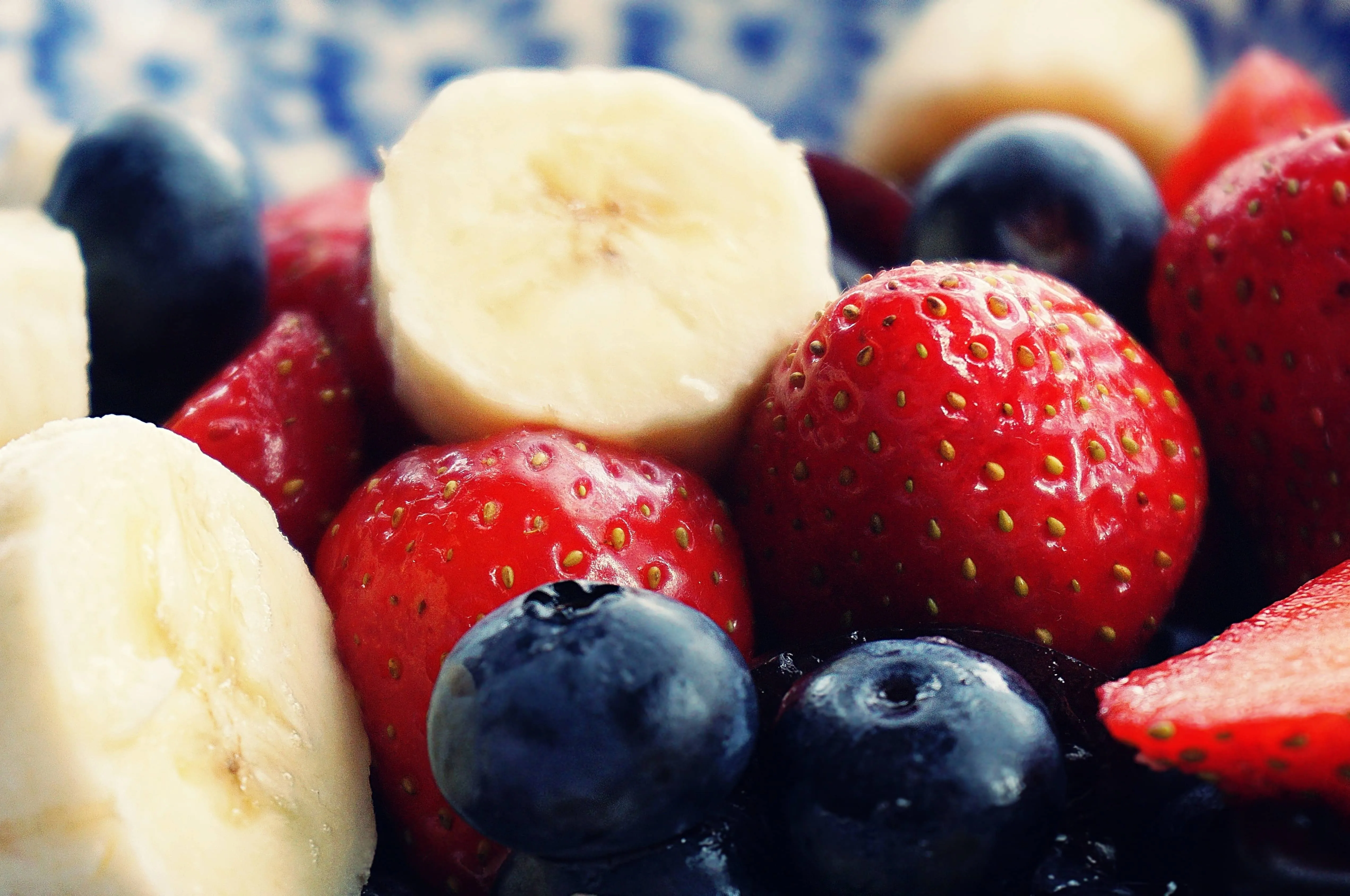
Specifically, berries are a great choice because they have a lower glycemic index (GI), meaning they don’t raise your blood sugar as quickly as other fruits.
Berries are also packed with anthocyanins, the naturally occurring pigments responsible for these fruits' rich, vibrant color. Anthocyanins are powerful antioxidants that improve glucose sensitivity and reduce the risk of type 2 diabetes.
Incorporating berries with high levels of anthocyanins into your diet is an excellent way to combat insulin resistance naturally.
Examples include:
- Blueberries.
- Blackberries.
- Acai berries.
- Goji berries.
- Mulberries.
Lean Proteins
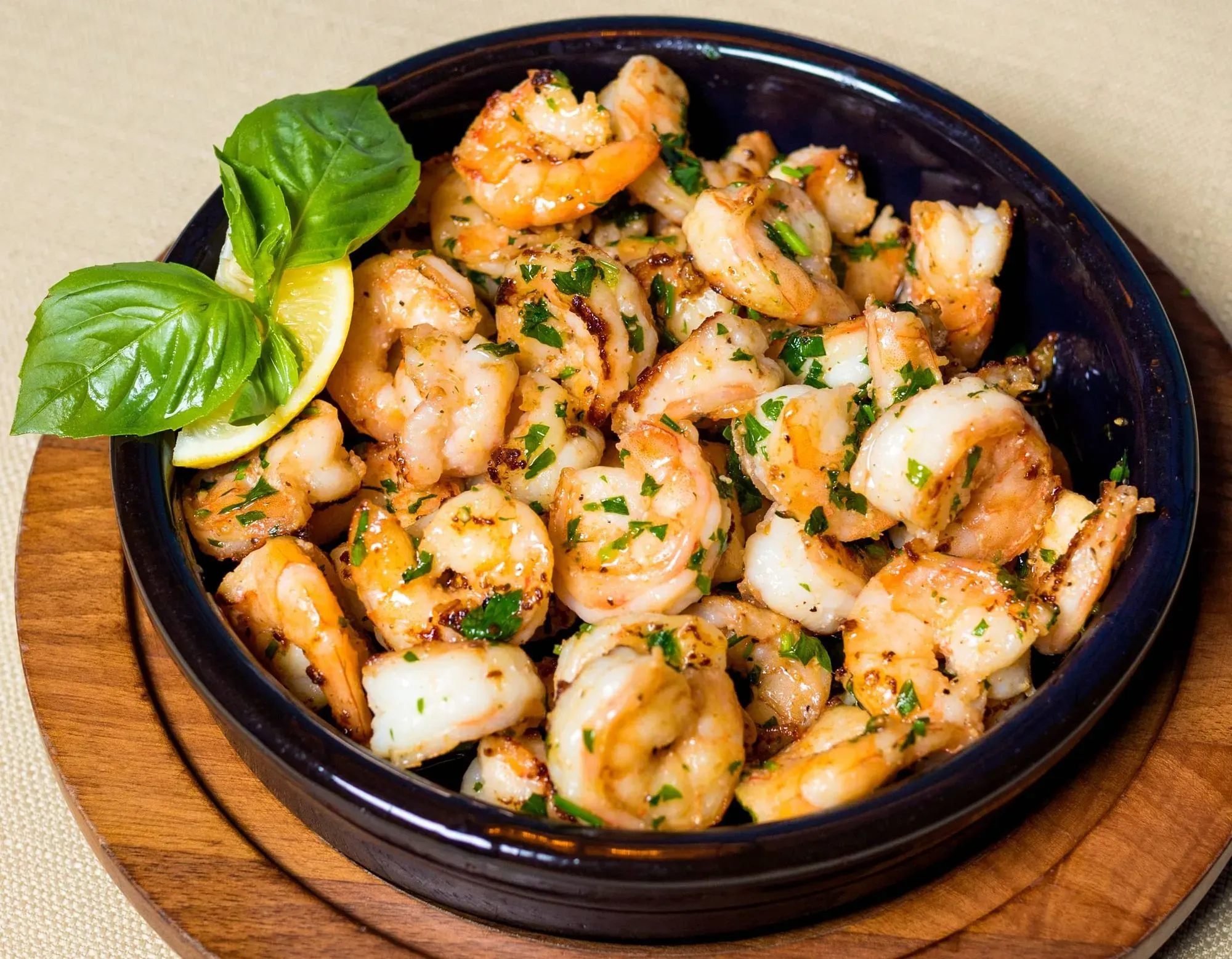
Similar to fiber, protein slows digestion and plays a role in stabilizing blood sugar levels.
Lean proteins are lower in saturated fat and can improve insulin resistance when combined with a high-fiber diet.
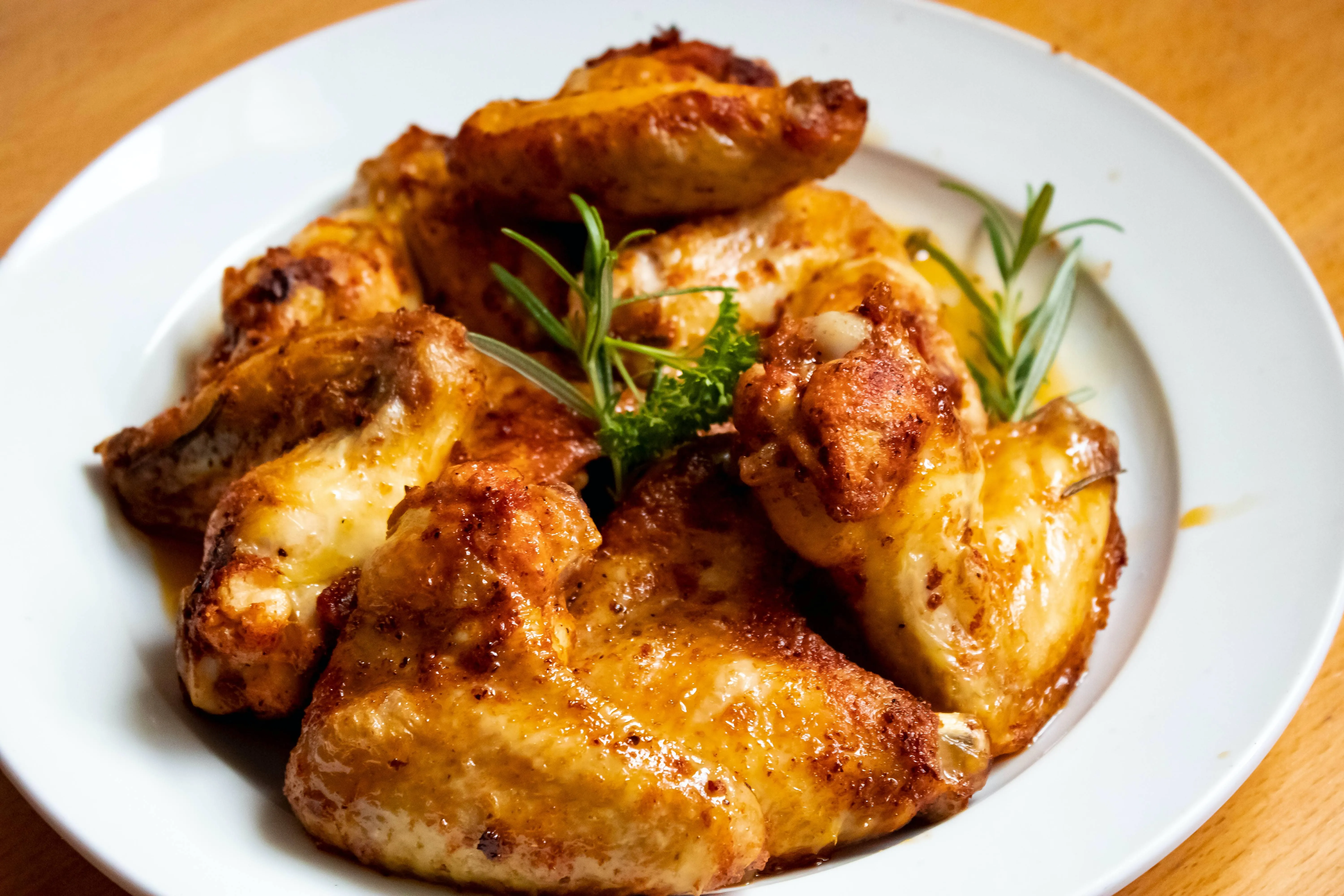
You can increase your intake of lean proteins by focusing on:
Nuts and Seeds
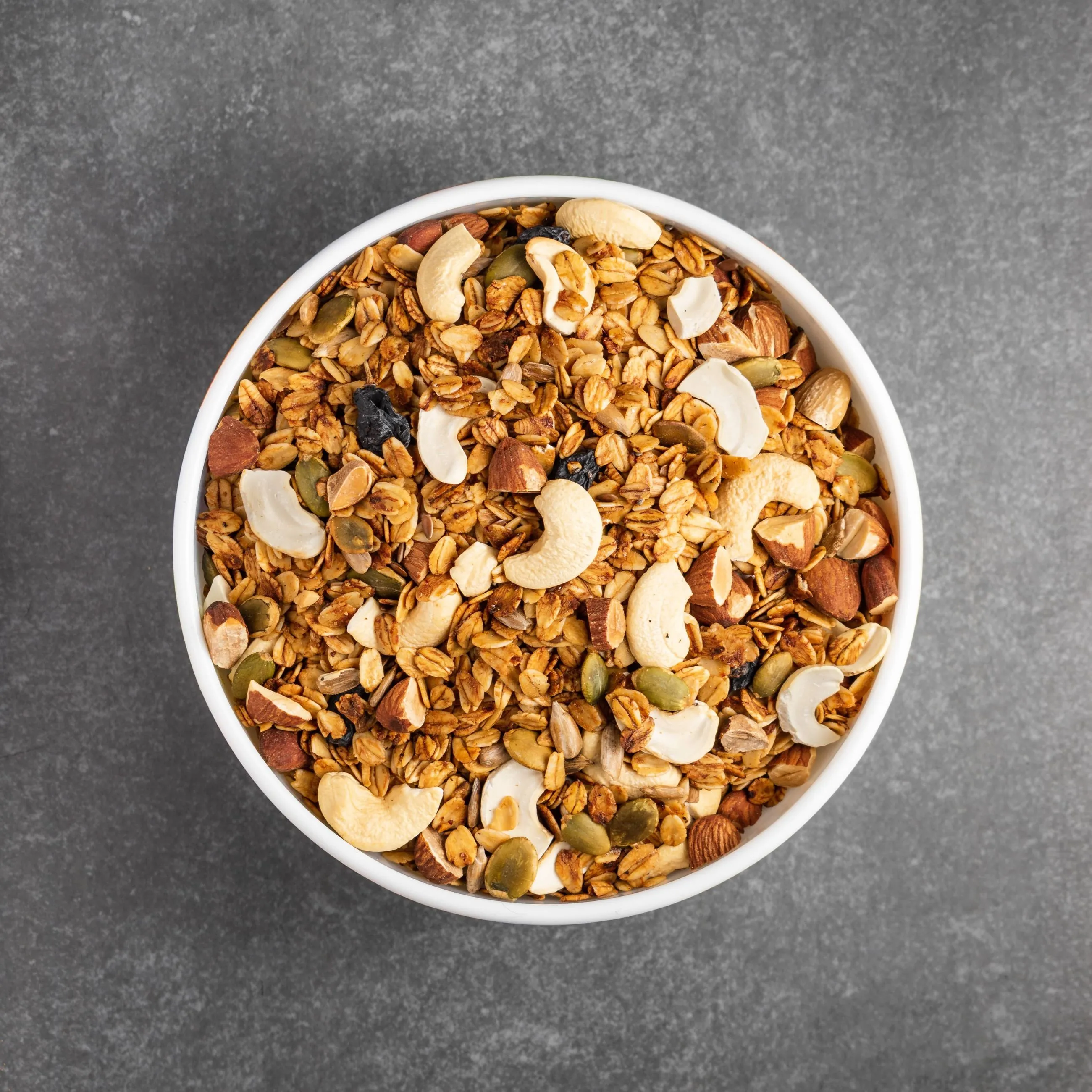
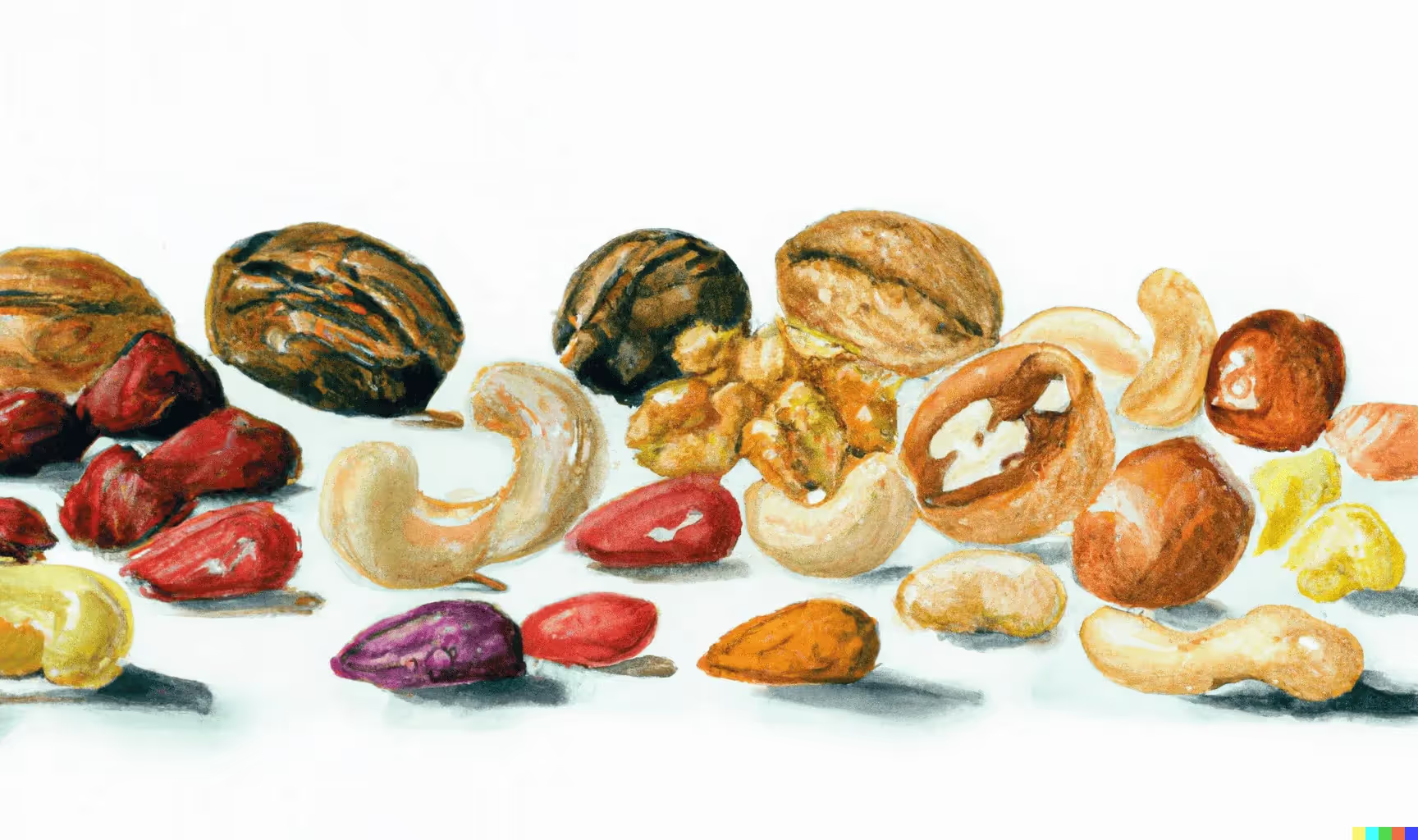
Nuts and seeds contain unsaturated fat, fiber, and polyphenols, which may help improve insulin resistance and reduce diabetes risk.
Research shows that a higher nut intake is associated with improved insulin resistance, A1c (a three month average of your blood glucose levels), and fasting glucose levels.
Nuts and seeds also contain protein, which aids satiety and helps stabilize blood sugar levels.
Try incorporating more nuts and seeds into your diet, such as:
- Almonds.
- Walnuts.
- Natural peanut butter.
- Chia seeds.
- Sunflower seeds.
Healthy Fats
Limiting saturated fats and opting for healthful unsaturated alternatives may be beneficial in an insulin resistance meal plan.
Research suggests that a higher intake of unsaturated fats is associated with improvements in insulin secretion and sensitivity.
Generally, unsaturated fats are liquid at room temperature and include:
- Olive oil.
- Avocado oil.
- Grapeseed oil.
- Canola oil.
Contrastingly, saturated fats, like coconut oil and butter, are solid at room temperature. You don’t need to avoid these foods completely, but decreasing your intake may benefit insulin function.
What’s the Best Diet for Insulin Resistance?
Research shows that whole-food diets like the Mediterranean and DASH (Dietary Approaches to Stop Hypertension) diets can effectively manage insulin resistance.
These eating patterns are rich in whole grains, lean proteins, healthy fats, fruits, and vegetables.
They are also low in added sugars.
The Worst Foods For Insulin Resistance
While it’s best to focus on adding nutritious foods to your insulin resistance meal plan, it’s also important to be mindful of the foods that can worsen insulin resistance when consumed in excess.
Added Sugar
Research suggests that a high intake of added sugars can increase insulin resistance and fasting blood sugar levels, resulting in an elevated risk for type 2 diabetes.
A great starting point is to read nutrition labels for added sugars to understand your current intake. Practice enjoying highly sweetened foods, like sodas and desserts, in moderation.
Artificial Trans Fats
Artificial trans fats are primarily used in the fast-food and restaurant industry to fry popular menu items like french fries, chicken fingers, and battered fish.
Similar to saturated fat intake, research has linked a high intake of trans fats with increased insulin resistance.
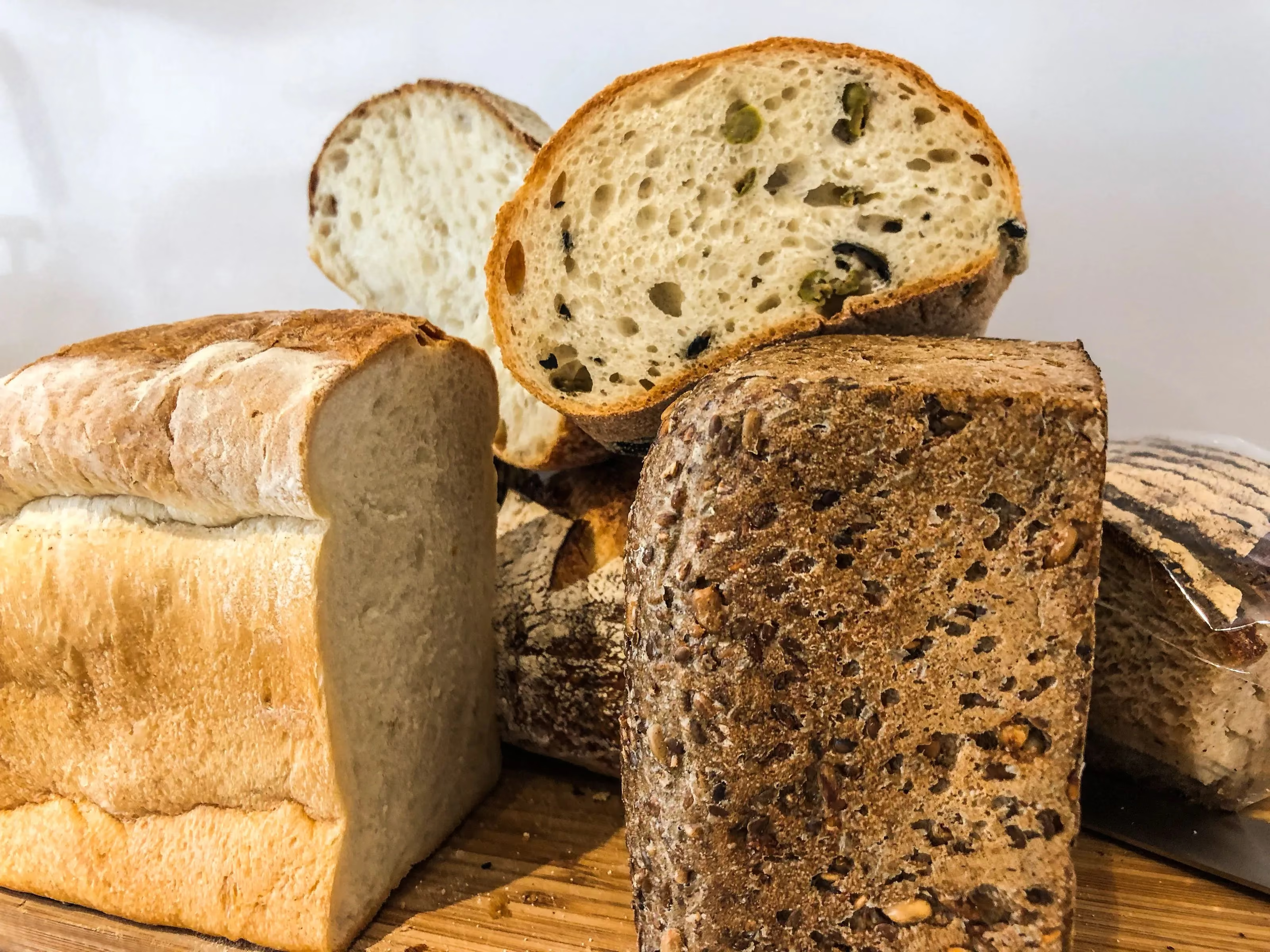
Refined Grains
Any grain that has been milled to remove its germ and bran is referred to as a refined grain. White flour, white bread, pasta, and white rice are all examples of refined grains.
A small study from 2019 compared a diet high in refined grains with one rich in whole grains. Results showed that whole-grain intake reduced insulin resistance by approximately 18%, while refined-grain intake increased insulin resistance by 2%.
How to Make an Insulin Resistance Diet Plan
Once you understand the types of foods that can improve insulin resistance, the next step is to consider how you can implement more of these foods into your diet and create well-balanced, nutritious meals.
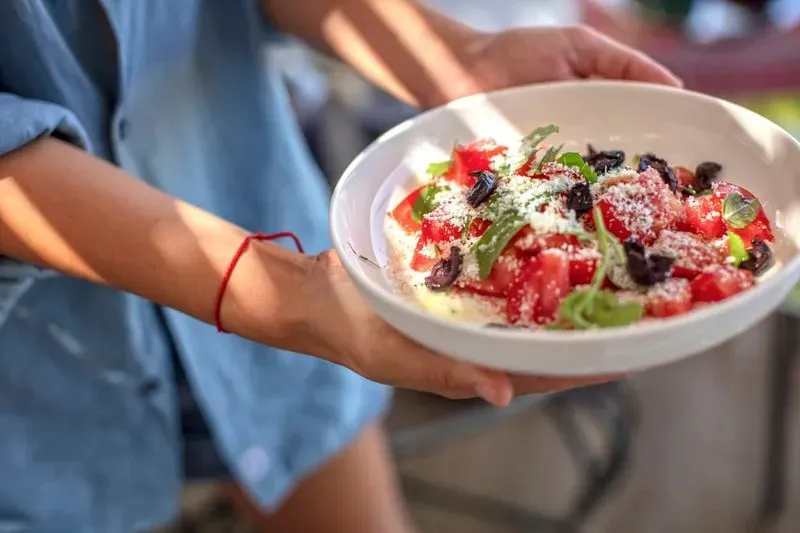
Focus on including a source of lean protein, healthy fats, and high-fiber carbohydrates with every meal. Aim for eating at least five servings of fruits and vegetables per day.
Include snacks at regular intervals throughout the day, focusing on a balance of fiber and protein.
The diabetic plate method can be a helpful tool when planning meals:
- ¼ plate whole grain or high fiber carbohydrates.
- ¼ plate lean proteins.
- ½ plate non-starchy vegetables.
- Healthy fat as a condiment or to cook your meal.
This combination will not only help improve insulin resistance, as well as keeping you satisfied and energized. A dietitian can help you make dietary chanes to improve your glycemic control.
Sample Insulin Resistance Meal Plan
Below is a one-day sample meal plan for insulin resistance. Consult your dietitian for personalized recommendations.
Breakfast
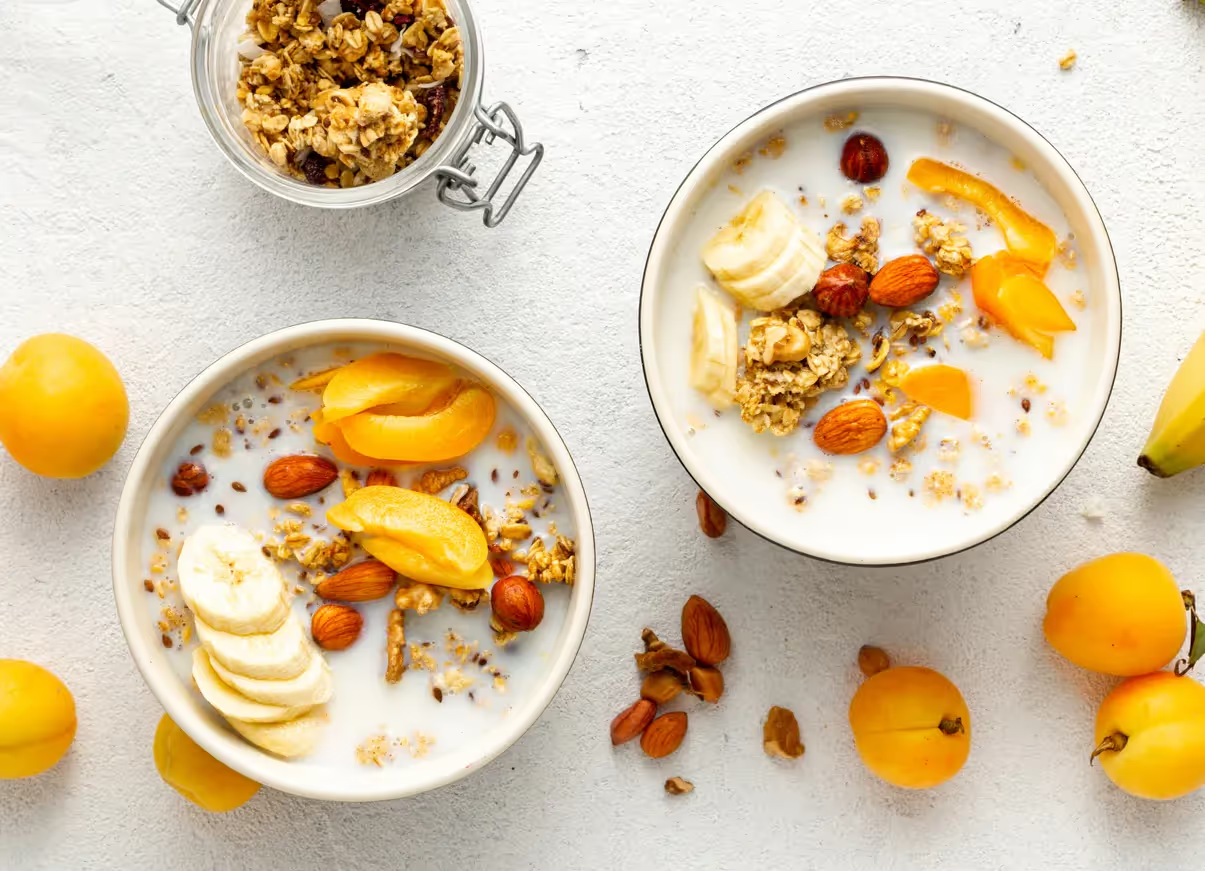
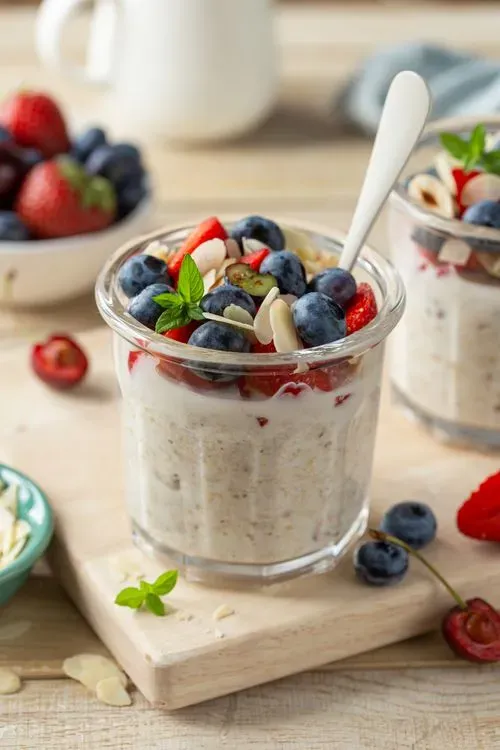
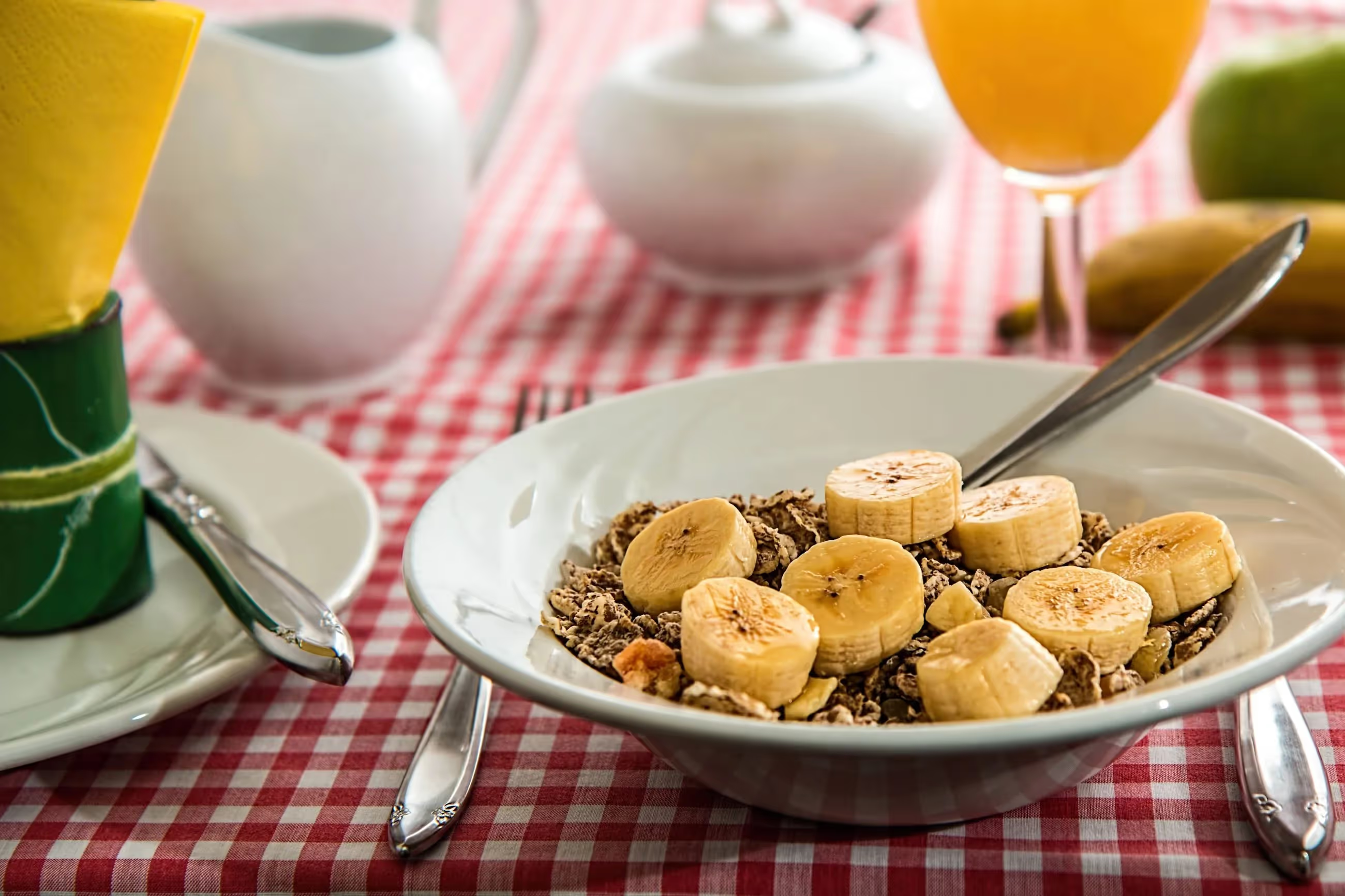
Overnight oats made with old-fashioned oats, milk, Greek yogurt, chia seeds, and raspberries.
Lunch
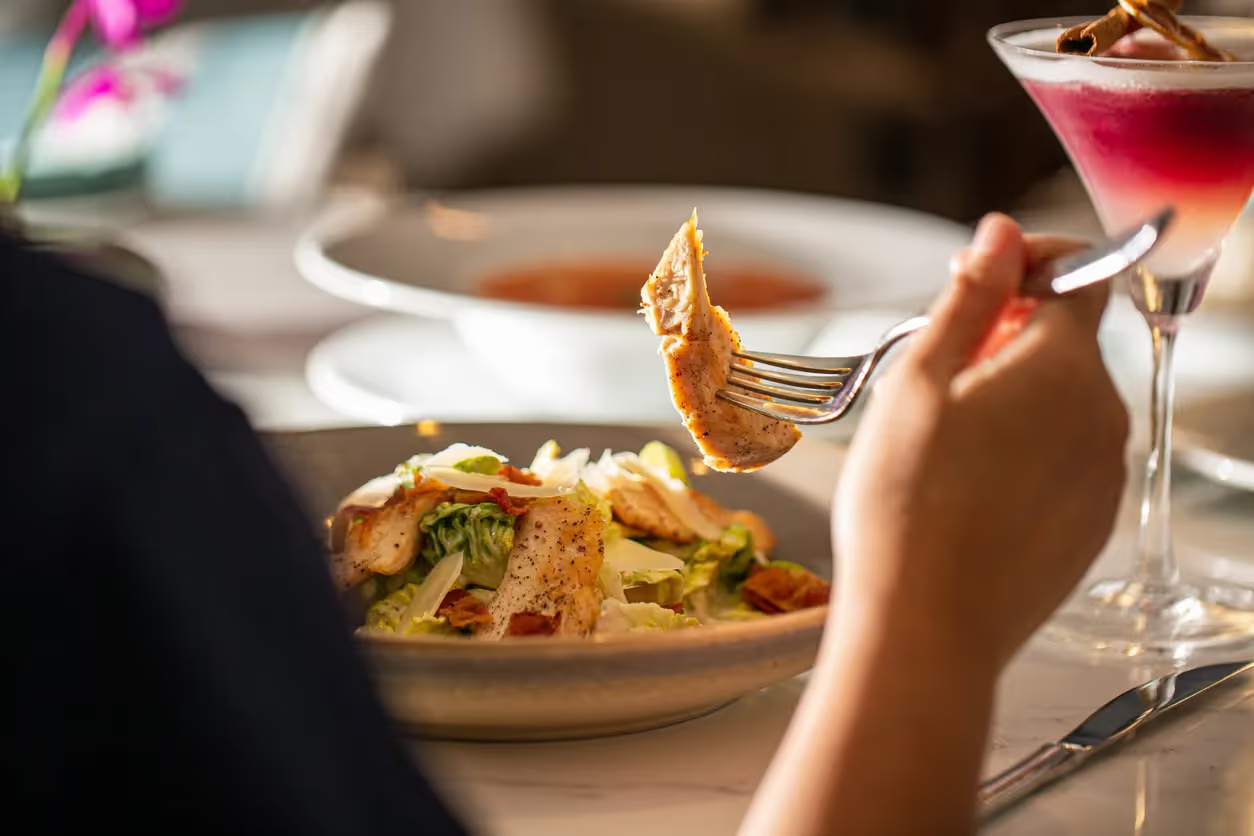
Spinach salad with quinoa, chicken breast, sliced almonds, and Greek vinaigrette.
Dinner
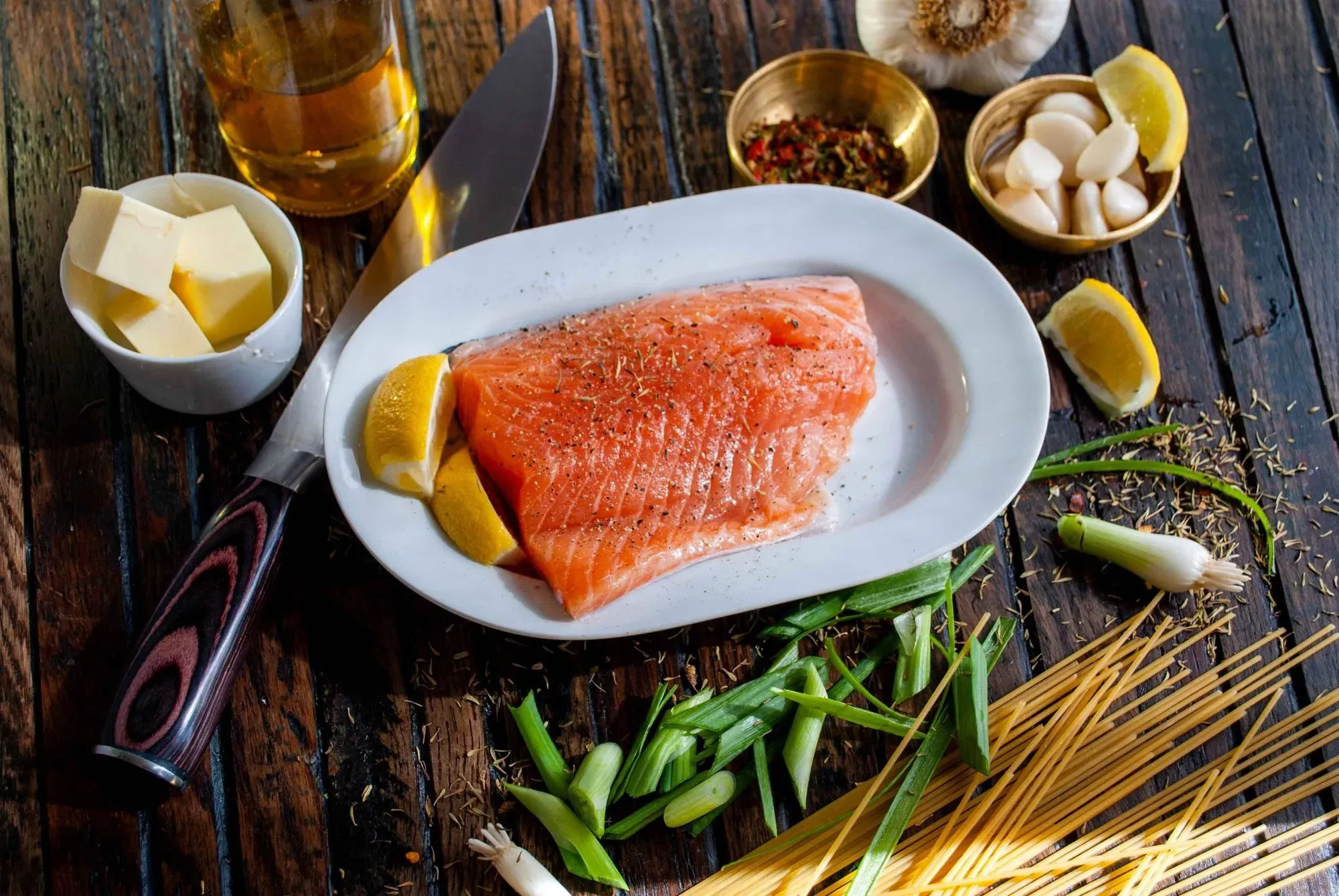
Baked lemon garlic salmon with brown rice and roasted broccoli.
Snacks
Hummus with carrot sticks.
Apple slices with natural peanut butter.
Insulin Resistance Diet and Lifestyle Tips
In addition to a balanced meal plan, you can make other lifestyle changes to help improve insulin resistance.
Exercise After Eating
Regular exercise can be very beneficial for managing insulin resistance because it can improve how your muscle cells respond to insulin.
Light exercise after a meal has been shown to lower glucose and insulin levels. Walking for just 15 minutes is enough to minimize blood sugar spikes and increase insulin sensitivity.
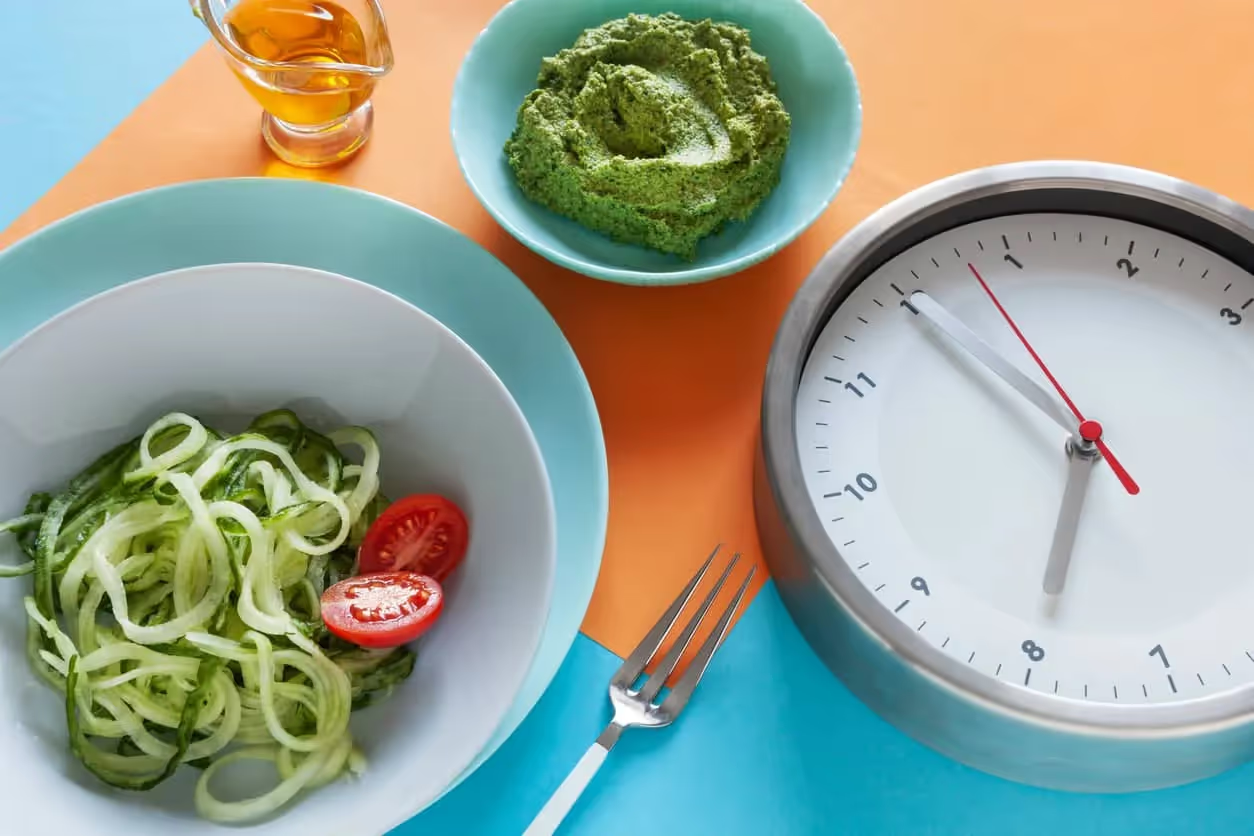
Eat Small, Frequent Meals
Research has linked skipping meals, especially breakfast, with insulin resistance, excess body weight, and inadequate nutrient intake.
However, eating small, frequent meals can improve blood sugar levels and reduce the risk of metabolic syndrome, a condition linked with insulin resistance.
Stay Hydrated Throughout the Day
Prioritizing adequate hydration may be another strategy for improving insulin resistance. A 2020 study found a correlation between insulin resistance and low hydration status. However, more research is needed to understand this link.
{{splash}}
How a Dietitian Can Help
A registered dietitian can offer evidence-based nutrition recommendations to help you manage insulin resistance. Through individual counseling, you’ll learn how to build balanced meals that are delicious and bring you closer to achieving your health goals..
Find a registered dietitian specializing in insulin resistance to get started on your health journey.
Frequently Asked Questions
References
View all references
Nourish has strict sourcing policies and prioritizes primary sources, including medical organizations, governmental agencies, academic institutions, and peer-reviewed scientific journals. Learn more about our medical review process and editorial guidelines.







.avif)




%20(1).webp)

.avif)


.avif)





.avif)





























.avif)

.avif)