9 Best Insulin Resistance Supplements to Help Manage Blood Sugar

Medical Reviewer: Christine Russell, MS, RD, LD, CDCES

Author: Sarah Glinski, RD
.avif)
Summary
- When the body becomes less sensitive to insulin, it’s known as insulin resistance. This common condition can lead to type 2 diabetes if left untreated.
- Several supplements may improve insulin resistance and help manage blood sugar, including vitamin C, chromium, probiotics, inositol, psyllium, magnesium, berberine, cinnamon, and alpha-lipoic acid.
- Other ways to improve insulin resistance include changes to your diet, physical activity, acupuncture, stress management, getting adequate sleep, and quitting smoking.
Insulin resistance, where the body becomes less sensitive to insulin, is a precursor to developing type 2 diabetes.
Normally, insulin released after we eat tells our cells to take up glucose (sugar) from the blood for energy.
With insulin resistance, cells become less sensitive to insulin, which can eventually lead to high blood glucose levels.
If you have insulin resistance, treating it is an important step in preventing the progression to type 2 diabetes.
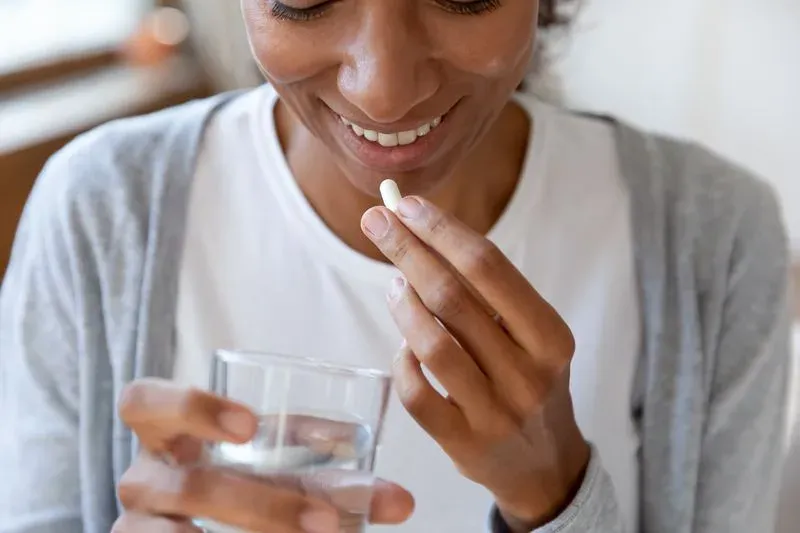
While lifestyle changes like diet and exercise are often recommended as first-line treatments for insulin resistance, you may also be interested in insulin resistance supplements.
Read on to learn about the best supplements for insulin resistance, considerations when taking insulin resistance supplements, and other strategies you can use to manage insulin resistance.
{{splash}}
Can Supplements Help With Insulin Resistance?
Overall, there isn’t enough scientific evidence to conclusively recommend supplements to manage insulin resistance.
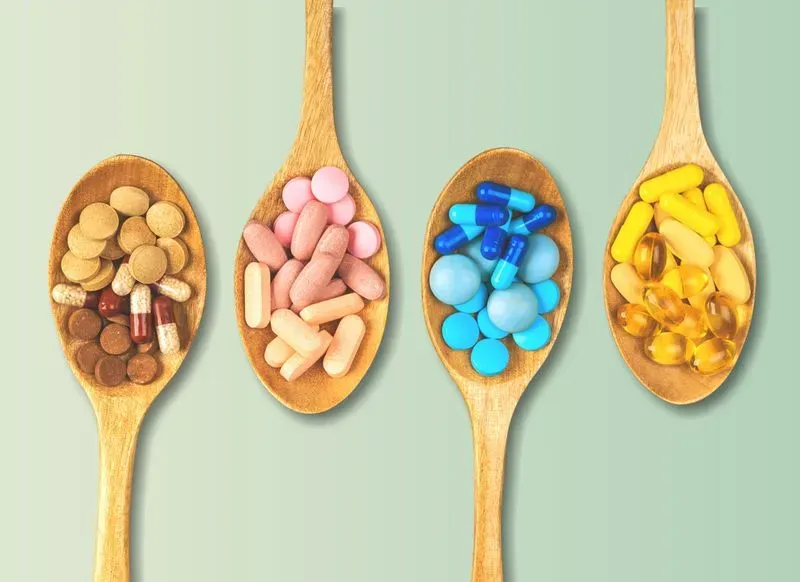
However, several supplements are associated with improving insulin resistance and blood glucose control.
While more research is needed, these supplements may be beneficial in a comprehensive plan to reduce insulin resistance.
9 Insulin Resistance Supplements to Help Manage Blood Sugar
1. Vitamin C
Vitamin C is a water-soluble vitamin that may improve insulin resistance.
Studies have found that vitamin C supplementation reduces fasting blood glucose, HbA1C (the three-month average of your blood glucose) and blood glucose after eating.
It appears that vitamin C more effectively helps manage blood glucose when taken for longer than 12 weeks and if a person has a higher baseline A1C (average blood sugar levels over the last three months.)
2. Chromium
Chromium is an essential trace metal.
Studies examining its effects on insulin resistance and blood glucose management have found mixed results.
Some studies show that chromium improves blood glucose and insulin levels in people with hypoglycemia, hyperglycemia, and diabetes.
It’s thought to improve insulin binding, increase the number of insulin receptors, and improve insulin sensitivity.
Another study conducted in women with polycystic ovary syndrome (PCOS), a condition that commonly includes insulin resistance, found that supplementation with chromium effectively reduced insulin resistance after six months of treatment.
3. Probiotics
A 2021 meta-analysis showed that probiotic supplementation was associated with a modest but significant reduction in fasting blood glucose and A1C in people with type 2 diabetes.
The most commonly used probiotic species were Lactobacillus acidophilus, L. casei, L. reuteri, Bifidobacterium bifidum, and B. longum.
If you’re interested in trying probiotics to manage insulin resistance, try these strains first.
4. Inositol
Inositol is a carbohydrate made from glucose by the body.
Studies show that having insulin resistance increases the body’s inositol requirements.
It’s thought that this occurs because insulin uses inositol-derived compounds as chemical messengers that control cellular glucose uptake.
Studies in people with PCOS have found that inositol supplementation reduces insulin resistance.
Studies also show that the incidence of gestational diabetes declines with inositol supplementation. Inositol supplementation is also associated with improved blood glucose and insulin levels in postmenopausal women.
Overall, studies show that inositol supplementation may be beneficial for treating insulin resistance and managing blood glucose.
5. Psyllium
Psyllium husk is a type of fiber that forms a gel when combined with water.
Studies show that it effectively controls blood glucose levels when combined with dietary changes.
It’s thought that it slows stomach emptying or the glucose absorption rate in the intestines.
Psyllium husk has also been shown to reduce post-meal blood glucose and insulin levels in people without diabetes.
If you haven’t taken psyllium before, start with a low dose to avoid digestive problems like gas and bloating.
Start with half a teaspoon in 8 ounces of water once daily and gradually increase the dose as you get used to taking it.
6. Magnesium
Magnesium is required for moving glucose from the blood into the cells.
It’s also required for carbohydrate metabolism.
Low magnesium levels can occur in 13%-50% of people with type 2 diabetes, and decreased levels of magnesium in the blood prevent insulin from working properly.
Studies have shown that magnesium intake reduces the risk of type 2 diabetes by improving insulin resistance.
While magnesium can be obtained by eating magnesium-rich foods (such as whole grains, nuts, and leafy greens), many people in the U.S. do not get enough through their diet.
Magnesium requirements vary by age and sex, so it’s important to discuss magnesium supplementation with your healthcare provider to ensure you’re taking the right amount.
7. Berberine
Berberine is a naturally occurring plant compound found in many medicinal plants, including barberry and goldenseal.
Studies in humans and animals show that berberine improves blood glucose control and insulin resistance.
While more studies are needed to determine the exact mechanisms, current studies show that berberine may improve insulin resistance by reducing branched-chain amino acids in the blood or by altering the gut microbiota. The time it takes to see results with berberine varies by person.
8. Cinnamon
Commonly used in cooking and baking, cinnamon is rich in phytochemicals that have been shown to reduce insulin resistance.
Polyphenols are a type of phytochemical found in cinnamon.
Studies show that insulin receptors can be activated by the polyphenols extracted from cinnamon.
Cinnamon polyphenols can also increase cellular glucose uptake by increasing the amount of glucose transport proteins in cells.
9. Alpha-Lipoic Acid
Alpha-lipoic acid (ALA) is a naturally occurring antioxidant that helps regulate insulin sensitivity and secretion.
Studies show that ALA can increase cellular glucose uptake.
It does this by activating the molecules that bind to insulin receptors.
This enables glucose transport proteins to move to the cell surface to take up glucose from the blood.
Are Insulin Resistance Supplements Safe?
While insulin resistance supplements are generally considered safe when taken in appropriate dosages, there are some precautions to be aware of:
- Vitamin C: Vitamin C is a relatively safe supplement to take because your body gets rid of any excess vitamin C that it doesn’t use. However, doses of more than 2,000 milligrams daily can cause digestive problems like diarrhea, gas, or stomach upset.
- Chromium: Very high doses of chromium can reduce insulin’s effectiveness and cause stomach irritation, itching, and flushing. Irregular heart rhythms and liver and kidney problems have also been reported.
- Probiotics: Probiotics are generally considered safe when taken by healthy individuals. The risk of harmful side effects increases in people with severe illness or compromised immune systems.
- Inositol: Side effects from taking inositol are not common. At very high oral doses, some people may experience nausea and diarrhea.
- Psyllium: Psyllium can reduce or delay the absorption of some medications, so you should not take it at the same time as other medications. It’s also important to take it with a full 8 ounces of water to prevent choking. It should not be taken by people with swallowing difficulties or bowel obstructions.
- Magnesium: Common side effects of magnesium supplementation include diarrhea and an upset stomach. It can also cause calcium deficiency if calcium levels are low. High doses of magnesium can cause serious health problems, including low blood pressure, slowed heart rate, and cardiac arrest.
- Berberine: Berberine is typically safe for adults. Common side effects include gas, constipation, an upset stomach, and diarrhea.
- Cinnamon: Using large amounts of cinnamon for long time periods is associated with digestive side effects. Cassia cinnamon contains a compound called coumarin, which can harm the liver. If you have liver disease, prolonged use of Cassia cinnamon is not recommended.
- ALA: ALA can lower blood glucose levels, so it should be taken in consultation with a healthcare provider if you have diabetes or are prone to hypoglycemia.
Considerations When Taking Supplements for Insulin Resistance
While insulin resistance supplements can help manage blood glucose, they do not replace a comprehensive insulin resistance treatment plan.
Regular exercise, a balanced diet, stress management and adequate sleep are fundamental to managing insulin resistance.
Overall, supplements should complement, not replace, these other lifestyle changes.
Individual responses to supplements can vary, so it’s important to consult with a healthcare professional before significantly changing your supplement regime.
Other Ways to Improve Insulin Resistance
Lifestyle changes are key to managing insulin resistance.
Here are some lifestyle changes that have been shown to reduce insulin resistance:
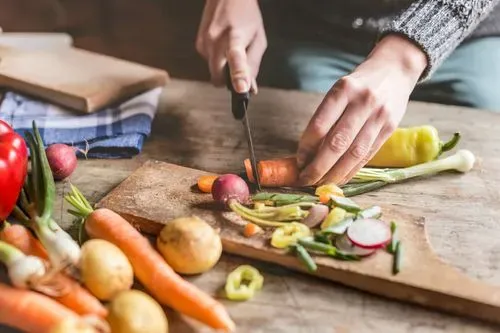
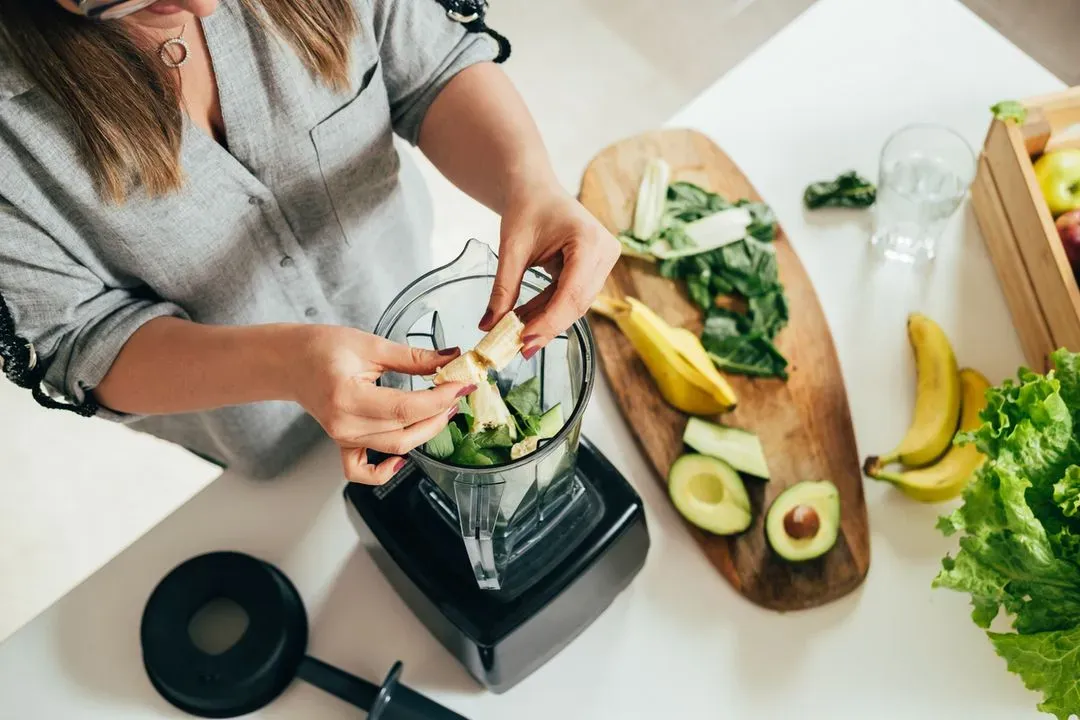
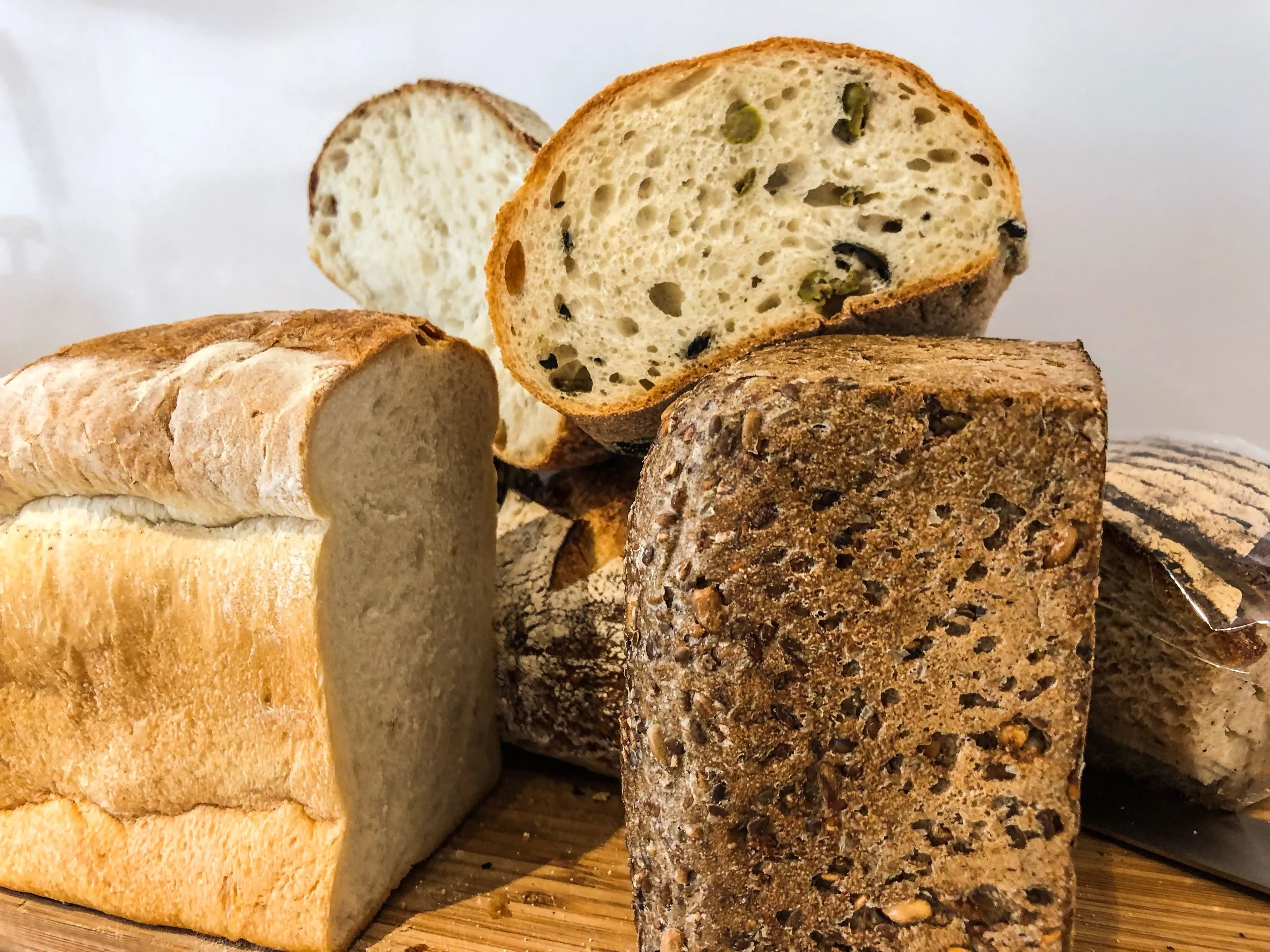
- Dietary Changes: Reducing your simple sugar intake and increasing your intake of fruits, vegetables, whole grains, lean proteins, nuts, seeds, eggs, olive oil, and low-fat dairy can improve blood glucose control. Consider avoiding these foods as a starting point.
- Exercise: Exercise has beens shown to significantly improve insulin sensitivity. Aim for at least 150 minutes of moderate-intensity physical activity weekly.
- Acupuncture: When used alongside other treatments, acupuncture can reduce fasting blood glucose, post-meal blood glucose, and insulin resistance.
- Stress Management: Stress is a key driver of insulin resistance, so stress management techniques are important for managing insulin resistance.
- Sleep: Not getting enough sleep is associated with developing insulin resistance. Aim for at least seven hours of sleep per night.
- Quit Smoking: Smoking can increase your risk of developing type 2 diabetes by up to 40%. Quitting smoking is an important part of managing insulin resistance.
{{splash}}
Takeaway
When left untreated, insulin resistance can progress to type 2 diabetes.
While lifestyle changes such as diet and exercise are a key part of a treatment plan, insulin resistance supplements may further improve blood glucose control.
However, these supplements should not take the place of other treatments.
While initial research is promising, we still don’t know enough to recommend supplements alone for treating insulin resistance.
How a Dietitian Can Help
Diet is a key component of managing insulin resistance.
Consider working with a diabetes dietitian who can help you make sustainable and effective diet and lifestyle changes to help reduce your risk of developing type 2 diabetes.
You can find a dietitian who accepts insurance through Nourish.
Frequently Asked Questions
What supplement is best for insulin resistance?
There is insufficient scientific evidence to determine the best supplement for insulin resistance.
Initial studies indicate that the following supplements may be beneficial for insulin resistance: vitamin C, chromium, probiotics, inositol, psyllium, magnesium, berberine, cinnamon, and alpha-lipoic acid.
What can I take to reverse insulin resistance?
Insulin resistance cannot be reversed by supplements alone.
Instead, supplements should be used as part of a comprehensive treatment plan, including dietary changes, exercise, adequate sleep, stress management, and quitting smoking.
How do you lose insulin resistance belly fat?
There' no way to specifically target belly fat when losing weight.
To lose belly fat, you will need to lose weight from your whole body.
Weight loss is complex and typically involves sticking to a calorie-restricted eating plan and increasing your physical activity.
However, eating less and exercising more does not guarantee weight loss; each person responds differently to these strategies.
References
View all references
- Freeman AM, Acevedo LA, Pennings N. Insulin Resistance. [Updated 2023 Aug 17]. In: StatPearls [Internet]. Treasure Island (FL): StatPearls Publishing; 2024 Jan-. Available from https://www.ncbi.nlm.nih.gov/books/NBK507839/
- Mount Sinai. (n.d.). Vitamin C (Ascorbic acid). Retrieved February 16, 2024, from https://www.mountsinai.org/health-library/supplement/vitamin-c-ascorbic-acid
- Fong C, Alesi S, Mousa A, Moran LJ, Deed G, Grant S, Tapia K, Ee C. 2022. Efficacy and Safety of Nutrient Supplements for Glycaemic Control and Insulin Resistance in Type 2 Diabetes: An Umbrella Review and Hierarchical Evidence Synthesis. Nutrients. 14(11):2295. doi: 10.3390/nu14112295.
- Dubey P, Thakur V, Chattopadhyay M. 2020. Role of Minerals and Trace Elements in Diabetes and Insulin Resistance. Nutrients. 12(6):1864. doi: 10.3390/nu12061864.
- Ashoush S, Abou-Gamrah A, Bayoumy H, Othman N. 2016. Chromium picolinate reduces insulin resistance in polycystic ovary syndrome: Randomized controlled trial. J Obstet Gynaecol Res. 42(3):279-85. doi: 10.1111/jog.12907.
- DiNicolantonio JJ, H O'Keefe J. 2022. Myo-inositol for insulin resistance, metabolic syndrome, polycystic ovary syndrome and gestational diabetes. Open Heart. 9(1):e001989. doi: 10.1136/openhrt-2022-001989.
- Bacha AA, Din ZU, Khan I. 2022. Effect of Psyllium husk fiber and lifestyle modification on human body insulin resistance. Nutr Metab Insights. 15:11786388221107797. doi: 10.1177/11786388221107797.
- Mount Sinai. (n.d.). Psyllium. Retrieved February 16, 2024, from https://www.mountsinai.org/health-library/supplement/psyllium
- Mount Sinai. (n.d.). Magnesium. Retrieved February 16, 2024, from https://www.mountsinai.org/health-library/supplement/magnesium
- Mount Sinai. (n.d.). Barberry. Retrieved February 16, 2024, from https://www.mountsinai.org/health-library/herb/barberry
- Yue SJ, Liu J, Wang AT, Meng XT, Yang ZR, Peng C, Guan HS, Wang CY, Yan D. 2019. Berberine alleviates insulin resistance by reducing peripheral branched-chain amino acids. Am J Physiol Endocrinol Metab. 316(1):E73-E85. doi: 10.1152/ajpendo.00256.2018.
- Liu D, Zhang Y, Liu Y, Hou L, Li S, Tian H, Zhao T. 2018. Berberine Modulates Gut Microbiota and Reduces Insulin Resistance via the TLR4 Signaling Pathway. Exp Clin Endocrinol Diabetes. 126(8):513-520. doi: 10.1055/s-0043-125066.
- Mohsin SN, Saleem F, Humayun A, Tanweer A, Muddassir A. 2023. Prospective Nutraceutical Effects of Cinnamon Derivatives Against Insulin Resistance in Type II Diabetes Mellitus-Evidence From the Literature. Dose Response. 21(3):15593258231200527. doi: 10.1177/15593258231200527.
- Capece U, Moffa S, Improta I, Di Giuseppe G, Nista EC, Cefalo CMA, Cinti F, Pontecorvi A, Gasbarrini A, Giaccari A, Mezza T. 2022. Alpha-Lipoic Acid and Glucose Metabolism: A Comprehensive Update on Biochemical and Therapeutic Features. Nutrients. 15(1):18. doi: 10.3390/nu15010018.
- Mount Sinai. (n.d.). Alpha-lipoic acid. Retrieved February 16, 2024, from https://www.mountsinai.org/health-library/supplement/alpha-lipoic-acid
- Mount Sinai. (n.d.). Chromium. Retrieved February 16, 2024, from https://www.mountsinai.org/health-library/supplement/chromium
- National Center for Complementary and Integrative Health. (July, 2019). Probiotics: What You Need To Know. Retrieved February 16, 2024, from https://www.nccih.nih.gov/health/probiotics-what-you-need-to-know
- Examine. (August, 2023). Inositol. Retrieved February 16, 2024, from https://examine.com/supplements/inositol/
- MedlinePlus. (August, 2023). Berberine. Retrieved February 16, 2024, from https://medlineplus.gov/druginfo/natural/1126.html
- Gołąbek KD, Regulska-Ilow B. 2019. Dietary support in insulin resistance: An overview of current scientific reports. Adv Clin Exp Med. 28(11):1577-1585. doi: 10.17219/acem/109976.
- Bird SR, Hawley JA. 2017. Update on the effects of physical activity on insulin sensitivity in humans. BMJ Open Sport Exerc Med. 2(1):e000143. doi: 10.1136/bmjsem-2016-000143.
- Centers for Disease Control and Prevention. (n.d.). Get Active! Retrieved February 15, 2024 from https://www.cdc.gov/diabetes/managing/active.html
- Wu L, Chen X, Liu Y, Lan J, Wu C, Li Z, Lu L, Yi W. 2019. Role of acupuncture in the treatment of insulin resistance: A systematic review and meta-analysis. Complement Ther Clin Pract. 37:11-22. doi: 10.1016/j.ctcp.2019.08.002.
- Yaribeygi H, Maleki M, Butler AE, Jamialahmadi T, Sahebkar A. 2022. Molecular mechanisms linking stress and insulin resistance. EXCLI J. 21:317-334. doi: 10.17179/excli2021-4382.
- Singh T, Ahmed TH, Mohamed N, Elhaj MS, Mohammed Z, Paulsingh CN, Mohamed MB, Khan S. 2022. Does Insufficient Sleep Increase the Risk of Developing Insulin Resistance: A Systematic Review. Cureus. 14(3):e23501. doi: 10.7759/cureus.23501.
- Centers for Disease Control and Prevention. (June 20, 2022). Smoking and Diabetes. Retrieved February 16, 2024, from https://www.cdc.gov/diabetes/library/features/smoking-and-diabetes.html
Nourish has strict sourcing policies and prioritizes primary sources, including medical organizations, governmental agencies, academic institutions, and peer-reviewed scientific journals. Learn more about our medical review process and editorial guidelines.







.avif)



%20(1).webp)

.avif)









.avif)


























.avif)

.avif)