Why Am I So Insecure About My Body? 7 Possible Causes

Medical Reviewer: Renae Khalil RD, LDN

Author: Jennifer Huddy, MS, RD, LD

Summary
- Poor body image is when a person feels dissatisfied with the way their body looks. This can sometimes become a more serious condition known as body dysmorphic disorder.
- Feeling insecure about your body can stem from several factors, including childhood experiences, upbringing, social media influence, and certain mental health conditions.
- You can overcome body insecurity by using positive affirmations, unfollowing unhelpful social media accounts, and seeking professional help when needed.
Body insecurity is something many of us experience at some point in our lives, especially in the adolescent years.
In some cases, poor body image can begin to dominate a person’s thoughts and impact their self-esteem and mood.
Body image concerns are also linked with disordered eating behaviors.
You may wonder what causes poor body image if you frequently feel insecure about your appearance.
Read this article to learn more about body insecurity and how to overcome it.
{{splash}}
Why Am I So Insecure About My Body?
Feeling dissatisfied about the way your body looks is known as poor body image. Body image, or your subjective view of your body shape and size, is a complex subject that can be influenced by many factors, including:
- Gender.
- Age.
- Family and peers.
- Social media.
- Culture.
- Body weight.
Some people experience body image distortion, which is when your perception of your body is different from how it actually looks.
This is common in eating disorders and a condition called body dysmorphic disorder.
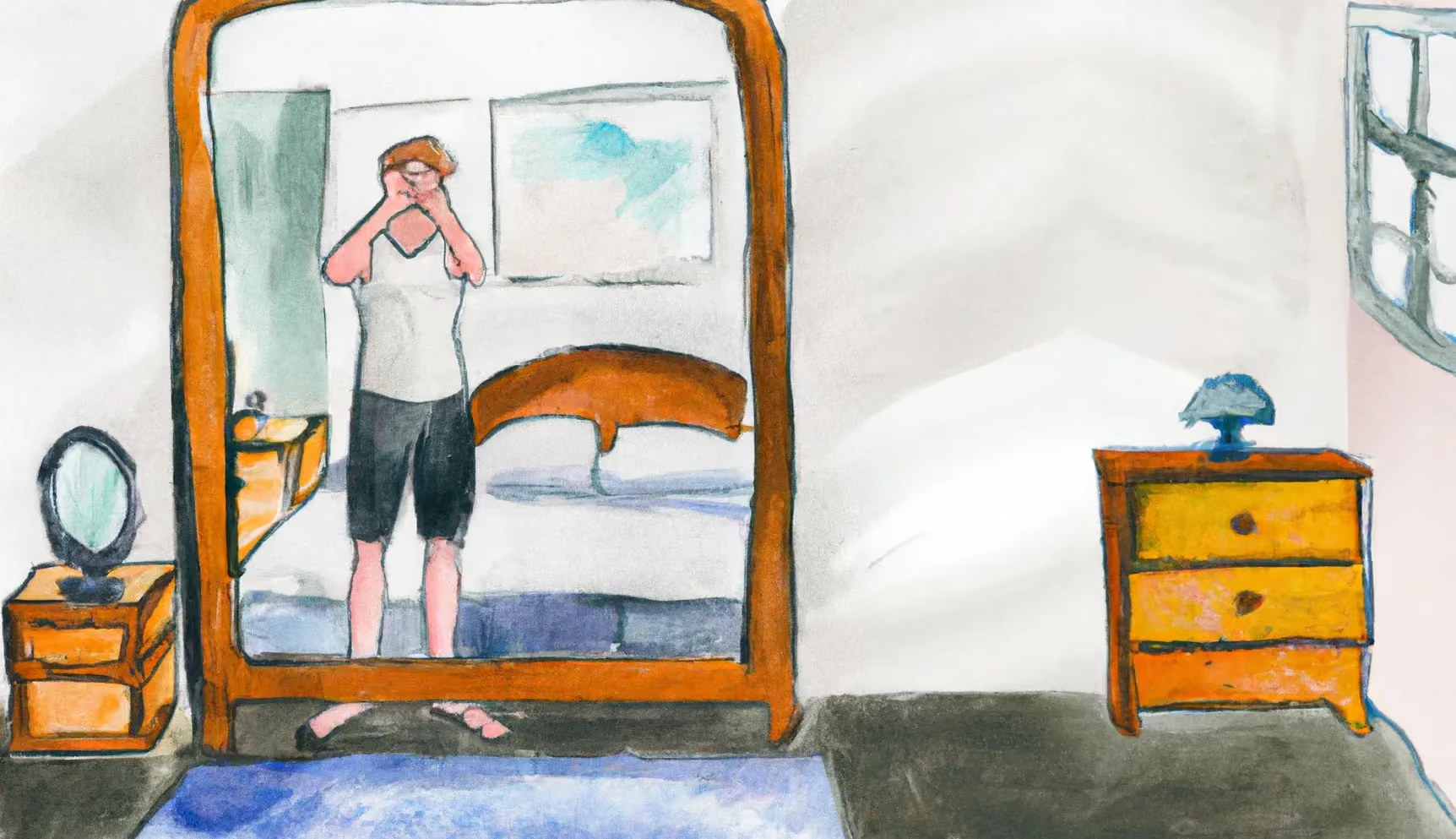
Body dysmorphic disorder is when a person is overly self-conscious and concerned with certain aspects of their physical appearance, to the point of experiencing emotional distress and difficulty functioning in social situations. Compulsive behaviors are common, including mirror checking.
7 Possible Causes of Body Insecurity
Because body image is so complex, there’s often more than one factor that impacts a person’s perception of their body.
Body image concerns often begin in childhood and adolescence when we become aware of our body appearance and undergo significant changes in growth and development.
1. Unrealistic Beauty Standards
As humans, we have a natural desire to fit in and be accepted by our peers.
Research shows that children become aware of social norms around body size as early as the toddler years.
Unrealistic beauty standards like the “muscular male body ideal” and the “thin female beauty ideal” are perpetuated by the media in the form of television, movies, music, and magazines.
These are also reflected in children’s toys, such as fashion dolls and superhero action figures.
These images become internalized throughout childhood and adolescence as the ideal body shapes and often persist into adulthood.
2. Comparison to Others
Research shows that as children become aware of their body appearance, they begin to compare themselves with their peers.
Approximately 40-50% of kids between the ages of six and twelve years old report body insecurity.
During adolescence, there is an especially strong desire to be accepted by classmates and peers.
This is often done by imitating the way others look and act.
Many adolescents feel pressure to change their body size to fit in, which has been linked with poor body image.
This is compounded by the significant body changes that occur at different rates during puberty.
3. History of Bullying During Childhood
Weight-based bullying or teasing during childhood can negatively influence a person’s body image.
It can also impact self-esteem and increase the risk of eating disorders and self-harm behaviors.
Research shows that people who were teased about their body size as children and adolescents were more likely to have body insecurity and body image distortion lasting into adulthood.
4. Social Media
Social media can also perpetuate unrealistic beauty standards, where many images are heavily edited, and users may be unable to identify what’s real.
Users then compare their own physical appearance to images they see on these platforms.
Additionally, users may experience negative comments about their bodies on photos or videos posted to social media.
These comments are often harsher than what may be said face to face and can be a form of bullying.
Research shows that frequent social media use is linked with body dissatisfaction and even eating disorders in users.
5. Lack of Self Acceptance
Research shows that poor body image is related to a lack of self-acceptance. Body image dissatisfaction is also linked with other internal factors, including:
- Low self-esteem.
- Low self-confidence.
- Insecurities.
- Anxiety.
Alternatively, appreciating your body and emphasizing qualities like happiness and kindness instead of physical appearance increases body image satisfaction.
6. Mental Health Issues
Body image concerns and mental health are closely related. Body dysmorphic disorder is common in several mental health conditions, including:
- Eating disorders.
- Depression.
- Obsessive-compulsive disorder (OCD).
- Substance misuse disorders.
- Social phobia.
It’s important for mental health practitioners to screen for body image concerns, as these are often missed when the above co-occurring disorders are diagnosed.
This results in many people not receiving the treatment they need to overcome body dysmorphia.
7. Parental Influence
Parents and other family members can strongly influence a person’s body image, especially while growing up.
Children pick up on the eating habits and self-confidence modeled by their parents.
Depending on the types of messages children receive from their parents, they can positively or negatively impact body image.
When children and adolescents have a secure relationship with their parents, they are less likely to experience body image concerns.
This is because they know their acceptance is unconditional and not contingent on their appearance or other factors.
Common Signs of Body Insecurity
If you frequently feel distressed about the way your body looks, you may be experiencing body insecurity.
Several warning signs may indicate body dysmorphic disorder, including:
- Preoccupation with specific parts of your body or appearance.
- Very self-conscious with the feeling that others are noticing and judging your body.
- Repetitive behaviors, like mirror checking, skin picking, or excessive grooming habits.
- Avoiding social activities and relationships.
- Hiding certain parts of your body with baggy clothing, heavy makeup, etc.
How to Overcome Body Insecurity
Nurturing a positive body image is possible. Depending on your situation, professional help may be a valuable tool in overcoming body insecurity.
Affirmations
With body insecurity, it can be your brain’s default to think negative thoughts about your body or appearance. Catching these thoughts and countering them with positive affirmations about your body can retrain your brain.
For example, when you’re feeling insecure, you can repeat affirmations like:
- I appreciate my body for its resilience and function.
- My body helps me do the activities I want to do.
- My worth is not tied to my appearance.
Social Media Audit
If you’re active on social media, consider how the images you see on your feed may be impacting your body image.
Do you feel worse about yourself after spending time on social media?
If so, take a close look at the accounts and people you follow on social media, and unfollow any that make you feel bad about your body.
On the other hand, it may be helpful to follow accounts that focus on body positivity and self acceptance.
Consider Your Goals
Body insecurity can often lead to disordered eating behaviors and restrictive dieting.
Rather than goals about changing your weight or appearance, focus on goals that target your overall health and well being.
This may include things like:
- Moving your body.
- Eating balanced meals.
- Prioritizing sleep.
- Managing stress levels.
A non-diet dietitian can help you shift the focus away from weight while still meeting your health goals.
Therapy
In many cases, especially with body dysmorphic disorder, therapy is an important treatment option.
Cognitive behavioral therapy (CBT) is most commonly used for overcoming body image concerns.
Research shows that adults who participated in CBT for body dysmorphic disorder experienced significant improvements in their body image compared with those who did not seek treatment.
{{splash}}
Medication
In people with body dysmorphic disorder (BDD), sometimes serotonin reuptake inhibitor (SRI) medications are indicated in addition to therapy.
These are antidepressants that include:
- Fluoxetine.
- Sertraline.
- Citalopram.
- Clomipramine.
Research shows that SRI’s can improve the symptoms of body dysmorphic disorder in over 63% of patients.
More studies are needed to identify the optimal dosing of these medications for treating BDD.
Takeaway
Body insecurity is when a person feels dissatisfied with their appearance or body.
Sometimes, this feeling is very intense and begins to impact social interactions and well-being.
This is known as body dysmorphic disorder.
Many factors can impact body image, including parental influences, childhood experiences, social media, and certain mental health conditions, like eating disorders.
You can manage body insecurity with strategies like practicing positive affirmations, curating your social media feed, and trying therapy.
How a Dietitian Can Help
Body insecurity is often tied with restrictive dieting, and in some cases, eating disorders.
A non-diet dietitian can help you break free from dieting while setting goals to improve your health and well-being.
During your sessions, you’ll learn intuitive eating concepts and tips for enjoying your favorite foods without feeling restricted.
Your dietitian may also offer strategies for finding joy in exercise and improving body image.
Find a registered dietitian specializing in body image, eating disorders, and disordered eating to learn more about this approach.
Frequently Asked Questions
How do I stop being insecure about my body?
If you feel insecure about your body, you can start by using positive affirmations to retrain your brain.
It can also be helpful to audit your social media platforms and unfollow any unhelpful influencers or accounts.
If your body insecurity dominates your thoughts or is impacting your social interactions and well-being, consider seeking professional help.
Therapy, and in some cases, medication, can help with body image concerns.
Working with a registered dietitian specializing in weight-neutral health and eating disorder treatment can also be helpful.
Why am I insecure about my physical appearance?
Poor body image can be influenced by several factors, including:
- Parental influence and upbringing.
- Childhood experiences, like weight-based bullying.
- Social media.
- Certain mental health conditions, like eating disorders and depression.
- Unrealistic beauty standards in society.
What is the root cause of body insecurity?
There are usually several root causes when it comes to body insecurity.
Childhood experiences, like being bullied about weight or being encouraged by parents to go on a diet, can create long-lasting body image concerns.
The influence of social media and the unrealistic beauty standards in society can lead to certain expectations and cause you to compare yourself to others.
Lastly, certain mental health conditions are linked with body insecurity, like eating disorders, obsessive compulsive disorder, and depression.
References
View all references
Nourish has strict sourcing policies and prioritizes primary sources, including medical organizations, governmental agencies, academic institutions, and peer-reviewed scientific journals. Learn more about our medical review process and editorial guidelines.

























.avif)













.avif)


.avif)
.avif)
.avif)