Is Juicing Safe for Type 2 Diabetes?

Medical Reviewer: Ellie Stamerjohn, MS, RDN, LD

Author: Maya De La Rosa-Cohen

Summary
- Juice is a high-carbohydrate, low-fiber drink that people with diabetes should consume in moderation.
- Drinking unsweetened fruit and vegetable juice has not been associated with an increased risk of developing type 2 diabetes.
- Some vegetable juices may help to reduce markers for diabetes.
Blood sugar monitoring is an essential tool for people with type 2 diabetes. Understanding which foods and drinks spike your blood sugar levels can help you to meet your health and blood sugar goals.
Juicing has become a popular method for getting your recommended intake of fruits and vegetables. But for people with type 2 diabetes, drinking too much juice can have an adverse effect on blood sugar levels. In this article, you’ll learn methods for safely incorporating juice into your diet.
{{splash}}
What is Juicing?
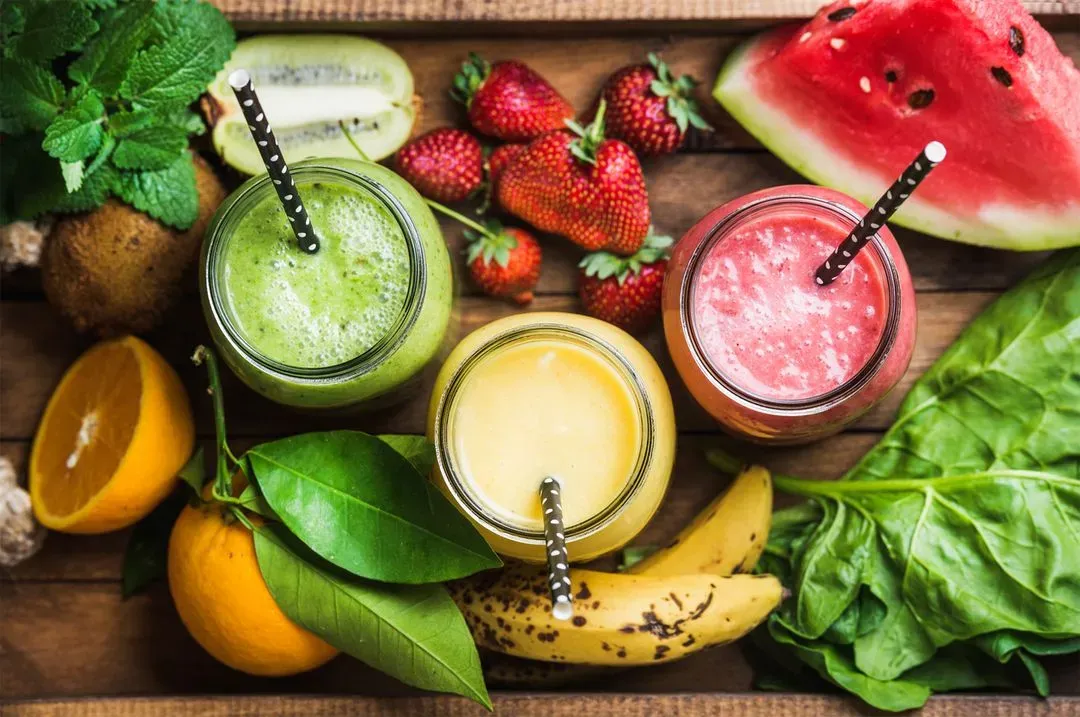
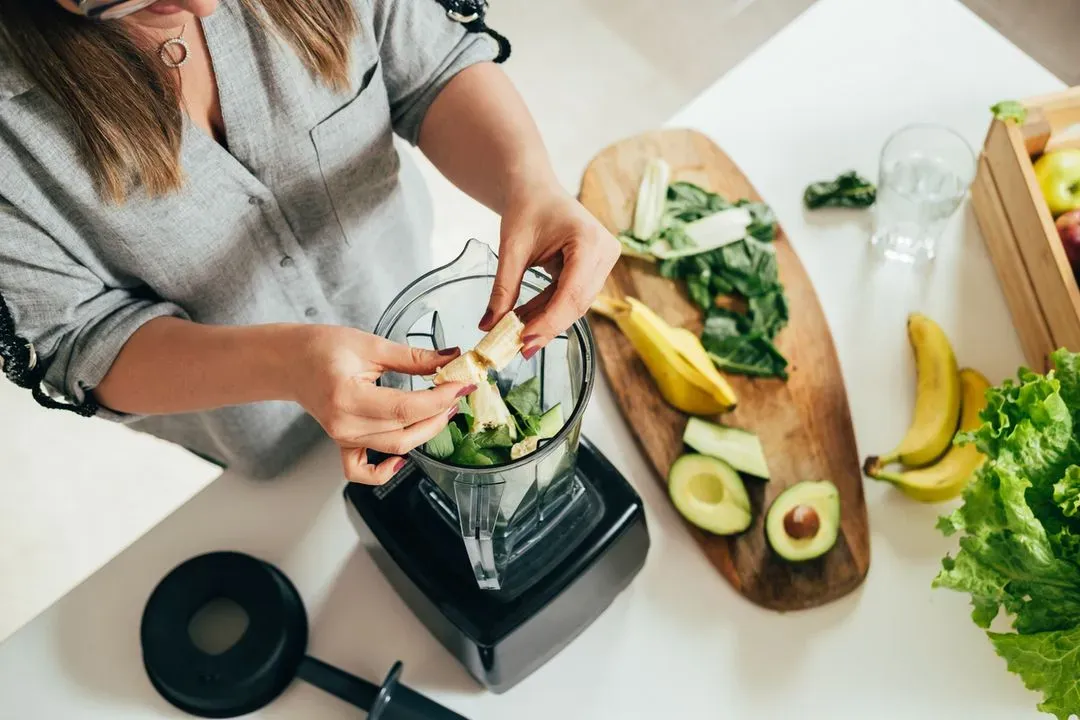
Juicing extracts the juice from vegetables and fruits to make a juice drink, leaving out most of the naturally occurring fiber. When making a juice drink, you can use either a combination of fruits and vegetables, just fruits, or just vegetables. In health and wellness spaces, juice-based diets have become popular. But the evidence demonstrating their potential health benefits are limited.
For healthy children and adults, one evidence review suggests that the potential benefits of drinking juice as part of a balanced diet outweigh the potential risks. But for people with type 2 diabetes, there are additional factors to consider, such as blood glucose management.
Juicing and Type 2 Diabetes
Juice is a high-carbohydrate drink. This is because it takes several fruits and vegetables to extract enough juice to fill just one glass. When consumed on its own or in large quantities, it can spike blood sugar levels.
In order to keep blood sugar levels stable, people with type 2 diabetes should monitor their intake of carbohydrates, which are broken down by the body into sugar (glucose) after consumption. When blood sugar levels remain high, it can lead to both short-term and long-term complications.
Though juice contains most of the nutrients provided by the fruits and vegetables used, most of the fiber is removed during the extraction process. Fiber is a type of carbohydrate that is important in controlling blood sugar, slowing the absorption of carbohydrates, keeping you feeling full, and managing type 2 diabetes.
Because of juice’s high-carbohydrate and low-fiber content, the American Diabetes Association (ADA) recommends that people with diabetes limit or avoid juice in their regular diet. A better alternative may be to eat the fruits whole or blend them into smoothies so that they retain their fiber content.
9 Ingredients to Consider when Juicing for Diabetes
Because juice contains very little to no fiber, protein, or fat, it’s not an optimal drink or meal for people with type 2 diabetes. However, there are some ingredients that may be helpful for people with diabetes, especially when consumed as part of a balanced meal.
Carrot juice
Carrots are a non-starchy vegetable that can be used in juice blends or extracted to create 100% vegetable juice. When compared with fruit and combination fruit and vegetables juices, carrot juice is relatively low in carbohydrates. One glass of carrot juice (roughly 200ml) contains just under 13g of carbohydrates and 60 calories.
One animal study from 2021 found that consumption of orange carrot juice may help to reduce certain markers for diabetes (body weight, body mass index, and body fat percentage) without adversely affecting insulin and HbA1c levels. More research is needed to determine how carrot juice may benefit people with type 2 diabetes.
Cucumbers
Cucumbers are also a non-starchy vegetable that are relatively low in calories and carbohydrates. 100g of raw cucumber contains just 16 calories and 2.95 carbohydrates. Because of its low-calorie and low-fiber profile, cucumber juice on its own is unlikely to satisfy your hunger. But it can be consumed alongside a balanced meal of protein, fiber, and fats, to help meet your nutrient needs. What’s more, one study from 2011 found that a low-calorie diet high in non-starchy vegetables like cucumber may help in reversing type 2 diabetes.
Berries
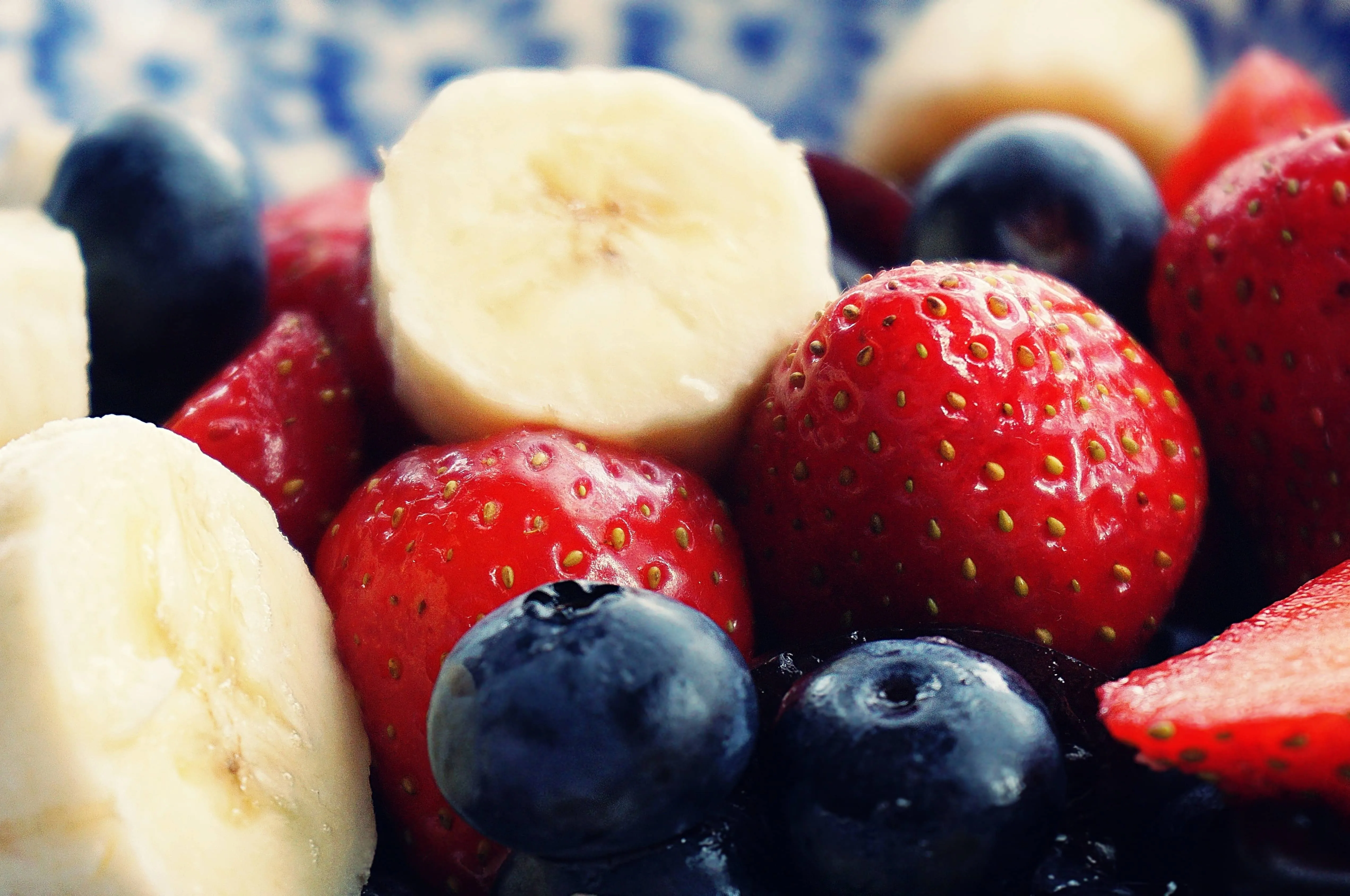
Though a source of carbohydrates, berries are low on the glycemic index (GI) and therefore will not raise your blood sugar levels as quickly as other sources of carbohydrates higher on the glycemic index. When eaten raw, they can also be a rich source of fiber. But when juiced, little of their fiber content remains, which is why people with type 2 diabetes should consider consuming berry juice in moderation.
One study from 2020 found that consuming berries may help to prevent diabetes and its complications in adults. But more research in humans is needed to determine the strength of this claim.
Cherries
Cherries are a popular summer fruit that are often grouped into one of two categories: tart or sweet. One study from 2008 found that diabetic women who drank 40mL of concentrated tart cherry juice for six weeks were able to lower their HbA1C and fasting blood sugar levels (though the difference in blood sugar levels was not clinically significant). Importantly, this study did not include a control group.
Another journal article from 2017 found that the dietary anthocyanins in cherries may help to increase insulin sensitivity. Ultimately, more research is needed to determine the effects of cherries and cherry juice on people with diabetes. But these findings suggest that drinking the fruit may offer some benefits for people with diabetes.
Spinach
Like carrots and cucumbers, spinach is a low-starch vegetable that is low in carbohydrates and calories. It is also a rich source of fiber, which can help to manage diabetes.
Kale
Kale is another non-starchy vegetable that is an excellent source of fiber, low in carbohydrates, and calories. One study on 42 non-diabetic subjects found that those who ate kale with a high carbohydrate meal had lower blood sugar levels than those who did not have kale as part of their meal. More research is needed to know if kale or kale juice can have a similar effect on people with diabetes.
Ginger
Ginger is a root that has been used in folk medicine for thousands of years, particularly for the ailment of digestive issues. But it may have benefits for those with diabetes, too. One systematic review and meta-analysis of 10 studies found that ginger may help to manage blood sugar, insulin sensitivity, and lipid profiles in people with type 2 diabetes.
Celery
Low in calories and carbohydrates and high in fiber, celery is another example of a nutritious, non-starchy vegetable. One study from 2018 found that elderly people with pre-diabetes who ate celery during their meals had lower blood sugar levels than those who did not consume celery with their meals. More research is needed to know if celery or celery juice can have the same effect on people with diabetes.
Lemon
According to the American Diabetes Association (ADA), lemons are a superstar food that are a great source of fiber, vitamin C, folate, and potassium.
Tips for Creating Juices with Diabetes
When juicing with diabetes, consider the following:
- Incorporating non-starchy vegetables
- Limiting portion size
- Drinking juice alongside a balanced meal full of protein, fiber, and fats.
{{splash}}
Takeaway
If you have diabetes, it’s important to consider which ingredients you include in your juices as well as your overall portion sizes. Juicing fruits and vegetables eliminates most of the fiber these foods provide. Eating whole fruits and vegetables instead of juicing them will provide more fiber, fewer carbohydrates, and help to keep you feeling full. But if you enjoy drinking juice, you can find ways to safely incorporate the drink into your diet, including limiting portion sizes and drinking juice alongside a balanced meal.
Managing Diabetes with a Dietitian
Managing your diet when you have diabetes is an important way to manage your blood sugar levels. Working with a diabetes nutritionist can help you to incorporate juice and other foods that may be beneficial to your health into your diet with ease.
Find a dietitian near you that accepts insurance using Nourish. Appointments are 100% virtual, and most people pay $0 out of pocket.
Frequently Asked Questions
References
Nourish has strict sourcing policies and prioritizes primary sources, including medical organizations, governmental agencies, academic institutions, and peer-reviewed scientific journals. Learn more about our medical review process and editorial guidelines.








.avif)




%20(1).webp)

.avif)



.avif)










.avif)






































.avif)

.avif)