Does Kidney Disease Cause Constipation?

Medical Reviewer: Blair Kott, MDA, RD, LD

Author: Sarah Bullard, MS, RD
.avif)
Summary
- Chronic kidney disease increases a person's risk for constipation.
- Kidney disease treatment can lead to constipation.
- Adequate fiber from your diet, fluid intake, and physical activity can help alleviate constipation.
Constipation is common in the United States. About 16% of adults have constipation, with the rate increasing to 33% in adults 60 years old and older.
Chronic kidney disease increases a person's risk for constipation.
As kidney disease progresses, constipation prevalence increases and negatively affects the quality of life.
In individuals requiring dialysis to manage their kidney disease, constipation affects between 14% and 72% of patients.
People with chronic kidney disease report constipation as the third most common side effect, and can impact your quality of life and appetite.
Keep reading to learn more about the causes, treatment, and prevention of constipation for people with kidney disease.
{{splash}}
Can Kidney Disease Cause Constipation?
Kidney disease can cause constipation. Here’s how constipation and kidneys are related.
Healthy kidneys filter your blood, removing waste and extra fluid in urine. This prevents waste buildup and maintains your health.
Kidneys also regulate your body's pH level. As cells break down, they make acids.
Foods you eat can also increase or decrease the amount of acid in your body.
The kidneys balance the pH with certain chemicals.
As kidney function declines, these processes don’t work well or stop working altogether, causing an imbalance of fluid and pH levels that further disrupt your gut health and whole body.
Treatment for kidney disease aims to compensate for what the kidney cannot do anymore.
Compensation strategies like fluid restrictions, medications, and diet recommendations can lead to constipation.
Causes of Constipation in People with Kidney Disease
Common causes of constipation for people with chronic kidney disease include:
Low dietary fiber intake
A renal diet is prescribed for individuals with impaired kidneys.
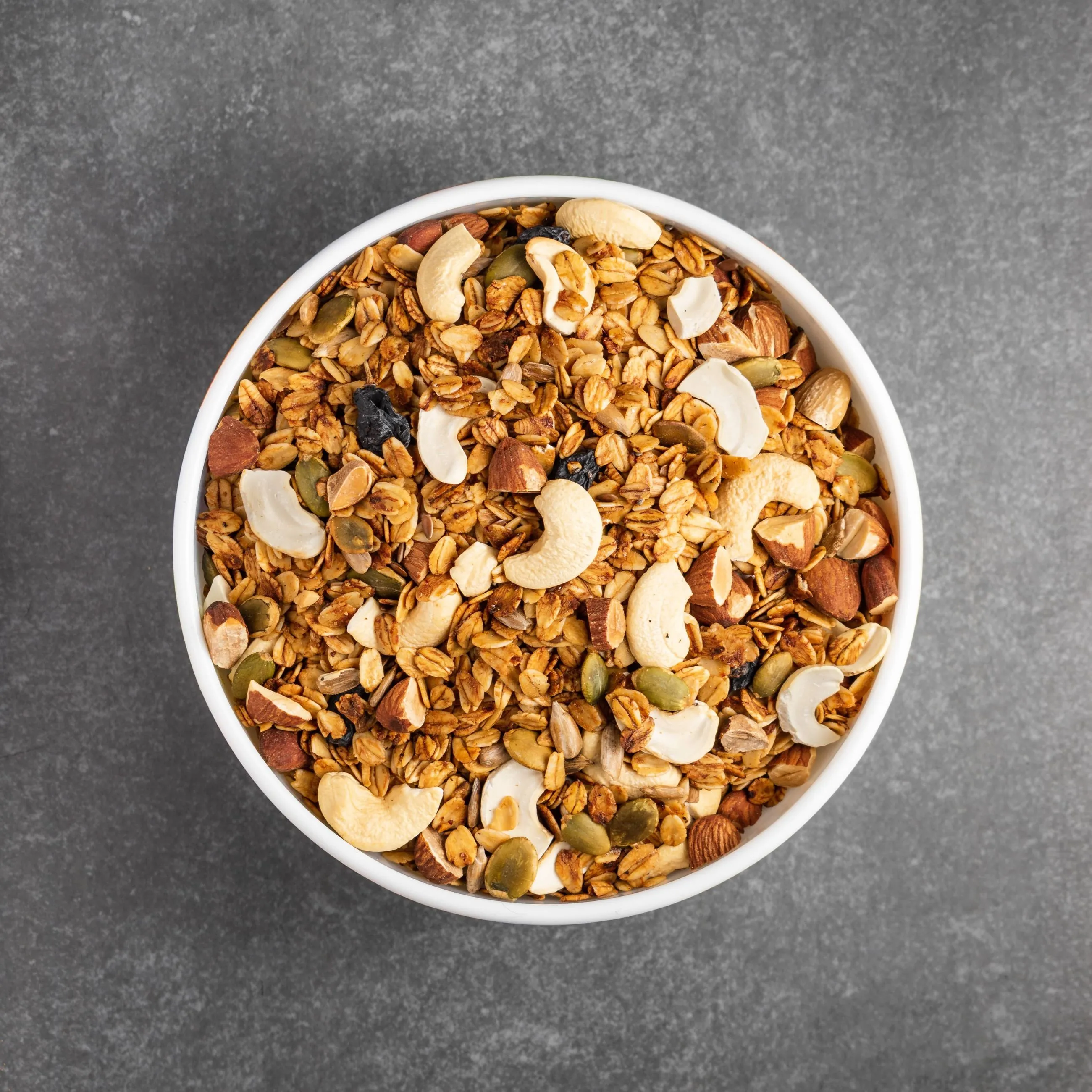
A traditional renal diet aims to reduce potassium and phosphorus. These two nutrients are found in most high-fiber foods like fruits, vegetables, whole grains, nuts, and beans.
Eliminating high-fiber foods drastically reduces the fiber a person with chronic kidney disease consumes.
Water restriction
Water is reabsorbed into the large intestine as your body digests foods and makes stool.
The stool can become hard and difficult to pass if you are not drinking enough water or eating high water-content foods like fruits and vegetables.
Some individuals with kidney disease have to limit their water intake.
Be sure to check with your kidney healthcare provider for your fluid recommendation and then strive to meet it.
Lack of physical activity
Patients with chronic kidney disease are less active due to other medical conditions and the extensive amount of time required several times per week to filter their blood through dialysis.
Physical activity helps to move food and stool through the intestinal tract.
Imbalance of gut bacteria
Research has shown that the build-up of wastes not appropriately filtered through the kidneys leads to an increase of these wastes in the intestines, altering gut bacteria growth and promoting inflammation.
This gut change can cause constipation and slowed motility.
The lack of fruit, vegetables, beans, nuts, and whole grains negatively affects gut bacteria, too.
Constipation-inducing medications
Patients with chronic kidney disease have other health conditions that require medications that can cause constipation.
These include iron supplements, blood pressure medications, potassium-lowering agents, phosphate binders, and diuretics.
Managing chronic kidney disease is complex.
Many strategies are required to compensate for the declining kidney function, but they can cause constipation.
Working with a renal registered dietitian is essential to feeling your best and preserving your health.
Risks of Untreated Constipation
Untreated constipation worsens kidney function and increases mortality.
If constipation persists, it can lead to hemorrhoids, stool impaction in the intestines, and leakage of liquid stool.
All of these decrease the quality of life.
Treatment Options for Constipation with Kidney Disease
Here are some treatment options to alleviate constipation.
1. Lifestyle Changes
Get moving! Higher physical activity levels are associated with improved gut bacteria and help move stool through your digestive tract.
Any movement is helpful—try walking, dancing, gardening, or tidying up your house. Start small and pick things you enjoy.
2. Medications
Using medications for constipation without guidance from your healthcare provider is not recommended.
Some laxatives can affect fluid status, electrolytes, magnesium, and potassium levels.
Using these medications is often required with chronic kidney disease, and there are safe and effective bulk-forming laxatives, osmotic laxatives, stimulant laxatives, and prescription medications.
Close medical management of your kidney disease and response to the medicines is essential.
3. Natural Remedies
Fiber supplements (like psyllium or prebiotic fiber blends) can ensure you are getting enough fiber.
Limited research suggests the positive effect of reduced constipation by adding certain probiotics and prebiotic fiber in people with chronic kidney disease.
Preventing Constipation Caused by Kidney Disease
Start with the basics:adequate fluid intake, daily physical activity, and adding fiber-rich foods lower in potassium, if needed.
Once you have a better handle on the basic prevention strategies, look into probiotics, prebiotics, and fiber blends.
Consult your kidney healthcare specialist to determine if these or other approved laxatives can help you maintain regular bowel habits.
Also, discuss the medications that cause constipation and work with your healthcare provider to see if other alternatives will work for you.
Dietary Recommendations
Your dietary restrictions will depend on the stage of your chronic kidney disease.
People in more advanced stages should avoid high-potassium fruits and vegetables.
Research indicates that people in the earlier stages of kidney disease benefit from high-fiber vegetables, fruits, and grains.
A large meta-analysis from 2017, including 15,285 participants with mild to moderate chronic kidney disease, found individuals following a healthy diet had a 30% reduction in mortality compared to the control.
A healthy diet was high in fruit, vegetables, fish, legumes, whole grains, and fiber and lower in red meat, salt, and added sugars.
Recently, a shift from restricting potassium or magnesium in earlier stages of kidney disease is favorable if individuals prioritize an overall healthy diet with limited processed food and sugar.
If potassium is of concern, soaking and boiling these vegetables (potatoes, sweet potatoes, beets, and carrots) can reduce the potassium content.
Salt substitutes contain potassium, as do common food preservatives like potassium sorbate, potassium benzoate, and many others that would be included on the ingredient list with potassium in the name.
The bioavailability of potassium from fruits and vegetables is around 50 to 60%, whereas the additives are higher, with some reaching 100%.
Focus on less processed foods and more whole foods like fruits, vegetables, legumes, fish, and whole grains to boost your fiber intake and nutrients and improve your gut health.
Other Tips for Keeping Bowel Movements Regular
Give yourself time to implement these changes. It may take a couple of weeks for bowel movements to change.
Gradually increase your fiber intake and add physical activity.
You may need to coordinate fluid recommendations and dietary restrictions with your healthcare provider.
When to See a Medical Professional
If you have chronic kidney disease, you should be working with your healthcare provider and a registered dietitian to create a realistic plan to preserve your kidney function and manage symptoms.
Seek treatment from a medical professional if you have been constipated for more than one week.
{{splash}}
Takeaway
Managing chronic kidney disease can feel overwhelming. Each solution seems to have its own set of problems, like constipation.
New research indicates that dietary restrictions on high-fiber fruits and vegetables containing potassium are not as beneficial for kidney disease as initially thought.
A diet rich in fruits and vegetables is helpful for individuals with mild to moderate kidney disease.
Physical activity, fluid intake, and fiber can help you improve your constipation and quality of life.
How a Dietitian Can Help
If you’re struggling with constipation and need help with complex renal diet and lifestyle changes, consider working with a registered dietitian specializing in kidney health.
Book an appointment with a kidney or renal dietitian today.
Frequently Asked Questions
Do kidney problems cause constipation?
Chronic kidney disease increases a person's risk for constipation.
Strategies for treating kidney disease like fluid restriction, a traditional low-fiber renal diet, gut imbalance, and other medications cause constipation.
What are the three early warning signs of kidney disease?
Any changes in urination (more often, less often, blood or foamy urine) indicate possible kidney disease.
Fatigue or tiredness is common. Additionally, any swelling of the legs, hands, or feet may be related to kidney disease.
What can I take for constipation with kidney disease?
Always consult your healthcare provider before taking medications with kidney disease.
Some laxatives can affect fluid status, electrolytes, magnesium, and potassium levels.
There are safe and effective medications that your healthcare provider can recommend that are specific to your needs and health conditions.
References
View all references
- Definition & Facts for Constipation. (2022, July 21). National Institute of Diabetes and Digestive and Kidney Diseases.
- Ikee, R., Sasaki, N., Yasuda, T., & Fukazawa, S. (2020). Chronic Kidney Disease, Gut Dysbiosis, and Constipation: A Burdensome Triplet. Microorganisms, 8(12), 1862.
- Top 5 jobs Kidneys Do. (2023, November 16). National Kidney Foundation.
- Cha, R. R., Park, S. Y., Camilleri, M., & Constipation Research Group of Korean Society of Neurogastroenterology and Motility (2023). Constipation in Patients With Chronic Kidney Disease. Journal of neurogastroenterology and motility, 29(4), 428–435.
- Paudel, D., Dhungana, B., Caffe, M., & Krishnan, P. (2021). A Review of Health-Beneficial Properties of Oats. Foods (Basel, Switzerland), 10(11), 2591.
- Hu, Y., Ding, M., Sampson, L., Willett, W. C., Manson, J. E., Wang, M., Rosner,
- Kelly, J. T., Palmer, S. C., Wai, S. N., Ruospo, M., Carrero, J. J., Campbell, K. L., & Strippoli, G. F. M. (2017). Healthy Dietary Patterns and Risk of Mortality and ESRD in CKD: A Meta-Analysis of Cohort Studies. Clinical journal of the American Society of Nephrology : CJASN, 12(2), 272–279.
Nourish has strict sourcing policies and prioritizes primary sources, including medical organizations, governmental agencies, academic institutions, and peer-reviewed scientific journals. Learn more about our medical review process and editorial guidelines.










.avif)




%20(1).webp)




.avif)










.avif)













































.avif)

.avif)