11 Natural & Effective Treatments For PCOS Symptoms

Medical Reviewer: Taylor Hawkins, RD, LD

Author: Julia Zakrzewski, RD

Summary
- Polycystic ovary syndrome (PCOS) is a hormonal condition that may affect menstrual cycles and metabolic health.
- Diet lifestyle changes, as well as stress management, are natural treatment options for PCOS symptoms.
- Work with a registered dietitian and learn how to make nutrition changes to improve your hormonal health.
Polycystic ovary syndrome (PCOS) is a hormonal condition that primarily affects women of reproductive age.
Common characteristics of PCOS include hormonal imbalances, irregular periods, and tiny cyst-like sacs that may grow on the ovaries (although this doesn’t occur in everyone).
Other symptoms linked to PCOS include excess hair growth (hirsutism), weight gain, insulin resistance, male-patterned baldness, and acne.
Medications and evidence-based lifestyle changes are recommended for PCOS management, but many people also seek natural therapies to improve their health.
Keep reading to learn about natural treatment options that may improve PCOS symptoms.
{{splash}}
1. Develop an Exercise Plan
Regular exercise can improve insulin function and help with weight management.
For PCOS, completing at least 150 minutes of physical activity per week is recommended.
If you’re crunched for time, try splitting this into several smaller sessions, which may be easier to manage.
Research suggests a mixture of cardiovascular and strength-based exercises may be beneficial.
Fun ways to stay active include dancing, aquafit classes, or even indoor rock climbing if you want to try something new.
2. Make Diet Changes
Food choices can make a big difference in managing your PCOS symptoms and improving fertility.
The Mediterranean diet is recommended for PCOS because it’s naturally anti-inflammatory and filled with nourishing foods.
The anti-inflammatory effects of the Mediterranean diet come from foods rich in unsaturated fats (especially omega-3 fatty acids found in salmon and other oily fish), antioxidants, vitamins, and minerals.
In addition to choosing anti-inflammatory foods, prioritize adding fiber to your meals and snacks.
Dietary fiber promotes healthy insulin function.
Most adults at risk of prediabetes (a common sign of insulin resistance) should aim for 30-35g daily.
Here are easy ways to enjoy more fiber-rich foods:
- Add bran buds to yogurt or cereal.
- Choose whole grains whenever possible, including bread and pasta.
- Add beans to soups and salads.
- Build meals with half a plate of vegetables.
- Sprinkle nuts and seeds onto salads, cereals, or yogurts.
Other PCOS foods to eat include lean proteins, a variety of fresh fruits and vegetables, whole grains, low-glycemic foods (carbohydrates that are digested slowly and promote better blood sugar control), and healthy fats.
{{splash}}
3. Try Supplements
Always talk to your doctor before starting a supplement.
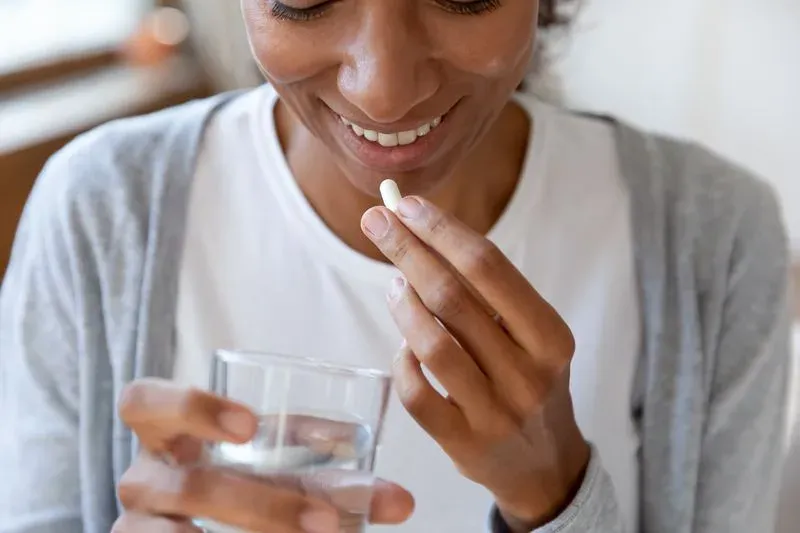
Certain supplements, such as berberine, may improve insulin sensitivity in women with PCOS.
Most studies show positive effects after taking two to three 500mg capsules daily without food.
Myo-inositol is another supplement that offers effects similar to berberine.
You can take oral capsules or drink a supplement powder mixed with water.
Use the most accessible product and follow the dosage directions on the packaging.
Vitamin supplements can correct nutritional deficiencies, which is vital for healthy ovulation.
Studies have demonstrated that women with a vitamin D deficiency benefit from a supplement because healthy vitamin D levels are critical for reproduction and fertility.
4. Meditation
Meditation has long been known for its physical and mental benefits.
Although there isn’t any literature to confirm meditation will help with PCOS, some publications suggest it could benefit areas of health that overlap with PCOS.
For example, regular meditation practice over a minimum of eight weeks could improve sleep quality and lessen stress and mood disorders such as anxiety and depression.
You can start meditating by using an app or attending a class in your community.
5. Yoga
Yoga is another ancient practice that promotes unity between the physical and mental body.
Classes can be still or active and always incorporate mediation.
A 2021 systematic review suggested the meditative practices included in yoga can help manage stress and reduce anxiety in PCOS women.
More research is needed to understand the link between yoga and PCOS and how often you need to do it to experience benefits.
6. Acupuncture
Acupuncture is an ancient therapeutic practice common in Chinese medicine.
Trained specialists insert thin needles in your skin at specific points (called meridians) to promote wellness and improve your energy or qi.
Researchers hypothesize that acupuncture may improve PCOS symptoms by adjusting hormone levels, and a summary of studies demonstrated that women with PCOS who received a minimum of five acupuncture treatments per week experienced improvements in ovulatory function and fertility.
More research is needed to determine if acupuncture is a reliable and effective treatment for PCOS symptoms.
7. Herbal Medicine
A 2023 review compiled studies and found that certain herbs may improve PCOS symptoms; however, more research is needed to validate these findings.
Noteworthy herbs from the review included ground ginseng, cinnamon, licorice, and fennel.
Currently, there are no official guidelines on the dosage and frequency of taking these products for PCOS management, and you can ask your dietitian for more information.
8. Stress Management
A recent study showed that women with PCOS have higher than normal stress levels compared to a similar age group without PCOS.
Although it’s unclear why stress levels were higher, addressing high stress can improve mental health and reduce inflammatory responses in the body.
If you need help, consider working with a therapist specializing in stress management.
They can teach you coping skills to manage your mental health.
9. Mindfulness Techniques
An older study from 2015 suggested that mindfulness techniques could reduce stress, anxiety, and depression in women with PCOS.
These included mindfulness breathing exercises and diaphragmatic breathing techniques (sometimes called deep belly breathing).
You can complete a breathing exercise at home.
Start by getting into a comfortable seated position and placing one hand on your belly.
Take a deep breath until you feel your stomach expand into your hand, hold for one second, and release.
Continue this cycle for five to seven minutes.
10. Adequate Sleep
Some literature suggests that women with PCOS are more susceptible to sleep disturbances and aren’t getting enough rest.
Inadequate sleep can increase your risk of weight gain, hypertension, insulin resistance, and type 2 diabetes, which are all linked to PCOS.
Although everyone’s sleep needs differ, most adult women between 18-60 years of age need seven or more hours of sleep.
Here are some tips to improve sleep:
- Go to bed at a similar time every night.
- Limit your caffeine intake before you go to sleep.
- Ensure your room is dark enough.
- Avoid using screens before bed.
- Be active during the day so you feel tired at night.
{{splash}}
11. Probiotics
Probiotics are health-promoting bacteria that live through your gastrointestinal tract.
Current research in reproductive-age females demonstrated several probiotic strains can improve inflammatory markers and hormone profiles linked with PCOS.
Researchers believe these changes can be more impactful when combined with positive lifestyle and dietary practices, such as increasing physical activity and a fiber-rich diet.
Your dietitian or doctor can recommend a probiotic brand for you.
Takeaway
Natural treatments for PCOS may decrease your symptoms, but it will take time to see results.
Some changes you could make include dietary and lifestyle modifications, using evidence-based supplements (make sure your doctor approves them first), stress management strategies, and improved sleep quality.
How a Dietitian Can Help
Managing PCOS under the guidance of a registered dietitian can make life easier.
During your counseling sessions, you can create a nutrition plan that takes the guesswork out of which foods to eat so you’ll feel confident with your nutrition choices.
If you’ve never met with a PCOS dietitian, you may not know what to expect.
Here are some questions to ask during your first appointment:
- What causes PCOS?
- Can I still eat sugar if I have PCOS?
- How do I improve my insulin function?
- Will I need to take medications?
{{splash}}
Frequently Asked Questions
How can I treat PCOS without medication?
Natural treatment options for PCOS include:
- Increasing your physical activity.
- Dietary changes that include high-fiber and anti-inflammatory foods.
- Meditation, yoga, or counseling to reduce stress.
- Probiotics.
- Acupuncture.
- Herbal products and other oral supplements (speak to your doctor first.)
How do you get rid of PCOS belly?
You can’t target a spot on your body to lose weight, including a PCOS belly.
Even if you increase your activity and make diet changes, you can’t control which body parts will change.
Instead, focus on the health benefits you are experiencing while making healthy behavior changes—for example, improved blood sugar levels, blood pressure, and consistent periods.
What vitamins should I take with PCOS?
Women with PCOS deficient in vitamin D may benefit from a vitamin D supplement, as healthy vitamin D levels are essential for fertility and reproductive health.
Most people can satisfy their nutritional needs through diet.
If you suspect you’re missing a nutrient, consult a registered dietitian for a comprehensive review of your eating eating plan and appropriate recommendations.
References
View all references
- Barrea, L., Arnone, A., Annunziata, G., Muscogiuri, G., Laudisio, D., Salzano, C., Pugliese, G., Colao, A., & Savastano, S. (2019). Adherence to the Mediterranean Diet, Dietary Patterns and Body Composition in Women with Polycystic Ovary Syndrome (PCOS). Nutrients, 11(10), 2278.
- Leung, W. T., Tang, Z., Feng, Y., Guan, H., Huang, Z., & Zhang, W. (2022). Lower Fiber Consumption in Women with Polycystic Ovary Syndrome: A Meta-Analysis of Observational Studies. Nutrients, 14(24), 5285.
Nourish has strict sourcing policies and prioritizes primary sources, including medical organizations, governmental agencies, academic institutions, and peer-reviewed scientific journals. Learn more about our medical review process and editorial guidelines.



.avif)