What to Eat with Prediabetes and High Cholesterol

Medical Reviewer: Christina Harris, RDN

Author: Jennifer Huddy, MS, RD, LD

Summary
- Prediabetes involves elevated blood sugar levels that can progress to type 2 diabetes if left unchecked.
- High cholesterol is when the number of cholesterol particles in the blood becomes too high and increases the risk of heart disease.
- A prediabetes and high-cholesterol diet should be rich in lean proteins, whole grains, healthy fats, fruits, and vegetables while limiting saturated fat, trans fats, and added sugars.
Prediabetes and high cholesterol are common conditions involving elevated blood sugar and high cholesterol levels, respectively. Though the development and risk factors of these conditions are complex, they have both been linked to insulin resistance.
Many eating patterns have been shown to lower blood sugar and cholesterol, emphasizing high-fiber, minimally processed whole foods. On the other hand, diets containing high levels of saturated fat and added sugar can increase the risk of prediabetes and high cholesterol.
Keep reading for more information about the optimal prediabetes and high-cholesterol diet and how to implement sustainable changes.
{{splash}}
What is Prediabetes?
Prediabetes is a condition that causes elevated blood sugar levels. If prediabetes progresses and blood sugar levels become higher, diabetes can occur.
Insulin resistance is the primary cause of prediabetes. Insulin resistance is when your cells don’t respond as well to insulin, the hormone responsible for delivering glucose or sugar to your body for energy. As a result, glucose builds up in the blood, causing high blood sugar levels.
Health professionals diagnose prediabetes using a blood test that measures fasting plasma glucose (blood sugar) and hemoglobin A1c (a three-month average of blood sugar levels). The following results are indicative of prediabetes:
- Fasting blood sugar: 100-125 mg/dL.
- A1c: 5.7-6.4%.
Factors like age, family history, ethnicity, and certain health conditions, like high cholesterol, can increase your risk of developing prediabetes. Lifestyle habits, including diet and exercise, can also impact your risk.
What is High Cholesterol?
Cholesterol is a fat-like substance that has many essential functions in the body. However, when cholesterol levels in the blood become too high, it can increase the risk of heart disease. Elevated cholesterol is also known as hyperlipidemia.
There are two primary types of lipoproteins that transport cholesterol in the blood. Low-density lipoprotein (LDL) is known as “bad” cholesterol because too much of it can lead to plaque accumulating in your blood vessels. High-density lipoprotein (HDL), or “good” cholesterol, helps transport cholesterol out of the body.
High cholesterol is detected through a type of blood test called a lipid panel. An abnormal lipid panel will fall outside the optimal cholesterol levels listed below.
- Total cholesterol: Under 200 mg/dL.
- LDL cholesterol: Under 100 mg/dL.
- HDL cholesterol: At least 40 mg/dL in males and 50 mg/dL in females.
Many factors contribute to blood cholesterol levels, like family history, age, sex, and ethnicity. Lifestyle habits that increase the risk of high cholesterol include eating too much saturated fat, not exercising regularly, high stress levels, smoking, and drinking too much alcohol.
How Does Diet Affect Prediabetes and High Cholesterol?
Prediabetes and cholesterol are related, and many people are diagnosed with both conditions. Insulin resistance, which is a cause of prediabetes, has been linked to high cholesterol and can result in lower HDL and higher LDL levels.
Your food choices can impact your blood sugar and cholesterol numbers, making diet an important part of keeping prediabetes and hyperlipidemia in check.
Here are ways diet can affect prediabetes and cholesterol levels.
Diet Can Affect LDL Cholesterol Levels
Eating too much saturated fat (more than ten percent of your calories) is linked to elevations in LDL “bad” cholesterol. Current evidence supports replacing saturated fat with unsaturated fats, especially polyunsaturated fats like walnuts and flax seeds.
Diet Can Increase the Risk of Insulin Resistance
High intake of refined sugars has been linked to increased insulin resistance, which is at play in both prediabetes and high cholesterol. The American Heart Association recommends limiting added sugars to six percent of your daily calories.
Diet Plays a Role in Developing Type 2 Diabetes and Heart Disease
A diet rich in whole grains and fiber is associated with a lower risk of developing type 2 diabetes and heart disease. Fiber, especially soluble fiber, binds to LDL cholesterol particles and prevents them from entering the bloodstream. Fiber also slows down digestion, which helps regulate blood sugar levels.
Foods to Help Manage Prediabetes and High Cholesterol
Eating patterns like Dietary Approaches to Stop Hypertension (DASH), Therapeutic Lifestyle Changes to Lower Cholesterol (TLC), and the Mediterranean diet have been shown to help lower both blood sugar and cholesterol levels.
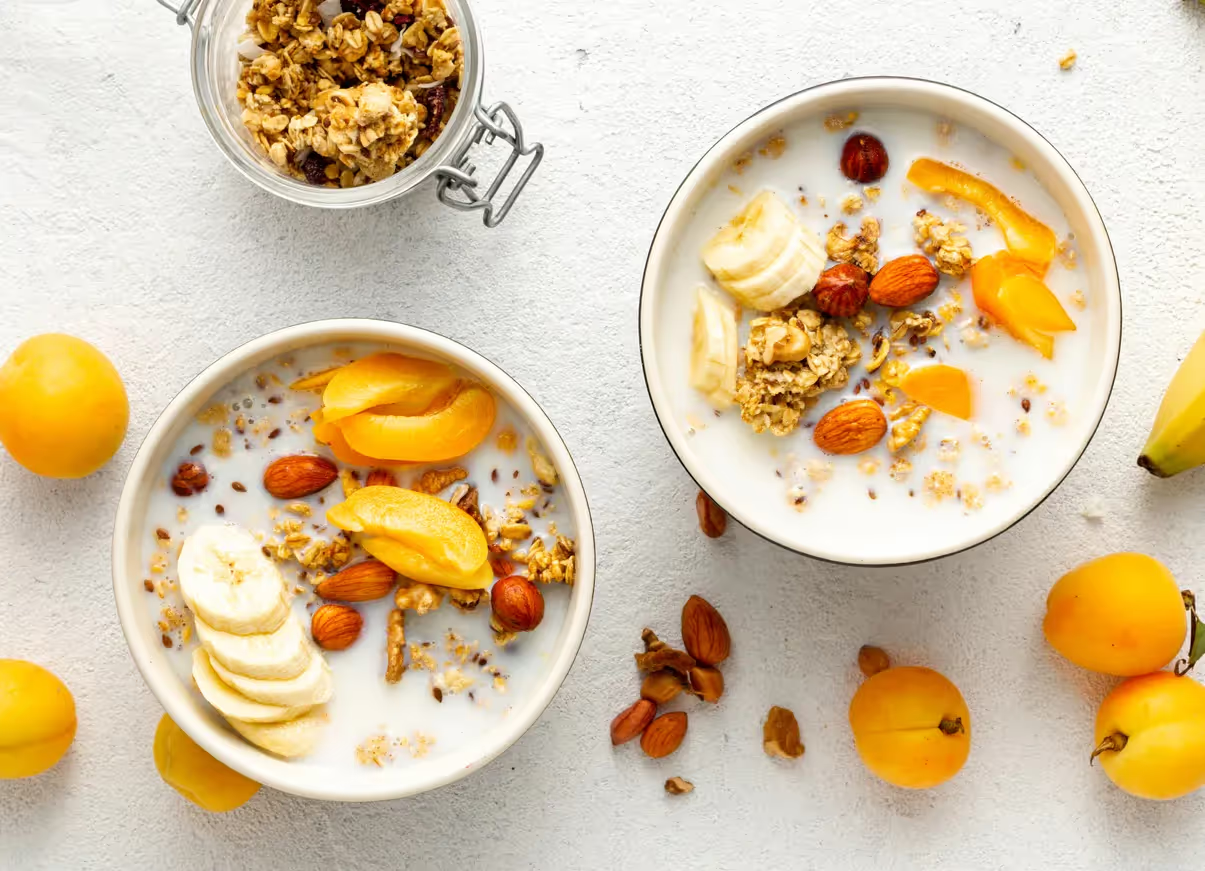
A prediabetes and high cholesterol diet should focus on lean proteins, whole grains, fruits, nonstarchy vegetables, and healthy fats. Whole, unprocessed forms of these food groups are high in fiber and low in saturated fat and added sugar.
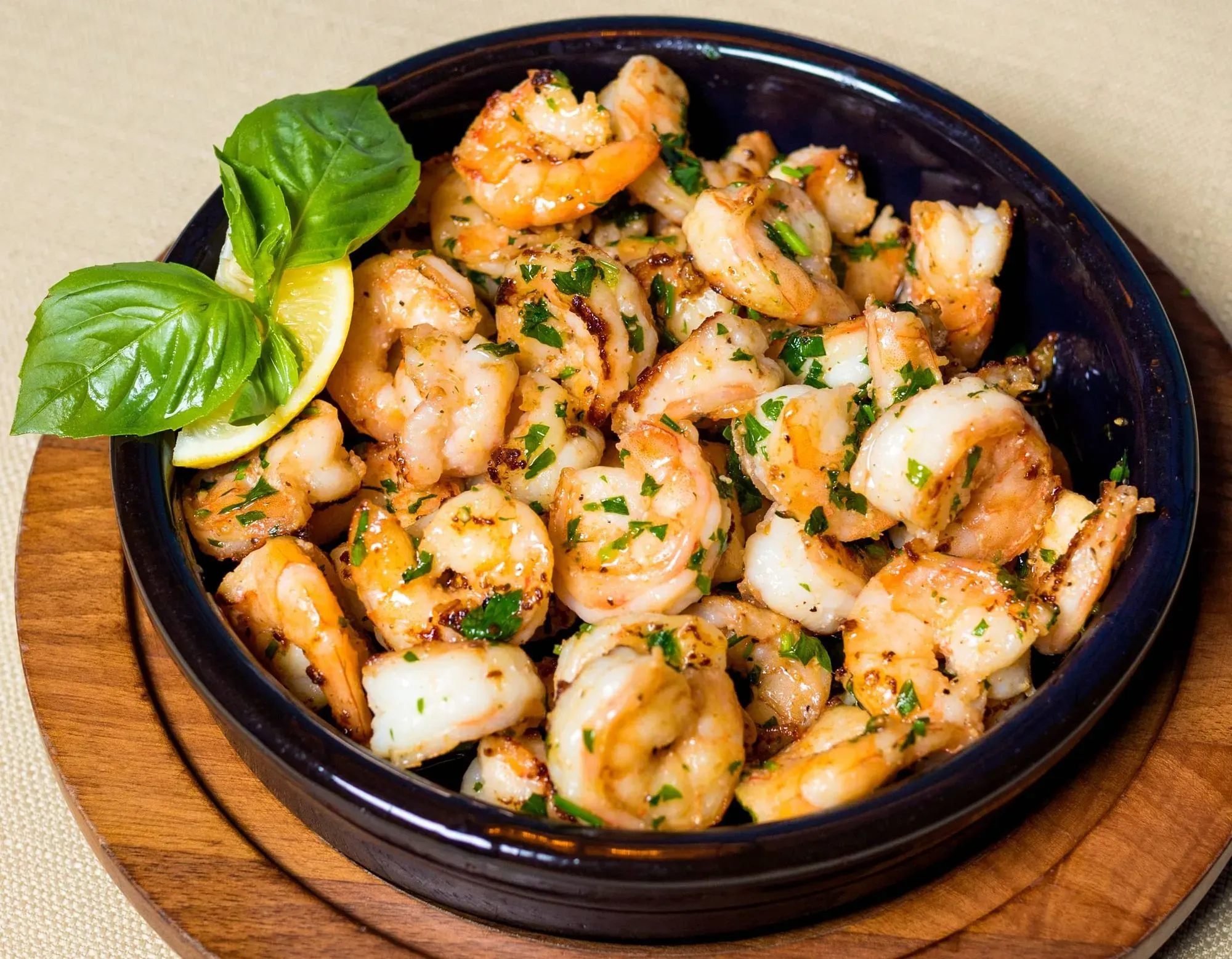
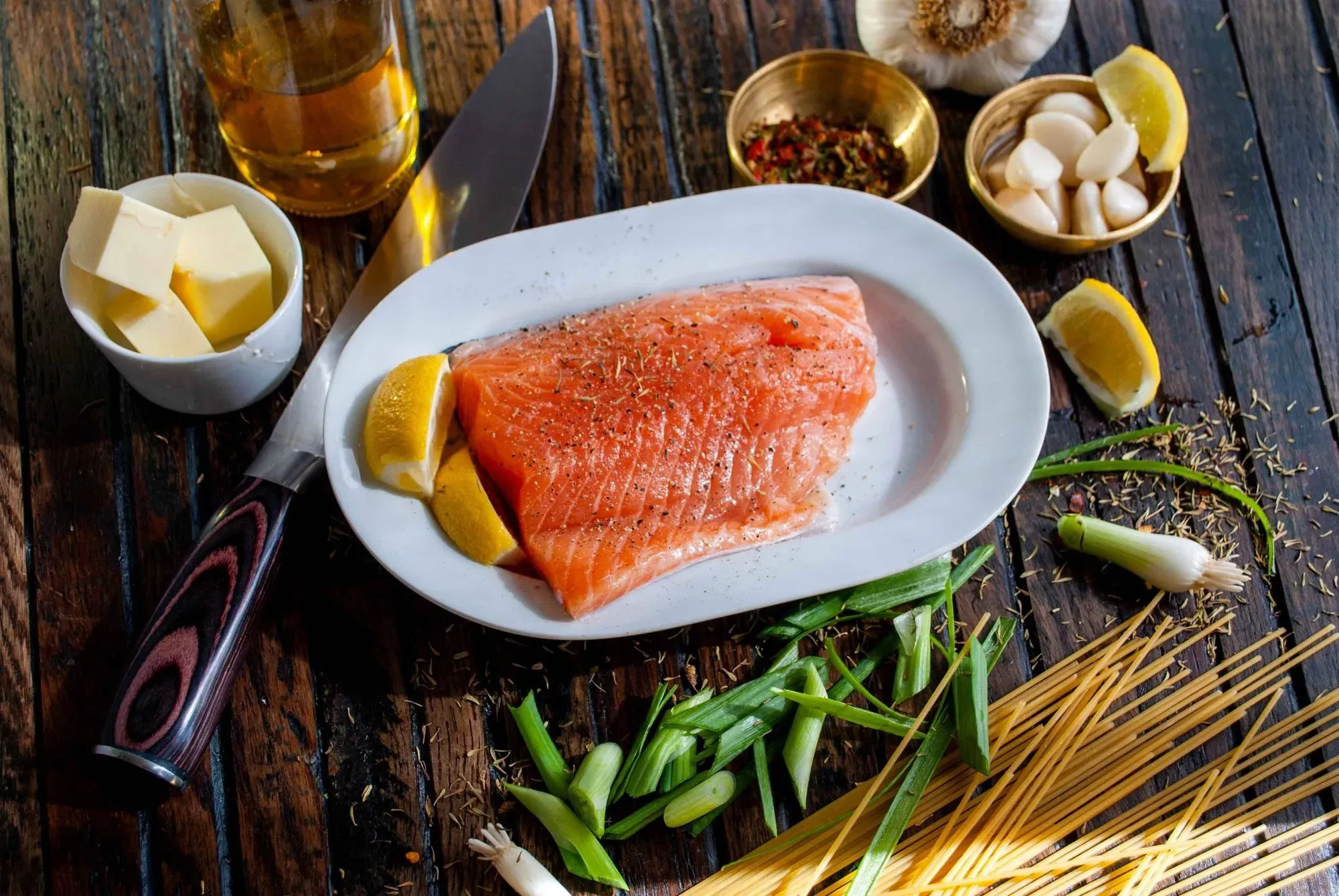
A high-protein diet has been linked with improved blood sugar control and improved HDL cholesterol levels. Choose a variety of lean animal and plant-based proteins and try to include a protein source with every meal.
- Fish.
- Chicken.
- Turkey.
- Beans.
- Lentils.
- Peas.
- Low-fat dairy.
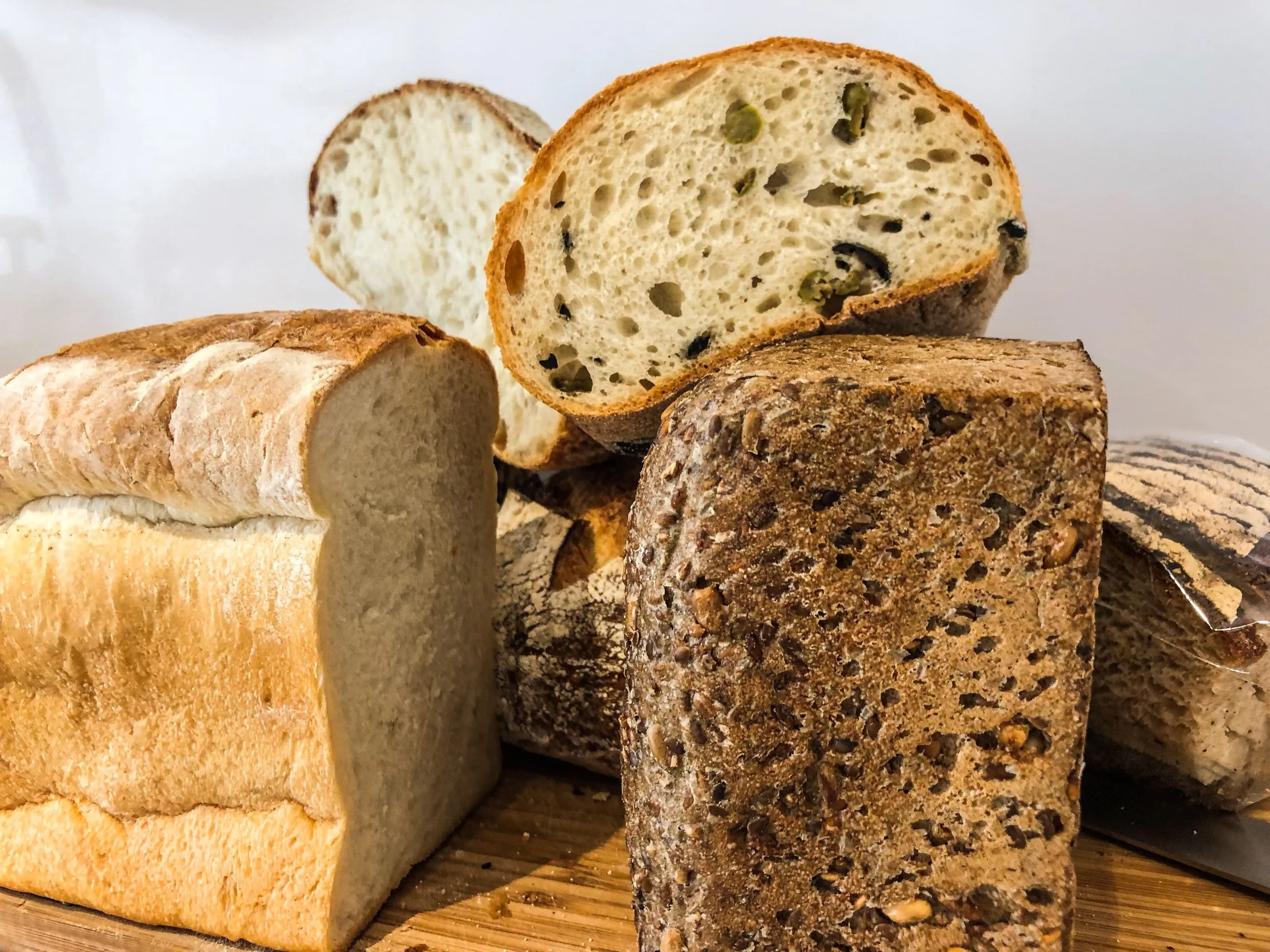
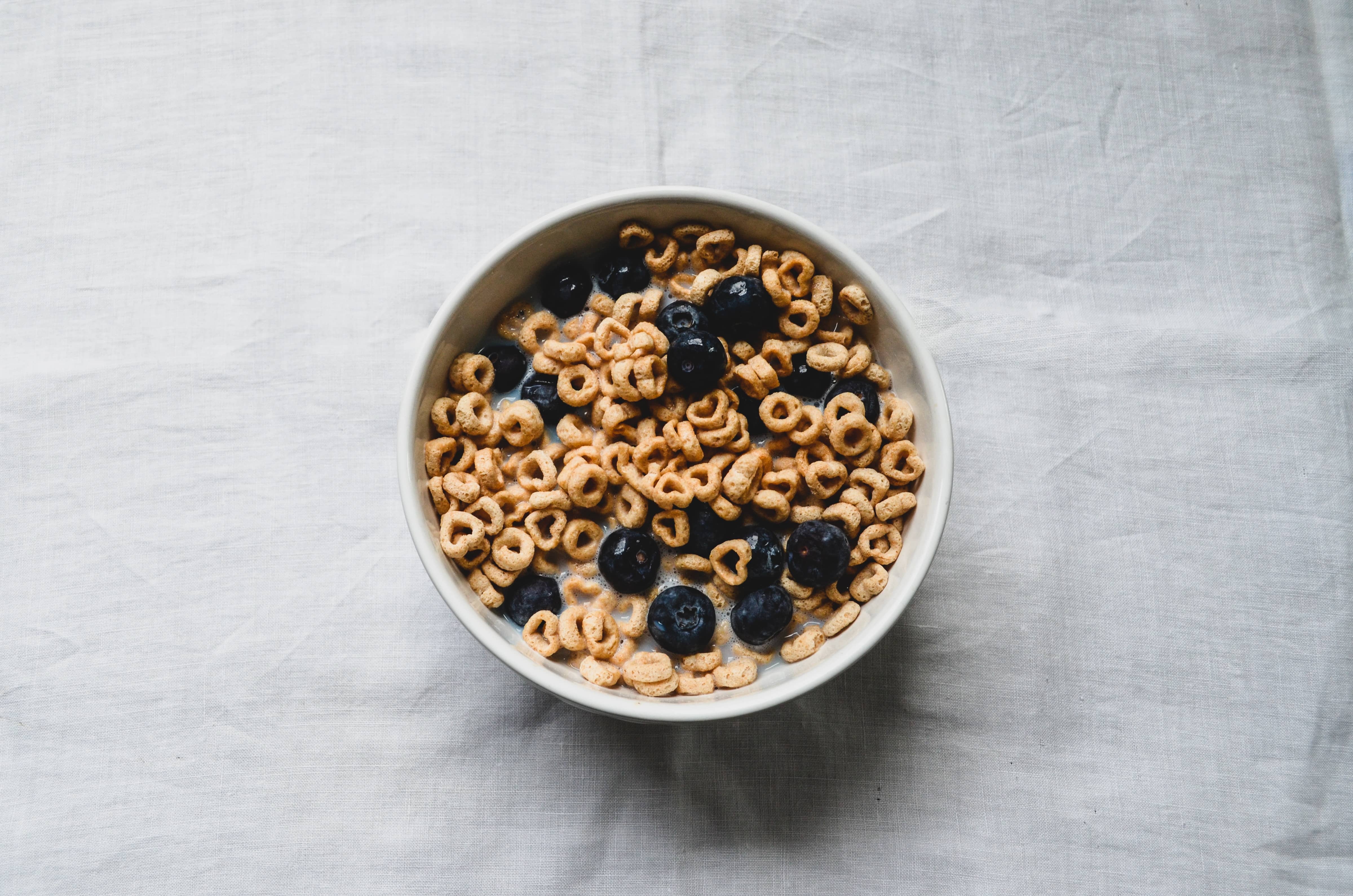
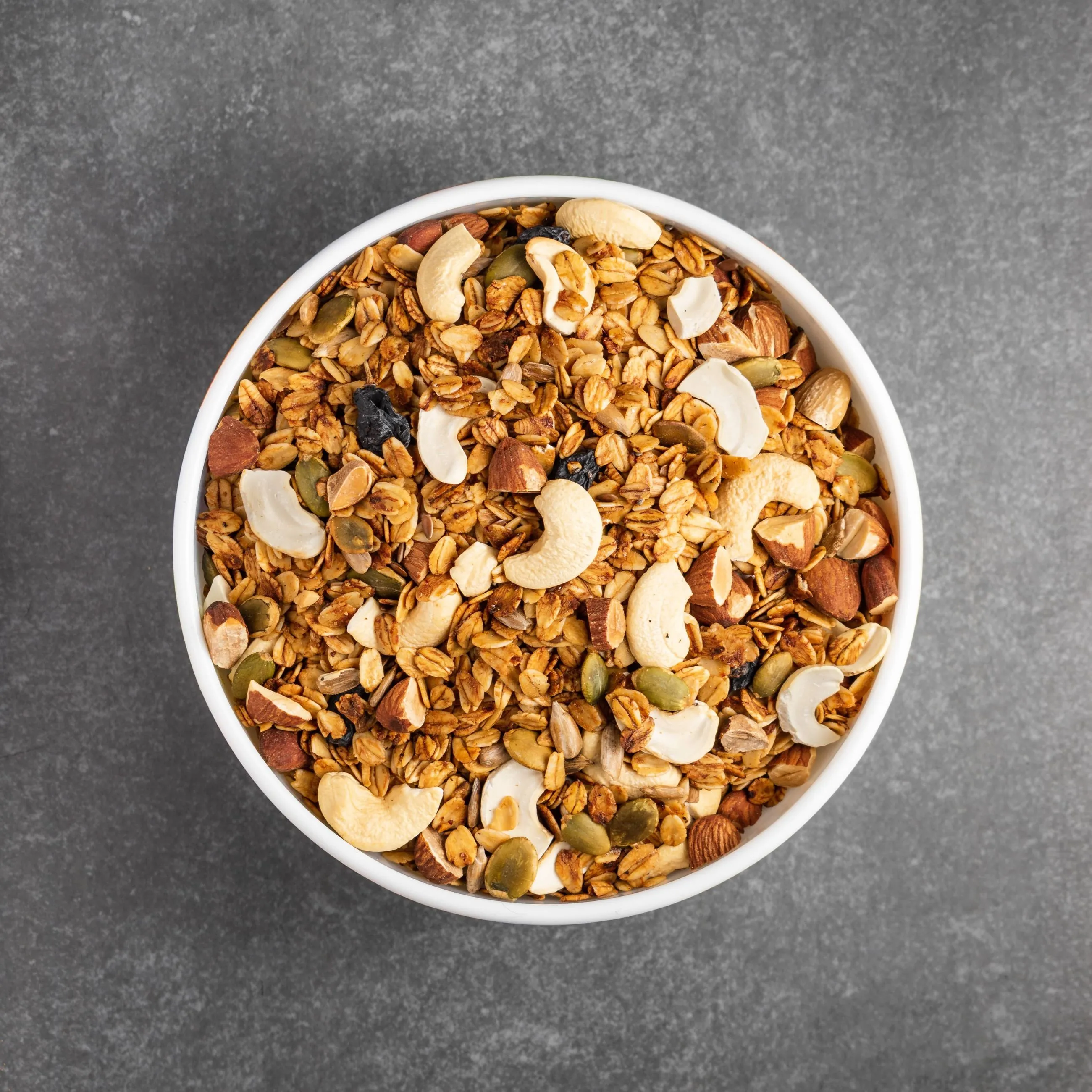
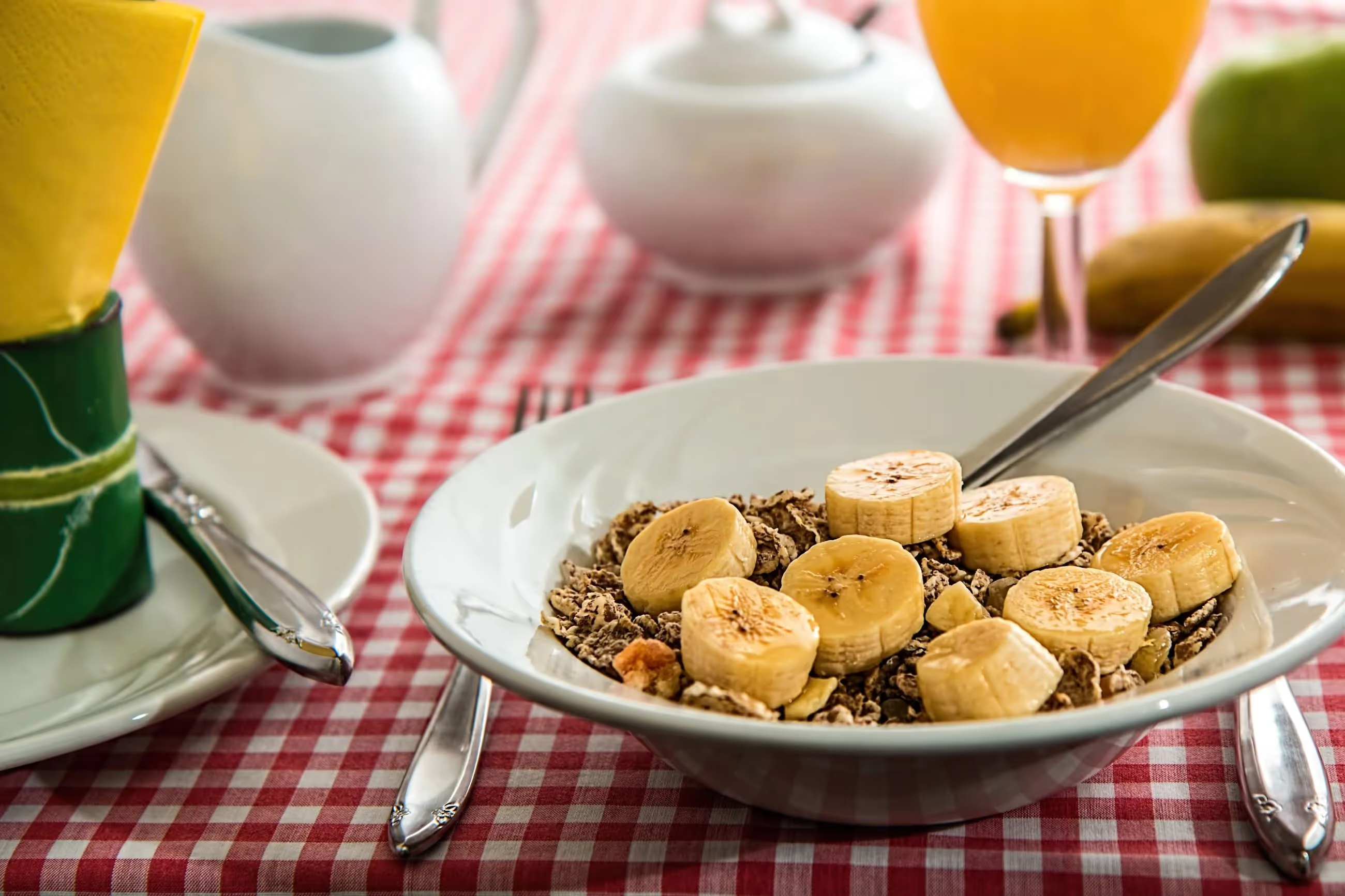
Whole grains are high in fiber, which helps lower cholesterol levels and moderate blood sugar levels. Soluble fiber is particularly beneficial for cholesterol and is found in whole grains, legumes, fruits, and vegetables.
- Brown rice.
- Quinoa.
- Barley.
- Oats.
- Rye.
Healthy fats are those that are primarily unsaturated. They generally come from plant sources and are an excellent way to lower cardiovascular risk.
- Olive oil.
- Avocados and avocado oil.
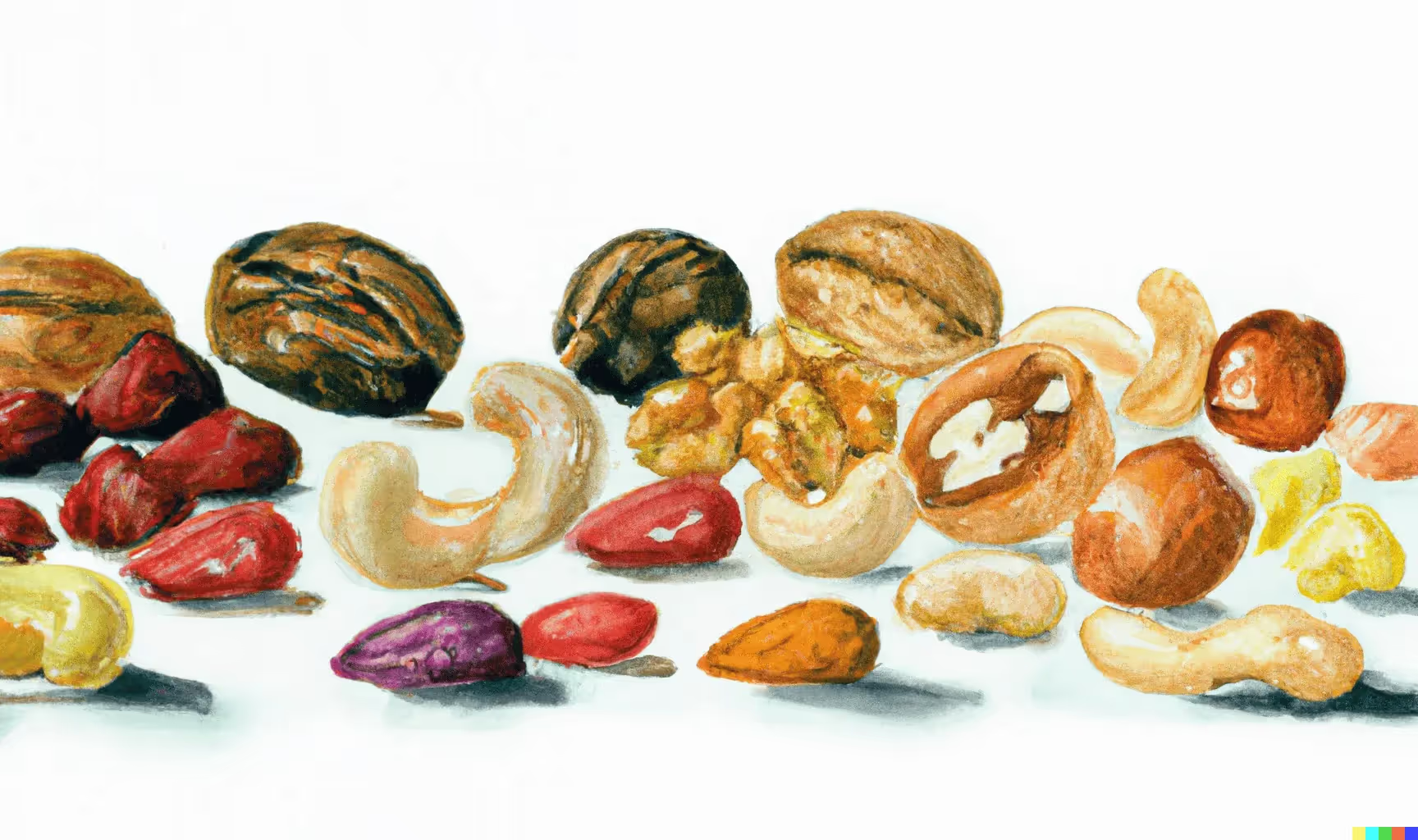
- Nuts, like walnuts and almonds.
- Flax and chia seeds.
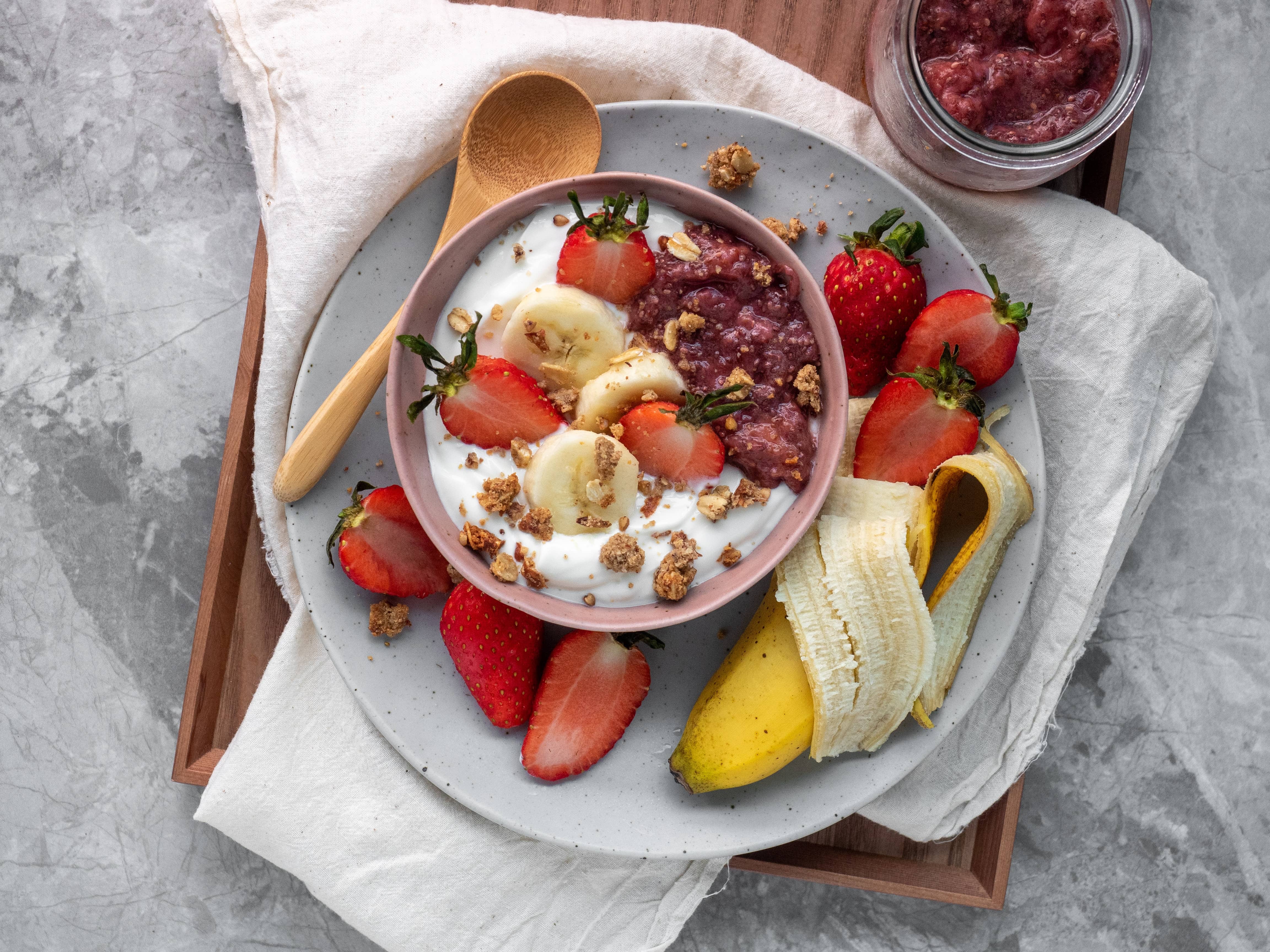
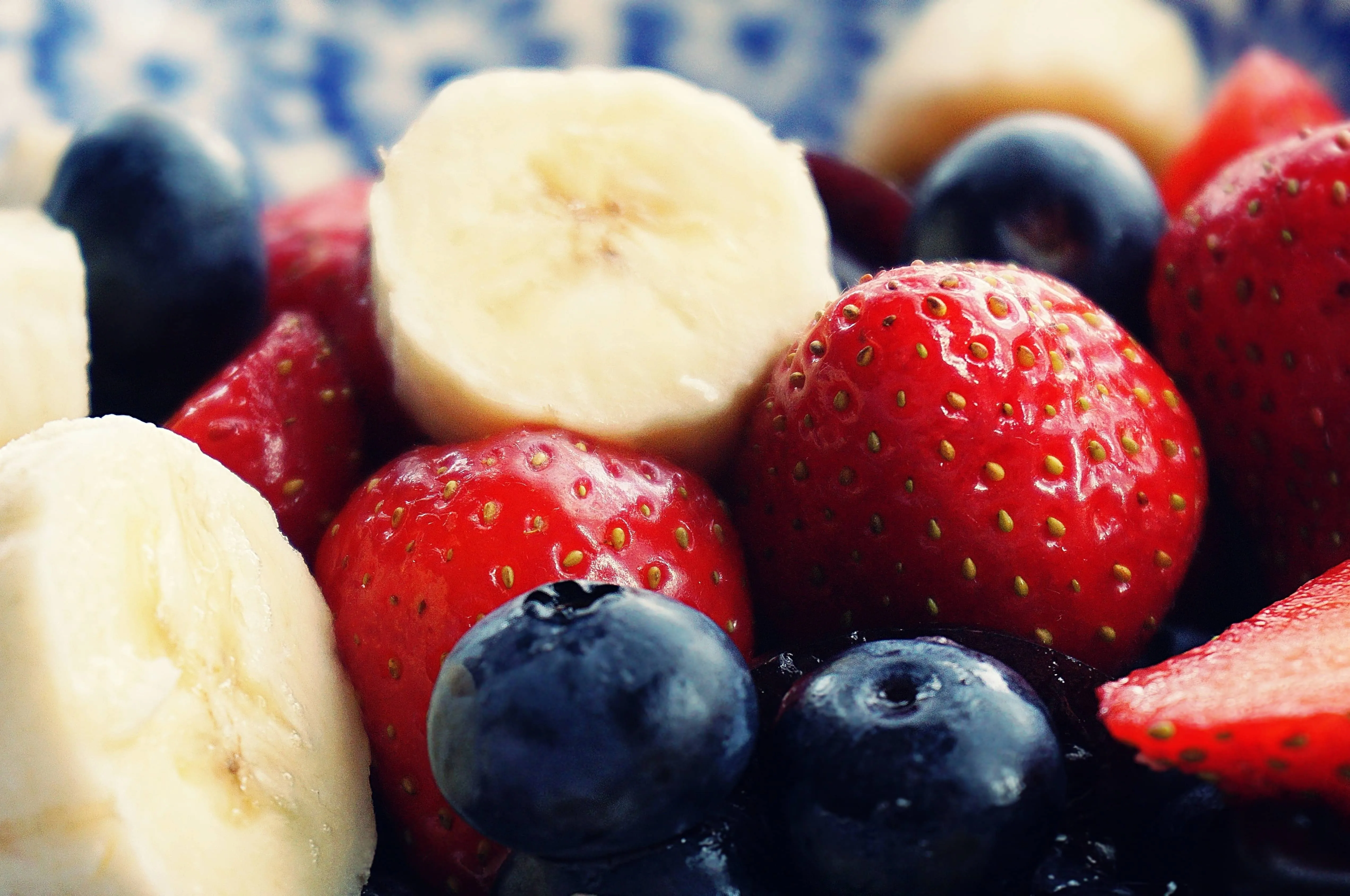
Including minimally processed fruits and nonstarchy vegetables in the diet is also important. The DASH diet recommends four to five servings of each every day. One serving is equivalent to one-half cup of fresh fruit or cooked vegetables.
For more information about prediabetes and cholesterol-friendly foods, consider booking an appointment with a registered dietitian through Nourish.
Are There Foods I Should Limit?
Your prediabetes and cholesterol diet should limit certain foods linked to an increased risk of type 2 diabetes and heart disease, such as those high in saturated fat, trans fat, added sugars, and alcohol.
Saturated fat is primarily found in animal products, like red meat and butter. Trans fat should also be limited, which is found in many packaged and processed foods.
- Butter and ghee.
- Tropical oils, such as palm and coconut oil.
- Red meat.
- Processed meats like sausage, bacon, and hot dogs.
- Full-fat dairy.
- Deep fried foods.
Be mindful of foods with high amounts of added sugars, especially sugar-sweetened beverages. Foods rich in added sugars and refined carbohydrates also tend to be low in fiber.
Ultra-processed foods (UPF), like fast food, soda, and chips, contain high levels of saturated fat, trans fat, sodium, and added sugar. A high intake of UPF has been linked to an increased risk of developing type 2 diabetes and cardiovascular disease.
If you drink alcohol, reducing your intake can also be beneficial for a prediabetes and cholesterol diet. Alcohol moderation is less than one drink per day for females and less than two drinks per day for males.
A high sodium diet can increase the risk of heart disease and high blood pressure, making it worth paying attention to if you have other cardiovascular disease risk factors like high cholesterol and prediabetes. Less than 2,300 milligrams of sodium per day is recommended.
Tips for Eating Sustainably with Prediabetes and High Cholesterol
If the recommendations differ greatly from your current eating pattern, it can feel overwhelming to shift to a prediabetes and high cholesterol diet. It’s best to make small changes and build on them over time to ensure your new eating habits are sustainable.
Focus on adding beneficial foods instead of eliminating foods that can negatively impact blood sugar and cholesterol levels. Eating more unprocessed fruits, vegetables, whole grains, lean proteins, and healthy fats will naturally crowd out processed foods high in saturated fat and sugar. This mindset may help you feel less restricted, which will support long-term habits.
Regularly planning your meals and snacks can help prevent last-minute choices involving fast food or other convenient, ultra-processed foods. Meal planning takes the guesswork out of what you will eat each day and enables you to focus on the areas of your diet you’d like to improve.
Takeaway
Prediabetes and hyperlipidemia are interrelated and can both affect your heart health and how your body breaks down food for energy. A prediabetes and high cholesterol diet emphasizes minimally processed, whole foods that are low in saturated fat and added sugars and rich in fiber.
{{splash}}
Managing Diabetes with a Dietitian
If you’ve been diagnosed with prediabetes and high cholesterol or have an increased risk of developing these conditions, consider scheduling a consultation with diabetes dietitian.
They will help you implement healthy diet and lifestyle habits to improve your blood sugar and cholesterol lab work while emphasizing sustainable, realistic changes.
Find a dietitian that accepts insurance through Nourish, and start making nutrition changes to support healthy blood sugar levels.
Frequently Asked Questions
References
View all references
Nourish has strict sourcing policies and prioritizes primary sources, including medical organizations, governmental agencies, academic institutions, and peer-reviewed scientific journals. Learn more about our medical review process and editorial guidelines.








.avif)



%20(1).webp)

.avif)



.avif)









.avif)




































.avif)

.avif)