Vegetables With Protein: 12 Veggies To Eat For More Protein

Medical Reviewer: Lindsay Cohen, RDN, LDN, CDCES, NBC-HWC

Author: Sarah Bullard, MS, RD
Summary
- Consuming protein-rich vegetables can help you meet your daily protein needs.
- Vegetables contain other beneficial nutrients like essential daily fiber, vitamins, and minerals.
- A registered dietitian can help you determine the right amount of protein and ways to include filling protein in meals and snacks.
Protein, along with carbohydrates and fat, are necessary macronutrients for your body to grow, heal, and function properly.
According to the Dietary Guidelines for Americans, most Americans eat enough protein when they include protein-rich animal products like meat, fish, chicken, dairy, and eggs.
However, you may wonder whether you can eat enough protein when excluding or limiting protein-rich animal products.
Rest assured, a large review article from 2019 evaluated the protein adequacy of over 30,000 adults across Western countries.
The participants reported their food intake and were classified as meat eaters, vegans, or a variety of different vegetarians.
The average protein intake among adults classified as meat eaters was about 100 grams daily (about twice the Estimated Average Requirement).
Vegetarians and vegans consume about 70 grams daily, meeting their daily needs.
Let’s learn about surprising vegetable protein sources and how to incorporate them into our meals for a healthy and balanced diet.
{{splash}}
Vegetables with Protein: 12 Veggies to Eat for More Protein
Choosing vegetables that can serve double duty as a protein and fiber source is a great way to ensure a balanced diet and help you feel your best.
The following protein-rich vegetables also help you reach your vitamin and mineral needs.
These high-protein vegetables and their nutritional information are compared using a one-cup serving size, although you may choose to eat a different portion size.
1. Lentils
One cup of cooked lentils provides 207 calories, 16 g of protein, 0.7 g of fat, 26 g of carbohydrates, and 14 g of fiber, meeting half your daily fiber needs.
In addition, they’re packed with vitamins and minerals, including 77% of the daily folate needs, 50% of the daily copper needs, 33% of the daily iron needs, 25% of the daily phosphorus needs, and 20% of the daily zinc needs.
Lentils are dry legumes that cook in about 20 minutes, much faster than other dry beans and legumes.
Lentils can be used in soups, smoothies, or salads.
2. Edamame
One cup of cooked edamame provides 224 calories, 18 g of protein, 12 g of fat, 14 g of carbohydrate, and 8 g of fiber (one-third of your daily fiber needs).
Edamame contains 115% of the daily folate requirement, 59% of the daily copper requirement, 24% of the daily magnesium requirement, and 20% of the daily iron and phosphorus requirement.
Edamame is a nutrient powerhouse providing a balanced mix of each macronutrient and fiber to help you stay full between meals.
Keep frozen bags of edamame to steam quickly on the stove or microwave.
3. Chickpeas
One cup of cooked chickpeas provides 293 calories, 16 g of protein, 4.6 g of fat, 49 g of carbohydrate, and 13.7 g of fiber (about half of your daily fiber needs).
Chickpeas provide 73% of the daily folate requirement, 70% of the daily copper requirement, 20% of the daily magnesium requirement, 24% of the daily phosphorus requirement, and 29% of the daily iron requirement.
Chickpeas can be made into hummus or added to salads and smoothies.
This versatile vegetable's mild flavor appeals to many people.
4. Black Beans
One cup of cooked black beans provides 241 calories, 16 g of protein, 0.8 g of fat, 44 g of carbohydrate, and 18.2 g of fiber (almost two-thirds of your daily fiber needs).
Black beans contain 38% of the daily folate requirement, 56% of the daily copper requirement, 22% of the daily magnesium requirement, 23% of the daily phosphorus requirement, and 28% of the daily iron requirement.
Keep no-added salt canned black beans on hand for a quick protein, fiber, and nutrient boost to any meal.
Serve them as a side dish or incorporate them into enchiladas, tacos, and salads.
5. Peas
Green peas don’t have to be mushy.
Cook them fresh or from frozen instead of canned for a more appealing texture.
This surprising protein-rich vegetable contains 134 calories, 9 g of protein, 0.7 g of fat, 24 g of carbohydrate, and 9 g of fiber (one-third of your daily fiber needs).
Additionally, green peas contain 14% of your daily iron and phosphorus needs, 19% of your daily zinc needs, and 32% of your daily copper needs.
6. Spinach
One cup of cooked spinach provides 60 calories, 6 g of protein, 1 g of fat, 5 g of carbohydrates, and 3.4 g of fiber.
Spinach is a lower calorie and carbohydrate option for individuals monitoring their carbohydrate intake.
It also provides 472% of your daily vitamin K needs, 47% of your daily magnesium needs, 21% of your daily potassium needs, 27% of your daily vitamin C needs, 38% of your daily vitamin A needs, and 45% of your daily folate needs.
Use fresh spinach for salads, and when it starts to get limp, cook this green, leafy vegetable for use that day or freeze it for future use in soups and smoothies.
7. Kale
One cup of cooked kale provides 60 calories, 4 g of protein, 2 g of fat, 6 g of carbohydrates, and 6 g of fiber.
The nutrition information for cooked kale and cooked spinach are similar.
However, cooked kale contains 101% of your daily vitamin C needs, 348% of your daily vitamin K needs, and 27% of your daily vitamin A and calcium needs.
Kale is one of the few calcium-rich vegetables.
Calcium is typically found in dairy products.
8. Brussels Sprouts
One cup of sauteed Brussels sprouts provides 70 calories, 5 g of protein, 0.5 g of fat, 14 g of carbohydrates, and 6 g of fiber.
Brussels sprouts contain 238% of your daily vitamin K needs and 129% of your daily vitamin C needs.
Brussels sprouts are a tasty and straightforward addition to any meal.
Simply season them with olive oil, pepper, and salt.
9. Sweet Corn
One cup of sweet corn provides 125 calories, 4.7 g of protein, 2 g of fat, 27 g of carbohydrates, and 3 g of fiber.
Sweet corn contains 20% of your daily pantothenic acid needs and 11% of your daily vitamin C needs.
Sweet corn is a familiar favorite, providing protein and fiber.
10. Broccoli
One cup of frozen cooked broccoli provides 52 calories, 5.7 g of protein, 0.2 g of fat, 10 g of carbohydrates, and 5.5 g of fiber.
Broccoli contains 82% of your daily vitamin C needs, 26% of your daily folate needs, and 135% of your daily vitamin K needs.
Broccoli can be incorporated into many mixed dishes or served as a side and seasoned with garlic and pepper.
11. Asparagus
One cup of cooked asparagus provides 38 calories, 4 g of protein, 0.2 g of fat, 7 g of carbohydrates, and 4 g of fiber.
Asparagus contains 23% of your daily iron needs, 40% of your daily copper needs, 21% of your daily folate needs, and 67% of your daily vitamin K needs.
Although asparagus can be eaten raw, roasting or sautéing it can release its sweet flavor and improve the texture, making it more enjoyable.
12. Artichokes
One cup of artichokes provides 80 calories, 4 g of protein, 0.5 g of fat, 18 g of carbohydrates, and 8.5 g of fiber (one-third of your daily fiber needs).
Artichokes contain 21% of your daily copper needs, 34% of your daily folate needs, and 19% of your daily vitamin K needs.
Artichokes contain protein and fiber to help keep you full.
They taste best cooked–roasting, baking, and grilling are popular cooking styles.
Tips for Eating More Vegetables Throughout the Day
Here are three extra tips for increasing your vegetable intake throughout the day.
If you wait to eat your vegetables until dinner, you may not be able to get the daily 2 ½ cups recommended in the Dietary Guidelines for Americans.
1. Start Early–Add Vegetables to Breakfast
You can start breakfast off with a high-fiber and protein vegetable.
Consider sautéeing vegetables with eggs or blending spinach, kale, lentils, or beans into your morning smoothie.
2. Pick a Protein-Rich Vegetable for a Snack
Choosing high-protein and fiber snacks can help you stay full and energized between meals.
Edamame and beans are filling snacks that contain fiber and protein.
3. Start With Your Favorites
As you look at this list, choose the vegetables you like and add them to your meals.
Consider experimenting with a new high-protein vegetable a couple of times a month when you have the time or energy to learn to prepare it.
{{splash}}
Takeaway
Most people get the recommended amount of protein, even when reducing or avoiding animal products.
Try some of these high-protein and nutrient-packed vegetables to fuel your body well.
How a Dietitian Can Help
If you’re having trouble adopting a new eating pattern, such as increasing your vegetables, consider working with a dietitian to develop a realistic and balanced eating plan.
At Nourish, every nutrition appointment is dedicated to helping you find solutions that bring you closer to your health goals.
Calculating your specific protein needs based on your health conditions and physical activity is individualized, and our patients feel their best and gain confidence when they receive customized nutrition recommendations.
You may not know what to expect if you’ve never met with a dietitian before. Here are questions to ask:
- Should I be using protein powder or supplements?
- What’s the right amount of protein for me?
- I need a sample vegan meal plan—do you have any?
Find a dietitian who accepts insurance through Nourish.
Frequently Asked Questions
Which vegetables are rich in protein?
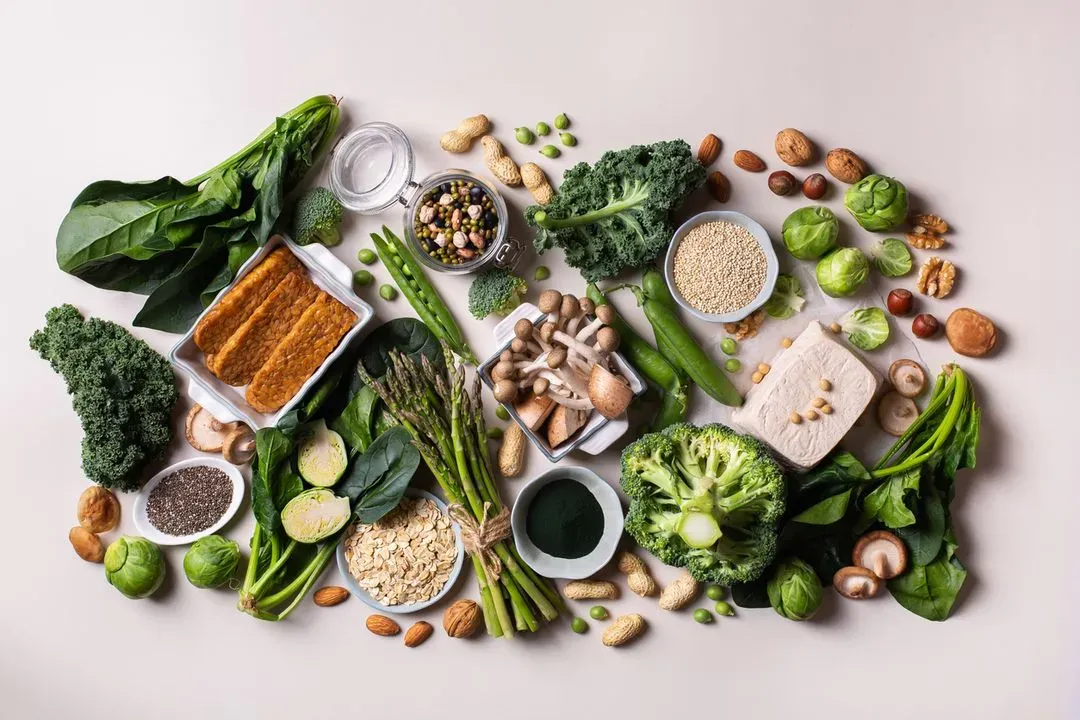
Protein-rich vegetables include beans, lentils, edamame, peas, spinach, kale, broccoli, asparagus, corn, artichokes, and Brussels sprouts.
These vegetables contain 4 or more grams of protein per cup.
What veggie foods are high in protein?
Any foods made with protein-rich vegetables, such as beans, lentils, edamame, peas, spinach, kale, broccoli, asparagus, corn, artichokes, and Brussels sprouts, are high in protein.
Bean or lentil-based pasta is an excellent example of a food made from vegetables.
Which legumes are high in protein?
Lentils (all colors), black beans, and chickpeas are high in protein.
References
View all references
- U.S. Department of Agriculture and U.S. Department of Health and Human Services. Dietary Guidelines for Americans, 2020-2025. 9th Edition. December 2020. Available at DietaryGuidelines.gov.
- Mariotti, F., & Gardner, C. D. (2019). Dietary Protein and Amino Acids in Vegetarian Diets-A Review. Nutrients, 11(11), 2661.
- FoodData Central. (n.d.).
- FoodData Central. (n.d.-a).
- FoodData Central. (n.d.-b).
- FoodData Central. (n.d.-c).
- FoodData Central. (n.d.-d).
- FoodData Central. (n.d.-e).
- FoodData Central. (n.d.-f).
- FoodData Central. (n.d.-g).
- FoodData Central. (n.d.-h).
- FoodData Central. (n.d.-i).
- FoodData Central. (n.d.-j).
- FoodData Central. (n.d.-k).
Nourish has strict sourcing policies and prioritizes primary sources, including medical organizations, governmental agencies, academic institutions, and peer-reviewed scientific journals. Learn more about our medical review process and editorial guidelines.