7-Day Vegetarian Meal Plan For Beginners

Medical Reviewer: Sarah Hormachea, MS, RD, CDCES, BC-ADM

Author: Sarah Glinski, RD

Summary
- There are several types of vegetarian diets, including lacto-ovo vegetarian, lacto vegetarian, ovo vegetarian, and vegan.
- You may struggle to get enough of certain nutrients when following a vegetarian diet.
- Planning your meals, batch cooking, and keeping a well-stocked pantry, you can make vegetarian eating easier.
Whether you’re exploring vegetarianism for health, ethical, or environmental reasons, it's important to understand what to eat and what to avoid.
Depending on the type of vegetarian diet you follow, you will need to avoid different foods.
This can make it challenging to get enough of certain nutrients. Fortunately, with some planning, a vegetarian diet can provide the nutrients needed to stay healthy.
In this blog post, we’ll cover the basics of vegetarian diets: which foods to steer clear of, essential foods to include in your diet, a seven-day vegetarian meal plan for beginners, and practical tips for efficient meal prep.
{{splash}}
Vegetarian Basics: Getting Started
There are different types of vegetarian diets depending on which foods are avoided.
- Lacto-Ovo Vegetarian: Includes dairy products and eggs.
- Lacto Vegetarian: Includes dairy products but not eggs.
- Ovo Vegetarian: Includes eggs but not dairy products.
- Vegan: Excludes all animal products, including dairy, eggs, and honey.
To stay healthy and feel your best, it’s important to consume adequate nutrients, as some are harder to get on a vegetarian diet.
Here are some nutrients to pay attention to.
Vitamin B12
Vitamin B12 is required to prevent anemia.
Since animal products like meat, eggs, and dairy contain the most vitamin B12, people following a vegan diet may struggle to get enough.
Vitamin D
Vitamin D is important for bone health.
While you can get vitamin D from the sun, you should limit your sun exposure to reduce your risk of developing skin cancer.
Fatty fish, egg yolks, and foods fortified with vitamin D (such as orange juice, cow’s milk, and certain plant-based milks) contain vitamin D.
If you’re not eating these foods regularly, you may need a vitamin D supplement.
Zinc
Zinc supports the immune system.
While plant foods like beans, legumes, nuts, and seeds contain zinc, zinc obtained from plant sources is not as easily absorbed as zinc from animal sources.
Iron
Iron is important for the production of red blood cells.
While you can get iron from plant sources like beans, legumes, green vegetables, and whole grains, it’s not as easily absorbed as iron from animal sources.
To increase the absorption of iron from plant sources, add vitamin C-rich foods (like tomatoes, citrus fruits, and bell peppers) to your meal.
Vitamin C can help you absorb iron better.
Calcium
Calcium is important for bone health. If you don’t eat dairy foods, which are rich in calcium, you may struggle to get enough.
While some plant foods, such as leafy greens and traditional foods like the ash of juniper that has been burned, contain calcium, it is harder to absorb due to the presence of oxalates in plant foods.
If you don’t eat dairy products, tofu and some fortified plant-based milks contain calcium.
Omega-3 Fatty Acids
Omega-3 fatty acids support heart and brain health. While the richest sources of omega-3s are fatty fish like salmon, you can get omega-3s from plant foods like walnuts, pumpkin seeds, ground flax seeds, chia seeds, and soybeans.
Foods to Avoid as a Beginner Vegetarian
As a beginner vegetarian, here are some foods to avoid:
- Meat and poultry (such as beef, pork, lamb, chicken, turkey, and other animal meats).
- Fish and seafood (such as fish, shellfish, shrimp, crab, lobster, and other seafood).
- Gelatin (made from animal bones and connective tissue, gelatin is often found in desserts, candies, and supplements).
- Animal-derived enzymes and rennet (common in certain cheeses and processed foods; look for cheese labeled as made with microbial or vegetarian rennet).
- Animal-based broths.
- Lard and suet (these are animal fats used in some baked goods and traditional recipes).
- Certain sauces and dressings (such as Caesar dressing, which often contains anchovies, and Worcestershire sauce, which contains anchovies).
- Non-vegetarian marshmallows and gummy candies (these are often made with gelatin; look for versions made with agar-agar or other plant-based gelling agents).
- Carmine or cochineal (red food coloring made from insects).
- Animal-based emulsifiers (such as some lecithins).
What to Eat as a Beginner Vegetarian
As a beginner vegetarian, there are many foods you can eat to maintain a balanced and nutritious diet.
Here are some options to include:
- Fruits and vegetables.
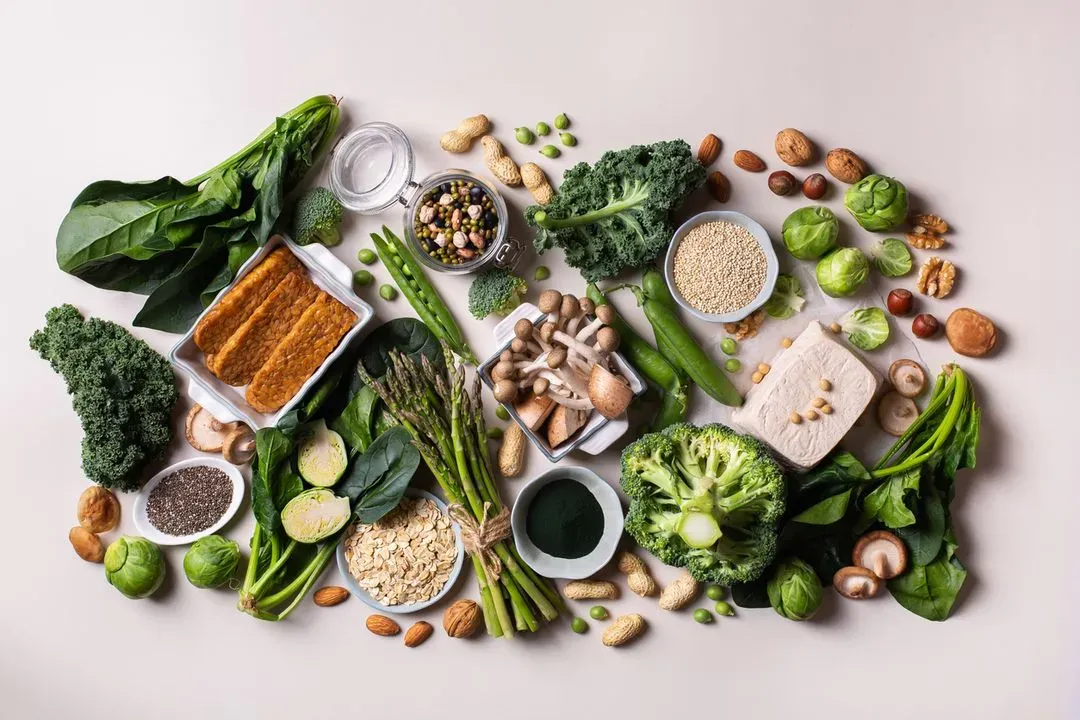
- Whole grains (such as brown rice, wild rice, quinoa, oats, barley, whole wheat bread, whole wheat pasta, farro, bulgur, and freekeh).
- Legumes (such as lentils, chickpeas, black beans, kidney beans, and peas).
- Nuts and seeds (such as almonds, walnuts, cashews, chia seeds, flax seeds, sunflower seeds, and pumpkin seeds).
- Dairy products (such as milk, cheese, yogurt, and cottage cheese).
- Eggs.
- Soy products (like tofu, tempeh, soy milk, and soy yogurt).
- Seitan (a plant-based protein made from wheat gluten).
- Healthy fats (such as avocados and olive oil).
- Foods fortified with essential nutrients (such as calcium and vitamin D found in certain plant milks).
Beginner Meal Plan for Vegetarians
This beginner meal plan for vegetarians is based on a lacto-ovo vegetarian diet and includes eggs and dairy products.
Day 1
Breakfast: Plain Greek yogurt parfait with mixed berries, granola, and chia seeds.
Lunch: Egg salad sandwich on whole-grain bread with tomato and lettuce made with mashed eggs, plain Greek yogurt, mustard, and chopped dill.
Dinner: Chickpea stir-fry made with broccoli, bell peppers, snap peas, and onion served with quinoa.
Snacks: Cottage cheese with pineapple, cheddar cheese with whole wheat crackers.
Day 2
Breakfast: Mixed vegetable scrambled eggs with bell peppers, onions, and spinach, served with whole-grain toast.
Lunch: Grilled halloumi cheese with Greek salad made with mixed greens, quinoa, cherry tomatoes, cucumber, red onion, olives, olive oil, and lemon juice.
Dinner: Eggplant Parmesan made with eggplant, marinara sauce, shredded mozzarella, grated Parmesan cheese, breadcrumbs, beaten eggs, and olive oil.
Snacks: Smoothie (blend milk with plain Greek yogurt, frozen banana, and almond butter), trail mix (walnuts, almonds, sunflower seeds, and dried cranberries).
Day 3
Breakfast: Plain Greek yogurt and berry bowl topped with granola and maple syrup.
Lunch: Caprese sandwich made with whole-grain bread, sliced fresh mozzarella, tomato, basil leaves, balsamic vinegar, and olive oil.
Dinner: Baked ziti with spinach and ricotta.
Snacks: Mashed boiled eggs on rice cakes, veggie sticks with hummus.
Day 4
Breakfast: Protein pancakes made with whole wheat flour, whey protein powder, ground flaxseed, baking powder, and milk. Top with maple syrup and mixed berries.
Lunch: Quinoa and feta salad with cherry tomatoes, cucumber, red onion, olive oil, and lemon juice.
Dinner: Tofu and mixed vegetable (broccoli, bell peppers, and carrots) stir-fry served over brown rice.
Snacks: Cheddar cheese and apple slices, Greek yogurt topped with maple syrup and walnuts.
Day 5
Breakfast: Avocado and eggs on whole-grain toast.
Lunch: Grilled cheese on whole-grain bread with tomato soup and a side salad of mixed greens, cherry tomatoes, and cucumber with olive oil and balsamic vinegar dressing.
Dinner: Lentil dal served over brown rice with steamed carrots.
Snacks: Cottage cheese with diced cucumber and cherry tomatoes, smoothie (blend milk, plain Greek yogurt, mixed frozen berries, and peanut butter).
Day 6
Breakfast: Smoothie bowl made with frozen mixed berries, banana, milk, and protein powder. Top with chia seeds, granola, and coconut flakes.
Lunch: Spinach and feta whole wheat wrap with cucumber, red onion, and hummus.
Dinner: Vegetarian chili made with black beans, kidney beans, canned diced tomatoes, onion, minced garlic, corn, chili powder, cumin, and paprika. Serve over brown rice.
Snacks: Plain Greek yogurt with granola, cheddar cheese with sliced apple.
Day 7
Breakfast: Vegetable and cheese frittata made with eggs, milk, bell peppers, spinach, and crumbled feta cheese. Serve with a side of whole-grain toast.
Lunch: Tofu and avocado salad with mixed greens, cherry tomatoes, red onion, cooked quinoa, olive oil, and lemon juice.
Dinner: Mushroom and spinach lasagna with ricotta cheese, mozzarella cheese, spinach, mushrooms, onion, minced garlic, marinara sauce, and lasagna noodles (cooked).
Snacks: Sliced apple and peanut butter, chia seed pudding.
Tips for Meal Preparation
Meal preparation can streamline your week and ensure you have nutritious meals readily available.
Plan Your Meals
Take time to plan your meals for the week ahead.
For each main meal, try to include a source of protein (such as tofu, seitan, eggs, dairy, or legumes), a source of carbohydrates (such as whole grains like quinoa and oats), a source of healthy fats (such as olive oil or avocado), and fruits or vegetables.
Batch Cook to Save Time
Cook large batches of grains (like quinoa, rice, and farro), legumes (like lentils and chickpeas), and roasted vegetables.
These staples can form the base of several meals during the week.
Keep a Well-Stocked Pantry
Ensure you have vegetarian-friendly staples like canned beans and lentils, canned tomatoes, pasta, and whole grains like quinoa and farro.
These make it easy to create a meal when you don’t have many fresh ingredients.
Freeze Portions
Some weeks are busier than others, so it’s important to plan for this by ensuring you have nutritious food on hand.
Consider portioning out soups, stews, casseroles, and curries into individual containers and freezing them for quick and easy meals later.
{{splash}}
Takeaway
While getting started on a vegetarian diet can take some getting used to, with planning and a willingness to be creative in the kitchen, you can incorporate plant-based eating into your routine.
By following our seven-day vegetarian meal plan for beginners, you can learn the ins and outs of following a vegetarian diet so you can develop your own meal plans moving forward.
How a Dietitian Can Help
If you’re new to eating a vegetarian diet, working with a registered dietitian can help you get started.
They can help you plan meals so you can get enough of essential nutrients that may be difficult to obtain on a vegetarian diet.
They can also provide you with customized meal plans, recipes, and cooking tips.
Some people may not understand your choice to follow a vegetarian diet.
When you work with a dietitian, they can provide you with strategies for managing social situations where vegetarian options may be limited.
You can find a dietitian who accepts insurance through Nourish.
Frequently Asked Questions
References
View all references
- MedlinePlus. (October 20, 2022). Vegetarian diet. Retrieved June 19, 2024, from https://medlineplus.gov/ency/article/002465.htm
- Christensen, N. K., Sorenson, A. W., Hendricks, D. G., & Munger, R. (1998). Juniper ash as a source of calcium in the Navajo diet. Journal of the American Dietetic Association, 98(3), 333–334. https://doi.org/10.1016/S0002-8223(98)00077-7
Nourish has strict sourcing policies and prioritizes primary sources, including medical organizations, governmental agencies, academic institutions, and peer-reviewed scientific journals. Learn more about our medical review process and editorial guidelines.