Does Vitamin D Impact Fertility? What to Know

Medical Reviewer: Christine Russell, MS, RD, LD, CDCES

Author: Julia Zakrzewski, RD
Summary
- Congratulations! Growing your family and trying to have a baby is an exciting milestone.
- It’s not uncommon to experience challenges when trying to conceive, and some people may wonder if supplements can boost their fertility.
- Some studies suggest that people with infertility may have better pregnancy outcomes after taking vitamin D supplements, but more research is needed to clarify a therapeutic dose.
Fertility refers to a female's ability to conceive or, for males, the ability to produce healthy, viable sperm.
People trying to get pregnant may be interested in learning how diet and lifestyle modifications could improve their fertility.
An area of interest is vitamin D’s role in reproductive health.
It’s well-documented that vitamin D supports a healthy pregnancy, and some research suggests that low blood levels of vitamin D may increase the risk of infertility.
Keep reading to learn more about the link between vitamin D and fertility and discover other factors that may impact your ability to conceive.
{{splash}}
What is Vitamin D?
Vitamin D is a hormone your body synthesizes from cholesterol. UV-exposed skin triggers a biochemical reaction that activates vitamin D into its usable form: 1,25-dihydroxyvitamin D or calcitriol (usually labeled as Vitamin D3 on supplements).
In its active state, vitamin D supports healthy immune function and bone health.
During pregnancy, Vitamin D supplementation can reduce the risk of preeclampsia (high blood pressure during pregnancy) and preterm birth.
Is Vitamin D Linked to Fertility?
Low vitamin D levels can increase the risk of infertility.
Compelling research demonstrates that raising vitamin D levels through supplementation may improve fertility, increase the chances of pregnancy, and support healthy pregnancy outcomes.
These findings have been reported in healthy women, women with polycystic ovary syndrome (PCOS), and those trying to conceive via in vitro fertilization (IVF).
Some research suggests that taking a high dose of 1000-10,000 IU of vitamin D for a longer period of time (30-60 days) increased pregnancy rates in women with infertility, but more high-quality studies are needed to back up these dosages.
Although study participants took high amounts of vitamin D, the upper limit for vitamin D is 4000 IU daily, and you shouldn’t take more than that without talking to your doctor.
Sources of Vitamin D
Vitamin D is available from endogenous (synthesized in the body) and exogenous (obtained outside the body) sources.
Most adults will need 600 IU of vitamin D daily, which can be satisfied through a combination of diet, sun exposure, and supplements.
Below are examples of how you can satisfy your daily vitamin D requirements.
Sunlight
Your body synthesizes vitamin D in response to solar ray exposure (sunshine).
Expose at least 40% of your body (arms, legs, torso when possible) to mid-day sun for 10-15 minutes—followed by sun protection to avoid burning.
However, most people can’t do this during cold winter months or cool autumns and may need other sources of vitamin D.
Other possible barriers to synthesizing vitamin D may include environmental pollution and your skin’s melanin content.
Dietary Sources
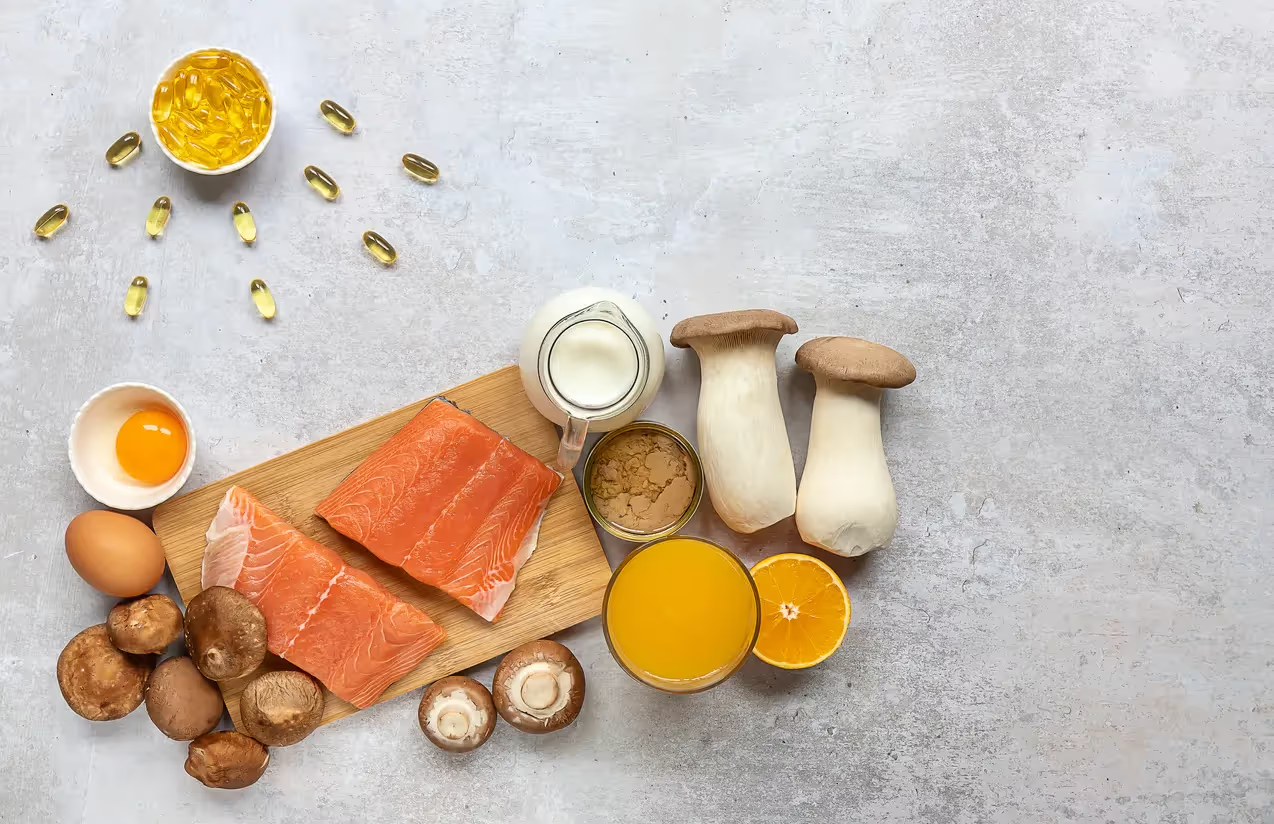
Dietary sources of vitamin D include some fish, fortified food products, and mushrooms.
Eggs, cheese, and some animal meats also have vitamin D but in lower amounts.
Admittedly, satisfying your vitamin D requirements through food may be challenging because they contain low to medium vitamin D levels.
Still, these foods offer many other essential nutrients, making them a great meal addition.
Fatty Fish
Salmon, rainbow trout, light canned tuna, herring, sardines, tilapia, and flounder contain varying amounts of vitamin D.
They’re also a lean source of protein and other essential nutrients that align with nutrition recommendations to support female fertility.
Choosing a Safe Fish
If you plan to get pregnant within a year, the FDA recommends eating two to three servings of low-mercury fish per week.
Their “Best Choices” list includes:
- Atlantic mackerel.
- Anchovies.
- Scallops.
- Oysters.
- Pollock.
- Sardines.
- Shad.
- Tilapia.
- Shrimp.
- Sole.
- Catfish.
- Clams.
- Whiting.
Fortified Foods
Fortification is a food processing technique that adds nutrients to a food product, such as vitamin D.
This allows people to increase their nutritional intake by consuming fortified foods.
Examples of fortified foods include plant-based milk, like soy, oat, almond, and pea.
You can also buy fortified orange juice and cereals like Cheerios and other General Mills products.
Mushrooms
Mushrooms are rich in ergosterol, an organic compound that functions similarly to human cholesterol and can synthesize vitamin D2.
Enjoy portobello mushrooms on the grill, crimini mushrooms in pasta sauces, and sautéed white mushrooms as a side.
Interestingly, mushrooms grown under a UV lamp can have even higher levels of D2.
You may be able to find them at some health food stores or try exposing them to UV light at home before eating.
Supplements
Oral vitamin D supplements are available at most pharmacies and health food stores without a prescription.
They come in capsules and drops, so you can choose the form that’s easiest for you to take.
Most adults can take 600-4000 international units (IU) daily, but the dose varies based on age, sex, and current vitamin D status.
Ask your doctor for a personalized recommendation.
How Much Vitamin D Do You Need for Fertility?
There’s no specified amount of vitamin D to take for fertility. Instead, your doctor will assess your current vitamin D levels and recommend a supplement dose if you’re deficient.
The cutoff for vitamin D deficiency is a blood level less than 30 nmol/L. Healthy levels are 50 nmol/L or higher but less than 125 nmol/L.
Some research suggests maintaining a minimum blood level of 75 nmol/L during pregnancy for better health outcomes, which your gynecologist can review with you.
Is it Safe to Take Vitamin D While Trying to Conceive?
Unless your healthcare provider says otherwise, vitamin D is safe while trying to conceive.
It’s a micronutrient often included in prenatal vitamins, which are recommended to take as soon as you start trying to conceive and throughout your pregnancy.
Once you conceive, the American College of Obstetrics and Gynecology (ACOB) recommends taking 600 IU of vitamin D daily to help your baby build strong bones, teeth, and healthy skin and vision.
Tips for Incorporating More Vitamin D into Your Diet
Consuming dietary sources of vitamin D may prevent a deficiency when combined with supplements and sunshine exposure.
Try easy tips to incorporate more vitamin D-rich foods into your diet:
- Regularly serve a vitamin-D-rich fish from the FDA’s “best choices” list.
- Choose fortified cereals whenever possible.
- Find ways to eat more mushrooms.
- If you plan to drink a glass of juice, try to pick fortified orange juice.
- Enjoy eggs (and their yolks).
- Buy fortified dairy products, like milk, and add them to teas, coffees, cereals, etc.
- Try eating organ meats, like liver, once in a while.
- Sprinkle cheese on salads and eggs, or add to sandwiches.
Other Factors to Consider for Fertility and Overall Health
Other documented lifestyle factors affecting fertility include:
- Obesity can decrease sperm count and quality in men. Excess body weight may also affect fertility in women with PCOS. Fortunately, a 5% weight reduction may help—a dietitian can support you.
- Being underweight can impede IVF pregnancies and cause ovarian dysfunction. A dietitian can help you gain weight.
- Smoking and drug use can decrease fertility in men and women. Consider cutting back and quitting before getting pregnant because these substances can harm a growing fetus.
- Some medications may reduce fertility in men, including antidepressants and chemotherapy agents. Talk to your doctor if you have concerns about the possible side effects of these drugs.
- It’s easy to mistime ovulation. The average menstrual cycle is 28 days, but some people can have shorter or longer cycles. Tracking your period or working with a specialist can help you correctly identify when you’re ovulating and have the highest chances of getting pregnant.
Additionally, completing regular physical activity can support normal functioning hormones, like insulin, which can impact fertility.
Following the Centers for Disease Control guidelines will provide adequate physical activity levels.
The guidelines recommend 150 minutes of weekly aerobic activity plus two additional days of resistance training.
Exercise is more fun when you pick activities you enjoy.
If you don’t like going to the gym, try brainstorming types of physical activity that sound more appealing, like signing up for a dance class, aqua aerobics, or pilates.
{{splash}}
Takeaway
Planning to grow your family is exciting, and you can take steps to increase your chances of getting pregnant, including eating a nutritious diet, being active, and maintaining healthy vitamin levels.
Vitamin D supplementation may improve fertility in people with a deficiency.
However, research hasn’t demonstrated that people without a deficiency will experience better fertility outcomes by starting a supplement.
For additional evidence-based support in improving fertility, the CDC suggests working with a fertility specialist who can create a customized treatment plan, which may include medication, surgery, intrauterine insemination, or assisted reproductive technology.
How a Dietitian Can Help
A registered dietitian is a nutrition expert and licensed healthcare professional.
They offer comprehensive nutrition counseling to help you meet your goals and have a healthy pregnancy.
Working with a prenatal dietitian if you become pregnant is immensely valuable because they offer unconditional support to help you and your baby thrive.
Find a dietitian who accepts insurance through Nourish.
Frequently Asked Questions
Does vitamin D improve fertility?
After correcting their deficiency, people with low vitamin D levels may have better fertility.
There isn’t compelling evidence that supplementing with vitamin D improves fertility in people with healthy vitamin D levels.
Can vitamin D tablets help you get pregnant?
Vitamin D tablets don’t directly support conception.
However, supplemented vitamin D (tablets, droplets, injections) that correct a deficiency might aid fertility and increase the chances of getting pregnant.
How much vitamin D should you have when trying to conceive?
Taking at least 600 IU of vitamin D is recommended while trying to conceive.
References
View all references
Office of Dietary Supplements - Vitamin D. (n.d.).
Vitamin D supplementation during pregnancy.
Vitamin D - Health Professional Fact Sheet
Advice about Eating Fish | FDA
Cereals ready-to-eat, GENERAL MILLS, CHEERIOS
EXTRA, EXTRA! READ ALL ABOUT IT: General Mills doubles vitamin D in Big G Cereals
Nutrition During Pregnancy | ACOG
How much physical activity do adults need?
Nourish has strict sourcing policies and prioritizes primary sources, including medical organizations, governmental agencies, academic institutions, and peer-reviewed scientific journals. Learn more about our medical review process and editorial guidelines.