What To Eat During Egg Freezing

Medical Reviewer: Christa Brown, MS, RDN, LD

Summary
· Egg freezing is a fertility procedure that involves extracting your eggs and storing them for future use.
· A balanced diet prioritizing omega-3 fatty acids, vitamin D, coenzyme Q10, inositol, zinc, and antioxidants may support healthy egg maturation.
· Keeping your blood sugar levels in a healthy range, quitting alcohol and smoking, and managing stress may also improve egg retrieval outcomes.
Cryopreservation, also known as egg freezing, is a common fertility procedure that involves extracting your eggs and storing them for future use.
You may undergo this procedure when you plan for an in vitro fertilization (IVF) cycle or want to save your eggs for a later time.
While a number of factors can influence egg quality, including age, genetics, and environmental factors, what you eat and your overall nutritional status may also impact egg quality, conception, and fertilization.
In this article, you'll learn which nutrients may boost your egg quality and where you can find them.
{{splash}}
Egg Quality and Nutrition
A nutritious and balanced diet provides all the essential nutrients to fuel your body.
Specifically, the premature eggs are surrounded by follicular fluid, providing nourishment and an environment for the eggs to develop and mature.
The diet's quality could impact the nutrients present in the follicular fluid, influencing the egg quality.
A 2022 systematic review noted excessive fat intake may trigger inflammation and oxidative stress, damaging the follicle and adversely impacting ovulation and implantation.
Charred foods may also contribute to inflammation and oxidative stress due to the formation of advanced glycation end products (AGEs).
Higher concentrations of AGEs present in the follicular fluid and in the blood could promote free radical development, triggering inflammatory responses.
AGEs could also degrade the egg quality, slow follicle formation, decrease fertilization, and negatively impact embryo development.
A nourished and antioxidant-rich follicular environment has been linked to higher levels of anti-Mullerian hormone (AMH), a hormone produced by the follicular cells in the ovaries.
This hormone also indicates the number of eggs in your ovarian reserve. A higher AMH level may also lead to more eggs retrieved.
While a nutritionally balanced diet can support higher-quality eggs, certain nutrients may also support egg quality.
Omega-3 Fatty Acids
Omega-3 fatty acids may be essential for egg quality.
Specifically, eicosapentaenoic acid (EPA) and docosahexaenoic acid (DHA) are important for cell membranes and biological processes, including reproductive function.
One review from 2022 noted that omega-3 supplementation for at least four weeks may increase the proportion of EPA and DHA in the follicle.
These omega-3 fats may reduce inflammation and promote ovulation and hormone production.
While more research is still needed to understand the relationship between omega-3 fats and fertility, omega-3 fats are still important for overall health.
Food Sources with Omega-3 Fatty Acids
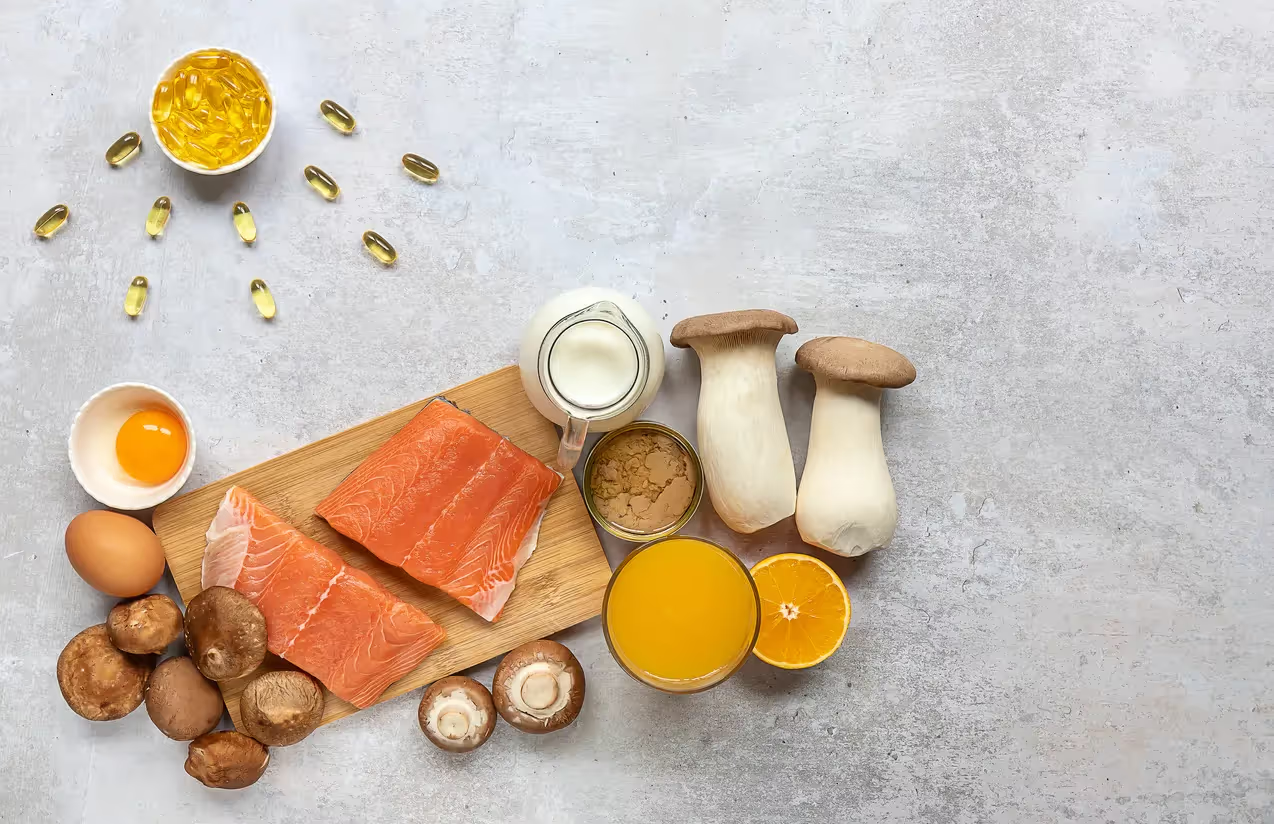
Dietary sources of omega-3 include animal and plant-based foods. You can find omega-3 fats in these foods:
- Salmon.
- Herring.
- Sardines.
- Trout.
- Flaxseeds.
- Chia seeds.
- Walnuts.
Vitamin D
Vitamin D may be a key nutrient for producing the AMH hormone, an indicator of ovarian reserve.
A 2017 study noted that individuals with sufficient vitamin D levels who underwent IVF had a higher chance of retrieving higher quality of embryos than those who were vitamin D deficient.
While it is not fully understood how vitamin D may play a role in egg quality, studies suggest that this sunny vitamin may play a role in preventing oxidative stress, creating a supportive follicular environment for healthy egg maturation.
Food Sources with Vitamin D
You can find vitamin D in these foods:
· Rainbow trout
· Salmon.
· Sardines.
· Milk.
· Kefir.
· Yogurt.
· Cheese.
· Fortified plant-based beverages.
Sunlight
Sunlight is the best form of vitamin D. Aim to get 5 to 30 minutes of sun exposure on most days of the week without sunscreen to allow the body to make the vitamin.
You may consider taking vitamin D supplements in the winter months or when you don't get much sunlight.
Vitamin D supplement
Your supplementation depends on your vitamin D levels, which a blood test can confirm.
Speak with your registered dietitian to find out what would be the right dosage for you.
Coenzyme Q10
Coenzyme Q10 (CoQ10) is naturally produced by the body.
It's also present in follicular fluid and may have antioxidant properties to protect premature eggs from oxidative stress to preserve their quality.
The levels of CoQ10 production decrease with age. Still, upping your intake of coenzyme Q10 in preparation for egg freezing may promote follicular development by enhancing the eggs' response to stimulation, resulting in a higher number of retrieved eggs.
Food sources with CoQ10
You can find CoQ10 in these foods:
· Meat.
· Dairy.
· Eggs.
· Plant-based foods.
During egg freezing, your fertility doctor may recommend you take a CoQ10 supplement.
However, the dosage may be individualized. Talk to your dietitian to find out what the right dosage is for you.
Inositol
Inositol is a naturally occurring sugar that is a part of the cell membrane structure and is essential in managing blood sugar and fertility.
Specifically, myo-inositol, one of the nine types of inositol, plays a key role in egg maturation.
Higher myo-inositol in the follicular fluid may help with the maturation process, producing higher-quality embryos and improving fertility.
Food Sources with Inositol
The main sources of inositol in foods are:
· Whole grains.
· Legumes.
· Nuts.
Zinc
Zinc is an essential mineral for cell division and metabolism in the body, including egg development.
This mineral also supports regulating inflammatory responses and oxidative stress, influencing the maturity and quality of eggs during maturation.
Lack of or low zinc levels may interfere with egg maturation and lower the egg's quality.
Zinc also plays an important role when the sperm fuses with the egg, resulting in a zinc spark where the egg reduces sperm motility and prevents more than one sperm from fertilizing the egg.
Food Sources with Zinc
Many foods have zinc, including:
· Oysters.
· Fish.
· Poultry.
· Meat.
· Beans.
· Nuts.
· Legumes.
· Fortified breakfast cereals.
· Whole grains.
Antioxidants
The body produces free radicals as a result of daily metabolic processes.
Your environment and lifestyle factors also influence your exposure to free radicals.
Typically, your body can fight them back.
But as the body ages, it becomes more challenging to fight against the effects of free radicals, resulting in more cell damage, leading to oxidative stress and degeneration, or what is commonly known as the aging process.
Antioxidants, on the other hand, protect body cells, including the human egg, from free radical damage by lessening their damage effects.
A follicular fluid environment low in or free of free radicals may support optimal egg maturity and maintain egg quality.
Food Sources with Antioxidants
Many foods contain antioxidants, including:
· Vegetables.
· Fruits.
· Nuts.
· Seeds.
Blood sugar balance
Uncontrolled blood sugar levels when you have prediabetes and diabetes can impact your fertility success.
Research also found that women with type 2 diabetes may have lower serum AMH levels compared to women who do not have diabetes.
These could be linked to the oxidative stress caused by high blood sugar levels, contributing to lower egg quality and quantity.
Keeping your blood sugar levels at a healthy range is vital to ensure the best possible outcome with your egg quantity and quality before egg retrieval.
You can find out about your blood sugar level by speaking with your doctor, who can order a blood test to check your blood sugar levels.
Is There a Diet for Egg Freezing?
There isn't a definitive diet tailored specifically for egg freezing.
It's also challenging to recommend a specific diet solely for egg freezing because everyone’s circumstances are different, and how much of a nutrient is absorbed can also vary from one person to another.
Research studies explored the association between dietary patterns and IVF outcomes, such as embryo development.
However, causation cannot be assumed, and the findings are inconclusive.
The evidence is also limited due to small study sizes.
More rigorous and standardized research is needed to determine the potential impact of dietary patterns on egg-freezing outcomes.
Still, there is some evidence citing that the diet plays a role in egg quality and reproductive outcomes, including those related to egg freezing.
A nutrient-dense and balanced diet consisting of carbohydrates, protein, and fats, specifically omega-3 fats and antioxidants, may improve egg quality and success during the egg freezing process.
Lifestyle Changes for Egg Freezing
If you plan to freeze eggs, consider making lifestyle changes well in advance.
Not only will these lifestyle changes impact your egg health, but they may also improve your overall health and well-being.
Quit drinking
Drinking alcohol regularly may decrease your egg quality, affecting the viability of the embryo, according to a 2022 review.
While the cause-and-effect of how alcohol could impact egg quality, the same review cited that women who drank more than 7 drinks per week were also less likely to conceive than those who didn't drink at all.
Quit smoking
Quitting smoking may improve fertility success.
The chemicals in cigarettes could damage the genetic material in eggs, leading to lower quality and viability of eggs.
Manage stress
Chronic stress may be linked to the rise in free radicals due to persistent oxidative stress, which overwhelms and wears out the antioxidants' defense abilities.
While including CoQ10 as part of the diet may protect the eggs from oxidative stress, stress management techniques, such as meditation, yoga, and counseling, may also help manage ongoing stress.
{{splash}}
Takeaway
As you prepare for egg freezing, it’s important to remember that many factors influence your egg quality, including your diet quality and food choices
While there isn't an egg-freezing diet, eating a balanced and nourishing diet supports good overall health and lowers inflammation, which could lead to oxidative stress.
Certain nutrients, including omega-3 fats, vitamin D, inositol, and antioxidants, may also support egg development and quality.
Keeping your blood sugar levels within range may help your fertility success.
Finally, other factors like alcohol, smoking, and stress can also impact your egg quality and quantity.
Quitting drinking and smoking, as well as finding ways to manage stress, may also improve your egg quality and quantity.
How a Dietitian Can Help
A registered dietitian is a nutrition expert and licensed health care professional.
They offer individualized nutrition advice based on your health goals.
Find a dietitian specializing in women's health near you as you plan your egg-freezing journey.
Frequently Asked Questions
References
View all references
Murphy, B. D. (2004). Luteinization. In Elsevier eBooks (pp. 185–199).
Office of Dietary Supplements - Omega-3 fatty acids. (n.d.).
Omega-3 Fatty Acids - Consumer
Food sources of vitamin D | Dietary guidelines for Americans. (n.d.).
Srivastava, S. (2021). Vitamin D: Do We Need More Than Sunshine? Am J Lifestyle Med, 15(4):397-401.
Sood, B., Patel, P., & Keenaghan, M. (2024, January 30). Coenzyme Q10. StatPearls - NCBI Bookshelf.
Office of Dietary Supplements - Zinc. (n.d.).
Nourish has strict sourcing policies and prioritizes primary sources, including medical organizations, governmental agencies, academic institutions, and peer-reviewed scientific journals. Learn more about our medical review process and editorial guidelines.