What Should Blood Sugar Be At Bedtime For Prediabetes?

Medical Reviewer: Lindsay Cohen, RDN, LDN, CDCES, NBC-HWC

Author: Jennifer Huddy, MS, RD, LD

Summary
- Because self-monitoring of blood sugar levels is not a standard recommendation for prediabetes, target blood sugar ranges for bedtime haven’t been established.
- If you choose to check your blood sugars at home with a glucometer or continuous glucose monitor, talk with your doctor for guidance on when to test and ideal blood sugar targets.
- Diet and lifestyle habits like eating balanced meals, prioritizing sleep, and regularly exercising are key in preventing type 2 diabetes.
If you’ve been diagnosed with prediabetes, you may wonder if it’s necessary to monitor your blood sugar levels at home and, if so, what the target ranges should be.
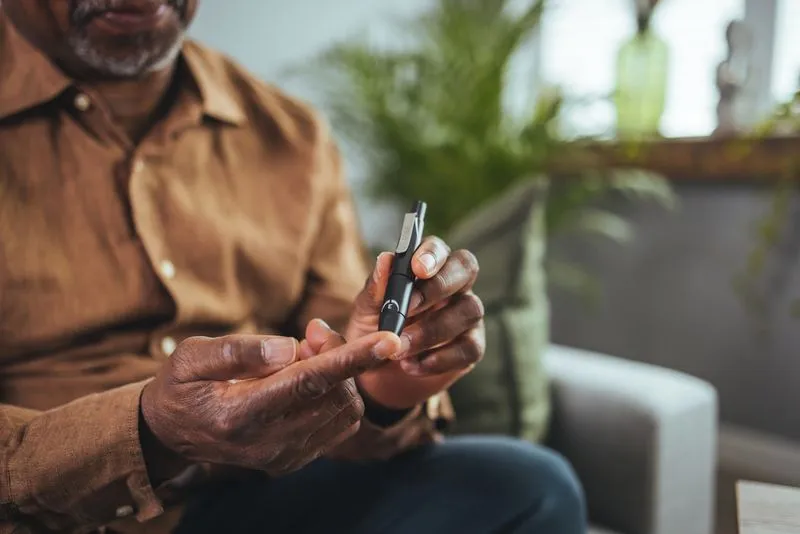
While this isn’t a standard recommendation for people with prediabetes, some individuals choose to use a glucometer or continuous glucose meter (CGM) to keep track of their blood sugar levels at home.
Continue reading to learn about the ideal blood sugar ranges for prediabetes at bedtime and other times of the day.
{{splash}}
Target Blood Sugar Levels for Prediabetes
The American Diabetes Association (ADA) Standards of Medical Care for Prediabetes do not include a recommendation to monitor blood sugar levels at home.
These standards advise getting a blood test through your healthcare provider to screen for type 2 diabetes at least once per year.
If you’re diagnosed with type 2 diabetes, most doctors recommend you begin self-monitoring your blood sugar levels.
They’ll provide specific target ranges for different times of the day, such as first thing in the morning, after eating, or before bed.
Because checking your blood sugar levels at home isn’t a standard recommendation for people with prediabetes, the ADA doesn’t provide target blood sugar ranges for this population.
If you choose to purchase a glucometer or continuous glucose monitor to track your blood sugars on your own, talk to your doctor about how to interpret your readings.
What Should Blood Sugar Be at Bedtime for Prediabetes?
There isn’t a standard recommendation for target blood sugar levels at bedtime in prediabetes.
Your bedtime blood sugar levels will depend on what time you ate dinner and whether you had an evening snack.
Your doctor may provide an individual bedtime blood sugar goal if you’d like to monitor your blood sugars at this time.
Adults with diabetes should aim for a bedtime blood sugar range of 90-150 mg/dL, but goals may vary.
Talk with your healthcare provider if your blood sugar is routinely higher than this with prediabetes.
Fasting
When you test your blood sugars first thing in the morning, it’s considered a fasting blood sugar level.
Healthcare providers use the following criteria to diagnose prediabetes and type 2 diabetes.
- Normal: 70-99 mg/dL.
- Prediabetes: 100-125 mg/dL.
- Type 2 diabetes: 126 mg/dL or higher.
If you have prediabetes, your fasting blood sugar level should ideally be under 125 mg/dL.
After Meals
Post-meal blood sugar levels are typically checked two hours after eating.
The American Diabetes Association has not established a post-meal blood sugar target for prediabetes.
For people without prediabetes or diabetes, a normal blood sugar reading after meals is under 140 mg/dL.
The target blood sugar range for people with type 2 diabetes is less than 180 mg/dL two hours after a meal.
If you have prediabetes and are routinely noticing post-meal blood sugars over 180, talk to your doctor for further assessment.
Why is Bedtime Blood Sugar Important?
Having an elevated blood sugar level at bedtime may result in a high fasting blood sugar reading the following morning.
When your morning blood sugars are consistently high, it may cause your A1c (three-month blood sugar average) to increase over time.
This is a concern for prediabetes because an increase in A1c could put you in the type 2 diabetes range.
- Prediabetes: A1c of 5.7-6.4%.
- Type 2 diabetes: A1c of 6.5% or higher.
Learn more about calculating your A1c at home.
What Happens to Blood Sugar Overnight?
Several biological processes occur overnight that impact blood sugar management.
Dawn Phenomenon
As morning approaches, but before you wake up, your body releases hormones that tell your liver to make glucose (sugar) to prepare for the energy needs of the day.
In response, your pancreas releases insulin to keep your blood sugar levels from becoming too high.
However, if you have insulin resistance, your body may be unable to keep your blood sugars stable, resulting in an elevated morning blood sugar reading.
This is known as the dawn phenomenon, which is more common in people with diabetes.
Somogyi Effect
Sometimes, blood sugar levels become too low overnight (hypoglycemia).
Your body will overcompensate by making more glucose, which can cause a high blood sugar reading in the morning.
This process is called the Somogyi effect and is more typical in people with diabetes, especially those on insulin therapy.
Causes of High Blood Sugar at Night
Diet and lifestyle factors can also contribute to elevated blood sugar levels in the evening and overnight.
You may notice a higher bedtime blood sugar reading when you eat a larger dinner or evening snack.
It may be helpful to keep a log of what you ate in the evening on days you notice this.
Keeping track of the trends can help you identify which meals your blood sugar responds the best to.
The following factors may also contribute to elevated evening blood sugar levels:
- Alcohol intake.
- High stress levels.
- Drinking sugary beverages.
- Being sick.
Preventing Blood Sugar Spikes at Night
You can take steps to manage your blood sugar levels in the evening and throughout the night.
These include adjusting your evening food choices, incorporating exercise, and prioritizing sleep.
Limit High-Carb and Sugary Foods Before Bed
Foods that contain refined carbohydrates or added sugars can lead to blood sugar spikes.
Eating too many of these foods before bed can impact your overnight blood sugar levels.
Working with a registered dietitian can be helpful for figuring out how to modify your dinner and evening snacks to be more blood-sugar friendly.
Incorporate Protein and Fiber into Your Evening Meal
Balance your dinner meal by including lean proteins, high-fiber carbohydrates, and healthy fats.
This will help regulate your evening blood sugar levels and keep you satiated.
A good rule of thumb is to fill ¼ of your plate with carbohydrates, ¼ with protein, and ½ with non-starchy vegetables, like zucchini or spinach.
Focus on choosing high-fiber carbohydrates with dinner, such as:
- Brown rice.
- Quinoa.
- Whole wheat pasta.
- Barley.
- Beans.
- Lentils.
Balance Your Evening Snack
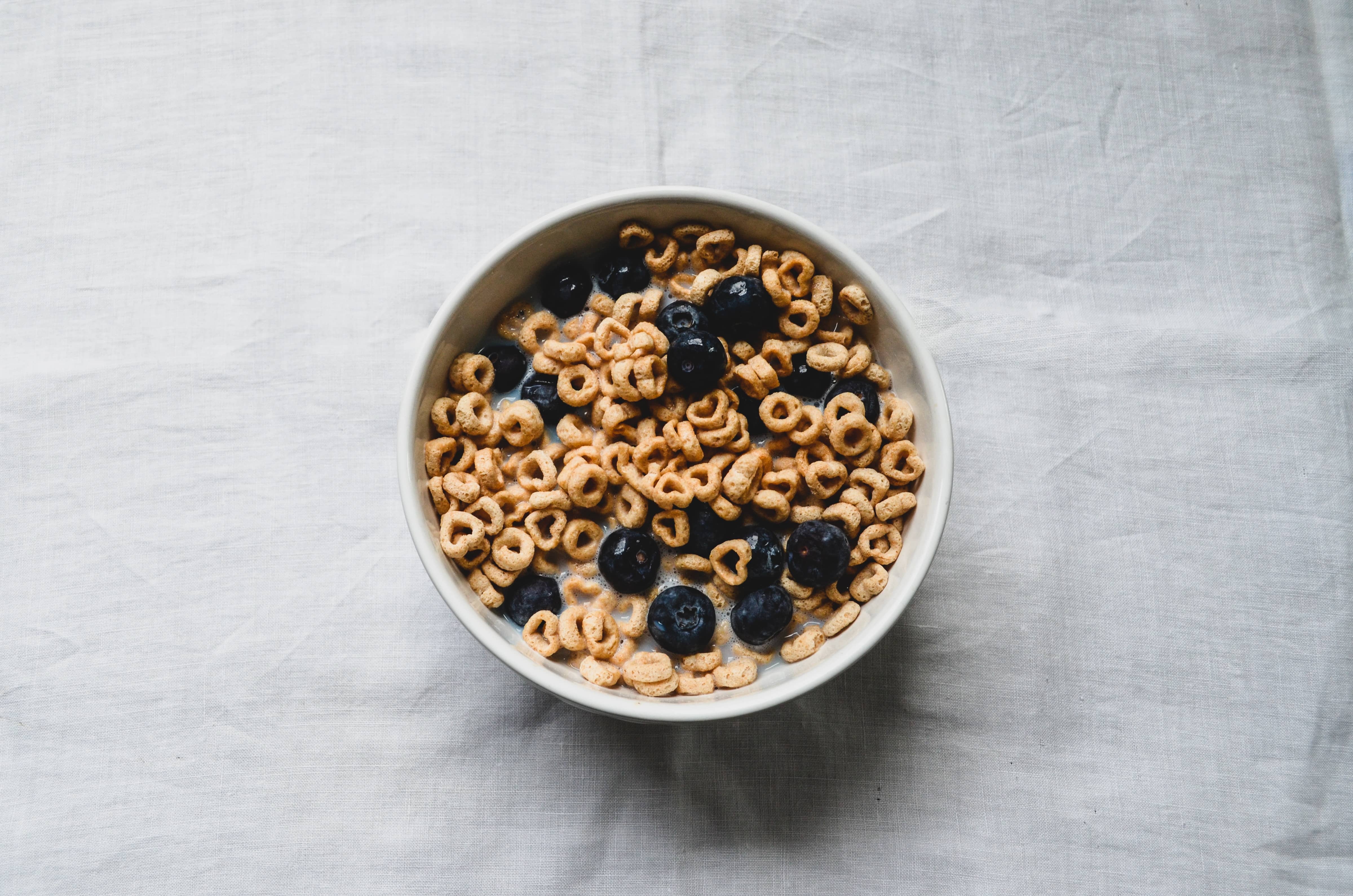
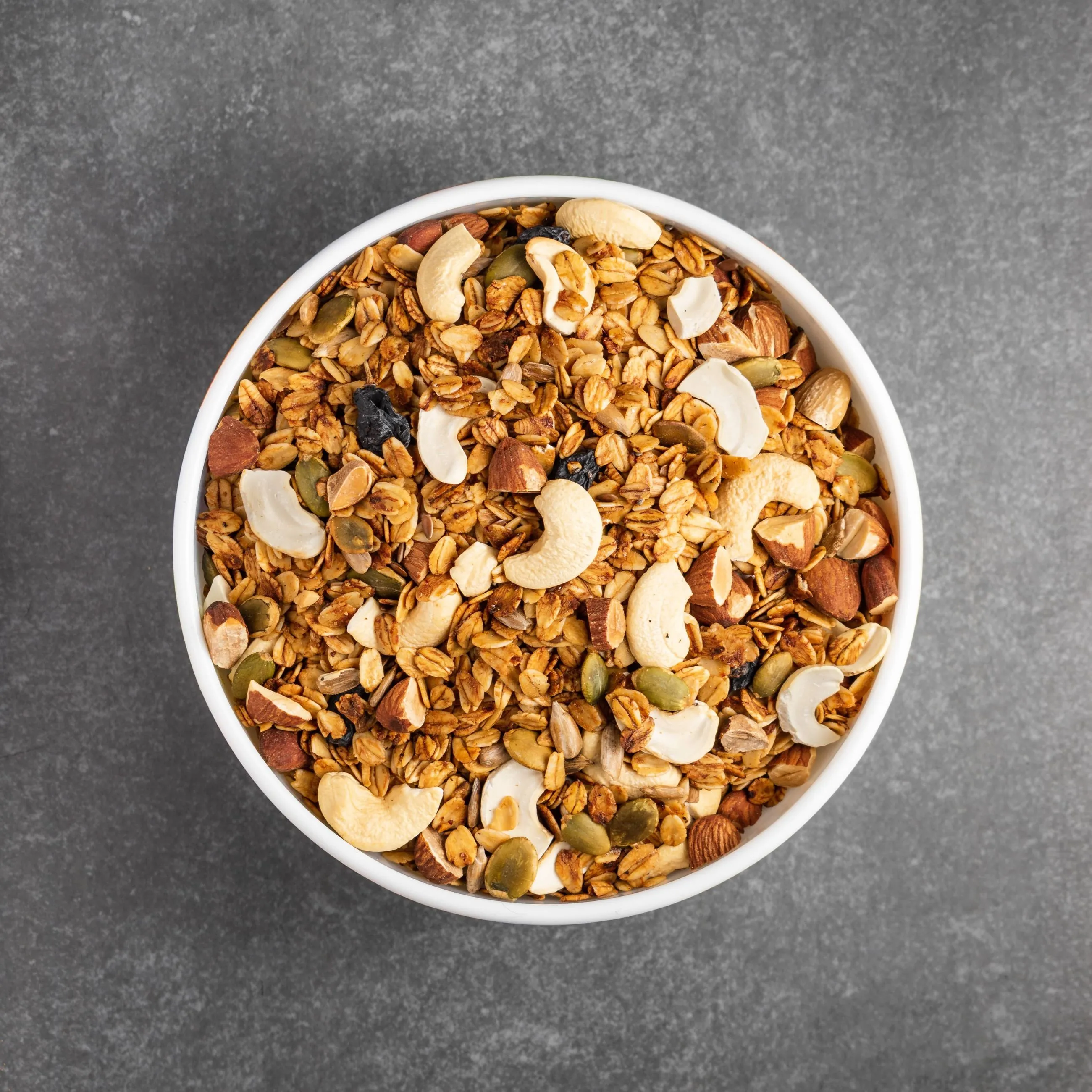
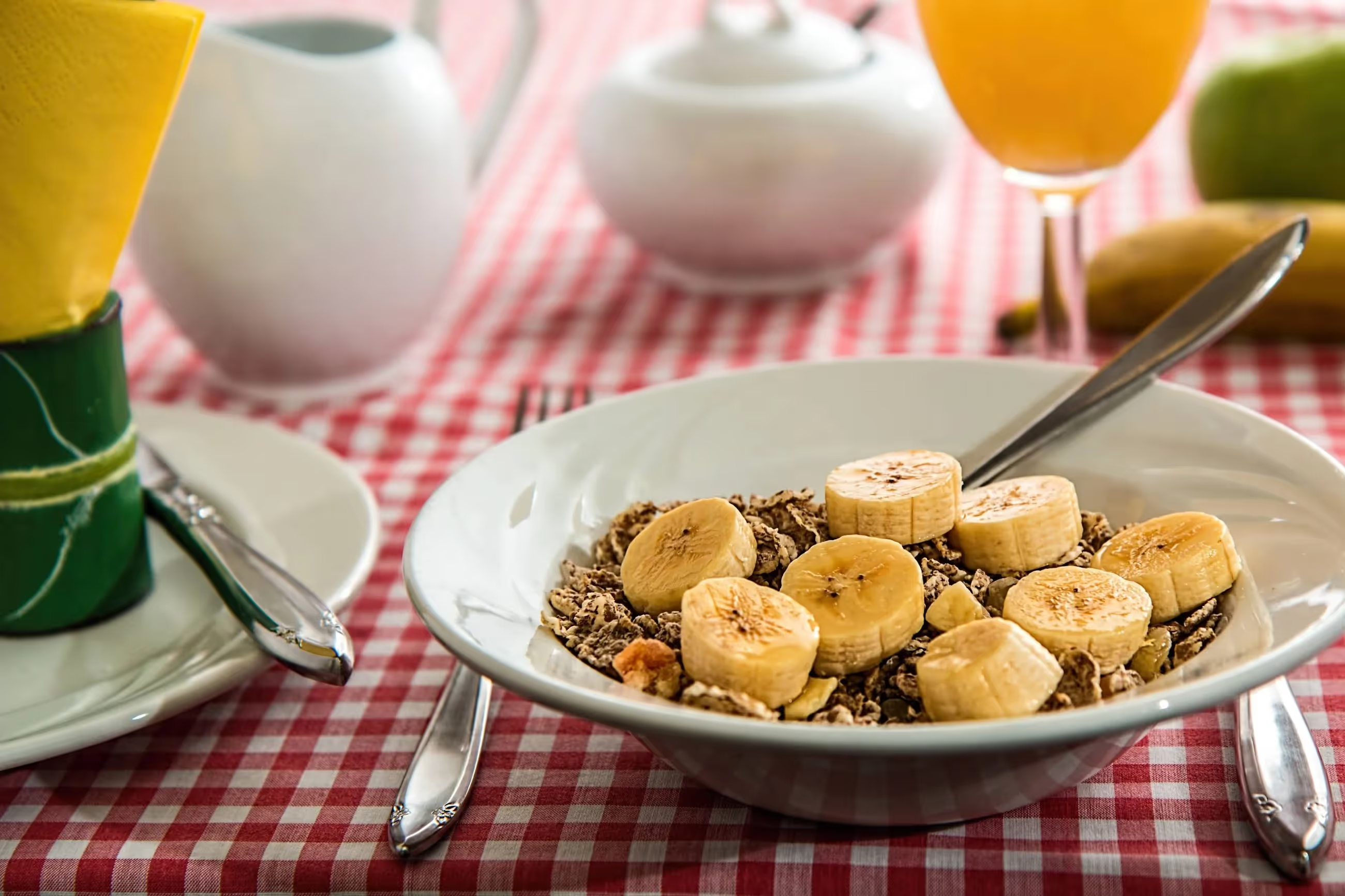
If you eat a bedtime snack, consider adding fiber by incorporating whole-grain crackers, fruit, or air-popped popcorn.
Include a protein source with options like cottage cheese, Greek yogurt, and peanut butter.
Follow an Exercise Routine
Regular exercise can help manage your blood sugar levels throughout the day and night and can also assist with weight management.
Experts recommend at least 30 minutes of aerobic exercise most days of the week. Strength training and stretching are also very beneficial.
Going for a light walk after dinner can be a great way to keep your evening blood sugar levels in check.
Stick to a Regular Sleep Schedule
Getting enough hours of high-quality sleep each night can help manage your blood sugar levels.
Research shows that people who don’t sleep enough have higher fasting insulin and blood sugar levels, which increase the risk of developing type 2 diabetes.
Chronic sleep deprivation can also make insulin resistance worse.
Experts recommend 7-9 hours of sleep per night for adults.
Talk to your doctor if you have concerns about the quality of your sleep.
Other Tips for Maintaining Healthy Blood Sugar Levels
Diet and lifestyle changes are the primary tools for managing prediabetes.
In addition to prioritizing balanced meals and snacks, exercising regularly, and getting enough sleep, other healthy habits can help with blood sugar management in prediabetes.
Set small, realistic goals to work towards building positive diet and lifestyle habits, such as:
- Eating at consistent times and not skipping meals.
- Limiting alcohol intake.
- Limiting sugar-sweetened beverages.
- Managing stress levels.
- Quitting smoking.
- Managing weight.
Work with your healthcare team to get regular screenings for diabetes.
This may be annual or more frequent, depending on your doctor’s recommendation for you.
In some cases, medications like Metformin and Victoza are recommended to help people with prediabetes manage their blood sugar levels and reduce the risk of developing diabetes.
{{splash}}
Takeaway
Monitoring blood sugar levels at home isn’t a standard recommendation for people with prediabetes.
Therefore, target blood sugar ranges for bedtime and after meals haven’t been established for the prediabetes population.
Some people with prediabetes choose to get a glucometer or continuous glucose monitor so they can test their blood sugar levels throughout the day.
If you’re interested in this, talk with your healthcare team about when to test and what blood sugar levels are ideal for you.
How a Dietitian Can Help
Diabetes prevention can feel overwhelming, especially if you’ve been diagnosed with prediabetes.
A registered dietitian can give you evidence-based information on diet and lifestyle changes to manage blood sugar levels and meet your health goals.
Find a dietitian specializing in prediabetes to build healthy habits and reduce your risk of developing diabetes.
Frequently Asked Questions
What is a good blood sugar level for a person with diabetes before bed?
In general, your blood sugar reading at bedtime should be between 90-150 mg/dL if you have type 2 diabetes. However, your target blood sugar goals set by your doctor may vary depending on:
- The time you usually eat dinner.
- Whether you eat a bedtime snack.
- Your goals of treatment.
If you frequently experience morning blood sugar levels that are too high or too low, your healthcare provider may ask you to check your blood sugar before going to bed each night.
If your blood sugar reading is outside of the range your doctor has set for you, talk about how diet, lifestyle, or medication changes can help manage this.
What should a prediabetic blood sugar be?
A fasting blood sugar level between 100-125 mg/dL is classified as prediabetes. If your fasting blood sugar rises to 126 mg/dL or higher, it will enter the range for a type 2 diabetes diagnosis.
Most people with prediabetes should get their blood sugar levels checked by a healthcare provider at least once per year to screen for diabetes.
What time should a person with prediabetes stop eating at night?
Some people with prediabetes or diabetes benefit from having a balanced bedtime snack to manage their blood sugar levels overnight and in the morning. Alternatively, other people may do well without snacks after dinner.
Talk with your doctor or dietitian about the optimal eating schedule for you.
References
View all references
Nourish has strict sourcing policies and prioritizes primary sources, including medical organizations, governmental agencies, academic institutions, and peer-reviewed scientific journals. Learn more about our medical review process and editorial guidelines.










.avif)




%20(1).webp)

.avif)


.avif)










.avif)











































.avif)

.avif)