7-Day Meal Plan For Energy: Foods To Eat & Avoid

Medical Reviewer: John Markell, RDN, LDN, CDN, CPT

Author: Jennifer Huddy, MS, RD, LD

Summary
- Balanced meals with complex carbohydrates, lean proteins, and healthy fats help to provide long-lasting energy.
- Habits like staying hydrated and exercising can also help with energy.
- Sometimes, low energy can be caused by medical issues, like a vitamin deficiency or a chronic condition.
If you frequently experience a mid-day energy crash or feel fatigued, you may wonder if your food choices are impacting your energy levels.
Including specific foods in your diet and practicing other healthy habits, like good hydration, can help you stay energized throughout the day.
Read this article to learn more about optimizing your food choices and eating habits to fight fatigue.
A free 7-day meal plan for energy and productivity is included.
{{splash}}
How Does Food Impact Energy Levels?
Several nutritional habits, including food choices, eating frequency, and hydration, can influence how energized you feel during the day.
If you often have low energy, start by being mindful of the following factors.
Food Choices
Foods high in sugar, such as desserts and sodas, are rapidly digested and absorbed, and can often give your body shorter-lasting bursts of energy.
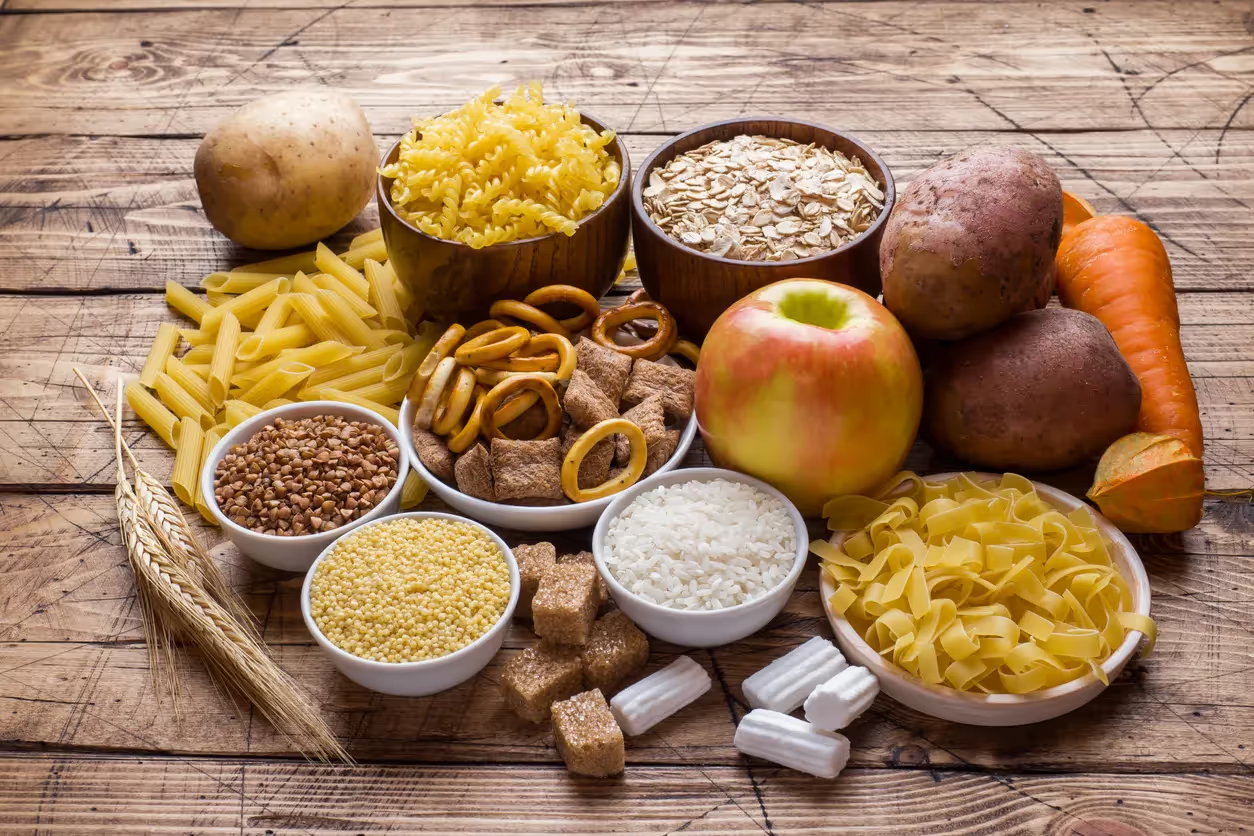
On the other hand, high-fiber complex carbohydrates, like oatmeal, brown rice, and whole wheat pasta, are digested slower and can help provide sustained energy over a longer period of time.
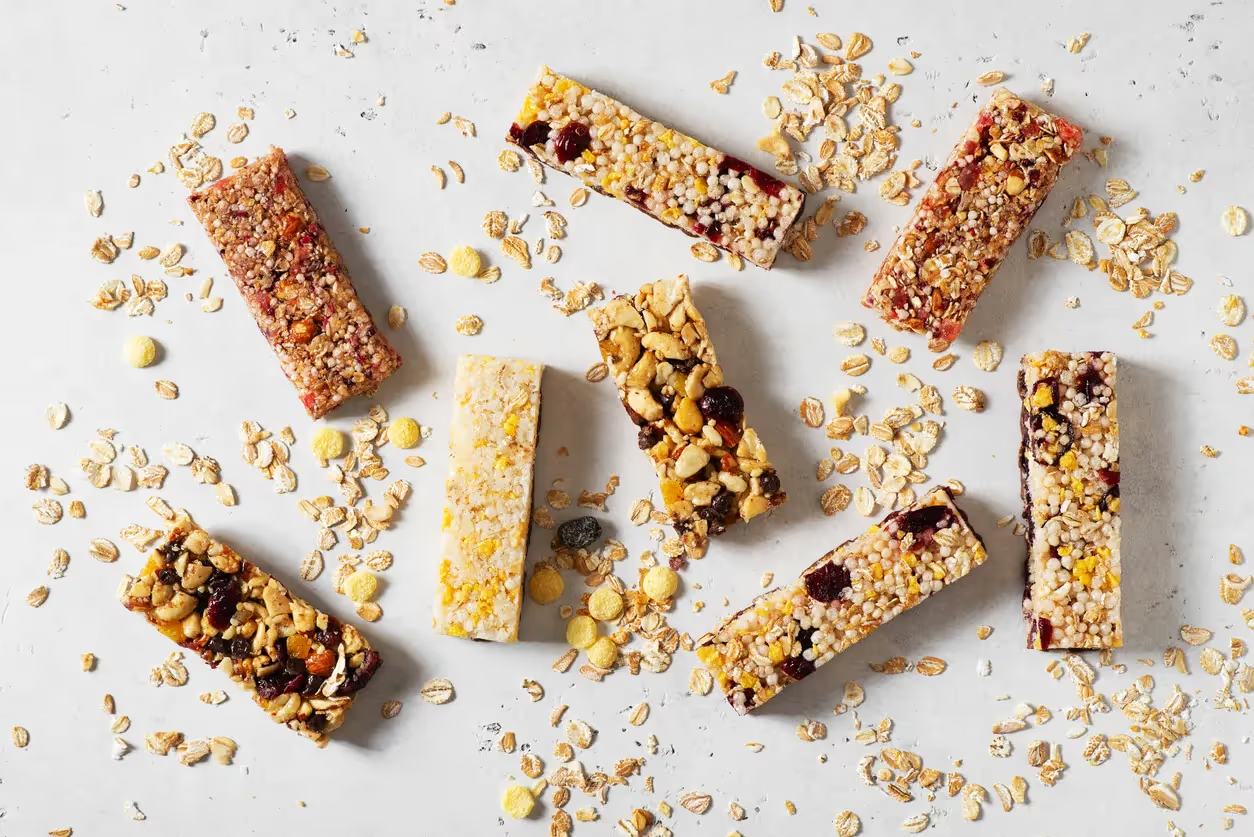
Keeping your energy levels stable throughout the day by focusing on small, frequent, fiber-rich meals and snacks may also be helpful.
Regular Meals and Snacks
Eating every three to four hours may give you the nutrition you need to stay energized all day.
This eating pattern might also keep you from getting over-hungry and overeating at meals, which could leave you feeling sluggish afterward.
Also, frequently skipping meals or going long periods without eating can negatively impact your energy levels and productivity.
It’s also important to eat enough calories to stay energized.
Very restrictive weight loss diets can decrease your energy levels and come with other health risks, especially if you’re physically active.
Talk with a registered dietitian to learn a healthy calorie goal for you.
Nutrient Deficiencies
An inadequate intake of specific vitamins and minerals can contribute to low energy and fatigue.
For example, an iron deficiency can cause fatigue and weakness.
A vitamin B12 deficiency can also contribute to low energy levels and sometimes causes fatigue during exercise.
If you suspect you have one or more vitamin deficiencies, talk to your doctor about getting lab work done to determine any potential deficiencies you may have
Other Lifestyle Habits
Other healthy lifestyle habits can help improve your energy levels, including:
- Get at least 150 minutes of exercise per week.
- Limit alcohol.
- Stay well-hydrated.
- Prioritize at least seven hours of sleep each night.
- Quit smoking if you smoke.
If you’re feeling low energy and fatigue despite making healthier changes to your diet and lifestyle, talk to a doctor about possible medical causes, including:
- Chronic fatigue syndrome.
- Certain medications, including antidepressants and antihistamines.
- Depression or anxiety.
- Infections.
- Sleep apnea.
- Certain medical procedures like chemotherapy or radiation.
- Chronic diseases, such as diabetes, kidney disease, and thyroid diseases.
Foods to Avoid for More Energy
Research shows that overeating or consuming a calorie-dense meal can make you feel tired as your body works to digest it.
Listening to your hunger and fullness cues and focusing on smaller, more frequent meals throughout the day could help prevent post-meal energy dips.
Foods that are calorie-dense, high in added sugars, and low in fiber may contribute to low energy levels.
These include:
- Sugary foods and beverages, like candy, sodas, and ice cream.
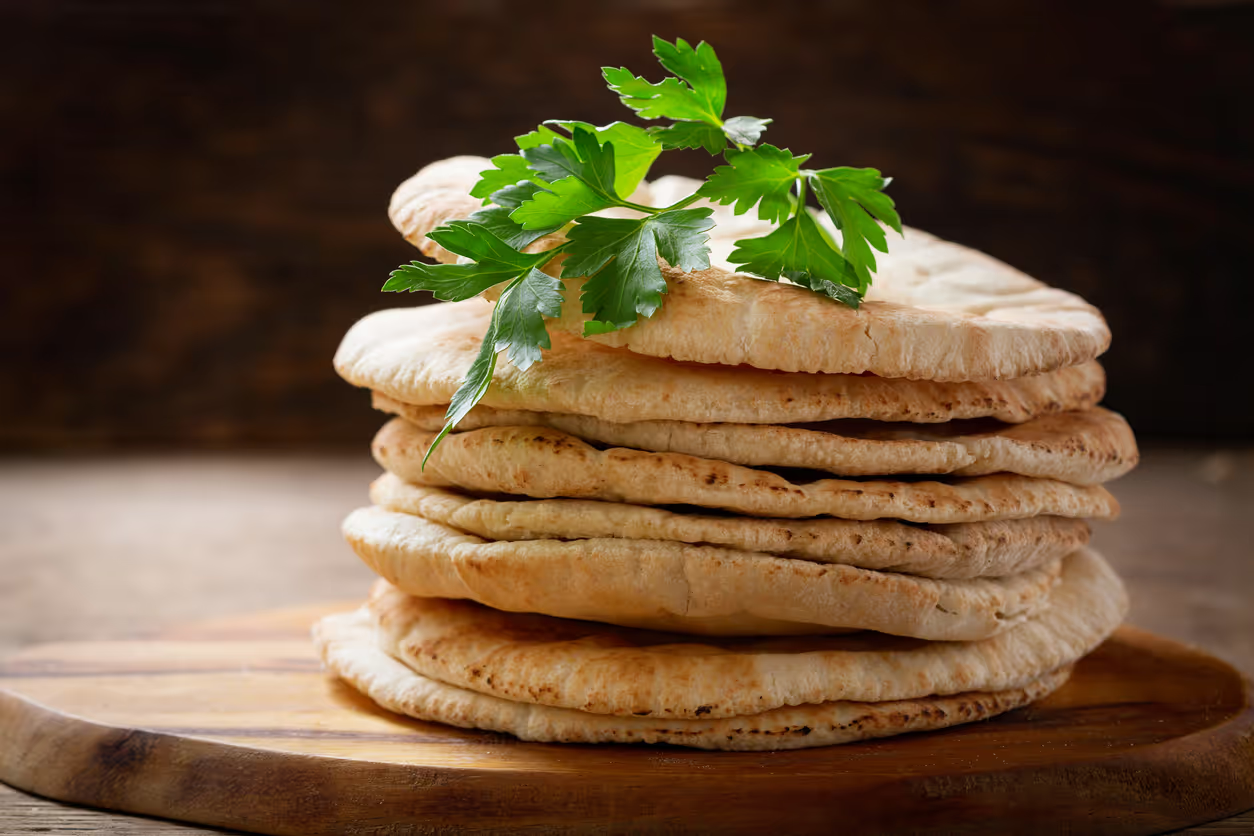
- Refined carbohydrates, like white bread and white rice.
- Certain ultra-processed foods, like fast food, packaged cookies, and chips.
- Alcohol.
Caffeine
Most American adults consume caffeine daily in the form of coffee, tea, energy drinks, and caffeinated sodas.
When consumed in moderation, caffeine can improve energy and alertness.
Research shows that two eight-ounce cups of coffee per day can have this effect.
However, in excess, caffeine can spike anxiety, increase blood pressure levels, and make it difficult to sleep, which can make your energy levels worse in the long run.
The Food and Drug Administration advises adults to consume less than 400 milligrams of caffeine daily, the amount found in four or five cups of coffee.
Experts recommend against energy drinks due to higher caffeine concentrations and added sugars.
What to Eat for an Energy Boost
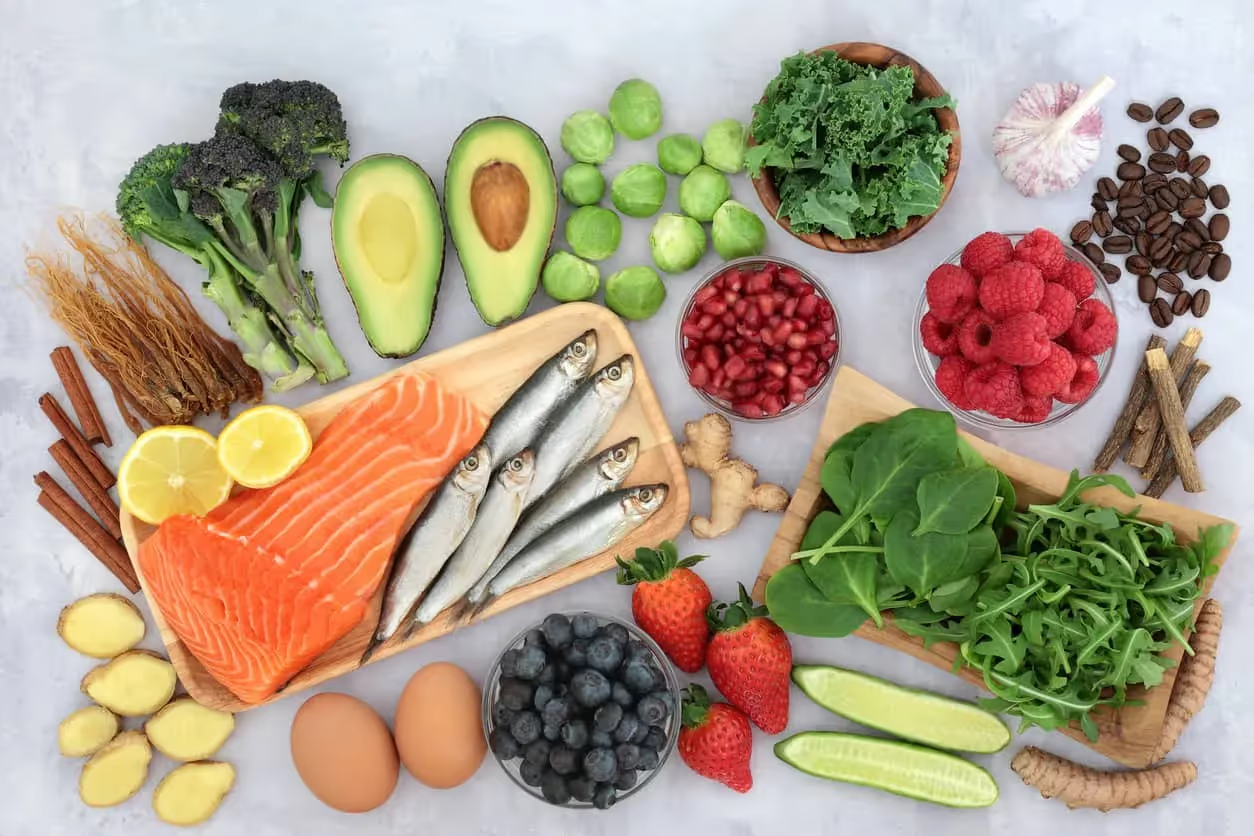
Because fatigue can be tied to certain kinds of inflammation, research has examined how an anti-inflammatory eating pattern, like the Mediterranean diet, may improve energy levels and fatigue.
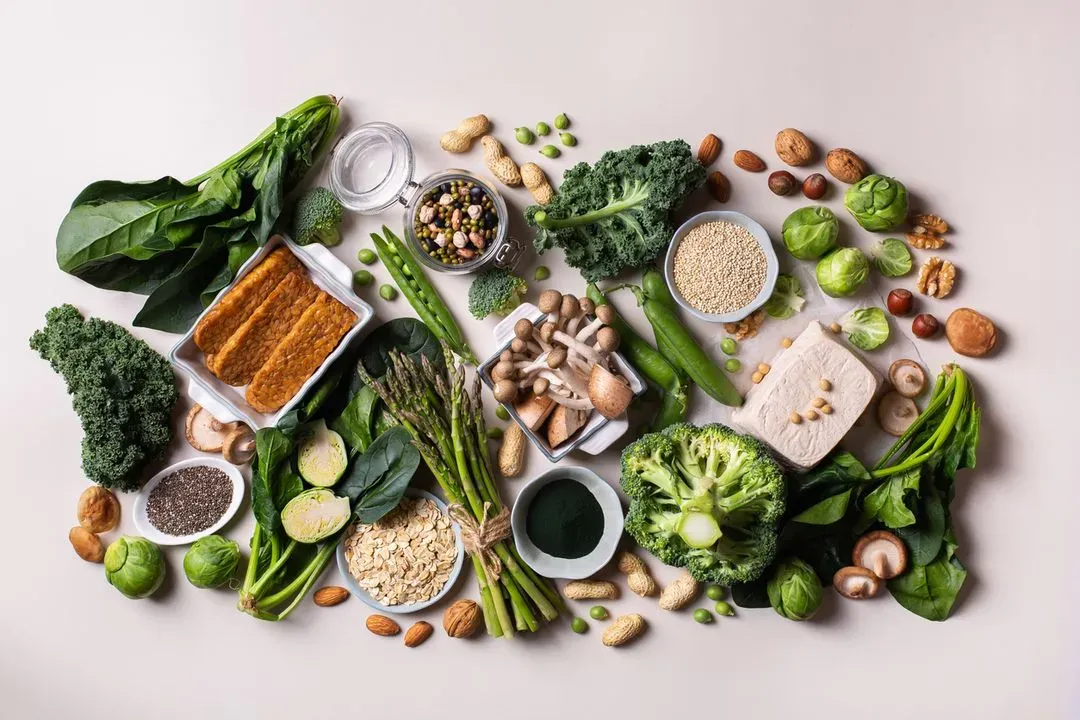
The Mediterranean diet is rich in whole grains, legumes, fish, lean meat, fruits, vegetables, nuts, and olive oil.
The diet is thought to benefit fatigue because of its anti-inflammatory properties like high concentrations of fiber and omega-3 fatty acids.
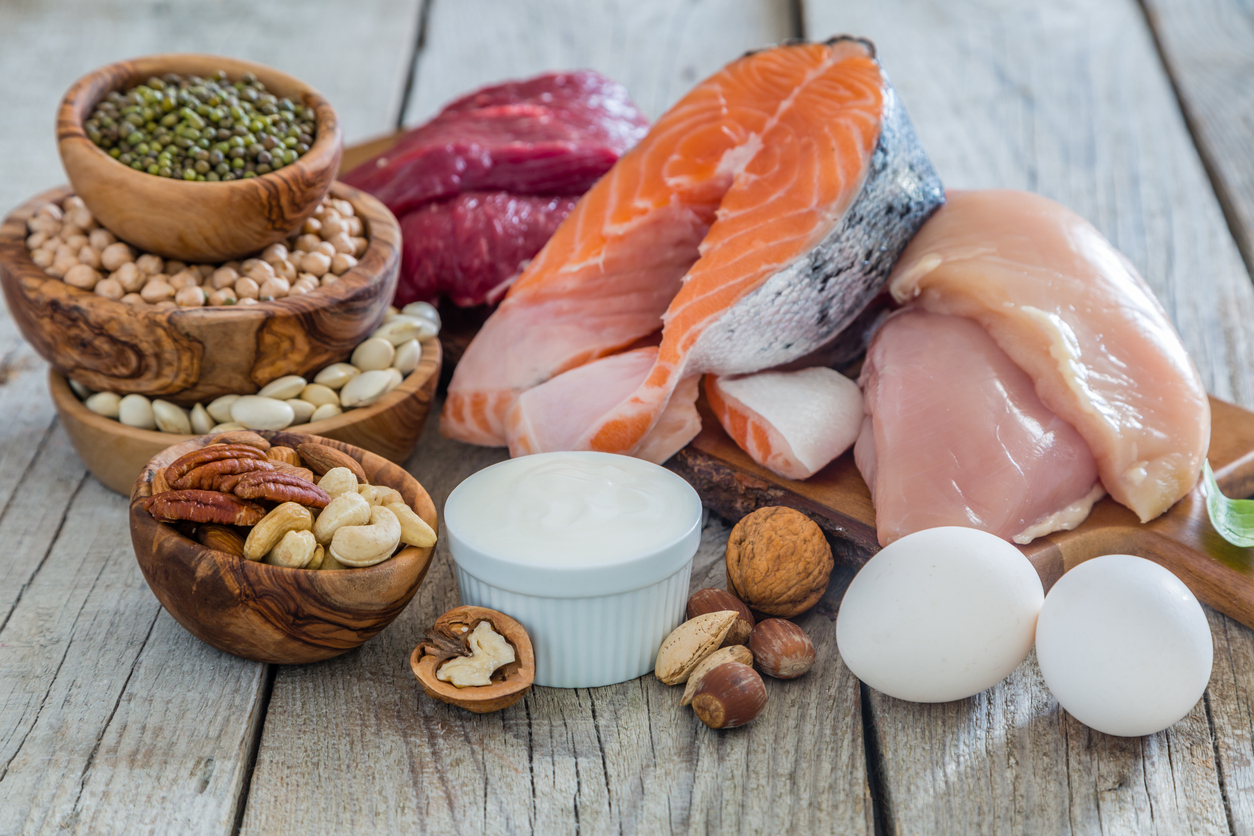
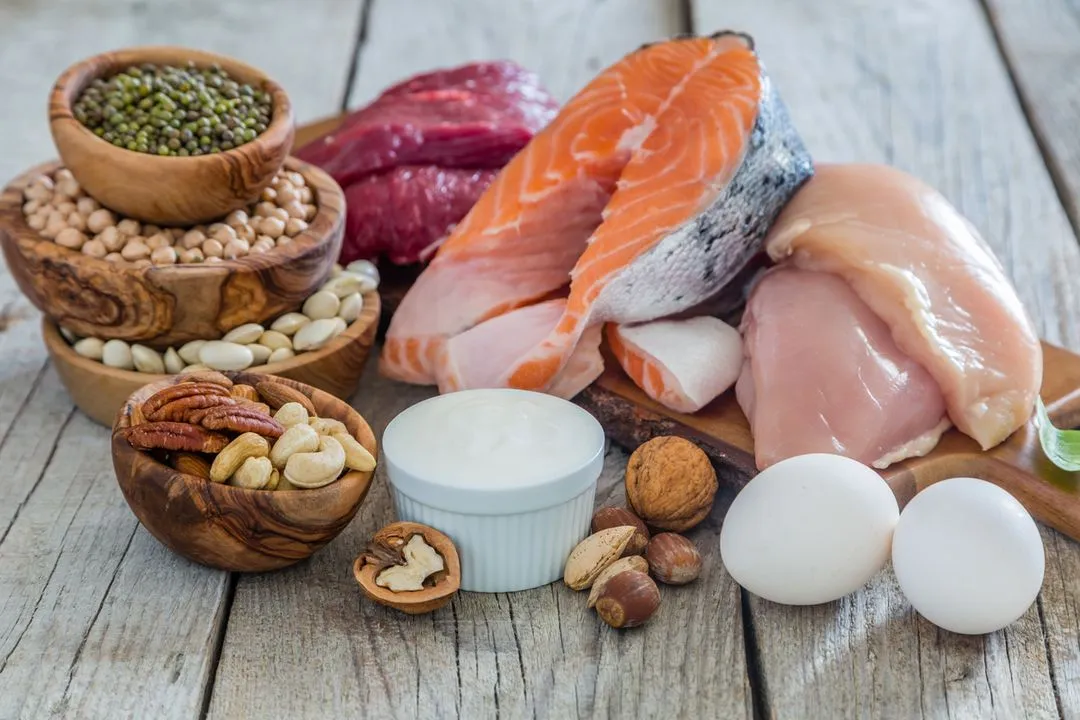
For long-lasting energy, try balancing each meal with the minimally processed options from the following food groups:
- Lean protein, like chicken, fish, or tofu.
- Fiber-rich carbohydrates, including whole grains like oats and beans.
- Healthy fats, such as olive oil, nuts and seeds, and avocado.
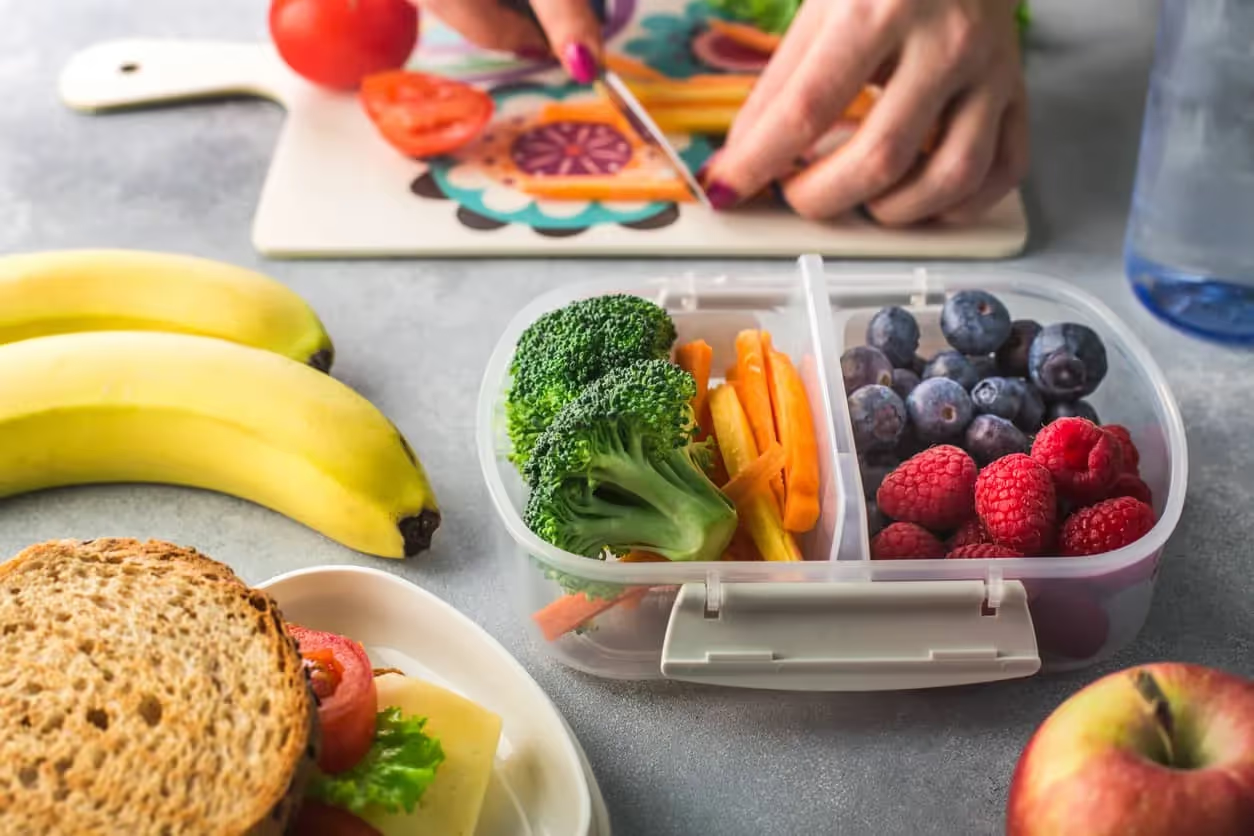
- Fruits and vegetables (choose a variety of colors).
Specific Nutrients
Though more human research is needed, some studies have shown the benefit of specific nutrients, like omega-3 fatty acids and compounds called polyphenols, on fatigue.
Omega-3 fats are found in oily fish, like salmon and tuna. The plant-based form of omega-3 (ALA) is found in foods like flaxseeds, walnuts, and soybeans.
Polyphenols are in plants, including green tea, vegetables, berries, and nuts.
Meal Plan for Energy
Below is a 7-day meal plan for energy that incorporates anti-inflammatory foods like whole grains, legumes, fruits, vegetables, and nuts.
The plan provides enough options for three meals and two snacks per day.
If you have wheat allergies or follow a gluten-free diet, you can substitute grains like quinoa, gluten-free oats, gluten-free bread, and brown rice as needed.
You can add flavor with herbs and spices, like cinnamon and pumpkin spice, if you prefer instead of honey.
For those with tree nut allergies, sunflower seeds, sunflower butter, or pumpkin seeds can be a substitution for nuts or peanut butter.
This meal plan is not a replacement for medical advice.
Talk with your doctor if you have chronic fatigue of an unknown cause.
Consult with a registered dietitian for individualized diet guidance, portion sizes, and lifestyle recommendations.
Day 1
Breakfast
Apple cinnamon steel-cut oats (meal prep-friendly).
Note: Cook the oats in cow’s milk or soy milk for more protein. Top with chopped nuts or a drizzle of minimally processed nut/seed butter.
Lunch
Crunchy green salad with avocado and dill chickpeas.
Optional: add thinly sliced or shredded baked skinless chicken breast for extra protein.
Dinner
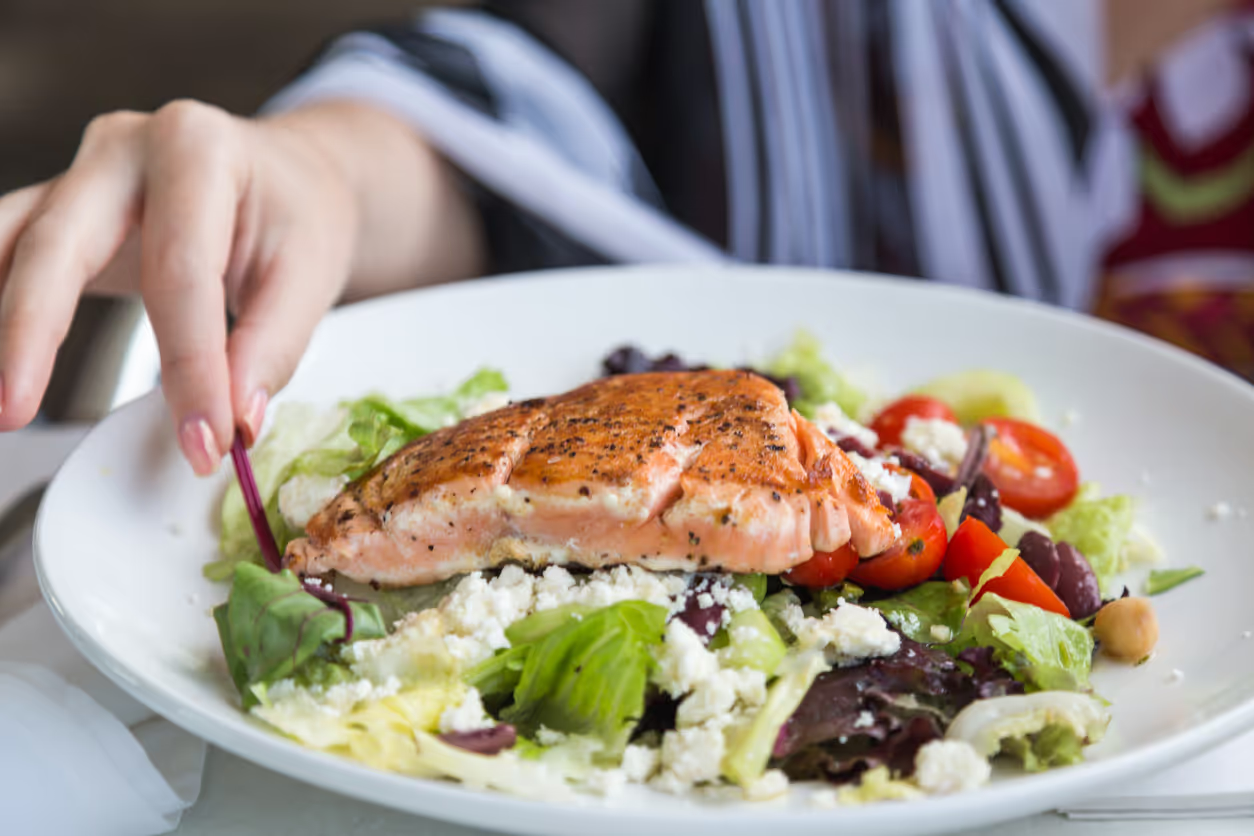
One-pan Mediterranean salmon with brown rice and lemon herb feta.
Snacks
Plain nonfat Greek yogurt with berries and a drizzle of honey.
Day 2
Breakfast
Avocado cottage cheese toast on whole-grain bread. Serve with a side of fruit.
Lunch
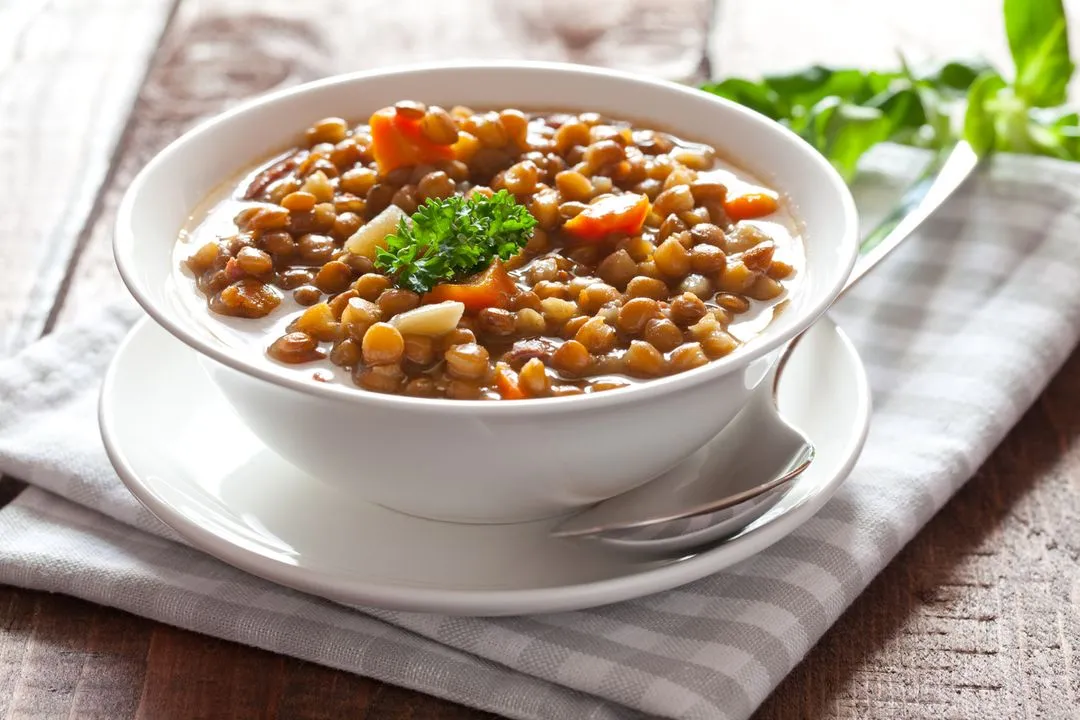
Coconut sweet potato lentil soup.
Dinner
15-minute roasted chicken and veggies served with whole grain pasta.
Snacks
Dried apricots with walnuts.
Day 3
Breakfast
Green protein smoothie (made with nonfat Greek yogurt, milk, banana, frozen fruit, nut butter, flax seeds, and spinach)
Lunch
Super green grain salad with toasted walnut dressing.
Dinner
Lemon pepper tofu with roasted asparagus and red potatoes.
Snacks
Apple with nut or seed butter.
Whole grain crackers and a string cheese stick.
Day 4
Breakfast
Tofu scramble with veggies served in a whole wheat tortilla as a breakfast burrito or with a side of whole-grain toast.
Lunch
Apple-swiss turkey sandwich on whole-grain bread.
Dinner
Cuban-inspired vegan picadillo (made with lentils). Serve with brown rice or roasted plantains.
Snacks
Vanilla chia pudding with fresh fruit.
Rice cakes with peanut butter, honey, and hemp seeds.
Day 5
Breakfast
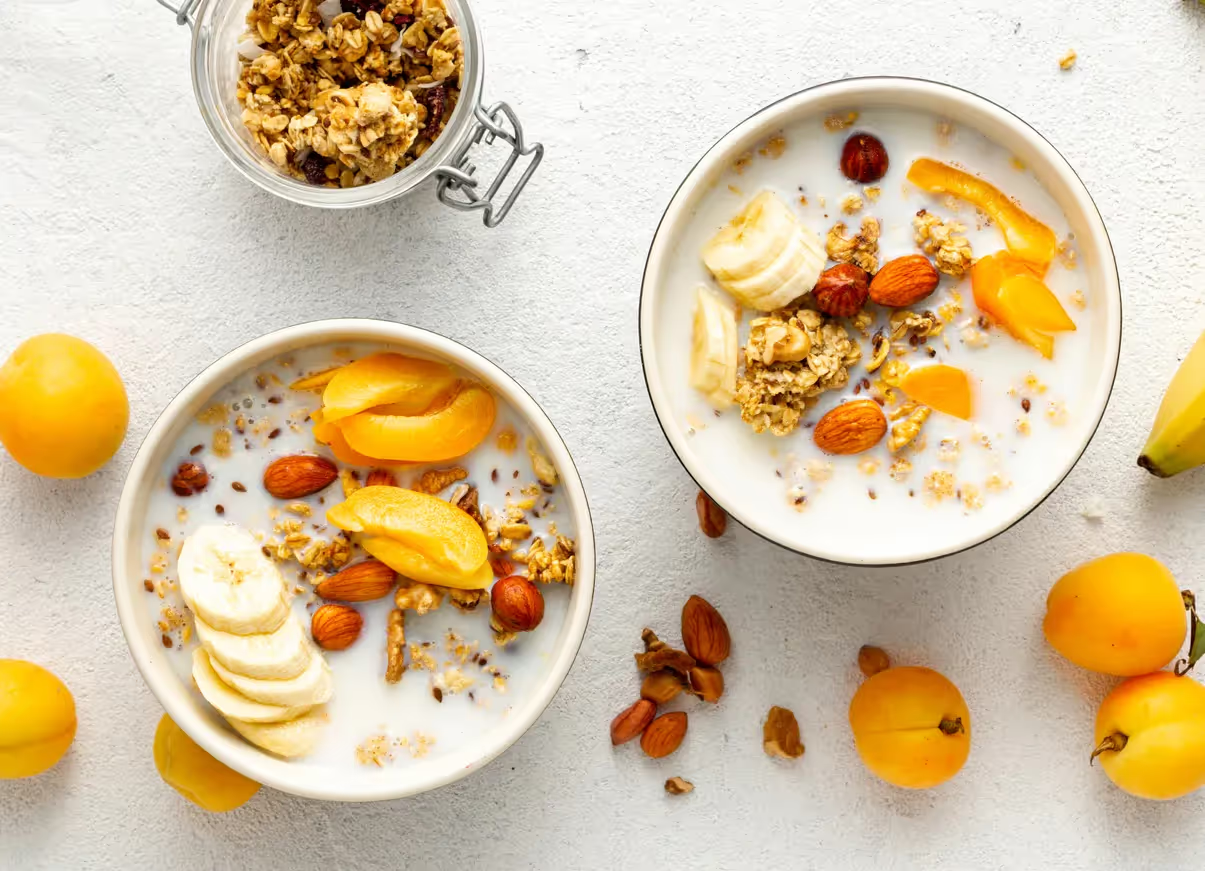
Superfood yogurt bowl with Greek yogurt, flax seeds, chia seeds, almond butter, fresh fruit, and granola.
Lunch
Tuna salad, whole grain crackers, baby carrots, and apple slices.
Optional: Skip the crackers and make a tuna salad sandwich on whole-grain bread.
Dinner
Mediterranean chicken farro bowl with cucumbers, cherry tomatoes, and tzatziki sauce.
Snacks
Turkey and cheese roll up on a whole wheat tortilla with mustard.
Cottage cheese with fresh pineapple.
Day 6
Breakfast
Protein pancakes topped with nut butter, honey, and fresh fruit.
Lunch
Chicken burrito bowls made with brown rice (meal prep friendly).
Dinner
Slow cooker quinoa veggie chili.
Snacks
Carrot sticks with hummus.
Air-popped popcorn with peanuts.
Day 7
Breakfast
Lunch
Spicy chicken and avocado wrap on a whole wheat tortilla. Serve with a side of fruit.
Dinner
Shrimp tacos with avocado salsa. Serve with fajita vegetables.
Snacks
Avocado toast with salt and chili flakes.
Black bean brownies (made with dates)
Tips for Meal Preparation
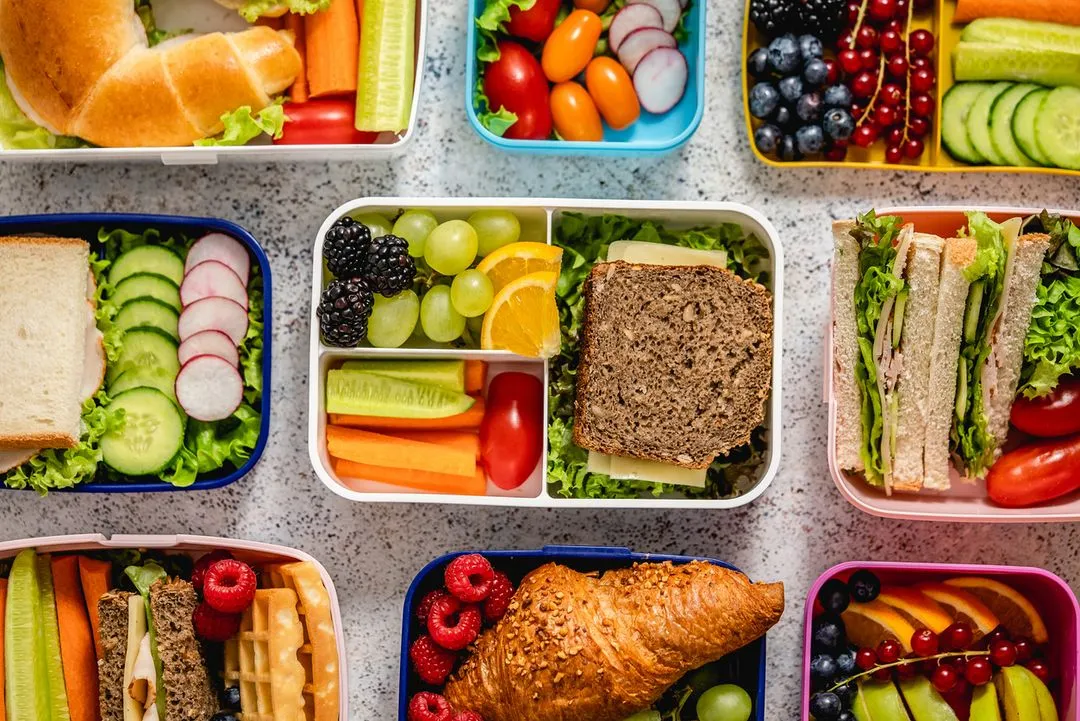
If low energy prevents you from planning and preparing balanced meals, try simplifying your weekly plan.
Select recipes that are meal-prep friendly, meaning it’s easy to make a large batch and enjoy leftovers.
Here are some examples of how you can implement the meal and snack ideas above into a low-prep week.
On Sunday night, make chicken burrito bowls with brown rice for dinner.
This recipe makes four servings– you can eat the leftovers for lunch for the next several days.
On Monday morning, make the apple cinnamon steel-cut oats recipe, which makes four servings.
Enjoy reheated for breakfast Monday through Thursday.
If you’re cooking for more than one person, you can double these recipes so they last for multiple meals.
Takeaway
If you often feel low energy, start by examining your diet and lifestyle.
Eating every three to four hours and balancing your meals with high-fiber carbohydrates, lean proteins, healthy fats, and fruits and vegetables may help you stay energized throughout the day.
Lifestyle habits, like prioritizing hydration, sleep, and exercise, can also help fight fatigue.
However, low energy can also have medical causes.
Talk with your doctor if you have chronic fatigue that doesn’t improve with diet and lifestyle changes.
How a Dietitian Can Help
A registered dietitian can take a comprehensive look at your food choices, eating schedule, and lifestyle habits to help identify areas that may be contributing to fatigue.
They will also screen for vitamin and mineral deficiencies and recommend getting bloodwork with your doctor to confirm.
When you have low energy, cooking nutritious meals and making time for other healthy habits can be challenging.
A dietitian can help you reach your goals in a realistic, sustainable way.
Find a dietitian to help you get started on your health journey
Frequently Asked Questions
References
View all references
Nourish has strict sourcing policies and prioritizes primary sources, including medical organizations, governmental agencies, academic institutions, and peer-reviewed scientific journals. Learn more about our medical review process and editorial guidelines.











.jpg)






















.avif)

.avif)

























.avif)

%20(1).webp)






.avif)
.avif)