12 Symptoms of Not Eating Enough: How To Tell If You're Undereating

Medical Reviewer: Christine Russell, MS, RD, LD, CDCES

Author: Heather Smith, RN, BSN

Summary
- Not eating enough can have several symptoms, such as persistent hunger, low energy, impaired concentration, and frequent sickness.
- Chronic undereating can have serious health consequences.
- It’s best to consult a healthcare professional or registered dietitian if you suspect you are undereating.
Proper nutrition is essential for overall health and well-being.
Every function in your body depends on the nutrients you receive from food.
Not eating enough (for an extended period of time) may cause nutritional deficits and can make it harder for your body to complete normal metabolic processes.
While in a deficit, your body may take nutrients from other tissues to maintain essential functions, which could impact your long-term health.
For example, you may experience muscle wasting as your body takes protein from your muscles.
Even if you're eating enough to feel full, a diet lacking essential nutrients can lead to malnutrition.
Just like a car can't run on empty, your body can't function optimally without various vitamins, minerals, and macronutrients.
Read on to learn several symptoms of undereating, risks and health concerns associated with not eating enough, and tips for overcoming undereating.
{{splash}}
12 Symptoms Of Not Eating Enough
Your body will give you signs that you are not eating enough.
Here are 12 short and long-term signs you may need to eat more.
1. Constant Hunger
Feeling hungry all the time is a telltale sign that you’re not eating enough.
When your body needs energy and nutrients, it sends out hunger signals (rumbling stomach, low energy, irritability, weakness) to encourage you to eat.
Consistently ignoring these hunger cues can lead to a cascade of adverse effects.
2. Food Obsession
Constantly thinking about food, even if you’ve already eaten, may be a sign that you didn’t eat enough.
This preoccupation with food may manifest as cravings, obsessive thoughts about your next meal, and difficulty focusing on tasks.
Food obsession can also be a sign of an eating disorder. If you experience frequent thoughts about food that are interfering with your ability to concentrate, it’s a good idea to speak with a healthcare professional or registered dietitian specializing in eating disorders.
3. Low Energy Levels
Persistent low energy could indicate that you’re not eating enough. Food is your body’s fuel source.
Without enough, it’s like trying to run a car on empty.
Not supplying your body with enough nutrition may cause you to feel exhausted, lethargic, and mentally tired.
4. Difficulty Concentrating
Feeling foggy-headed and unable to focus may be a sign you need more food.
The brain requires a steady stream of nutrients to function optimally.
If you aren’t consuming enough food your brain doesn’t receive the fuel it needs, leading to difficulty concentrating, poor memory, and reduced mental clarity.
5. Mood Changes Or Irritability
Maybe you’ve experienced feeling “hangry,” which can happen when you’re hungry.
There’s a clear link between nutrition and mood regulation.
When you don’t consume enough calories or essential nutrients, it’s typical to feel irritable and have mood swings. This is also a sign of low blood sugar, which occurs when you don’t eat enough.
6. Frequent Illness
If you find yourself getting sick frequently, you may not be feeding your body enough nutrients.
What you eat plays a crucial role in supporting your immune system.
Inadequate intake of essential vitamins and minerals can weaken your body’s natural defenses, making you more susceptible to colds, the flu, and other illnesses.
7. Poor Sleep Quality
Tossing and turning all night may be a sign of undereating.
Not eating enough nutrition can affect your sleep/wake hormones and trigger insomnia.
Having insomnia puts you at risk for other health conditions like heart disease, high blood pressure, and type two diabetes.
8. Hair Loss Or Brittle Nails
Your hair, skin, and nail health is directly linked to the quality of your diet.
If you’re not eating enough, you may be deficient in minerals like zinc, biotin, and keratin, which are essential for hair and nail health.
Without the right nutrients, your nails become brittle and crack easily, and you may notice thinning hair.
9. Irregular Menstrual Cycles
Undereating can significantly impact your hormone balance, leading to irregular menstrual cycles.
This may result in missed periods, unusually light periods, or changes in the length of your cycle.
Fortunately, this can usually be corrected with the proper nutrition over time.
10. Muscle Loss Or Weakness
Feeling weaker than usual or noticing a decrease in your muscle mass could be a sign that you’re not eating enough to support your muscle’s needs.
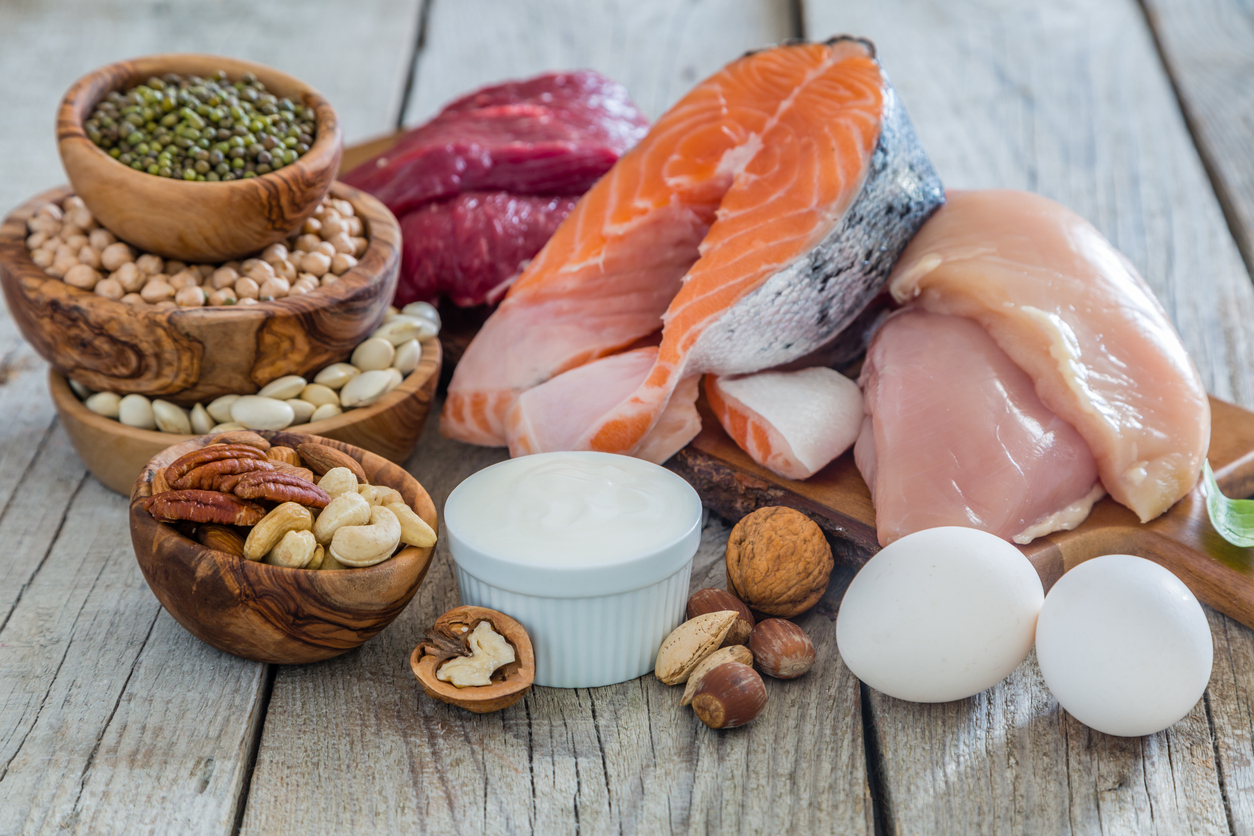
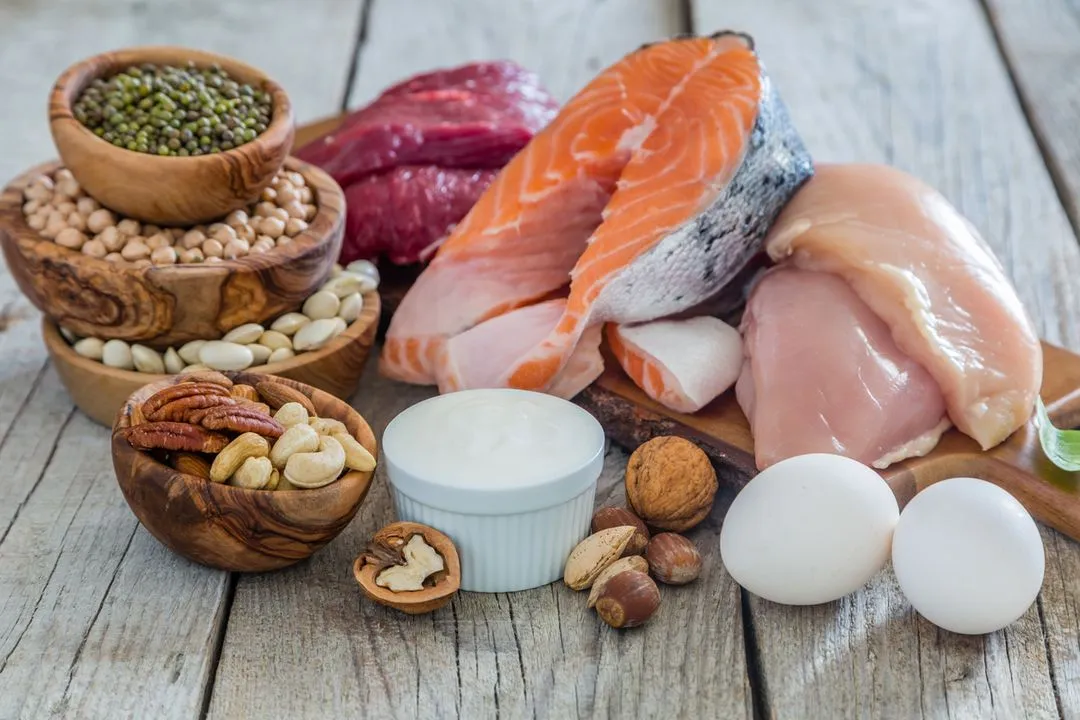
When you don’t consume enough protein and calories, your body can start breaking down your muscle tissue for energy.
This can lead to muscle weakness, reduced physical endurance, and difficulty maintaining a healthy weight.
11. Decreased Libido
A decrease in libido can relate to various factors, including undereating.
Hormones play a crucial role in libido, and nutritional deficiencies can affect hormone balance, which in turn may decrease libido.
12. Diarrhea
When you consistently don’t eat enough food, your digestive system becomes less efficient.
The lining of your gut, which is responsible for absorbing nutrients and water, can become compromised. This impaired absorption can lead to diarrhea as your body can’t absorb water from the colon as it should.
Risks And Health Concerns Associated With Undereating
We’ve already discussed several health consequences that can occur due to undereating.
However, the body can experience more serious effects if the undereating is not corrected.
As mentioned earlier, the body can start to remove protein from the muscles to use for energy.
This can also occur in the heart muscle.
With severe malnutrition, the heart and lungs can struggle to function properly.
The cascade effect can also damage kidney function.
Correcting undereating is imperative to prevent these serious complications.
Seek the guidance of a health professional or registered dietitian for help.
Tips For Overcoming Undereating
If you think you may not be eating enough, it’s important to address the issue proactively.
Here are several tips to help you increase your caloric intake and develop a more balanced relationship with food.
- Start Gradually: Instead of drastically increasing your portions overnight, gradually increase your daily caloric intake. Adding a small, nutrient-rich snack or slightly larger portions at meals can make a difference over time.
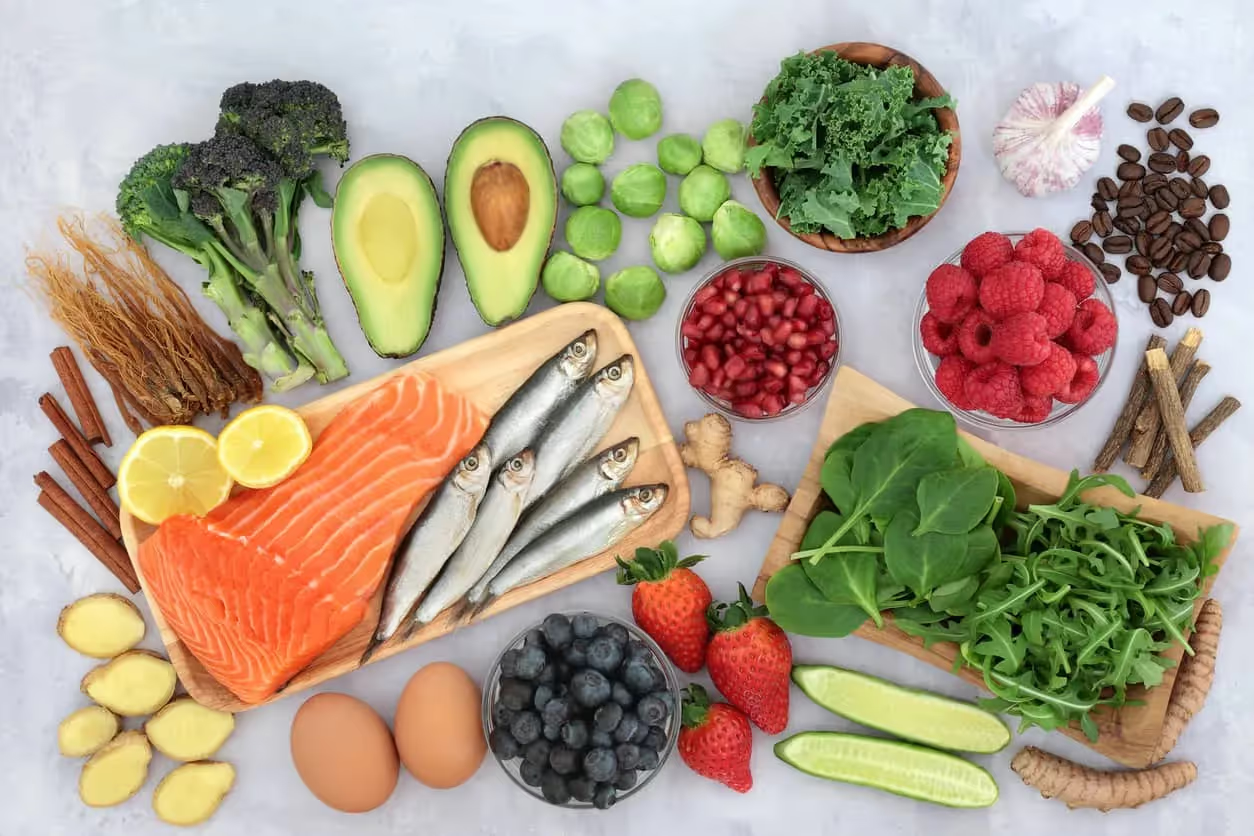
- Prioritize Nutrient-Dense Foods: Focus on consuming foods that provide a high concentration of nutrients. This includes fruits, vegetables, lean proteins, whole grains, nuts, and seeds.
- Don't Fear Healthy Fats: Healthy fats, found in foods like avocados, olive oil, nuts, and fatty fish, are essential for hormone production, cell function, and satiety.
- Fuel Your Workouts: If you're physically active, ensure you consume enough calories to support your activity level.
- Aim for Meal Regularity: Establish a regular eating schedule with three balanced meals and 2-3 snacks throughout the day.
- Pay Attention to Your Body: Learn to recognize your body's natural hunger and fullness cues. Eat when you're genuinely hungry and stop when you're comfortably satisfied, not overly full.
- Consult a professional: Getting personalized guidance from a registered dietitian can be invaluable if you are struggling to eat enough. They can help you develop a healthy relationship with food.
Takeaway
Recognizing the symptoms of undereating is crucial for protecting your physical and mental well-being.
Not eating enough can have a host of effects, including low energy levels, trouble concentrating, difficulty sleeping, mood swings, decreased libido, and more.
Nourishing your body is an act of self-care.
By prioritizing a balanced diet, listening to your body’s cues, and seeking professional guidance if needed, you can overcome undereating and cultivate a healthier connection with food.
How A Dietitian Can Help
If you’re struggling with undereating, a registered dietitian is a qualified healthcare professional who can provide you with personalized guidance and support.
Here are some ways they can help you:
- Comprehensive Assessment: A dietitian will conduct a thorough assessment of your dietary habits, lifestyle, health history, and any symptoms you're experiencing. This helps them understand your unique needs and challenges.
- Personalized Meal Planning: Based on your assessment, a dietitian will create a tailored meal plan that meets your caloric and nutrient requirements. They'll consider your food preferences, lifestyle, and any dietary restrictions.
- Education and Support: Dietitians provide evidence-based information about nutrition, helping you make informed choices about the foods you eat. They can also offer practical tips for meal prepping, grocery shopping, and navigating social situations involving food.
- Behavior Change Strategies: If you're struggling with disordered eating patterns or have a history of restrictive dieting, a dietitian specializing in treating eating disorders can help you develop healthier habits and a more positive relationship with food.
- Ongoing Monitoring and Adjustments: As you progress, your dietitian will monitor your progress, make adjustments to your meal plan as needed, and provide ongoing support to help you stay on track.
Find a registered dietitian who accepts your insurance.
Frequently Asked Questions
What happens to your body when you don't eat enough?
Your body goes into "survival mode," slowing metabolism and potentially breaking down muscle for energy.
Other aspects, such as your mental clarity, mood, energy level, skin, hair, and nail health, can also be affected.
What are the side effects of not getting enough food?
Side effects of not eating enough can include fatigue, dizziness, mood swings, hair loss, weakened immunity, and difficulty concentrating.
How do you know if your body isn't getting enough food?
Signs include constant hunger, low energy, frequent illness, difficulty concentrating, and irregular menstrual cycles.
References
View all references
Nourish has strict sourcing policies and prioritizes primary sources, including medical organizations, governmental agencies, academic institutions, and peer-reviewed scientific journals. Learn more about our medical review process and editorial guidelines.












.jpg)
























.avif)

.avif)





























.avif)

%20(1).webp)







.avif)
.avif)