15+ Anemia Foods To Avoid For Increased Iron Absorption

Medical Reviewer: Renae Khalil RD, LDN

Author: Maya De La Rosa-Cohen

Summary
- Iron-deficiency anemia is the most common type of anemia and occurs when your blood is low in iron.
- Increasing your intake of iron-rich foods can help to restore your red blood cell count and iron levels.
- Some foods, like dairy products and tannin-rich foods, can interfere with the body’s absorption of iron and should be limited or avoided while eating iron-rich foods.
Iron-deficiency anemia is the most common type of anemia worldwide.
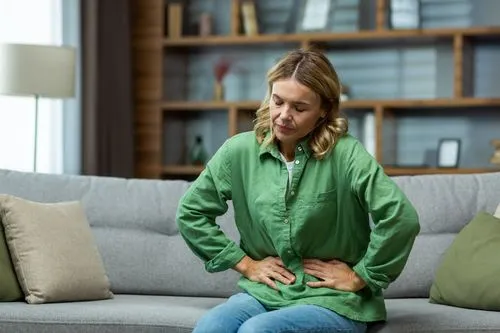
People with iron-deficiency anemia have low levels of iron in their blood, which can sometimes cause symptoms like fatigue, shortness of breath, and ashen-looking skin.
In some cases, making changes to what you eat is enough to treat iron-deficiency anemia and replenish iron stores.
These changes include eating plenty of iron-rich foods and avoiding foods and beverages that can interfere with iron absorption, like dairy foods or foods high in tannins.
Keep reading to learn more about which foods to avoid when you have iron-deficiency anemia.
{{splash}}
What is Anemia?
Anemia is a condition that occurs when your body doesn’t produce enough red blood cells.
Though not all people with anemia will have symptoms, it can cause you to feel weak or tired.
Other possible symptoms include:
- Pallor or ashen-looking skin.
- Headaches.
- Shortness of breath.
- Irregular heartbeat.
There are several types of anemia, but iron-deficiency anemia is the most common and makes up 50% of anemia cases across the globe.
People with iron-deficiency anemia have low levels of hemoglobin, a protein in red blood cells that transports oxygen throughout the body and contains 70% of the body’s iron.
Blood loss, which can be a result of injury, surgery, childbirth, or menstruation, is the most common cause of iron-deficiency anemia.
But other factors can cause this type of anemia, including:
- Certain medical conditions, like kidney disease or inflammatory bowel disease (IBD).
- Pregnancy.
- Poor diet.
- Regular use of aspirin or nonsteroidal anti-inflammatory drugs (NSAIDS).
- Participation in endurance sports.
Anyone can develop iron-deficiency anemia, but women of reproductive age are especially at risk.
15+ Anemia Foods to Avoid for Increased Iron Absorption
Diet plays an important role in preventing and treating many cases of iron-deficiency anemia.
One systematic review of 14 randomized controlled trials (RCTs) found that the majority of dietary interventions were effective at treating most cases of iron-deficiency anemia in women of reproductive age.
In some cases, additional interventions may be recommended to treat anemia, including iron supplements, intravenous iron, blood transfusions, medicines, or surgery.
But many people can replenish the iron levels in their body using dietary changes alone.
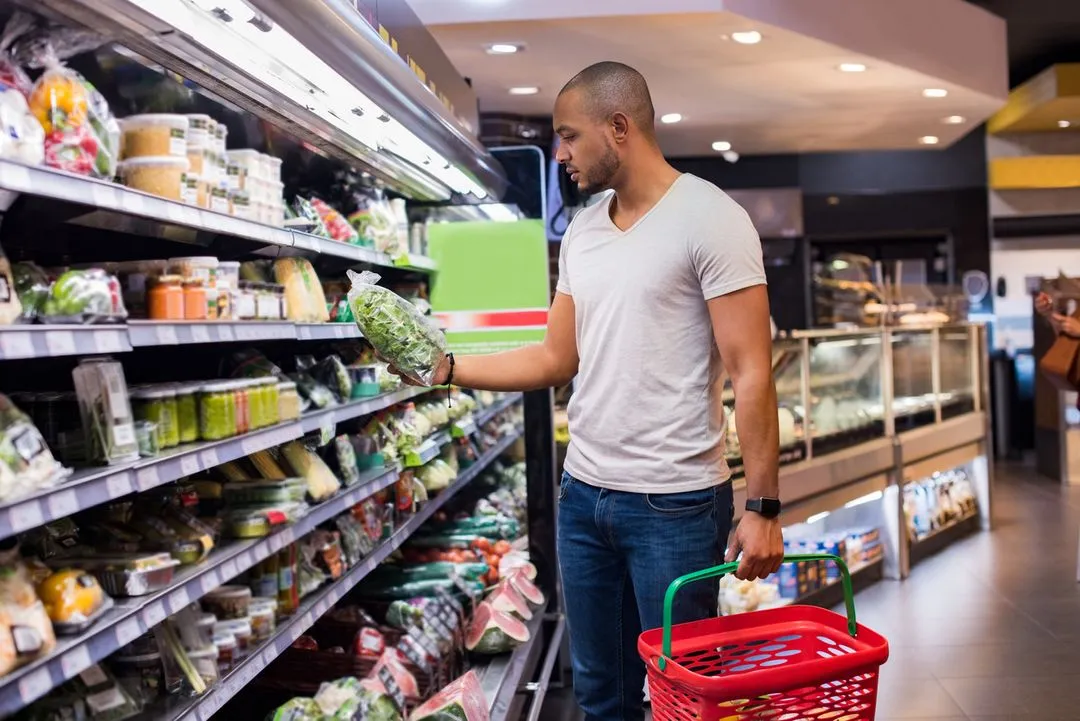
One dietary recommendation for treating anemia is to increase your consumption of iron-rich foods.
But it’s also important to limit or avoid certain foods that reduce iron absorption in the body, including the examples below.
Dairy Products
Dairy products are rich in calcium, the most abundant mineral in the body.
Calcium is essential to maintaining good bone health as well as keeping our muscles, heart, and nerves healthy. But it can also block iron absorption.
One study found that calcium supplements of 1000 mg or more blocked nonheme iron absorption (primarily plant-based sources of iron) by almost 50% and that 800 mg of calcium blocked heme iron (animal-based sources of iron) absorption by 37%.
However, calcium found in dairy products can also reduce iron absorption by similar amounts.
Common examples of dairy foods rich in calcium include:
- Cow’s milk.
- Cheese.
- Ice Cream.
- Yogurt.
- Sour Cream.
- Heavy Cream.
However, it’s important to note that these iron-inhibiting effects occurred with high amounts of calcium, 1000 and 800 mg respectively.
Many meals don’t contain as much calcium. For example, one cup of whole milk contains just 300 mg of calcium.
It’s also important to note that these effects are short-lived and occur when foods rich in dairy and iron are eaten at the same time.
Eating dairy products at a different time of day may help to limit calcium’s ability to block iron-absorption in your body.
High-Tannin Foods
Tannins, organic compounds found in drinks and foods, can also block the absorption of iron (especially nonheme iron) in the body.
Foods that contain high amounts of tannins include:
- Ciders.
- Coffee.
- Tea.
- Cocoa.
- Cinnamon.
- Clove.
- Red Beans.
- Alcohol (including red wine, beer, and hard liquor).
One review found that long-term consumption of high-tannin foods can also have an impact on iron levels in the body.
Healthy Foods to Eat for Anemia
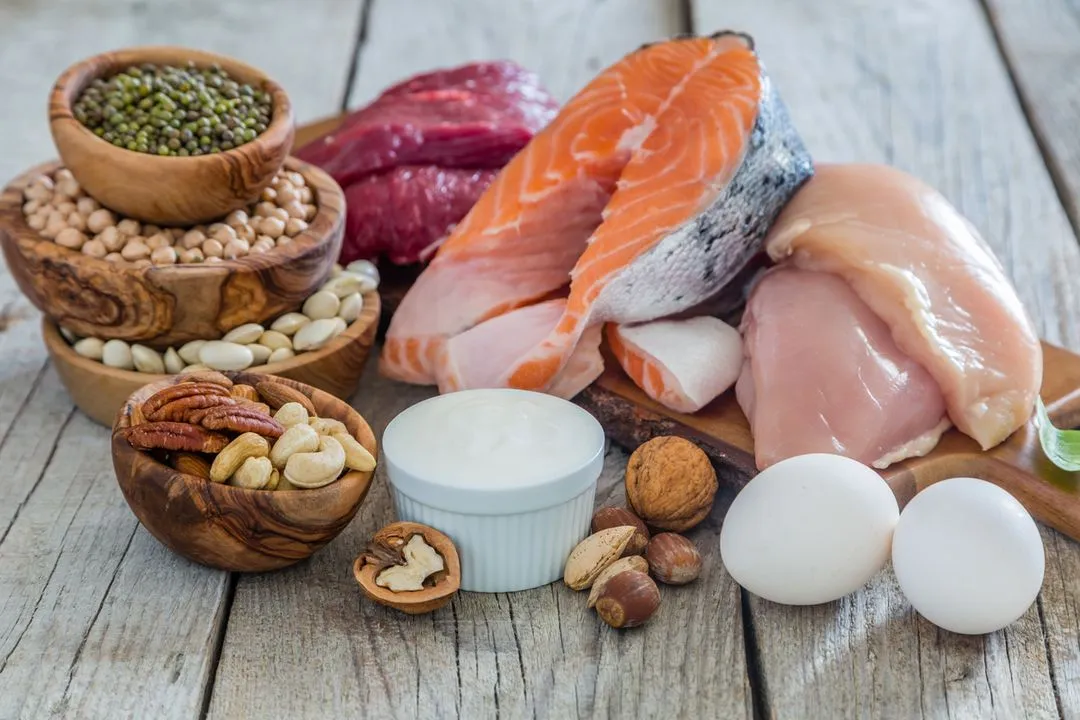
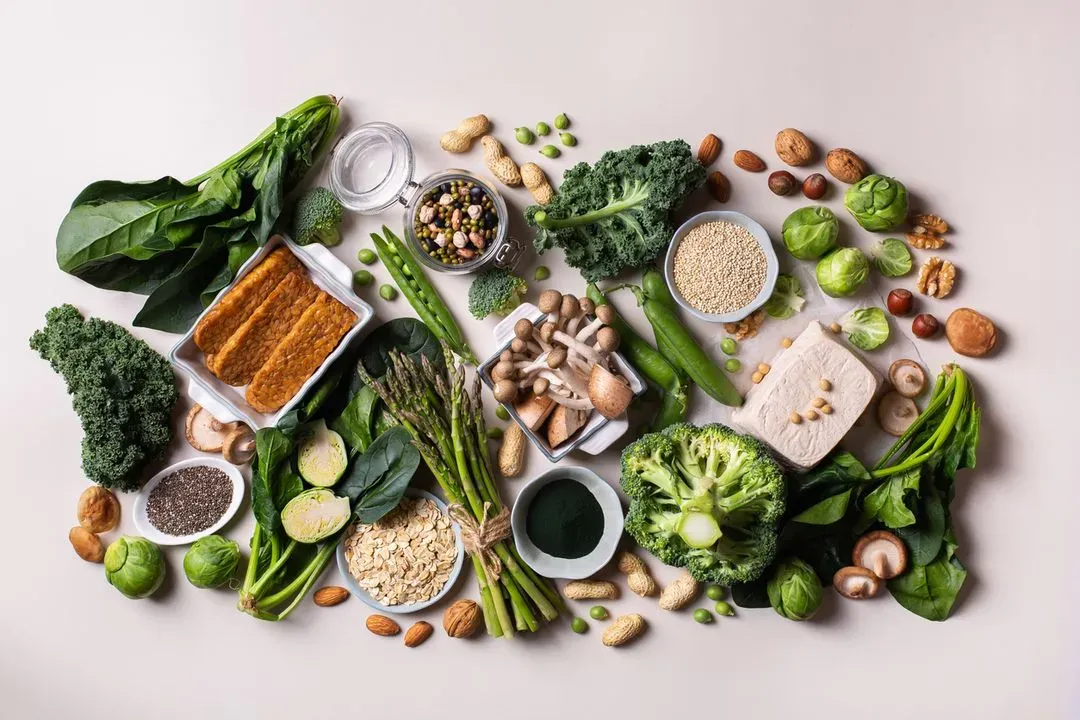
Dietary changes used to treat anemia focus on increasing your intake of iron-rich foods as part of a balanced diet.
There are two types of dietary iron you can get from food:
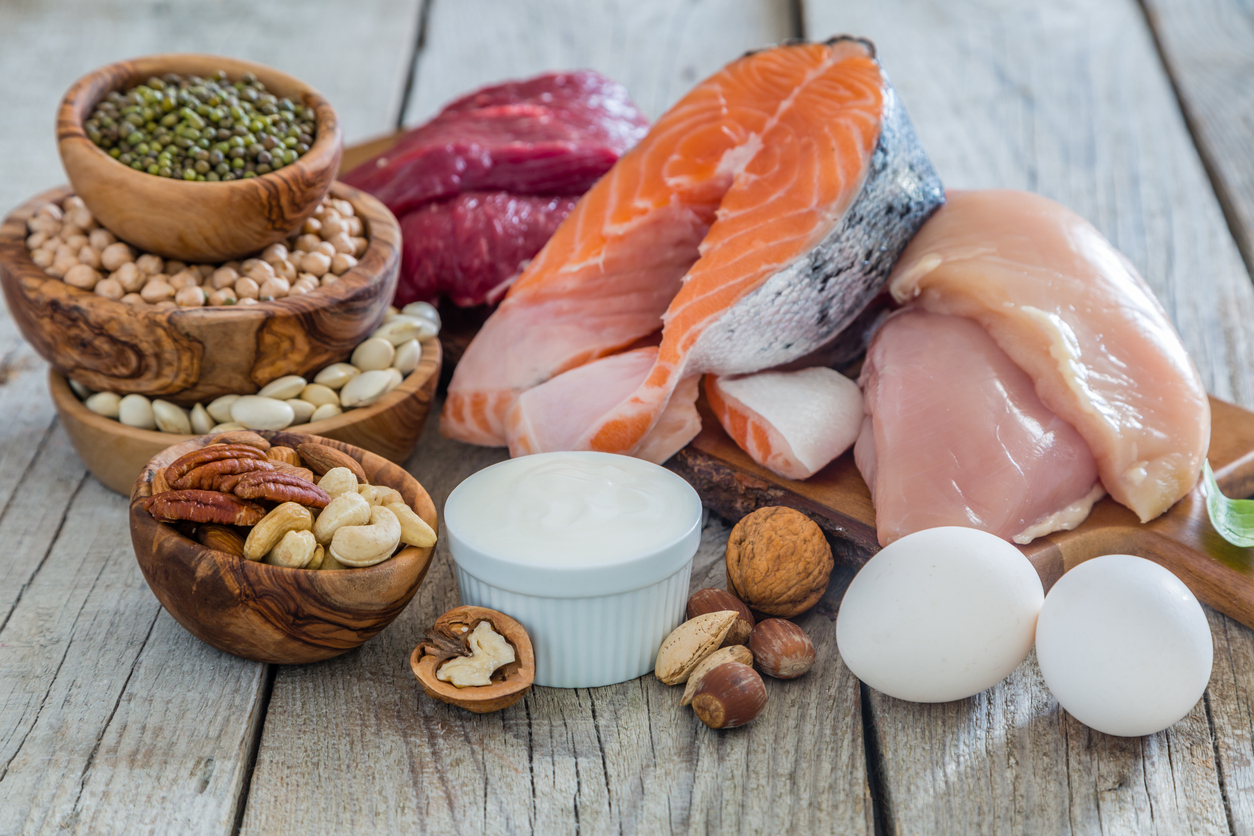
- Heme iron: Found in meat, seafood and poultry.
- Nonheme iron: Found in plants, iron-fortified foods, and animal meats.
Heme iron has higher bioavailability than nonheme iron, which means it’s better absorbed by the body.
For this reason, heme iron is better for restoring iron levels in people with anemia.
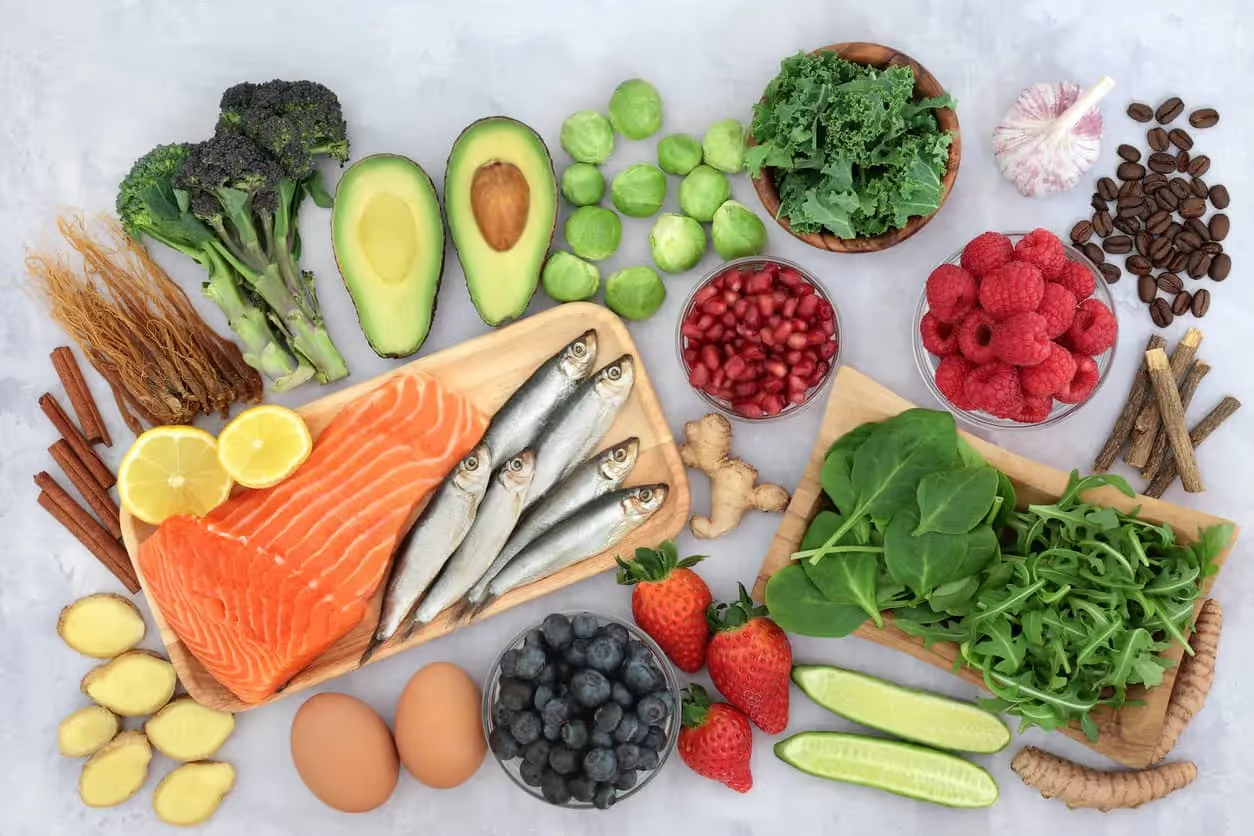
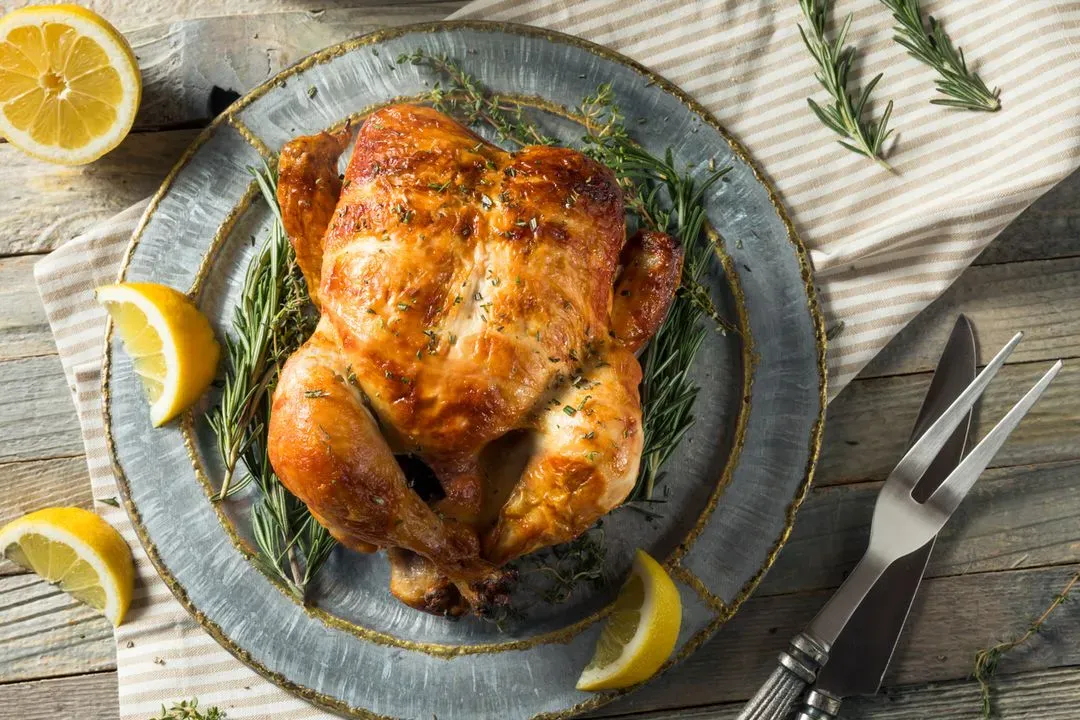
Foods rich in heme iron include:
- Oysters.
- Beef liver.
- Chicken liver.
- Sardines.
- Eggs.
- Clams.
- Ham or pork.
- Lamb.
- Beef.
- Chicken.
- Shrimp.
- Tuna.
- Turkey.
- Veal.
Interestingly, eating heme iron from meat, fish, and poultry significantly increases iron absorption from nonheme sources, like:
- Beet greens.
- Broccoli.
- Chard.
- Sweet potato.
- Tomatoes.
- Spinach.
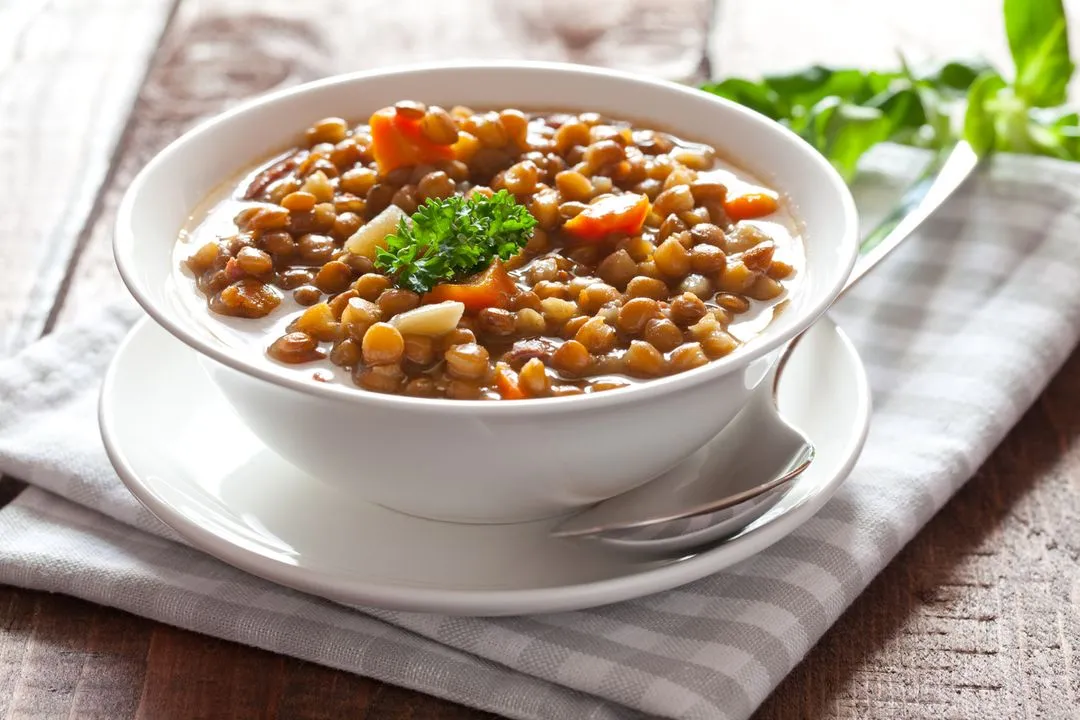
- Lentils.
- Almonds.
- Cashews.
- Flax seeds.
- Prunes.
- Strawberries.
- Watermelon.
Put simply, eating a varied diet rich in heme and nonheme iron can help to restore the levels of iron in your blood.
Other Tips for Increasing Iron Absorption
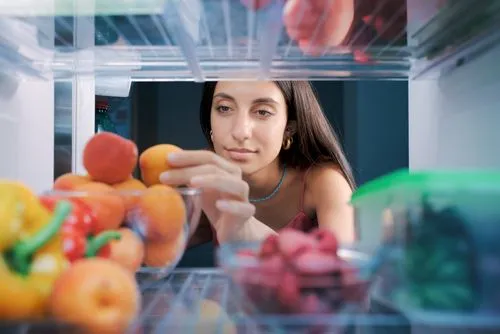
Just as eating sources of heme iron can increase iron absorption from plant-based foods, vitamin C has also been shown to help increase absorption of nonheme iron in the body.
One review found that increasing intake of vitamin C may be an essential component of dietary changes used to treat iron-deficiency anemia.
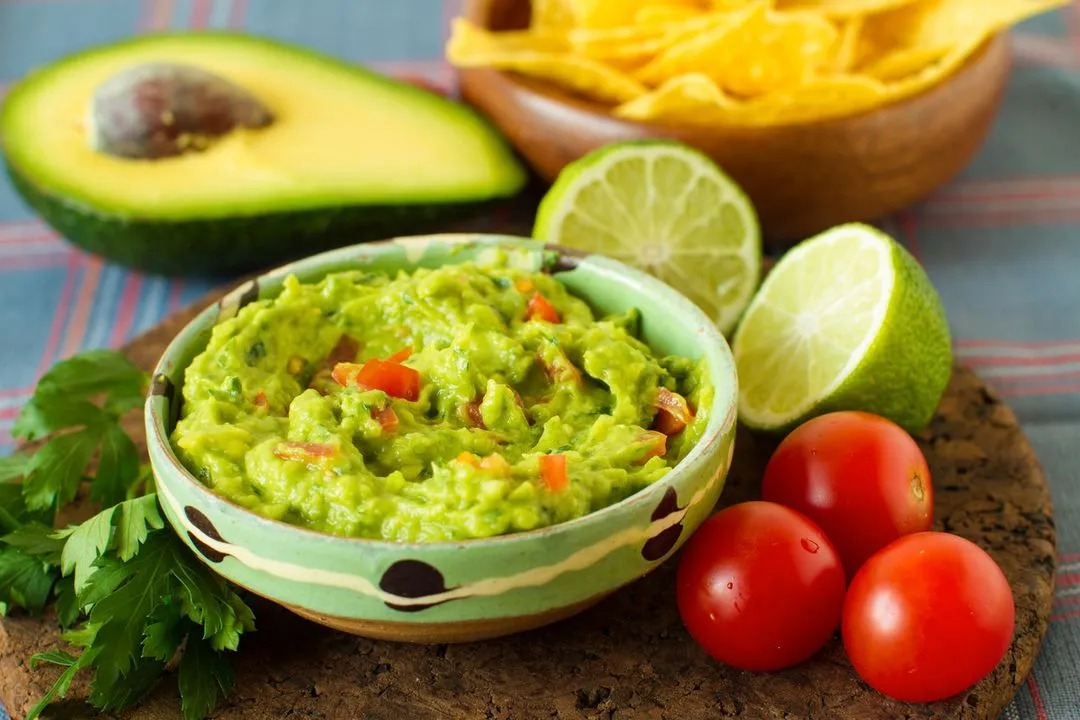
Foods that you can eat that are rich in vitamin C include:
- Citrus (oranges, lemons, limes, kiwis, and grapefruit).
- Red and green bell peppers.
- Broccoli.
- Cauliflower.
- Cabbage.
- Kale.
- Mangoes.
- Strawberries.
- Parsley.
{{splash}}
Takeaway
Diet plays an important role in anemia prevention, treatment, and management.
If you’re diagnosed with iron-deficiency anemia, your doctor or registered dietitian may recommend making certain dietary changes to restore your iron levels.
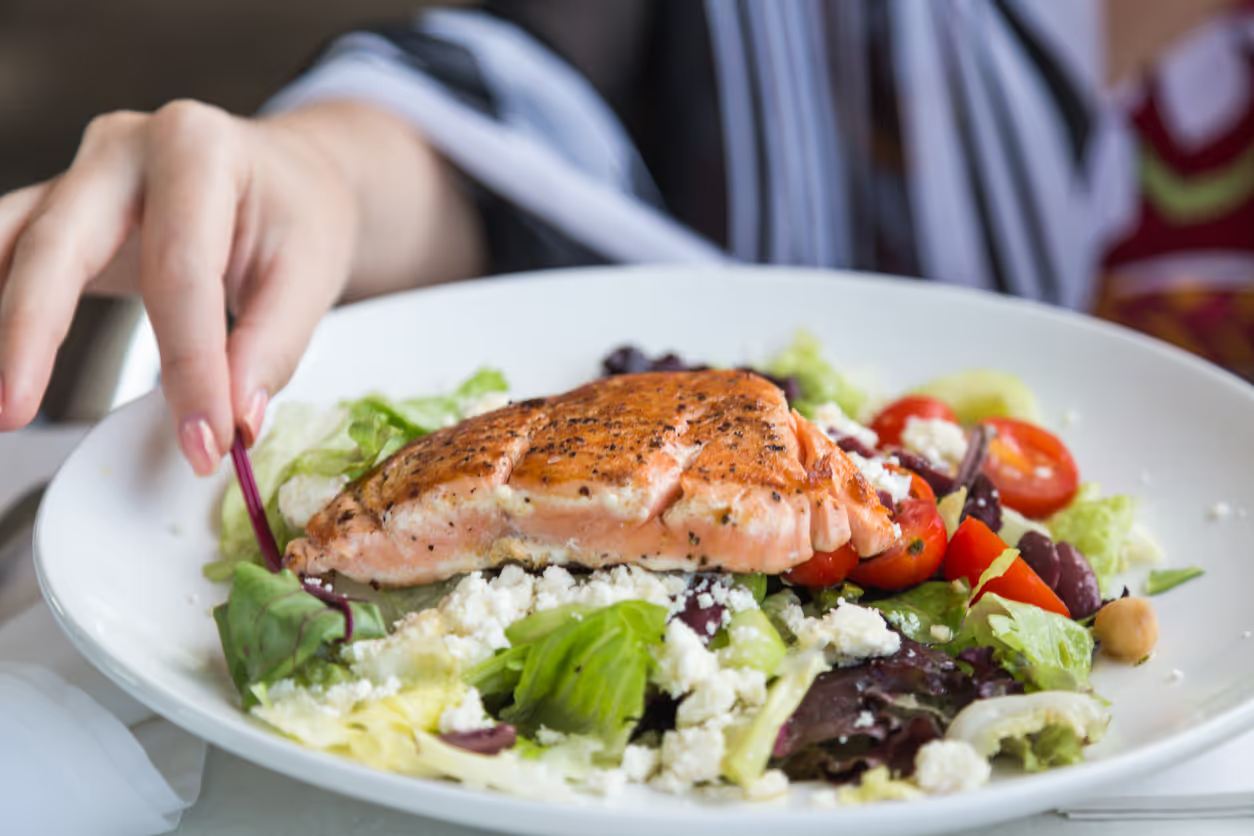
These changes can include increasing your intake of iron rich foods, especially meat, poultry and seafood, and limiting or avoiding your consumption of foods that inhibit iron absorption in the body, like foods rich in dairy or tannins.
Combining plant-based foods rich in iron with foods high in vitamin C may also help to increase your body’s absorption of iron.
How a Dietitian Can Help
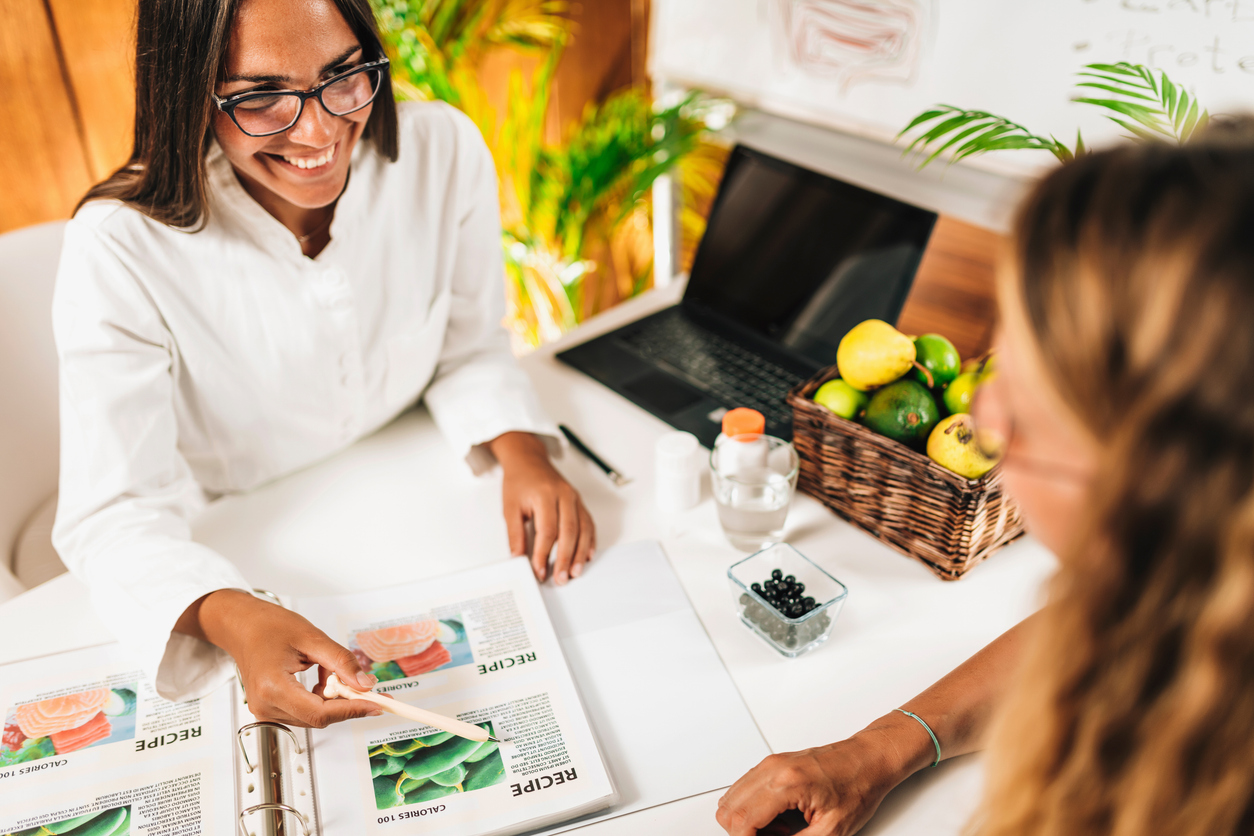
Working with a dietitian will help you to build a customized meal plan to support your anemia treatment or prevention.
Learn how to incorporate iron-rich foods from plant-based and animal-based sources to increase your body’s absorption of iron and increase the levels of iron in your blood.
You can find a dietitian through Nourish to start managing your anemia today.
Frequently Asked Questions
What foods make anemia worse?
Some foods can block iron absorption in the body, making it more difficult to replenish iron levels in your blood.
Dairy products, like milk, cream and cheese, and foods high in tannins, like coffee, wine, and tea, can block iron absorption in the body.
Is cheese bad for anemia?
Cheese is rich in calcium, which can block iron absorption in the body.
Though you may not have to avoid cheese altogether if you have anemia, reach out to your doctor or dietitian to know how much cheese you can eat without negatively affecting your body’s absorption of iron.
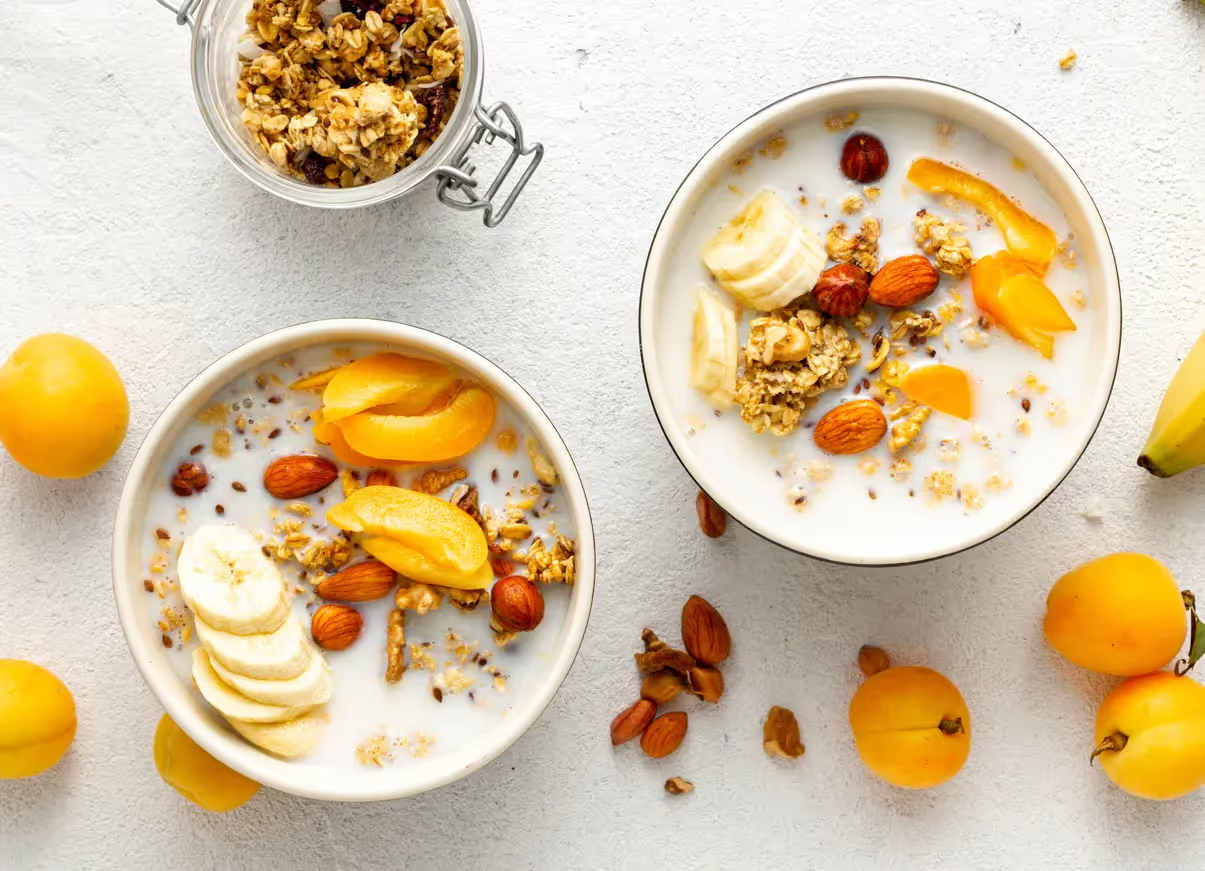
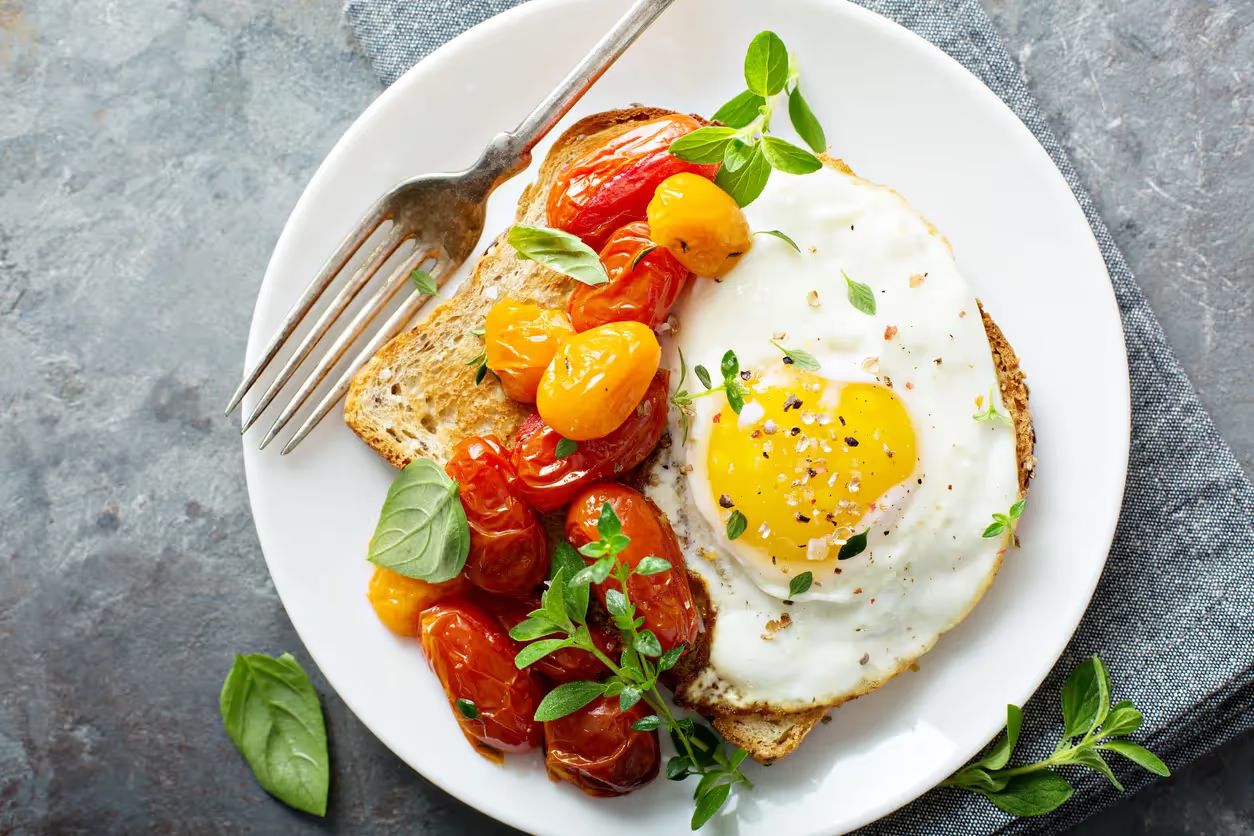
What is a good breakfast for anemia?
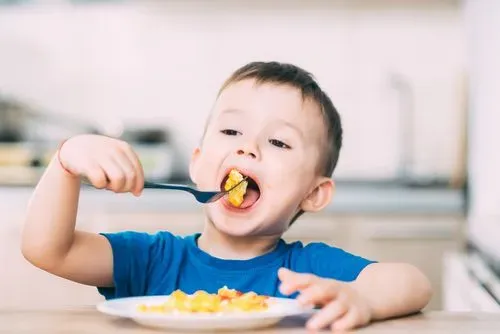
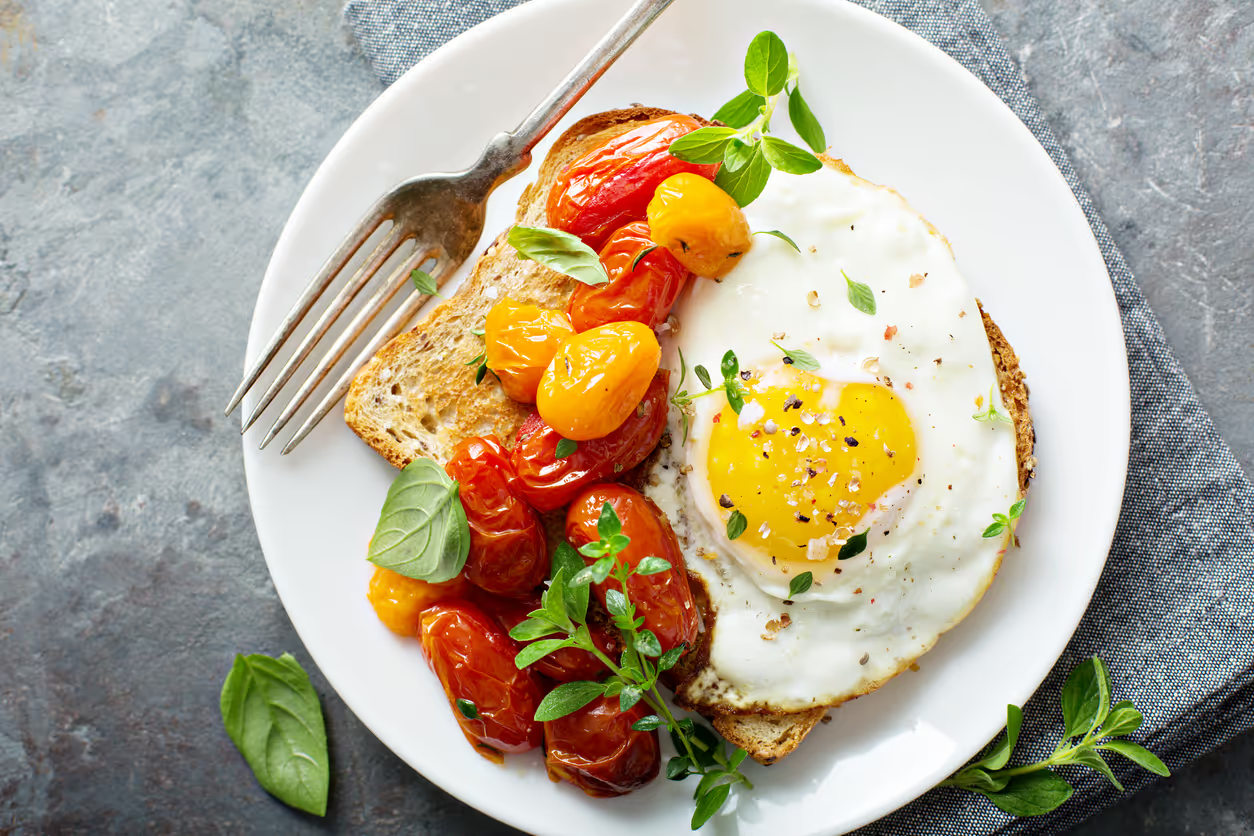
Eating a breakfast rich in iron from both plant-based and animal-based sources can help to increase iron absorption when you have iron-deficiency anemia.
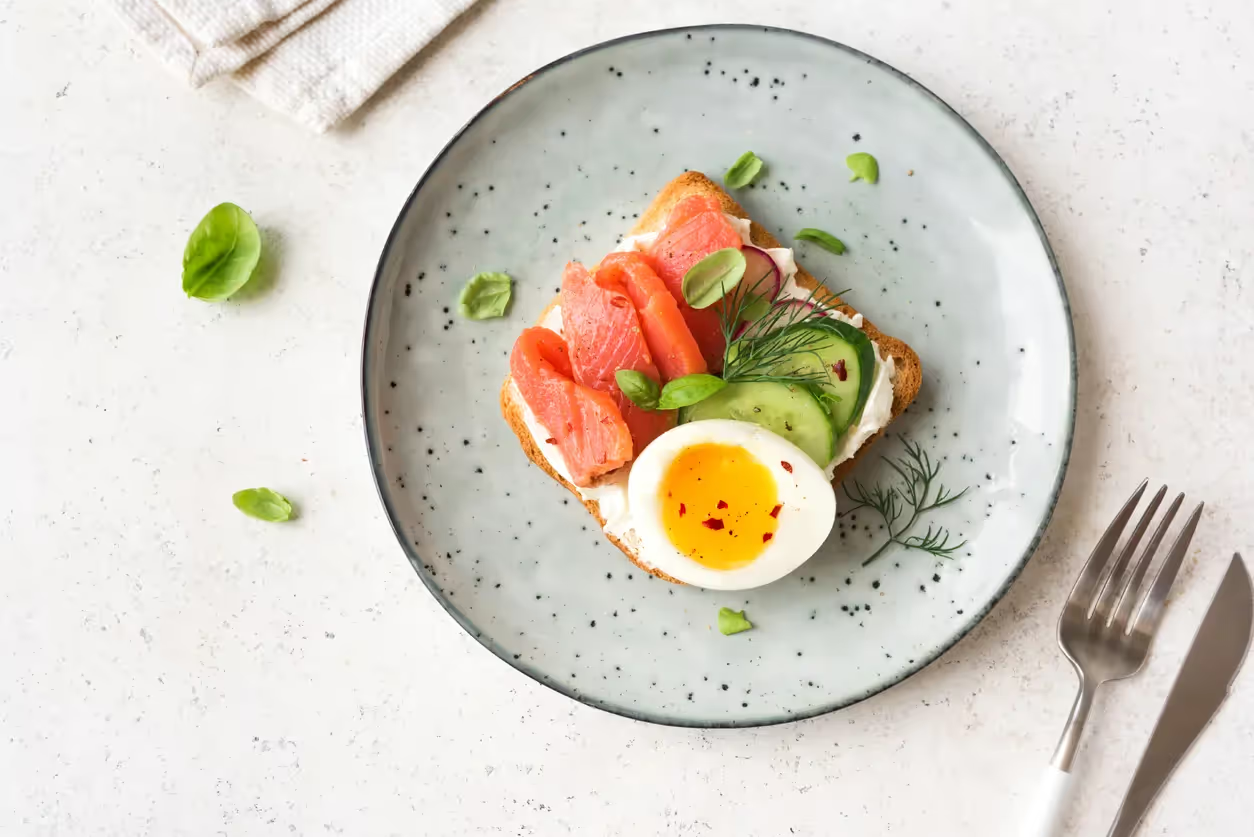
One example of a dish that combines both forms of iron is scrambled eggs with steak, tomato, and red bell pepper.
References
Nourish has strict sourcing policies and prioritizes primary sources, including medical organizations, governmental agencies, academic institutions, and peer-reviewed scientific journals. Learn more about our medical review process and editorial guidelines.







.jpg)









.avif)

.avif)














.avif)
%20(1).webp)



.avif)
.avif)