Dumping Syndrome Foods To Avoid: Eat These Instead

Medical Reviewer: Renae Khalil RD, LDN

Author: Heather Smith, RN, BSN

Summary
- Avoid high-sugar, dairy, and alcoholic beverages to preventfor dumping syndrome.
- Focus on eating small, frequent meals with nutrient-dense foods like lean proteins, low-sugar fruits, vegetables, and high-fiber grains.
- A registered dietitian can give personalized guidance on creating balanced meal plans for dumping syndrome
Dumping syndrome, also known as rapid gastric emptying, is a group of symptoms that happen when food moves too quickly from the stomach into your small intestines.
It can occur after surgery to remove part of the stomach, such as weight loss surgery or gastrectomy, or may be related to a medical condition, such as diabetes.
Keep reading to learn more about dumping syndrome, the top foods to avoid, and which foods to prioritize.
{{splash}}
What Is Dumping Syndrome?
Dumping syndrome is a collection of symptoms that can occur when food moves from your stomach to your intestines too quickly.
Typically, your stomach gradually releases food into the small intestine. However, with dumping syndrome, the process is too fast.
You may experience dumping syndrome if you’ve had surgery to remove part of your stomach or esophagus or if you have a medical condition like diabetes or duodenal ulcers.
There are two types of dumping syndrome, and each has its own set of symptoms.
Early Dumping Syndrome
Early dumping syndrome occurs when you feel symptoms within 30 minutes of eating a meal.
Symptoms may include:
- Nausea.
- Diarrhea.
- Bloating.
- Abdominal pain and cramping.
- Stomach growling sounds.
- Feeling lightheaded or tired.
- Flushing of the face, neck, or upper chest.
- Fast, irregular heartbeat.
- Sweating.
- Headache.
Late Dumping Syndrome
Late dumping syndrome is when symptoms happen one to three hours after eating a meal.
Symptoms relate to low blood sugar and may include:
- Feeling lightheaded.
- Fainting.
- Feeling shaky or jittery.
- Fast or irregular heartbeat.
- Feeling tired.
- Sweating.
- Weakness.
- Trouble concentrating.
Top Foods To Avoid With Dumping Syndrome
Experts have discovered that consuming found direct links between high-sugar foods, alcohol, and dairy may worsen , making dumping syndrome symptoms, worse and should be avoided.. We’ve listed specific examples of foods to avoid below.
We’ve also included some other foods and beverages that may not necessarily aggravate dumping syndrome but may enhance uncomfortable digestive symptoms.
You may want to limit your intake of these foods as well.
High-Sugar Foods
Sugary foods are one of the biggest culprits of causing dumping syndrome symptoms.
These foods arecan be quickly absorbed by your body, lead to a rapid rise in blood sugar levels, and trigger uncomfortable dumping syndrome symptoms.
Limit foods such as:
- Candy.
- Pastries.
- Desserts.
- Sweetened beverages (sodas, novelty coffee drinks, pre-made smoothies, etc.)
- Sugary cereals.
Alcoholic Beverages
Experts also suggest avoiding alcoholic beverages if you have dumping syndrome.
Alcohol is absorbed rapidly into the bloodstream, which may worsen dumping syndrome symptoms.
Alcoholic beverages to avoid include:
- Beer.
- Wine.
- Liquor.
- Cocktails.
- Hard seltzers.
- Hard ciders.
Dairy Products
Dairy products may be problematic if you have dumping syndrome.
While there is more to learn on why this may be, eating dairy products with dumping syndrome may lead to increased symptoms.
Consider opting for lactose-free alternatives and avoid dairy products such as:
- Milk.
- Cream.
- Yogurt.
- Cheese.
- Butter.
- Ice cream.
High-Fat Foods (Fried Foods, Creamy Sauces)
Carbonated Drinks
Carbonated drinks, like sparkling water and soda, can cause bloating and gas.
If you’ are already experiencing symptoms from dumping syndrome, you may want to limit or avoid carbonated drinks to help reduce discomfort.
Experts also suggest avoiding any fluid intake while eating with dumping syndrome.
They recommend waiting 30 minutes after eating to have some liquids.
Caffeine
While not a direct trigger for dumping syndrome, caffeine may worsen symptoms like diarrhea, feeling jittery, or rapid heartbeat.
If you notice a possible connection, you should limit caffeine intake from coffee, tea, and other caffeinated beverages.
Nutrient-Dense Alternatives For Digestive Health
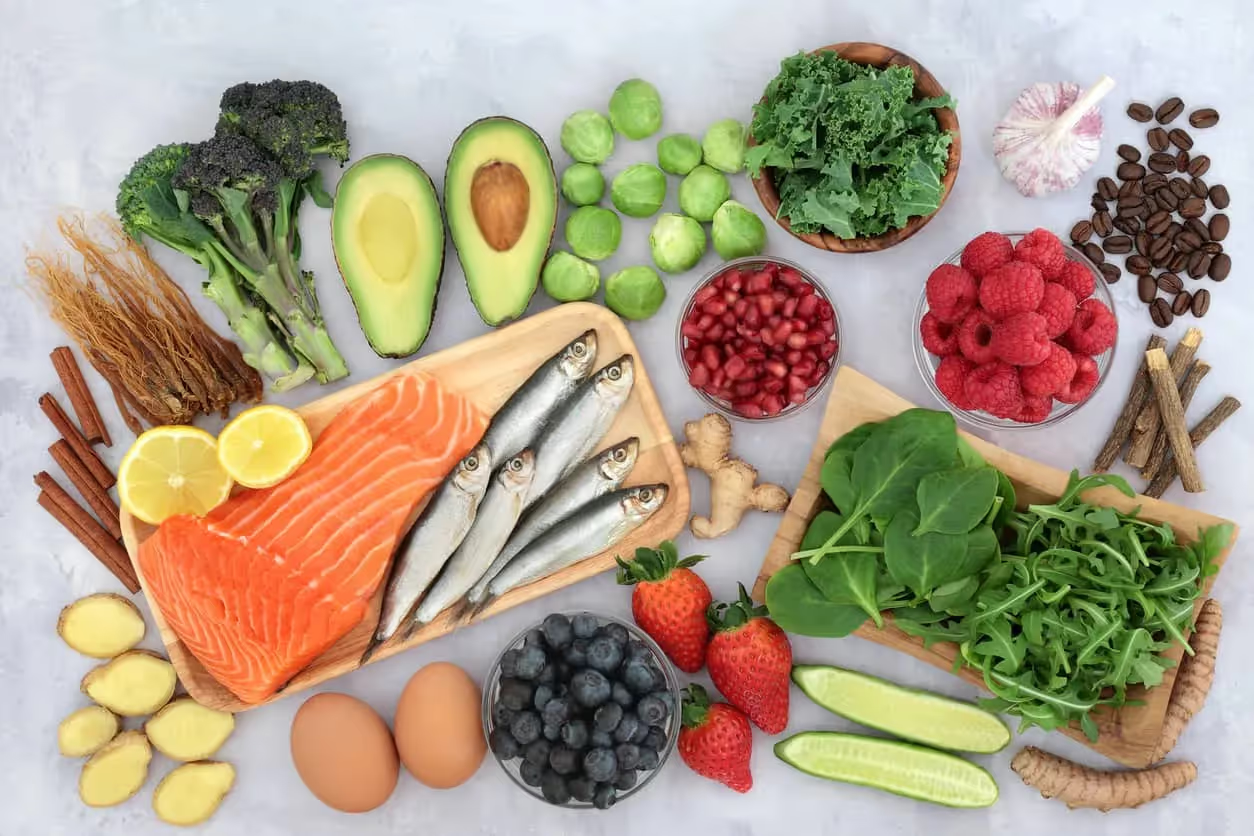
By focusing on nutrient-dense foods, you may have better success managing dumping syndrome symptoms.
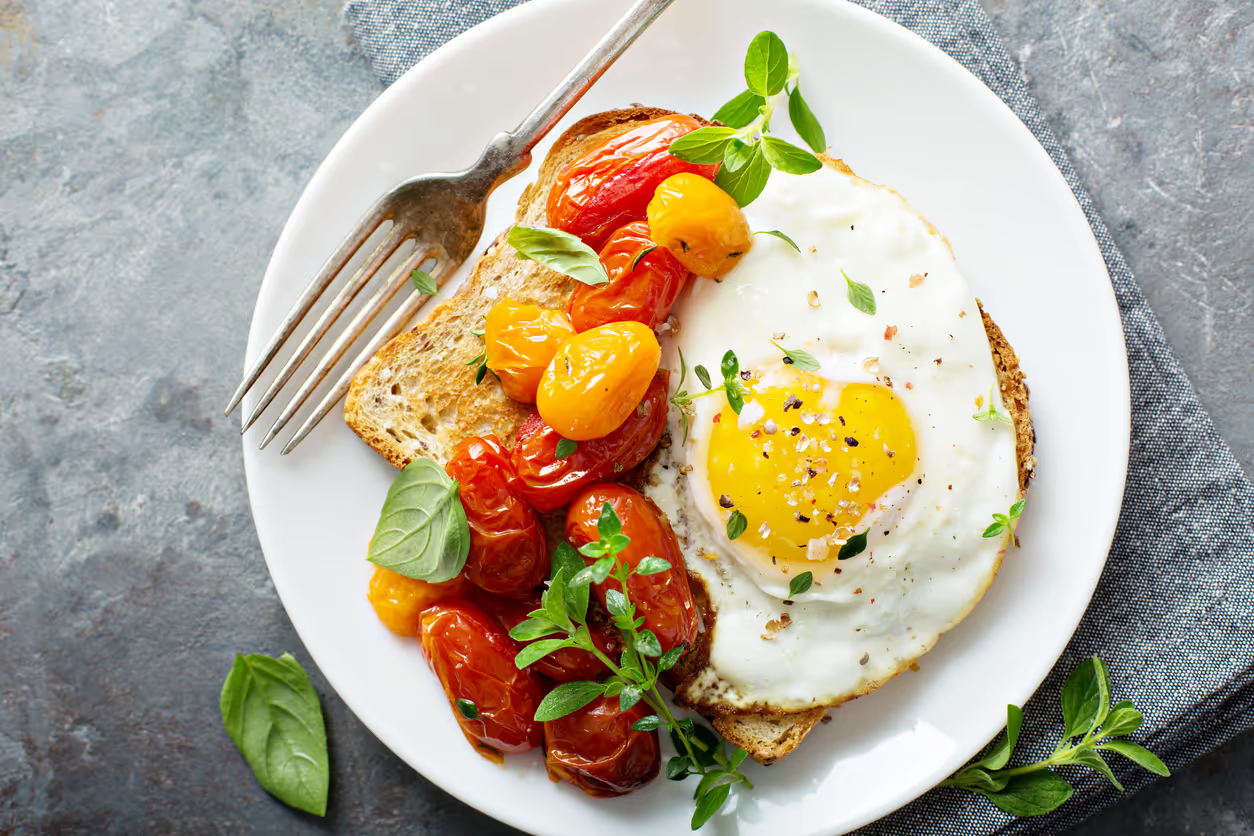
Low-Sugar Fruits And Vegetables
Fruits and vegetables are packed with vitamins, minerals, and fiber, which support your overall health.
Experts also suggest that including more fiber in your diet may help ease symptoms of dumping syndrome.
Some low-sugar fruits and vegetables to include are:
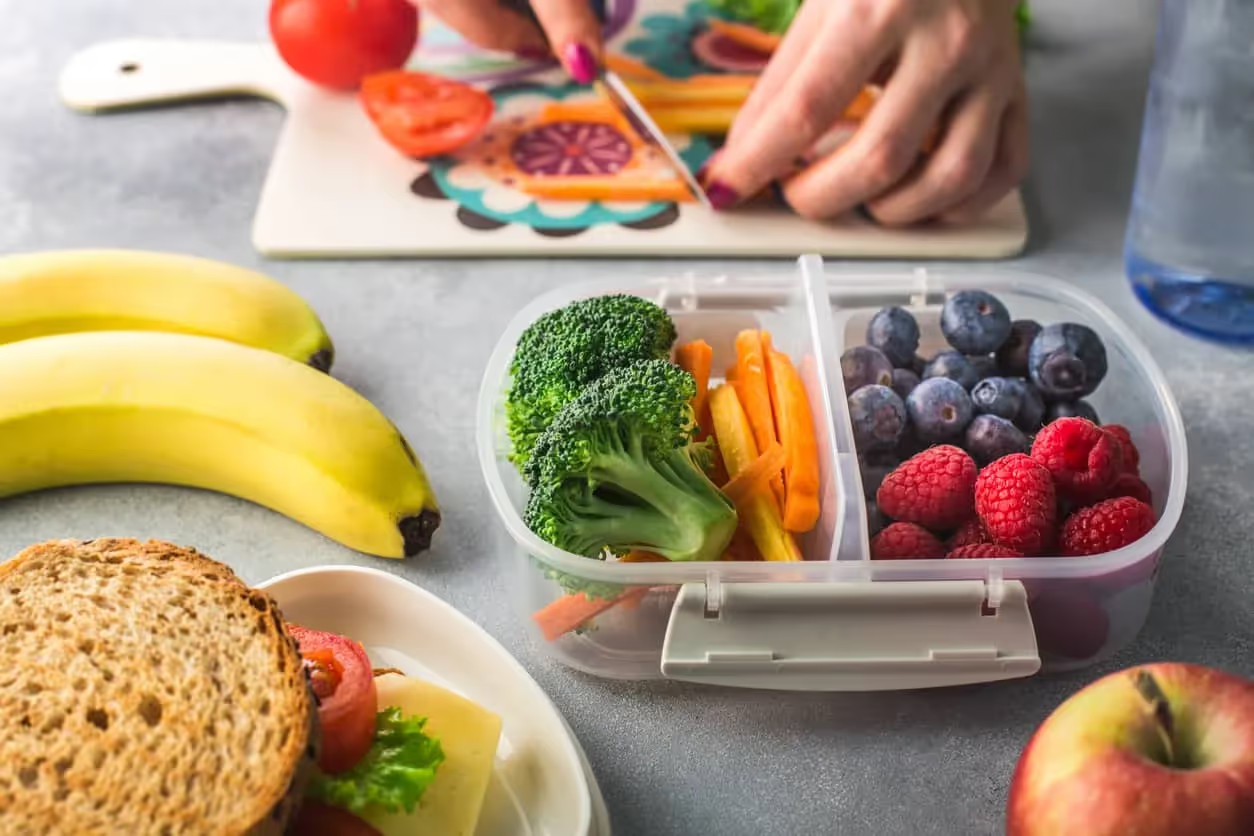
- Apples.
- Berries.
- Peas.
- Spinach.
- Lettuce.
- Kale.
- Peaches.
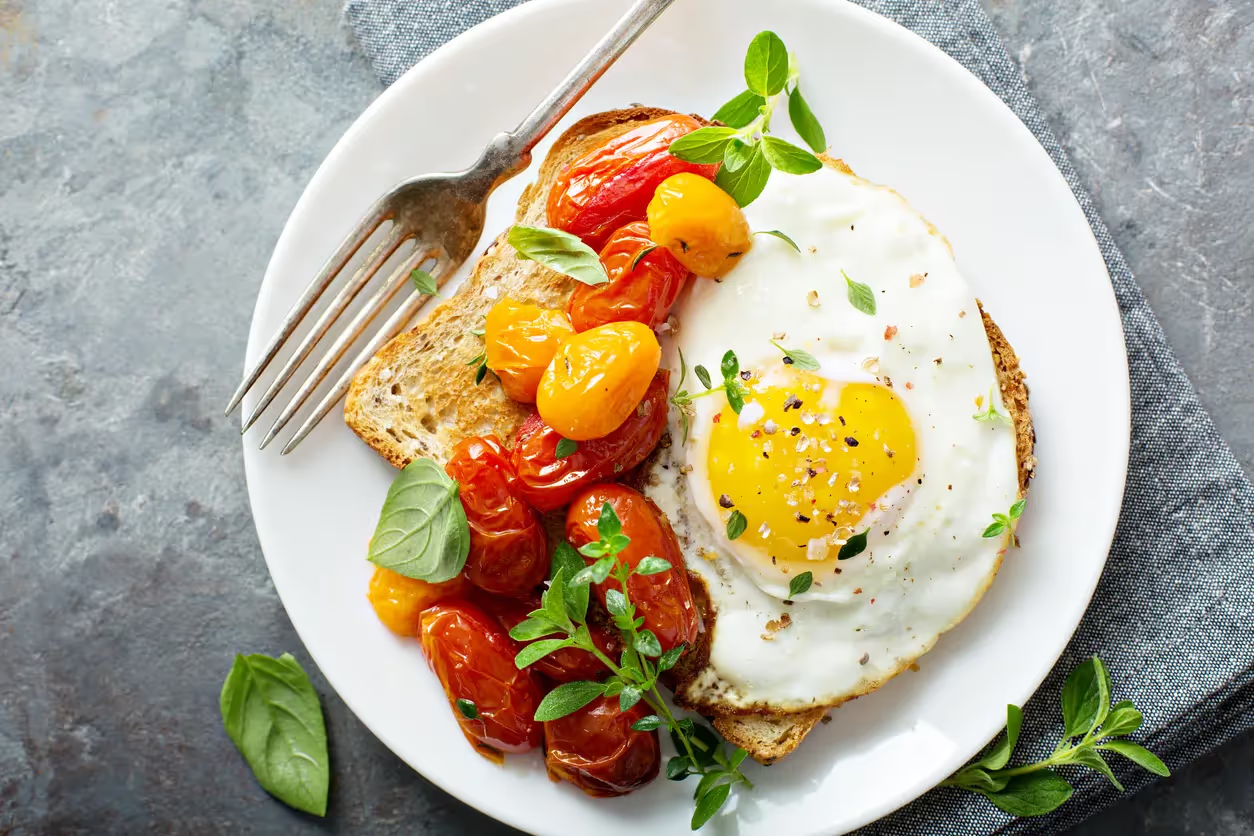
- Tomatoes.
- Corn.
- Grapes.
- Grapefruit.
- Beets.
- Kiwis.
- Cherries.
- Mangos.
- Pears.
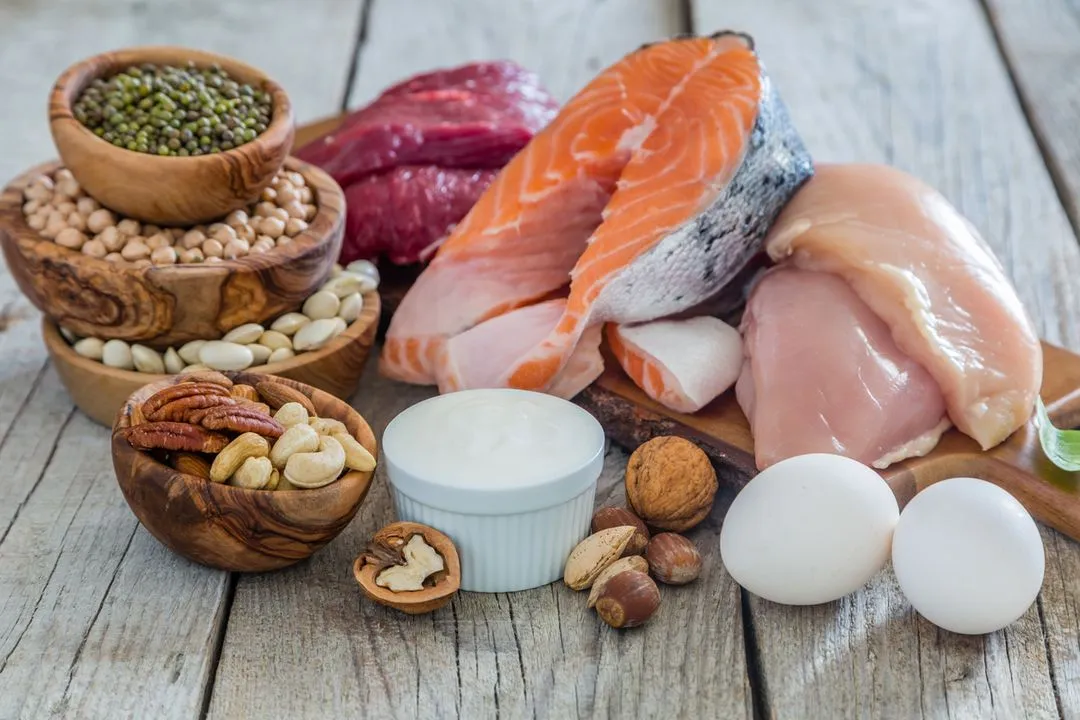
Lean Proteins
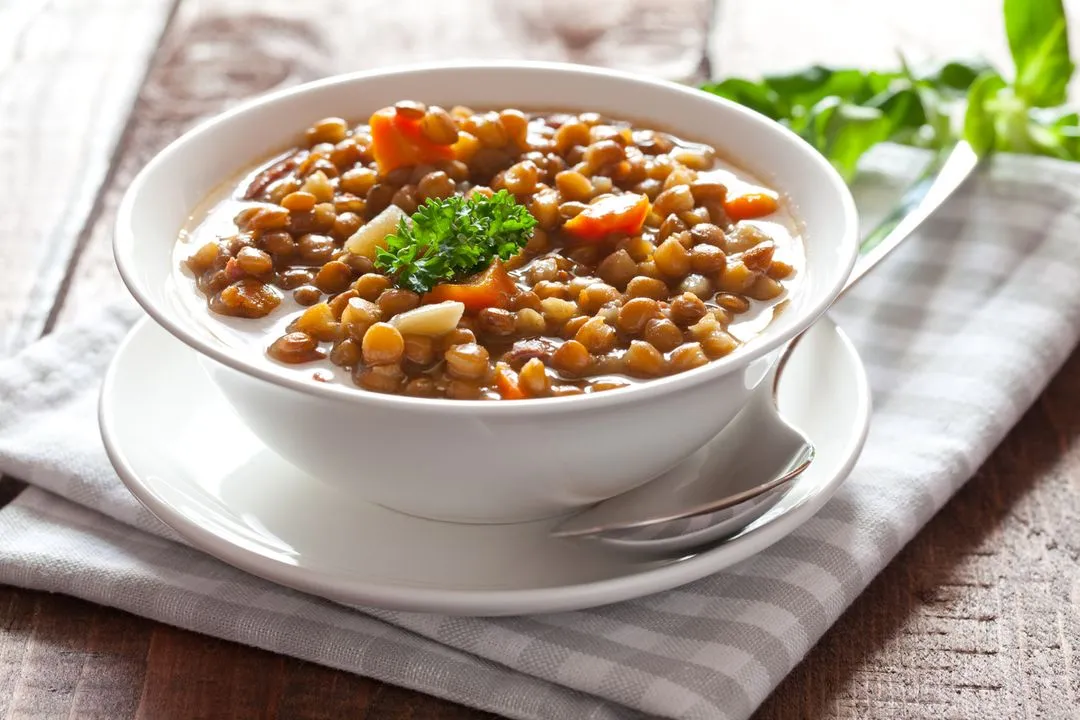
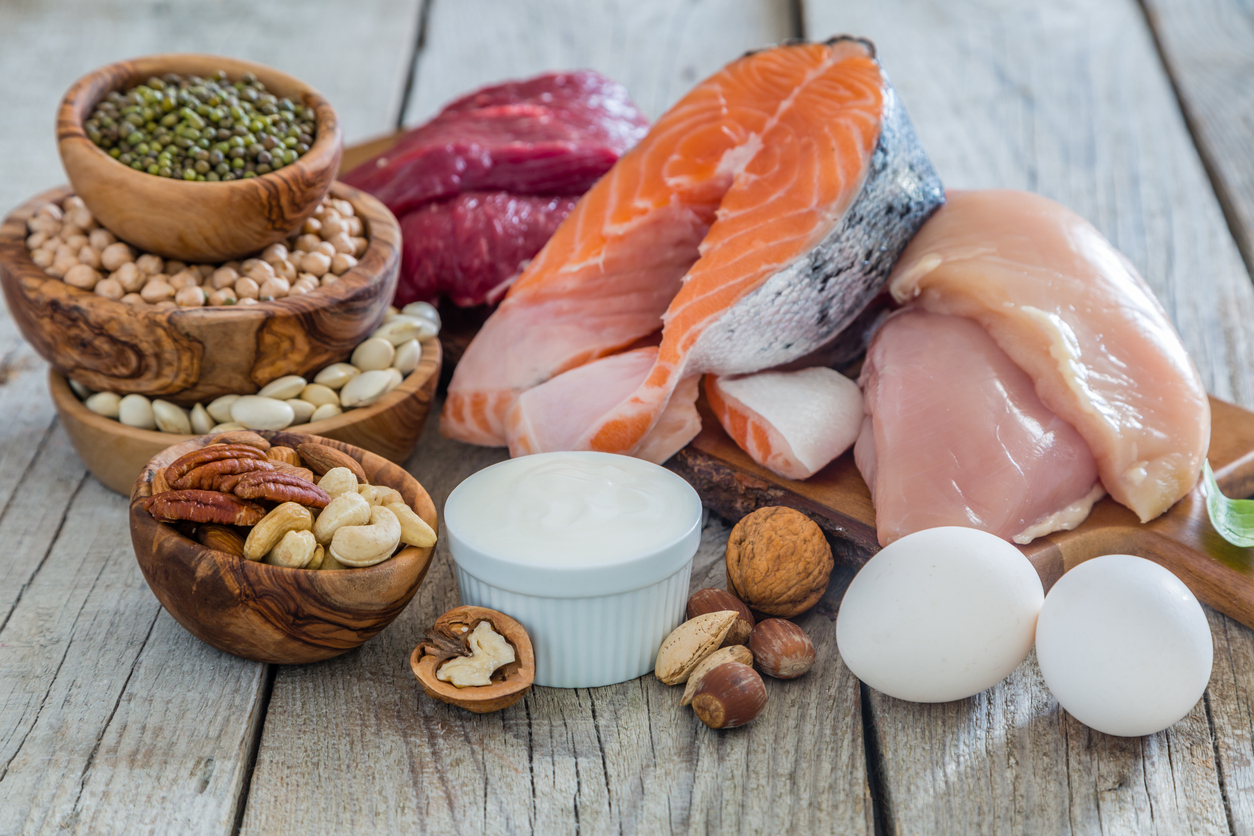
Protein is essential to a balanced diet and helps stabilize blood sugar levels, which can sometimes be unpredictable with dumping syndrome.
Experts also suggest eating a diet high in proteins with dumping syndrome.
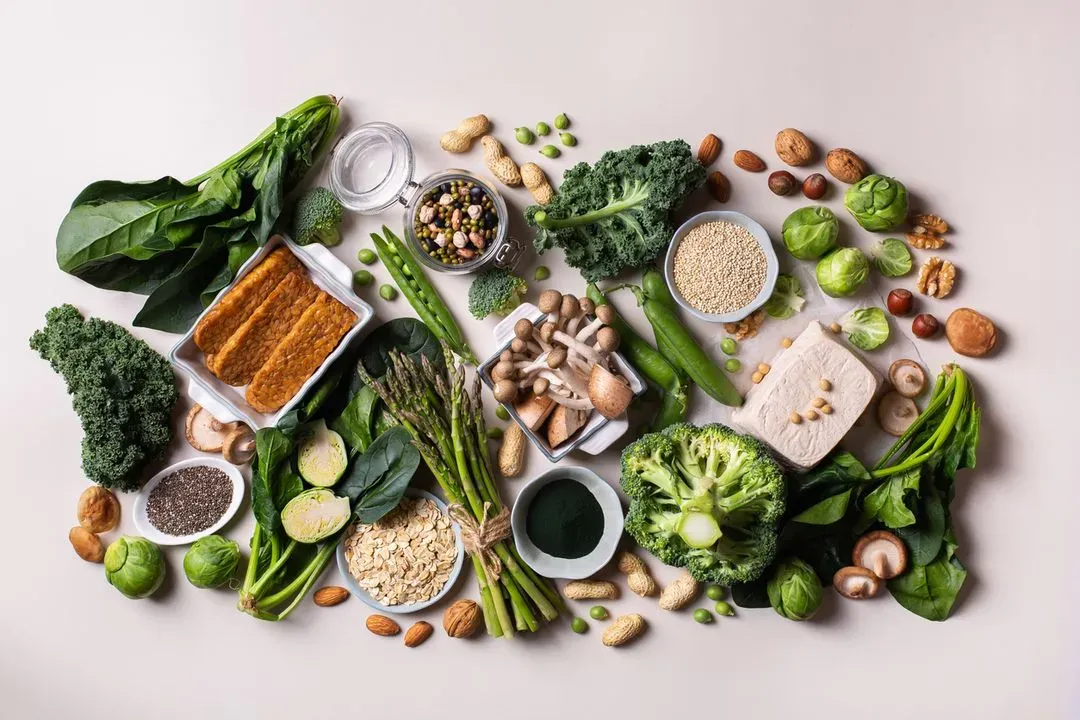
Choose lean sources of protein such as:
- Fish.
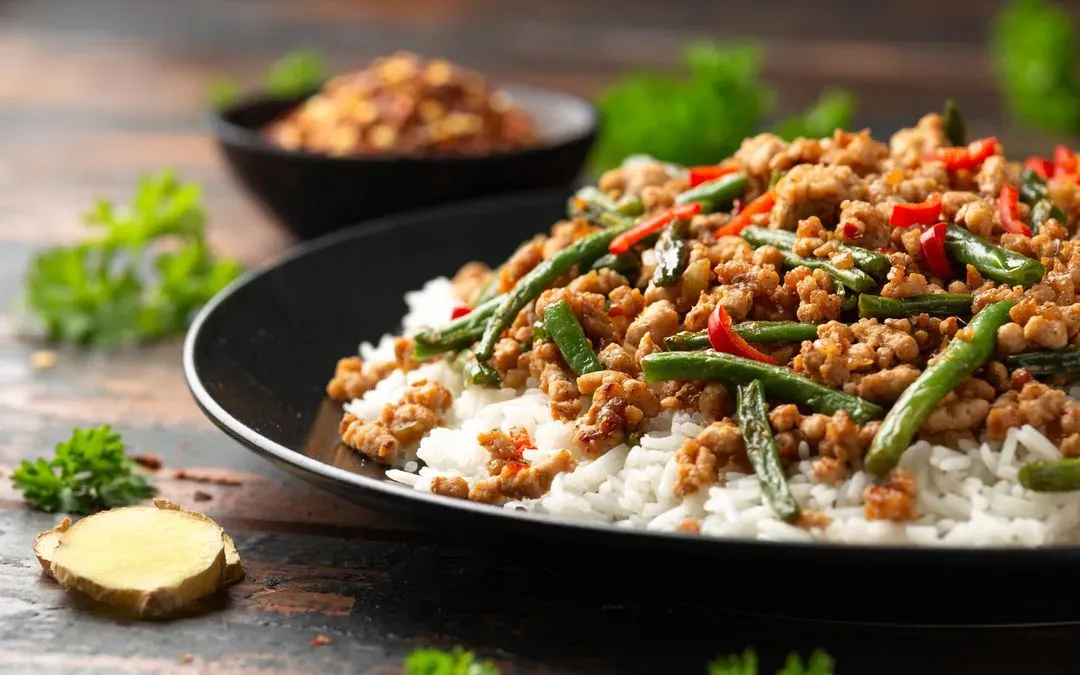
- Poultry.
- Beans.
- Lentils.
- Tofu.
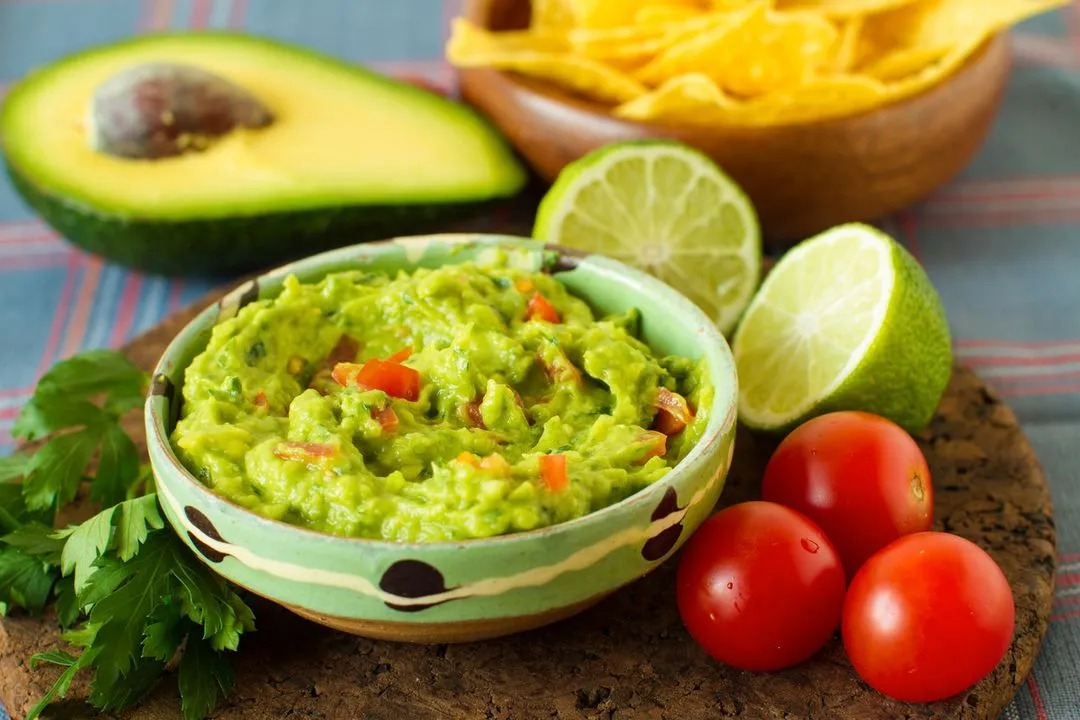
Healthy Fats
Healthy fats provide vitamin E and poly-unsaturated fats, which are important for overall health.
They also help reduce the risk of heart disease and balance cholesterol levels.
Good sources of healthy fats come from:
- Avocados.
- Olive oil.
- Nuts.
- Olives.
- Some fish (salmon, sardines, tuna, cod).
High-Fiber Grains
Fiber is essential for good digestive health and can help regulate bowel movements. Research also suggests it’s helpful for dumping syndrome.
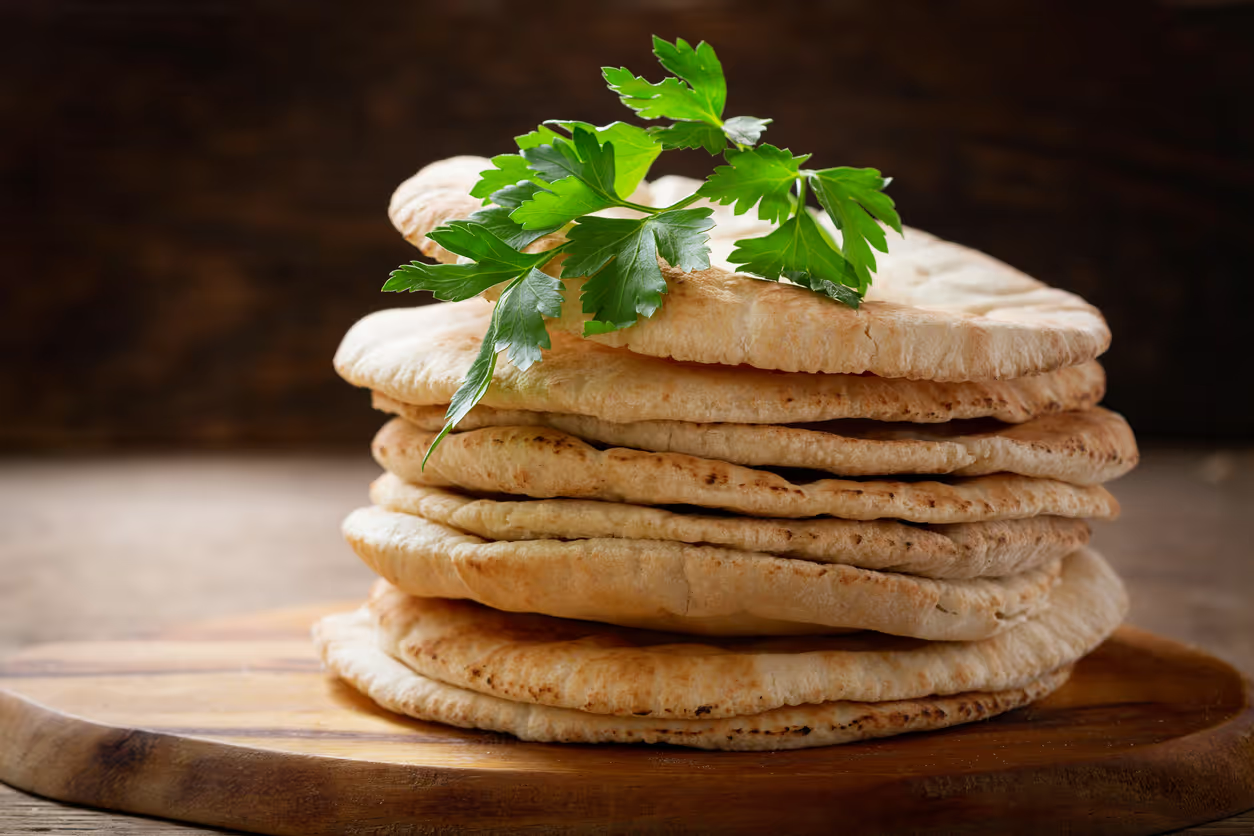
Good sources of fiber from grains include:
- Whole wheat bread.
- Oats.
- Brown rice.
- Whole wheat pasta.
- Whole wheat tortillas.
- Popcorn.
- Quinoa.
Probiotic-Rich Foods
Probiotics are beneficial bacteria that support gut health.
Incorporating probiotic-rich foods into your diet promotes a healthy balance of bacteria in your gut and aids digestion.
Probiotic-rich foods include:
- Sauerkraut.
- Kefir.
- Kimchi.
- Kombucha.
- Miso.
Tips For Managing Dumping Syndrome Symptoms
In addition to making some dietary changes, here are several lifestyle tips that may help you manage dumping syndrome symptoms
- Eat smaller, more frequent meals: Rather than three larger meals, eat six small meals throughout the day.
- Chew your food thoroughly: Chewing your food helps break it down into smaller particles to aid digestion.
- Avoid drinking during meals: Drink plenty of water between meals, but avoid drinking during meals. Wait about 30 minutes after eating to drink.
- Lie down after eating: Lying down for 30 minutes after eating meals may help slow your stomach from dumping into the intestines.
- Keep a food journal: Take notes on what you eat and how it affects your dumping syndrome to discover foods that trigger symptoms.
- Talk with a registered dietitian: A dietitian can help you create an individualized eating plan that works with your dumping syndrome and any other needs.
Takeaway
Managing dumping syndrome involves making some dietary changes to slow the speed at which the stomach empties into the intestines and reduce digestive symptoms.
Studies suggest that high-sugar foods, alcohol, and dairy products worsen dumping syndrome symptoms.
Other foods, such as carbonated drinks and caffeine, may also trigger similar symptoms and may be best avoided for more relief.
Focus on eating fruits and vegetables that are low in sugar and have the added benefit of fiber.
Lean proteins, high-fiber grains, and probiotic-rich foods support healthy digestion and may reduce dumping syndrome symptoms.
Several lifestyle tips, such as eating six small meals, lying down after eating, and avoiding fluid intake during meals, may further aid in managing symptoms.
A registered dietitian can give you personalized advice and further guidance on what to eat and what to avoid for dumping syndrome.
{{splash}}
How A Dietitian Can Help
A registered dietitian can help you manage your dumping syndrome symptoms.
They can help you discover which foods aggravate your symptoms and develop meal plans around foods you tolerate better.
Working with a dietitian also gives the added benefit of knowing your meals are packed with essential nutrients.
Their practical guidance and tips can help you develop grocery lists, meal prep plans, and recipe modifications to help make eating more enjoyable.
Find a Nourish dietitian who accepts your insurance and start finding relief from dumping syndrome.
Frequently Asked Questions
What foods trigger dumping syndrome?
Foods high in sugar, dairy, and alcohol are common triggers for dumping syndrome.
Are bananas good for dumping syndrome?
Bananas can be a great fruit choice for dumping syndrome.
They are a great source of fiber, vitamins, and minerals.
How do you get rid of dumping syndrome fast?
Unfortunately, there’s no instant cure for dumping syndrome.
However, avoiding certain foods, eating smaller meals, lying down after eating, and avoiding fluid intake during meals may help you manage your symptoms better.
References
Nourish has strict sourcing policies and prioritizes primary sources, including medical organizations, governmental agencies, academic institutions, and peer-reviewed scientific journals. Learn more about our medical review process and editorial guidelines.












.jpg)





















.avif)

.avif)






















.avif)

%20(1).webp)






.avif)
.avif)