Food Trauma: What It Means and How to Manage

Medical Reviewer: Taylor Hawkins, RD, LD
Summary
- Food trauma is when a person experiences one or more traumatic events related to food and develops specific fears and anxieties around eating.
- There is a link between a history of PTSD and eating disorders.
- It’s important to seek trauma-informed care to overcome food trauma.
Updated by: Jennifer Huddy
Content warning: This post will discuss areas of trauma and events that could be triggering for some people. Please take care of yourself when reading this article and know support is available.
Food trauma is a term used to describe a disordered eating pattern related to trauma around food and eating.
It’s likely that a person with food trauma has experienced an event(s) surrounding food that can cause them to feel anxious, fearful, and overwhelmed when eating.
In some cases, a history of trauma and post-traumatic stress disorder (PTSD) may set the stage for the development of an eating disorder.
Research shows that people who have suffered traumatic events may be at a higher risk of being diagnosed with anorexia nervosa (AN), bulimia nervosa (BN), binge eating disorder (BED), or avoidant restrictive food intake disorder (ARFID).
Not everyone with food trauma develops an eating disorder, but it’s important to recognize the symptoms.
Continue reading to learn more about food trauma, why it can happen, and what you can do to manage symptoms (and when to ask for help).
{{splash}}
What is Food Trauma?
Trauma is a word to describe an experience or situation that’s emotionally distressing.
It’s associated with psychological anguish and feelings of helplessness, fear, or terror.
Children exposed to adverse childhood events (ACEs) can develop trauma that negatively impacts the child’s development.
ACEs include direct abuse and neglect or indirect events, like witnessing violence in the home.
The more ACEs a child is exposed to, the higher the risk of developing psychological health concerns, including eating disorders.
Additionally, people who have been exposed to multiple traumatic events may experience more severe eating disorder symptoms when diagnosed.
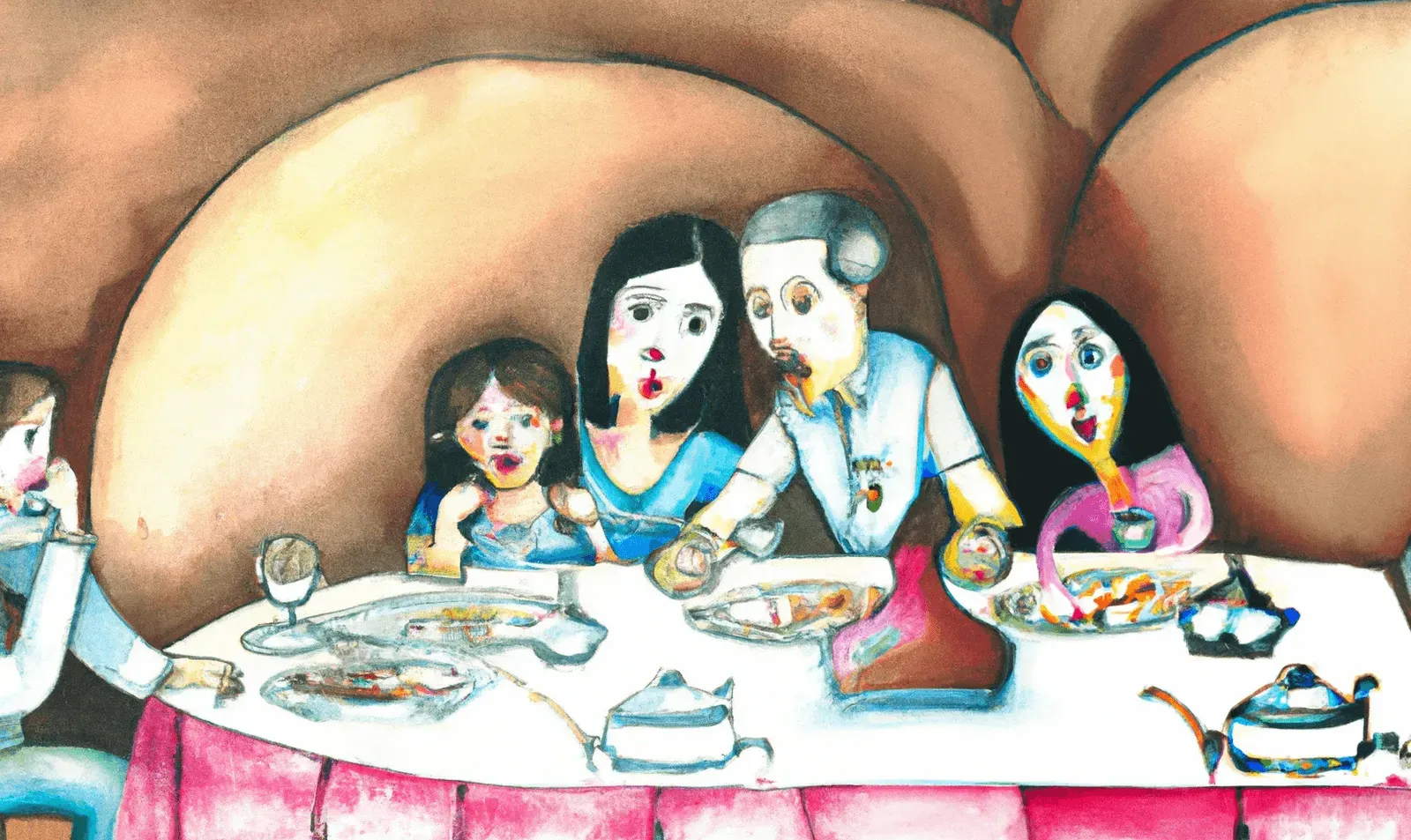
Sometimes, the traumatic event is specifically related to food and eating, which is known as food trauma.
Examples of this are outlined below.
Food Insecurity
Food trauma can include a lack of access to enough food or having to go without food in some situations.
Restriction or Deprivation
Extreme food restriction from a young age is a form of food trauma that may occur in cases of neglect when the caregiver withholds food.
Forced Eating
Food trauma in childhood could also be the opposite of deprivation, where an adult forces a child to eat more than they want.
This may involve not being allowed to leave the table until a specific amount of food is finished or being punished for not eating more.
Sensory Trauma
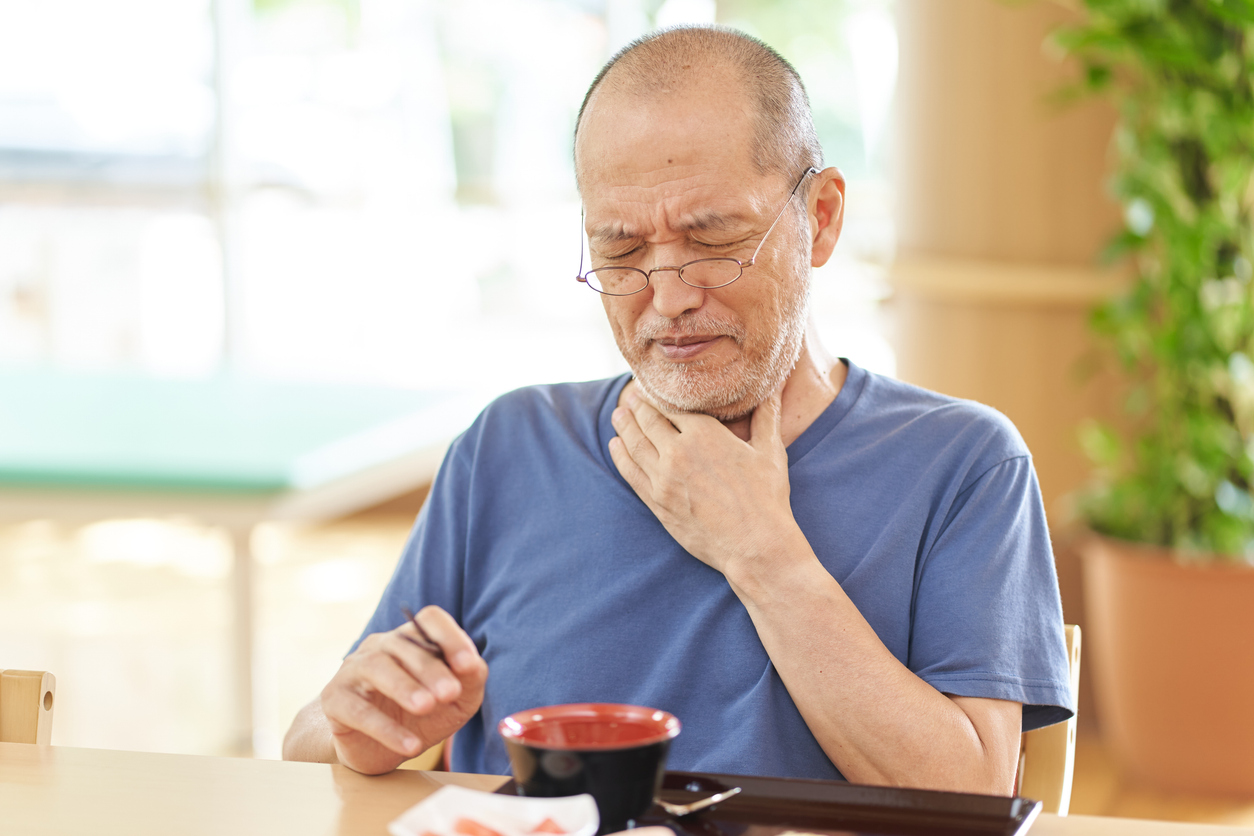
Sensory trauma may be related to the taste, texture, smell, or presentation of food that triggers anxiety or even a fear of getting sick after eating certain foods.
It can result from a traumatic event like choking or illness in childhood or adulthood.
When is Food Trauma a Problem?
If there are specific foods or textures you avoid related to a past traumatic event, it doesn’t necessarily mean you will develop an eating disorder.
However, any trauma, food-related or not, can increase the risk of eating disorders.
For example, a traumatic event in childhood could increase the risk of developing Avoidant Restrictive Food Intake Disorder (ARFID).
ARFID stems from various factors that create anxiety, fear, or obsessive thoughts that severely limit what someone can eat, leading to malnutrition if left untreated.
For some people, eating disorders provide a sense of control when trauma has left them feeling powerless.
Trauma can also lead to body dissatisfaction, which is a risk factor for eating disorders.
Since trauma impacts a person’s ability to self-regulate their nervous system, food restriction or overeating can become a way to self-soothe.
Consider talking with a trusted healthcare professional if your food avoidance begins to:
- Dominate your thoughts.
- Create an intense fear of food and eating.
- Negatively impact your social life.
- Limit your ability to eat enough.
- Negatively impact your physical and mental health.
How to Manage Food Trauma
Trauma is complex. Each person will have a different journey to healing, but there are some general steps to consider.
Find a Healthcare Team
The first step to managing food trauma is finding your healthcare team.
Working with a group of professionals who understand trauma, including a therapist and a registered dietitian, will help you navigate the healing process and understand your triggers.
If you’ve been diagnosed with an eating disorder and have a history of PTSD, research suggests a treatment program that addresses both.
Safely Explore Foods
The second step is to start safely exploring foods in a way that feels comfortable for you (with the support of your healthcare team).
Since food trauma can manifest in different ways depending on the individual, it’s essential to develop a strategy tailored to your needs.
For example, a sensory-based eating program might benefit someone with texture-based food aversions, but someone with ARFID might need to focus more on exposure therapy.
Your team can help you create a plan that feels safe but still pushes you to heal.
Find Support
Enlisting trusted family members and friends can help support you throughout your treatment.
This may look like involving close family members in one or more therapy sessions or asking for support during meals.
Support groups relating to trauma or disordered eating may also be an option, depending on what’s available in your area.
Remember, healing from food trauma is a journey and not something to be rushed.
Give yourself time and allow yourself to take the necessary steps to get there.
Intuitive Eating as a Food Trauma Treatment
Intuitive eating is the practice of honoring your body’s internal hunger and fullness cues to guide your eating. It involves ten principles, centered around rejecting the diet mentality, making peace with food, and respecting your body.
Intuitive eating concepts are commonly taught in eating disorder treatment programs.
Few studies have examined intuitive eating as a treatment for food trauma.
What Does The Research Say?
A pilot study from 2022 examined the effectiveness of “Body Trust,” a trauma-informed mindfulness program for treating people with disordered eating and a history of trauma.
This program utilized several intuitive eating concepts, such as:
- Reconnecting to hunger and fullness cues.
- Identifying the difference between emotional and physical hunger.
- Finding satisfaction from food.
Participants experienced a reduction in eating disorder symptoms and traumatic stress after completing the online program.
Though the results of this study were promising, more research is needed to understand the potential role of intuitive eating in food trauma treatment.
Food Trauma Resources
Living with food trauma can feel isolating, but you don’t have to manage it alone.
Finding the right providers, support groups, and resources can help you move forward.
Finding Providers
Start by looking for healthcare professionals (such as therapists and registered dietitians) who offer trauma-informed care.
These providers have undergone additional training to provide a safe environment for people who have experienced trauma.
They know which questions to ask and how to guide the conversation to prevent retraumatization when revisiting past traumatic events.
Trauma-informed providers implement individualized treatment strategies that emphasize the client’s strengths.
If you have a history of trauma and an eating disorder diagnosis, look for an eating disorder treatment center that offers trauma-informed care.
This information may be available on their website or something you ask about during your intake call.
{{splash}}
Online Resources
If you’re unsure where to start, the following resources can help you learn more about trauma and eating disorders and find appropriate services.
Trauma
- Helping Children Cope With Traumatic Events.
- National Center for PTSD.
- Government database for locating mental health services.
Eating Disorders
- National Eating Disorders Association (NEDA) Screening Tool.
- National Alliance for Eating Disorders Treatment Center & Practitioner Directory.
- Free Eating Disorder Helpline.
Takeaway
Experiencing traumatic events related to food or eating may lead to specific fears and anxieties around food and an increased risk of disordered eating.
Trauma in general (not just food-related) also increases the risk of eating disorders.
If you’ve experienced food trauma and engage in disordered eating practices, it’s important to find a trauma-informed healthcare team (including a therapist and registered dietitian) to help you address the trauma in a safe space.
How a Dietitian Can Help
If you’re struggling with food trauma, know that there is hope and help available.
A trauma-informed dietitian can help you address your disordered eating habits in a safe and effective way.
Your sessions may include:
- Trauma-informed eating disorder treatment.
- A safe space to discuss and explore trigger foods.
- Education on intuitive eating principles.
- Referral to other members of the treatment team, such as a therapist or social worker, as needed.
Find a dietitian specializing in food trauma and eating disorders to get the support and care you need.
Frequently Asked Questions
Can food insecurity cause trauma?
Food insecurity occurs when a person has limited or inconsistent access to the food needed to survive.
Research shows that food insecurity can cause overwhelming stress that is often ongoing.
Public health experts suggest that because of this, food insecurity is traumatic for many people.
Can food insecurity cause mental illness?
Research shows that food insecurity is associated with high stress levels as well as negative physical and mental health effects that can persist over time.
People who experience food insecurity have higher rates of certain mental health conditions like depression, anxiety, and PTSD.
Is starvation traumatic?
Research shows that the extreme hunger often experienced by people who are food-insecure can be a source of trauma due to the psychological and physical stress it causes.
Starvation related to restrictive eating disorders, such as anorexia nervosa, is also considered to be a form of trauma.
References
View all references
-
- Vaughn, M. G., Salas-Wright, C. P., Naeger, S., Huang, J., & Piquero, A. R. (2016). Childhood Reports of Food Neglect and Impulse Control Problems and Violence in Adulthood. International Journal of Environmental Research and Public Health, 13(4).
- Slaughter, C. W., & Bryant, A. H. (2004). Hungry for Love: The Feeding Relationship in the Psychological Development of Young Children. The Permanente Journal, 8(1), 23-29.
Nourish has strict sourcing policies and prioritizes primary sources, including medical organizations, governmental agencies, academic institutions, and peer-reviewed scientific journals. Learn more about our medical review process and editorial guidelines.













.jpg)
























.avif)

.avif)
































.avif)


%20(1).webp)






.avif)
.avif)