When I Start Eating I Can’t Stop: What To Do When You Can’t Control Your Eating

Medical Reviewer: Lindsay Cohen, RDN, LDN, CDCES, NBC-HWC

Author: Julia Zakrzewski, RD

Summary
- You’re probably hungry and excited to dig in when you first start eating.
- Some people find it hard to stop eating after they’ve started—even if they’re no longer hungry.
- A registered dietitian can teach you to slow down, savor every bite, and regain control of your eating.
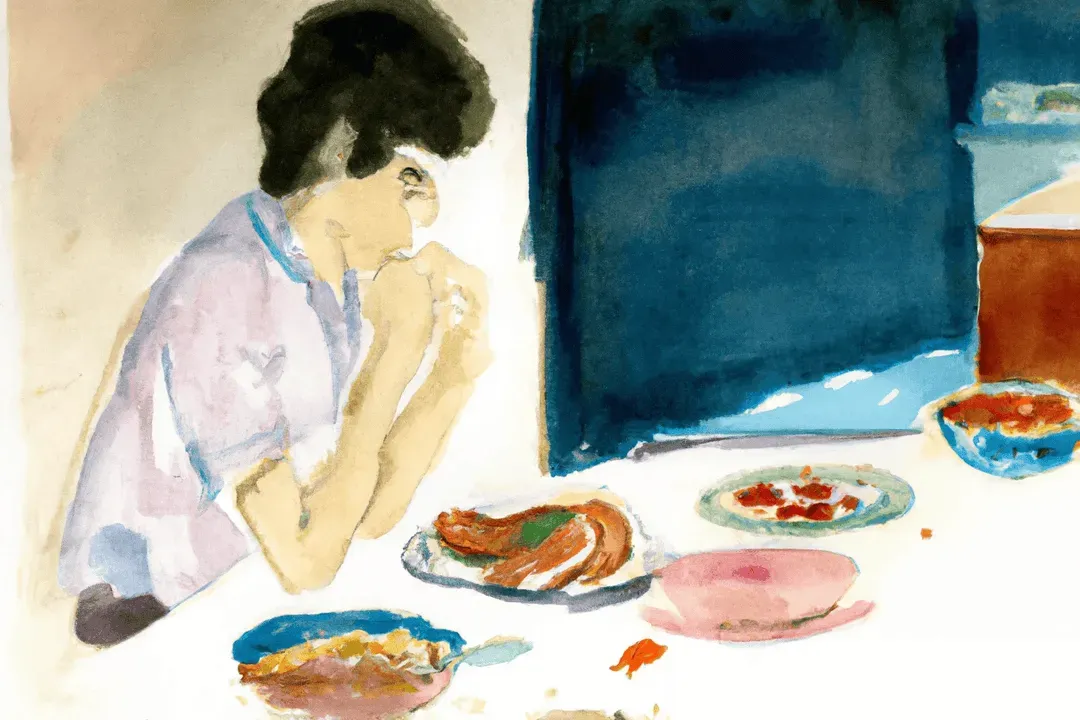
Feeling out of control at a meal can look different for everyone.
Some behaviors that might make you feel out of control while eating include eating more than you planned, continuing to eat even when you’re full, or consuming large amounts of food quickly.
A registered dietitian can help you address these behaviors and teach you to feel more controlled at meals and snacks.
Keep reading to learn strategies for addressing out-of-control eating, and sign up with Nourish to access dietitian services covered by insurance.
{{splash}}
What to Do When You Can’t Control Your Eating
Here are some steps you can follow if you feel out of control while eating.
- Try to stop and then step away. Move to an environment without food to take a break and reflect.
- Reflect on what happened. Try to pinpoint the moment that you felt like you lost control. You can write these down if it helps.
- What led up to that moment? Were you feeling emotionally hungry, or was it something else? Try to include as many details as possible. This step might become easier the next time you do it because you’ll learn what to be more aware of.
- Share your experience with your dietitian. They can discuss your feelings and offer suggestions to help you address these eating behaviors.
- Be kind and gracious to yourself. There’s nothing wrong with you if you overeat at a meal, and know that working with qualified professionals will help you feel better.
Potential Causes of Feeling Out of Control Around Food
There are several reasons why you may feel out of control around food.
We’ve listed some potential causes below, but this list isn’t exhaustive.
If you think something else drives your desire to eat, consult a registered dietitian for a more thorough assessment.
Restriction and Deprivation from Dieting
Following fad diets, food rules, and restrictive eating practices may warp your relationship with food over time.
For example, you might feel bad or like you’ve done something wrong when you eat a food or drink that you “weren’t supposed to.”
Having a black-and-white outlook on food and nutrition could make it harder to feel in control when eating.
Instead of savoring a meal or snack, you might feel something like, “I’ve already ruined my day of eating; I might as well have whatever else I want.”
This mentality could spiral and make you feel out of control around food.
Fortunately, a dietitian can help address these thought patterns and help you feel more in control at meals.
Emotional Triggers
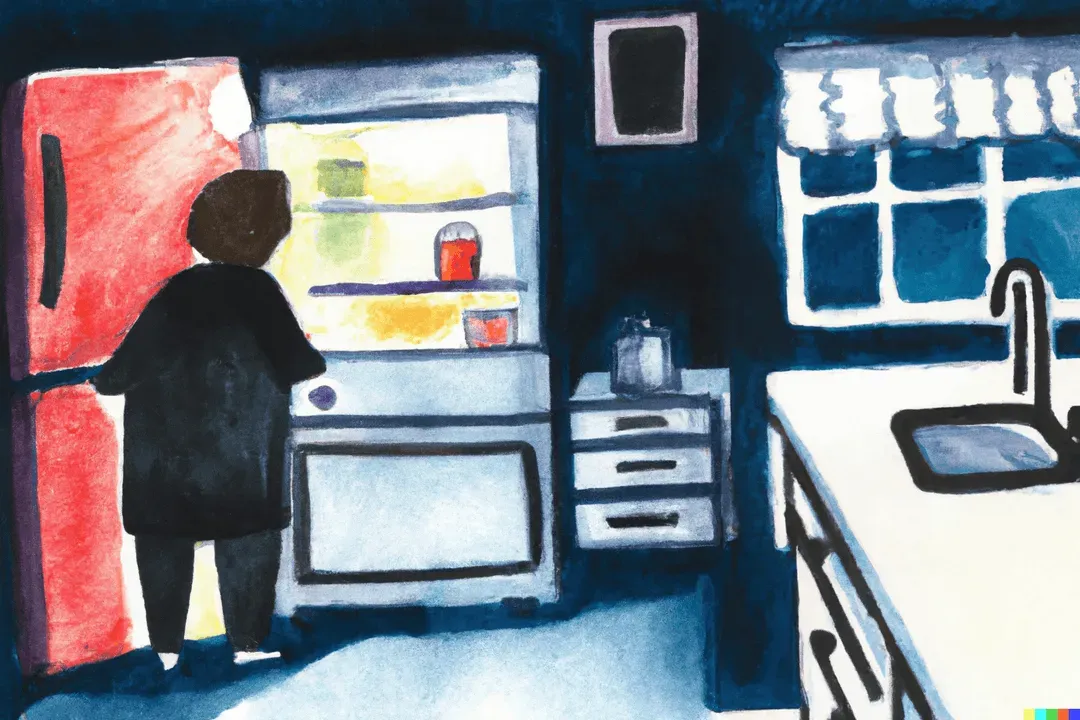
For some people, negative emotions can trigger bouts of emotional eating or overeating.
This can include feelings of anger, sadness, stress, anxiety, loneliness, and even boredom.
Positive emotions can influence your eating, too.
Learning how to cope with your emotions without turning to food can completely revitalize your relationship with eating.
A mental health specialist or a specialized dietitian can support you with this.
Make sure to check out this resource on Nourish’s favorite emotional eating books.
Distracted Eating
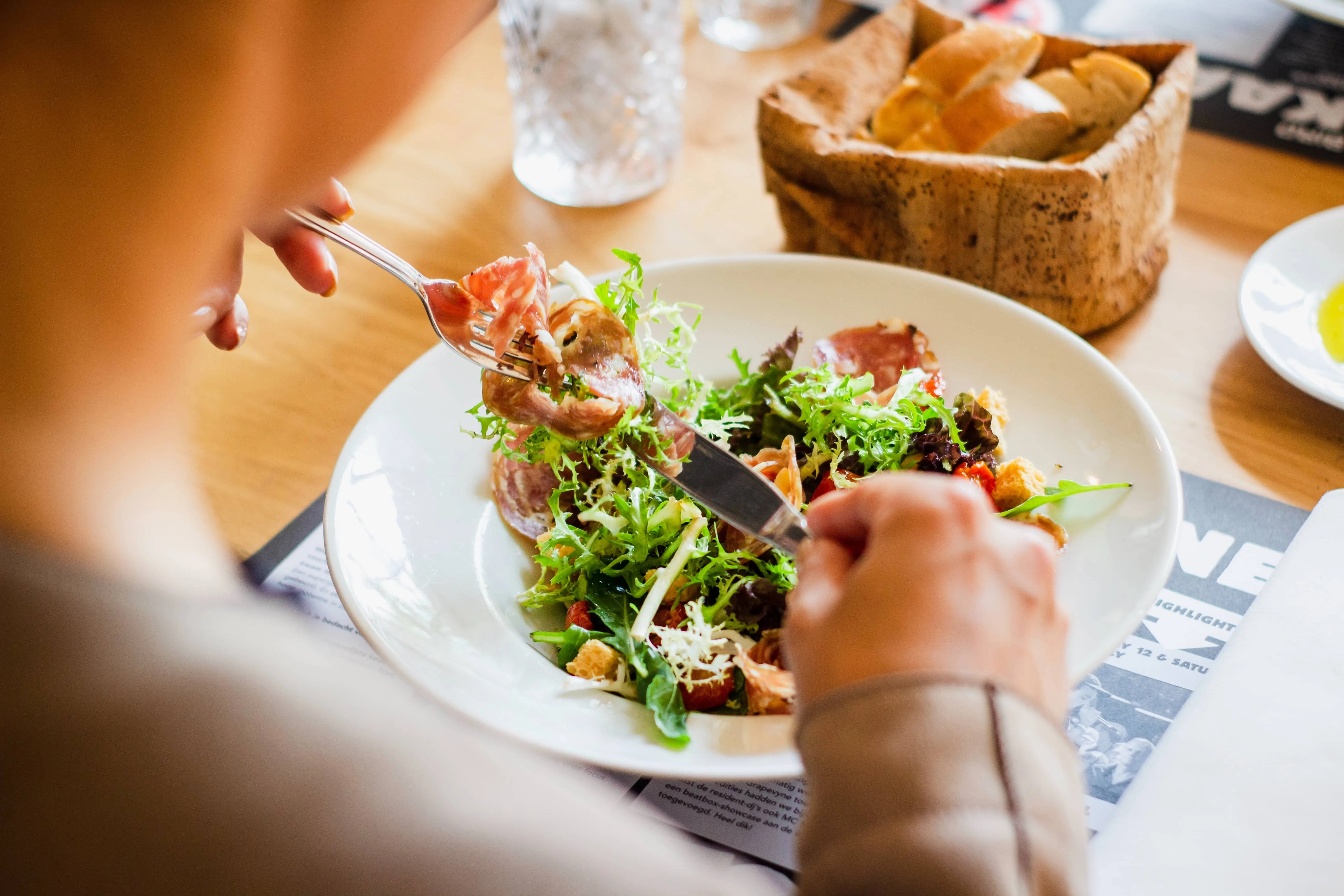
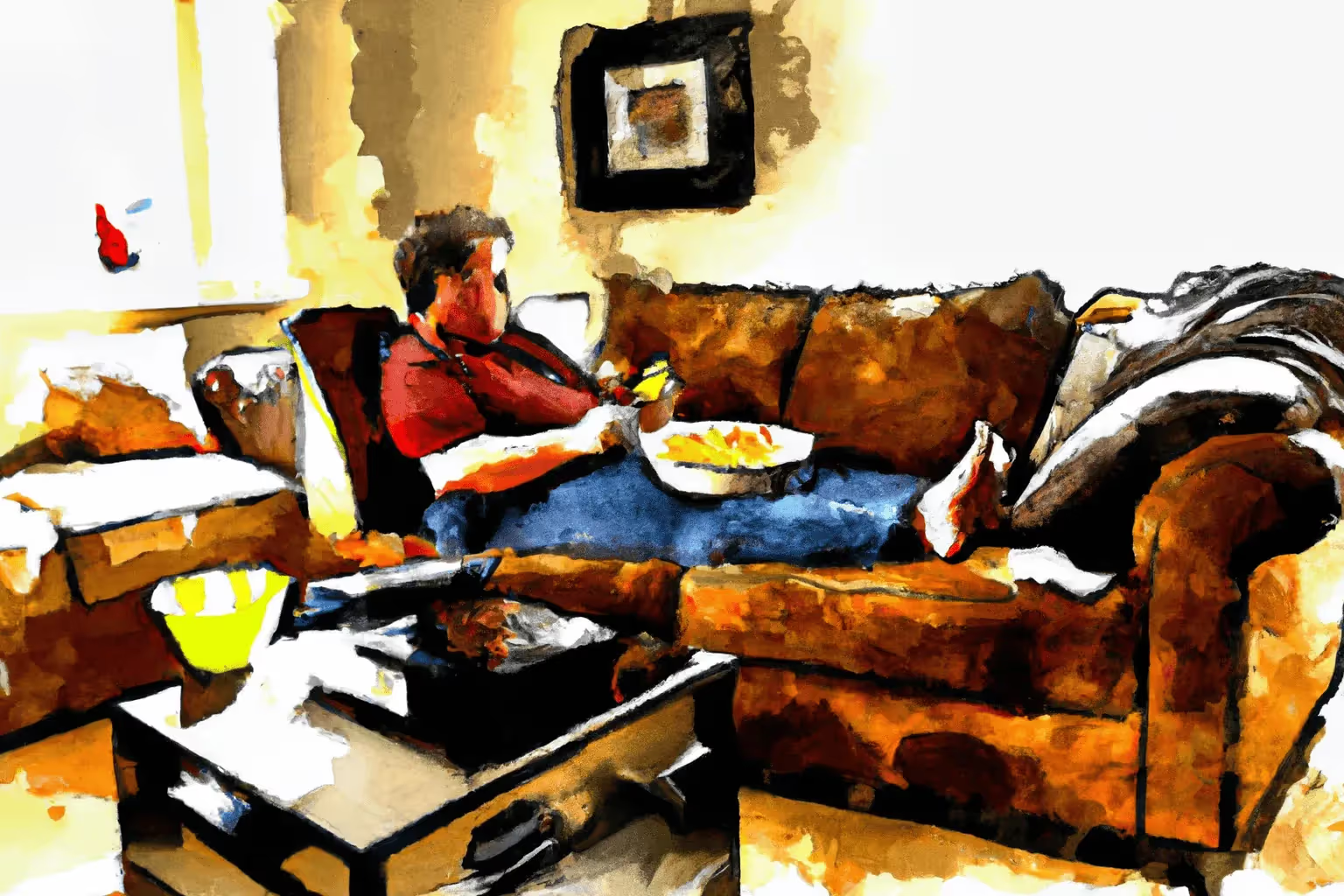
Being distracted while eating may make it harder to savor your meal.
If you’re not paying attention, you might miss your body’s fullness cues, making it harder to know when to stop eating.
Try to identify distractions in your environment:
- Screens (TVs, phones, etc.)
- Eating somewhere other than a dining table.
- Rushing through your meal.
Binge Eating Disorder
Binge eating disorder is a type of eating disorder that’s characterized by eating large quantities of food in a short amount of time while feeling distressed and out of control.
It’s more severe than overeating—it’s emotionally and psychologically taxing to binge.
Fortunately, there are several treatment options and support available for binge eating disorders, including psychological counseling and some medications.
Poor Eating Habits
Poor eating habits can include skipping meals, ignoring your hunger, eating too close to bedtime, and stress eating.
Knowing what to eat, when to eat, and how much can be challenging if you've never received formal nutrition education.
A registered dietitian can teach you these fundamentals to help you develop better eating habits.
Effects of Uncontrolled Eating on Your Health
Uncontrolled eating may have physiological and mental effects on health.
We’ve listed some possible outcomes below.
Changes in Weight
Frequently eating large amounts of food could potentially lead to weight gain.
If you notice any significant weight changes, have a conversation with your dietitian about your food intake and dietary habits.
Emotional Distress
It doesn’t feel good when you’re out of control.
It can cause stress and anxiety and may strip some of the joy tied to eating a good meal.
If you’re experiencing emotional distress, you should talk to your healthcare team—they can recommend professional resources to help you cope with your emotions.
Disordered Eating Patterns
Disordered eating may include restrictive eating habits, irregular or inflexible eating patterns, and more.
Addressing these beliefs and having more flexibility can help you feel freer at meals.
A dietitian can help with this by teaching you to embrace intuitive eating.
This approach rejects diet culture and helps you tune into your body’s natural intuition about eating and satiety.
Strategies for Overcoming Uncontrolled Eating Behavior
We’ve listed some strategies you can try if you’re ready to address uncontrolled eating behaviors.
Seek Professional Help if Needed
There are so many benefits to working with a trained professional.
They can help you identify triggers and underlying issues that could make you feel out of control at meals.
Then, you don’t have to guess what steps to take—instead, you’ll get tailored, evidence-based recommendations.
Also, it can be invaluable to receive unconditional support from a professional.
Changing your habits takes time, and having someone in your corner can help you stay motivated as you work on your health goals.
Practice Mindful Eating
You can practice mindful eating by incorporating the following:
- Listen to your body’s hunger cues and sit down to eat when you feel hungry.
- Try to eat in a quiet environment.
- Turn off distracting TVs, phones, and other devices.
- Chew slowly and try to identify different flavors and textures.
- Reflect on how you feel after eating—are you satisfied? Do you need more food?
Create a Support System
Another form of accountability is having people in your life to support you.
Ask colleagues, friends, or family members to support you at meals.
Tell them clearly what you need them to do (it might also be helpful to tell them what not to say while you’re eating).
Make Changes to Your Environment
Some triggers may be rooted in your environment, and changing elements in your space might help you feel more in control at meals.
For example, if keeping a candy bowl on your desk distracts you—try removing it for one week and see how you feel.
If you’re not sure where to start—ask your dietitian.
They can offer guidance and helpful suggestions for changes to make to your environment.
Focus on Balanced Meals and Snacks
Building nutritionally balanced meals and snacks might help you feel full after eating.
To get started, fill your plate with half a plate of vegetables and fruits, a quarter plate with lean proteins, and the final quarter with carbohydrates.
For snacks, combine two to three food groups (be sure to include filling fiber and protein.)
Takeaway
You might feel out of control while eating for several reasons, including emotional eating, being distracted at meal times, and having poor dietary habits.
To help you feel more in control at meals, try to change your environment so that you feel present, calm, and undistracted while eating.
Working with a dietitian may also help because they can suggest personalized strategies that fit your needs.
{{splash}}
How a Dietitian Can Help
A registered dietitian can help you address eating behaviors like not being able to stop eating after having a meal or snack.
Your dietitian will review your nutritional intake and meal timing through individualized counseling to determine the most beneficial changes.
Other things you might review during your nutrition appointment include:
- How do I tell when I’m full?
- How do I address secret eating?
- Why do I feel guilty after eating?
- How can I eat with intention?
Find a dietitian who accepts insurance through Nourish.
Frequently Asked Questions
Why is it that when I eat, I can't stop?
There could be several contributing factors that could make it hard to stop eating:
- You’re hungry and need more nourishment.
- You’re eating to cope with emotions (stress, loneliness, boredom, etc.)
- You’re unable to recognize your hunger and fullness cues.
For more personalized insight, consider working with a registered dietitian.
What is hedonic eating?
Hedonic eating is described as eating for pleasure rather than eating for sustenance.
It’s not bad, but if these behaviors concern you, you can discuss them with a registered dietitian.
Why am I always hungry even after eating?
There are a few reasons why you might feel hungry (even after eating):
- You didn’t eat enough.
- Your meals lack filling nutrients like protein, lean fats, and fiber.
- You’re unable to identify your hunger and fullness cues.
Again, working closely with a registered dietitian can help determine why you’re hungry after eating.
References
View all references
Nourish has strict sourcing policies and prioritizes primary sources, including medical organizations, governmental agencies, academic institutions, and peer-reviewed scientific journals. Learn more about our medical review process and editorial guidelines.