Top Foods High In Lysine: Benefits, Risks, And More

Medical Reviewer: Danielle Matthies, RD, LD, CD

Author: Sarah Glinski, RD
.avif)
Summary
- Lysine is an essential amino acid that must be obtained through diet, as the human body cannot produce it.
- Lysine is involved in carnitine production, calcium absorption, and collagen production. It may also help reduce cortisol and anxiety levels and prevent cold sores.
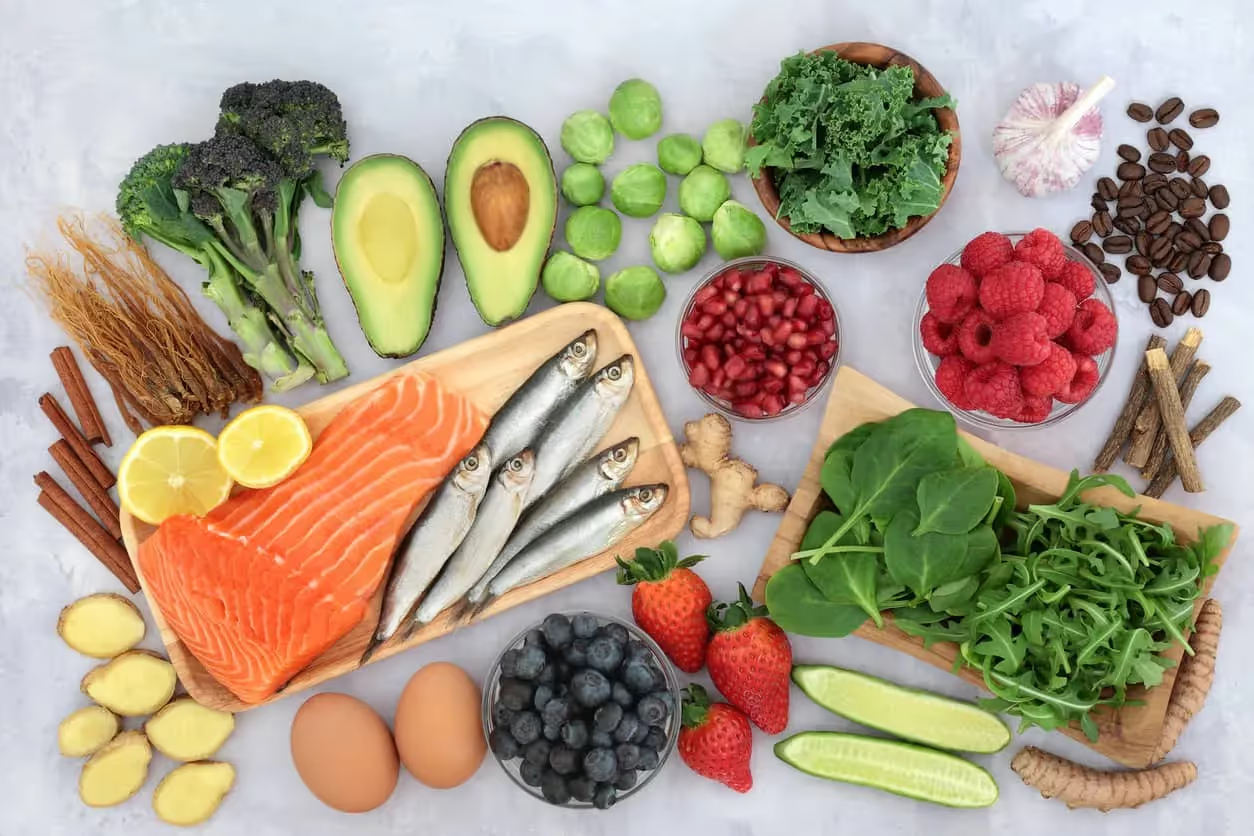
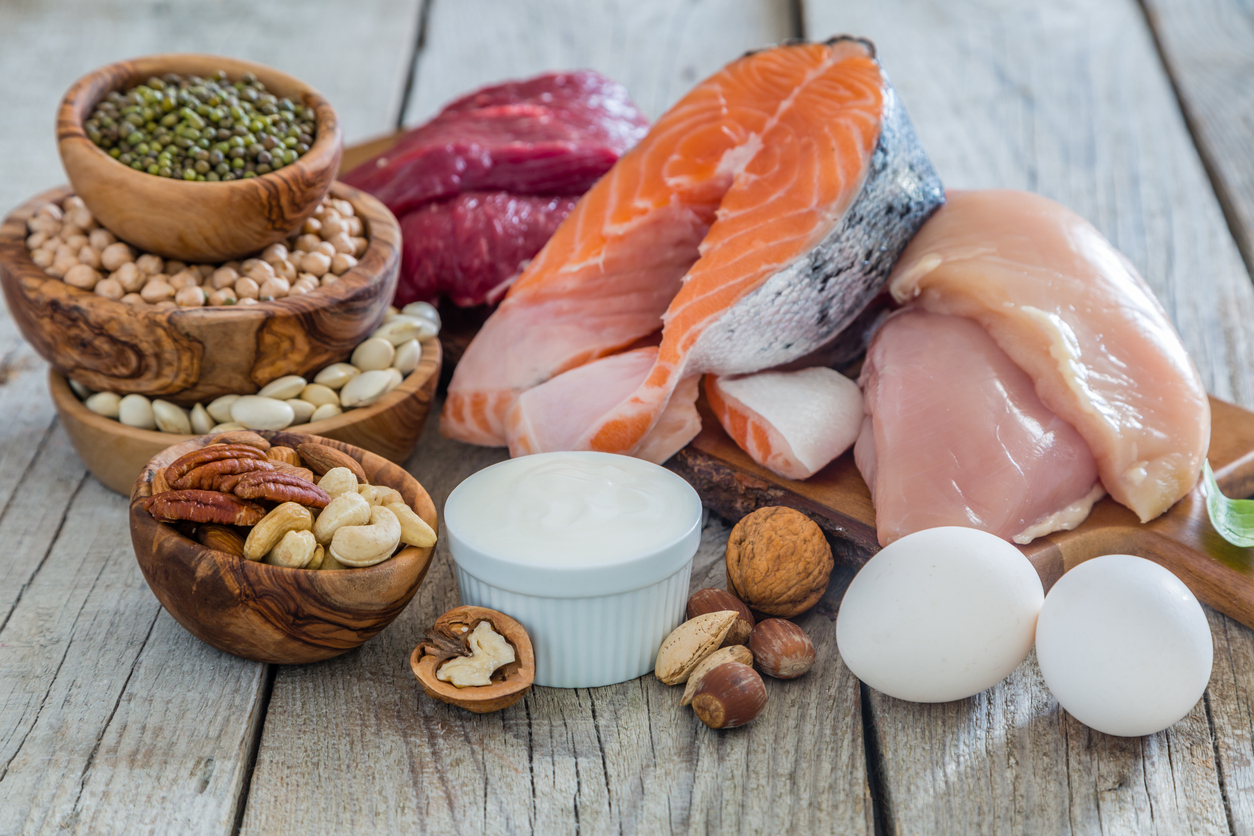
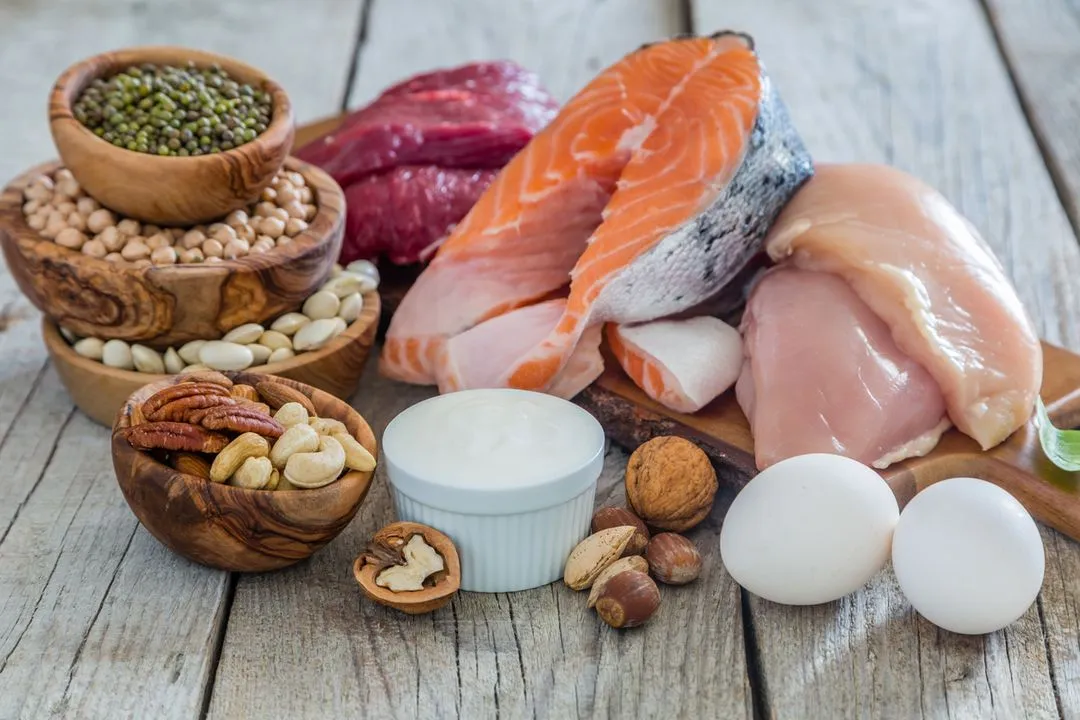
- Lysine is found in high-protein foods such as poultry, fish, pork, beef, eggs, dairy, soy, nuts and seeds, quinoa, and legumes.
Lysine, or L-lysine, is one of nine essential amino acids necessary for human health.
The human body cannot produce it but must obtain it through dietary sources.
Amino acids are the building blocks of protein.
If you don’t get enough essential amino acids through your diet, your body will break down lean tissue like muscle to obtain them.
Lysine has many functions in the human body. It’s essential for carnitine production, which helps convert fatty acids into energy.
Lysine is important for calcium absorption and is involved in collagen production.
Some older studies also show that lysine can reduce cortisol (the stress hormone) levels in people with low dietary intakes of lysine.
Finally, some studies show that lysine supplementation may help prevent cold sores due to immune-supporting properties.
Read on to learn about foods high in lysine, when a high-lysine diet is recommended, and safety considerations and potential side effects of lysine supplementation.
{{splash}}
Top Foods High in Lysine
A 70-kilogram (equal to about 150 pounds) person needs around 800 to 3,000 milligrams of lysine daily.
Typically, foods high in protein are also high in lysine. Here are some of the top foods high in lysine.
Poultry
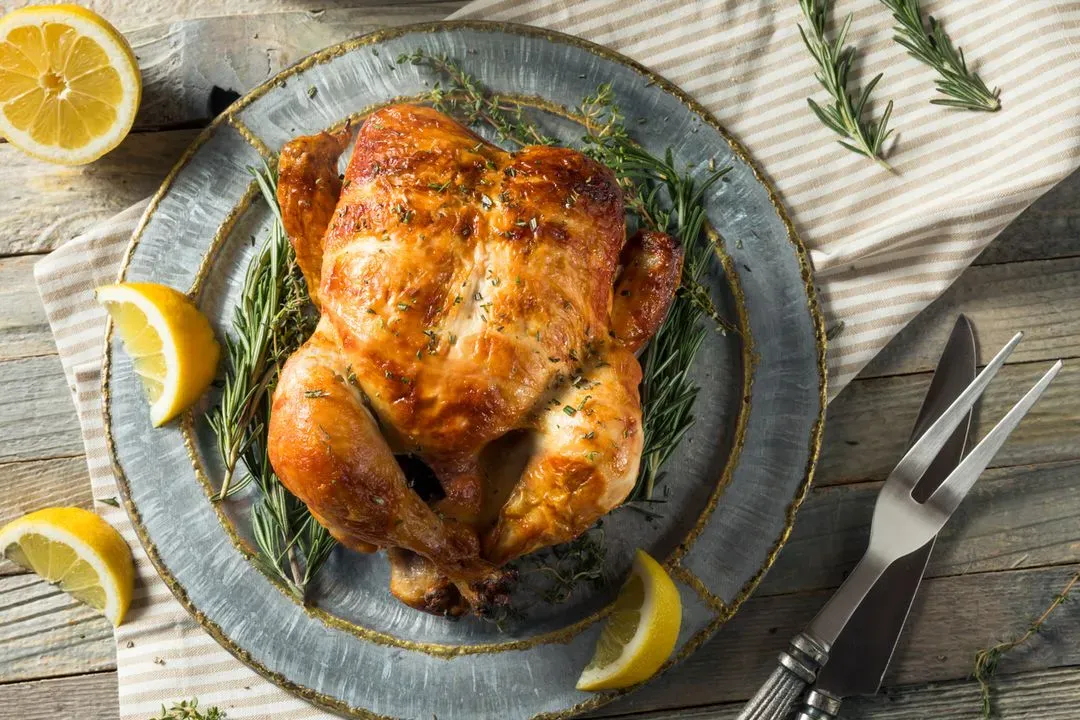
Poultry, such as turkey and chicken, is an excellent source of lysine.
A four-ounce boneless, skinless chicken breast contains 2,440 mg of lysine.
Try making turkey meatballs, chicken quesadillas, or a chicken curry to incorporate more poultry into your diet.
Fish
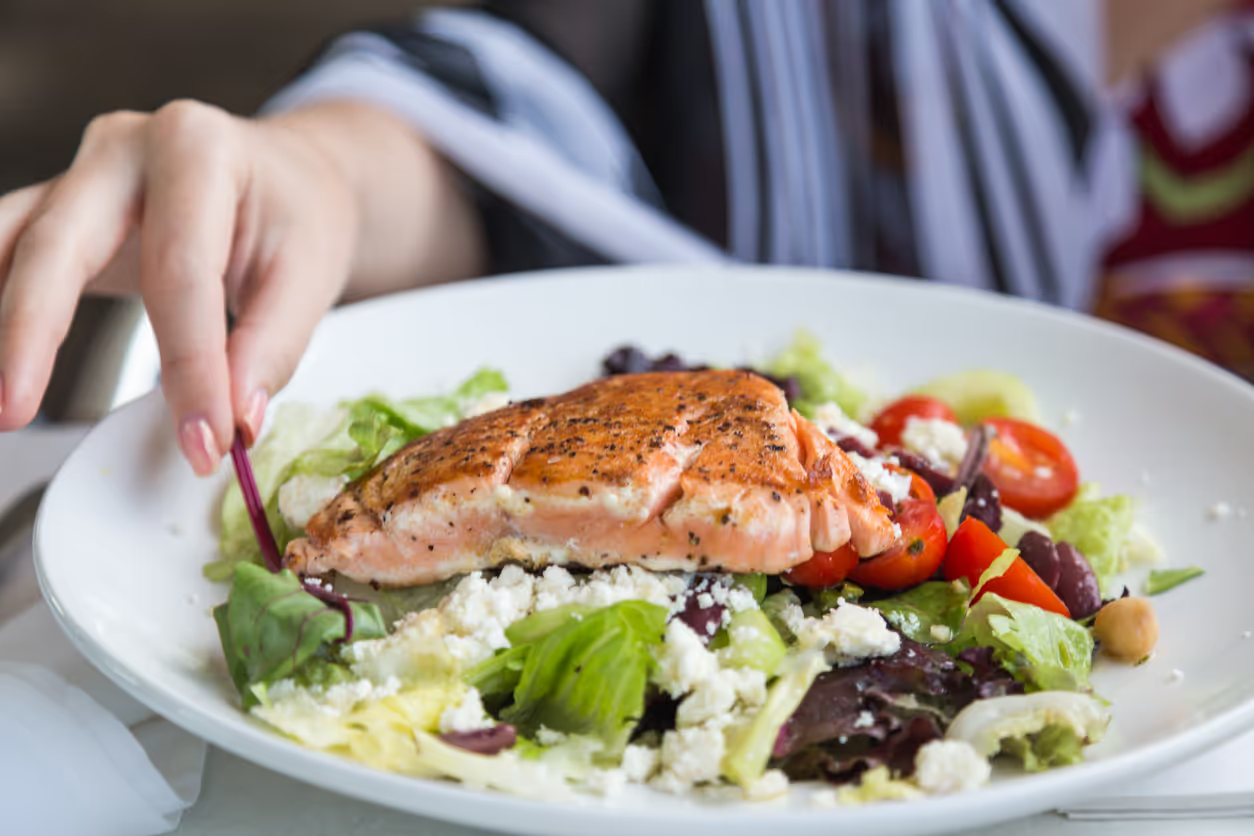
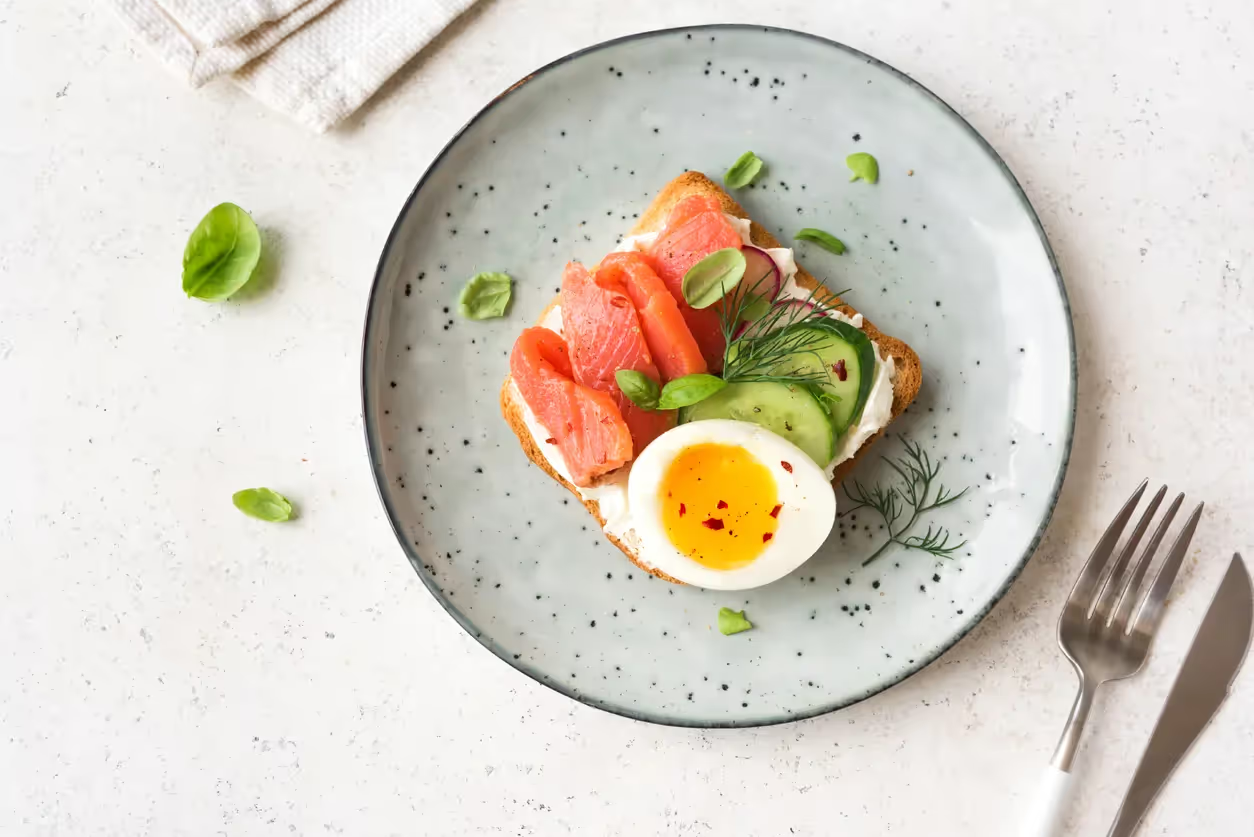
Fish is another great source of lysine. A three-ounce salmon filet contains 1,590 milligrams of lysine.
Canned fish like salmon, tuna, and sardines are convenient options that can be easily added to salads, sandwiches, pasta, and wraps.
Look for varieties packed in water or olive oil.
Pork
A four-ounce serving of pork tenderloin contains 2,170 milligrams of lysine.
Look for pork cuts labeled “loin” or “leg,” as those tend to be lower in saturated fat than cuts like ribs or belly.
Trim off any excess fat before cooking to reduce the fat content further.
While these steps do not alter the lysine content, reducing saturated fat intake is important for heart health.
Try slow-cooked pork and vegetable stew or lettuce wraps made with extra-lean ground pork.
Beef
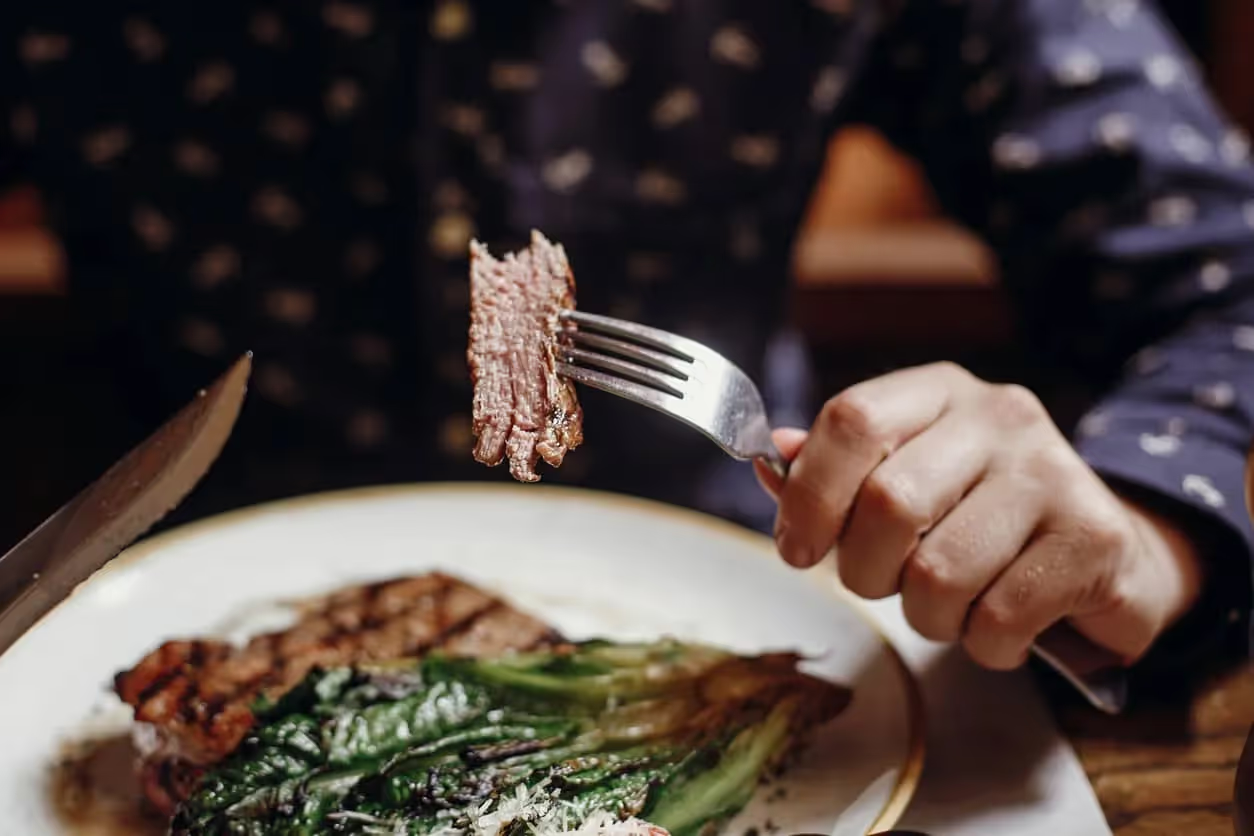
A four-ounce serving of beef tenderloin contains 2,890 milligrams of lysine.
Look for cuts of beef that are labeled “lean” or “extra-lean,” and trim excess fat before cooking.
Slow cooking methods like stewing or roasting are good options for less tender cuts of meat.
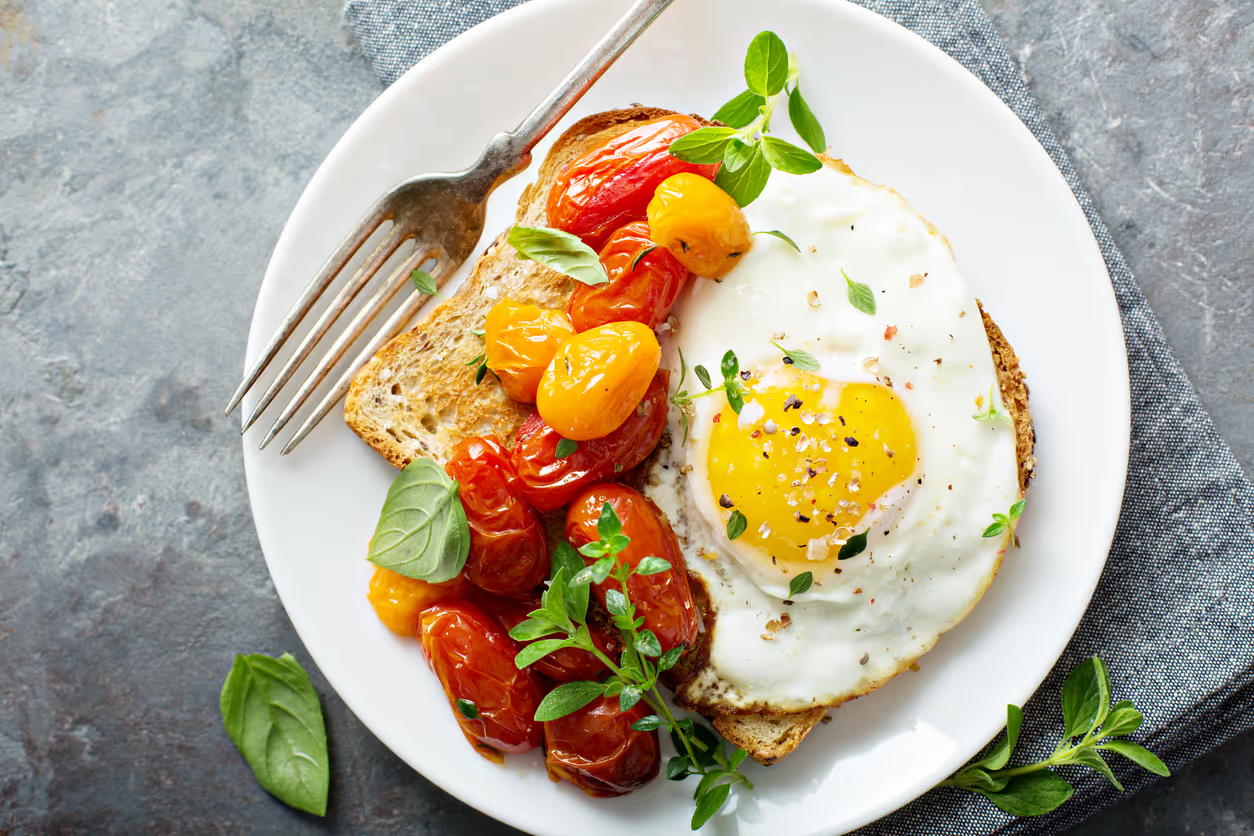
Eggs
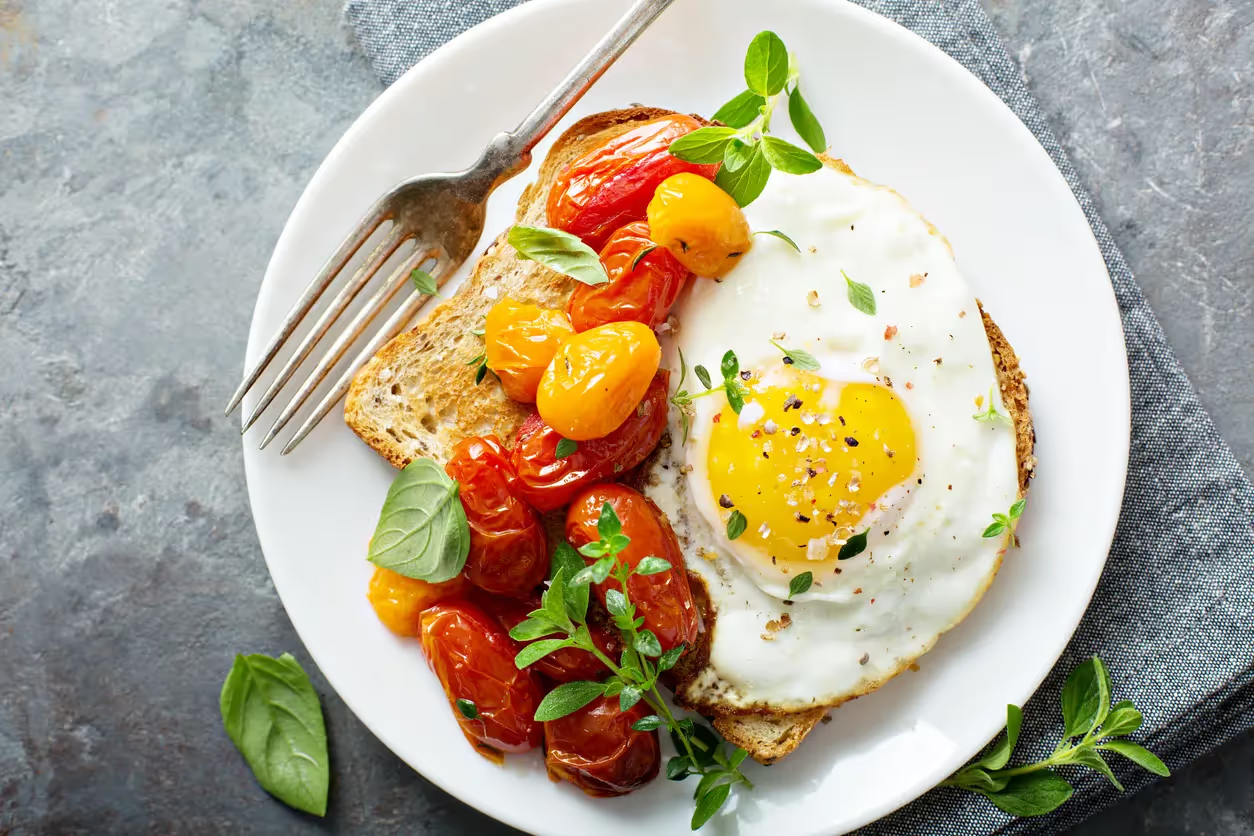
One large egg contains 418 milligrams of lysine.
Eggs don’t need to be limited to just breakfast.
Try making vegetable frittata, egg salad sandwiches, or shakshuka to enjoy them anytime during the day.
Dairy
Dairy products are an excellent source of lysine.
100 grams of plain, nonfat Greek yogurt contains 833 milligrams of lysine, and one cup of 1% milk contains 758 milligrams.
Try having a yogurt parfait or smoothie for breakfast, or make Greek yogurt-based tzatziki for dipping raw vegetables and crackers.
Cheese is also high in lysine. Just one tablespoon of grated parmesan cheese contains 110 milligrams of lysine.
Sprinkle it on your pasta or salad for a lysine boost.
Soy
While not as rich in lysine as some animal-based proteins, soy products like soy milk and tofu still provide a reasonable amount of lysine.
Half a cup of firm tofu contains 582 milligrams of lysine, and one cup of soy milk contains about 539 milligrams.
Try air-frying tofu and serving with a peanut sauce over rice or noodles, or use soy milk in your smoothie.
Nuts and Seeds
Nuts and seeds also contain lysine, with almonds containing 161 milligrams, pumpkin seeds containing 352 milligrams, and chia seeds containing 275 milligrams per one-ounce serving.
Eat them as a snack, add them to smoothies, or use them as crunchy salad toppings.
Quinoa
One cup of cooked quinoa contains 442 milligrams of lysine.
Use it as a versatile meal base, add it to salads, make quinoa porridge, use it in stuffed vegetables, or make quinoa burgers.
Legumes
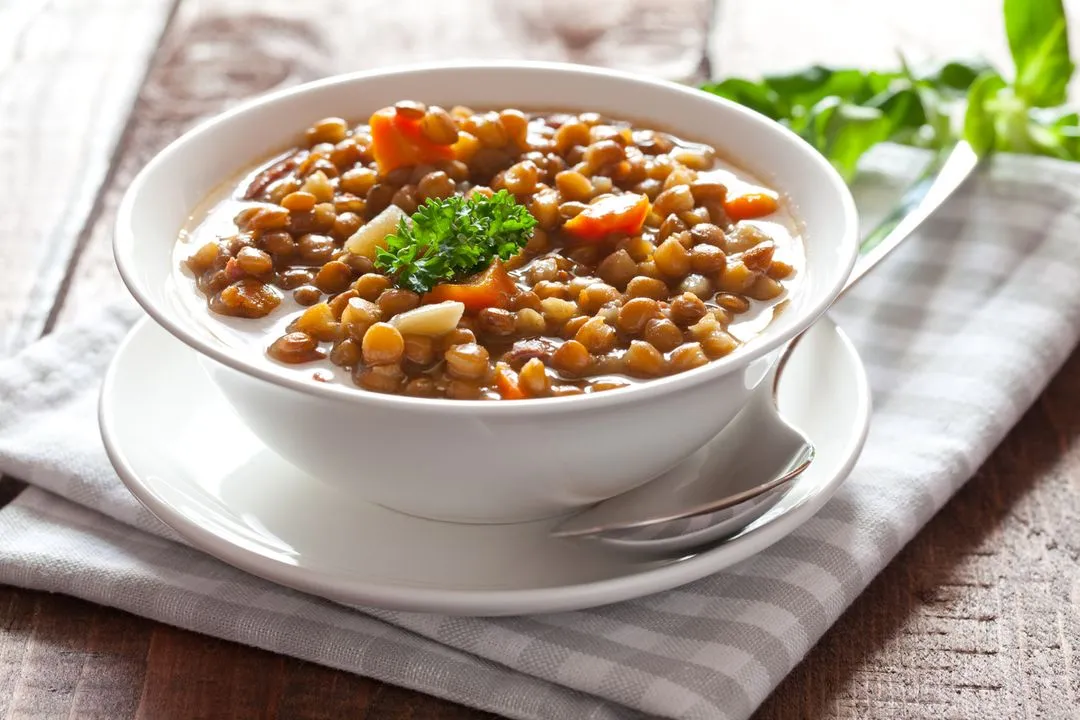
Legumes are an excellent plant-based source of lysine, with canned, drained chickpeas containing 360 milligrams, cooked lentils containing 625 milligrams, and canned, drained black beans containing 505 milligrams of lysine per half-cup serving.
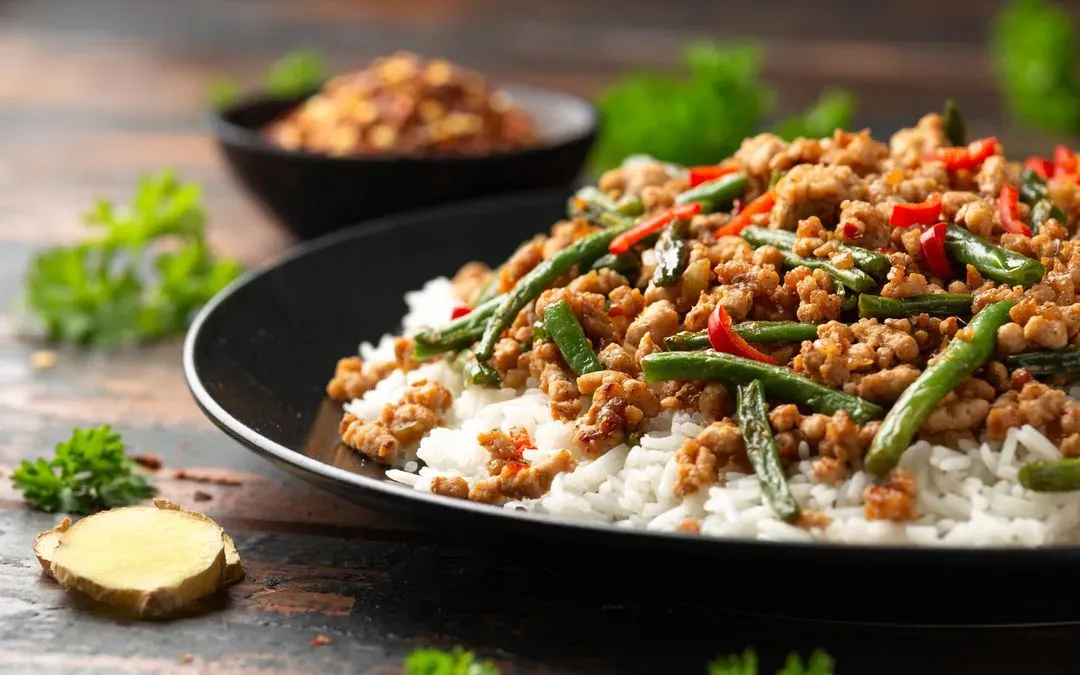
Use them in soups or stews, make bean-based dips, or incorporate into stir-fries.
Should I Avoid High Lysine Foods?
Lysine in food is generally considered safe, so most healthy people don’t need to avoid high-lysine foods.
Potential Risks of a High Lysine Diet
Lysine can increase calcium absorption.
If you’re taking large amounts of supplemental calcium, a high lysine diet may lead to absorbing too much calcium.
Another potential risk of a high-lysine diet is an excessive saturated fat intake, since certain high-lysine foods, like pork, beef, and dairy products, can be high in saturated fat.
Diets high in saturated fat can raise your LDL (bad) cholesterol levels and increase your risk of heart disease and stroke.
To reduce your saturated fat intake, choose lean cuts of beef and pork and nonfat or low-fat dairy products.
When to Follow a High vs Low Lysine Diet
Most people do not need to follow a low-lysine diet.
Interestingly, some research suggests the following health conditions may benefit from a high lysine diet.
Generally, a 150-pound person needs around 800 to 3,000 milligrams of lysine daily.
Prevention of Cold Sores
Cold sores are caused by the herpes simplex virus (HSV). Studies suggest that lysine supplementation can prevent recurrent HSV infections.
The study recommends getting between 500 and 1,000 mg of lysine daily to prevent HSV, with higher doses of 3,000 mg daily to be used only for active outbreaks of HSV.
Once the episode subsides, you can go back to getting between 500 and 1,000 mg of lysine daily.
Reduction of Anxiety
An older study of the effects of L-lysine supplementation on anxiety and cortisol (a stress hormone) levels found that a week of L-lysine supplementation (2,640 mg daily) led to significantly lower anxiety symptoms and reduced cortisol levels.
While a high-lysine diet should not replace conventional treatments for anxiety, like counseling and medication, you may find it beneficial when used alongside conventional treatments.
Treatment of Osteoporosis
Some small studies in women with osteoporosis found that 400 to 800 mg of lysine daily decreased calcium excretion in the urine and may also improve calcium absorption in the gut.
While larger studies are needed to confirm these findings, a diet containing an additional 400 mg of lysine above regular intake may benefit people with osteoporosis.
Promotion of Wound Healing
Lysine is involved in collagen formation, a key step in wound healing. A high-lysine diet may promote better wound healing.
Signs and Symptoms of Lysine Deficiency
Lysine deficiency is rare in the United States.
However, certain individuals, such as those following a vegan diet or athletes with a high training volume, are at a higher risk of deficiency.
Signs and symptoms of lysine deficiency include:
- Fatigue.
- Nausea.
- Dizziness.
- Lack of appetite.
- Irritability.
- Slow growth.
- Anemia.
- Reproductive disorders.
When to Consider Lysine Supplements
Lysine supplements may benefit certain health conditions, such as preventing the recurrence rate of HSV and treating osteoporosis.
Uses
Lysine supplementation may reduce the recurrence rate of HSV infections.
It’s more effective when paired with a high-lysine, low-arginine (another amino acid) diet.
Some small studies also show the benefit of lysine supplementation for osteoporosis.
Lysine supplementation can reduce the amount of calcium excreted in the urine and may help with calcium absorption in the gut.
{{splash}}
Safety Considerations
Lysine supplementation is generally safe.
Researchers estimate that a 70-kilogram person needs between 800 and 3,000 milligrams of lysine daily.
Lysine supplementation is not recommended for people with hyperlysinemia (high lysine levels), a rare genetic disorder.
People with a history of liver or kidney problems should consult with a healthcare provider before starting lysine supplementation.
Potential Side Effects
Lysine doses up to 3,000 milligrams daily are generally well-tolerated.
Very high doses of 10 to 15 grams daily may cause nausea, abdominal cramps, and diarrhea.
Tips for Increasing Lysine Intake Through Food
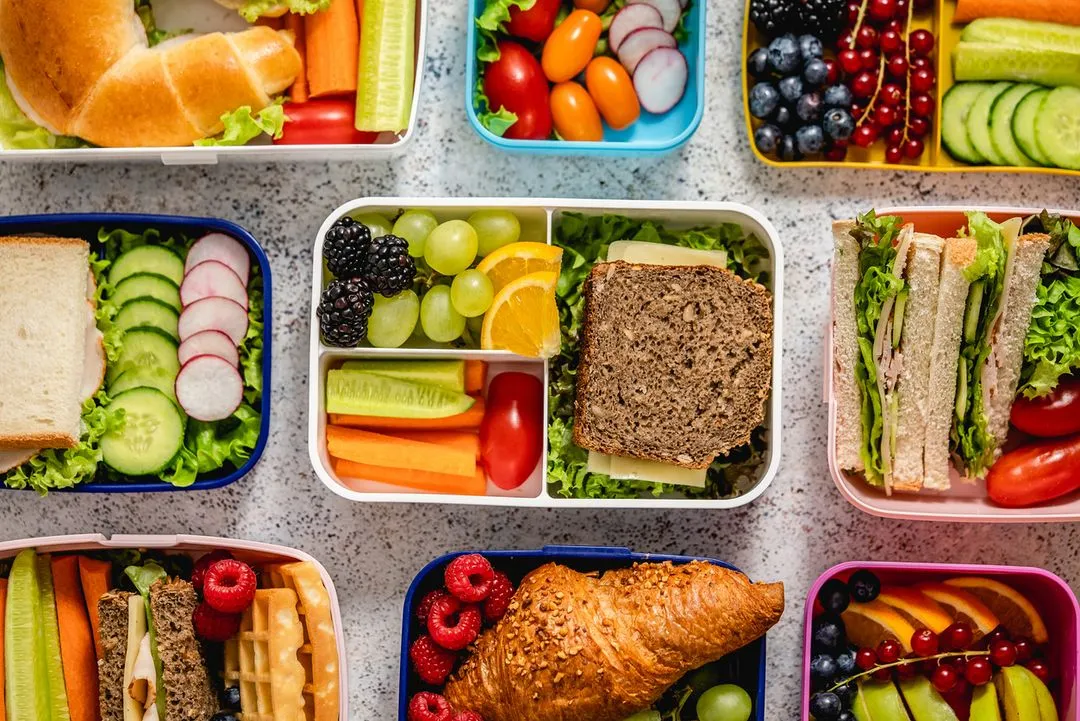
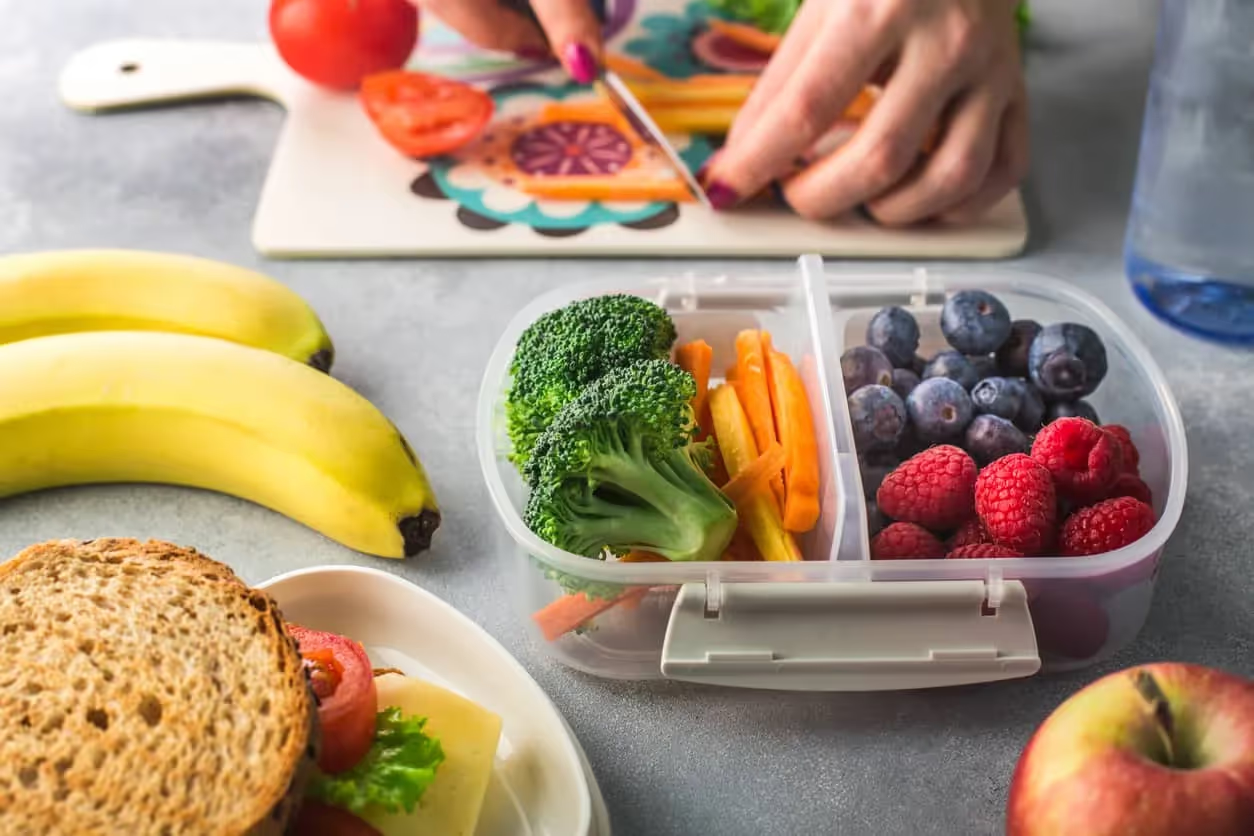
The best way to increase your lysine intake is to consume protein-rich foods and use gentle cooking methods to ensure the lysine isn’t destroyed.
Incorporate Lysine-Rich Foods
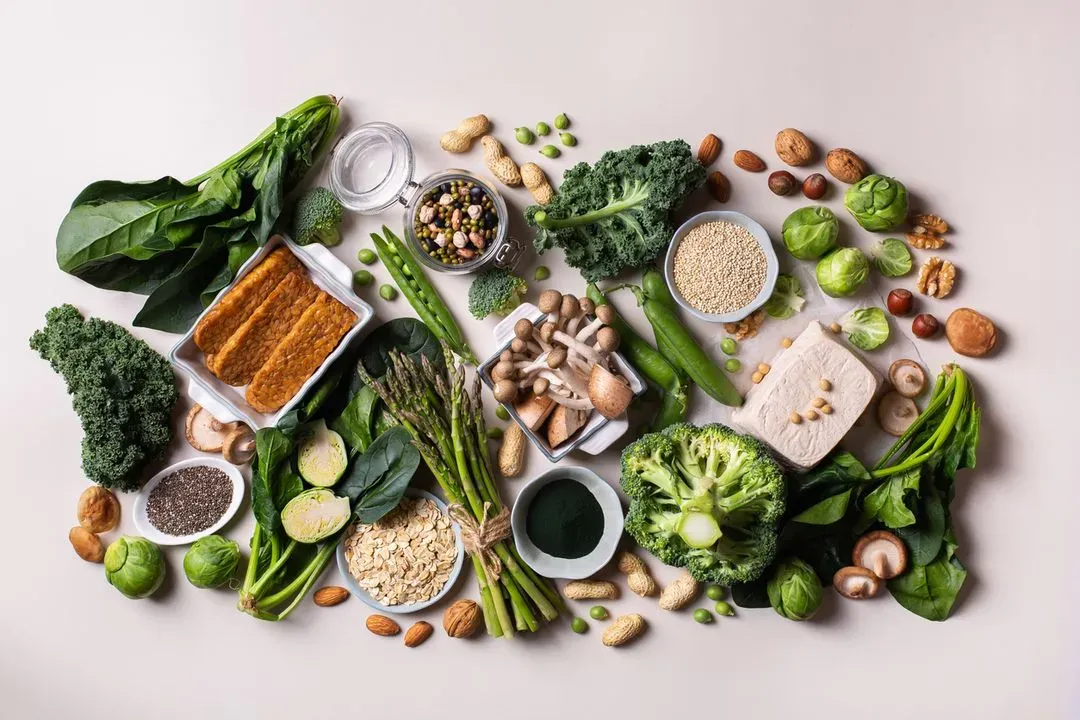
Include foods high in lysine, such as lean meats, poultry, fish, dairy products, eggs (both the yolks and whites contain lysine), legumes, quinoa, nuts, seeds, and soy products like tofu and soy milk.
Use Gentle Cooking Methods
Cooking methods can affect the lysine content of foods.
For example, excessive heat can destroy lysine.
To retain as much lysine as possible, use gentler cooking methods like steaming, boiling, or lightly sautéing.
Takeaway
Lysine is an essential amino acid necessary for human health.
It has many functions in the human body, including carnitine production, calcium absorption, and collagen synthesis.
It may also reduce cortisol levels and anxiety and prevent the recurrence of cold sores.
Lysine is found in protein-rich foods, and most people in the United States can get enough through their diet.
People at risk of a lysine deficiency include people following a vegan diet and athletes with a high training volume.
While lysine supplementation is generally considered safe, people with a history of liver or kidney problems should consult a healthcare professional before starting lysine supplementation.
How a Dietitian Can Help
If you want to increase your lysine intake, a registered dietitian can help.
They can help you identify food sources of lysine and assist you with meal planning to ensure you include enough of those foods.
If you’re interested in using lysine supplements, they can provide recommendations regarding which supplements to choose and dosing information.
They will also provide you with encouragement and accountability on your health journey.
You can find a dietitian who accepts insurance through Nourish.
Frequently Asked Questions
Is lysine anti-inflammatory?
Test tube studies show that poly-L-lysine stops the production of inflammatory molecules in human intestinal cells.
However, more human research is needed to confirm whether lysine has anti-inflammatory effects in the human body.
Is lysine good for anxiety?
A small study published in 2007 found that L-lysine supplementation reduced anxiety and cortisol (a stress hormone) levels.
While we don’t have enough evidence that lysine can be used as a sole treatment for anxiety, it may be beneficial when used alongside conventional anxiety treatments like counseling and medication.
What is lysine deficiency?
Lysine deficiency is rare in the United States, but it may be more common in those following a vegan diet or athletes with a very high training volume.
Symptoms of lysine deficiency include:
- Fatigue.
- Nausea.
- Dizziness.
- Lack of appetite.
- Irritability.
- Slow growth.
- Anemia.
- Reproductive disorders.
References
View all references
- Lopez, M. J., Mohiuddin, S. S. Biochemistry, Essential Amino Acids. [Updated March 13, 2023]. In: StatPearls [Internet]. Treasure Island (FL): StatPearls Publishing. Retrieved May 9, 2024, from https://www.ncbi.nlm.nih.gov/books/NBK557845/
- Larson, A., Goodman, S. (September 19, 2019). Glutaric Acidemia Type 1. In: Adam, M. P., Feldman, J., Mirzaa, G. M., et al., editors. GeneReviews [Internet]. Seattle (WA): University of Washington, Seattle. Table 5. [Nutritional Requirements for L-Lysine, L-Carnitine,...]. Retrieved May 9, 2024, from https://www.ncbi.nlm.nih.gov/books/NBK546575/table/glutaric-a1.T.nutritional_requirements_f/
- National Institutes of Health Office of Dietary Supplements. (April 17, 2023). Carnitine: Fact Sheet for Health Professionals. Retrieved May 9, 2024, from https://ods.od.nih.gov/factsheets/Carnitine-HealthProfessional/
- Civitelli, R., Villareal, D. T., Agnusdei, D., Nardi, P., Avioli, L. V., & Gennari, C. (1992). Dietary L-lysine and calcium metabolism in humans. Nutrition (Burbank, Los Angeles County, Calif.), 8(6), 400–405.
- Trackman P. C. (2016). Enzymatic and non-enzymatic functions of the lysyl oxidase family in bone. Matrix biology : journal of the International Society for Matrix Biology, 52-54, 7–18. https://doi.org/10.1016/j.matbio.2016.01.001
- Smriga, M., Ando, T., Akutsu, M., Furukawa, Y., Miwa, K., & Morinaga, Y. (2007). Oral treatment with L-lysine and L-arginine reduces anxiety and basal cortisol levels in healthy humans. Biomedical research (Tokyo, Japan), 28(2), 85–90. https://doi.org/10.2220/biomedres.28.85
- Pedrazini, M. C., da Silva, M. H., & Groppo, F. C. (2022). L-lysine: Its antagonism with L-arginine in controlling viral infection. Narrative literature review. British journal of clinical pharmacology, 88(11), 4708–4723. https://doi.org/10.1111/bcp.15444
- (2007). L-Lysine. Alternative Medicine Review, 12(2): 169-172. Retrieved May 9, 2024, from https://altmedrev.com/wp-content/uploads/2019/02/v12-2-169.pdf
- U.S. Department of Agriculture. (April 1, 2019). Chicken, broiler or fryers, breast, skinless, boneless, meat only, raw. Retrieved May 9, 2024, from https://fdc.nal.usda.gov/fdc-app.html#/food-details/171077/nutrients
- U. S. Department of Agriculture. (April 1, 2019). Fish, salmon, Atlantic, farmed, raw. Retrieved May 9, 2024, from https://fdc.nal.usda.gov/fdc-app.html#/food-details/175167/nutrients
- U. S. Department of Agriculture. (April 1, 2019). Pork, fresh, loin, tenderloin, separable lean and fat, raw. Retrieved May 9, 2024, from https://fdc.nal.usda.gov/fdc-app.html#/food-details/168312/nutrients
- U. S. Department of Agriculture. (April 1, 2019). Tofu, firm, prepared with calcium sulfate and magnesium chloride (nigari). Retrieved May 9, 2024, from https://fdc.nal.usda.gov/fdc-app.html#/food-details/172448/nutrients
- U. S. Department of Agriculture. (October 28, 2021). Soy milk, unsweetened, plain, shelf stable. Retrieved May 9, 2024, from https://fdc.nal.usda.gov/fdc-app.html#/food-details/1999630/nutrients
- U. S. Department of Agriculture. (December 16, 2019). Eggs, Grade A, Large, egg whole. Retrieved May 9, 2024, from https://fdc.nal.usda.gov/fdc-app.html#/food-details/748967/nutrients
- U. S. Department of Agriculture. (April 1, 2019). Nuts, almonds. Retrieved May 9, 2024, from https://fdc.nal.usda.gov/fdc-app.html#/food-details/170567/nutrients
- U. S. Department of Agriculture. (April 1, 2019). Seeds, pumpkin and squash seed kernels, dried. Retrieved May 9, 2024, from https://fdc.nal.usda.gov/fdc-app.html#/food-details/170556/nutrients
- U. S. Department of Agriculture. (April 1, 2019). Seeds, chia seeds, dried. Retrieved May 9, 2024, from https://fdc.nal.usda.gov/fdc-app.html#/food-details/170554/nutrients
- U. S. Department of Agriculture. (April 1, 2019). Quinoa, cooked. Retrieved May 9, 2024, from https://fdc.nal.usda.gov/fdc-app.html#/food-details/168917/nutrients
- U. S. Department of Agriculture. (April 1, 2019). Chickpeas (garbanzo beans, bengal gram), mature seeds, canned, drained, rinsed in tap water. Retrieved May 9, 2024, from https://fdc.nal.usda.gov/fdc-app.html#/food-details/173801/nutrients
- U. S. Department of Agriculture. (April 1, 2019). Lentils, mature seeds, cooked, boiled, without salt. Retrieved May 9, 2024, from https://fdc.nal.usda.gov/fdc-app.html#/food-details/172421/nutrients
- U. S. Department of Agriculture. (April 1, 2019). Beans, black, mature seeds, canned, low sodium. Retrieved May 9, 2024, from https://fdc.nal.usda.gov/fdc-app.html#/food-details/175238/nutrients
- U. S. Department of Agriculture. (April 1, 2019). Yogurt, Greek, plain, nonfat. Retrieved May 9, 2024, from https://fdc.nal.usda.gov/fdc-app.html#/food-details/330137/nutrients
- U. S. Department of Agriculture. (April 1, 2019). Cheese, parmesan, grated. Retrieved May 9, 2024, from https://fdc.nal.usda.gov/fdc-app.html#/food-details/171247/nutrients
- U. S. Department of Agriculture. (December 16, 2019). Milk, lowfat, fluid, 1% milkfat, with added vitamin A and vitamin D. Retrieved May 9, 2024, from https://fdc.nal.usda.gov/fdc-app.html#/food-details/746772/nutrients
- Mehta, B. M., & Deeth, H. C. (2016). Blocked Lysine in Dairy Products: Formation, Occurrence, Analysis, and Nutritional Implications. Comprehensive reviews in food science and food safety, 15(1), 206–218. https://doi.org/10.1111/1541-4337.12178
- American Heart Association. (November 1, 2021). Saturated Fat. Retrieved May 9, 2024, from https://www.heart.org/en/healthy-living/healthy-eating/eat-smart/fats/saturated-fats
- Mine, Y., & Zhang, H. (2015). Anti-inflammatory Effects of Poly-L-lysine in Intestinal Mucosal System Mediated by Calcium-Sensing Receptor Activation. Journal of agricultural and food chemistry, 63(48), 10437–10447. https://doi.org/10.1021/acs.jafc.5b03812
Nourish has strict sourcing policies and prioritizes primary sources, including medical organizations, governmental agencies, academic institutions, and peer-reviewed scientific journals. Learn more about our medical review process and editorial guidelines.











.jpg)





















.avif)




















.avif)

%20(1).webp)





.avif)
.avif)