Gallbladder Diet: Foods to Eat and Avoid

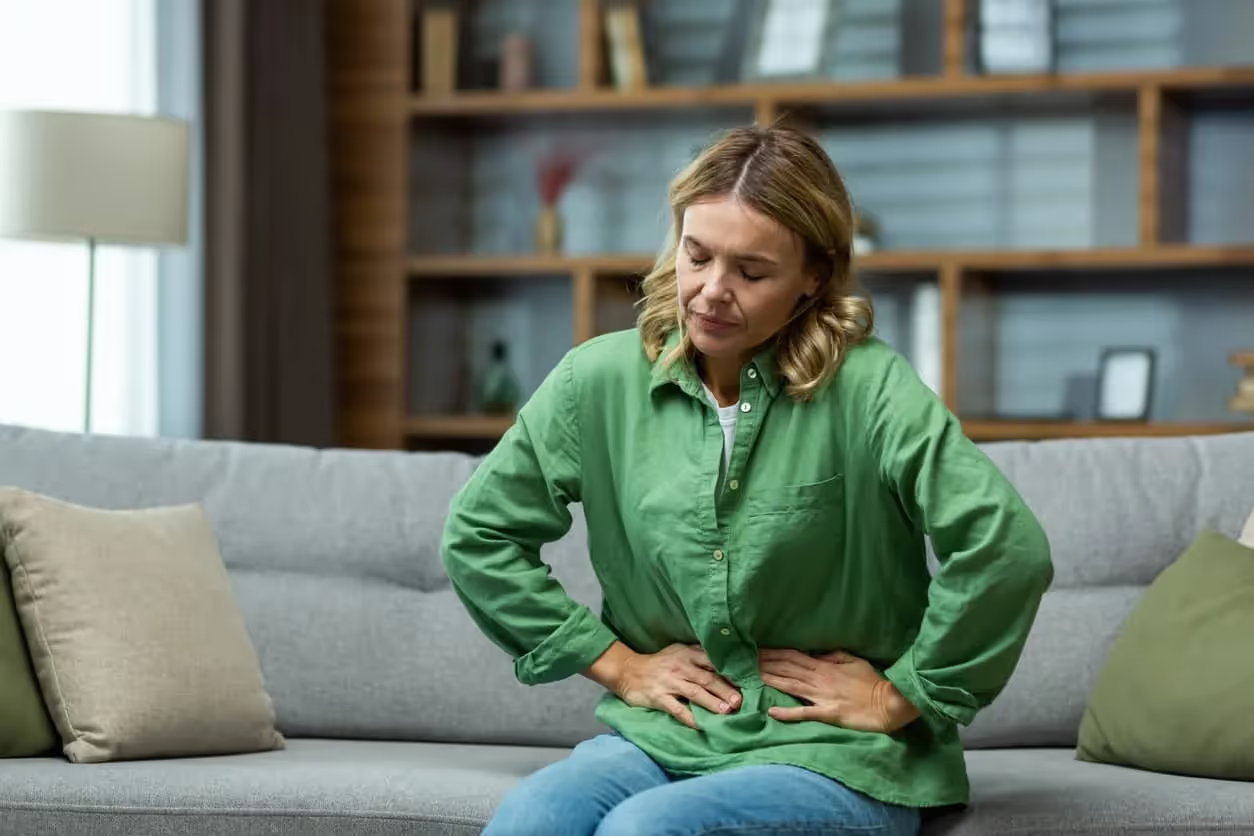
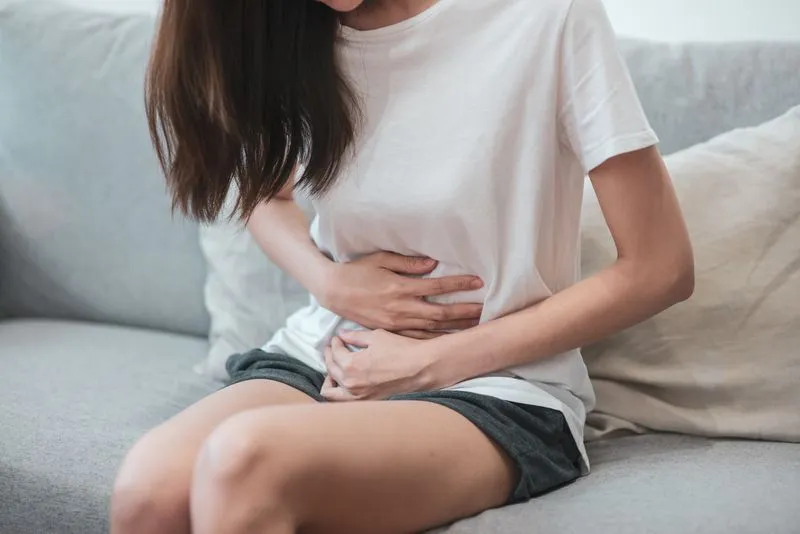
Your gallbladder is likely one of those organs you know is important, but you’re not exactly sure what it does. This all changes if you've experienced a gallbladder attack, a painful condition where your gallbladder becomes inflamed.
First things first: it's essential to rule out other causes for your pain. It can be tricky to distinguish between gallbladder attacks and other conditions, so it's best to consult a medical professional before attempting any lifestyle changes.
Once you've been diagnosed, you should consider a gallbladder-friendly diet. Eating foods that are good for your gallbladder can help reduce the frequency of gallbladder attacks and soothe discomfort when an attack happens.
Here you'll learn what the gallbladder does, what foods trigger gallbladder attacks, and how to include foods that are helpful for gallbladder issues in your diet.
{{splash}}
Is There a Gallbladder Diet?
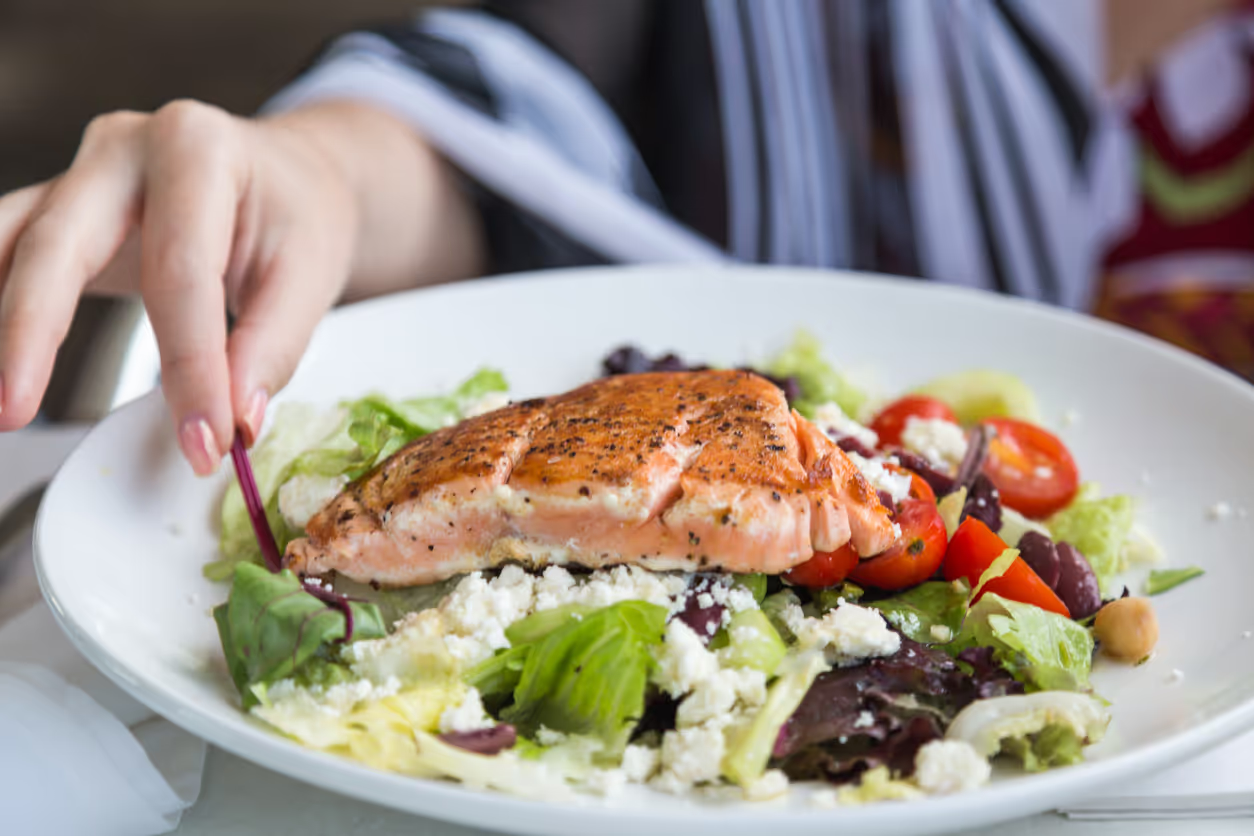
As mentioned above, diet is an independent risk factor for developing gallstones, so adjusting your diet may be a powerful way to help reduce your risk. There isn't one gallbladder diet per se, but there are dietary patterns that reduce the risk of developing gallstones and also may minimize additional attacks if you've had one.
Since gallstones are primarily made of cholesterol, diet patterns that support healthy cholesterol levels may be helpful. One study that examined several high-quality diets (including Mediterranean and Dietary Approaches to Stop Hypertension (DASH)) found that following these patterns was associated with a nearly 35% reduced risk of gallstone symptoms.5
Interestingly, eating more often and avoiding fasting may also protect against gallstone formation, as meals trigger the gallbladder to empty.4
Body Weight is a Risk Factor for Gallstone Formation
Eating a diet that supports a healthy body weight is also recommended. While BMI is certainly not the only marker of health (people with higher BMIs can still be metabolically healthy), for people with a history of gallbladder issues, BMI may be a useful measure. Studies suggest that people with a BMI greater than 25 are much more likely to form gallstones and experience related symptoms.4
But interestingly, losing weight, especially rapid weight loss, also increases the risk of gallbladder disease. Cholesterol concentration in bile rises as your body begins to use or remove more fat, but the gallbladder may also empty less efficiently with rapid weight loss.6
As a result, eating foods that support healthy body weight and cholesterol levels may help reduce the risk of developing gallstones or stave off future attacks.
The Best Foods for Your Gallbladder
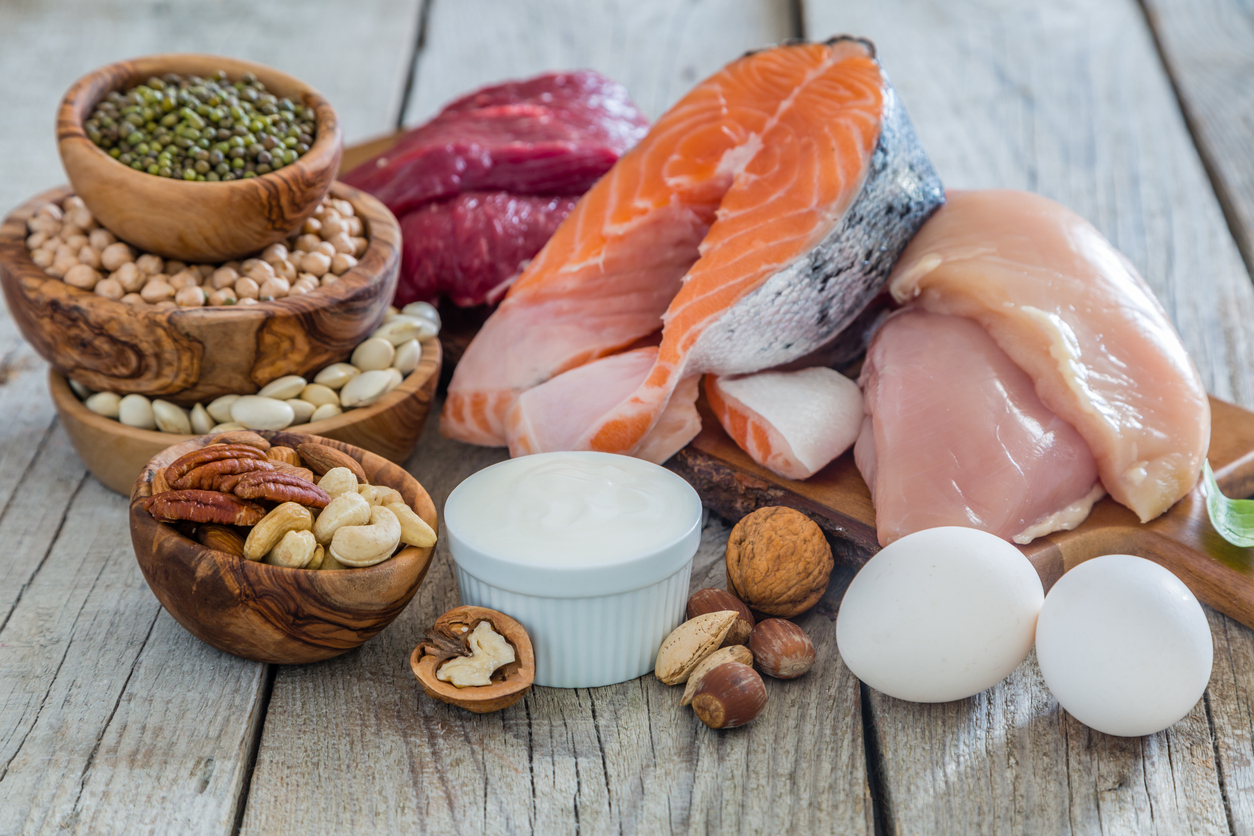
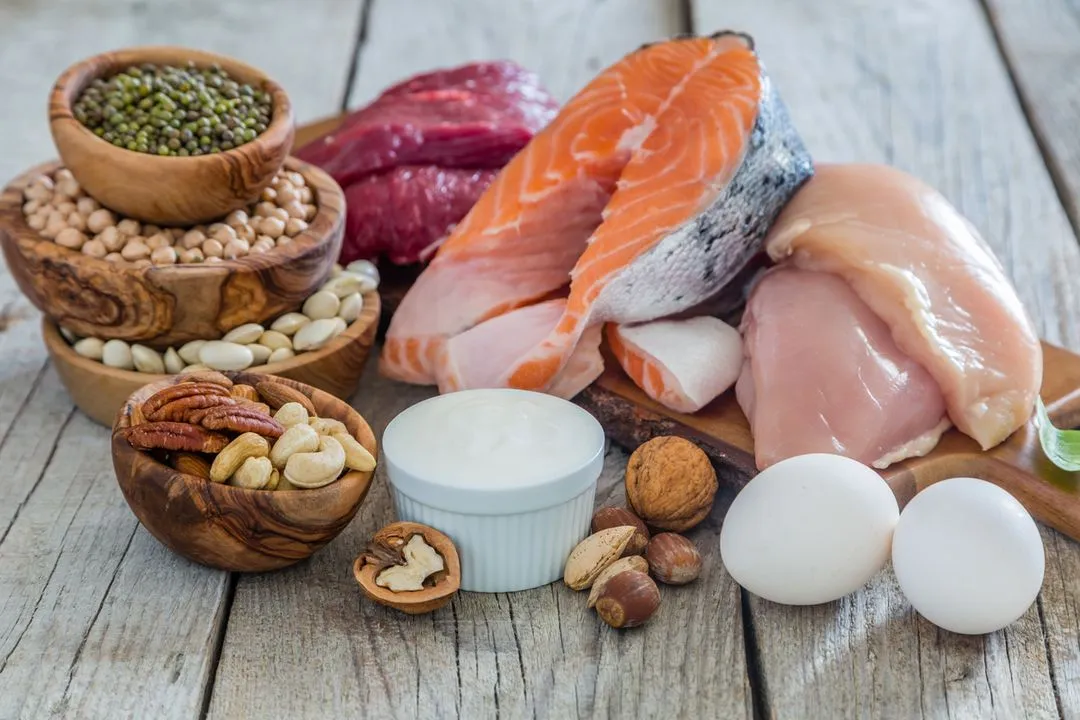
Plant-based Protein
Studies suggest that including more plant-based proteins may help reduce gallstone risk. People following vegetarian diets have fewer rates of gallbladder disease, and the Nurses' Health Study found that women who consumed more vegetable protein had a reduced risk of symptomatic gallstones.7
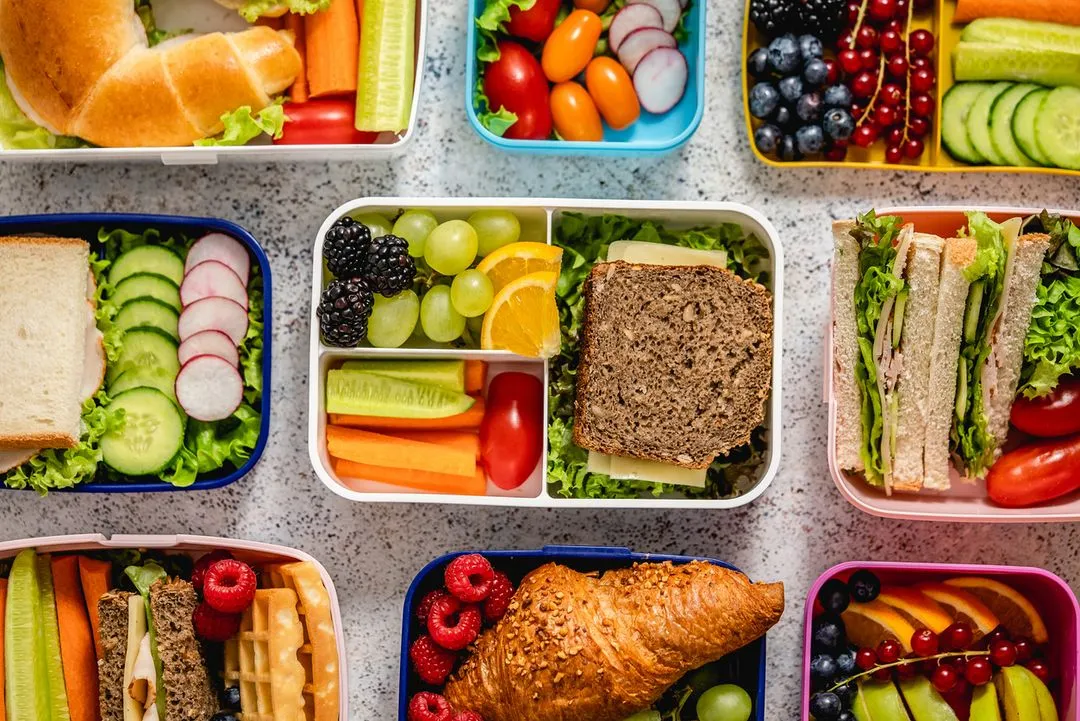
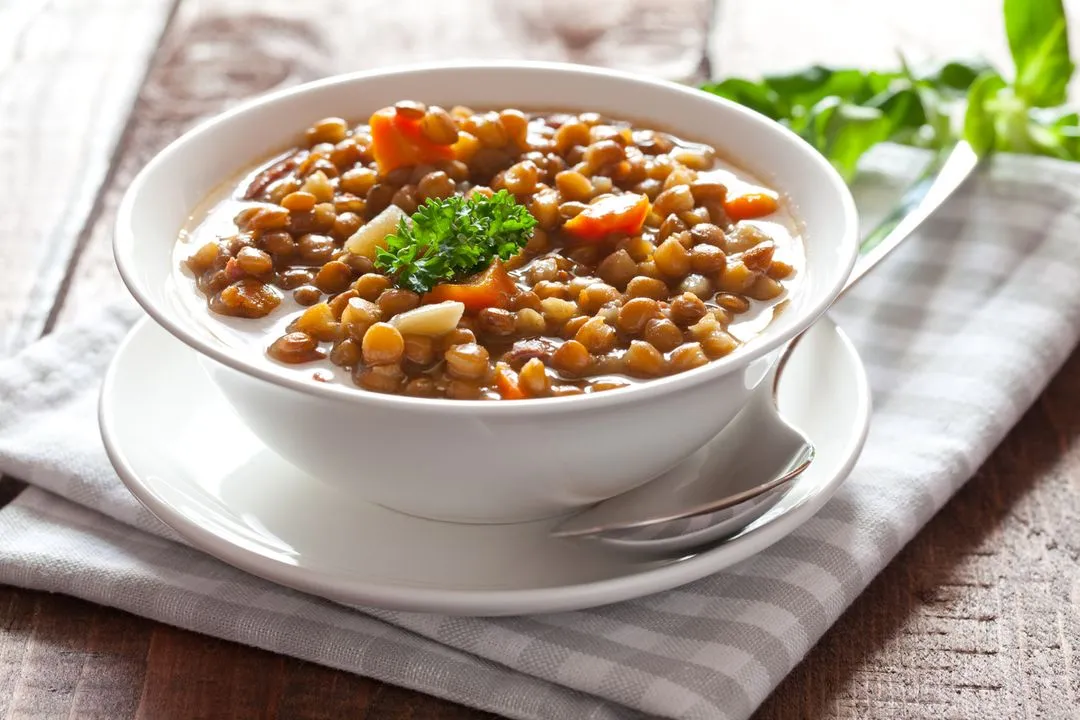
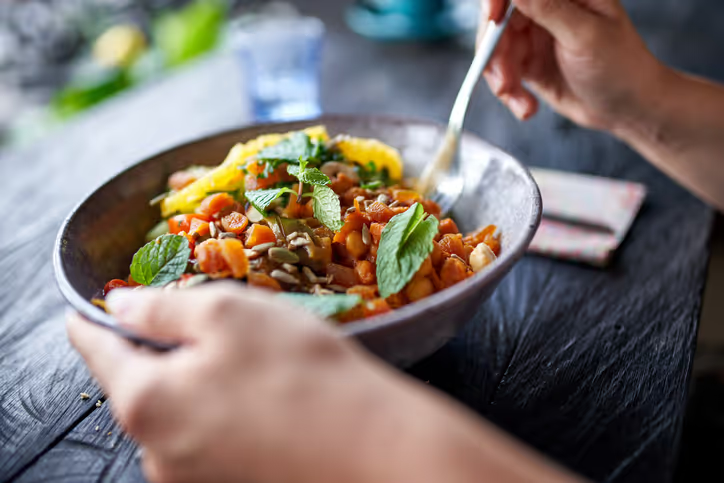
Does this mean you must follow a vegan or vegetarian diet to reduce risk? No, but you can add more plant-based proteins by choosing beans, nuts, seeds, or tofu to bump up your intake.
Vitamin-C Rich Foods
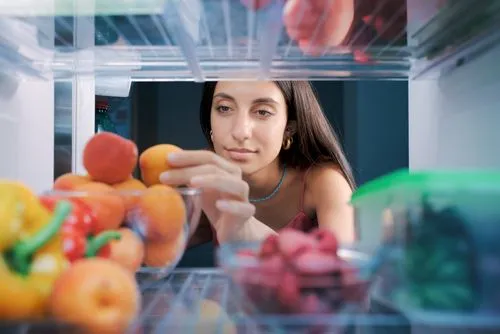
Citrus, strawberries, or bell pepper may all be important to your gallbladder health toolkit. Vitamin C plays a role in controlling the process that changes cholesterol into bile acids.
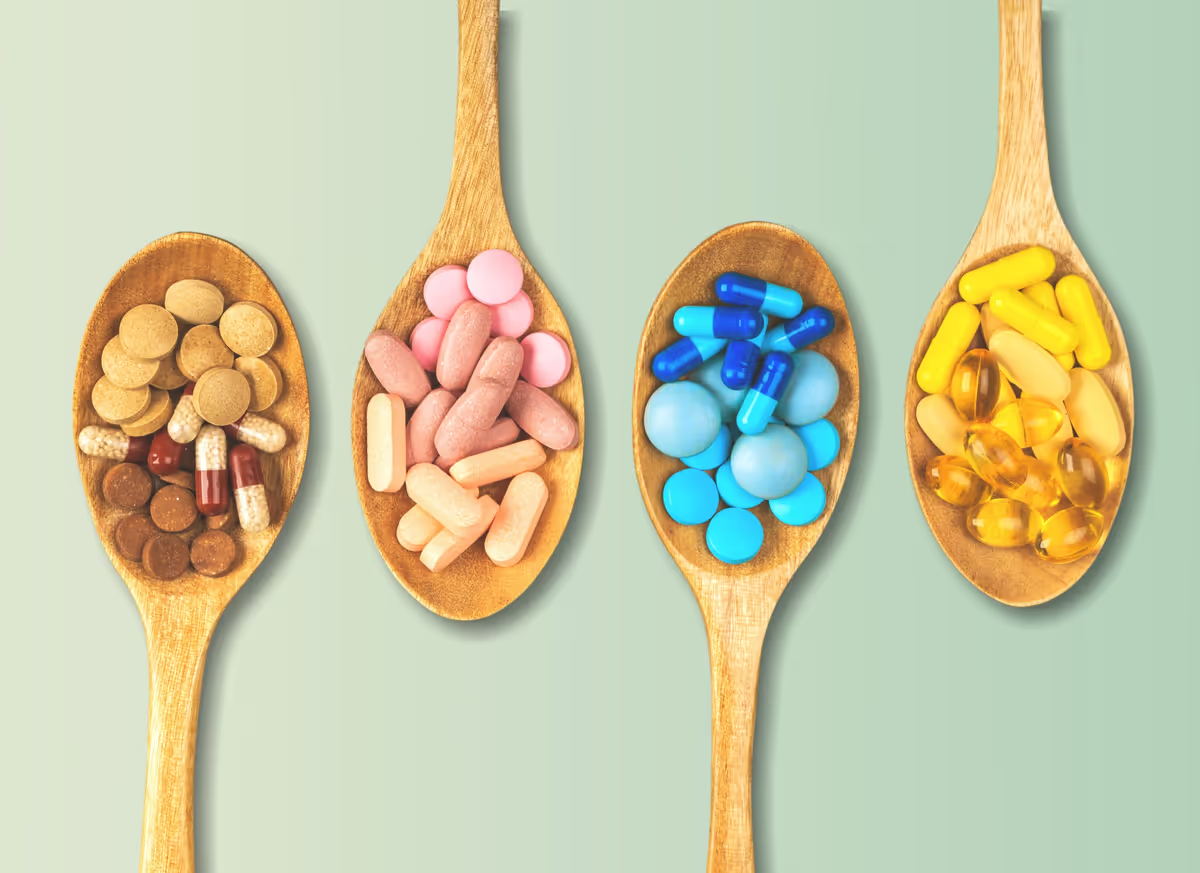
Low vitamin C levels are linked to an increased risk of gallstones and gallbladder disease. One study found that vitamin C supplements lowered gallstone incidence by almost half compared to those not taking supplements. Not everyone needs extra vitamin C, however, so make sure you talk to your healthcare provider before taking a supplement. 4 8
Fruits and Vegetables
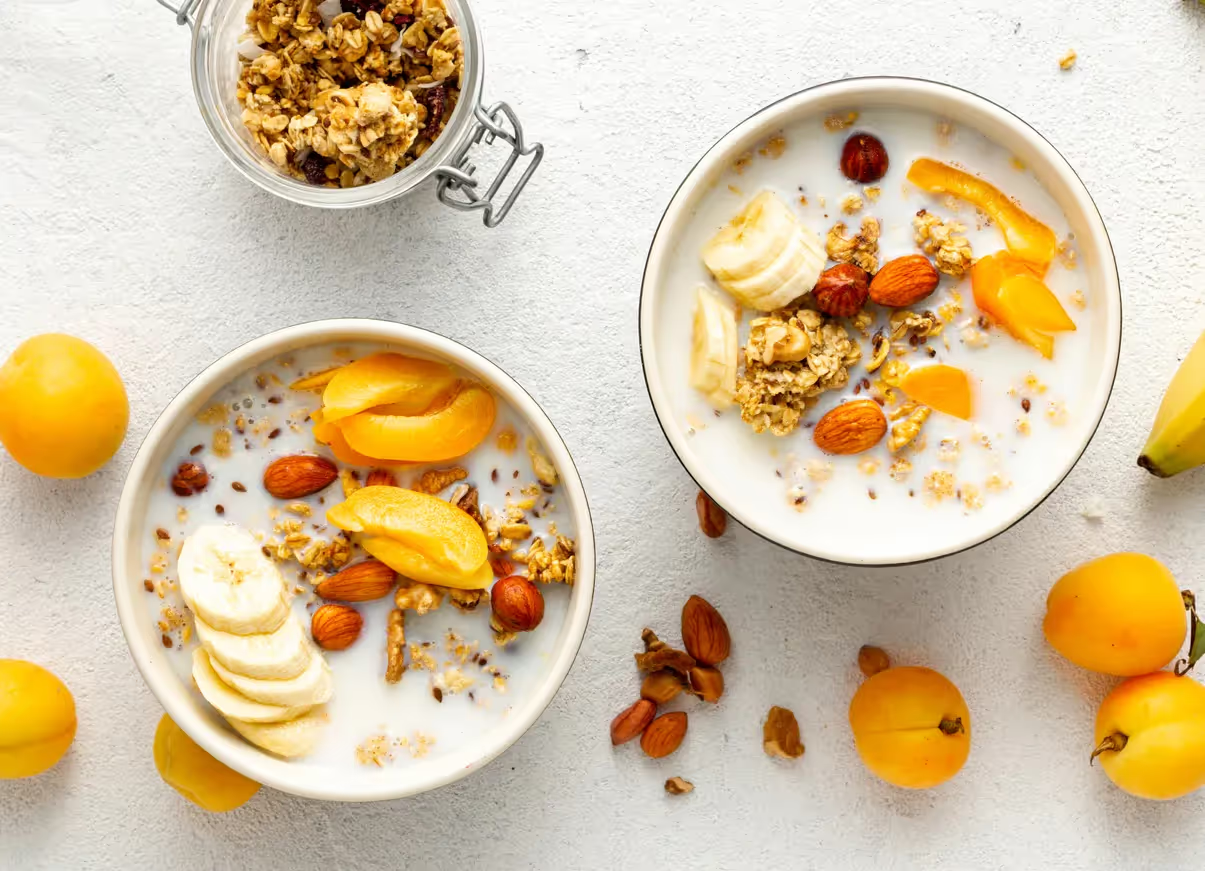
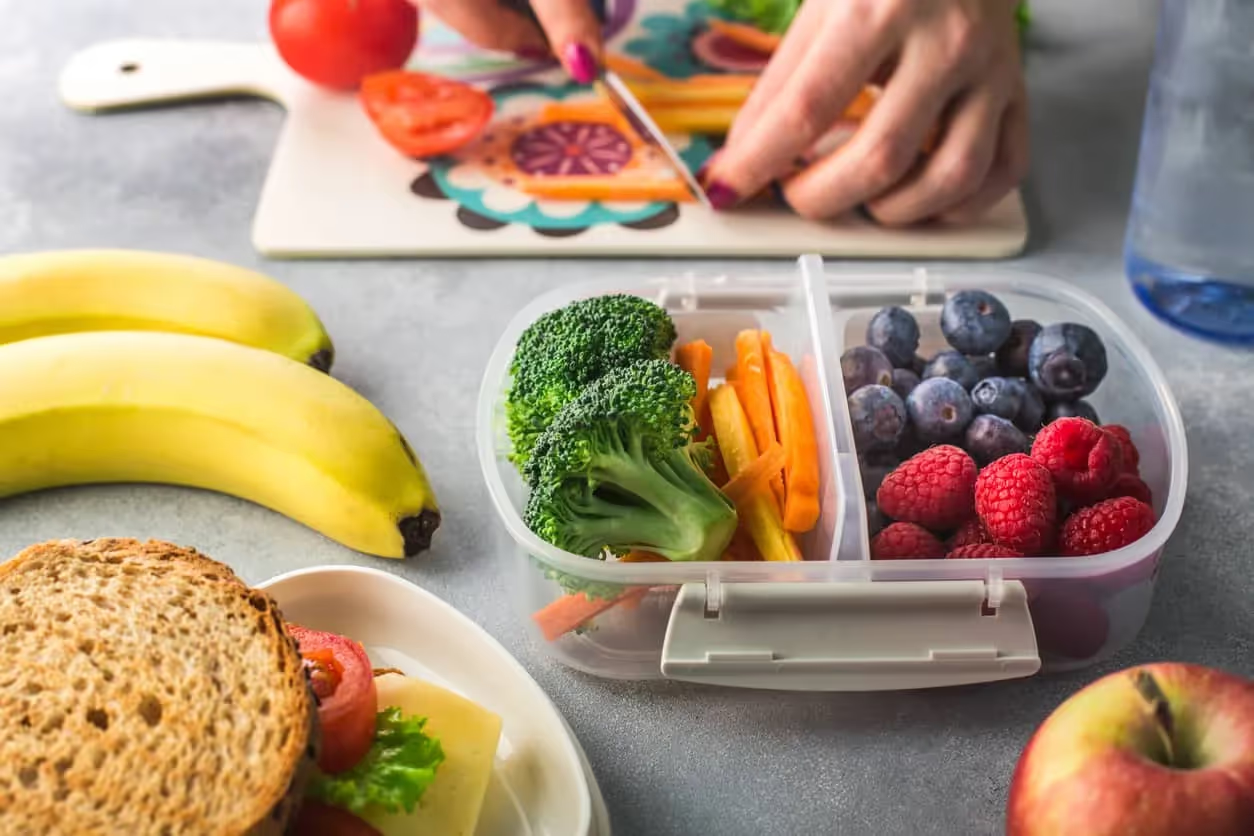
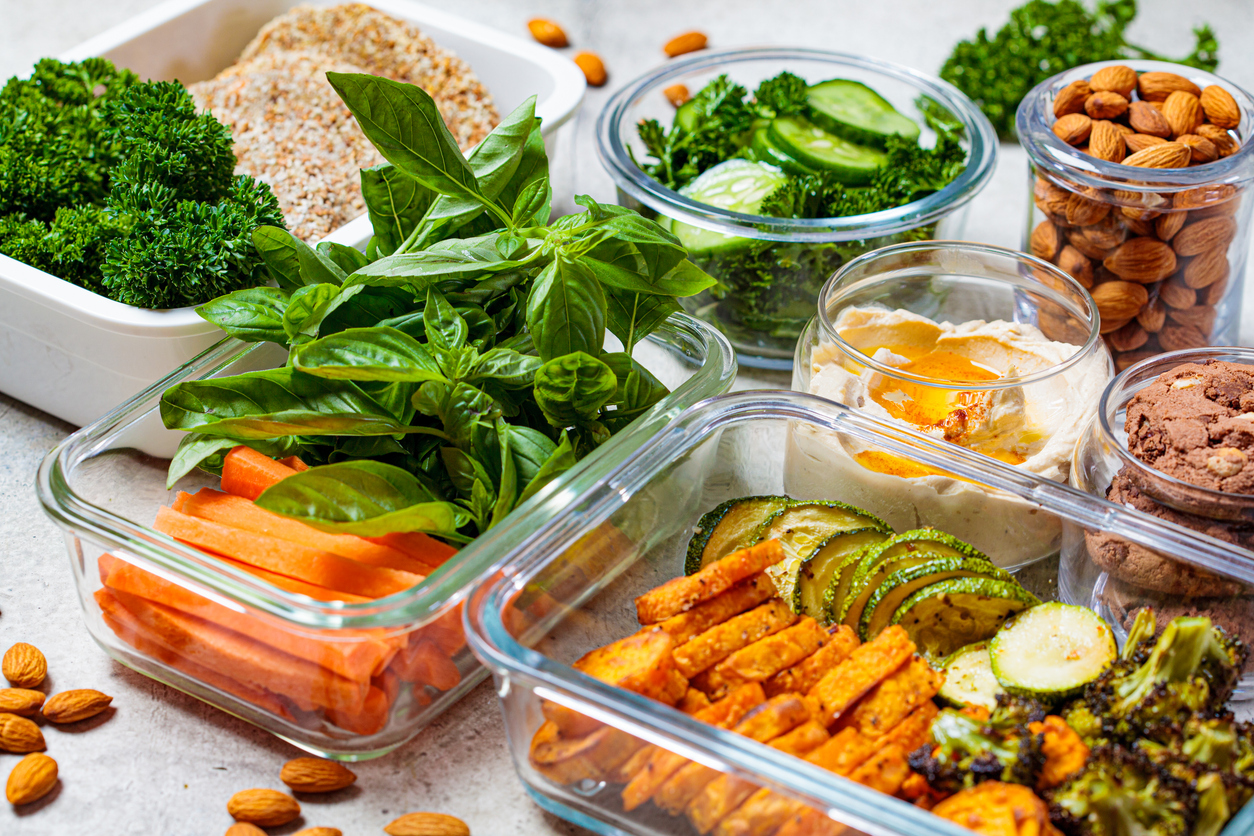
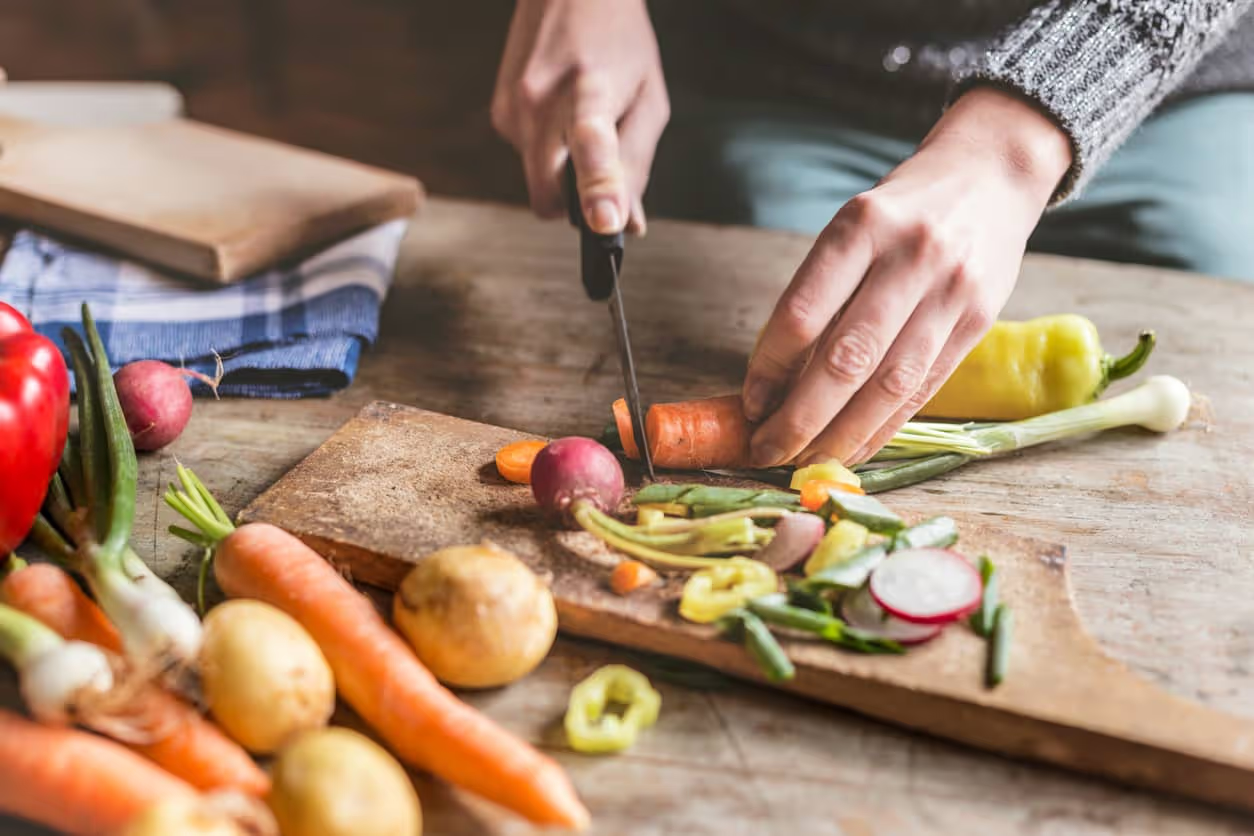
Fruits and vegetables contain nutrients like vitamin C, plus they provide fiber to balance blood sugar.
A meta-analysis that included more than 30,000 subjects found that eating more fruits and vegetables was significantly linked to a lower risk of gallstone disease. For every 200 grams increase, the risk of gallbladder disease dropped by 4% for vegetables and 3% for fruit consumption. 9
Fiber-rich Foods
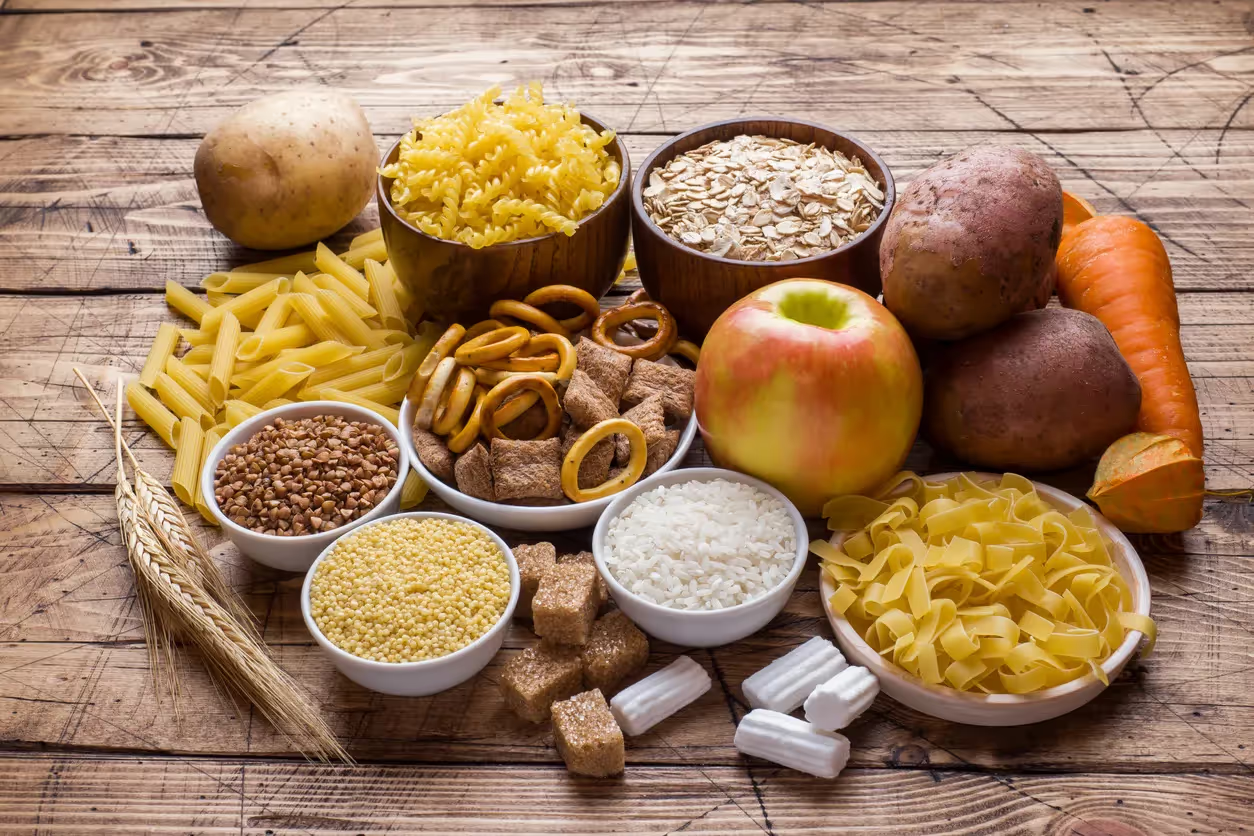
Fiber is a non-digestible carbohydrate that benefits heart health, brain health, blood sugar, cancer risk, weight management, and, yes—gallbladder disease. Fiber helps support healthy blood sugar levels—important since high blood sugar (and high insulin levels, the hormone released to lower blood sugar) could influence the formation of gallstones.10
Fiber is a critical component of any diet for healthy cholesterol because it helps remove excess cholesterol from the body. Studies show that people with gallstones consume less fiber than those without.11 Specifically, dietary fiber from cellulose (found in foods like legumes and root vegetables) may be especially protective. 10
Healthy Fats
There's often an assumption that diets to promote healthy cholesterol automatically mean low fat, but that's not necessarily the case. Several fats may help protect against gallstones and boost HDL (a type of "good cholesterol"). 4
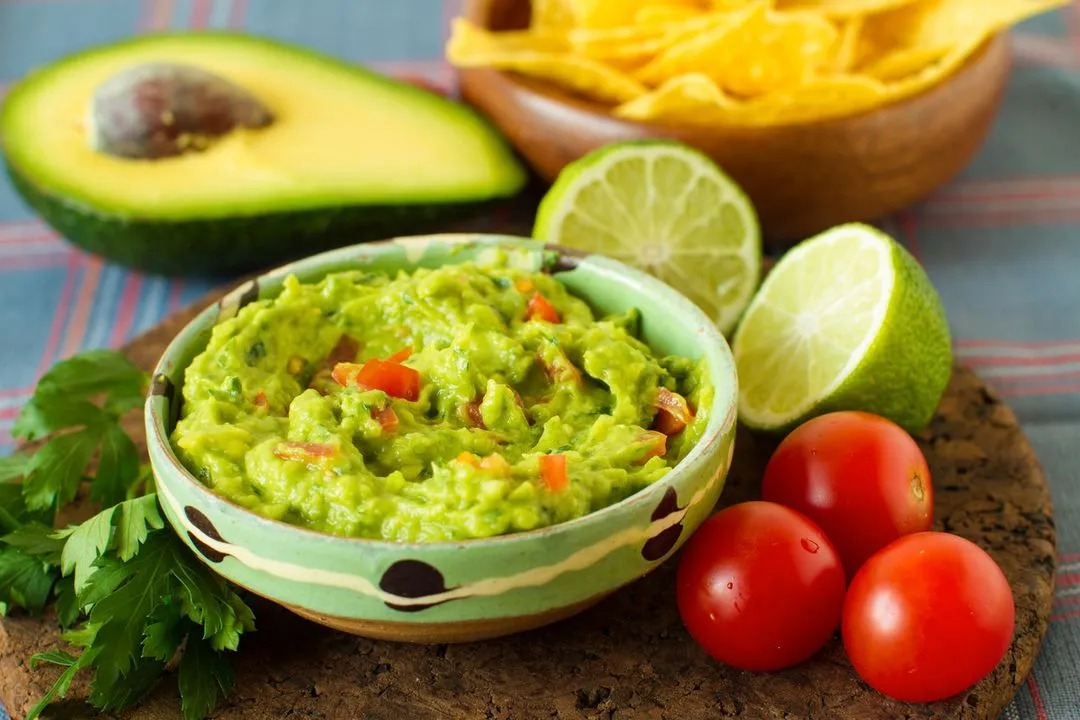
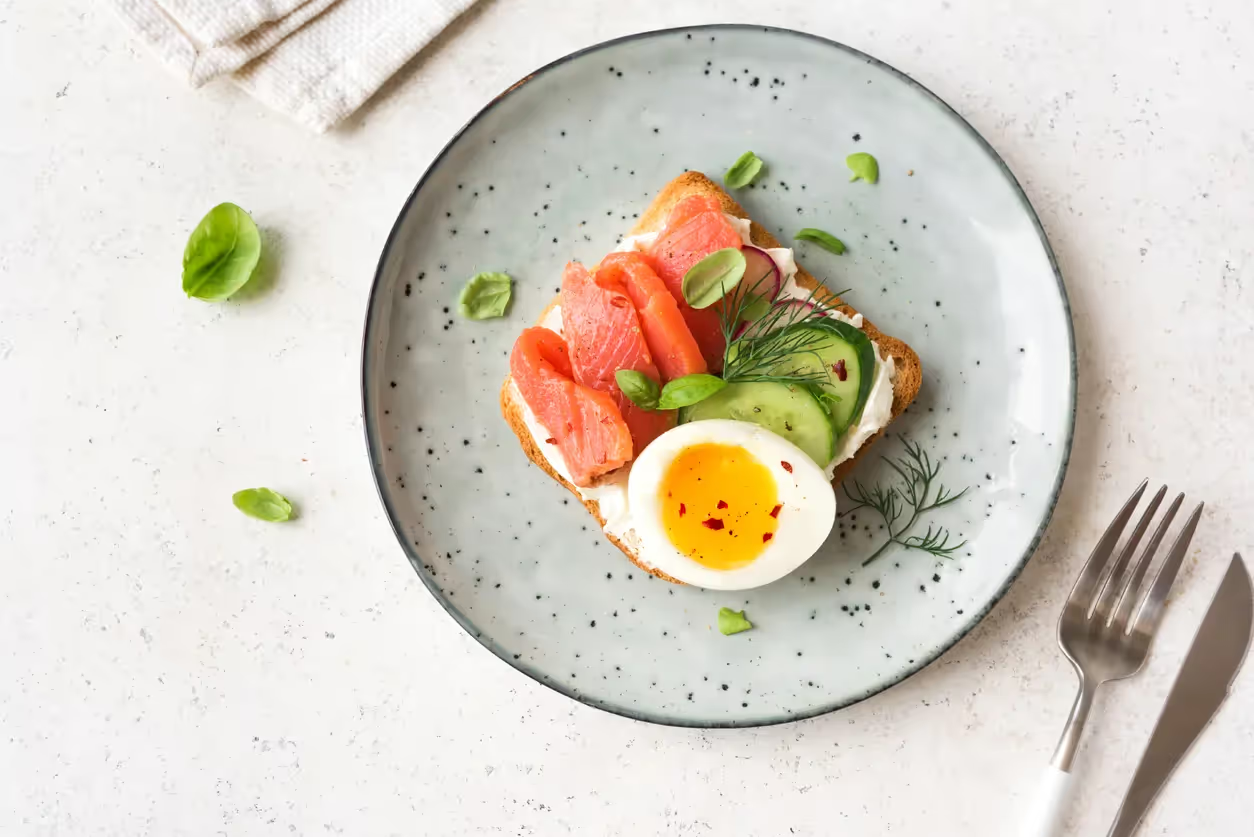
Olive oil and omega-3 fatty acids may be protective against gallstones. Nuts may also be beneficial in reducing gallstone disease risk. A caveat to this is that if you are experiencing an acute gallbladder attack, temporarily avoiding fats is probably a good idea until symptoms have calmed down. 4
Foods to Avoid Gallbladder Attacks
Certain foods are linked to gallstones, including:
- Animal fats. Studies suggest that people who consume more fat from animals have a higher risk of gallstone production.12
- Fried foods and fast food. Eating fast food at least once a week can increase the risk of gallstones. 4 12
- Refined sugars. Intake of refined sugar, including high fructose corn syrup, is closely linked to an increase in gallstone formation. 4 10
What Does Your Gallbladder Do?
Your gallbladder, found just below the liver, concentrates and stores bile. Bile is a yellow, green liquid critical for digestion and helps you break down foods like fats and oils.1
How Does It Work?
Bile, primarily made up of cholesterol, is produced in your liver and transported to your gallbladder for storage. The action of fats or oils moving from your stomach into the small intestine triggers the release of cholecystokinin. Cholecystokinin is a hormone that stimulates gallbladder contractions, releasing bile into the small intestine. 1
Once in the small intestine, bile helps separate fat and other foods into smaller particles that can be absorbed into your bloodstream. It also helps with the absorption of fat-soluble vitamins.1
What's a Gallbladder Attack?
A gallbladder attack can happen for several reasons, but the most common is due to gallstones. Gallstones are primarily hardened bile and can be as small as a speck of dirt or as large as a golf ball.2
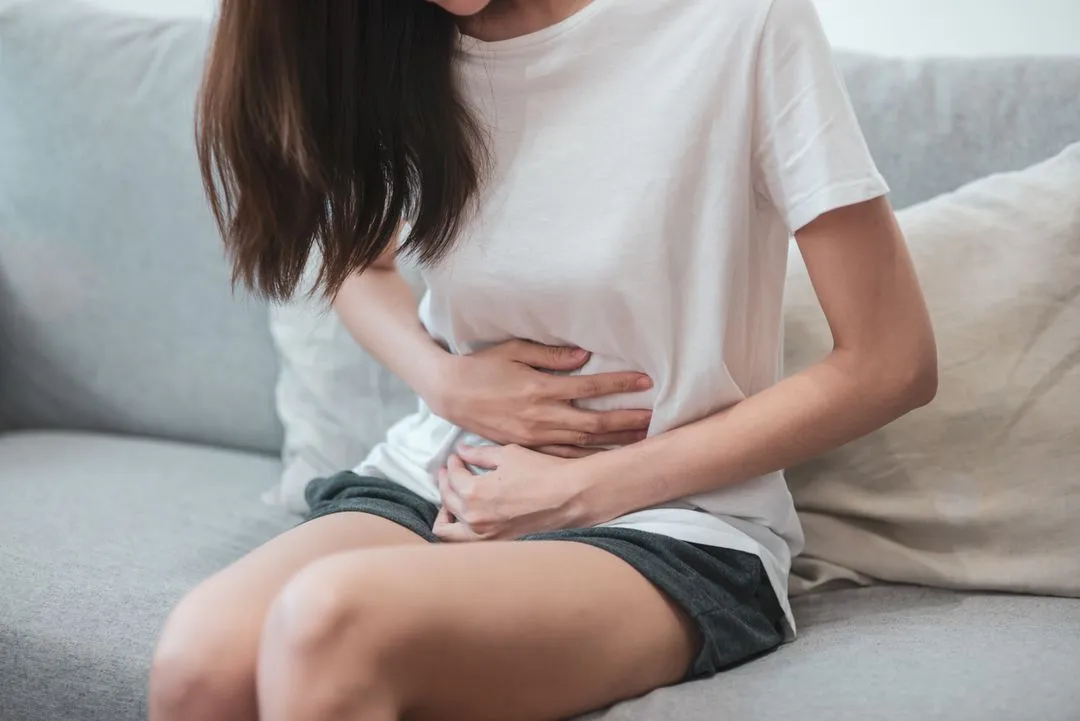
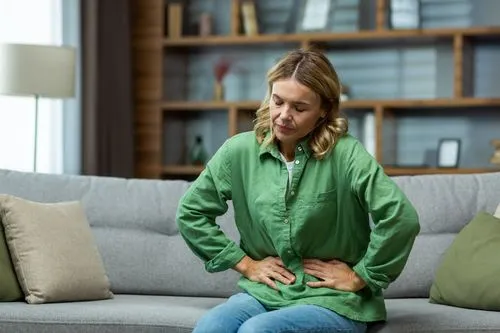
When the gallbladder contracts to release bile, these gallstones also travel through the bile duct, where they can block or restrict the flow of bile from the gallbladder. This causes a painful build-up of pressure within your gallbladder, leading to severe or sharp pain, usually in the mid to upper right side of your abdominal area or upper back.
Asymptomatic gallstones are common, although it's estimated that about 20% of people with asymptomatic gallstones will eventually develop symptoms or more complications in the next 15 years.3
Risk factors for gallstones include:4
- Genetics.
- Assigned female at birth.
- Being over the age of 60.
- BMI over 25.
- Other health conditions like type 2 diabetes, dyslipidemia, or metabolic syndrome.
- Diet! (more on this below)
If someone experiences gallstones repeatedly, surgery is often recommended.
Symptoms of a Gallbladder Attack
- Pain after eating a heavy or high-fat meal (can last several hours).
- Nausea and vomiting.
- Light-colored stool.
- Fever or chills.
- Yellowing of skin or eyes.
What Causes Gallstones?
Some of the causes of gallstones include:3
- Overproduction of cholesterol in the liver.
- Overproduction of bilirubin, a yellowish pigment produced during your body's normal breakdown of red blood cells.
- Underperformance of gallbladder contractions so bile becomes more concentrated.
It’s helpful to know that these causes aren’t really in your control and aren’t due to something you or your body is doing wrong. Some people are just genetically predisposed to forming gallstones.
That said, if you have been diagnosed with gallstones, there are diet changes you can make to reduce the chance that you will have painful symptoms in the future.
A Registered Dietitian Can Personalize Your Gallbladder Diet
The best diet for gallbladder attacks is the one that's personalized to you. Working with a dietitian can help you find what works with your lifestyle and feels good for your body. Nourish makes it easy to connect you with a dietitian to create a plan filled with good foods for gallbladder issues that meet your unique needs. Get started today with Nourish.
{{splash}}
Find a dietitian near you that accepts insurance using Nourish
References
- Almajid, A. N., & Sugumar, K. (2022). Physiology, Bile. In StatPearls. StatPearls Publishing.
- Di Ciaula, A., Garruti, G., Frühbeck, G., De Angelis, M., de Bari, O., Wang, D. Q., Lammert, F., & Portincasa, P. (2019). The Role of Diet in the Pathogenesis of Cholesterol Gallstones. Current medicinal chemistry, 26(19), 3620–3638
- Tanaja, J., Lopez, R. A., & Meer, J. M. (2022). Cholelithiasis. In StatPearls. StatPearls Publishing.
- Di Ciaula, A., Garruti, G., Frühbeck, G., De Angelis, M., de Bari, O., Wang, D. Q., Lammert, F., & Portincasa, P. (2019). The Role of Diet in the Pathogenesis of Cholesterol Gallstones. Current medicinal chemistry, 26(19), 3620–3638.
- Wirth, J., Song, M., Fung, T. T., Joshi, A. D., Tabung, F. K., Chan, A. T., Weikert, C., Leitzmann, M., Willett, W. C., Giovannucci, E., & Wu, K. (2018). Diet-quality scores and the risk of symptomatic gallstone disease: a prospective cohort study of male US health professionals. International journal of epidemiology, 47(6), 1938–1946.
- U.S. Department of Health and Human Services. (n.d.). Dieting & gallstones. National Institute of Diabetes and Digestive and Kidney Diseases. Retrieved February 13, 2023
- Lander, E. M., Wertheim, B. C., Koch, S. M., Chen, Z., Hsu, C. H., & Thomson, C. A. (2016). Vegetable protein intake is associated with lower gallbladder disease risk: Findings from the Women's Health Initiative prospective cohort. Preventive medicine, 88, 20–26.
- Walcher, T., Haenle, M. M., Kron, M., Hay, B., Mason, R. A., Walcher, D., Steinbach, G., Kern, P., Piechotowski, I., Adler, G., Boehm, B. O., Koenig, W., Kratzer, W., & EMIL study group (2009). Vitamin C supplement use may protect against gallstones: an observational study on a randomly selected population. BMC gastroenterology, 9, 74.
- Zhang, J. W., Xiong, J. P., Xu, W. Y., Sang, X. T., Huang, H. C., Bian, J., Xu, Y. Y., Lu, X., & Zhao, H. T. (2019). Fruits and vegetables consumption and the risk of gallstone diasease: A systematic review and meta-analysis. Medicine, 98(28), e16404.
- Misciagna, G., Guerra, V., Di Leo, A., Correale, M., & Trevisan, M. (2000). Insulin and gall stones: a population case control study in southern Italy. Gut, 47(1), 144–147.
- Ortega, R. M., Fernández-Azuela, M., Encinas-Sotillos, A., Andrés, P., & López-Sobaler, A. M. (1997). Differences in diet and food habits between patients with gallstones and controls. Journal of the American College of Nutrition, 16(1), 88–95.
- Park, Y., Kim, D., Lee, J. S., Kim, Y. N., Jeong, Y. K., Lee, K. G., & Choi, D. (2017). Association between diet and gallstones of cholesterol and pigment among patients with cholecystectomy: a case-control study in Korea. Journal of health, population, and nutrition, 36(1), 39.
Frequently Asked Questions
References
View all references
Nourish has strict sourcing policies and prioritizes primary sources, including medical organizations, governmental agencies, academic institutions, and peer-reviewed scientific journals. Learn more about our medical review process and editorial guidelines.










.jpg)


.avif)
















.avif)

.avif)