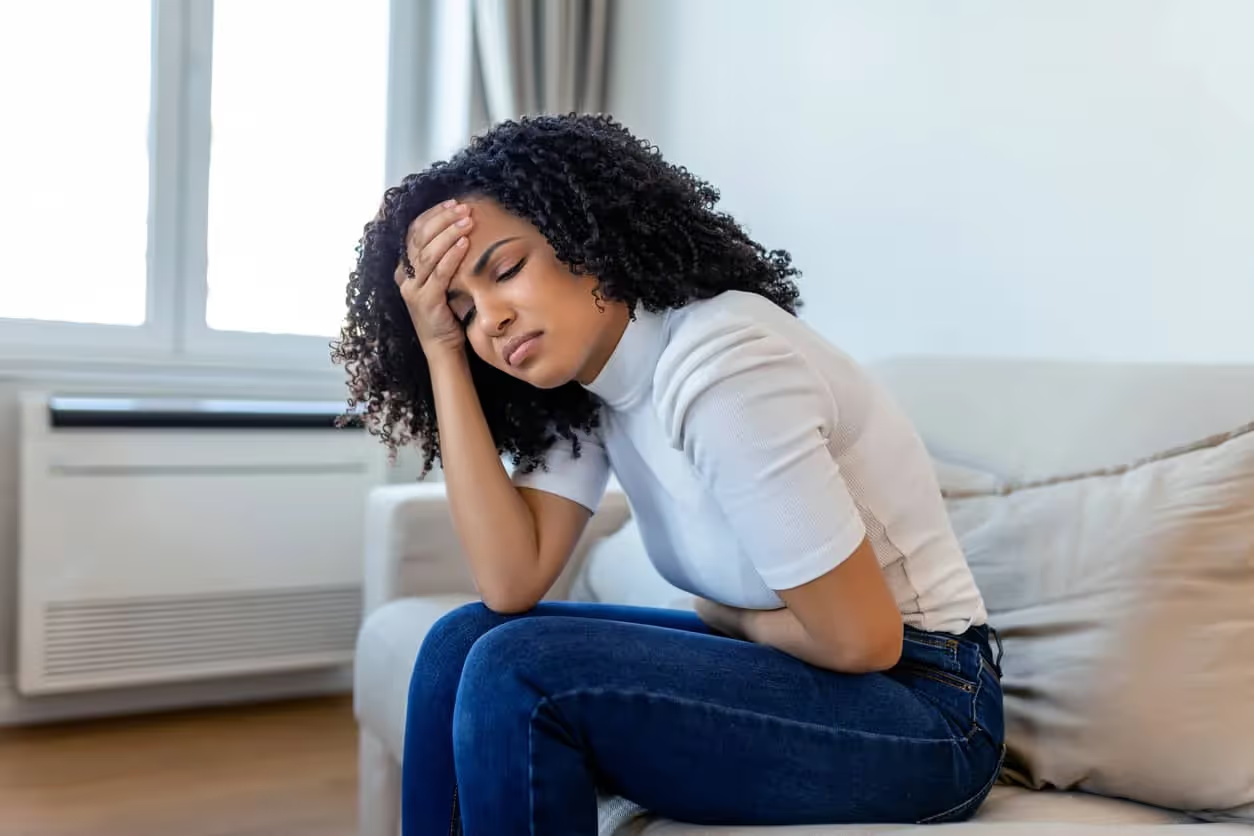
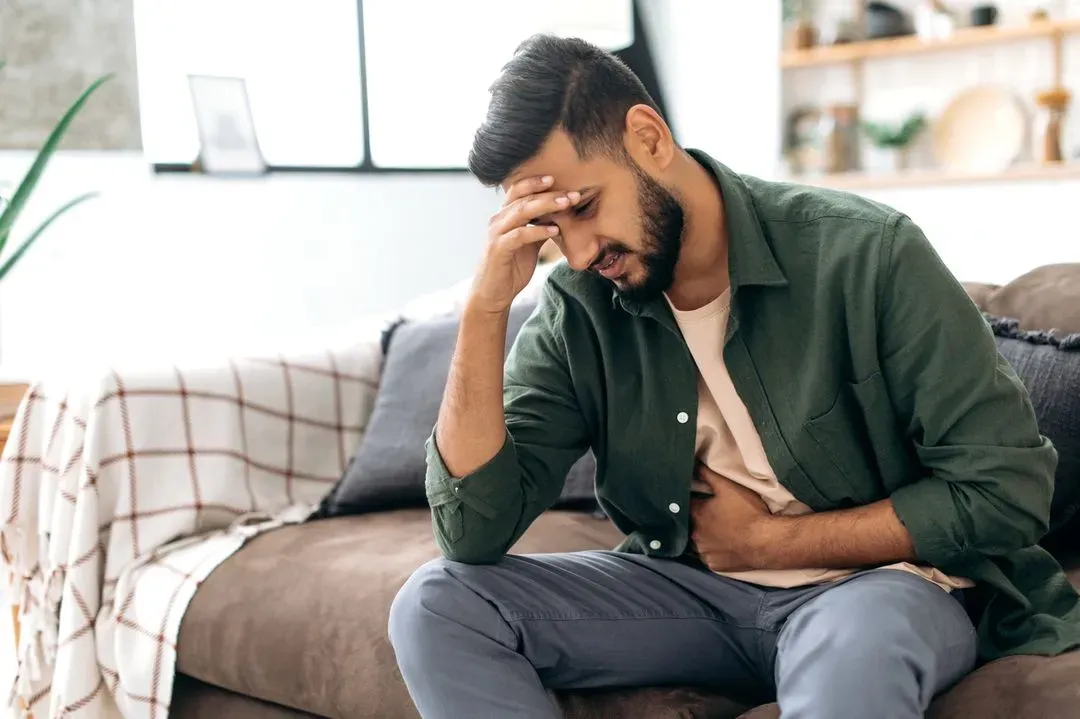
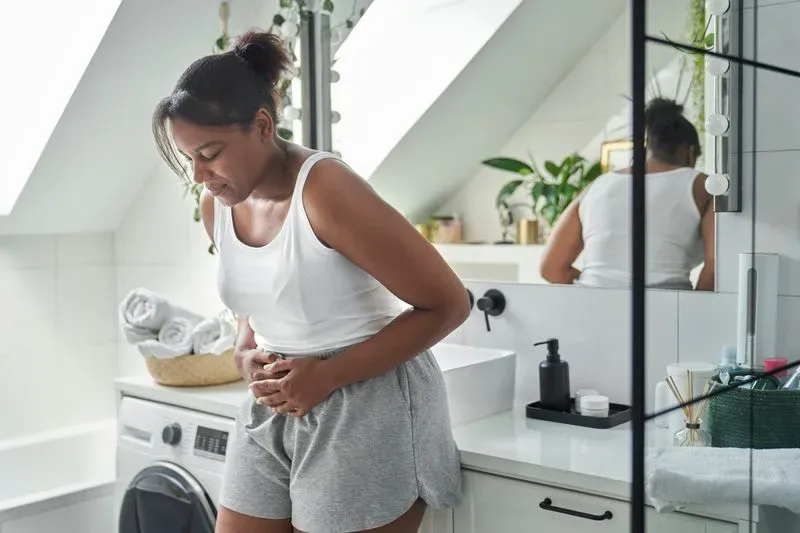
Why Does It Hurt To Poop? Causes, Treatments, And More

Medical Reviewer: Ellie Stamerjohn, MS, RDN, LD

Author: Heather Smith, RN, BSN
Summary
- Painful bowel movements may be linked to constipation, hemorrhoids, fissures, or underlying medical disorders.
- Depending on the cause, diet and lifestyle modifications, such as increasing fiber and fluid intake and regular exercise, may alleviate discomfort.
- Seek medical advice for persistent or severe pain
Many people experience painful pooping at some point, and the foods you eat can play an important role.
Additionally, changes to the structure of your colon can also impact the ease of your bowel movements.
Read on to learn why you may be having painful bowel movements and ways you can manage this discomfort.
Also, learn when to seek medical attention.
{{splash}}
Why Does It Hurt To Poop?
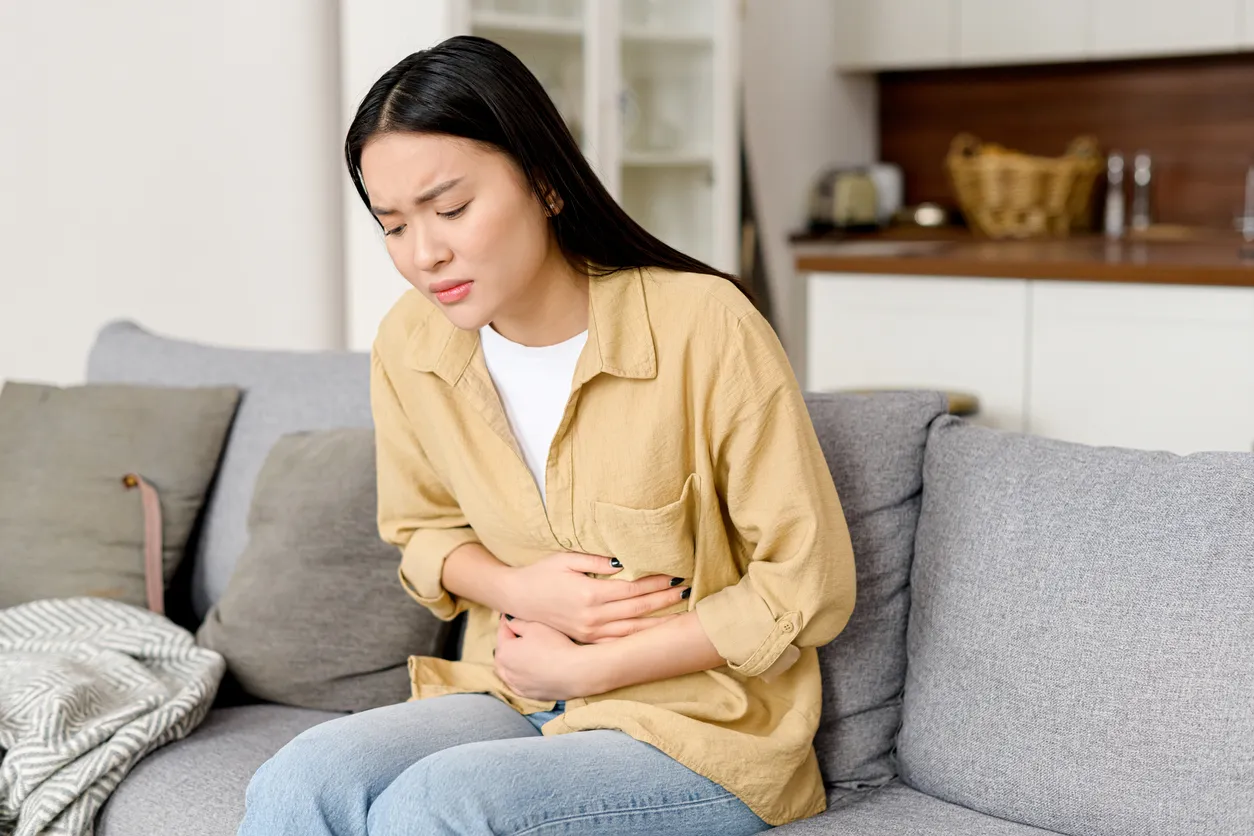
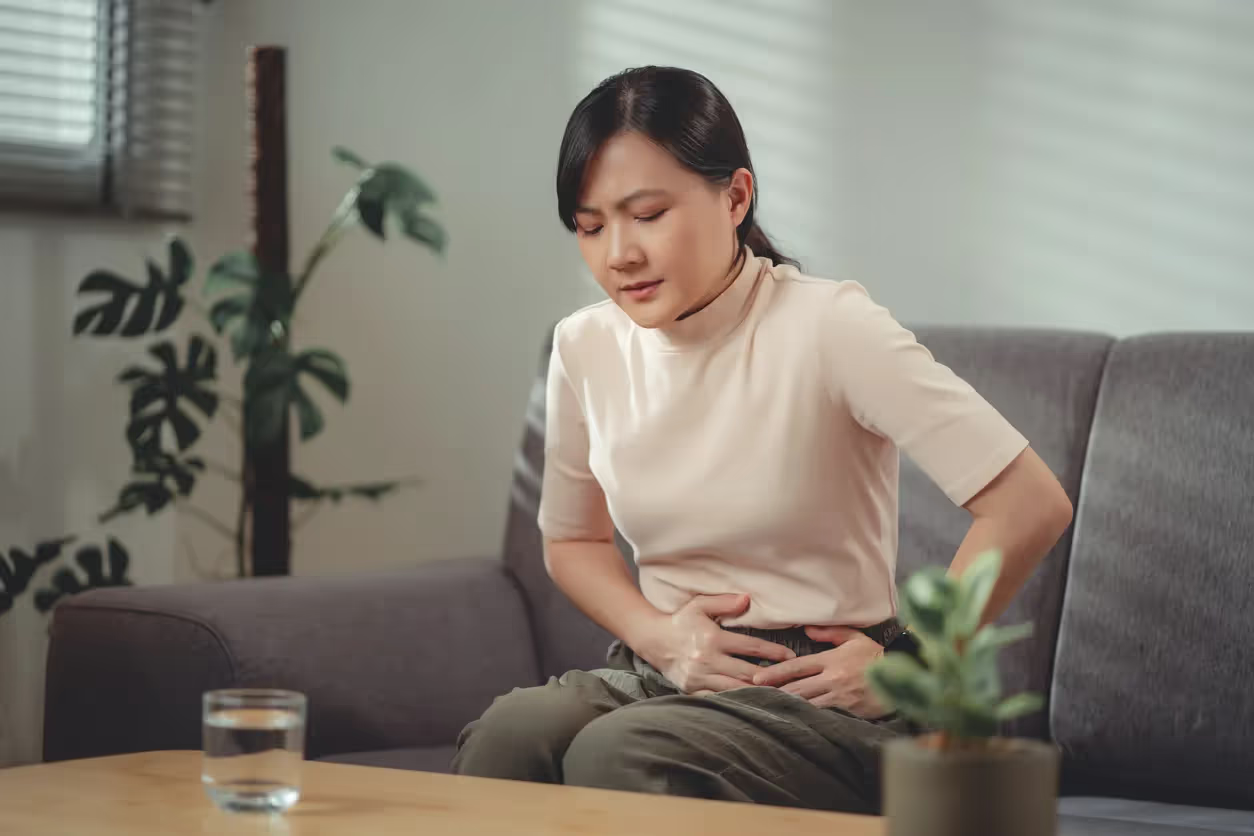
Here are several reasons why your bathroom experiences may be uncomfortable.
Constipation
Constipation occurs when you have less than three bowel movements each week that are hard to pass.
It can happen when stools move too slowly through the digestive tract, causing it to lose more moisture and harden.
Causes
Several factors can contribute to constipation, including:
- Low fiber intake: Fiber adds bulk to your stool, making it easier to pass.
- Dehydration: When your body is dehydrated, the colon absorbs more water from stool, making it hard and dry.
- Lack of physical activity: Regular exercise stimulates bowel movements.
- Medications and supplements: Certain medications, such as narcotic pain relievers, antidepressants, iron supplements, and antacids, can cause constipation.
- Ignoring the urge to go: Delaying bowel movements can lead to constipation.
- Life changes: Pregnancy, travel, and aging can increase the risk of constipation.
Symptoms
Common symptoms of constipation include:
- Straining during bowel movements.
- Passing hard, dry stools.
- Feeling as though you haven't completely emptied your bowels.
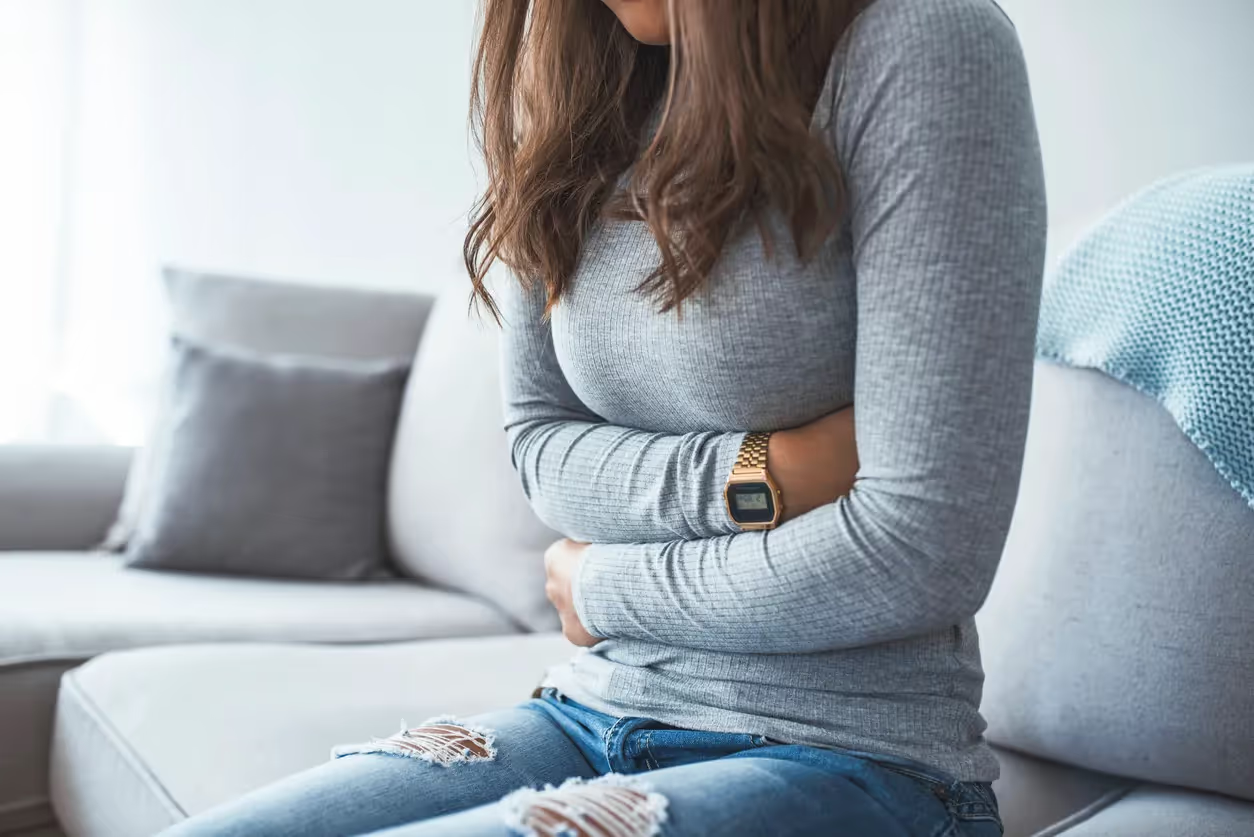
- Abdominal bloating and discomfort.
- Fewer than three bowel movements per week.
Treatment Options
Treatment for constipation can involve lifestyle changes and, in some cases, over-the-counter or prescription medications:
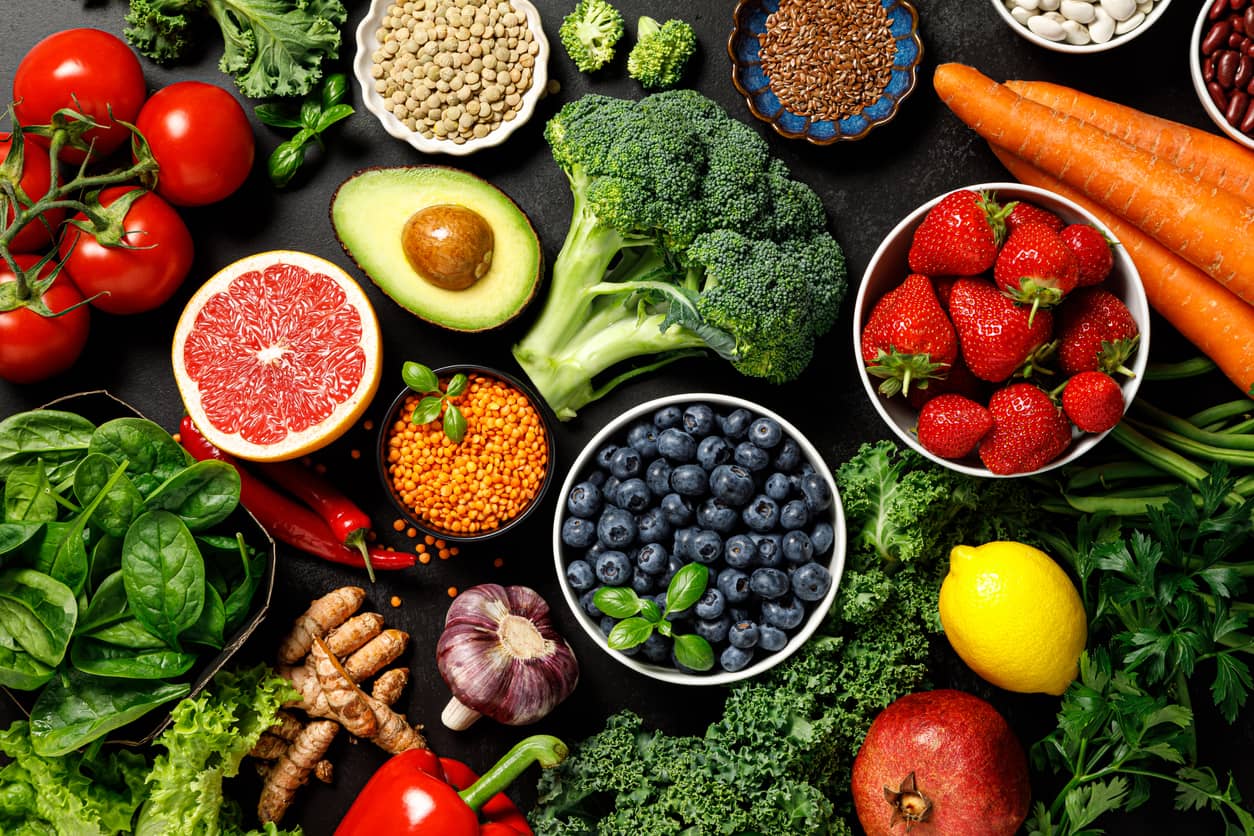
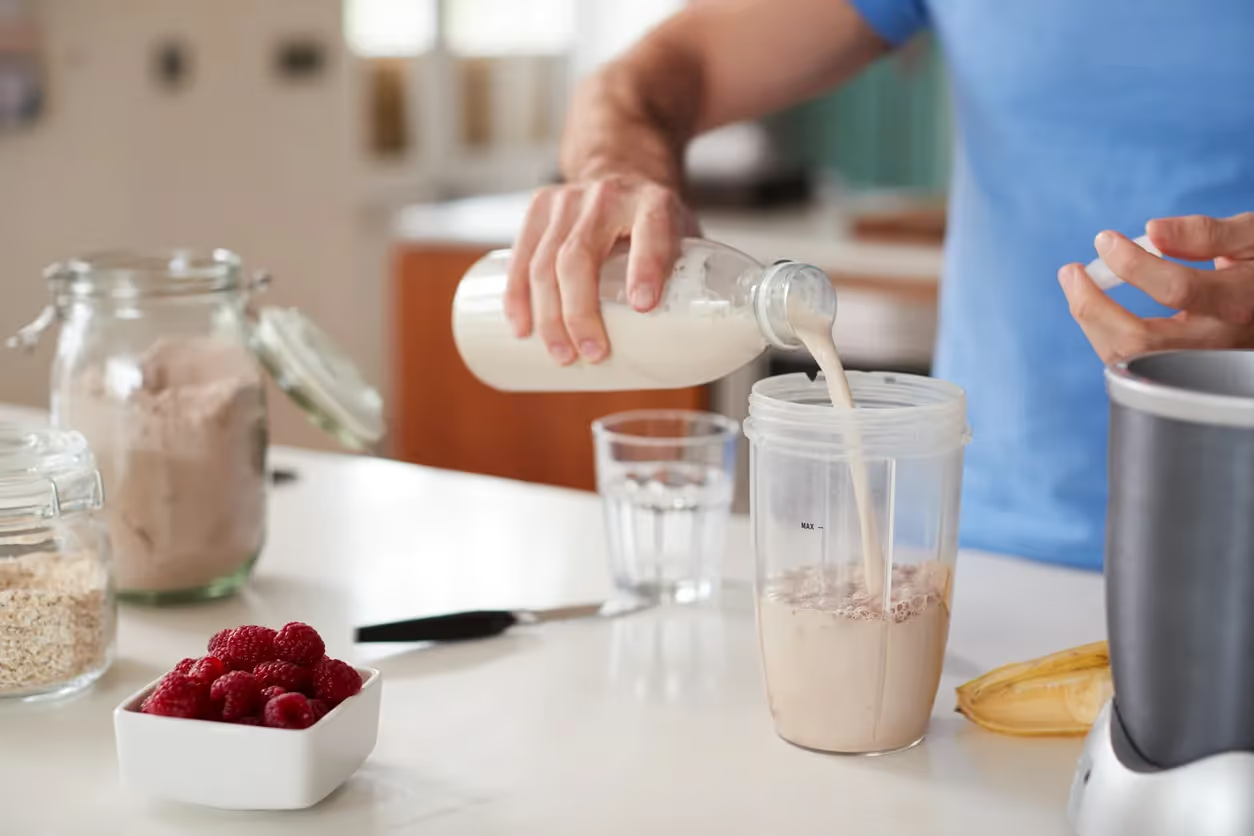
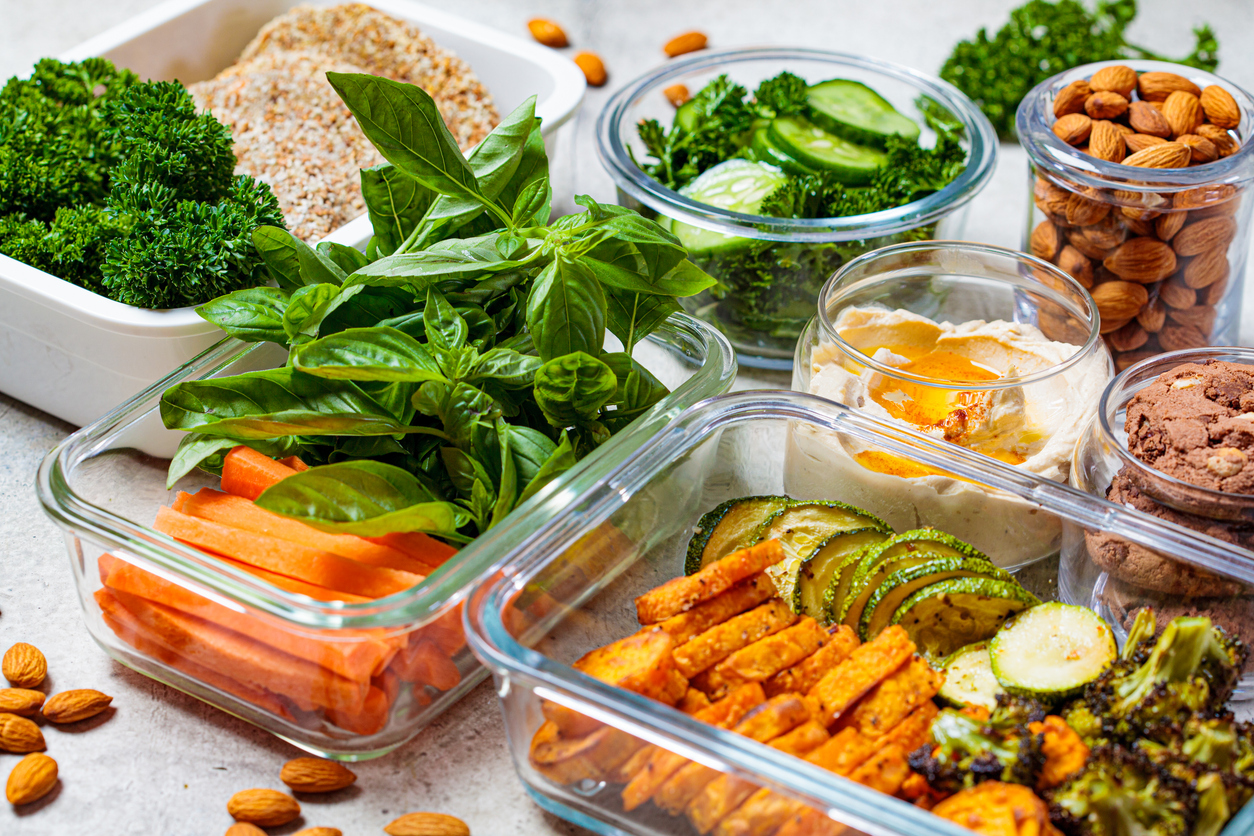
- Increase fiber intake: Incorporate more fruits, vegetables, and whole grains into your diet.
- Stay hydrated: Drink plenty of water throughout the day. It’s wise for most people to consume about half their body weight in ounces of water per day, but ask your healthcare provider for personalized recommendations.
- Exercise regularly: Aim for at least 30 minutes of moderate-intensity exercise most days of the week.
- Establish a regular bathroom routine: Try to go to the bathroom at the same time each day.
- Over-the-counter laxatives: Fiber supplements, stool softeners, and osmotic laxatives can help relieve constipation.
- Prescription medications: In severe cases, your medical provider may prescribe medications that help stimulate bowel movements.
- Consulting a dietitian: A registered dietitian is an expert in nutrition and can help you learn to eat in a way that avoids constipation.
Hemorrhoids Or Anal Fissures
Hemorrhoids and anal fissures are two common causes of pain during bowel movements.
Hemorrhoids are swollen veins in or around the rectum and anus. Anal fissures are small tears in the lining of the anus.
Causes
Hemorrhoids develop from increased pressure in the veins of the lower rectum, often due to:
- Straining during bowel movements.
- Chronic constipation or diarrhea.
- Pregnancy or vaginal delivery.
- Prolonged sitting.
- Lifting heavy objects.
Anal fissures are typically caused by passing hard or large stools but can also be caused by diarrhea, vaginal childbirth, or anal intercourse.
Symptoms
Symptoms of hemorrhoids can vary depending on their location and severity.
Internal hemorrhoids may cause painless bleeding during bowel movements, while external hemorrhoids can cause pain, itching, and discomfort, especially during bowel movements.
The hallmark symptom of an anal fissure is a sharp, tearing pain during bowel movements. You may also see bright red blood on the toilet paper or in the toilet bowl.
Treatment Options
You can typically treat hemorrhoids and anal fissures at home.
Treatment mainly focuses on relieving symptoms and making dietary and lifestyle adjustments to make bowel movements easier.
- Lifestyle modifications: Consuming fiber, drinking plenty of fluids, and exercising regularly can help soften stools and reduce straining.
- Over-the-counter remedies: Topical creams, ointments, and suppositories such as preparation H or hydrocortisone cream can help soothe irritation and reduce swelling. Stool softeners can make bowel movements easier.
- Taking a sitz bath: A sitz bath is a special tub in which you sit in several inches of warm water two or three times a day to help you heal.
- Minimally invasive procedures: For hemorrhoids that don't respond to conservative treatment, procedures such as rubber band ligation, sclerotherapy, or infrared coagulation may be recommended.
- Surgery: In rare cases, surgery may be necessary to remove severe hemorrhoids or repair a chronic anal fissure.
Inflammatory Bowel Disease (IBD)
Inflammatory bowel disease (IBD) is a group of chronic disorders that cause inflammation and damage to the digestive tract.
Types
The two most common types of IBD are Crohn's disease and ulcerative colitis.
- Crohn's disease: This type of IBD can cause inflammation in any part of the digestive tract, from the mouth to the anus.
- Ulcerative colitis: This type of IBD only causes inflammation in the colon and rectum.
Causes
The exact causes of IBD are unknown, but researchers believe that a combination of factors may play a role, including:
- Genetics: IBD tends to run in families, suggesting a genetic component.
- Immune system malfunction: In IBD, the immune system mistakenly attacks healthy cells in the digestive tract, leading to inflammation.
Symptoms
Symptoms of IBD can vary depending on the type and severity of the disease but may include:
- Lower abdominal pain.
- Diarrhea sometimes with blood and mucus.
- Weight loss.
- Nausea and vomiting.
- Fever.
- Dehydration.
Treatment Options
While there is no cure for IBD, treatments can help manage symptoms, control inflammation, and prevent complications.
Treatment options may include:
- Medications: Various medications are used to manage IBD, including aminosalicylates, corticosteroids, immunomodulators, and biologics to help reduce inflammation.
- Lifestyle modifications: Learning which foods cause digestive problems, eating bland foods, and having several smaller meals throughout the day may help control symptoms.
- Surgery: In some cases, surgery may be necessary to remove a damaged section of the digestive tract.
- Consulting a dietitian: Registered dietitians are experts in how to manage digestive conditions through nutrition.
Other Medical Conditions That Can Cause Painful Pooping
While the conditions mentioned above are common causes of painful bowel movements, several other medical conditions can also provoke discomfort.
- Anorectal abscess: A collection of pus near the anus.
- Anorectal fistulas: Abnormal tunnels or tracts connecting the anal canal to the skin.
- Sexually transmitted infections: Chlamydia or gonorrhea can sometimes cause painful bowel movements.
- Proctitis: Inflammation of the rectum causing pain and discomfort.
- Diverticulitis: Inflammation of small pouches in weak areas of the colon's wall.
- Rectal prolapse: Protrusion of the rectum through the anus.
- Colorectal cancer: Cancer of the colon and rectum area.
Diet And Lifestyle Factors That Can Contribute To Painful Pooping
Painful bowel movements can often be attributed to diet and lifestyle factors.
Addressing them may significantly improve the regularity of your bowel movements and reduce discomfort.
Low Fiber Intake
Not eating enough fiber can contribute to painful pooping.
Fiber is a type of carbohydrate found in plant-based foods.
It adds bulk to your stool and helps it move through the digestive tract more easily.
When you don’t eat enough fiber, your stool can become hard and dry leading to straining and pain during bowel movements.
If you are having trouble eating enough fiber, you may also want to consider taking a fiber supplement.
Dehydration
Not drinking enough water and other hydrating liquids can also contribute to hard, dry stools.
When your body is dehydrated, the colon takes more water from your stool to try to rehydrate.
This leaves your stool compact, dry, and difficult to pass.
Sedentary Lifestyle
Regular exercise helps stimulate the natural muscle movements of your intestines that keep things moving in your digestive tract.
Leading a sedentary lifestyle can slow down bowel movement and increase the likelihood of constipation and painful straining with pooping.
Poor Bathroom Habits
How you manage your bathroom routine can also contribute to painful bowel movements.
Ignoring the urge to go can lead to constipation, as the stool remains in the colon longer, making it more firm and difficult to pass.
Spending excessive time on the toilet, straining, or pushing too hard can put undue pressure on the rectal area, potentially leading to hemorrhoids or anal fissures.
Tips For Managing Discomfort During Bowel Movements
Here are several things you can do to manage discomfort and make going to the bathroom a more pleasant experience:
- Increase fiber gradually: Gradually increase your fiber intake by incorporating more fruits, vegetables, whole grains, and legumes into your diet.
- Stay hydrated: Drink plenty of water throughout the day to keep stools soft and prevent dehydration.
- Exercise regularly: Engage in at least 30 minutes of moderate-intensity exercise most days of the week.
- Don't delay: When you feel the urge to go, don't hold it.
- Take warm baths: Soaking in a warm bath can help relax the anal sphincter and provide relief from pain and discomfort.
- Use over-the-counter remedies: If you are constipated, taking a stool softener can be helpful.
- Establish a bathroom routine: Choose a time of day, such as 15 minutes after eating breakfast, when you allow yourself time to sit in the bathroom and relax your muscles to have a bowel movement.
When To Seek Medical Advice For Painful Pooping
While occasional discomfort during bowel movements is common, it's essential to seek medical advice if you experience any of the following:
- Sudden onset of severe pain or vomiting: This could be a sign of a serious condition.
- Blood in the stool: While some bleeding can occur with hemorrhoids or anal fissures, it's important to rule out other causes.
- Unexplained weight loss: This could be a symptom of a digestive disorder or other underlying medical condition.
- Persistent changes in bowel habits: If you experience constipation, diarrhea, or a change in stool consistency for more than a few weeks, consult your healthcare provider.
- Severe abdominal pain or cramping: This could indicate a problem with your digestive system.
- Fever: This could be a sign of an infection or inflammation.
Takeaway
Painful bowel movements are common and may stem from various factors ranging from lifestyle choices to underlying medical conditions.
You can often treat painful bowel movements at home with dietary and lifestyle modifications.
However, having persistent pain or other symptoms such as vomiting, fever, or bloody stools may indicate a serious condition that needs medical attention.
How A Dietitian Can Help
A registered dietitian can be a valuable resource if you are experiencing painful bowel movements.
They can provide personalized guidance and support to help you:
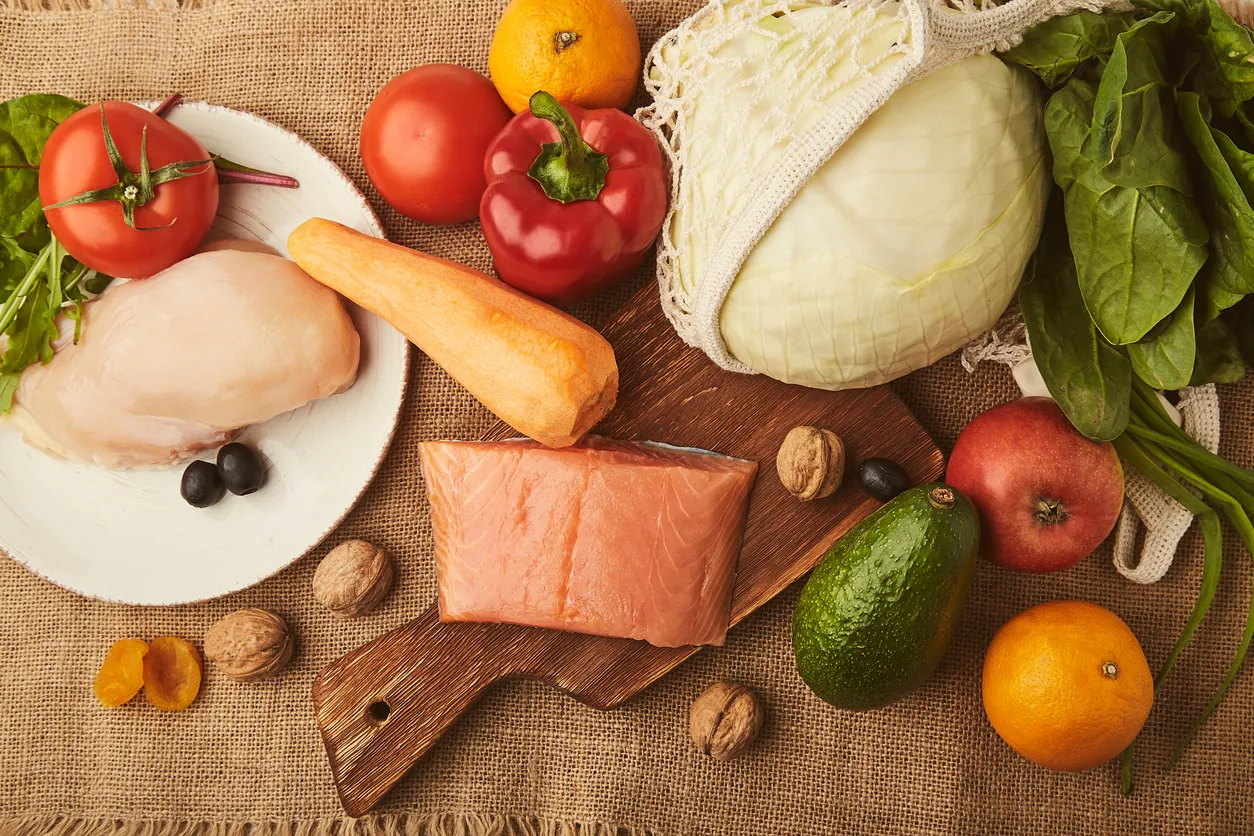
- Identify dietary triggers: A dietitian can help you identify foods that may be contributing to your symptoms and develop an individualized meal plan to promote digestive health.
- Increase fiber intake effectively: They can guide you on how to gradually increase your fiber intake without causing gas or bloating.
- Ensure adequate fluid intake: A dietitian can help you determine your individual fluid needs and develop strategies to stay hydrated throughout the day.
- Develop healthy eating habits: They can provide education on healthy eating patterns and make recommendations for foods that support overall digestive health.
- Address underlying medical conditions: A dietitian can work with you to develop a nutrition plan that complements your digestive disorder.
Find a registered dietitian who accepts your insurance.
Frequently Asked Questions
Why does it hurt to push out poop?
Pain when pushing out poop is often caused by constipation, making stools hard and difficult to pass.
Other causes include hemorrhoids, anal fissures, or an underlying medical disorder like IBD.
What should I do if it hurts to poop?
If you're experiencing pain, try increasing your fiber and water intake to soften stools.
Avoid straining, and consider using over-the-counter remedies like stool softeners or topical creams that address hemorrhoids or anal fissures.
If pain persists, consult your healthcare provider.
Why does it sting when I poop?
Stinging during bowel movements often indicates irritation or a small tear in the anal tissue.
This can be caused by constipation, diarrhea, or conditions like hemorrhoids and anal fissures.
References
View all references
Constipation. (N.D.) National Institute of Diabetes and Digestive and Kidney Diseases.
Symptoms & Causes of Constipation - NIDDK
Hemorrhoids. (N.D.) National Institute of Diabetes and Digestive and Kidney Diseases.
Treatment for Constipation - NIDDK
Anal Fissures. (2022). MedlinePlus.
McDowel, C., et al. (2023). Inflammatory Bowel Disease. StatPearls.
Anorectal abscess (2022). MedlinePlus.
Jimenez, M., et al. (2023). Anorectal Fistula. StatPearls.
Proctitis. (N.D.) National Institute of Diabetes and Digestive and Kidney Diseases.
Diverticulosis, Diverticulitis. (2024). MedlinePlus.
Rectal Prolapse. (N.D.) National Institute of Diabetes and Digestive and Kidney Diseases.
Nourish has strict sourcing policies and prioritizes primary sources, including medical organizations, governmental agencies, academic institutions, and peer-reviewed scientific journals. Learn more about our medical review process and editorial guidelines.
More articles

.avif)









.avif)