The Best Gluten-Free Grocery List for Beginners

Medical Reviewer: John Markell, RDN, LDN, CDN, CPT

Author: Sarah Bullard, MS, RD
%20(1).webp)
Summary
- Many foods don't contain gluten, such as meats and poultry, fish, beans, nuts and seeds, fruits, vegetables, dairy products, and oils and fats.
- Food labeling laws help make it easier to find gluten-free options when grocery shopping.
- Sometimes food manufacturers will include wording to let you know something might contain gluten even when gluten-free by writing “produced in a facility that also processes wheat” or “may contain wheat.”
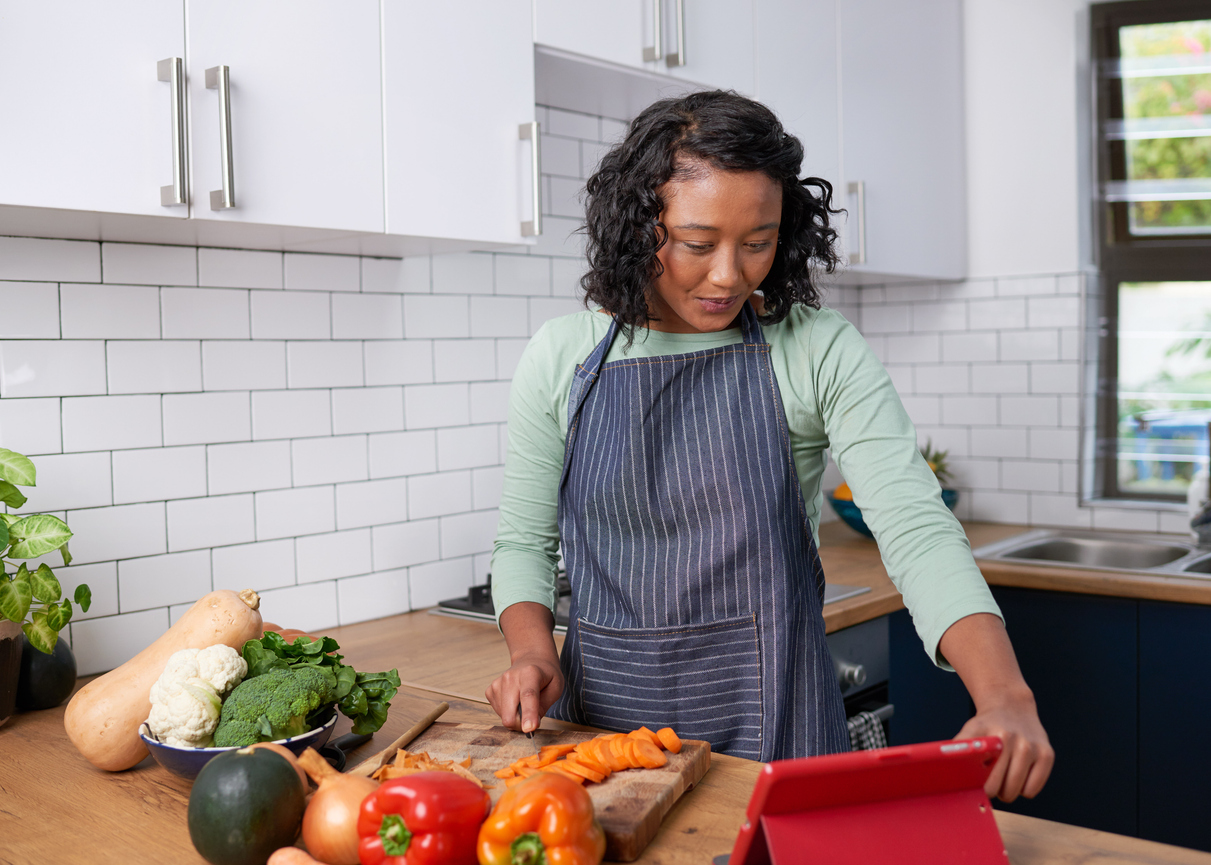
- Aim to prepare most of your meals at home when starting a gluten-free diet to ensure your meals are gluten-free.
Around 20% of Americans follow a gluten-free diet due to food allergies, intolerances, health preferences, or someone in their household avoiding gluten.
As a result, there's an increasing amount of gluten-free product options for those following a gluten-free diet to choose from.
This can make grocery shopping feel overwhelming.
Use this simple gluten-free grocery list for beginners to clear up the confusion.
Many foods don't contain gluten, like fruits, vegetables, meat, poultry, fish, seafood, dairy, beans, legumes, and nuts.
You can use this list to try out new foods and reduce the stress of grocery shopping.
{{splash}}
Simple Gluten-Free Grocery List for Beginners
To support consumers following a gluten-free diet, the Food and Drug Administration (FDA) passed regulations regarding gluten-free labeling in 2013.
For a product to be labeled “gluten-free,” “free of gluten,” “without gluten,” or “no gluten,” it must have less than 20 parts per million of gluten and share any possible contamination during production.
The products are tested to ensure compliance.
Some food manufacturers will also include advisory statements like “made in a shared facility with wheat” or “may contain wheat,” often near the ingredients list on the packaging.
Clear labeling has helped people following a gluten-free diet feel more confident about making sure what they are eating is gluten-free.
Fruits and Vegetables
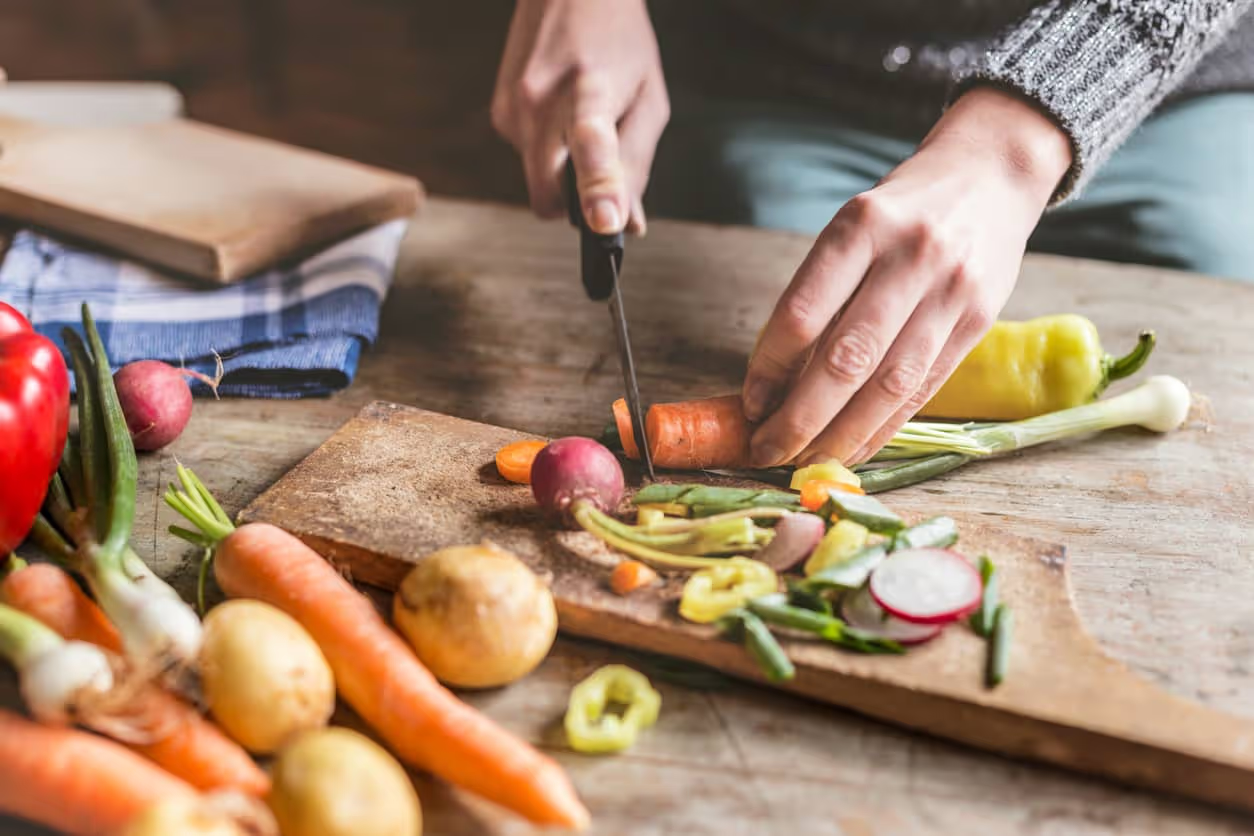
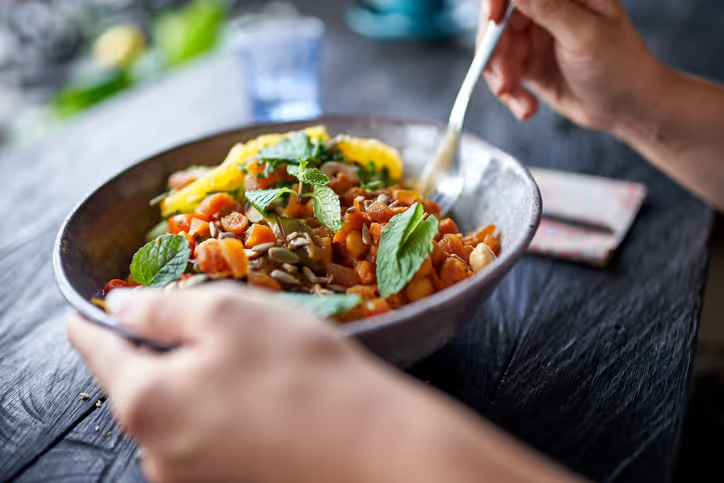
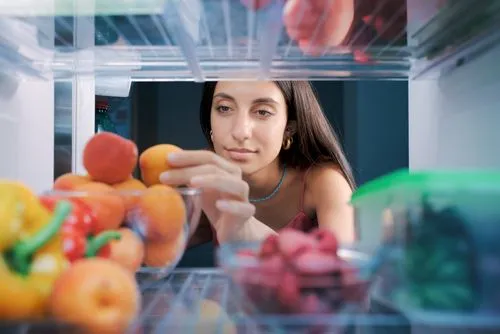
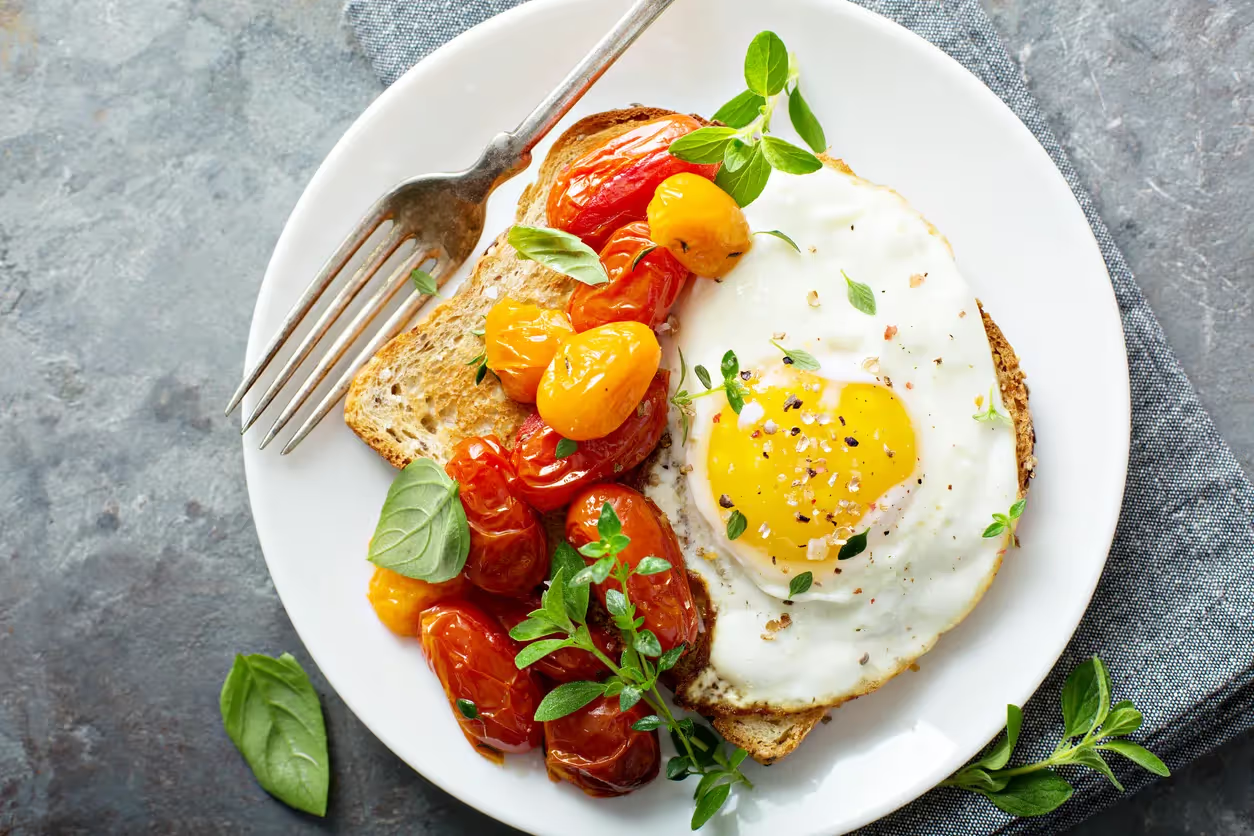
Fruits and vegetables are naturally gluten-free foods in their original form.
Processed or packaged food items containing fruits and vegetables (baked pies, wheat-based cereals, premade grain salads, etc.) may add gluten and should be clearly labeled.
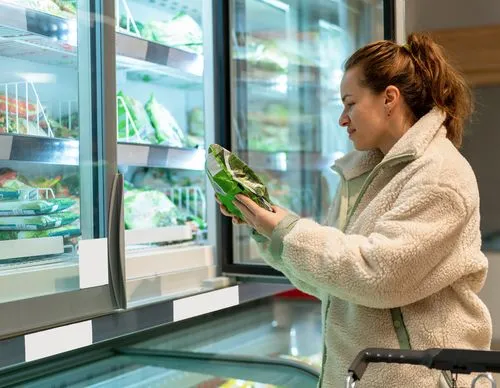
Frozen fruits and vegetables are naturally gluten-free and have a longer shelf-life than fresh.
Frozen potato products and any pre-seasoned or flavored option may contain gluten, so be sure to read the ingredients and advisory statements carefully.
Some tips to keep in mind while grocery shopping include looking for dried versions of fruits like raisins or apricots, no-added sugar canned fruit, and no-added salt canned vegetables.
Plain canned fruits and vegetables are gluten-free, but remember to read the labels to make sure.
Fruits and vegetables add vitamins, minerals, and fiber to your diet.
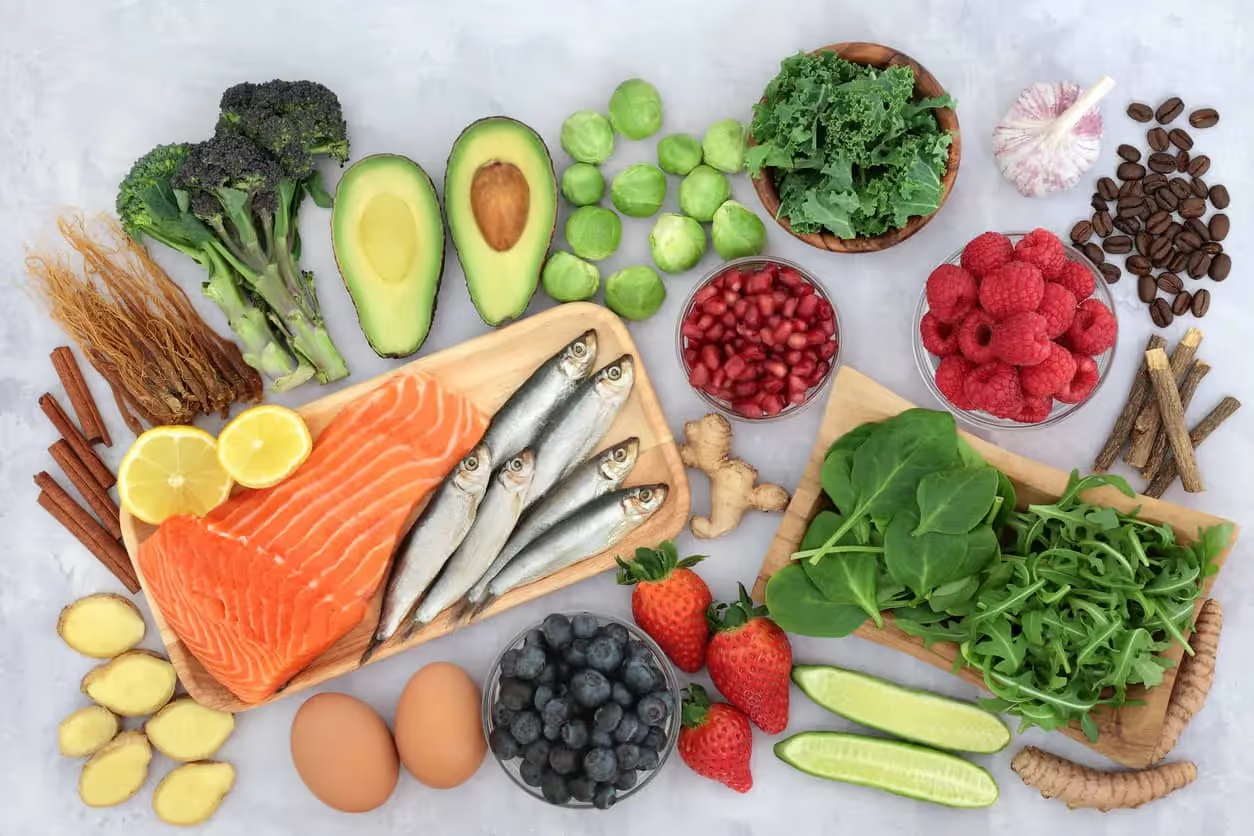
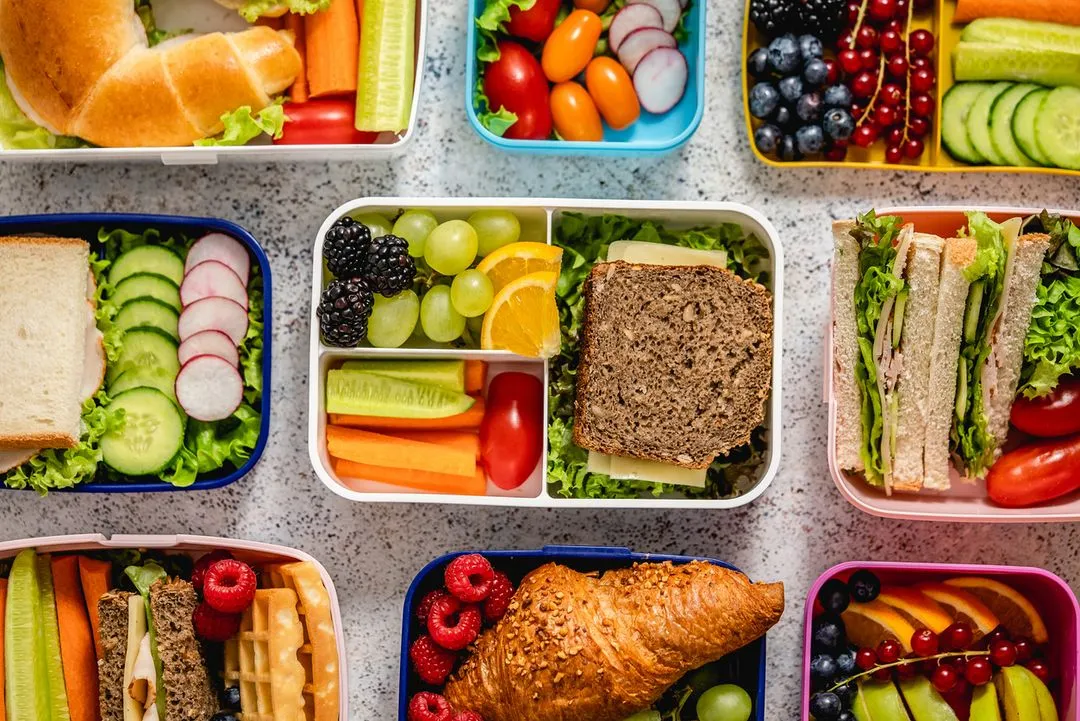
Here is a small sampling of common fruits and vegetables found at the grocery store.
Fruits
- Apples.
- Bananas.
- Pears.
- Peaches.
- Citrus fruit (limes, lemons, oranges, grapefruit, clementines).
- Pineapple.
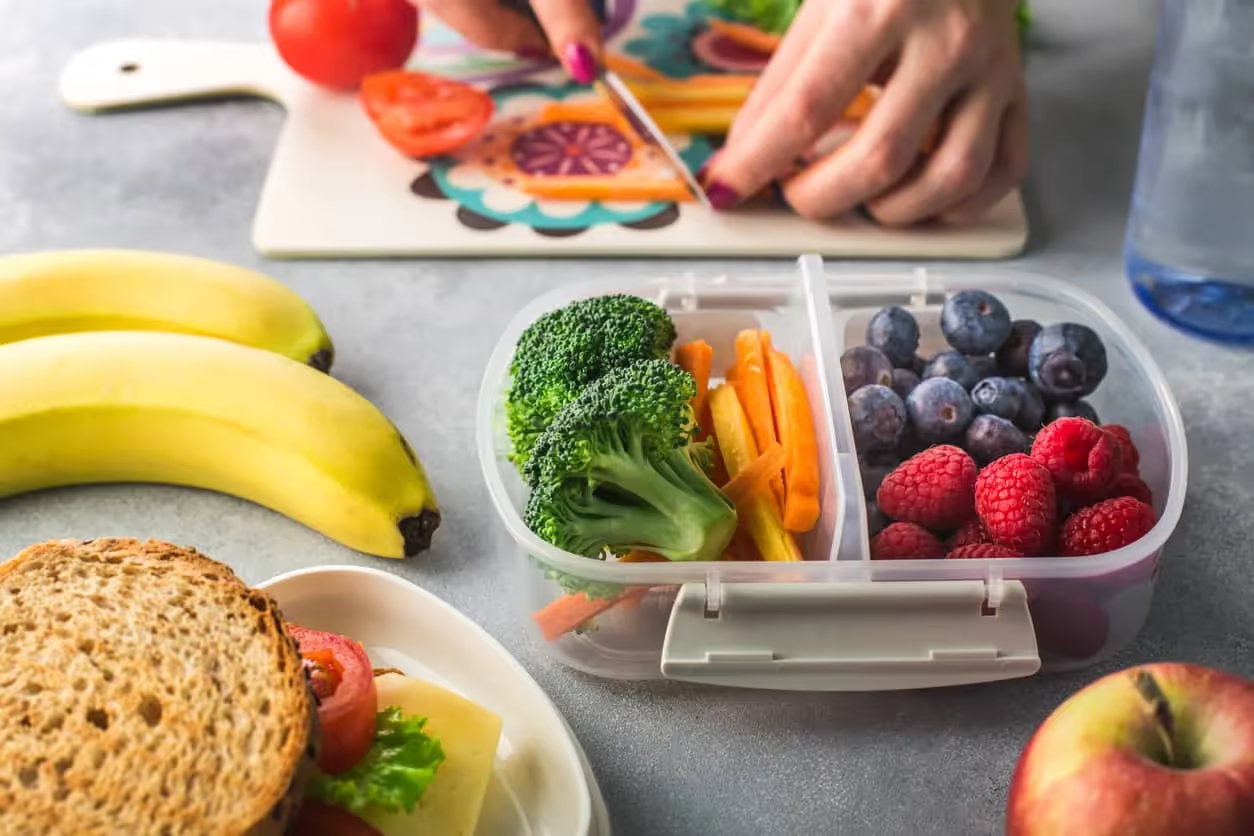
- Berries (strawberries, blueberries, raspberries, blackberries, cranberries).
- Grapes.
- Pomegranates.
- Avocados.
- Cherries.
- Figs.
- Mangoes.
- Melons (honeydew, cantaloupe, watermelon).
Vegetables
- Potatoes (sweet, red, yellow, new).
- Corn.
- Garlic.
- Tomatoes.
- Green beans.
- Lettuce and leafy greens (spinach, kale, and romaine).
- Onions (red, yellow, chives, scallions).
- Carrots.
- Broccoli.
- Cucumbers.
- Peas.
- Peppers (red, green, yellow).
- Asparagus.
- Pumpkin.
- Mushrooms.
Protein Sources
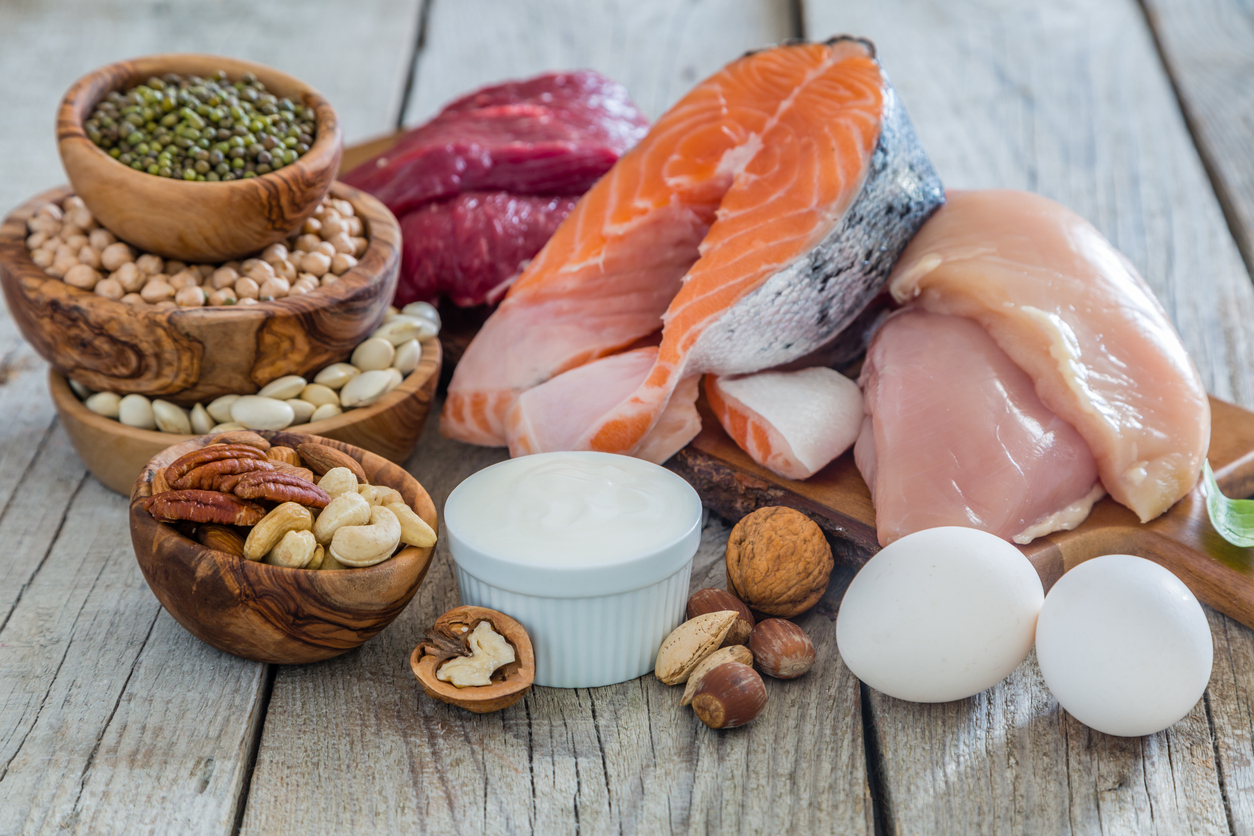
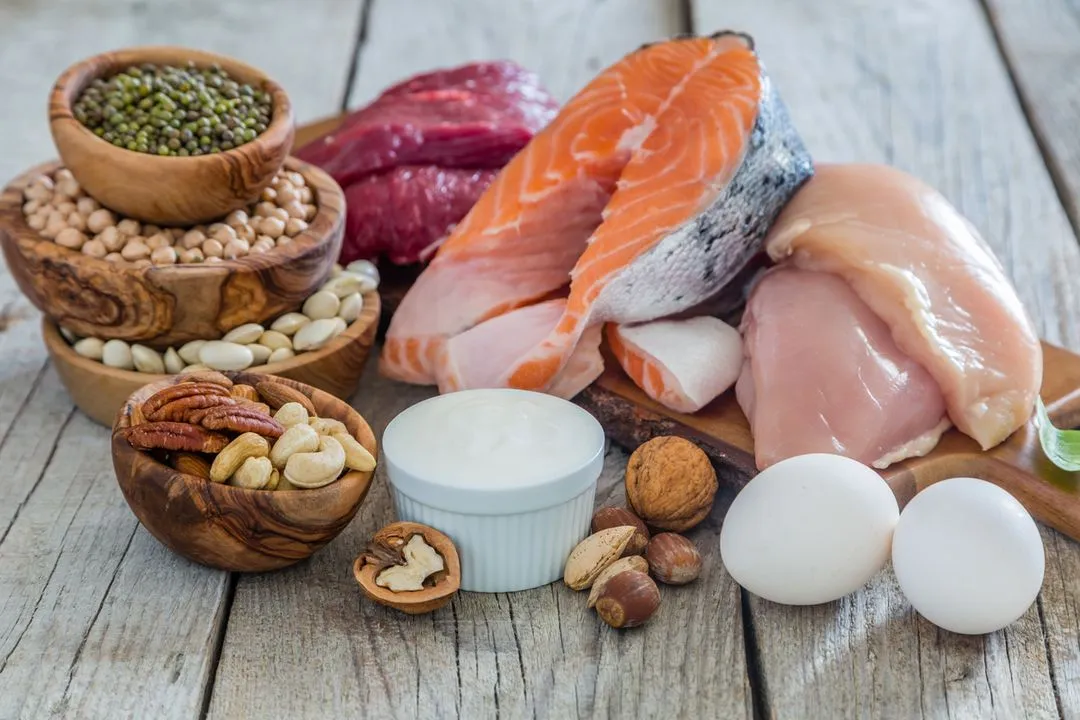
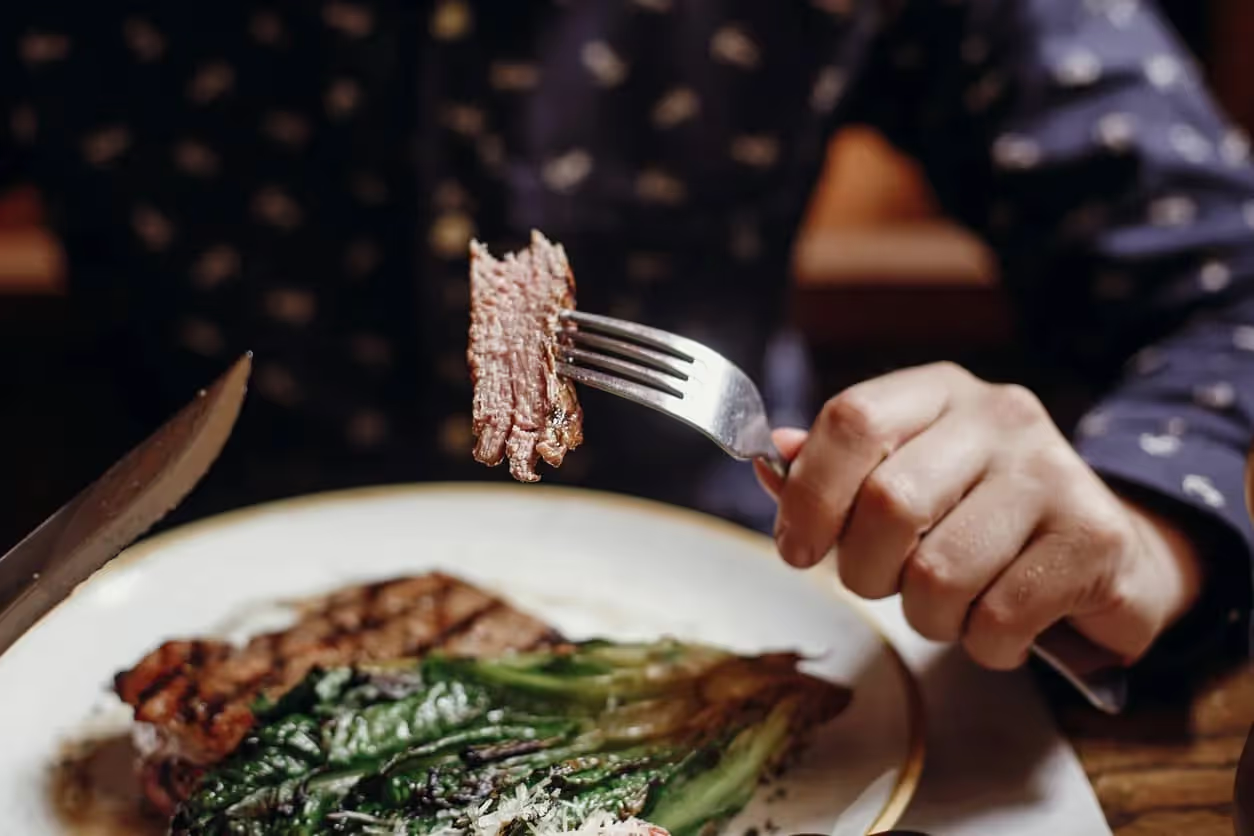
Many high-protein foods can be naturally gluten-free, especially when they are not breaded.
Remember to check labels for more processed protein sources to ensure no gluten was added.
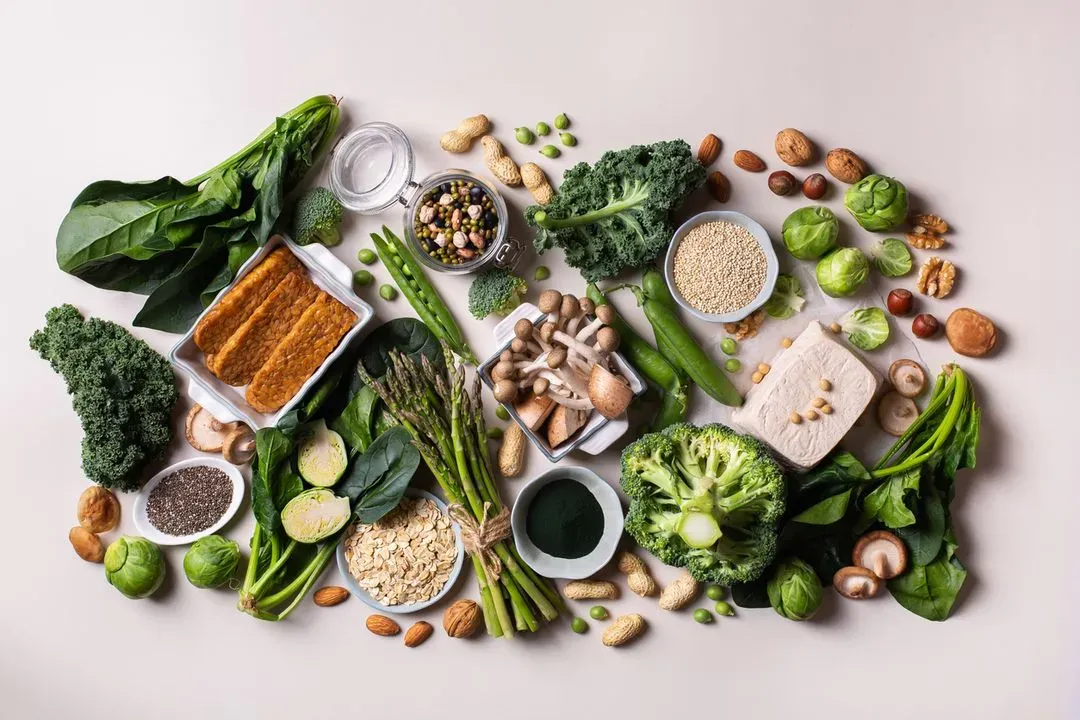
Protein sources can be animal-based or plant-based.
Eating options from both sources can help provide a healthy variety of vitamins, minerals, fiber, and flavors.
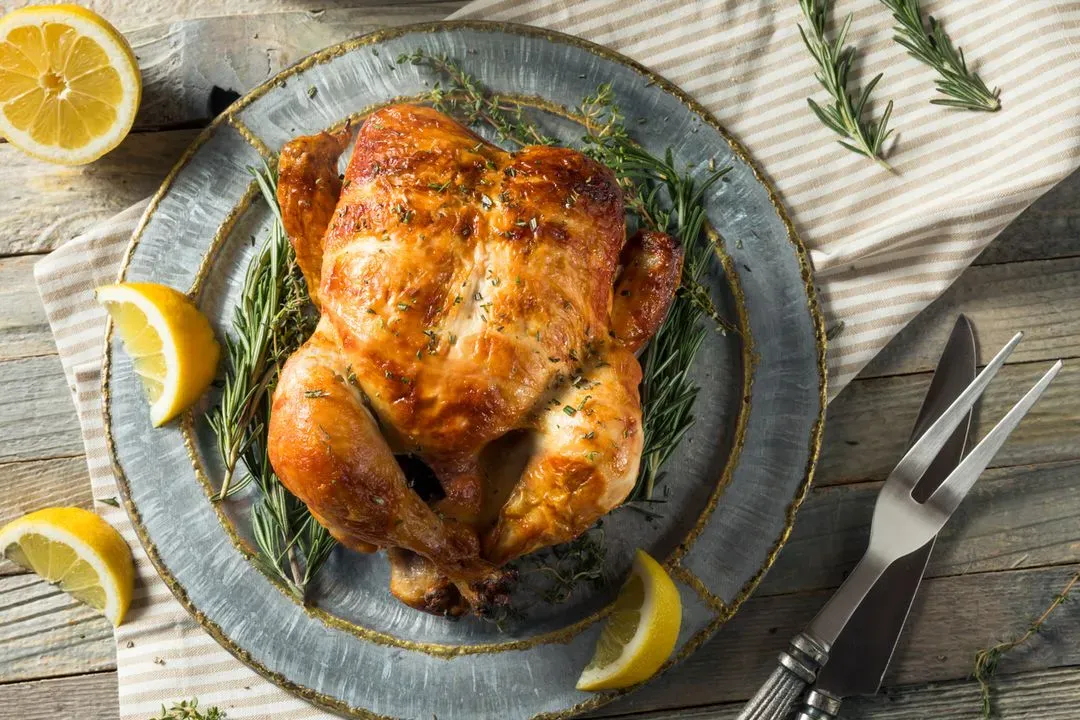
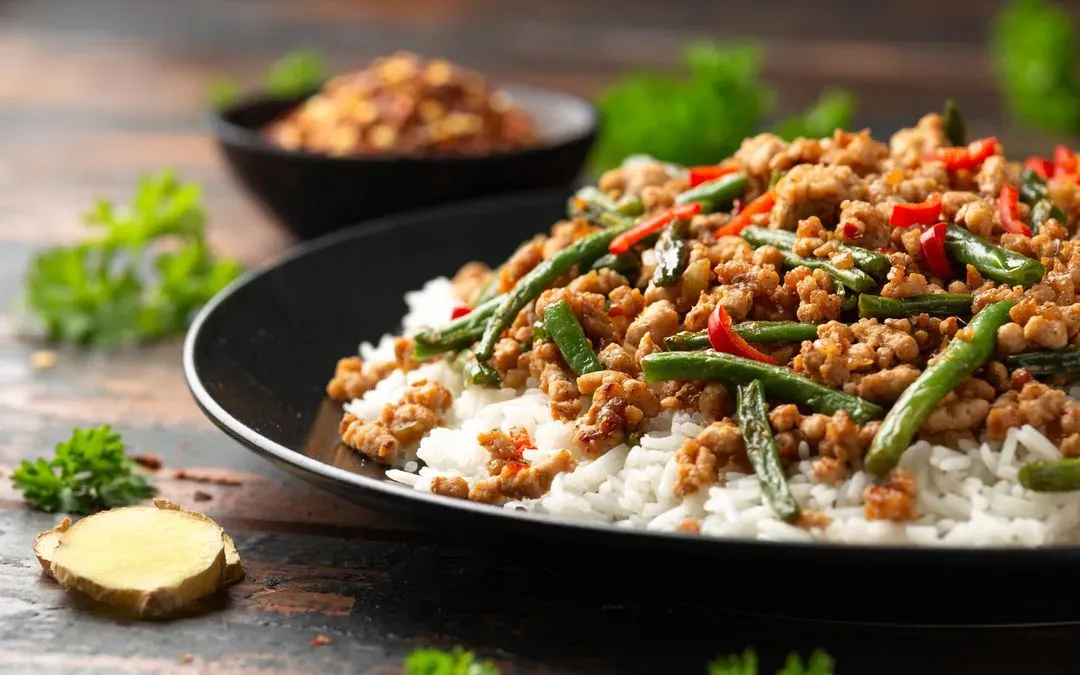
- Lean poultry (chicken and turkey).
- Lean red meat (beef, lamb, pork, venison or deer, goat).
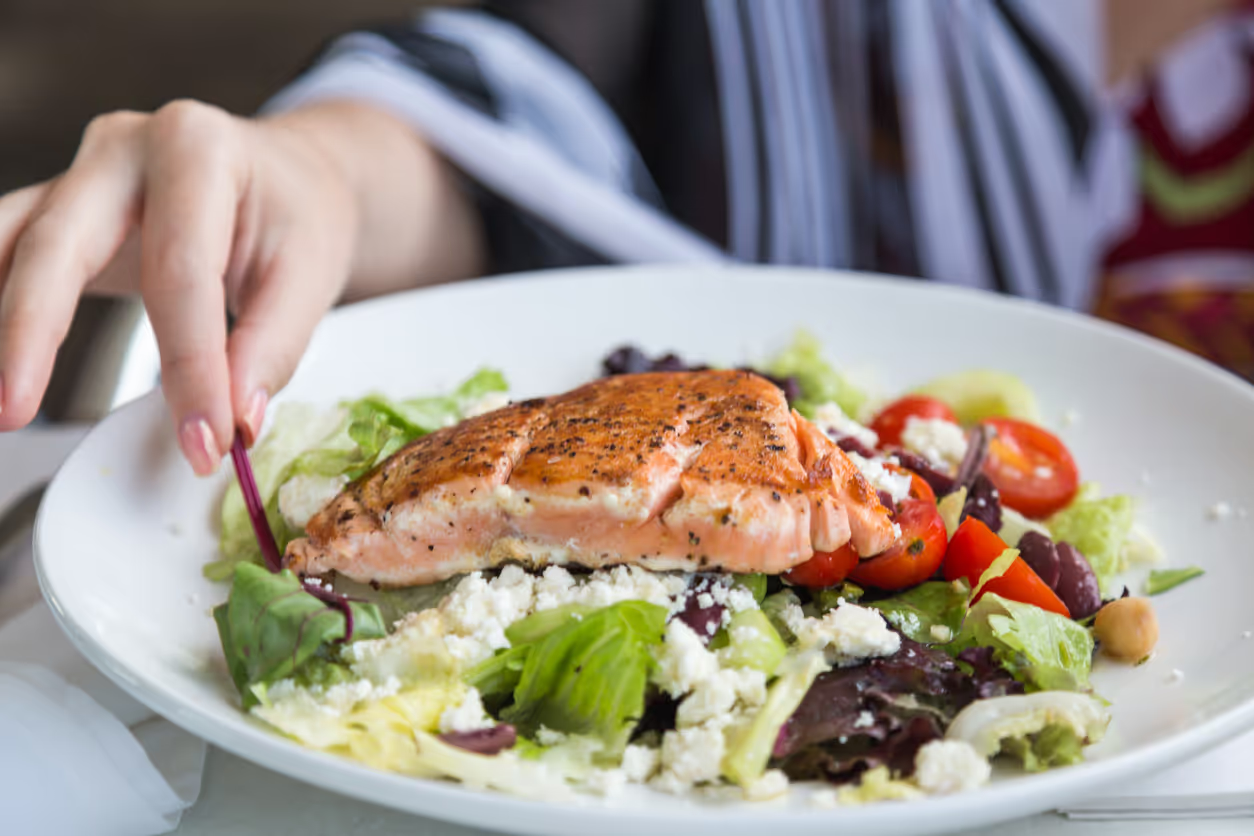
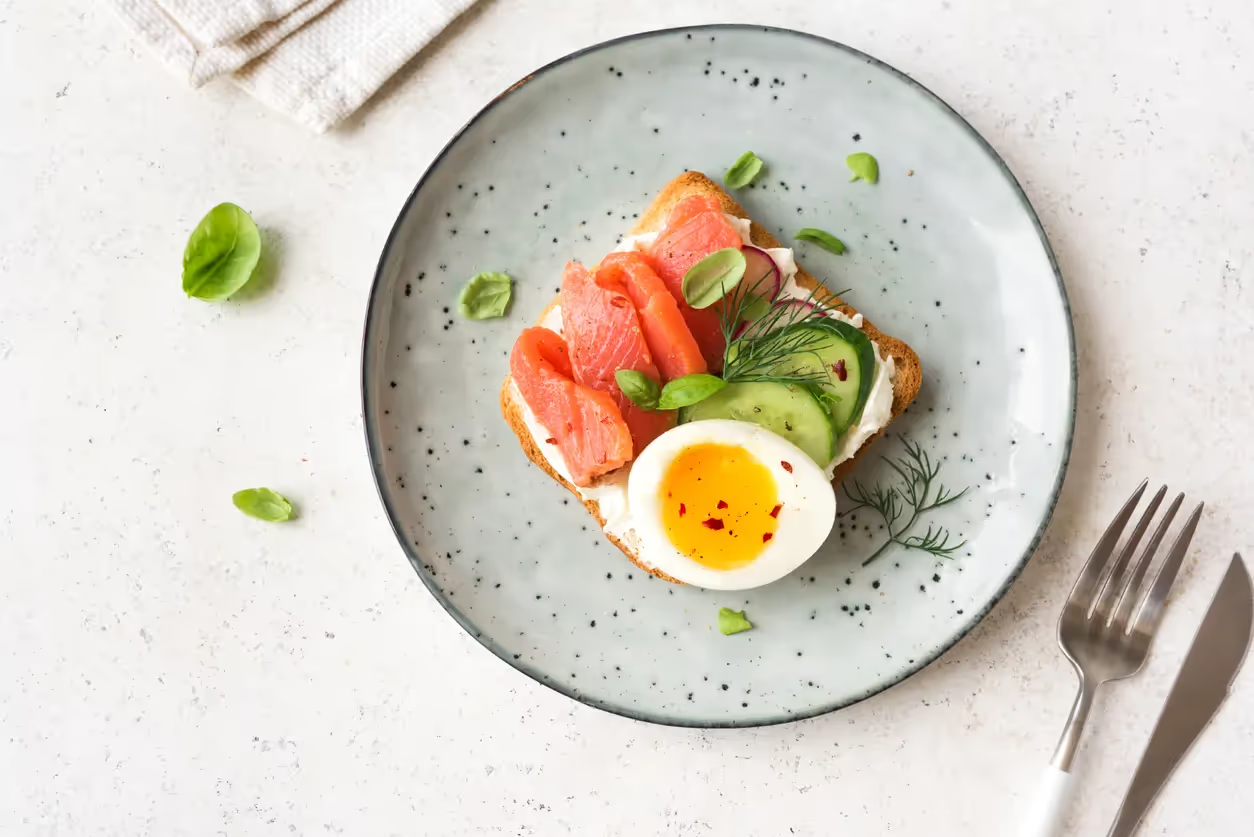
- Fish (salmon, shrimp, canned tuna, and salmon).
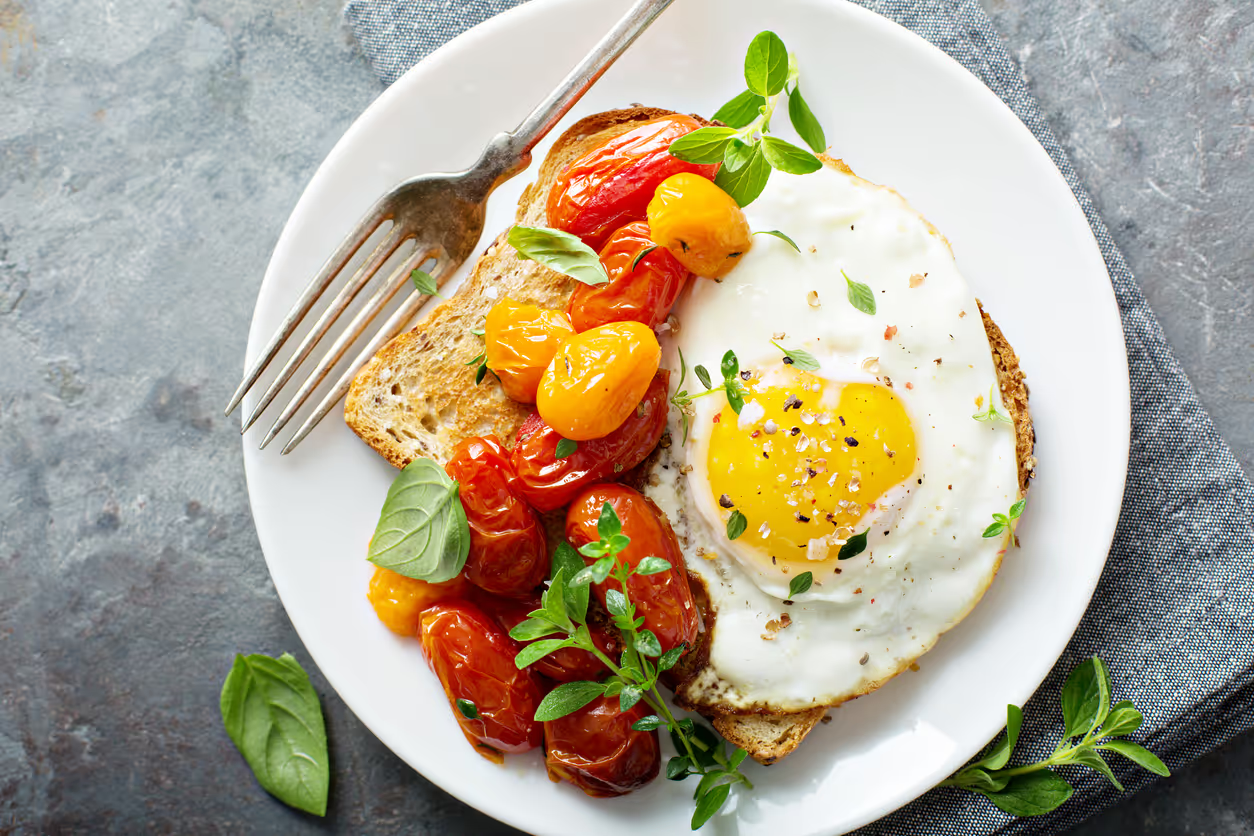
- Eggs.
- Dairy (yogurt, kefir, cheese, milk, cottage cheese).
- Beans (black, garbanzo or chickpea beans, pinto, cannelloni).
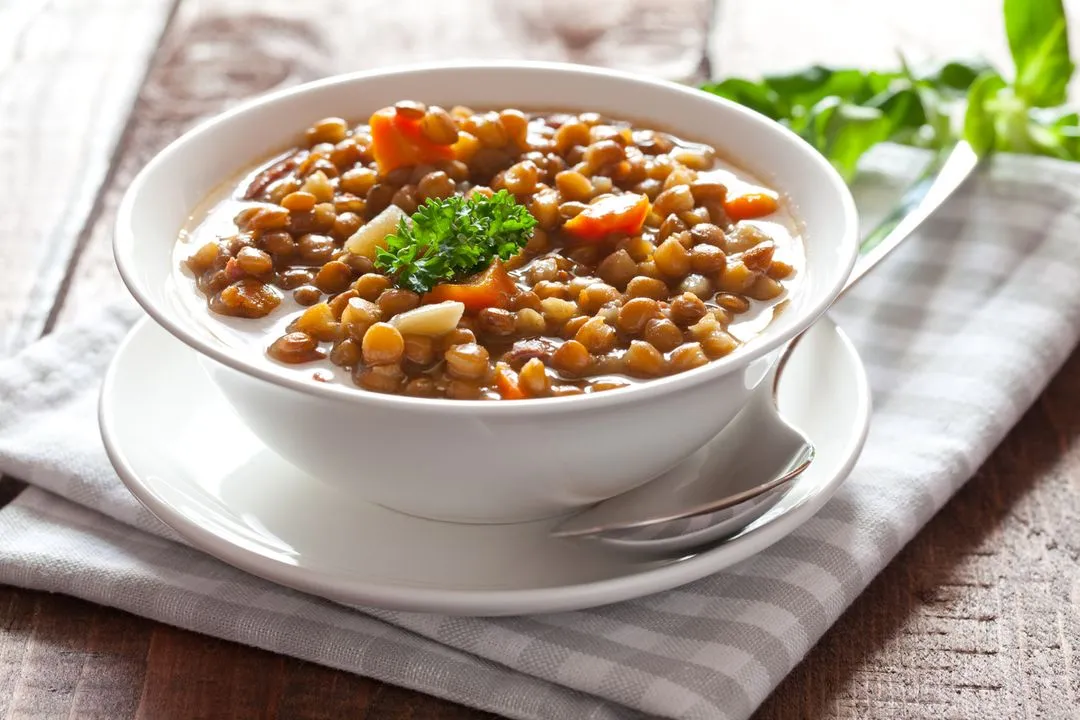
- Lentils (red, brown, or green variety).
- Nuts and nut butters (almond, cashew, peanut, sunflower).
- Soy protein (tofu, edamame, tempeh).
Whole Grains
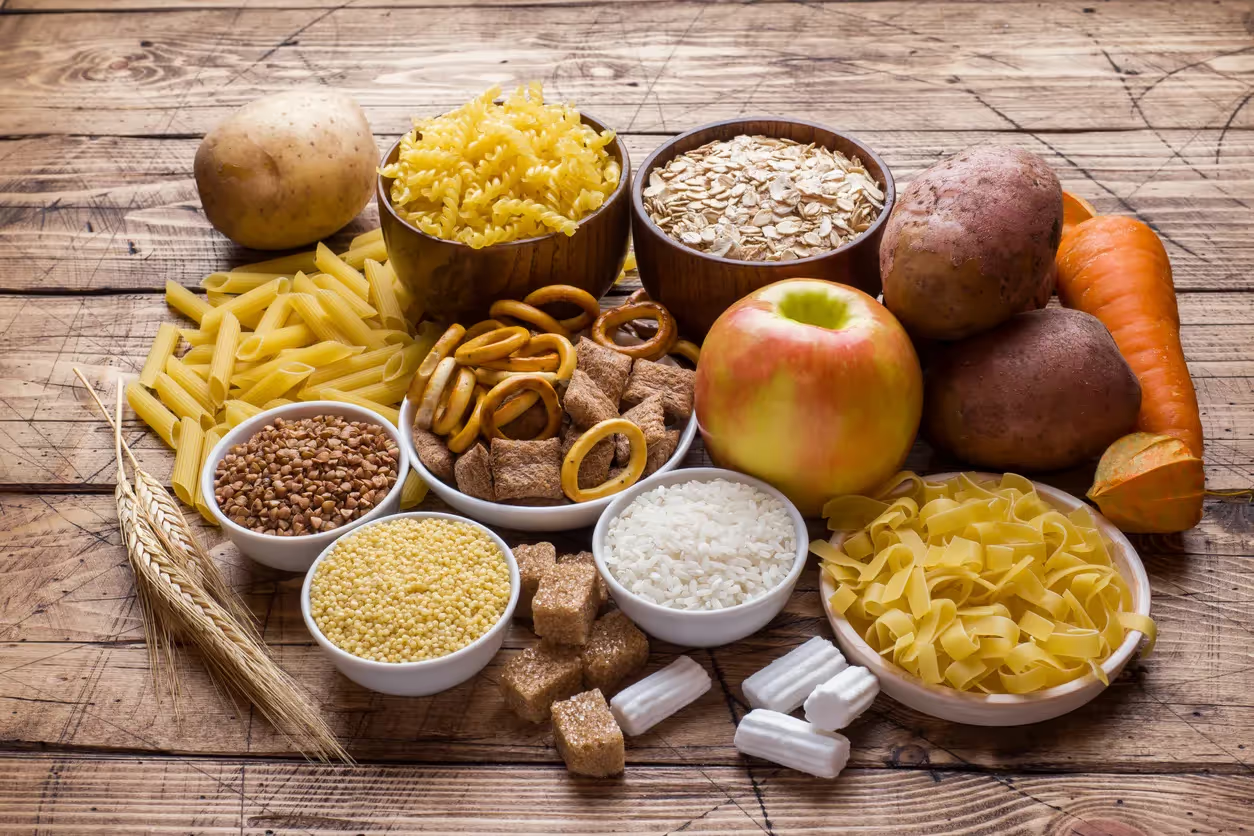
The following grains are naturally gluten-free.
Some research shows that naturally gluten-free grains may be cross-contaminated during harvesting and processing.
For example, a wheat field may be close to an arrowroot field.
Purchase grains labeled gluten-free and have undergone testing to ensure they have less than 20 parts per million.
- Amaranth.
- Arrowroot.
- Buckwheat groats (also known as kasha).
- Cassava.
- Chia.
- Corn.
- Flax.
- Gluten-free oats.
- Millet.
- Nut flours.
- Potato flours and products.
- Quinoa.
- Sorghum.
- Brown and wild rice.
- Tapioca.
- Teff.
- Yucca.
{{splash}}
Dairy Alternatives
Dairy alternatives include yogurts, milk, cheese, and yogurt made without cow’s milk.
Some people avoid dairy due to a lactose intolerance, milk allergy, or personal preference.
You can include dairy alternatives on a gluten-free diet.
Check the label and look for “gluten-free” to guarantee it checks out.
Most dairy alternatives are clearly labeled and indicate if they contain any top allergens, including gluten.
- Non-dairy milk (almond, oat, pea protein, cashew, coconut, soy, hemp, rice, macadamia, flax, banana).
- Non-dairy cheese (Violife, Daiya, Follow Your Heart, So Delicious, Chao).
- Non-dairy yogurt (soy, coconut, cashew, almond, oat, flax).
- Non-dairy specific items (sour cream, cottage cheese, cream cheese, creamer, half & half).
Snacks, Soups, and Condiments
A balanced diet prioritizes fruits, vegetables, whole grains, protein sources, and dairy or dairy alternatives.
Due to the FDA labeling law, gluten-free snack foods and condiments can be easier to find and enjoyed in moderation.
Keep in mind that “wheat-free” does not always mean “gluten-free.”
Check that the snacks and condiments you purchase are labeled “gluten-free.”
Wheat products are often added to products like soups, sauces, and condiments to make them thicker and can be a source of hidden gluten.
You can better avoid hidden gluten by finding options with a “gluten-free” label and double-checking the packaging.
- Gluten-free crackers, chips, pretzels, cheese crisps, pea snack crisps.
- Gluten-free cookies.
- Popcorn.
- Chocolate products (nuts, candy, bars).
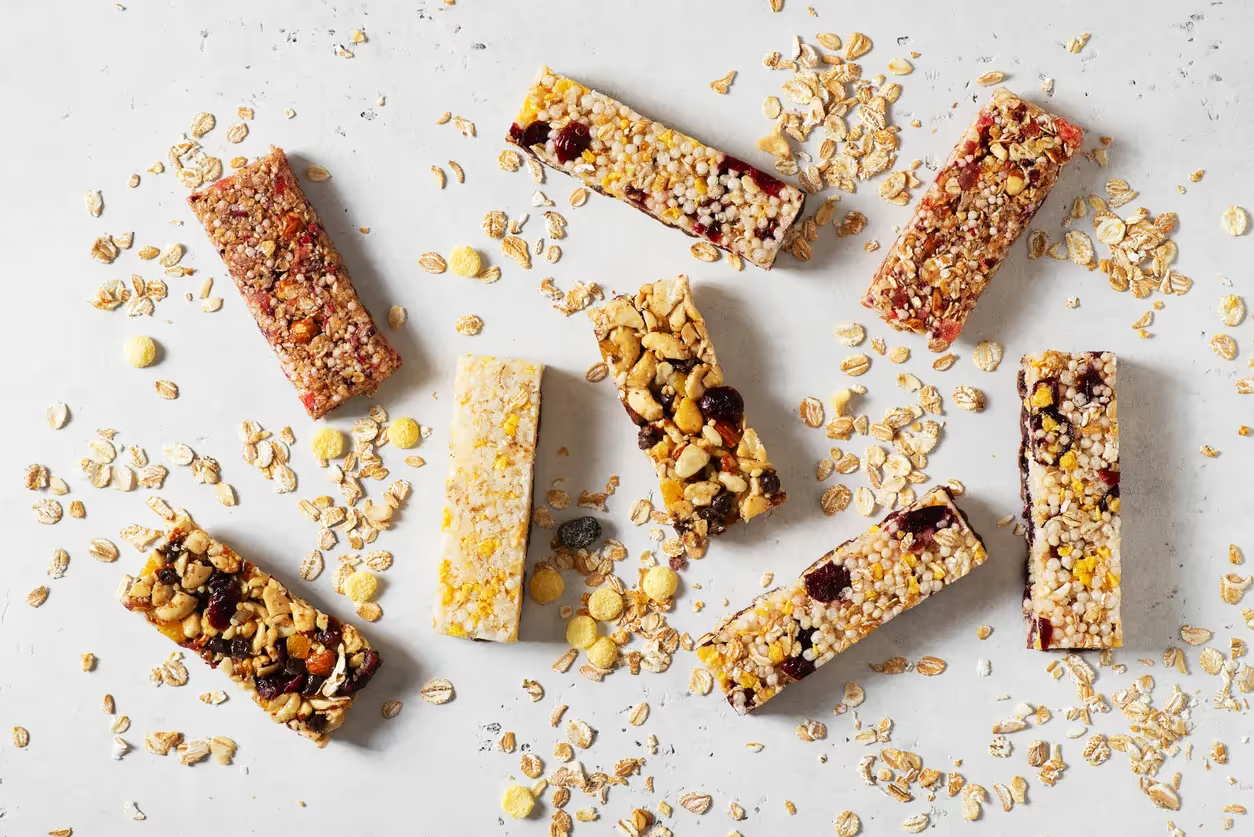
- Gluten-free meal replacement bars.
- Olives, pickles, and jalapenos.
- Fruit snacks.
- Dried fruit chips.
- Trail mixes (make your own or purchase gluten-free versions).
- Condiments and sauces labeled gluten-free (gluten-free soy sauce, tamari, fish sauce, oyster sauce, Worcestershire sauce, coconut aminos).
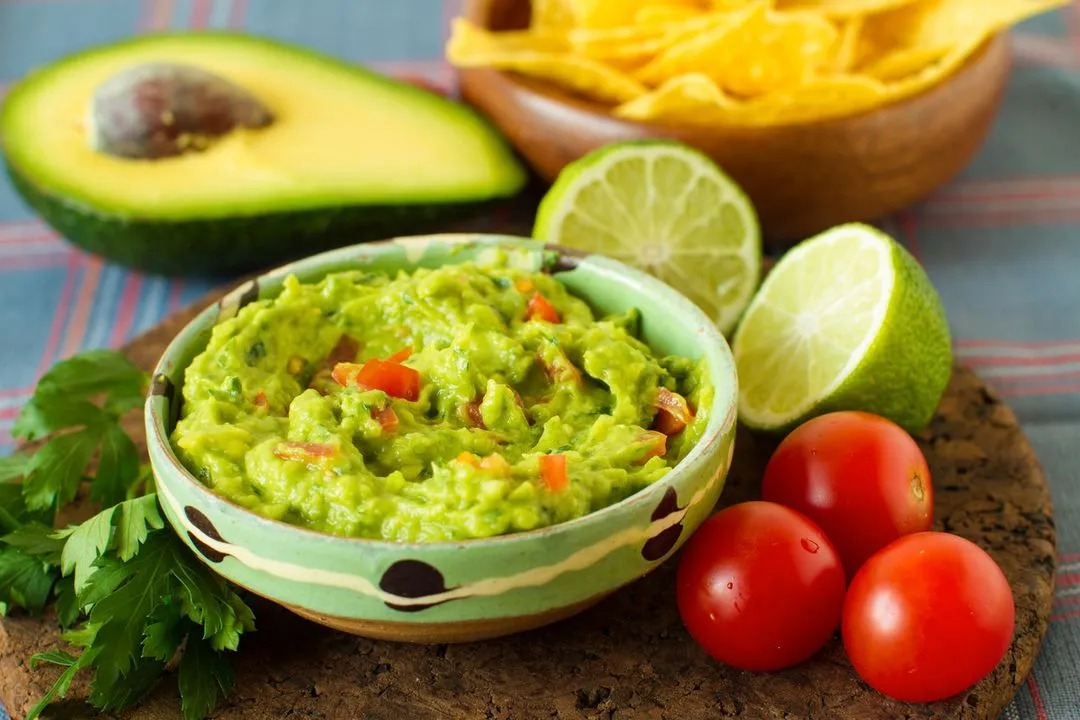
- Naturally gluten-free condiments (mayonnaise, mustard, most vinegar except for malt, horseradish, jams, chili sauce, ketchup, many BBQ sauces, salsas, hummus, guacamole).
- Broths (chicken, beef, fish, or vegetable).
- Soups (check for wheat ingredients; be sure to buy options labeled “gluten-free”).
Baking Essentials
If you bake often or occasionally, gluten-free staples are a life-saver for cooking at home.
Consider keeping a gluten-free all-purpose flour blend.
These include the right balance of ingredients so your baked goods have a similar texture and taste to wheat-based baked foods.
Ensure other baking essentials are gluten-free, use designated kitchen equipment and utensils that are only used for gluten-free cooking, and remember to wash your hands throughout the process.
This can help limit the risk of cross-contamination.
- Gluten-free all-purpose flour blends.
- Butter or soft margarine spreads.
- Baking powder and baking soda.
- Cornstarch, potato starch, tapioca, arrowroot powder.
- Cornmeal.
- Almond meal or flour.
- Cassava flour.
- Oils (olive, avocado, coconut).
- Vinegar (red wine, white, apple cider, unseasoned rice).
- Sweeteners (honey, white sugar, brown sugar, maple syrup, agave).
- Extracts (vanilla, almond, coffee, banana).
- Unsweetened cocoa powder.
- Spices (cinnamon, garlic powder, pepper, salt, cumin, paprika, oregano).
- Gluten-free yeast if you bake items requiring yeast, like bread.
{{splash}}
Beverages
Many beverages are naturally gluten-free, like water, tea, coffee, juice, soda, and sports drinks.
Aim for primarily unsweetened beverages for overall health.
Alcoholic beverages like hard liquor, distilled liquors, and most wines can be gluten-free.
Some dessert wines with added flavor or colors contain gluten above 20 parts per million and are not gluten-free.
Gluten-free beers are available as well.
As always, check the label before purchasing.
- Tea (bottles, loose leaves, tea bags).
- Coffee (whole beans, ground, bottled).
- Juice (apple, grape, cranberry, carrot, tomato, etc).
- Soda (almost all brands are gluten-free)
- Unsweetened sparkling waters.
- Sports drinks (Gatorade, Powerade, coconut water, Body Armor).
- Gluten-free beers, wines, and alcoholic beverages.
Other Gluten-Free Foods
Common traditionally gluten-containing foods like cereal and breakfast cereal, pasta, and bread now have clearly labeled gluten-free alternatives to choose from.
Manufacturers use alternative flours or gluten-free grains to make those products gluten-free.
They may be in the typical aisle with gluten-containing items or in their own section of the store.
Check the freezer section for gluten-free bread, bagels, buns, pancakes, and waffles with a longer shelf-life.
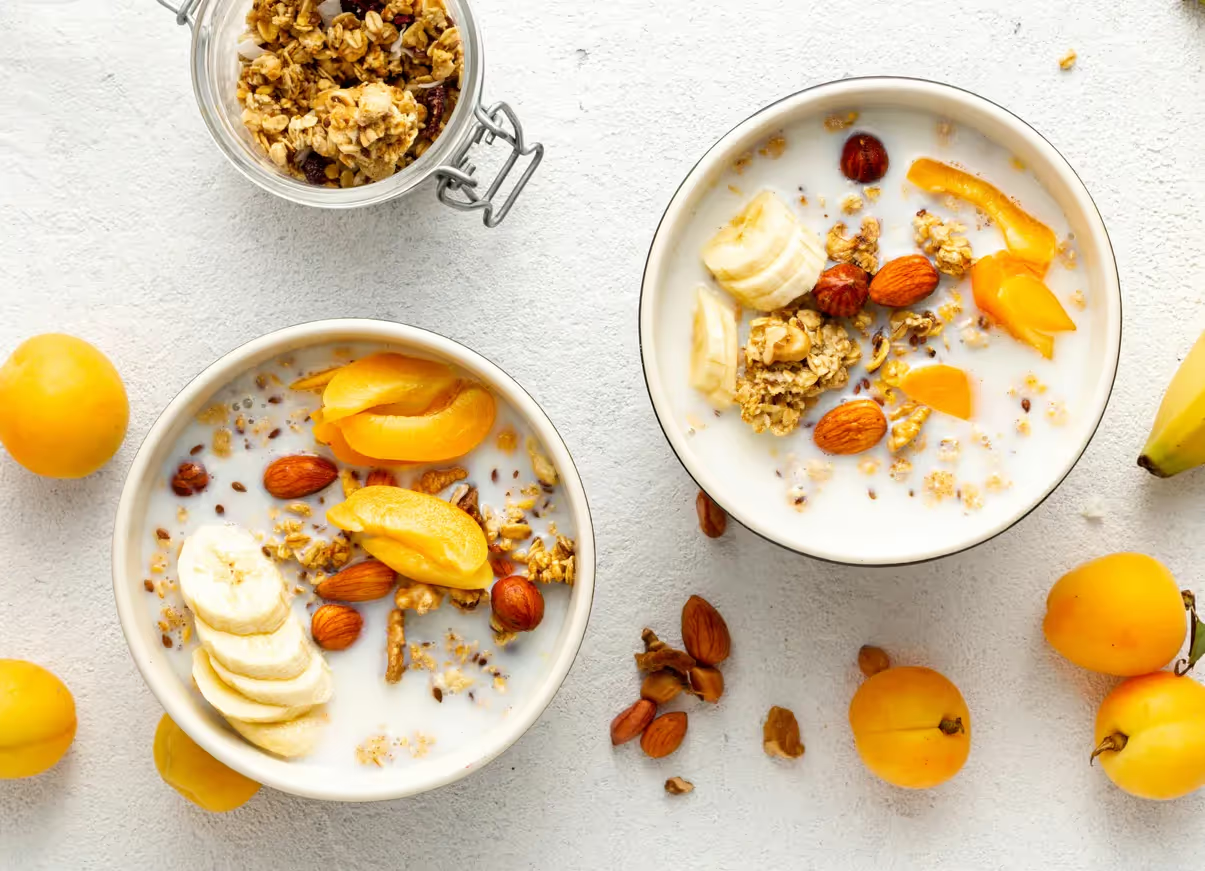
- Cereal and breakfast cereal (puffed rice, oat or corn-based options, muesli, grits).
- Pasta (made from beans and gluten-free grains like lentils, quinoa, chickpeas, soybeans, brown rice).
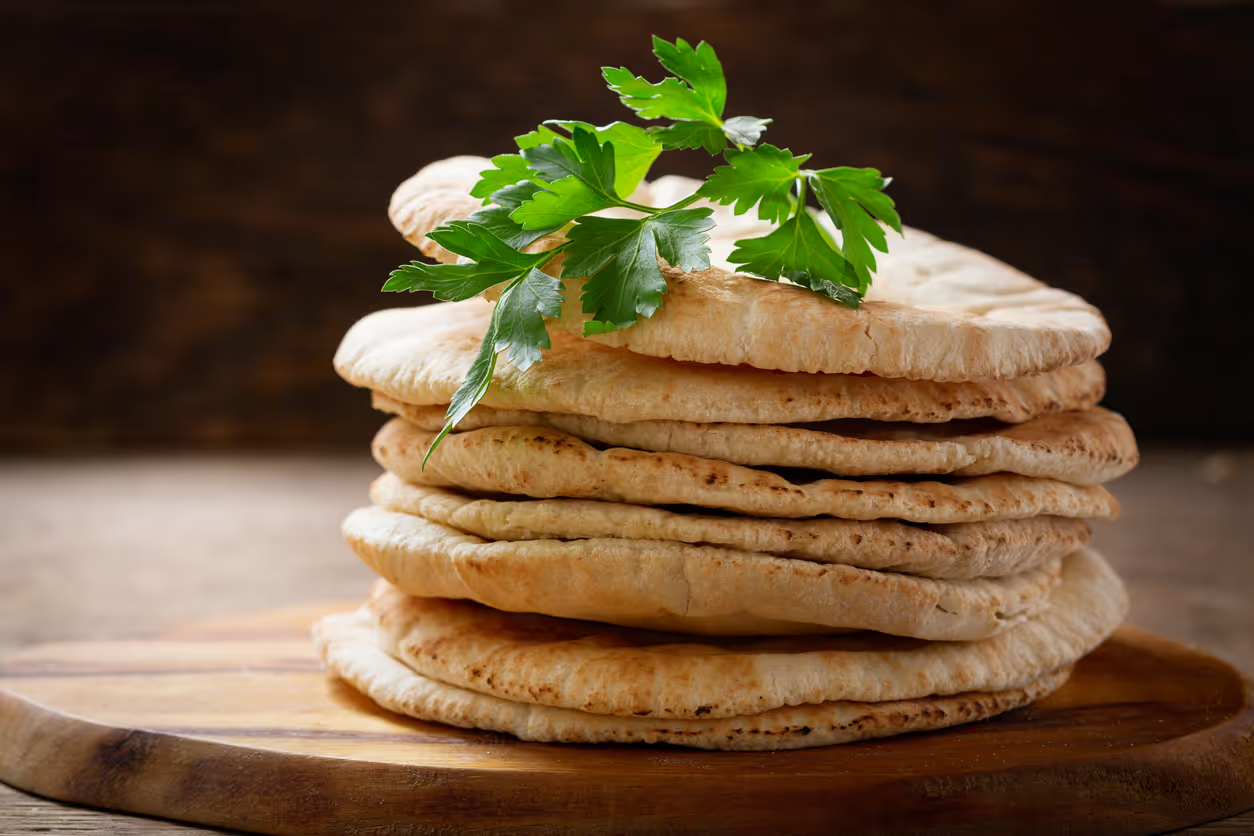
- Bread (often made from mixtures of grains listed above, such as rice, sorghum, teff, millet, cassava, buckwheat, amaranth, oat, almond, or corn, as well as nuts and seeds).
- Tortillas (corn, cauliflower-based, chickpea, cassava, almond, or rice).
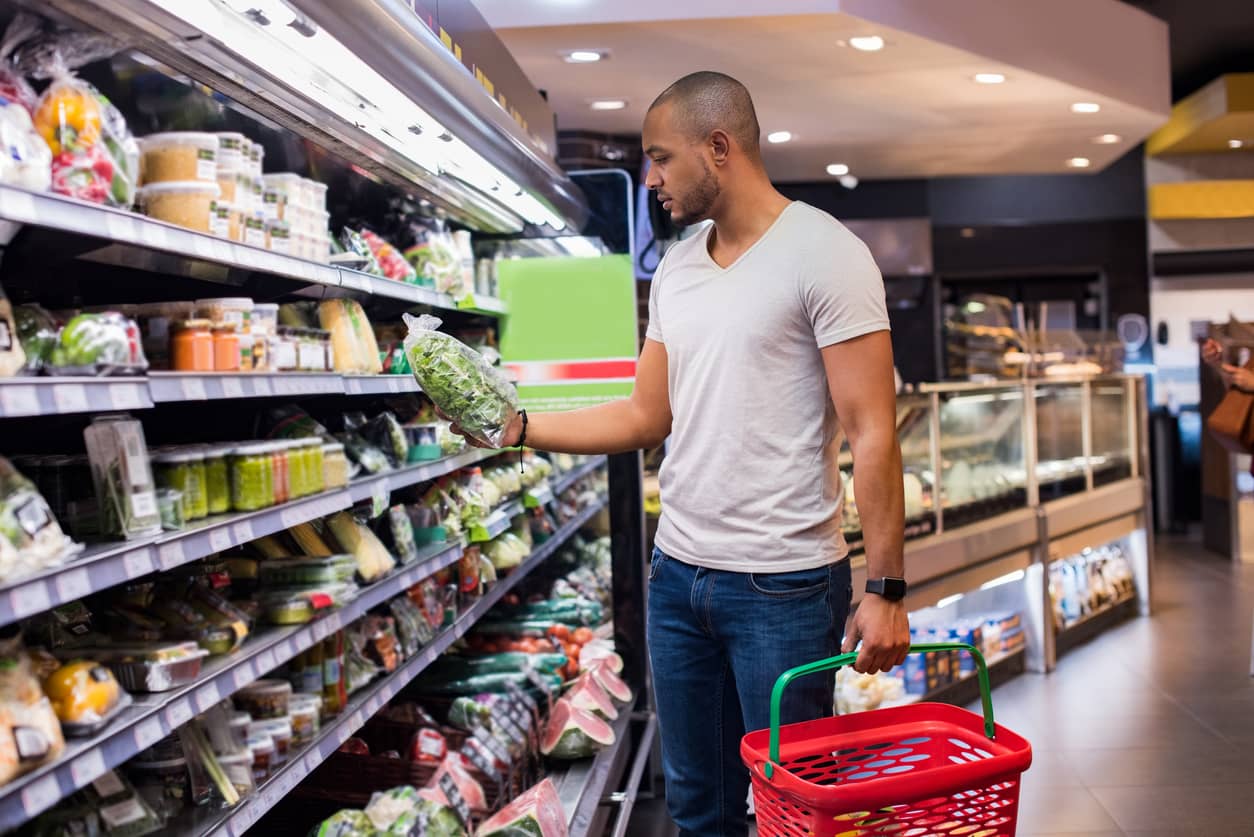
Tips for Finding Gluten-Free Options at the Grocery Store
Follow these tips for finding gluten free options while grocery shopping:
Give yourself time
When first going to shop for gluten-free items, plan on taking more time to get everything you need without rushing.
If you can, go when the store is less busy.
Eating before shopping can help you feel fueled and focused when checking ingredients and food labels.
Focus on produce, meats and dairy
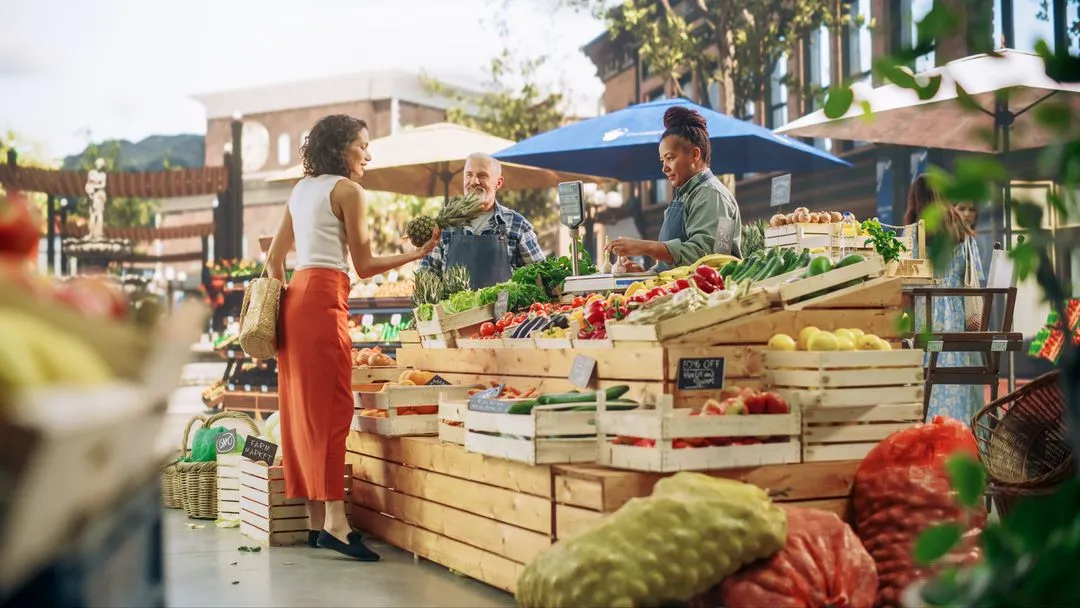
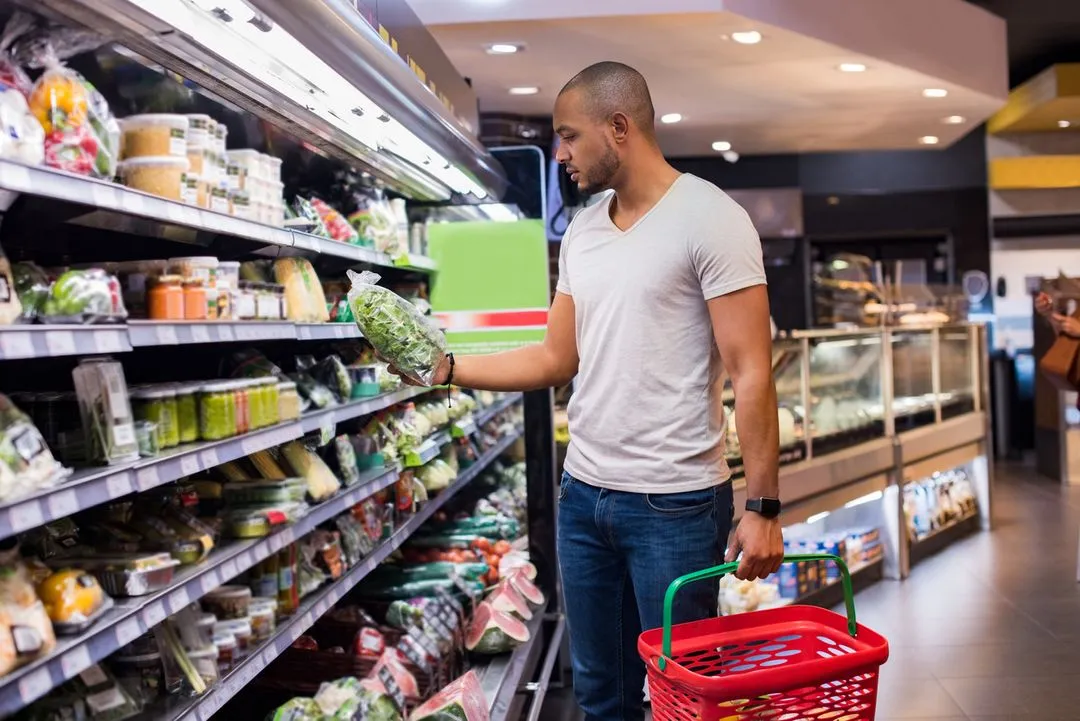
Shopping the outside perimeter of the store often means finding foods and products that are naturally gluten-free. Stores typically place dairy, meats, and produce like fruits and vegetables here.
Look for naturally gluten-free items
Prioritizing naturally gluten-free items can ensure you have a good variety of nutrients to base most of your eating upon.
These naturally gluten-free foods are generally more affordable than similar packaged or pre-made gluten-free options.
Choosing foods with fewer ingredients can make shopping easier
Picking foods and brands with fewer ingredients makes it easier and quicker to determine if a product contains gluten.
A long ingredients list does not make something “unhealthy” but may mean there are flavorings and thickeners that contain gluten from wheat products.
Look for the gluten-free section
Many large grocery stores have gluten-free sections you can browse.
Before going to shop, it can be helpful to research popular gluten-free options or dedicated gluten-free brands for breads, cereals, crackers, and snacks so that you can recognize them when shopping.
Using grocery store apps and websites can help you find gluten-free foods quickly.
Have a plan
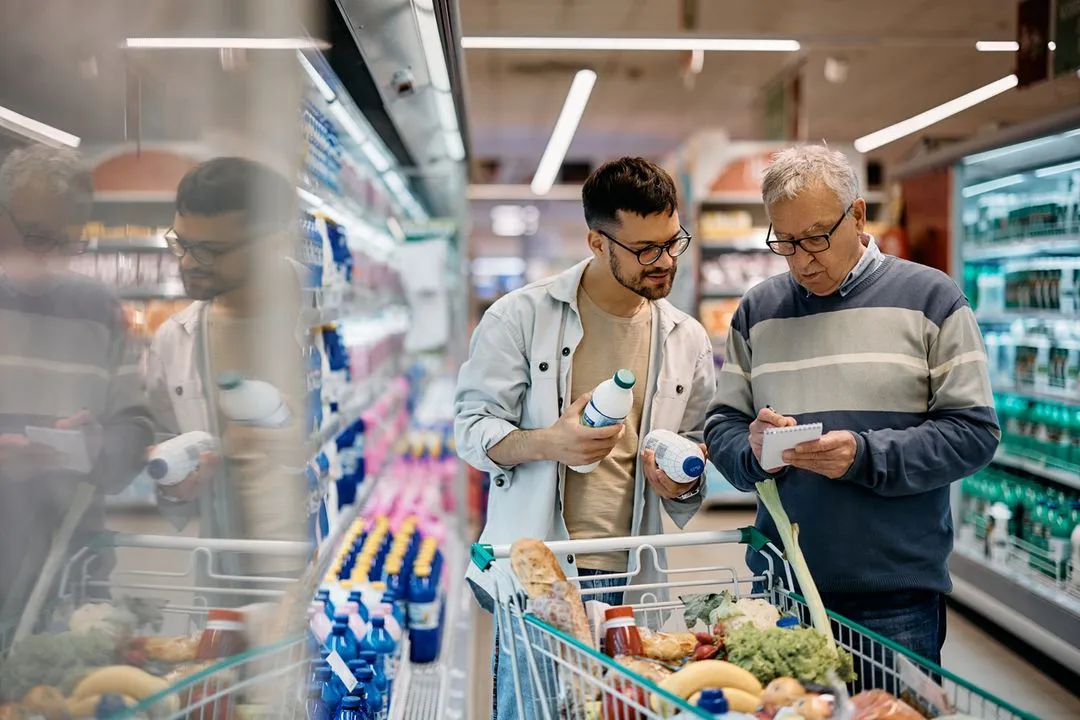
Go to the store with a plan.
Bring a list of the items you are planning to purchase and the meals or snacks you have in mind.
You can use this gluten-free grocery list as a starting point and customize it to your needs.
Takeaway
Grocery shopping doesn’t have to be daunting while following a gluten-free diet.
There are many naturally gluten-free foods.
Labeling laws have made it easier to distinguish what foods contain gluten or not.
With an increased interest in gluten-free diets, small and large stores are starting to carry more gluten-free options to choose from.
Use this beginner gluten-free grocery list to help you the next time you shop.
How a Dietitian Can Help
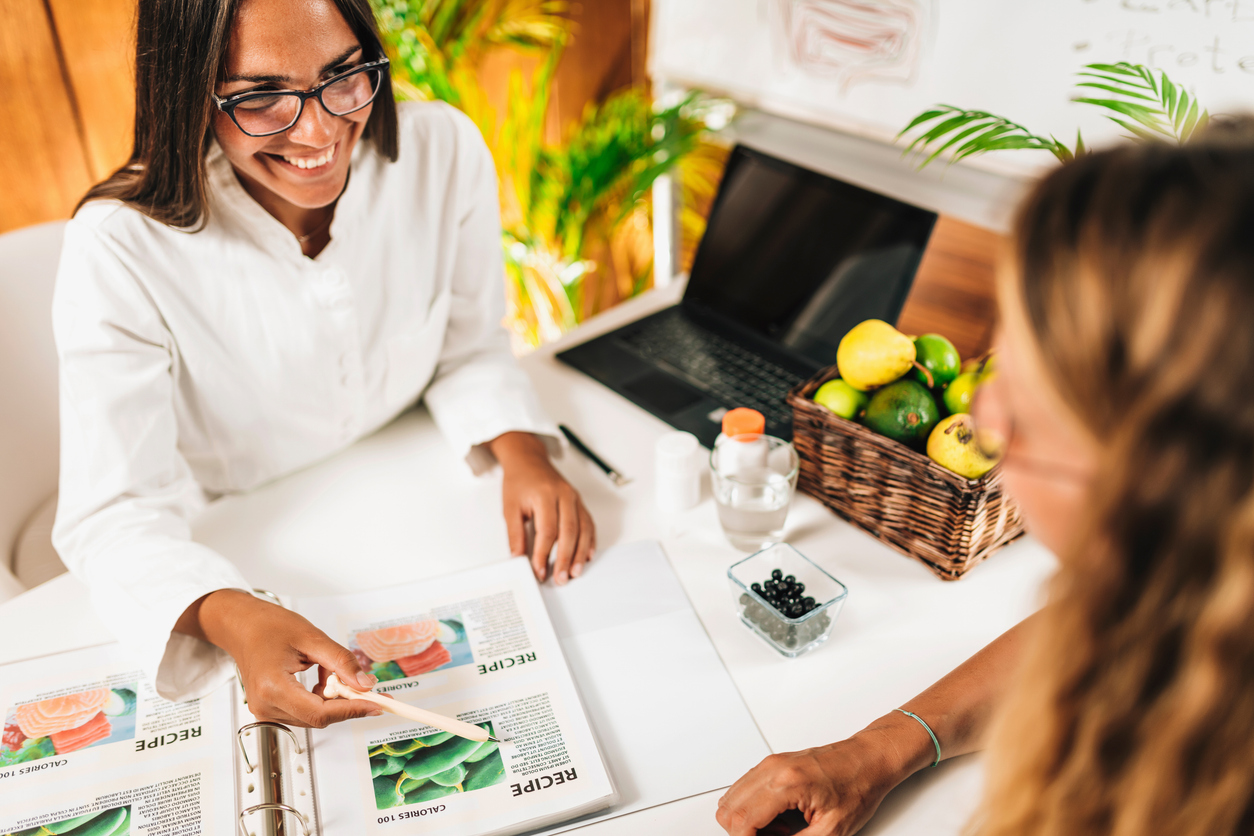
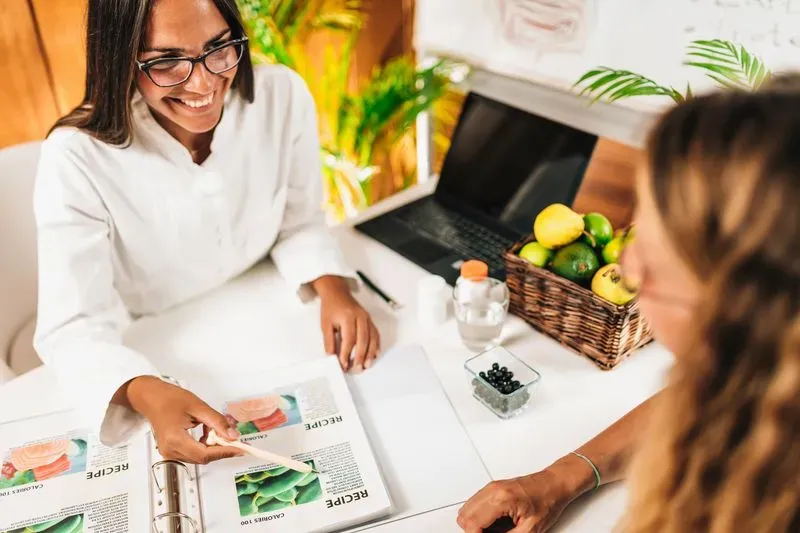
A registered dietitian can help by considering your medical conditions, dietary restrictions, and food preferences to provide individualized meal planning, grocery shopping lists, and tips.
Find a dietitian near you to better understand how to follow a gluten-free diet.
Frequently Asked Questions
What grocery items are gluten-free?
Any labeled item that states it is “gluten-free, “free of gluten,” “without gluten,” or “no gluten” is regulated by the FDA to be tested and confirmed it is gluten-free.
Food manufacturers may also write somewhere on the label that a food may contain gluten even when gluten-free, with statements including “produced in a facility that also processes wheat” or “may contain wheat.”
Grocery items that are naturally gluten-free include meat, poultry, fish, nuts, beans, dairy or dairy alternatives, fruits, vegetables, and gluten-free grains.
What is a basic gluten-free diet?
A basic gluten-free diet contains mostly naturally gluten-free foods like meat, poultry, fish, nuts, beans, dairy or dairy alternatives, fruits, vegetables, and gluten-free grains like rice and oats.
It includes some gluten-free alternatives like pre-made breads, crackers, cereals, desserts, and snacks.
What foods are naturally gluten-free?
Single-ingredient foods like fruits, vegetables, meats, fish, chicken, nuts and seeds, beans, dairy, and grains like rice are gluten-free.
Building your meals and snacks around these options can be easier, healthful, and affordable.
References
View all references
- Study concludes Americans self-diagnose to adopt gluten-free diets. (2020, November 20). Nebraska Today | University of Nebraska–Lincoln.
- Gluten-Free Foods | Celiac Disease Foundation. (n.d.). Celiac Disease Foundation.
- Aljada, B., Zohni, A., & El-Matary, W. (2021). The Gluten-Free Diet for Celiac Disease and Beyond. Nutrients, 13(11), 3993.
- Office of the Commissioner. (2023b, May 4). “Gluten-Free” means what it says. U.S. Food And Drug Administration.
- Office of the Commissioner. (2023, January 10). Have food allergies? read the label. U.S. Food And Drug Administration.
Nourish has strict sourcing policies and prioritizes primary sources, including medical organizations, governmental agencies, academic institutions, and peer-reviewed scientific journals. Learn more about our medical review process and editorial guidelines.







.jpg)














.avif)

.avif)















.avif)




.avif)
.avif)