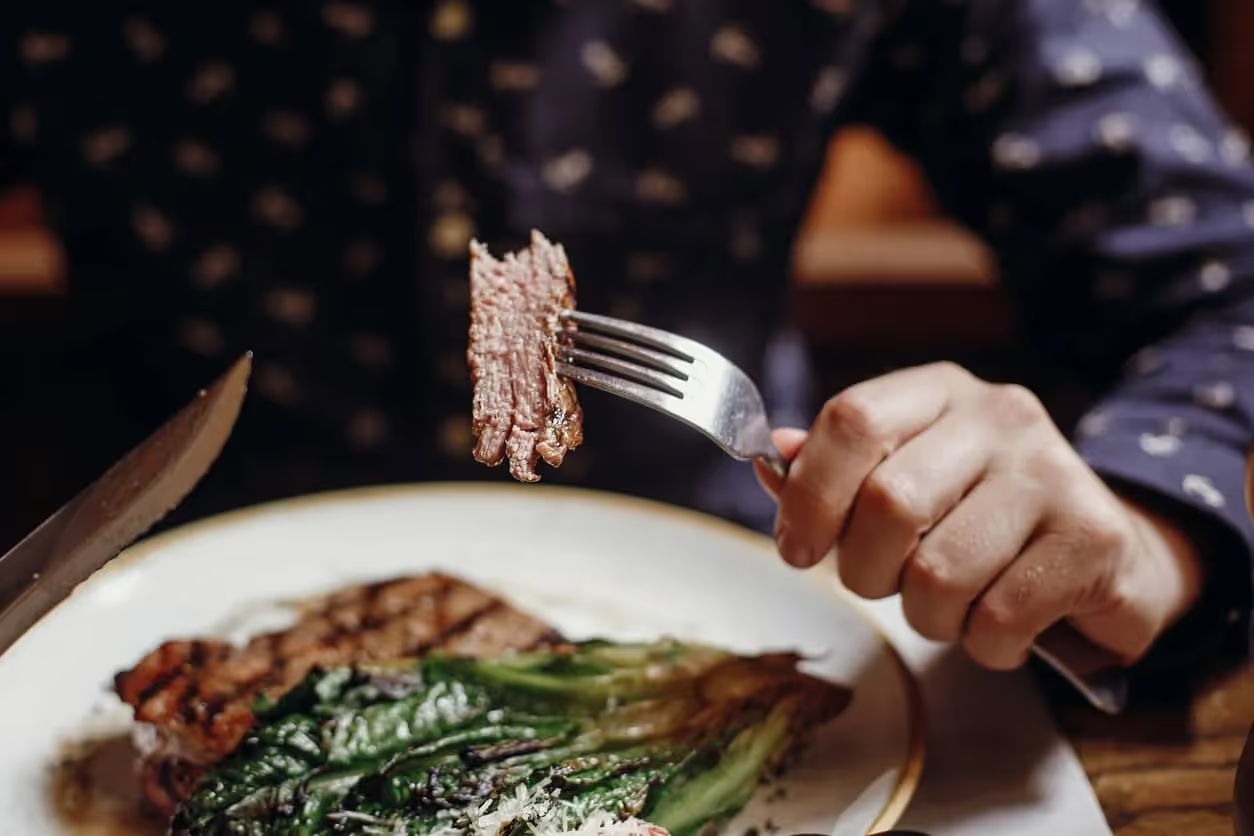
Gourmand Syndrome: The Gourmet Food Eating Disorder

When thinking of eating disorders, it’s common to imagine the stereotype of an underweight person with anorexia. But did you know there is an eating disorder characterized by craving gourmet food? Gourmand syndrome is a unique type of eating disorder that can be caused by brain damage.1
Learn more about gourmand syndrome, how to identify it, and how it’s treated.
{{splash}}
What is Gourmand Syndrome?
Gourmand syndrome is a rare eating disorder that involves a preoccupation with fine dining. People with gourmand syndrome dislike everyday “average” foods and become obsessed with eating gourmet cuisine.1, 2 For example, people with this eating disorder might prefer eating at expensive, top-rated restaurants or they may have very high standards regarding the food quality and the types of recipes cooked at home.
The condition is believed to be caused by brain damage or tumors in the right side of the brain.1, 2 It’s different from typical eating disorders because it does not involve an intense fear of gaining weight and a negative body image.
Gourmand syndrome was named after the french word “gourmand,” which is a term used to describe a person who loves fine foods. However, gourmand syndrome is more than just a preference for fancy cuisine—it involves strong cravings for these foods along with noticeable behavior changes.3
This condition was first described in a 1997 case study of a middle-aged man who became obsessed with high-quality food following a stroke. He famously left his job as a political journalist to become a food writer. The man was only interested in conversations that were about food, and he began having very specific requests regarding the types of food he would eat at home. He had no prior history of eating disorders or strong food preferences.3
The case study did not follow this man long term, so while his outcome is unknown, many people with gourmand syndrome are able to live normal lives once the underlying cause of the brain damage is treated.
Brain Damage and Eating Disorders
Gourmand syndrome isn’t the only eating disorder related to brain damage. Other interesting connections between brain conditions and irregular eating behaviors have been identified.6 For example, Kluver-Bucy syndrome is a condition caused by a stroke or head injury. It can lead to symptoms of bulimia, like binge eating and purging. It can also cause pica, where a person craves non-food items to eat, such as dirt or clay.4
Brain injuries have been associated with hyperphagia, a condition characterized by the extreme urge to eat that cannot be satisfied. Though rare, a few documented cases of anorexia nervosa are thought to have been caused by strokes.5
The cause of eating disorders is complex and not fully understood. Genetics, personal history, and mental health all play a role. More research on the topic of brain damage and eating disorder behaviors is needed.
Signs and Symptoms
Gourmand syndrome is not very common, so as a result, most of the research on the topic is limited to individual case studies. Though the severity varies from case to case, there are two primary features of gourmand syndrome:
- A strong preference for gourmet food and a distaste for regular food.
- An obsession and preoccupation with eating fine cuisine.3
People with gourmand syndrome, or “gourmands,” enjoy high-quality food prepared using advanced techniques. For example, in one case, a 12-year-old boy with the condition refused to eat fast food with his friends and instead spent all of his free time cooking elaborate dishes at home. He perfected cooking lamb and even invented his own rice dish.1
The preoccupation with fine dining distinguishes gourmands from people who simply enjoy nice food. Thoughts of eating upscale cuisine dominate their life and shape their actions. For example, a common behavior in gourmand syndrome is “gastronomadism,” which occurs when a person travels long distances to eat gourmet food at highly-rated restaurants.2
Other signs and symptoms of gourmand syndrome that have been documented include:
- Intense cravings for good quality food that can’t be ignored.
- Particular preferences about food quality.
- Desire to talk or write about food all the time.
- Sudden onset of symptoms in a person who was previously a “normal eater” and who had no eating disorder history.
- Lower impulse control, especially in situations involving food.2, 3
Gourmand syndrome can sometimes have similar features as orthorexia, a disordered eating condition where the person is preoccupied with eating high-quality, healthy foods. However, with gourmand syndrome, the food does not always have to be classified as “healthy” so long as it is gourmet.
Long-Term Risks of Gourmand Syndrome
In many cases, gourmand syndrome does not cause the same serious health risks as other eating disorders. It can be benign, though costly to a person's wallet.1
However, in more severe cases, gourmand syndrome can have long-term health implications. For example, many case studies noted significant weight gain following the condition's onset.1 This may be due to the calorie density of gourmet foods or an effect of brain damage that is not yet understood.
Gourmand syndrome can also cause elevated stress and anxiety related to times the person may not be able to access the fine cuisine they desperately crave. Common barriers include cost, distance, and time.
They may also feel distressed about food preferences dominating their thoughts and impacting social situations. For example, in the case of the 12-year-old boy, he likely missed out on social interactions with his peers because he did not like eating at fast food restaurants, where his friends often gathered.1
Diagnosis and Treatment
Since gourmand syndrome is very rare, there are no standard guidelines for diagnosing and treating it. Typically, the individual notices a sudden change in food preferences along with a preoccupation with eating and talking about fine food. This often occurs in the months following a head injury, stroke, or seizure.2
Brain scans can help doctors identify where the damage is and whether it can be treated. In some cases, brain surgery to address the injury can reverse gourmand syndrome.2
In other cases where epilepsy is involved, gourmand syndrome can improve once the uncontrolled seizures are better managed.1
Though not well studied in this condition, psychotherapy and nutrition therapy may be helpful for people experiencing intense food cravings. These forms of treatment can target obsessive thoughts and behaviors with the goal of improving flexibility around food choices.
Why Nourish?
If you are struggling with gourmand syndrome or other dysfunctional eating behaviors following brain injury, you may find it helpful to work with a registered dietitian specializing in eating disorders.
Find a dietitian who accepts insurance through Nourish to get started.
{{splash}}
Sources
Frequently Asked Questions
References
View all references
Nourish has strict sourcing policies and prioritizes primary sources, including medical organizations, governmental agencies, academic institutions, and peer-reviewed scientific journals. Learn more about our medical review process and editorial guidelines.
















.jpg)

























.avif)


.avif)







































.avif)


%20(1).webp)