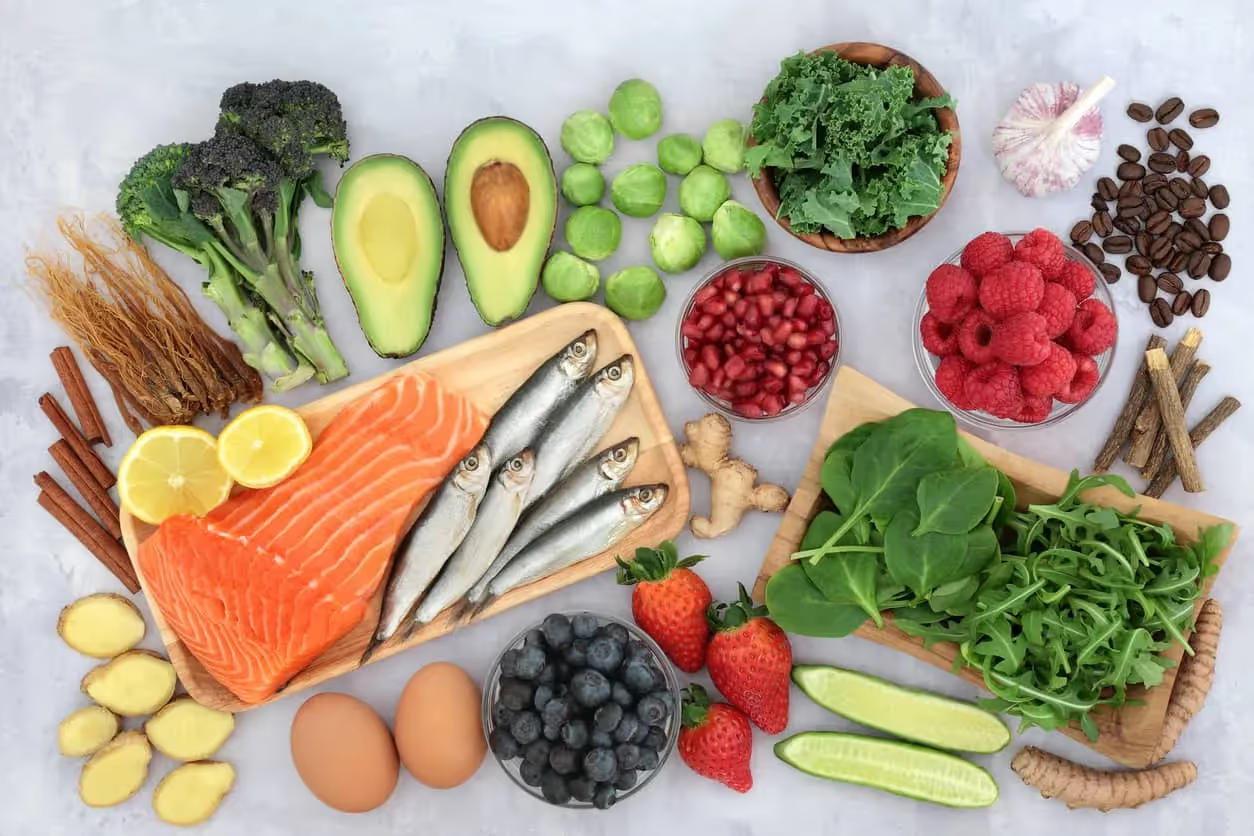
15 Healthy Late Night Snacks to Satisfy Midnight Cravings

Medical Reviewer: John Markell, RDN, LDN, CDN, CPT

Author: Maya De La Rosa-Cohen

Summary
- Eating a balanced snack before bed may help some people keep their blood sugar levels stable.
- Snacking on foods with calcium, tryptophan, and magnesium may also help to improve sleep quality.
- Choosing an option that pairs protein, healthy fat, and fiber will ensure you’re eating a nutrient-dense snack.
When cravings arise at bedtime, many believe it's best to ignore our hunger and wait until morning before eating.
For years, eating late has been associated with poor sleep, glucose intolerance, junk food cravings, and other poor health markers.
But some research demonstrates that the type of midnight snack we choose may be more important than its timing.
In fact, choosing the right snack or light meal may even help to stabilize your blood sugar levels before bed or improve your sleep, like foods that contain melatonin, tryptophan, or magnesium.
Keep reading to learn more about which midnight snacks may help to stave off hunger and support your sleep.
{{splash}}
Choosing a Healthy Late Night Snack
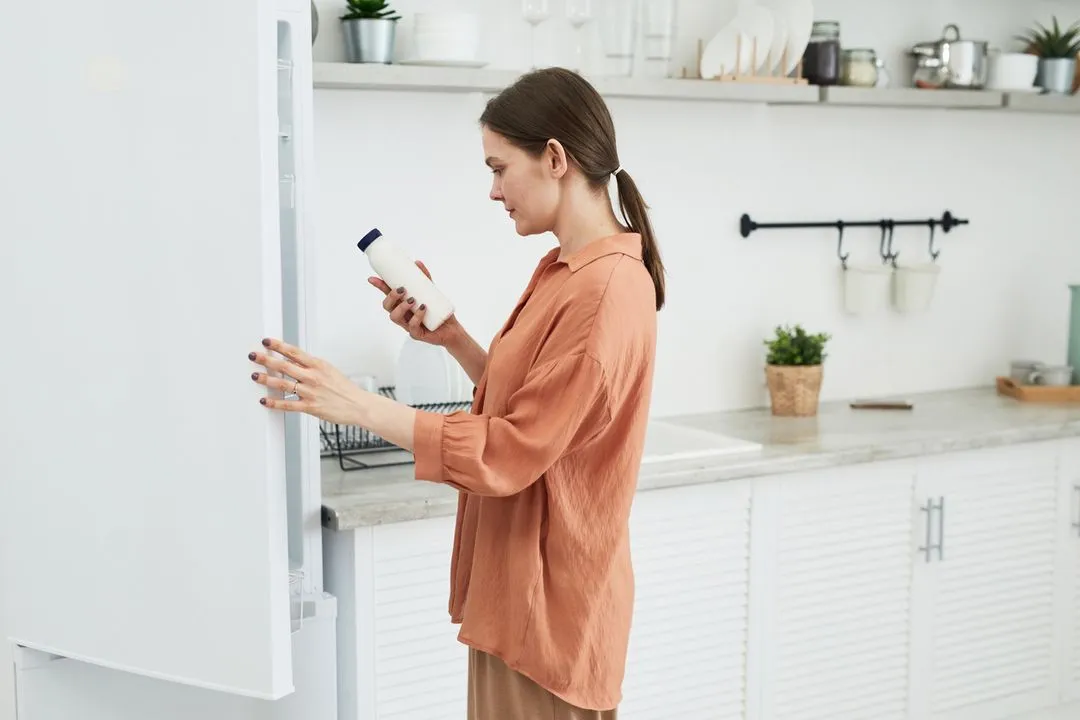
There are several factors that can cause late night cravings, including not eating enough during the day.
Regardless of the cause, no one enjoys going to bed hungry.
Understanding how to build a balanced and healthy bedtime snack will help to keep you feeling satisfied before bed, stabilize your blood sugar levels, and may even help to improve your sleep.
When building a late night snack, here are some things to consider.
- Keep portions small: Eating a large meal before bed is more likely to cause digestive discomfort, which can negatively impact your sleep.
- Avoid spicy, high-salt, high-sugar, or greasy food: These may also cause digestive issues and make it harder to get a good night’s rest.
- Avoid caffeine: Consuming caffeine late at night can raise your blood pressure and interfere with your sleep.
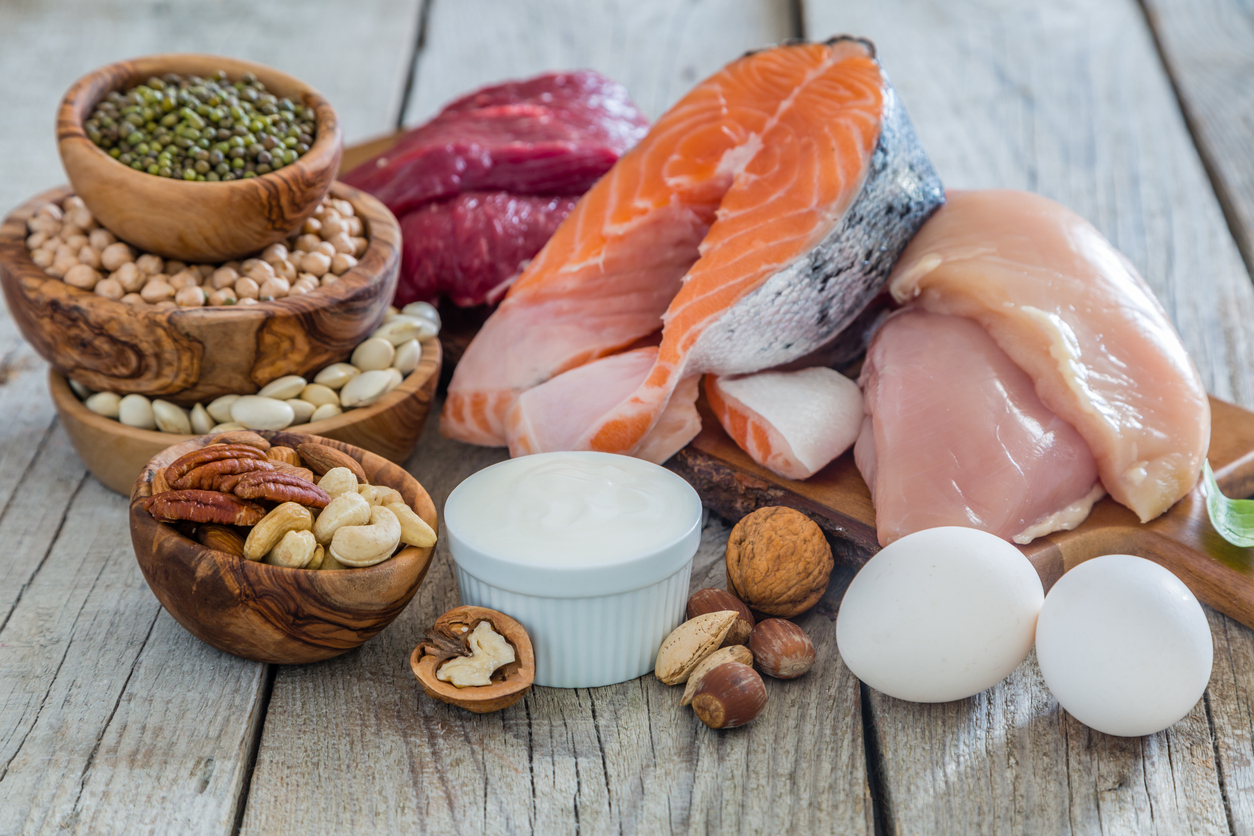
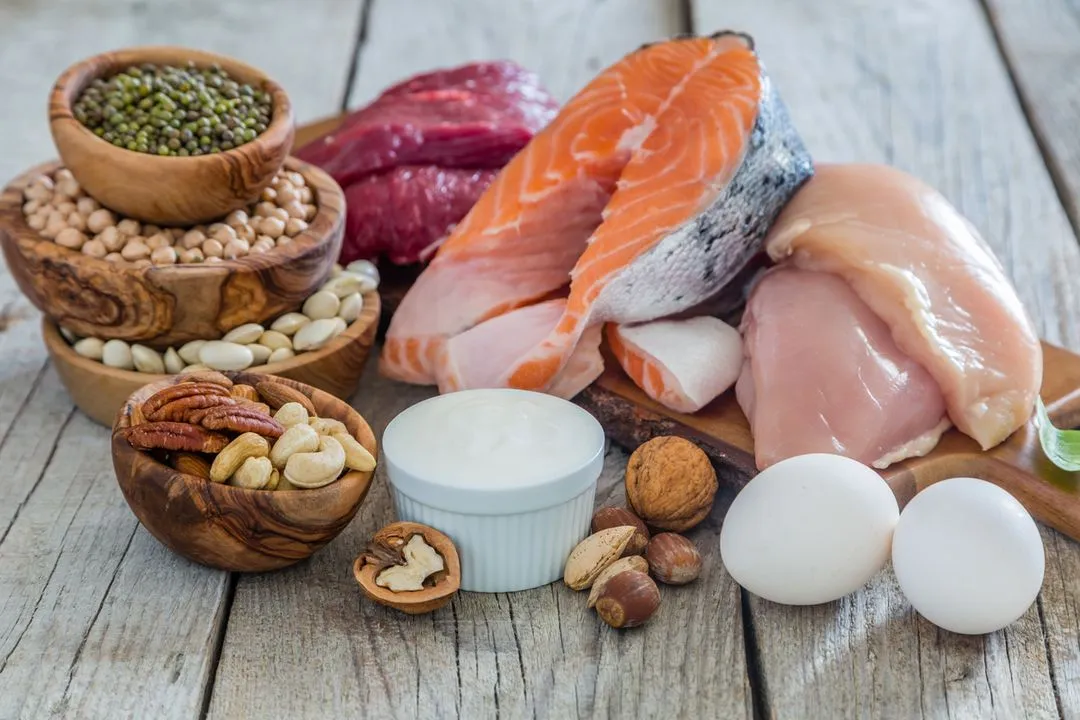
- Choose nutrient-dense options: Pairing fiber, healthy fat, and protein will help to keep you feeling satisfied throughout the night.
- Give your body time to digest: Getting into bed immediately after eating can increase the risk of heartburn, acid reflux, and poor sleep. If possible, aim to give yourself at least two hours to digest after eating before lying down.
Below are some examples of healthy late night snacks to curb your hunger.
1. Almond Butter and Banana
Almond butter with banana is an easy-to-make and satisfying snack that pairs the protein and healthy fats from nut butter with the fiber-rich banana.
Almond butter also contains melatonin, a hormone that regulates sleep and our circadian rhythms, and magnesium, a mineral which some research shows may help to improve sleep quality.
2. Greek Yogurt with Tart Cherries
Greek yogurt is an excellent source of calcium and protein. Research suggests that calcium may help to promote better sleep and produce melatonin.
Eating Greek yogurt on its own can be a satisfying and light late night snack, but topping it with tart cherries will add sweetness, brightness, and texture to the dish.
Tart cherries are also rich in melatonin and research has found that tart cherry juice can help people with insomnia to sleep longer and have higher sleep efficiency.
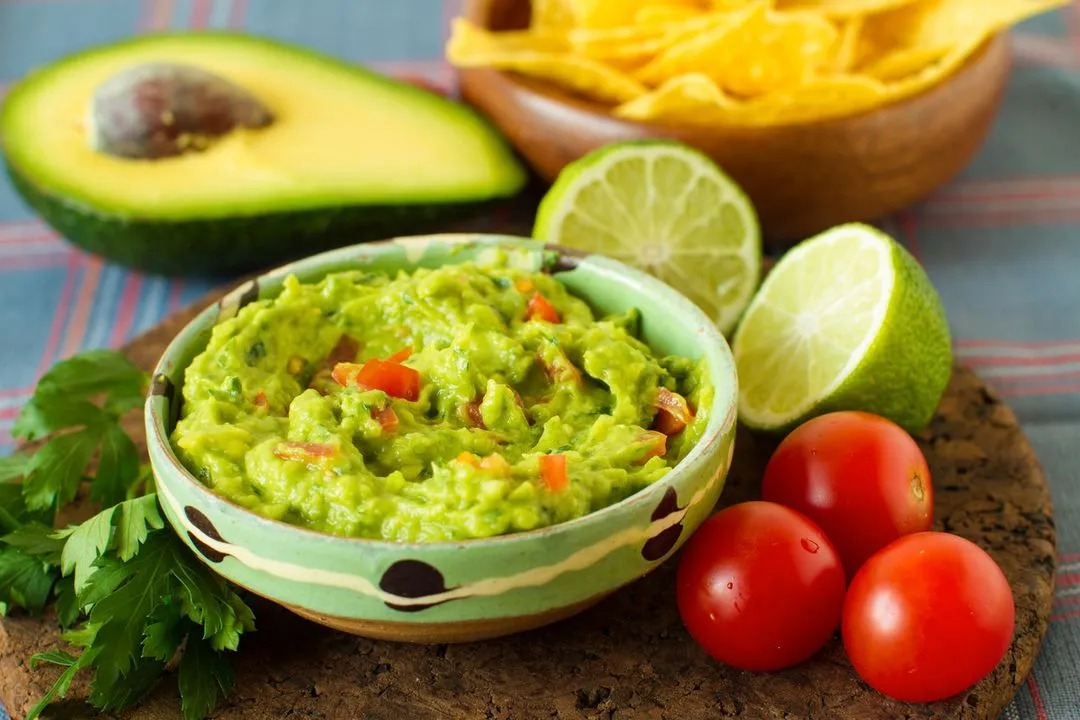
3. Avocado on Whole Grain Toast
For a savory bite, adding avocado to whole grain toast will boost your fiber intake, which can help keep you feeling full until the morning.
Avocado is also a good source of monounsaturated fats (a health-promoting fat) and magnesium.
4. Turkey Sandwich on Whole Grain Bread
If you’re craving more than a small snack for your late night meal, consider making yourself a turkey sandwich on whole grain bread.
Using whole grain bread will increase the fiber content in the sandwich, contributing to a more balanced and fullness-promoting meal.
Turkey contains tryptophan, an essential amino acid that helps the body make serotonin, a neurotransmitter used to produce melatonin.
Research shows that tryptophan may help people to fall asleep faster and improve their sleep quality.
5. Kiwi-Protein Smoothie
Kiwis are small, sweet fruits that contain many vitamins and minerals, including vitamin C.
But some research also suggests that they may be effective in improving sleep in people with insomnia and other sleep issues.
Though you can eat them on their own for a late night snack, blending them in a smoothie with protein powder, yogurt, nut butter, or another high-protein ingredient will help to increase the meal’s overall protein, which can also help to keep you feeling fuller longer.
6. Oatmeal
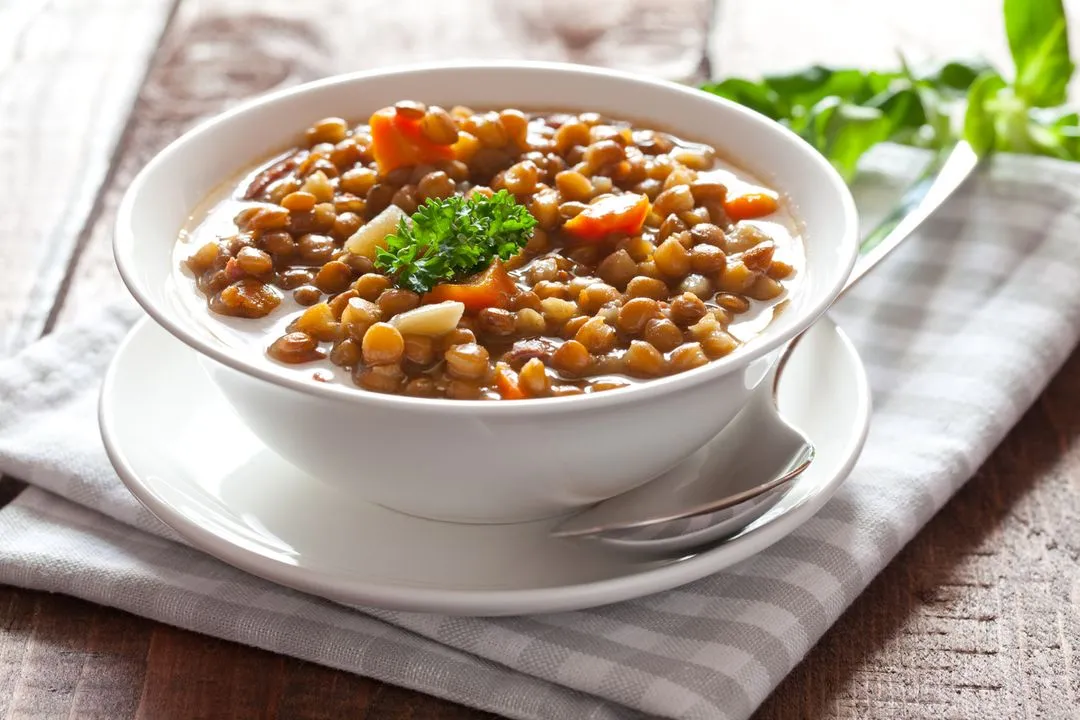
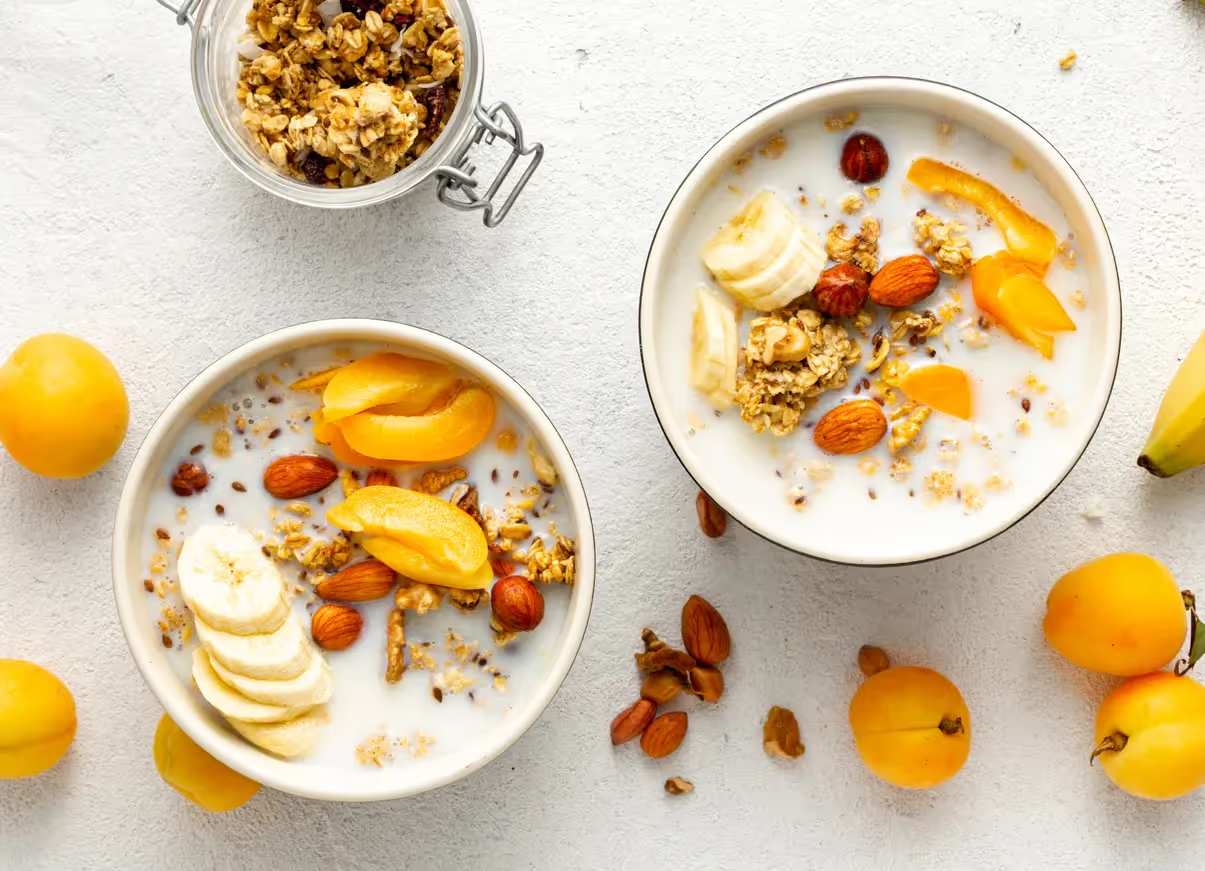
Oatmeal is a nutrient-dense food that contains fiber and minerals that can help support a good night’s sleep.
According to the USDA, one cup of plain, cooked oatmeal has over four grams of fiber, 28 grams of calcium, and 57 grams of magnesium.
7. Edamame and Brown Rice
Edamame are unripe soybeans that are usually steamed or boiled before eaten. They are a good source of fiber, protein, and tryptophan.
Eating edamame with brown rice, a complex carbohydrate that’s a good source of magnesium and also contains fiber and small amounts of protein, increases the brain’s uptake of tryptophan.
Research shows that eating carbohydrates with dietary sources of tryptophan increases the body’s ability to produce serotonin and melatonin, which can help to induce sleep.
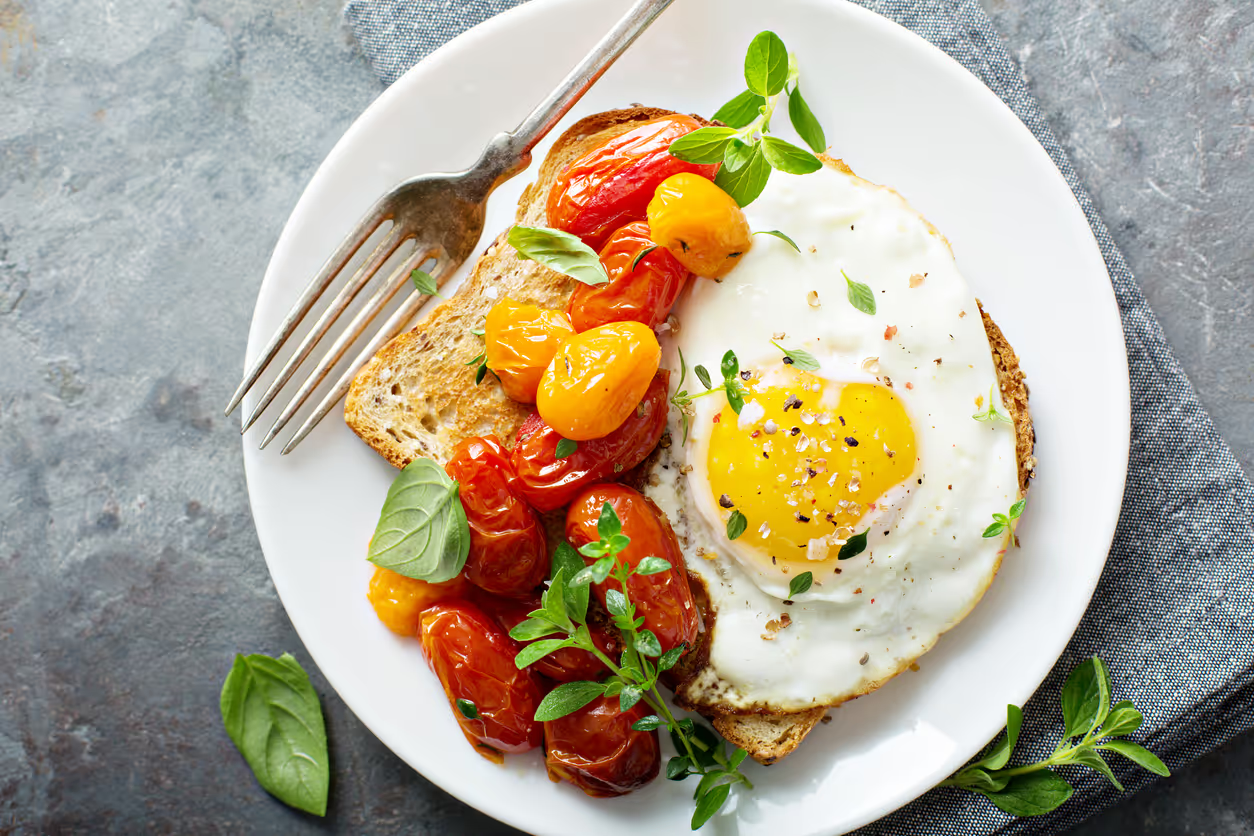
8. Scrambled Eggs
Scrambled eggs may be a staple at breakfast, but eating them at night is a great way to make a satisfying meal, fast.
Two eggs offer over 10 grams of protein and 120 mg of tryptophan.
9. Pineapple on Cottage Cheese
Snacking on pineapple is a great way to satisfy a sweet tooth late at night.
The tropical fruit is a good source of melatonin, and a small study suggested that eating pineapple can be more effective at raising melatonin levels in the body than eating banana or oranges.
Eating the fruit with cottage cheese will increase your protein and calcium intake and can also help to make the snack more fulfilling.
10. Strawberries and Pistachio Butter
Strawberries are a great source of vitamins and minerals, including melatonin and vitamin C.
Some research suggests that vitamin C may play an important role in sleep health.
Pairing strawberries with a nut butter like pistachio butter will help to balance the meal’s fat and protein content.
But since pistachios are also rich in melatonin, they may also help to improve your night’s sleep.
11. Red Grapes and Cheddar Cheese
Some varieties of red grapes contain high amounts of melatonin, making them an ideal snack choice for nighttime.
Adding cheese to the mix will increase the fat and protein content, which will help to stave off your hunger.
Plus, the calcium in the cheese may help to increase your body’s melatonin production.
12. Pumpkin Seeds
If you’re looking for a light, no-fuss, snack before bed, opting for a handful of raw or roasted pumpkin seeds is a great option.
They’re rich in tryptophan, calcium, and magnesium.
13. Walnuts
Walnuts are another excellent go-to for a quick nighttime bite. Like almonds, they’re rich in melatonin and magnesium and may help to improve sleep quality.
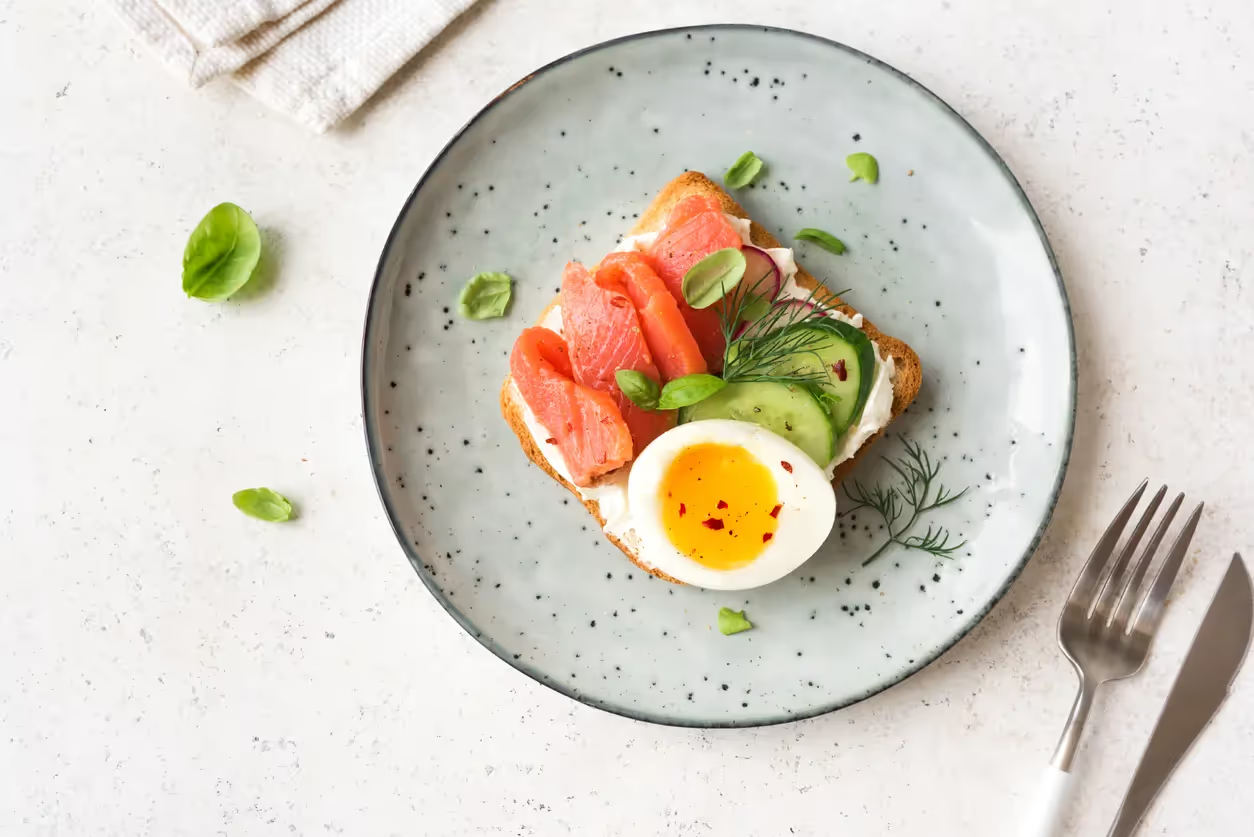
14. Smoked Salmon on Multigrain Crackers
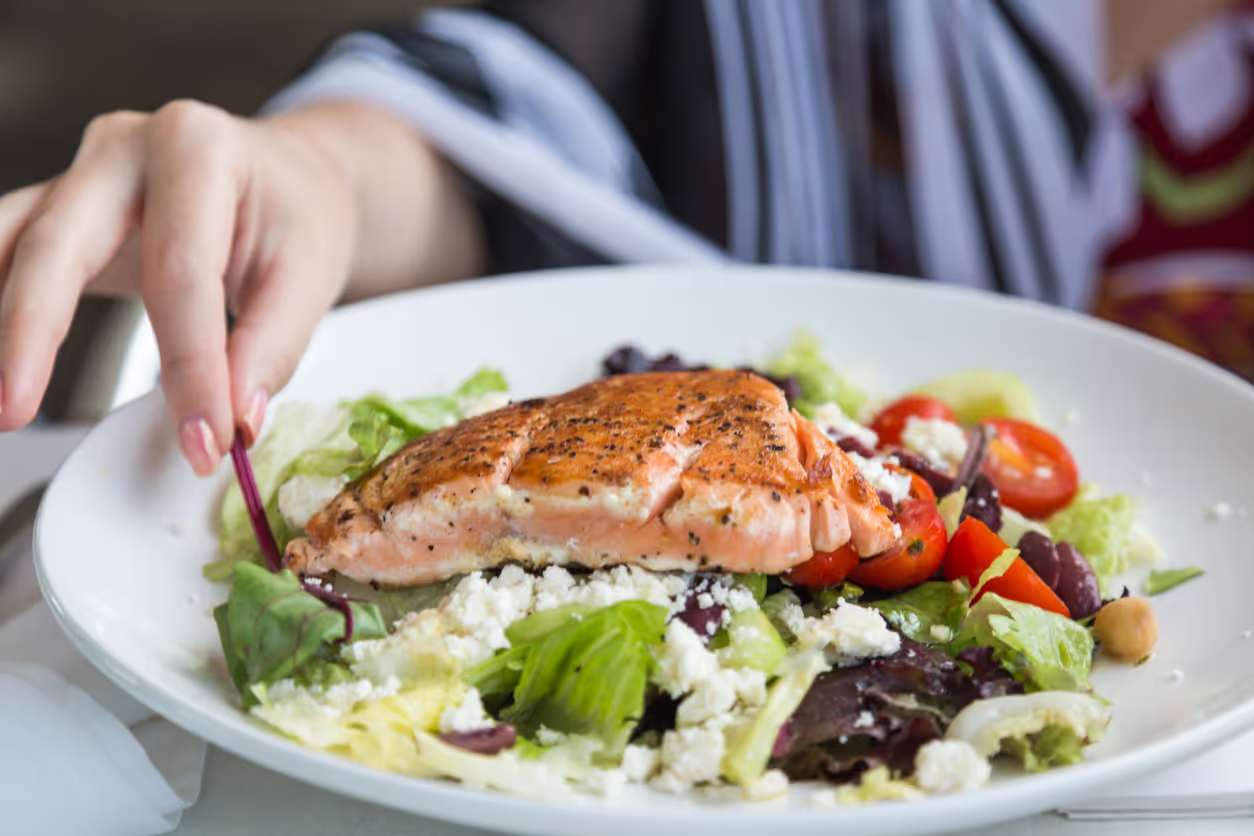
Smoked salmon and other types of fatty fish may not be everyone’s go-to midnight snack, but they’re an excellent source of vitamin D and omega-3 fatty acids, which experts believe may help to increase serotonin levels in the body.
One study found that eating fatty fish may help to improve sleep in general.
Eating smoked salmon with a multigrain cracker will add fiber to the meal, which can help to keep you feeling fuller, longer.
15. Caprese Salad
Caprese salad is a simple dish made by combining raw tomato with mozzarella cheese, basil, and olive oil.
Tomatoes are one of two vegetables that have relatively high melatonin concentrations.
The calcium in the cheese may also help to boost your body’s melatonin production.
Do Late Night Snacks Cause Weight Gain?
There are many factors that can contribute to a person’s weight, including genetics, environment, lifestyle, and medical history.
For decades, late night eating was associated with weight gain.
But newer data suggests that smaller portioned, nutrient-dense foods are less likely to cause weight gain and that eating nutritious meals before bedtime may actually promote positive physiological changes.
In other words, what you eat may be more impactful for your health than when you eat.
{{splash}}
Takeaway
For most people, eating balanced nutrient-packed meals throughout the day can help to curb late-night cravings.
But if you find yourself feeling hungry before bed, making yourself a small, nutrient dense snack can help you to feel satisfied and may even help to promote a good night’s sleep.
How a Dietitian Can Help
Working with a registered dietitian will help you learn how to build nutritionally-dense meals that you can enjoy all-day long and that can help to stave off having late-night cravings in the first place.
You can find a dietitian through Nourish to start optimizing your nutrition.
Frequently Asked Questions
What is the healthiest late night snack?
Opting for a small, nutrient-dense snack is the best strategy when eating before bed.
Avoiding caffeine, high-sugar, and high-salt foods can also be beneficial.
What to eat at 10pm?
Making a small snack that combines whole food sources of healthy fats, protein, and fiber can help you to feel full throughout the night.
Should I eat if I’m hungry late at night?
If you’re hungry, it’s important to feed yourself a nutrient-dense meal, regardless of the time.
References
View all references
Nourish has strict sourcing policies and prioritizes primary sources, including medical organizations, governmental agencies, academic institutions, and peer-reviewed scientific journals. Learn more about our medical review process and editorial guidelines.











.jpg)




















.avif)

.avif)


















.avif)

%20(1).webp)




.avif)
.avif)