How Many Grams of Fat Should I Eat Per Day to Lose Weight?

Medical Reviewer: Sarah Hormachea, MS, RD, CDCES, BC-ADM

Author: Jennifer Huddy, MS, RD, LD

Summary
- Fats are an important part of a balanced diet and essential for overall health. Experts recommend getting 20 - 35% of your daily calories from fat.
- Poly- and monounsaturated fats should make up the majority of your fat intake, with limits on amounts of saturated and trans fats.
- Talking with a registered dietitian can ensure you get the necessary nutrients to support your health while meeting your weight loss goals.
Updated By Heather Smith, RN, BSN
Fat is sometimes vilified in the dieting world, but it plays an important role in overall health and helps you feel satiated.
Experts recommend consuming between 20 and 35% of your daily calories from fat to maintain a balanced diet, even when the goal is weight loss.
However, not all fats are the same.
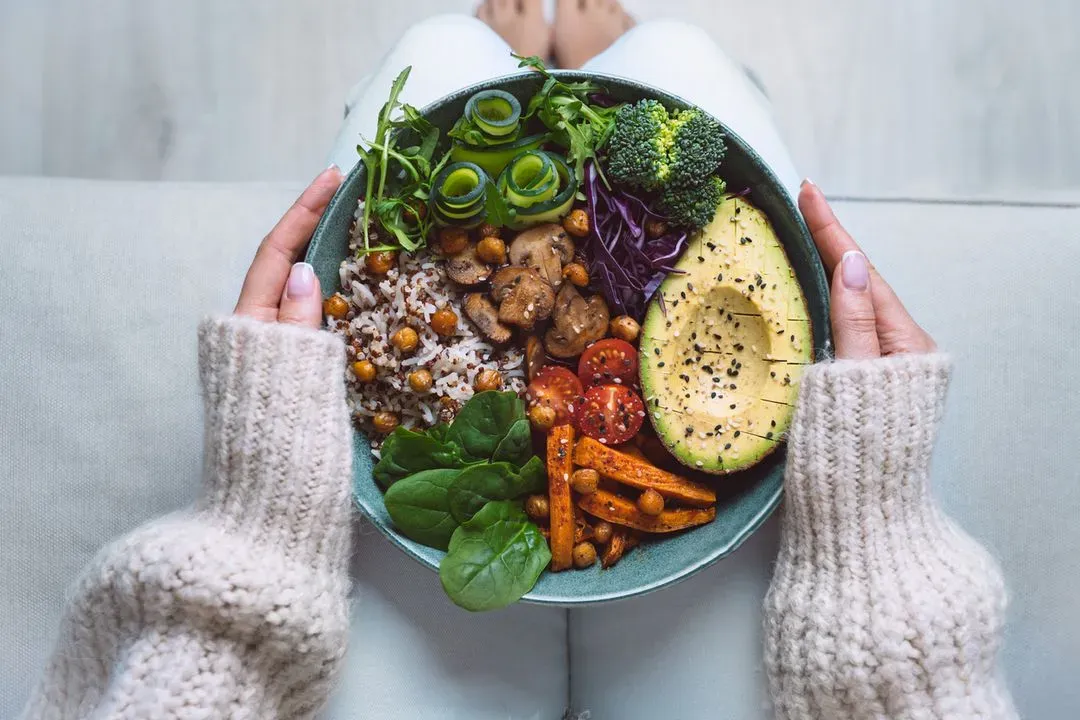
Choosing the right types, such as monounsaturated fats like olive oil and avocados, helps support your body’s needs while aiding in weight management.
Read on for a comprehensive look at how many grams of fat you need each day for weight loss, how to calculate your fat intake, the importance of fat in your diet, and more.
{{splash}}
How Many Grams of Fat Should I Eat Per Day to Lose Weight?
While over 70% of Americans believe that cutting down on dietary fat is key to weight loss, current research shows this isn’t always the case.
Previous guidance often favored a very low-fat diet for weight loss, but research has since revealed that the focus should rather be on replacing low-quality fat with high-quality fats for better weight management and overall health.
Low-Fat Diets
A low-fat diet is one in which less than 30% of your total daily calories come from fat.
Experts typically don’t recommend diets with less than 20% of calories from fat because it can be hard to obtain adequate essential fatty acids and fat-soluble vitamins.
Be cautious of food products labeled “low-fat” as oftentimes, the manufacturer replaces the fat with refined carbohydrates (processed sugars). Diets high in refined carbohydrates and low in fat may put you at higher risk for medical conditions such as diabetes and heart disease.
Instead, select foods that are naturally lower in fat.
Common examples of healthy and naturally low-fat foods include:
- Vegetables.
- Fruits
- Whole grain cereals
- Egg whites
- Chicken and turkey breast without skin
- Beans.
- Lentils.
- Peas
- Seafood.
- Low-fat dairy.
Moderate-Fat Diets
The Mediterranean diet includes fruits, vegetables, poultry, fish, and dairy products, with little or no red meat consumption.
It’s generally considered higher in fats, but its positive effects on weight loss and preventing heart disease are well supported.
A 2018 study of the Mediterranean diet suggests that replacing saturated fats with monounsaturated and polyunsaturated fats may contribute to weight loss and reverse obesity.
{{splash}}
High-Fat Diets
The low-carb, high-fat ketogenic diet has become popular in recent years.
Research has not found that this diet produces superior weight loss to low-calorie diets.
More studies are needed to determine its impact on LDL “bad” cholesterol and its long-term safety.
Calculating How Much Fat You Need
To determine your daily fat intake requirements, start by calculating your daily caloric intake needs based on factors like age, sex, weight, height, and activity level.
Once you know how many calories you need each day, apply the 20 - 35% range experts recommend.
For example, if your caloric need is 2,000 calories per, you would aim for 44 - 78 grams of fat since each gram of fat contains about nine calories.
Adjust this number based on your specific health goals and dietary preferences.
Calculate how much fat to eat per day!
Why is Fat Important?
Fats are nutrients you get from food that play important roles in maintaining your overall health.
They are a major energy source, are important for hair and skin health, and are essential for absorbing fat-soluble vitamins such as A, D, E, and K.
Furthermore, fats are also needed for optimal brain function and to control inflammation.
Some fats, such as omega-3 and omega-6, are called essential fatty acids because the body cannot produce them on its own and requires you to take them in through nutrition.
Function and Benefits of Fat
Fats have several functions and roles in the body.
- Insulate and protect internal organs.
- Act as messengers in the body through hormone production.
- Support growth, immune function, and metabolism.
- Absorb fat-soluble vitamins.
- Regulate energy.
- Form cell membranes.
Types of Dietary Fat Explained
Dietary fats can be divided into two categories: those beneficial for heart health, like poly- and monounsaturated fats, and those less beneficial to heart health, including saturated fats and trans fats.
The type of dietary fats you predominantly eat can not only affect your risk of heart disease but may also impact your metabolism and weight.
Research shows that diets high in saturated fat can cause gut health disruptions associated with obesity and inflammation.
Saturated Fats
Saturated fats are solid at room temperature, like butter or lard. They typically come from animal products, including meat, eggs, and dairy.
An exception is tropical oils like coconut and palm oil, which come from plants but are saturated fats. Saturated fats are also found in processed foods such as ice cream, baked goods, and fried foods.
Too much saturated fat in your diet can increase your heart disease risk by contributing to elevated cholesterol levels.
The American Heart Association recommends limiting saturated fat consumption to less than five to six percent of your daily calories, which, for a 2,000-calorie diet, is equivalent to 13 grams of saturated fat daily.
Trans Fats
Trans fat is manufactured to make vegetable oil solid at room temperature.
They are primarily used in packaged and fast food, such as doughnuts, frozen pizza, and stick margarine.
You can identify them on the label by looking for grams of trans fat or by noting “partially hydrogenated oil” on the ingredient list.
The Food and Drug Administration has determined that trans fats are unsafe, and the American Heart Association recommends limiting your intake as much as possible.
Eating foods containing trans fats can contribute to unfavorable cholesterol changes, such as increases in “bad” LDL cholesterol and decreases in “good” HDL cholesterol.
Monounsaturated Fats
Monounsaturated fats are liquid at room temperature and usually come from plant sources, like olive oil, avocados, and peanuts.
Even though they contain the same amount of calories as saturated fat, they can impact your health differently.
Monounsaturated fats help lower cholesterol levels and are rich in vitamin E, a potent antioxidant.
Experts recommend replacing saturated fats in your diet with unsaturated ones, like mono- and polyunsaturated fats, to reduce your risk of heart disease.
Polyunsaturated Fats
In addition to monounsaturated fats, polyunsaturated fats are recommended to make up most of your fat intake.
Many foods, like olive oil, contain both types of unsaturated fats. Other sources of polyunsaturated fats are soybean oil, sunflower seeds, and walnuts.
Polyunsaturated fats can lower your cholesterol levels and reduce your heart disease risk.
They also provide omega-3 and omega-6 fatty acids, which are essential for humans to consume.
Foods like soybeans, flaxseeds, and walnuts are sources of alpha-linolenic acid (ALA), a plant-based type of omega-3 fat.
How Many Calories Are In Fat?
All types of dietary fat contain nine calories per gram, making it the most calorie-dense macronutrient.
Carbohydrates and protein each provide four calories per gram.
Total Daily Fat Recommendations
The 2020-2025 Dietary Guidelines for Americans recommend ideal macronutrient distribution ranges (AMDRs) for a healthy diet. The AMDR for dietary fat in adults is 20 - 35% of daily calorie intake.
The AMDR is 45 - 65% for carbohydrates and 10-35% for protein.
These guidelines also recommend limiting saturated fats to less than 10% of your daily calories, which is slightly more liberal than the American Heart Association guideline.
It’s important to talk to your medical provider and consider your personal risk of heart disease when deciding which recommendation is best for you.
Tips For Eating Healthy Fats
Shifting your diet to include more healthy fats can be overwhelming. It can be helpful to consider the big picture: reduce your intake of ultra-processed and fast foods and eat more plant foods.
This might involve cooking more meals at home and being intentional in your meal planning.
Think about adding healthy fats to your daily meals and snack staples. Some examples include:
- Add avocado to your sandwich at lunch.
- Include a small handful of nuts with a snack.
- Dip apple or banana slices in natural peanut butter (without hydrogenated oils).
- Include fish in your weekly meal plan.
- Use olive oil instead of butter when cooking.
{{splash}}
Takeaway
Dietary fat is not the enemy of weight loss but is an important part of a nutritious and balanced diet.
While there is no optimal daily dietary fat amount for weight loss, most experts agree on a diet with 20 - 35% of total calories from fat.
Eat beneficial fats such as unsaturated, polyunsaturated, and monounsaturated fats and limit trans and saturated fats.
The ideal amount of calories you need from fats varies from person to person, so it’s important to tailor your intake to your individual health goals and lifestyle.
With a mindful approach to your dietary fat intake, you can nourish your overall health while also working towards a healthy weight.
How a Dietitian Can Help
If you’re unsure of the best dietary fat and macronutrient levels to help you meet your weight loss goals, consider booking a consultation with a weight loss nutritionist through Nourish.
Our non-diet approach focuses on sustainable changes that emphasize health outcomes. Appointments are virtual and covered by insurance.
Find a dietitian near you that accepts insurance using Nourish.
Frequently Asked Questions
References
View all references
- Polyunsaturated Fat. (2015, June 1). American Heart Association.
- The Calorie Density of Foods– Exploring the Facts & Science. (2021, January 18). American Institute for Cancer Research.
- Bhandari, P., et al. (2023). Low Fat Diet. StatPearls.
- Beulen, Y., A., M., et al. (2018). Quality of Dietary Fat Intake and Body Weight and Obesity in a Mediterranean Population: Secondary Analyses within the PREDIMED Trial. Nutrients.
- Dietary Fats Explained. (2022). MedlinePlus.
- Biomedical Beat Blog – National Institute of General Medical Science. (2024). NIGMS.
Nourish has strict sourcing policies and prioritizes primary sources, including medical organizations, governmental agencies, academic institutions, and peer-reviewed scientific journals. Learn more about our medical review process and editorial guidelines.
More articles
%201%20(1).jpg)


.avif)













.avif)

















.avif)















.avif)







.avif)
.avif)










.avif)
.avif)