How To Eat Healthy Without Cooking: The Quick Guide

Medical Reviewer: Sarah Hormachea, MS, RD, CDCES, BC-ADM

Author: Maya De La Rosa-Cohen
.avif)
Summary
- You can eat well without cooking all your meals at home.
- Planning your meals will enable you to shop for ingredients to put healthy meals together without cooking.
- Eating healthfully without cooking can incorporate a diverse range of food sources, including prepackaged meals and soups, precooked ingredients, and the occasional take-out meal.
Eating home-cooked meals has long been associated with health-promoting behaviors, including better dietary quality and greater fruit and vegetable intake.
But not all individuals and families can rely on home-cooking for the majority of their meals.
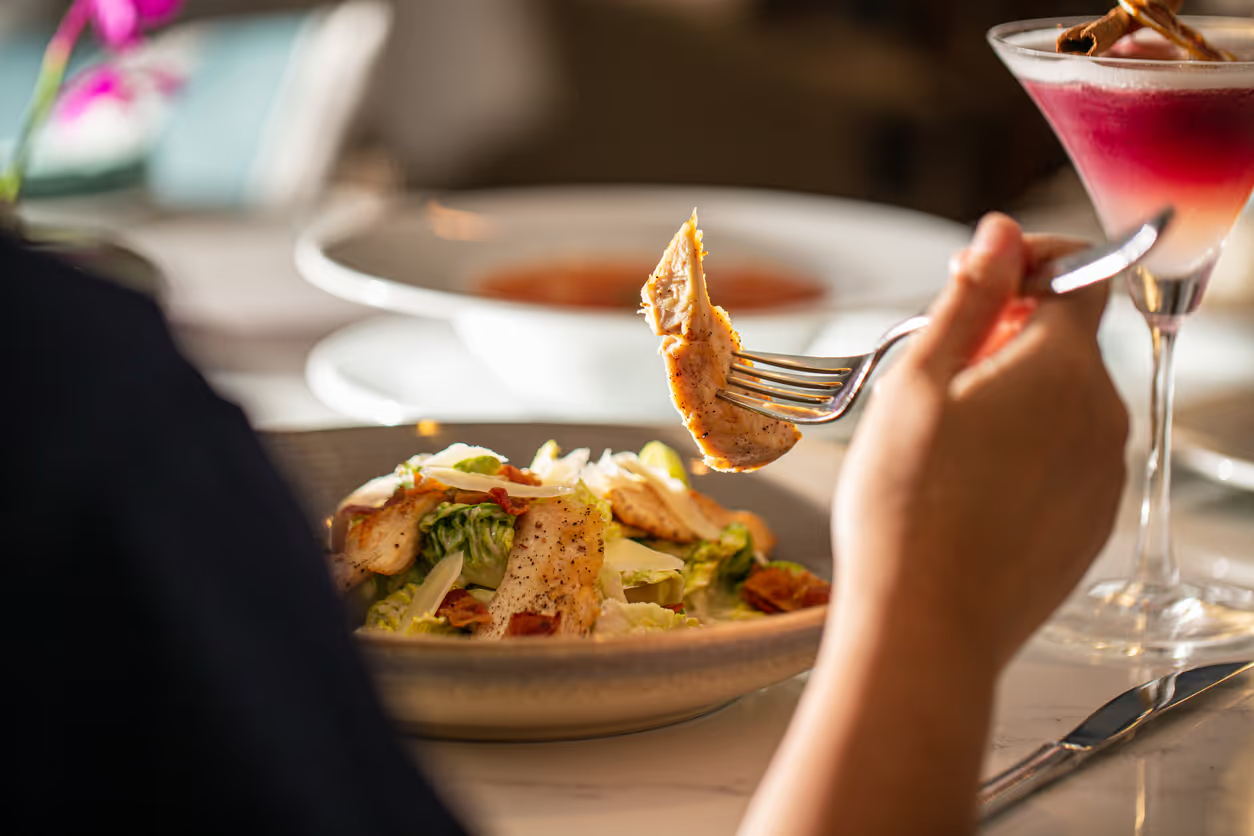
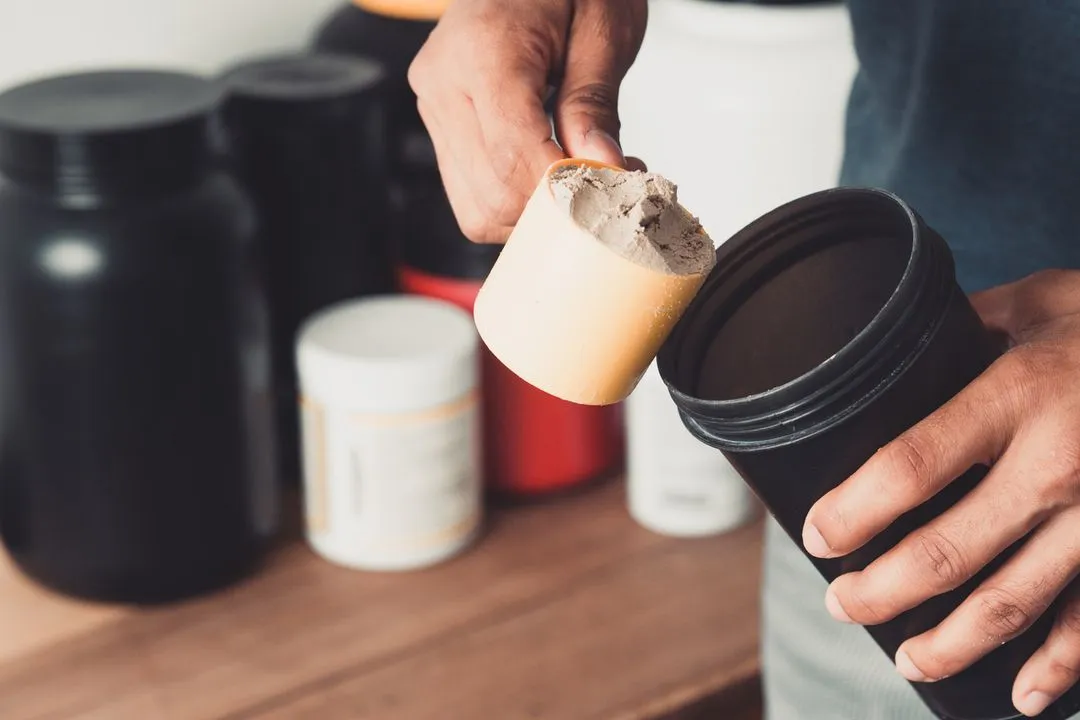
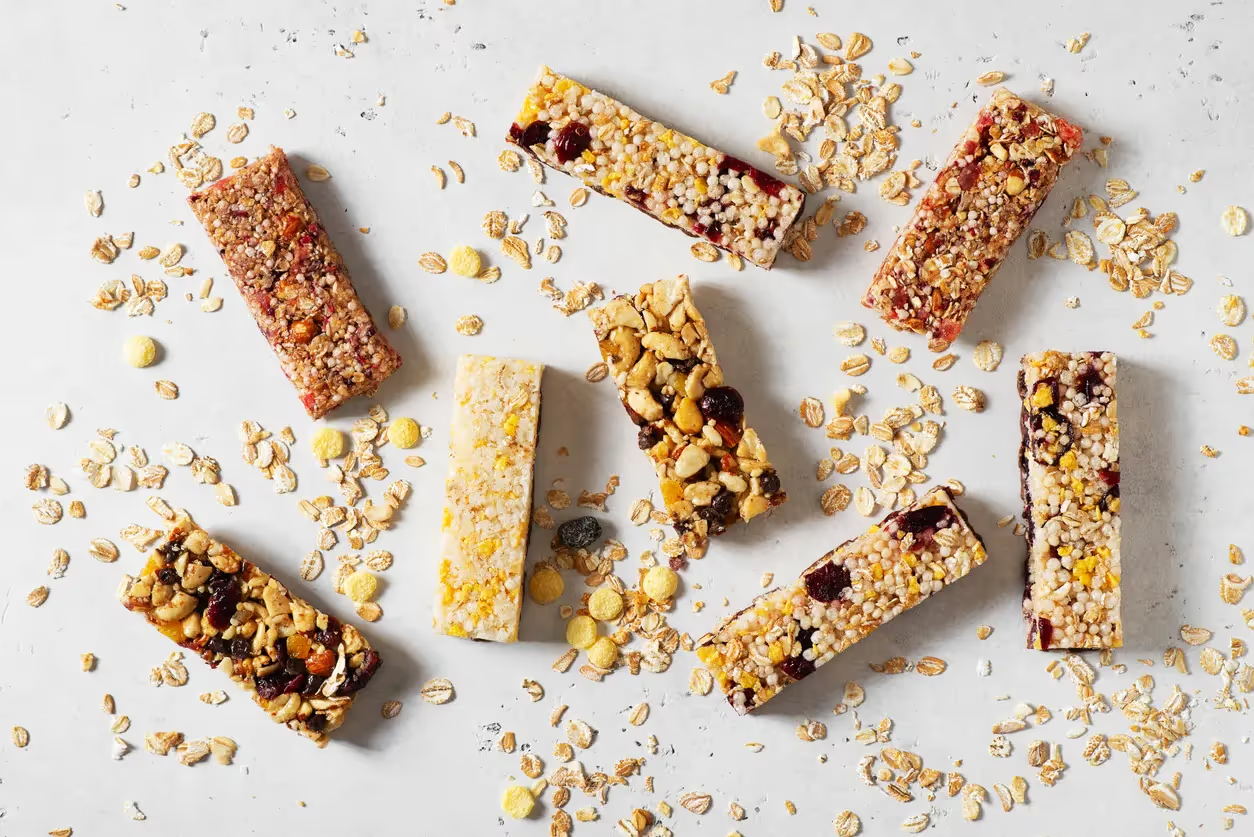
Thankfully, eating healthfully without cooking is possible when you know how to take advantage of prepackaged meals and precooked ingredients, organize a well-stocked pantry, and select healthier options on the occasional take out order.
{{splash}}
How to Create a Healthy Meal
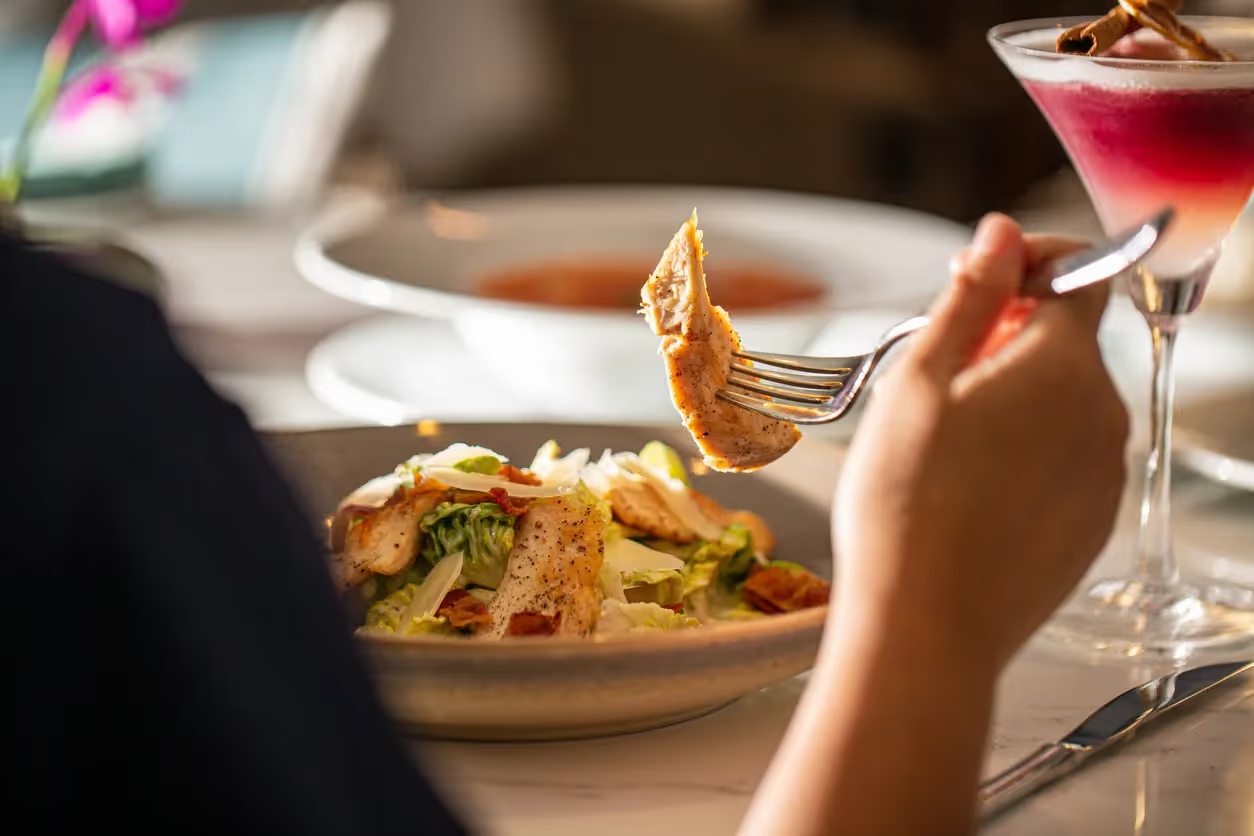
Whether you’re cooking at home, buying a prepackaged meal, or ordering food to-go, there are several strategies to help you build and plan for a healthy meal:
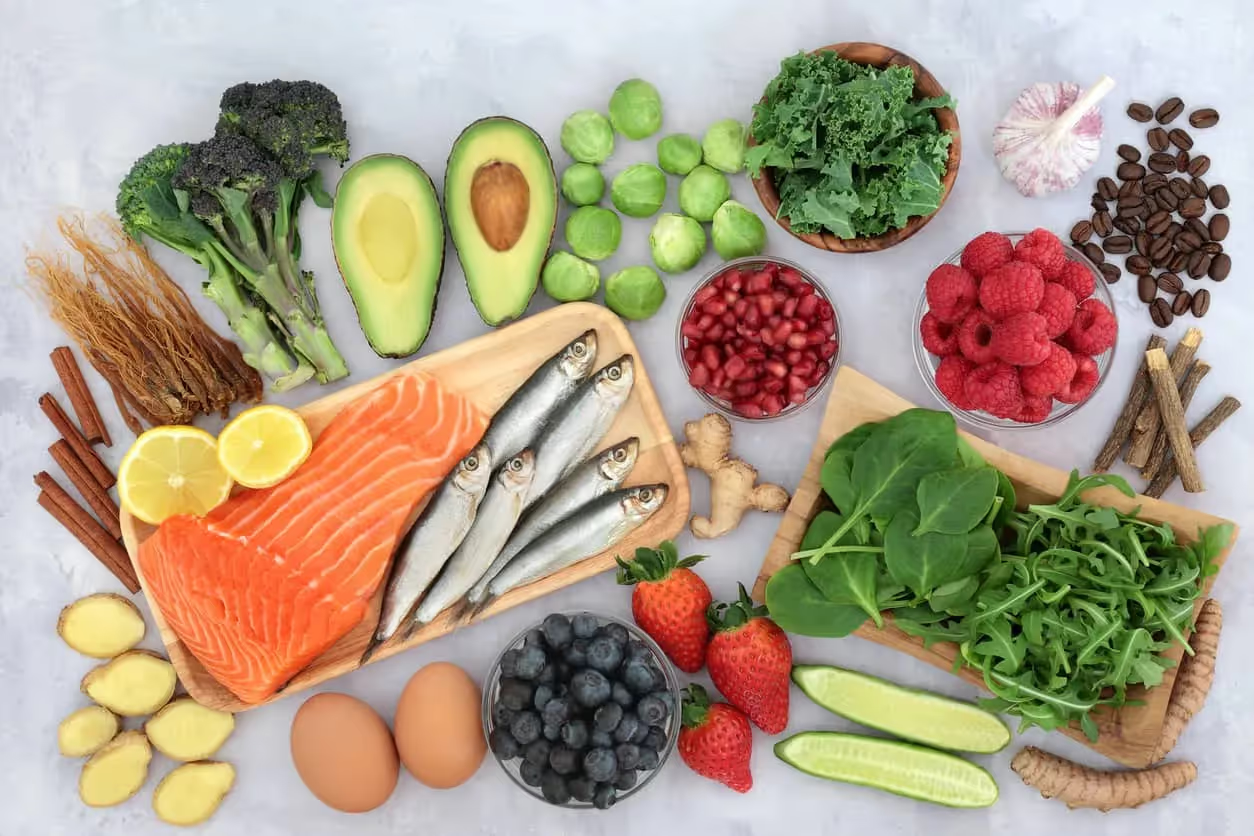
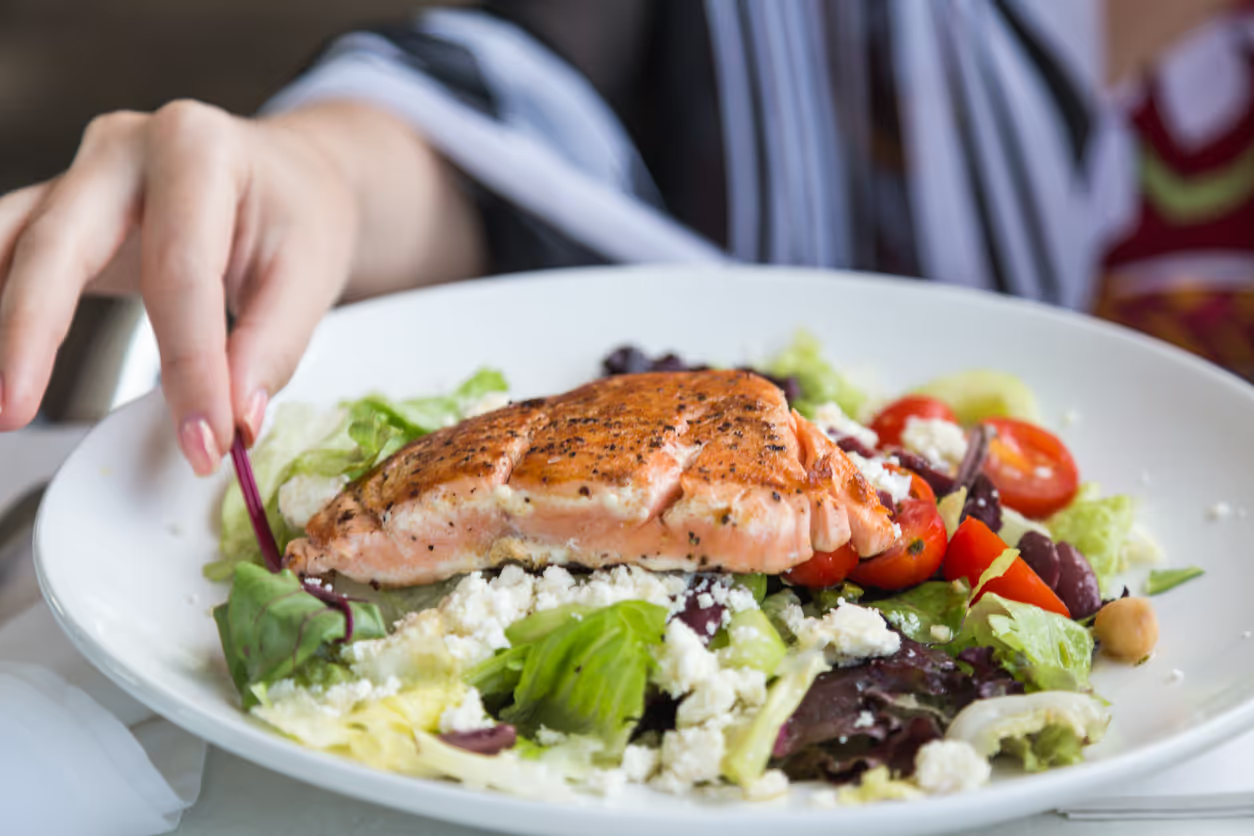
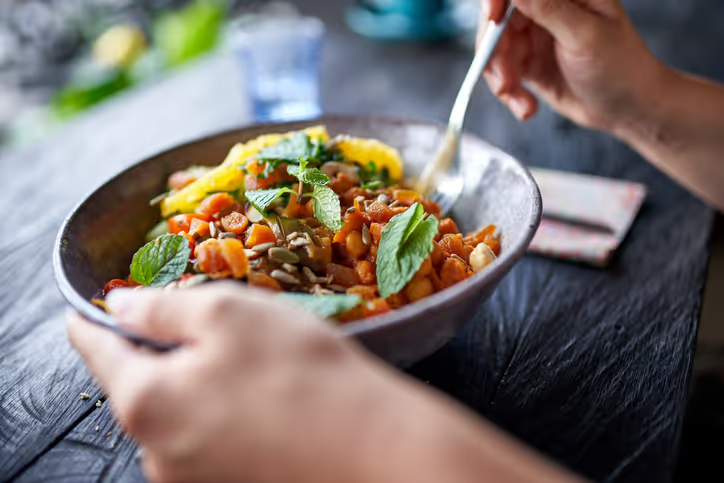
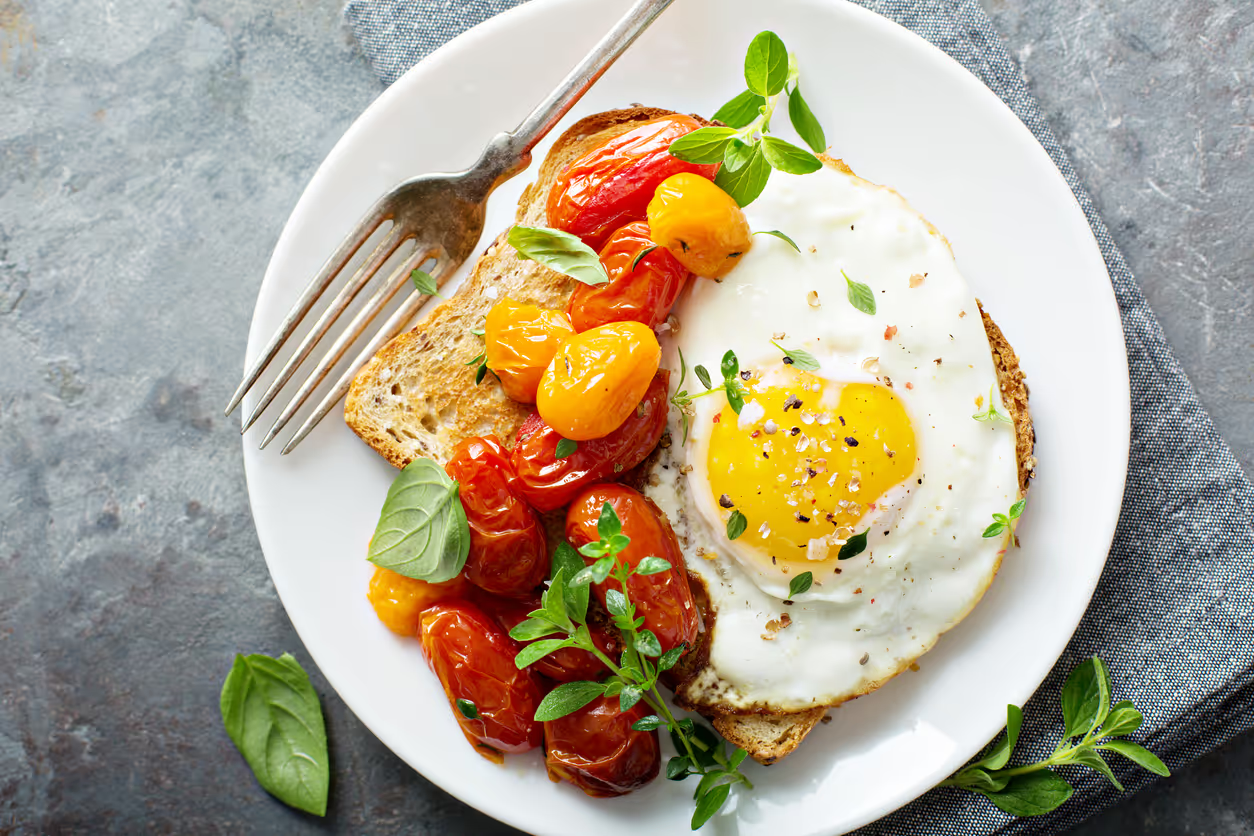
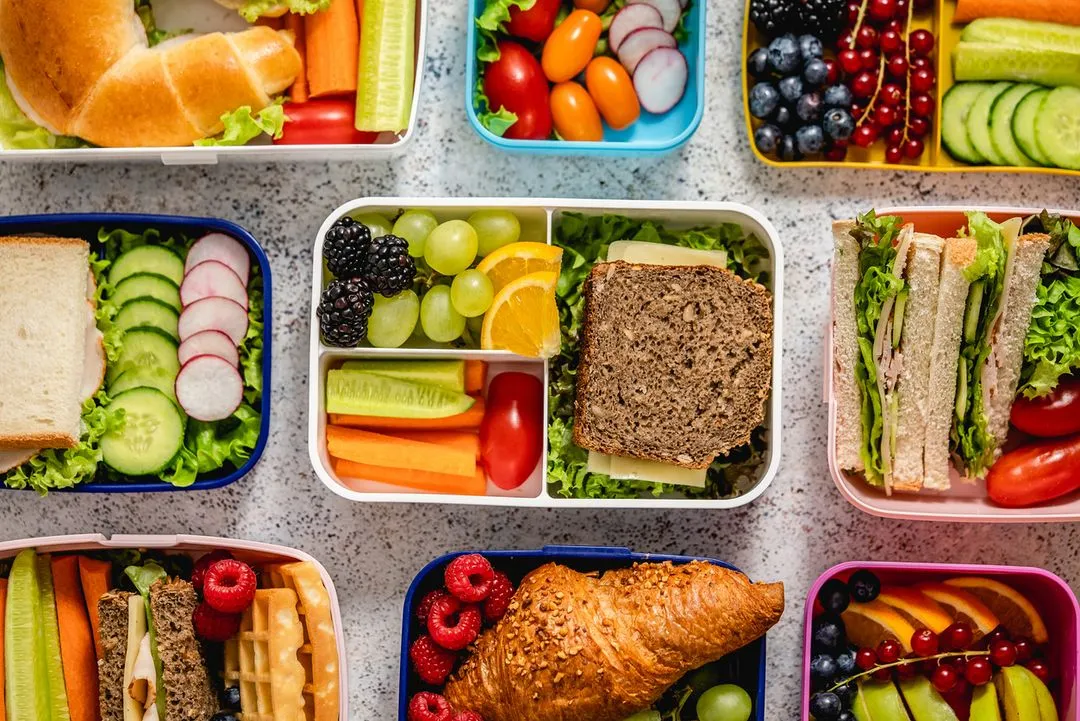
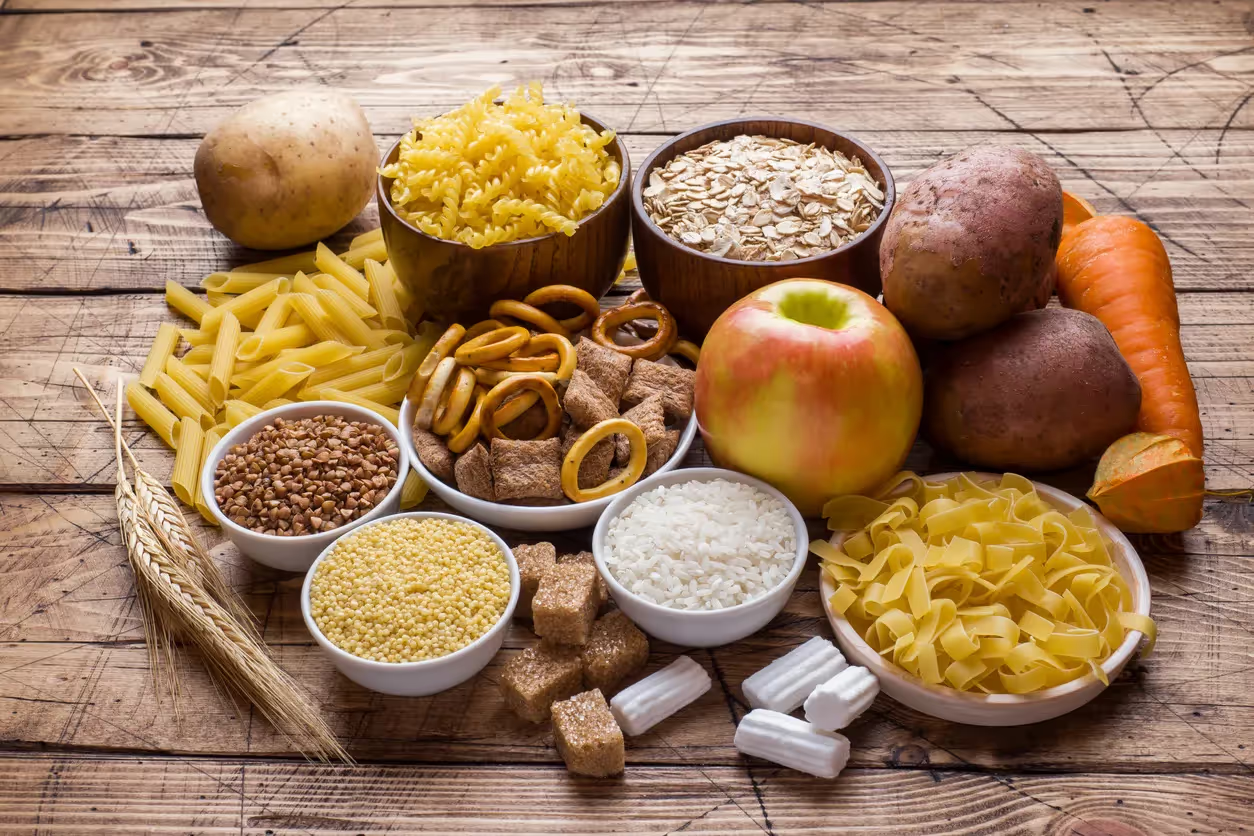
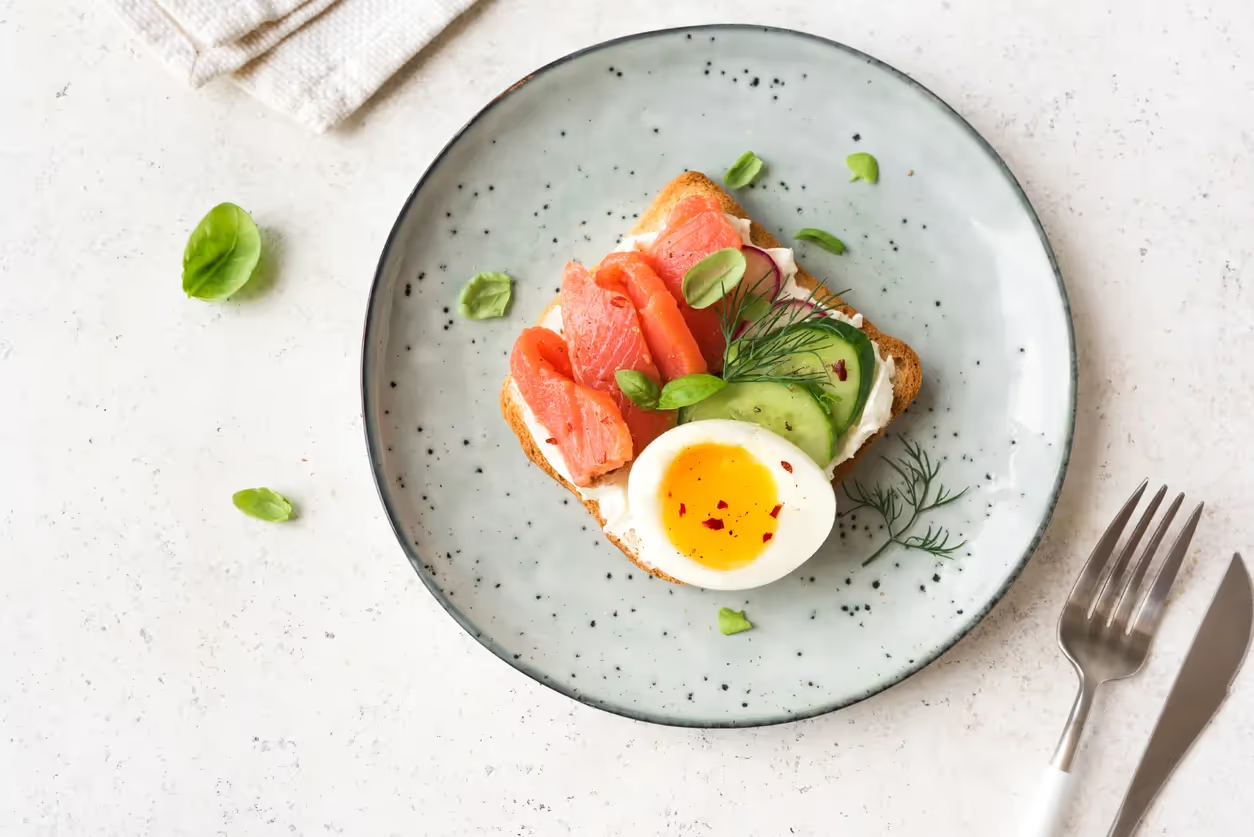
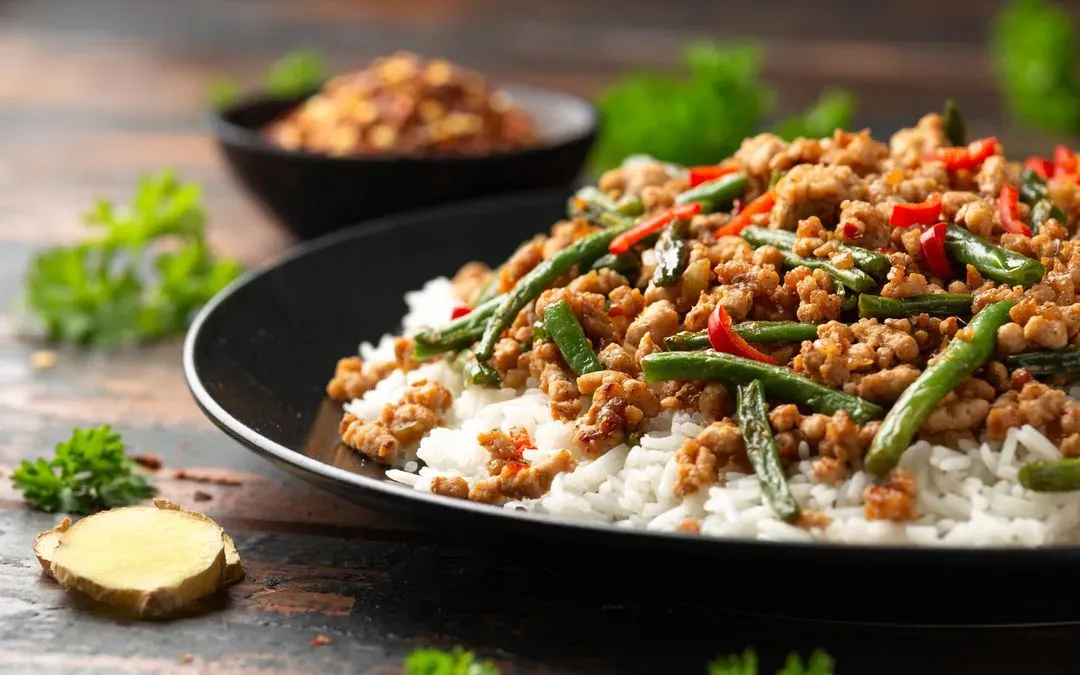
- Follow the rainbow: Building or buying dishes that include a variety of colors will help you incorporate a healthy balance of nutrients at mealtime. Think of produce that will add reds, greens, and purples, and proteins and carbohydrates that will add yellows and browns to each dish.
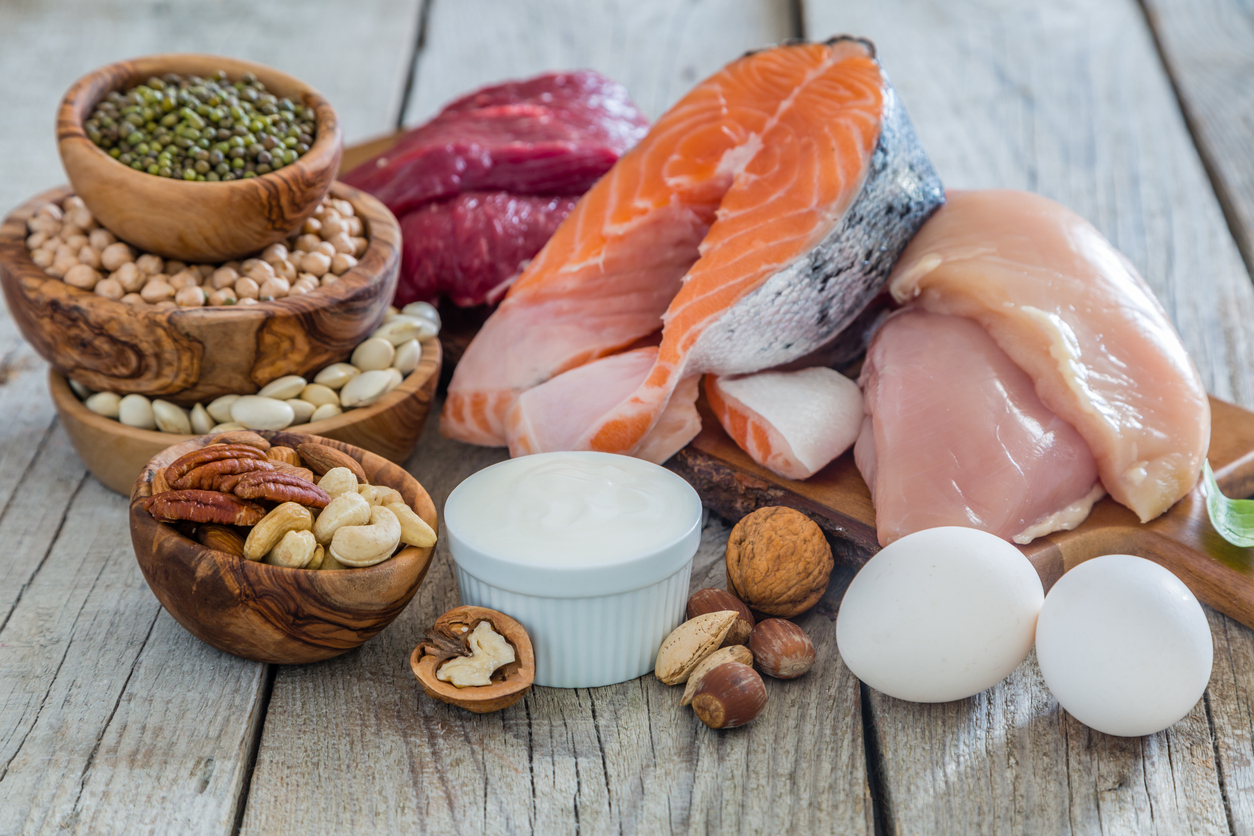
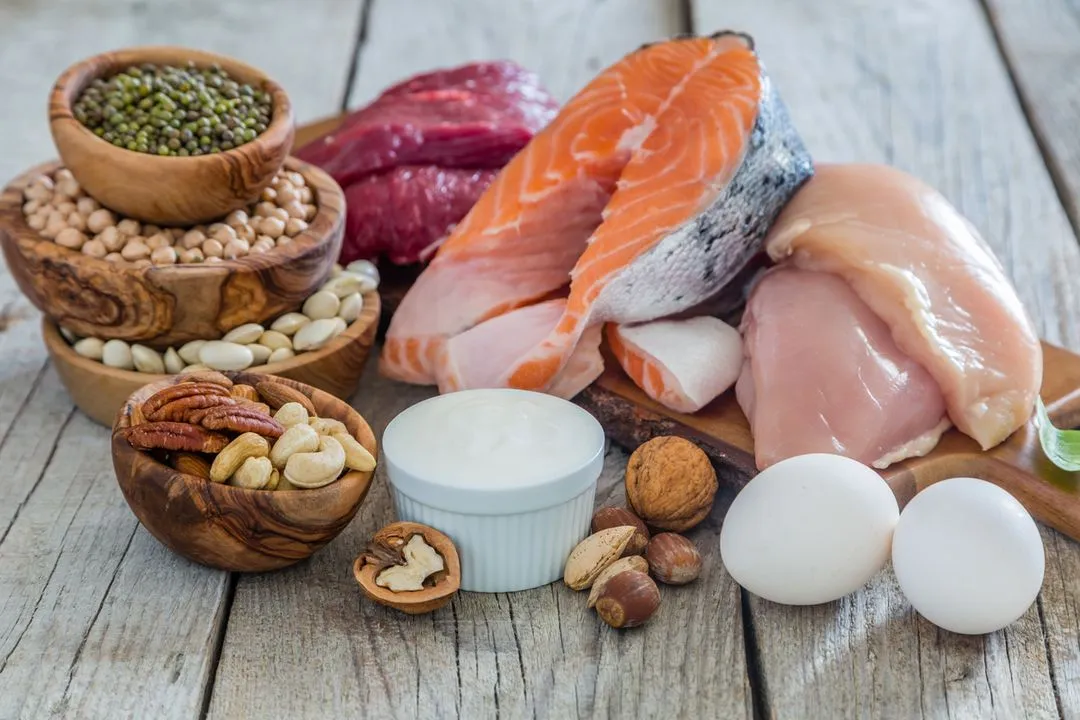
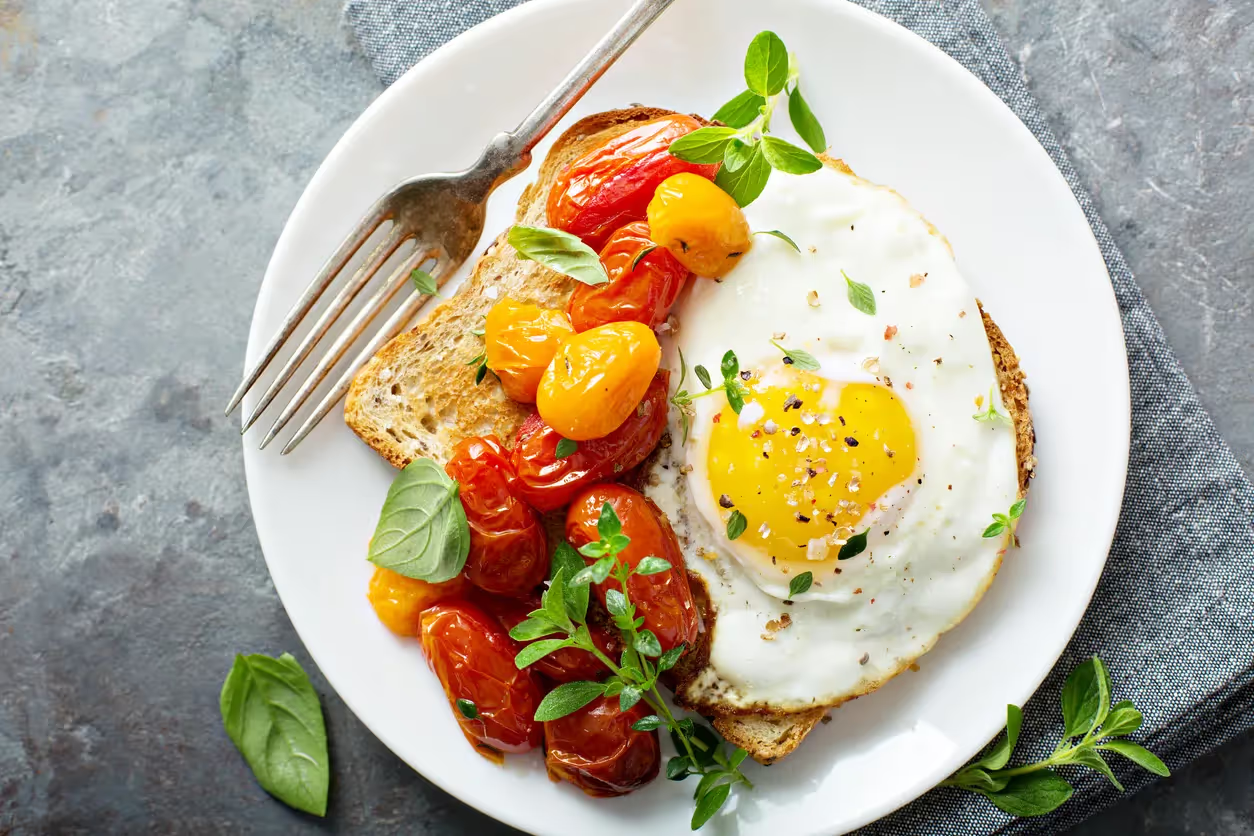
- Aim to incorporate protein into every meal: Eating at least one source of protein with each dish, like poultry, beef, fish, eggs, dairy, or legumes, will help you to feel satisfied in between meals.
- Consider the quality of ingredients used: Honoring your unique tastes and health preferences is important when creating a healthy meal. If factors like organic produce and free-range or nitrate-free proteins are important to you, be sure to source meals and ingredients that meet these standards.
Tips for Making Healthy Choices When Not Cooking
Not cooking can save you valuable time and energy at mealtimes.
Below are some decisions you can make to help you select healthier alternatives.
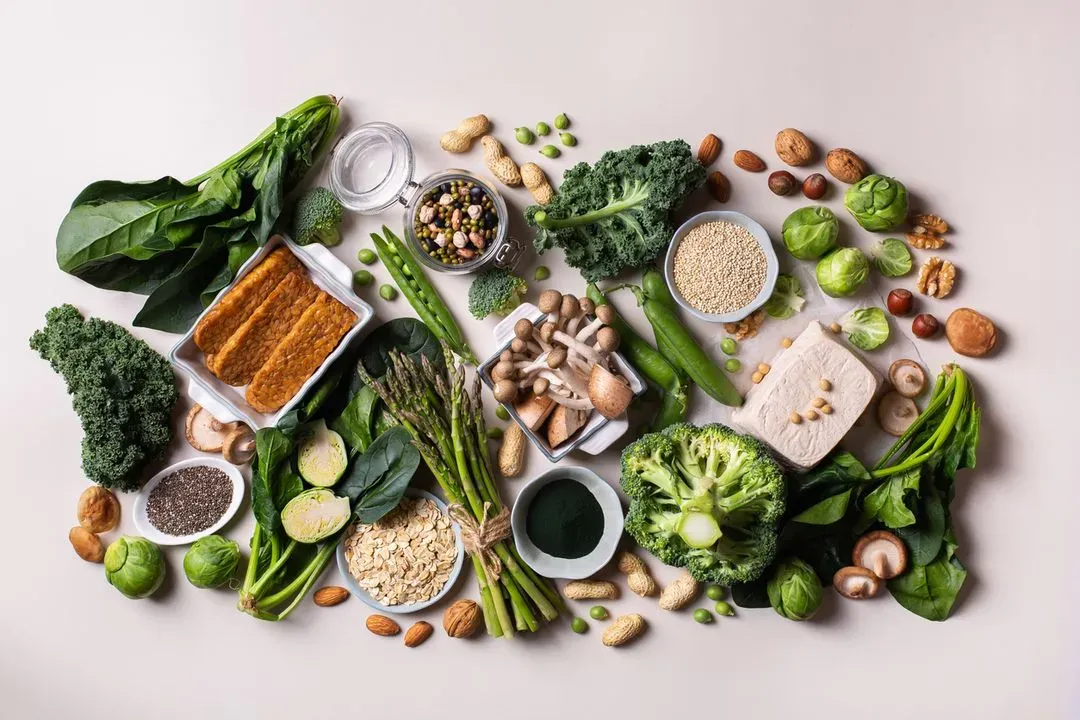
Choose Whole, Nutrient-Dense Foods
According to the Dietary Guidelines for Americans from 2020-2025, whole, nutrient-dense foods are the building blocks of a healthy eating pattern.
These foods, including fruits and vegetables, dairy, whole grains, proteins and plant oils contribute important nutrients to a healthy diet.
Opt for Fruits and Vegetables
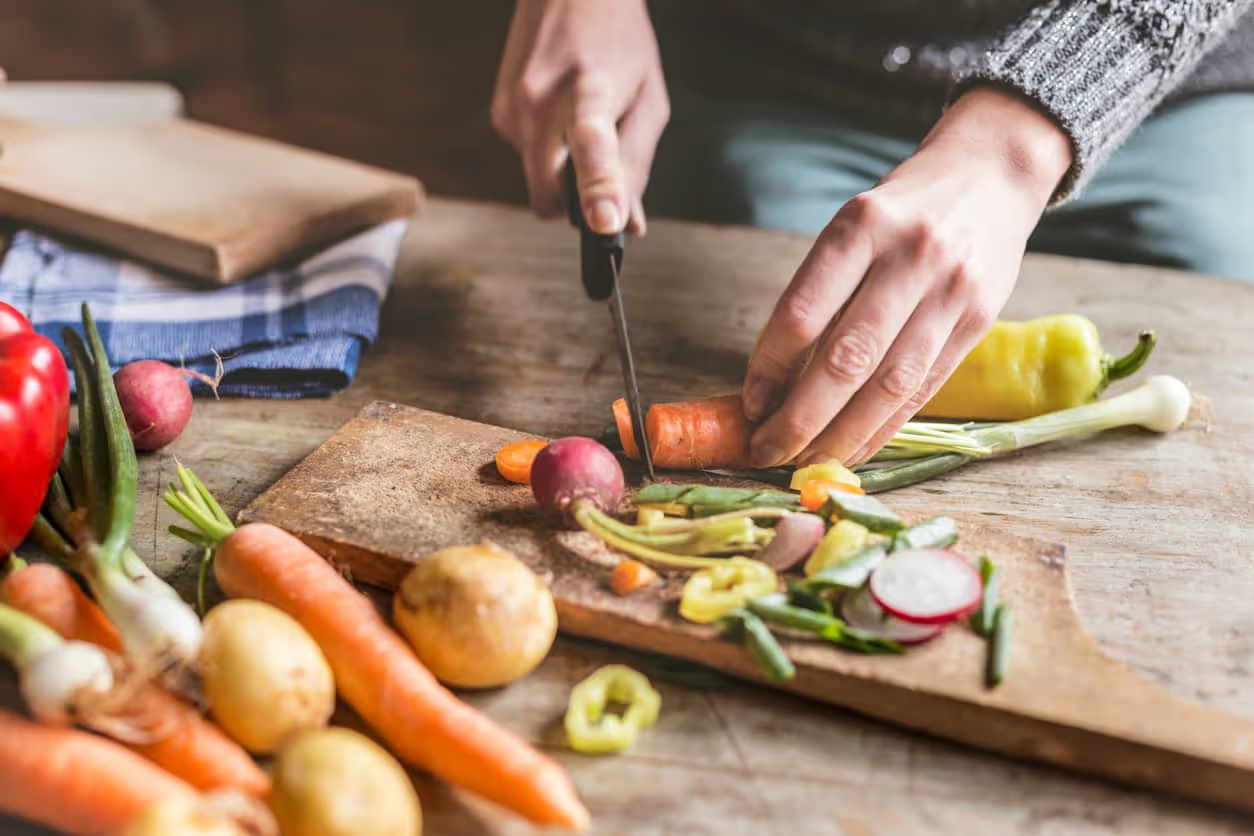
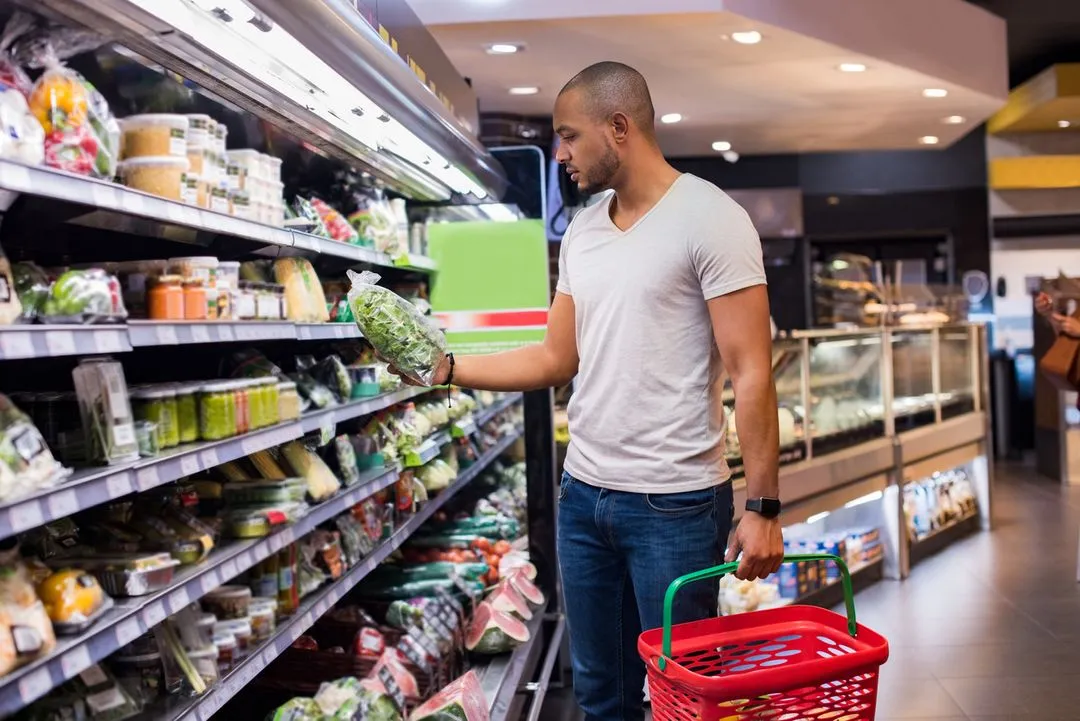
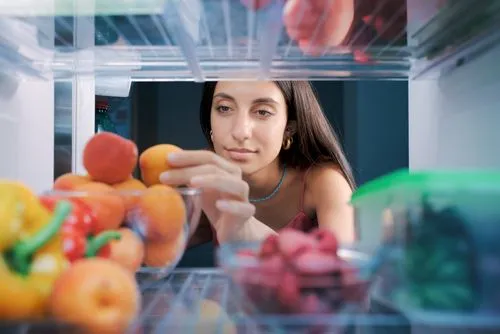
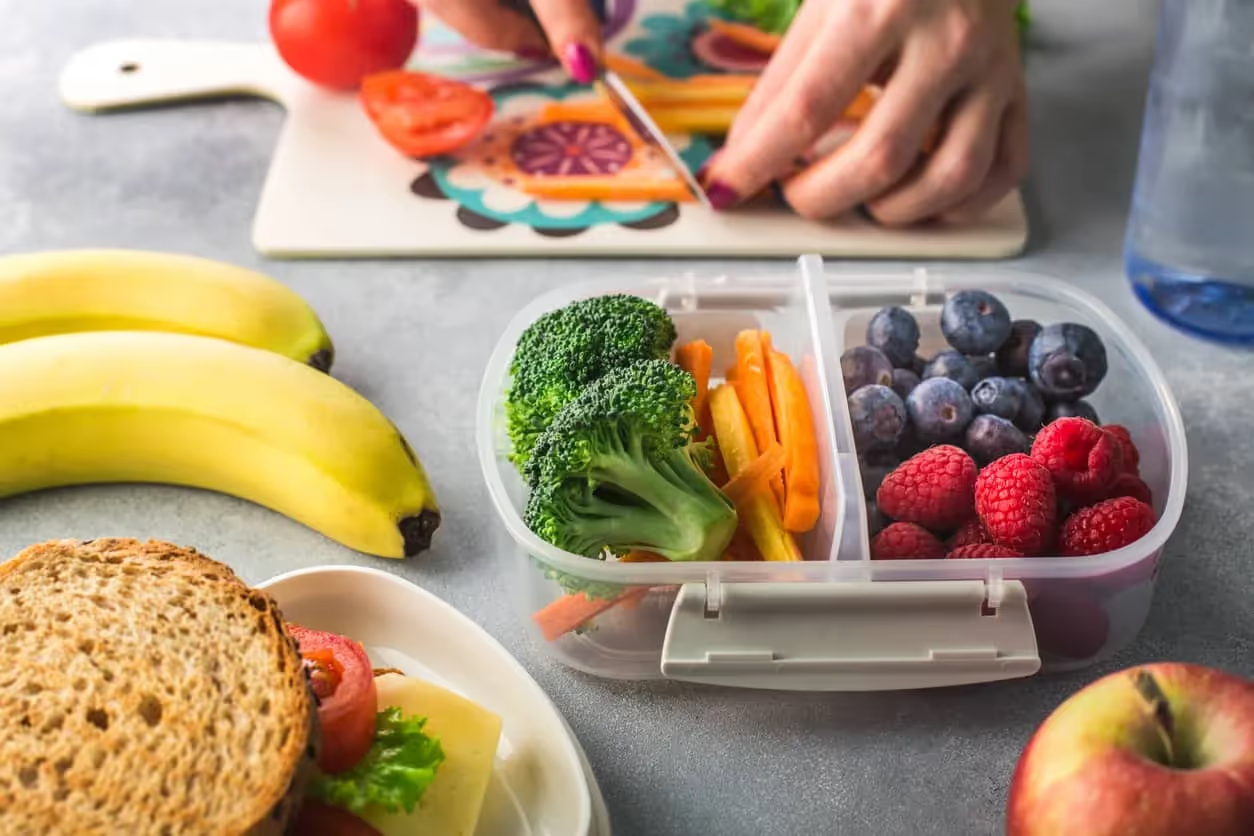
Stocking up on fresh fruits and vegetables like apples, bananas, carrots, and snap peas, will make it easier to have healthy snacks on hand throughout the day.
But taking advantage of frozen fruits and vegetables can help you make no or low-cook meals fast, like smoothies and soups.
Research even shows that frozen fruits and vegetables can retain their vitamin content better than fresh alternatives in some cases.
Canned fruits and vegetables can also help you to turn around balanced meals with little-to-no cooking.
These foods offer several benefits, including longer shelf lives and preserved nutrients.
Look for Protein-Rich Options
Incorporating protein into each meal and snack can help you to feel sated after mealtime.
Meat, fish, and eggs are excellent sources of protein, but dairy, nuts and legumes are also protein-rich foods.
Knowing what to look for when reading through the ingredients of a prepackaged or take-out meal will help you to identify protein-rich dishes.
Read Labels Carefully
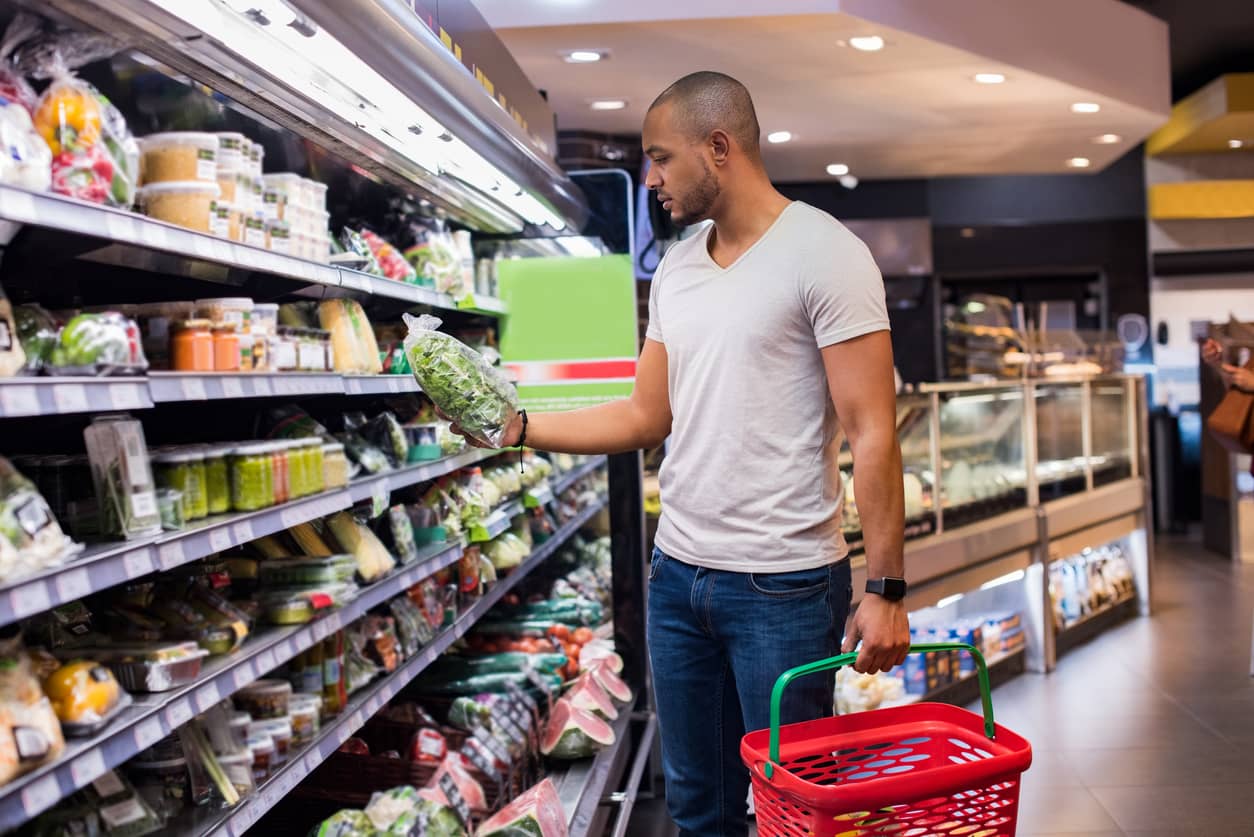
Getting comfortable reading food labels when shopping is an important component of meal planning, especially if you have nutritional goals in mind.
Many prepackaged meals can contain surprise ingredients you wouldn’t expect to find based on their description, which is why reading through the ingredients list will help you select options that meet your health goals.
Limit Ultra-Processed and Fast Foods
“Processed foods” is a vague umbrella term that’s often misunderstood in health and wellness spaces.
In reality, many whole and nutrition-packed foods are processed before they arrive on our table, including baby carrots, bagged lettuce, and pasteurized milk.
The term “ultra-processed” refers to products deemed to be of particularly low nutritional quality.
But this term has no universal definition, making it difficult for non-food experts to discern between “processed” and “ultra-processed” food without getting bogged down by diet-culture terminology.
One description of ultra-processed foods based on the NOVA food classification defines a food as ultra-processed if it uses many ingredients derived from other foods to “imitate or enhance the sensory qualities of foods or to disguise unpalatable aspects of the final product.”
Here are some signs that a food may be ultra-processed:
- If the ingredients list on its nutrition facts label is long and contains ingredients that are difficult to pronounce or recognize.
- If it’s particularly high in salt, fat, sugar, or a combination of all three.
Limiting your consumption of ultra-processed and fast foods will help you maintain a healthy, balanced, and satisfying diet.
But keep in mind that unless you have a medical condition that requires certain dietary restrictions, there’s no need to avoid certain food groups altogether.
In fact, implementing strict food rules can lead to an unhealthy relationship with eating.
{{splash}}
Tools to Support a No-Cook Lifestyle
Anyone can lead a no-cook lifestyle, but there are some tools that can help.
Here are some kitchen appliances and tools that can support a low or no-cook meal plan:
- Microwave (for heating up prepackaged meals).
- Blender (for making smoothies).
- Oven (for heating up prepackaged meals or frozen items).
- Mixing bowls (for putting ingredients together).
Grocery Shopping Tips
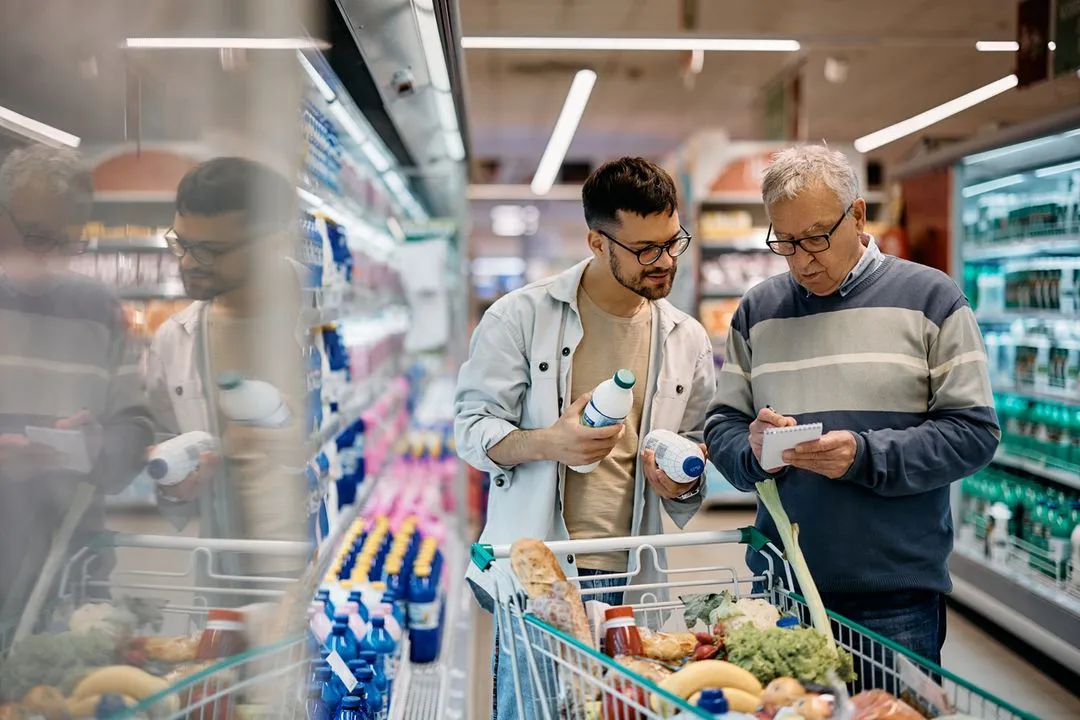
When grocery shopping for meals that involve little-to-no cooking, here are some tips that can help set you up for success:
- Plan your meals ahead of time to help you to stay focused and organized when shopping for groceries.
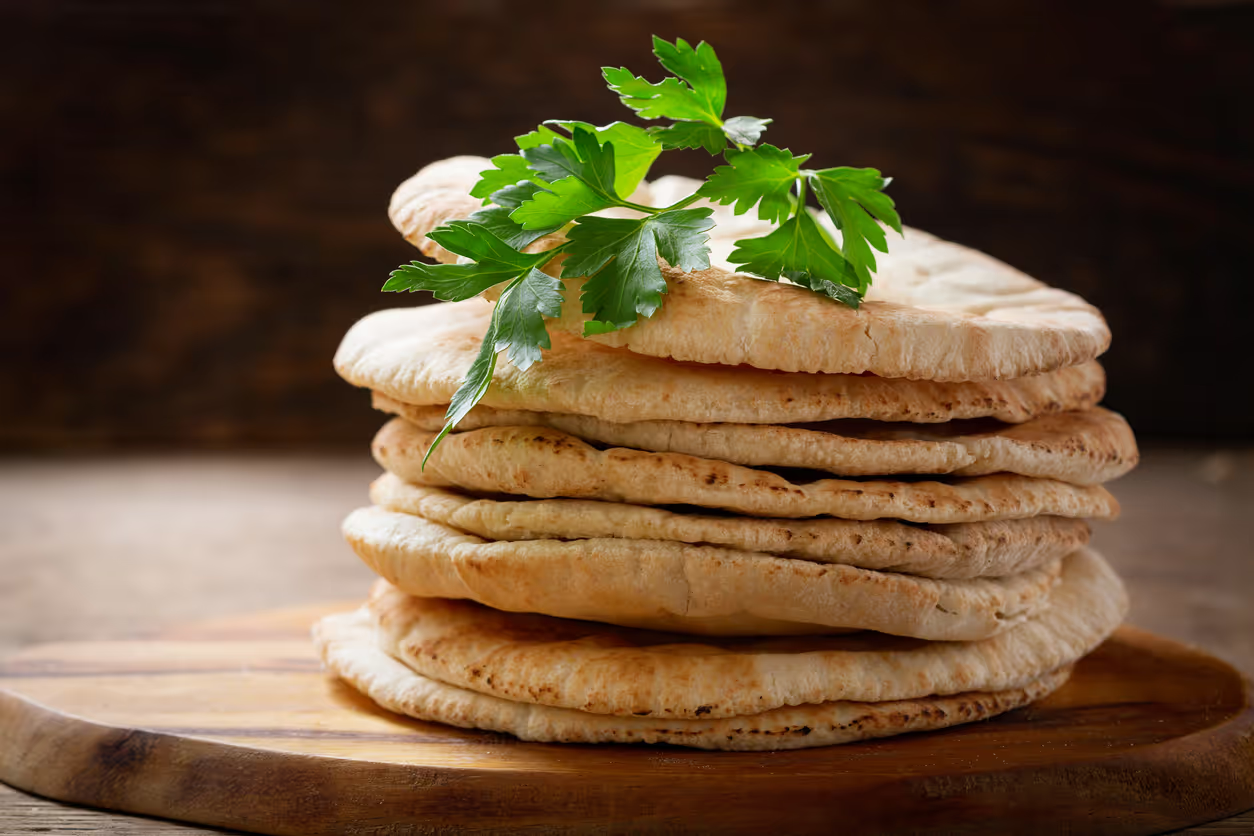
- Stock up on prepackaged meals and precooked grains (like brown rice or quinoa) and proteins (like turkey burgers or canned beans) that satisfy your tastes and meet your individual health needs.
- Take advantage of pre-cut vegetables and fruits that make it easier and faster to build healthy snacks and meals.
- Don’t shy away from using frozen meals or vegetables, canned foods, or other products that help you to save time when putting together meals during the week.
Sample Meal Ideas for a Healthy No-Cook Diet
You don’t have to rely entirely on one source of food, like prepackaged meals or take-out, when eating a no-cook diet.
In fact, planning a diverse range of meals will help you to stay satisfied and ensure that you’re eating a variety of nutrients.
Here’s are a few meal ideas for one day of a healthy, no-cook diet:
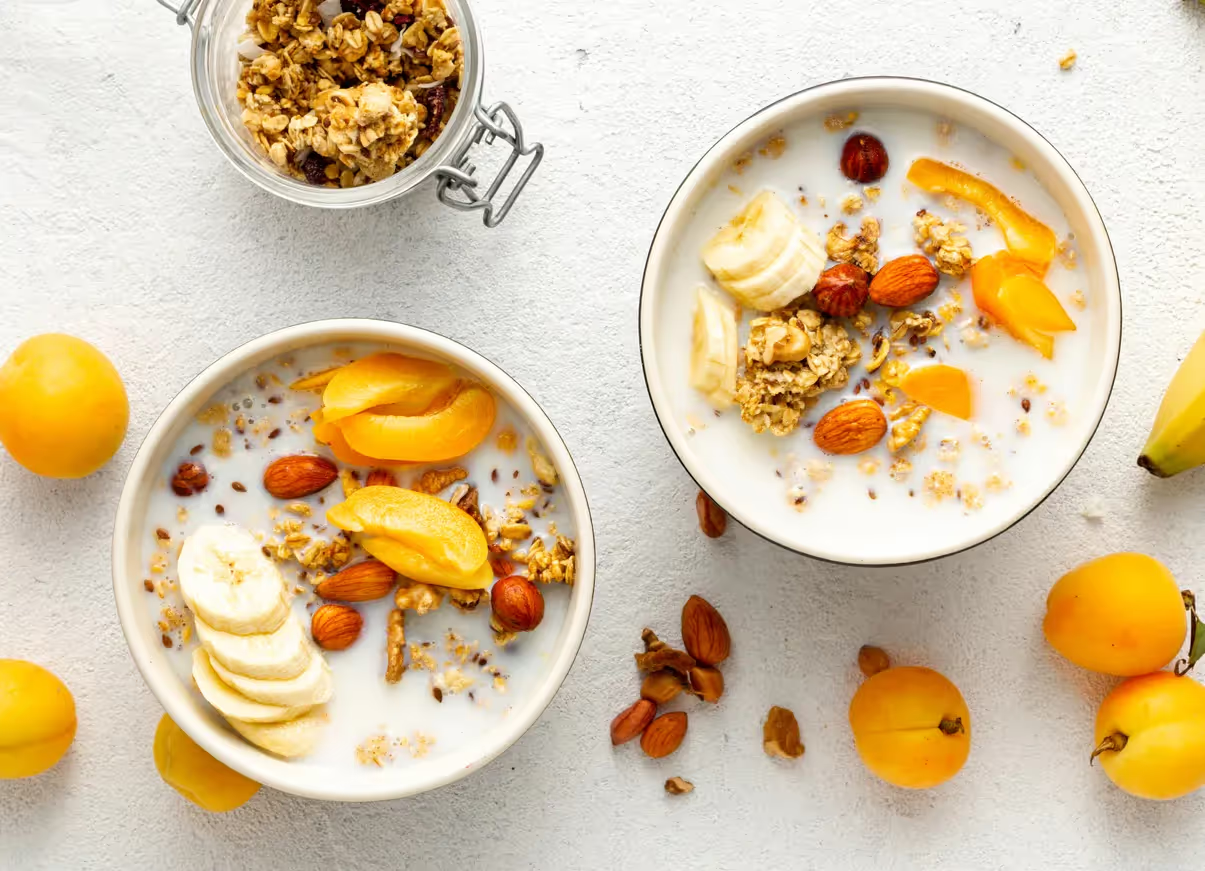
- Breakfast: Smoothie made with pre-cut fruits, yogurt, flax seeds, and peanut butter.
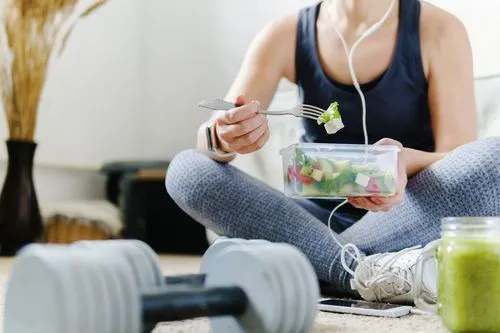
- Snack: Tinned tuna, multigrain crackers, and pre-cut vegetables.
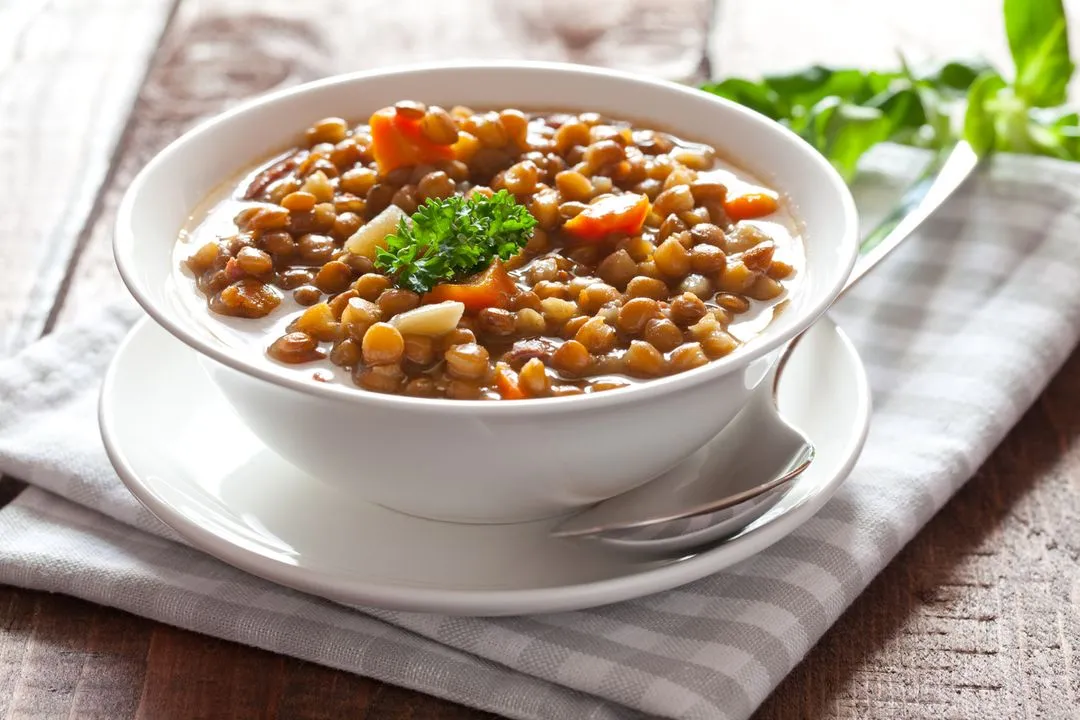
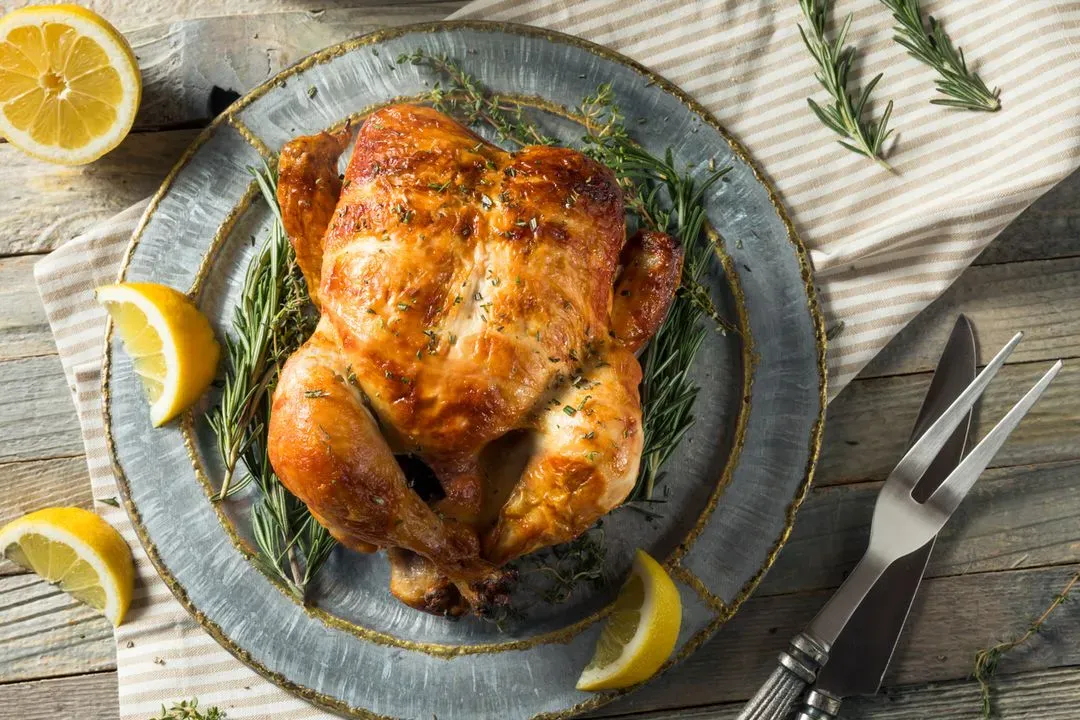
- Lunch: Boxed minestrone soup topped with precooked rotisserie chicken and precooked brown rice.
- Snack: A handful of trail mix with nuts, seeds, and dried fruit.
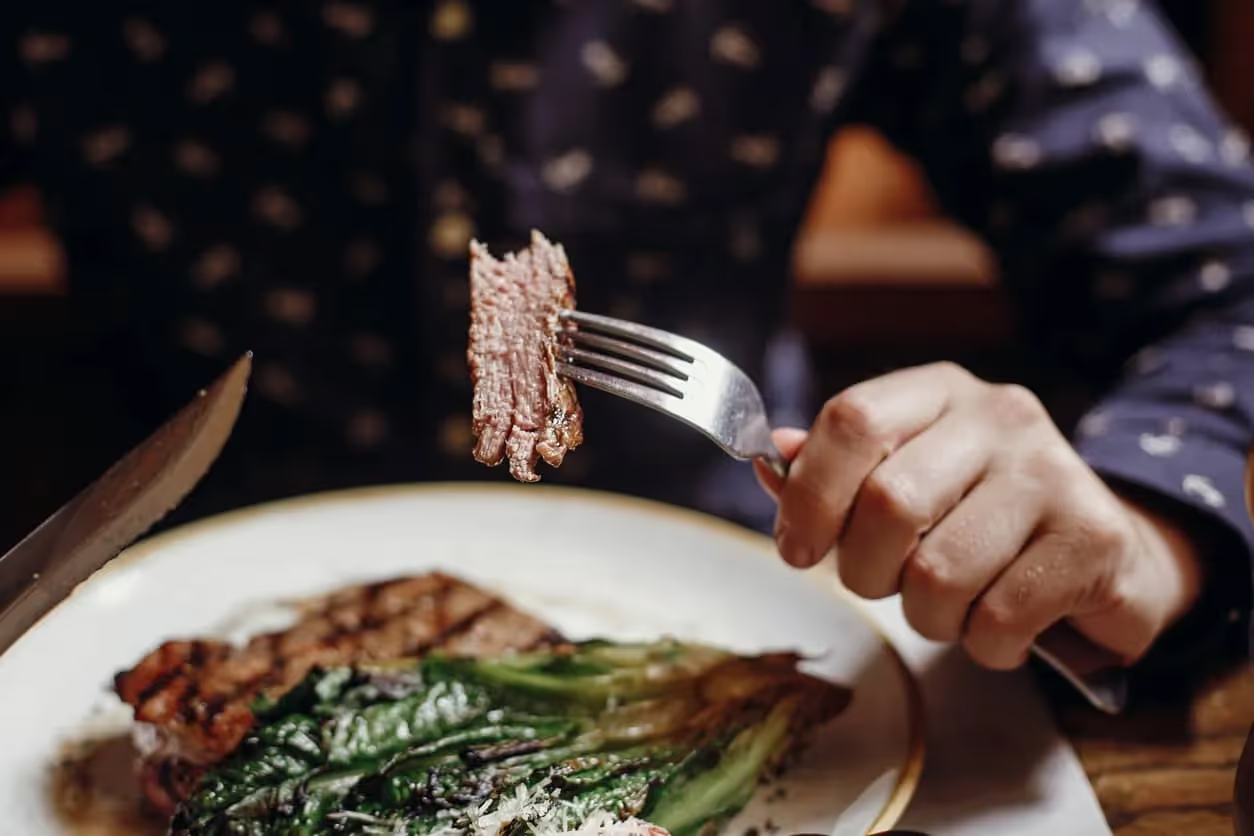
- Dinner: Take-out cheeseburger and side salad.
- Dessert: Berries and dark chocolate.
The Importance of Proper Planning and Preparation
Planning ahead is half the battle when building a healthy no-cook diet.
Without proper preparation, putting a healthy, no-cook meal together with the ingredients that you have on hand can be daunting, and in many cases, difficult.
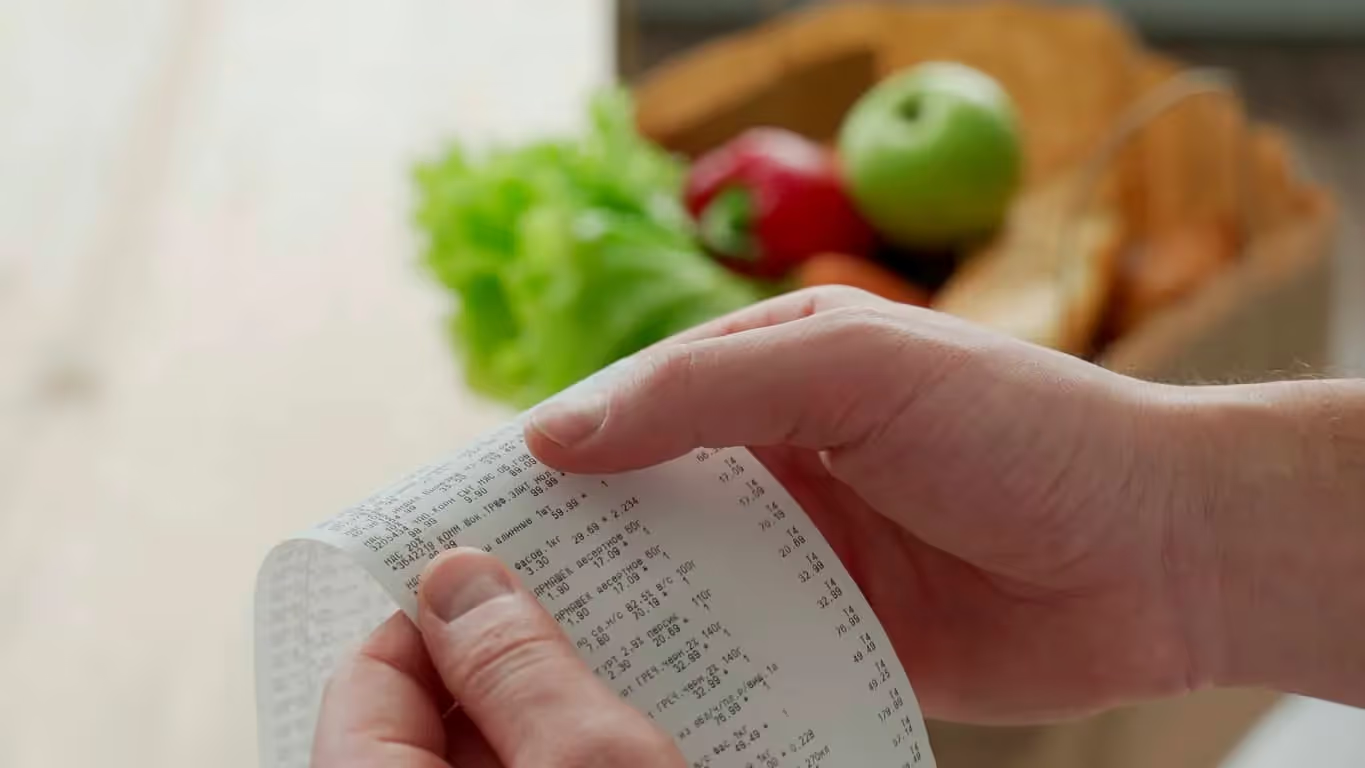
Making a grocery list for the week ahead will help you to have everything you need at home to put healthy meals together quickly and with little or no cooking.
Takeaway
Eating healthfully at home doesn’t mean you have to be an enthusiastic cook.
Taking advantage of prepackaged meals, precooked vegetables, grains, and proteins, and the occasional take-out meal can help you stick to your health goals.
How a Dietitian Can Help
A little preparation and planning can go a long way toward building a healthy and satisfying no-cook diet.
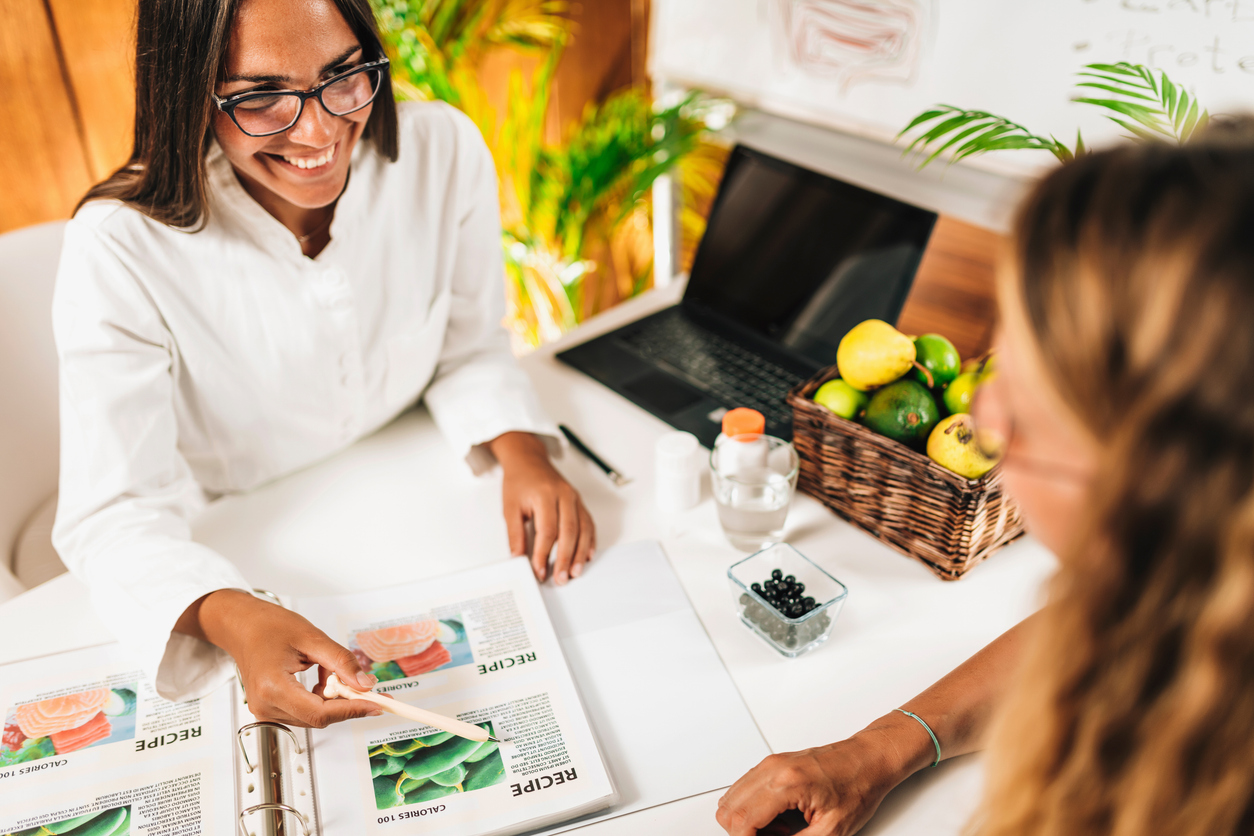
Working with a registered dietitian will help you to craft a realistic meal plan that satisfies your unique tastes and requires little-to-no cooking.
{{splash}}
Frequently Asked Questions
What food can I eat without cooking?
There are many foods you can eat without cooking, including prepackaged meals (like vegetable risotto or chicken tikka masala), precooked vegetables, grains, and proteins, fresh fruits and vegetables, smoothies, and nuts and cheeses.
How do you eat healthily when you have limited financial resources?
Planning your meals ahead of time can help you eat healthily at home for less.
Stocking up on boxed or canned soups, frozen vegetables, and precooked grain will make it easier to eat healthily on a budget.
References
Nourish has strict sourcing policies and prioritizes primary sources, including medical organizations, governmental agencies, academic institutions, and peer-reviewed scientific journals. Learn more about our medical review process and editorial guidelines.







.jpg)












.avif)

.avif)
















.avif)
%20(1).webp)




.avif)