Insulin Resistance Foods To Avoid: What To Eat Instead

Medical Reviewer: Christa Brown, MS, RDN, LD

Author: Julia Zakrzewski, RD
Summary
- Insulin resistance is when your body stops responding to the insulin hormone, a key player in blood sugar control.
- Changing your diet and increasing physical activity can help improve insulin response.
- Choosing whole, high-fiber foods and decreasing your intake of refined starches and high-sugar beverages can benefit blood sugar control and overall health.
Insulin resistance occurs when the body no longer responds appropriately to circulating insulin hormones.
Without functioning insulin, your blood sugar levels can rise, and your risk of developing type 2 diabetes increases.
Changing your diet and lifestyle can promote a healthy insulin response and improve sensitivity.
In this article, you’ll learn which foods can be helpful for insulin resistance.
{{splash}}
Insulin Resistance Foods to Avoid
If you have insulin resistance, you may want to avoid foods most likely to surge into the bloodstream after eating.
The rapid presence of glucose will prompt insulin release, but the resistant cells will not work efficiently, and the blood sugar levels can slowly rise.
Research has found that foods most likely to cause a metabolic response are products that contain high amounts of refined sugars, salt, fat, and low levels of fiber.
Occasionally consuming these foods can fit into a balanced eating plan, but eating them daily has been shown to worsen your health.
A dietitian can help you take a moderate approach to eating that includes all your favorite foods and aligns with your health goals.
Sodas, fruit juices, and premade smoothies
Pre-packaged beverages like soda often contain added sugars. Fruit juices and pre-made smoothies can also be unsuspecting sources of added sugars.
Added sugars have been shown to increase insulin resistance.
Flavored dairy products (animal and plant-based options)
Cow’s milk can be an excellent source of nutrients, such as protein and calcium.
Some packaged milk products, including plant-based options, contain added flavors and sugars.
These ingredients could increase insulin resistance.
Deep-fried baked goods, vegetables, and confectioneries
Fried foods are high in saturated and trans fats, which can negatively affect health.
A high-fat diet consisting of saturated fat has been linked to the development of insulin resistance.
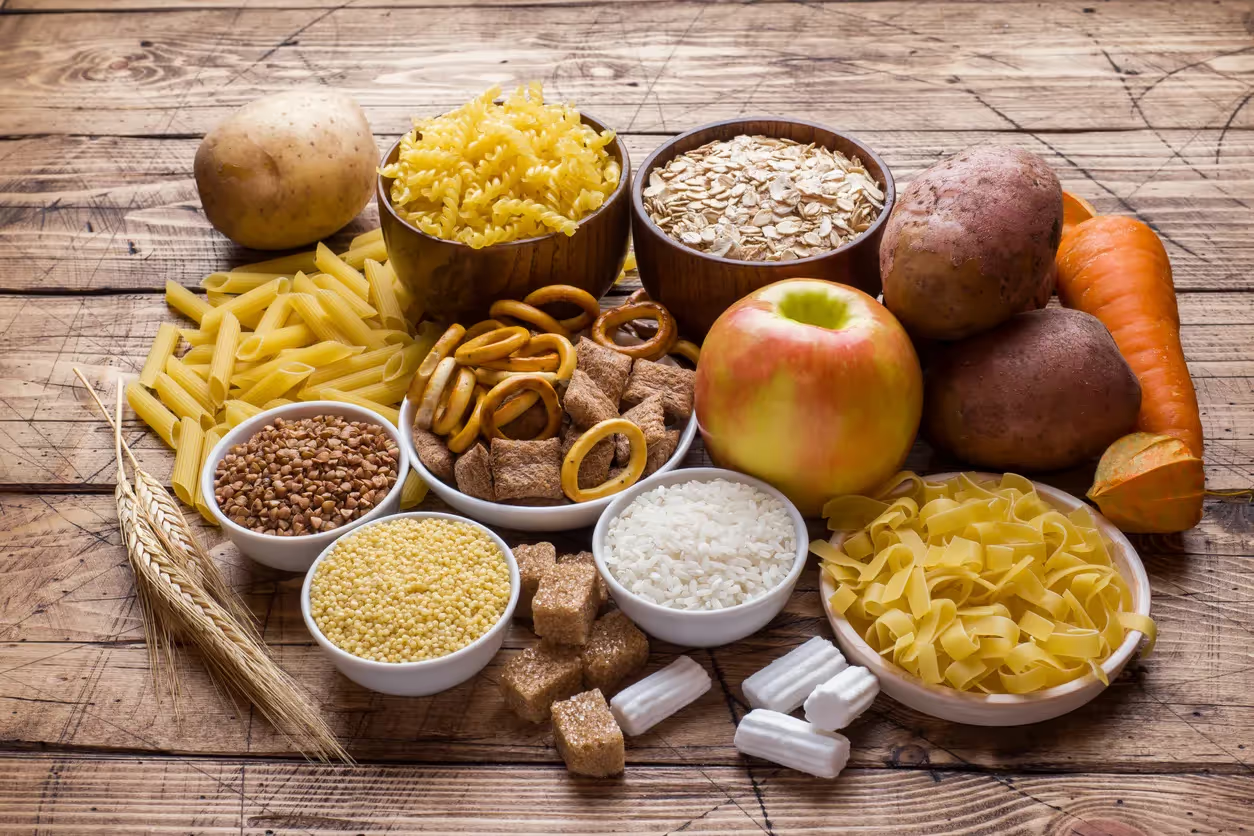
Refined grain products such as white flour bread, bagels, pasta, and instant rice
Refined carbohydrates are usually low in dietary fiber, which reduces insulin resistance.
High intake of refined carbohydrates has been identified as a risk factor for insulin resistance.
Convenient “heat-and-eat” meals include instant soups, frozen dinners, and most drive-through options
Though convenient, pre-packaged foods often contain processed ingredients and may be high in saturated fat, refined carbohydrates, and added sugar.
Researchers have pinpointed ultra-processed foods, including fast food, as contributors to obesity and insulin resistance.
Foods to Eat with Insulin Resistance
Making dietary changes can improve insulin resistance.
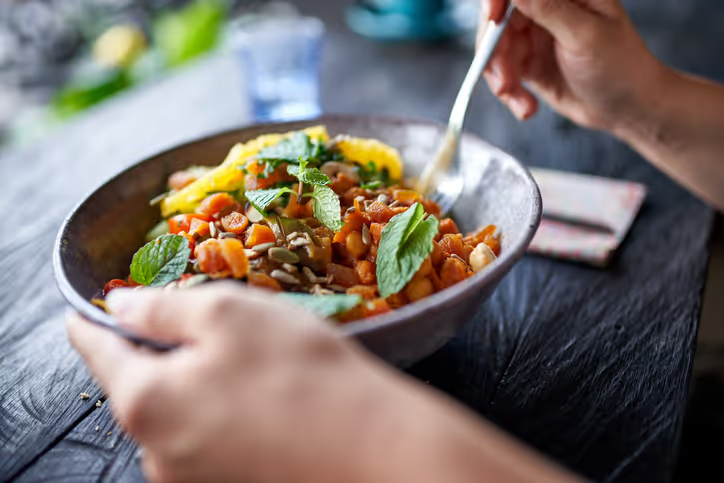
Adding whole, unprocessed foods to your meals can help increase your fiber intake, which is helpful for better blood sugar control and insulin response.
Some research suggests that following a low-carbohydrate diet can improve insulin resistance and other metabolic markers.
If you are interested in this, ask your registered dietitian for guidance.
They can teach you how to safely decrease your carbohydrate intake without over-restricting.
Following a Mediterranean diet may also be beneficial, research shows.
Learn more about how to follow an insulin resistance diet, or sign up with Nourish to gain access to a virtual dietitian who specializes in insulin resistance.
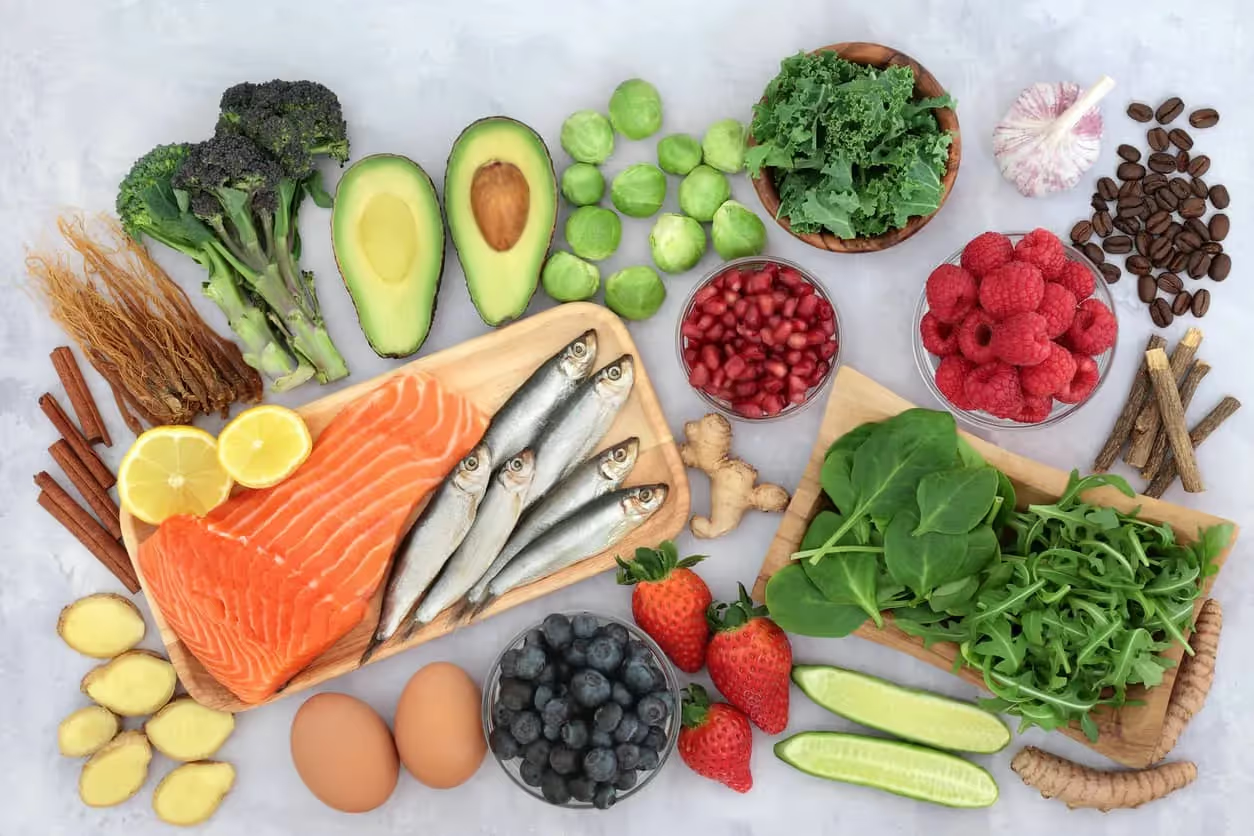
Here are some specific foods to include more in your diet.
Whole grains
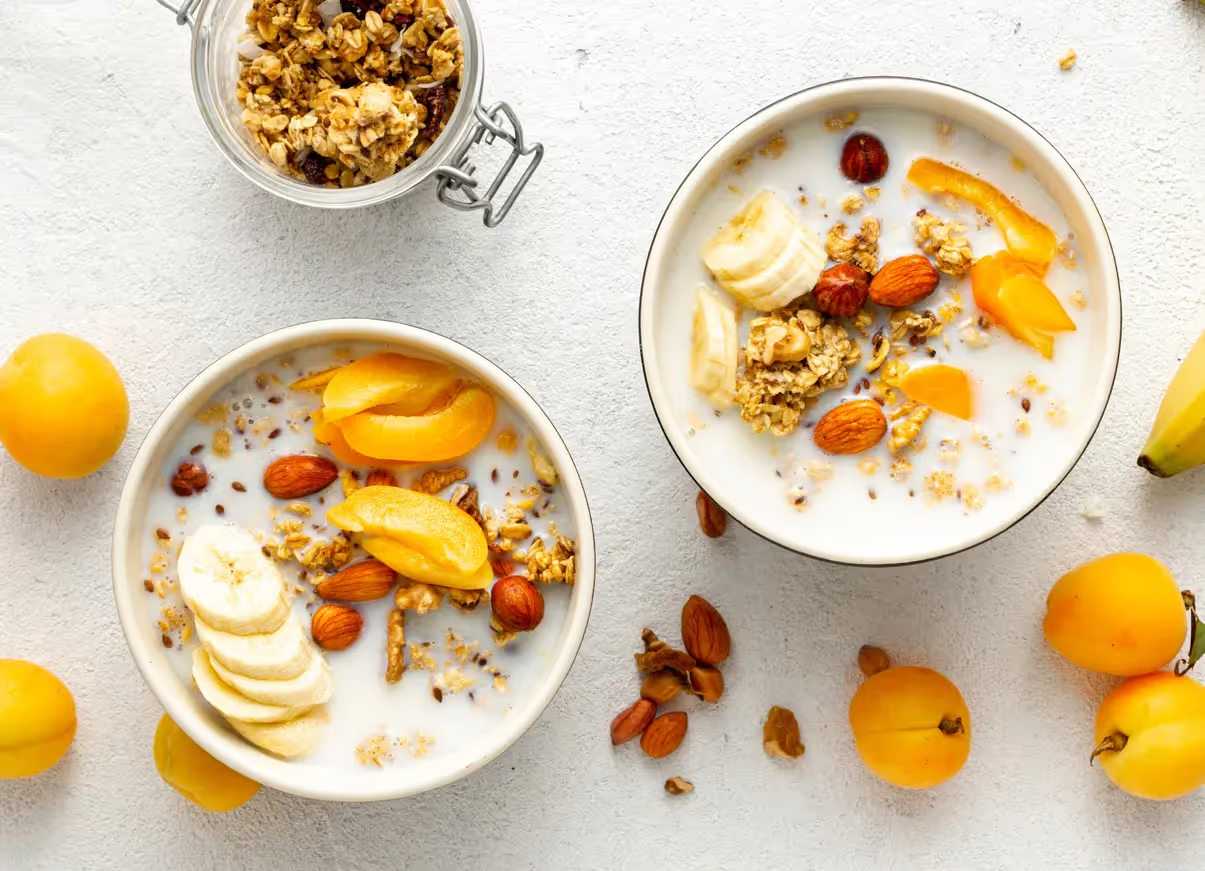
Opt for whole grain bread, pasta, cereals, and crackers. Ancient grains are whole grains and can add variety to your diet.
Try quinoa, millet, farro, teff, and oats.
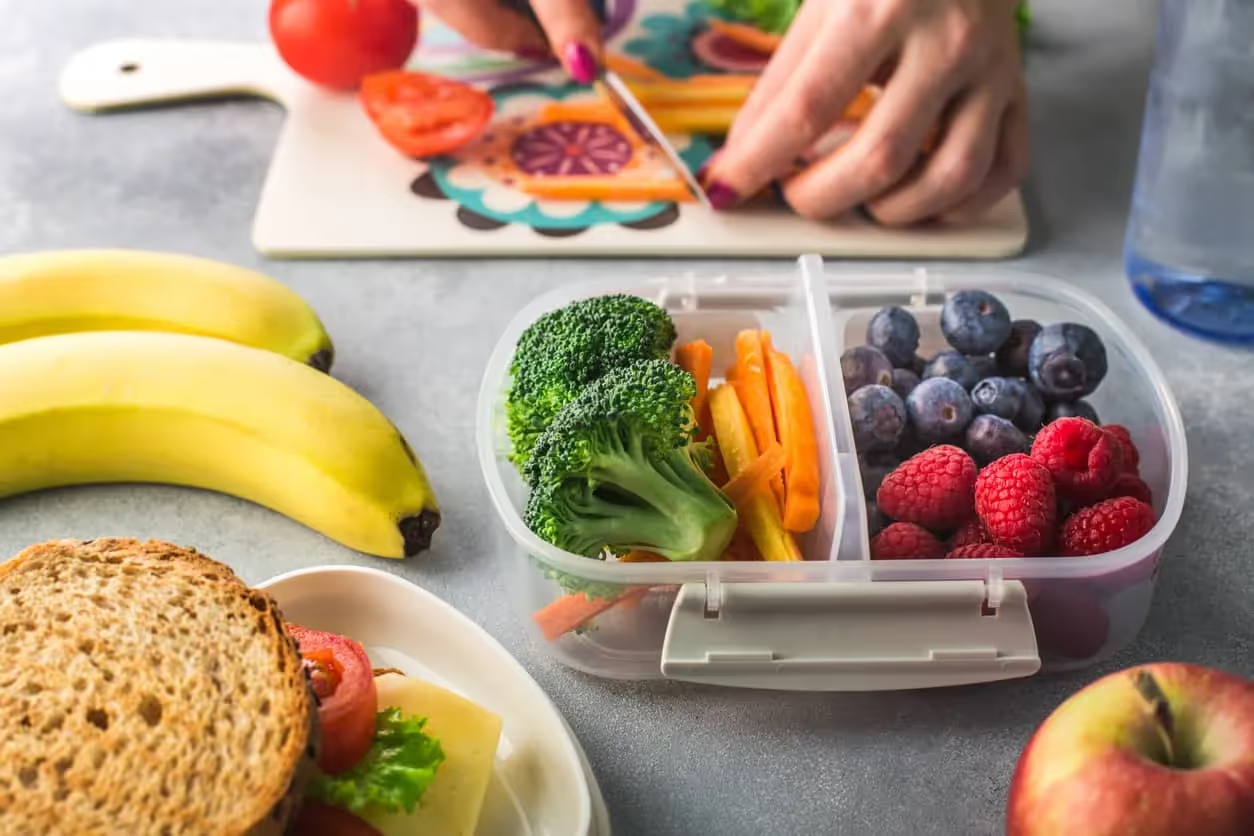
Fresh fruits and vegetables
Choose fresh fruits as often as possible, such as Berries, cherries, apples, peaches, oranges, kiwi, etc.
Frozen and canned options are acceptable too, but check the label to ensure no added sugars are present.
Regularly consume various vegetables, including starchy options.
Aim for a variety of vegetables, including carrots, cucumber, sweet potato, all squash varieties, corn, peas, etc.
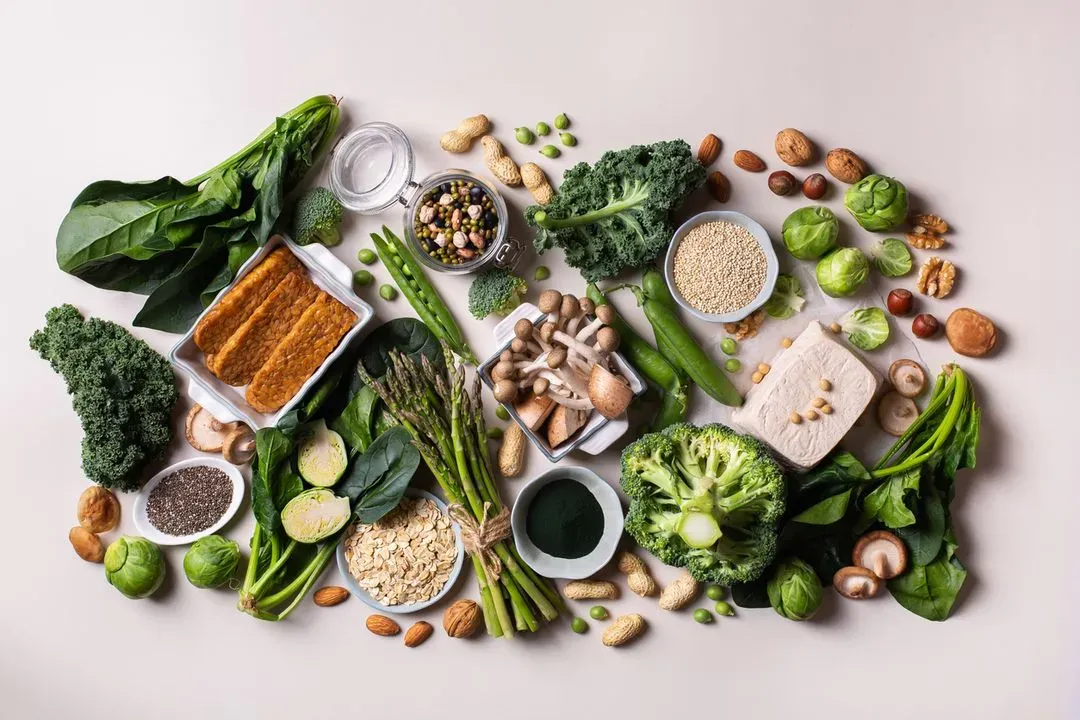
Lean protein sources
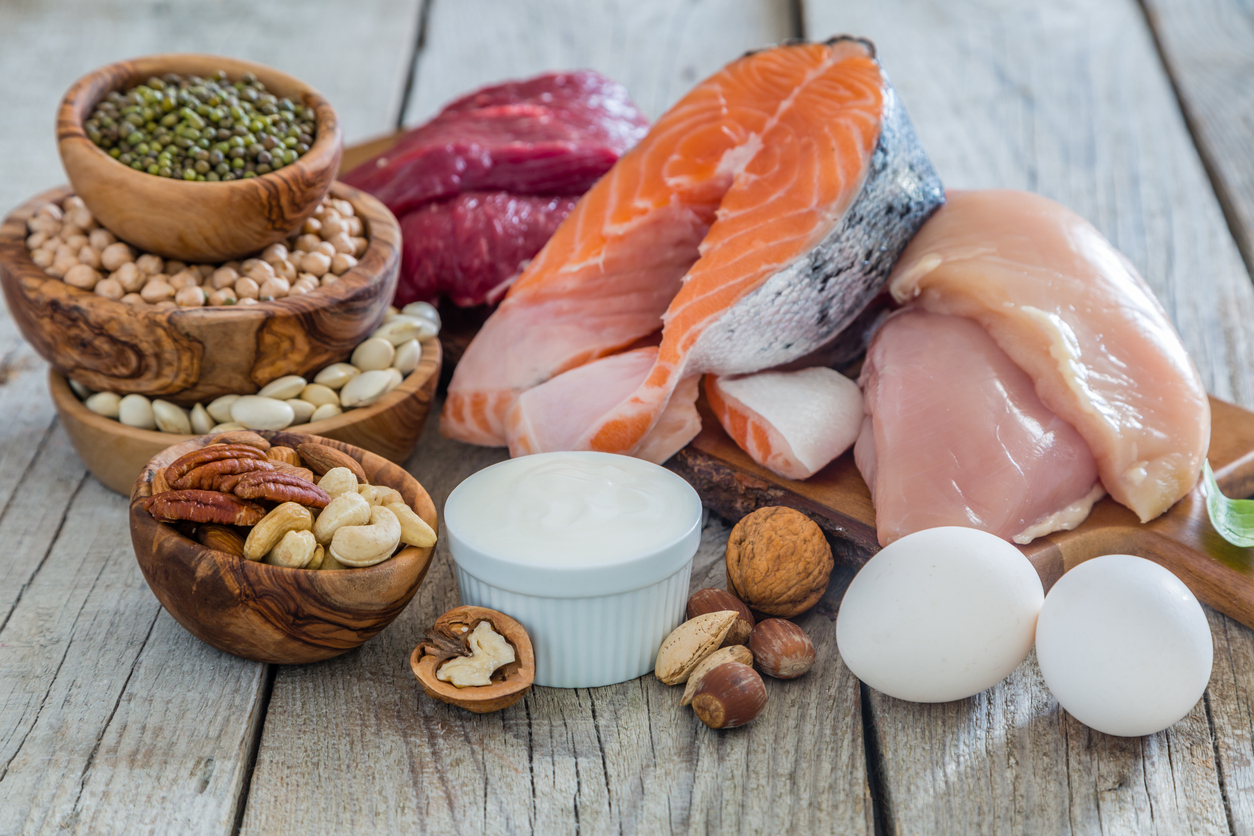
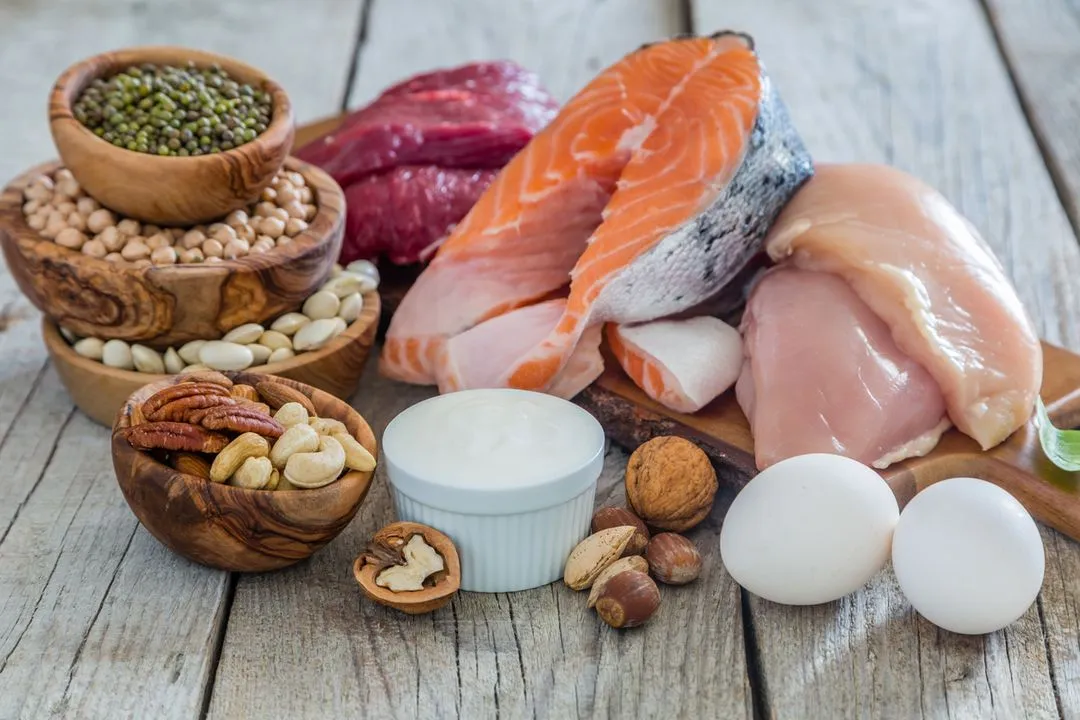
Eat lean protein from animal or plant-based sources.
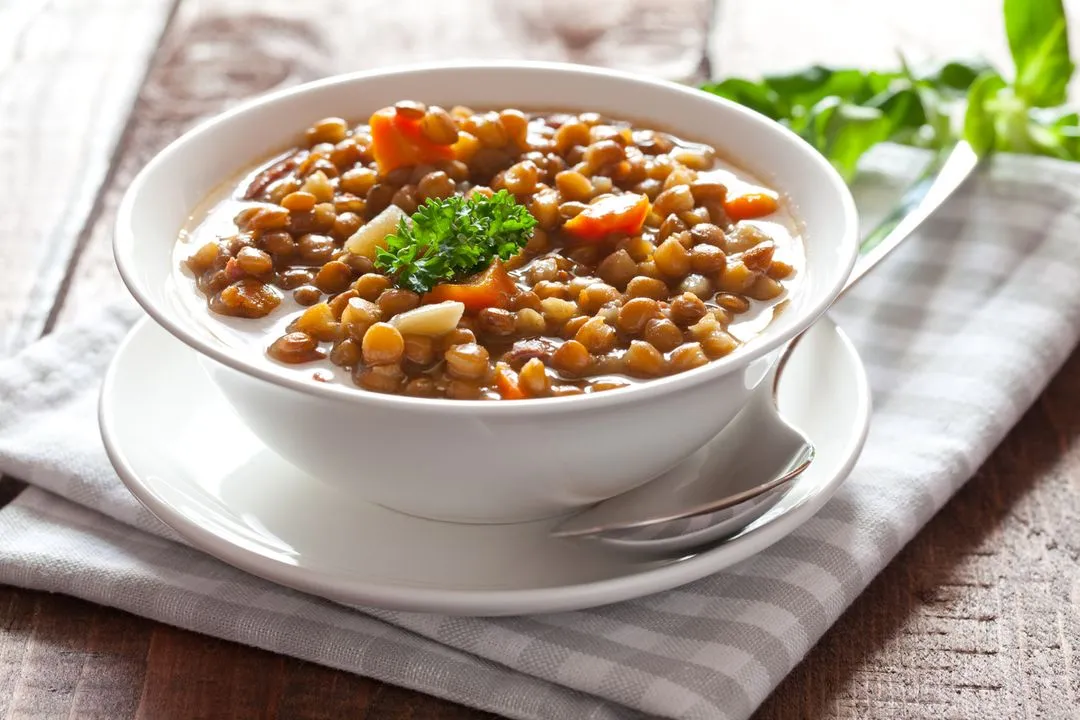
This includes foods like chicken breast, extra lean ground beef, fish, legumes, tofu, eggs, etc.
Healthy fats
Pick healthy fats rich in unsaturated fats, which have the added benefit of offering heart-protecting benefits.
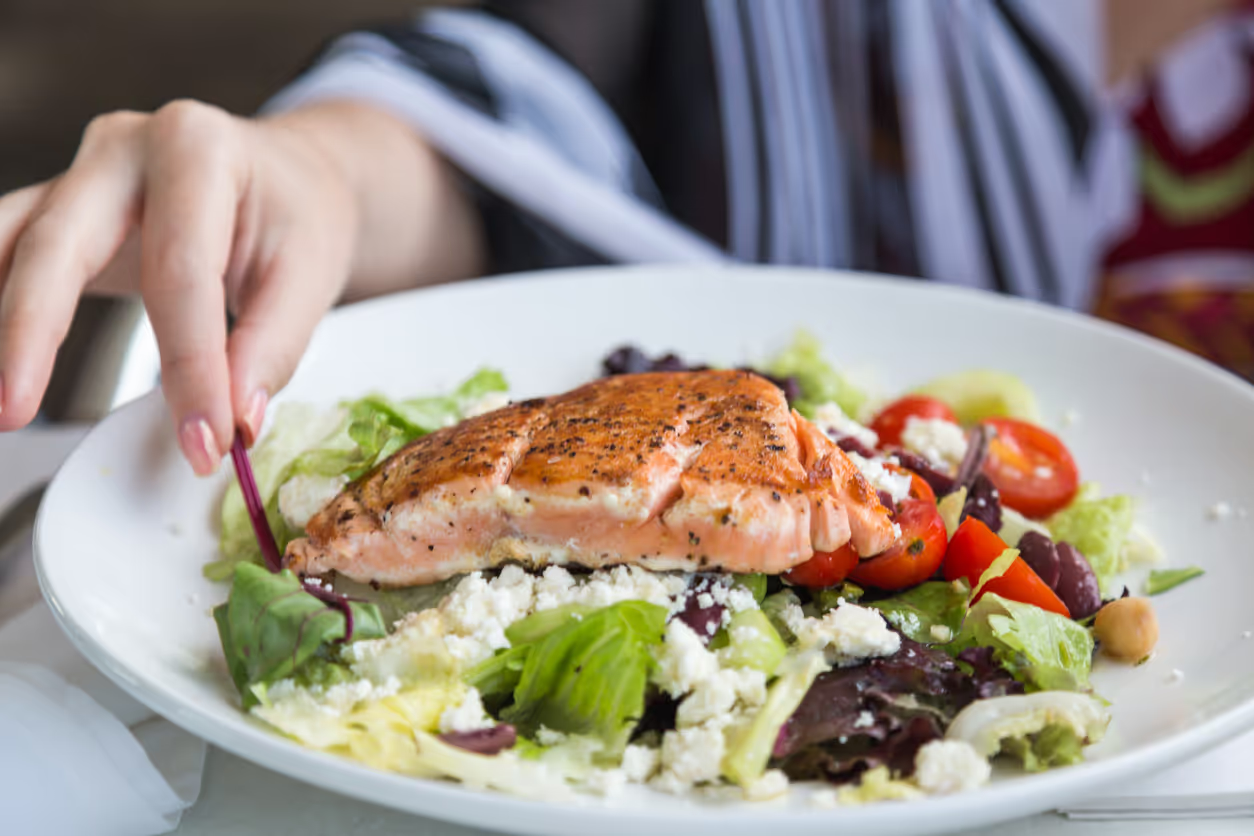
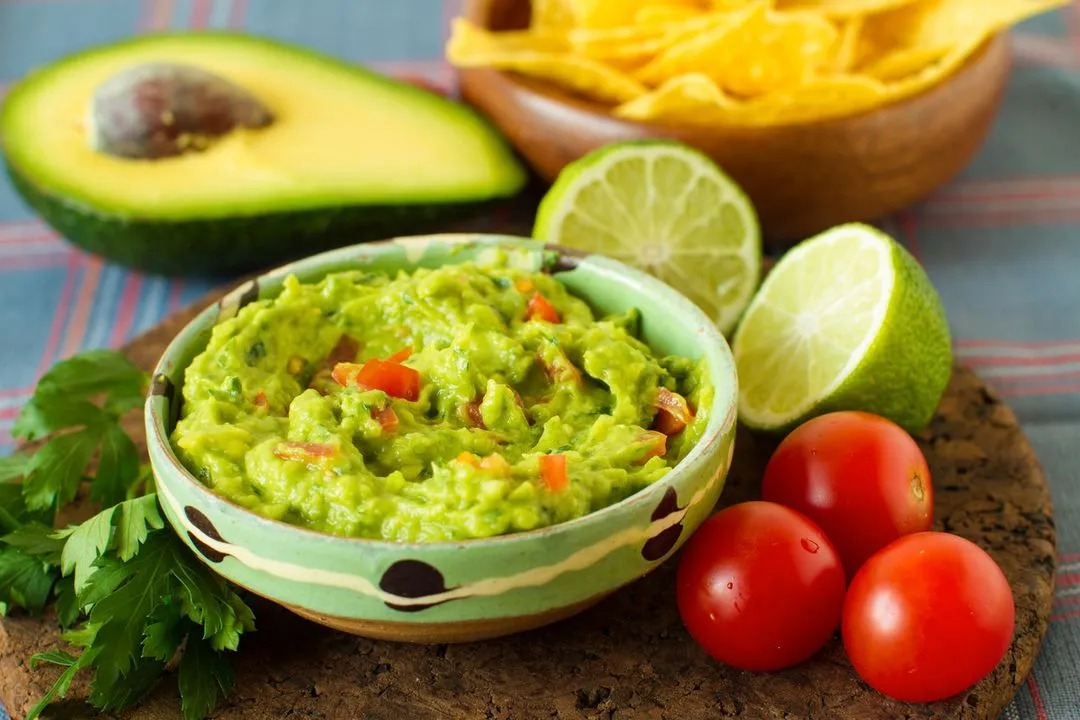
Healthy fats include avocado, omega-3-rich fish (salmon, trout, mackerel), nuts and seeds, olive oil, canola oil, etc.
Dairy products
Enjoy dairy products that offer protein and essential vitamins, including calcium.
Choose a medium to low-fat option most days to optimize your health.
Yogurt, kefir, milk, and cottage cheese are all excellent choices.
Plant-based options (almond milk, rice milk, etc.) tend to be lower in protein but are still fortified with vitamins and minerals.
What is Insulin Resistance?
Research has discovered that insulin is produced by your pancreas.
This hormone is secreted into your bloodstream when your body detects glucose molecules (simple sugars from carbohydrates) after eating. Insulin’s primary role is to clear glucose from your bloodstream by promoting sugar uptake into muscle tissues, which rely on sugar for fuel.
Insulin resistance is when the cells of your body are not sensitive enough to insulin and do not respond well to it, even when your pancreas secretes it.
Common Symptoms of Insulin Resistance
There aren’t many physical symptoms of insulin resistance because the changes happen at a cellular level.
The physical symptoms that do exist don’t occur in everyone.
They can include changes in the skin, such as skin tags, and changes in the eyes, notes the National Institute of Diabetes and Digestive and Kidney Diseases.
Since there aren't many symptoms to look for, insulin resistance can be difficult to diagnose.
Rather than pinpoint specific symptoms, your healthcare provider will order blood tests and test for signs of prediabetes.
What Causes Insulin Resistance?
Insulin can become resistant for several reasons, such as:
- Weight gain. Obesity is a risk factor for type 2 diabetes because it causes insulin resistance, research suggests. Researchers believe that an increase in visceral fat, which is located on the stomach and wraps around organs, is a major contributor to insulin resistance.
- Limited physical activity. Insulin resistance has been linked to physical inactivity, research shows. Insulin resistance may be improved with exercise.
- Genetic predispositions. Risk also increases if you have a genetic predisposition to blood sugar conditions, such as diabetes or kidney disease, in the family.
It is challenging to diagnose insulin resistance, but having regular medical appointments and completing bloodwork is an excellent way to monitor your health and take action if your numbers start to rise.
Importance of Exercise with Insulin Resistance
A lack of regular physical activity has been linked to an increased risk of developing insulin resistance.
Finding enjoyable ways to move your body can help improve insulin sensitivity and offer many other benefits to your physical and mental health.
The next time you finish a meal, plan a walk with a friend or relative.
Or, if you prefer organized activities, consider signing up for a weekly dance or yoga class.
{{splash}}
Foods That Could Help Lower Blood Glucose Levels
Carbohydrates are broken down into glucose molecules and are your body and brain’s preferred energy source.
Choosing carbohydrates that are digested slowly can contribute to better blood glucose control because it minimizes the chances of a blood sugar spike.
Dietary fiber helps to slow down the breakdown of carbohydrates and moderate the uptake of sugars into the bloodstream.
High-fiber carbohydrate foods that help with blood glucose levels include fresh fruits, starchy vegetables, whole grains, and legumes.
These options can safely be included in a balanced diet to help improve insulin resistance.
Tips for Changing Your Diet with Insulin Resistance
There’s no specific diet for improving insulin resistance, but some adjustments can help.
Consistently following a balanced meal plan can help you improve your insulin resistance over time.
It can be overwhelming to overhaul your entire eating pattern, so consider making healthier swaps one at a time.
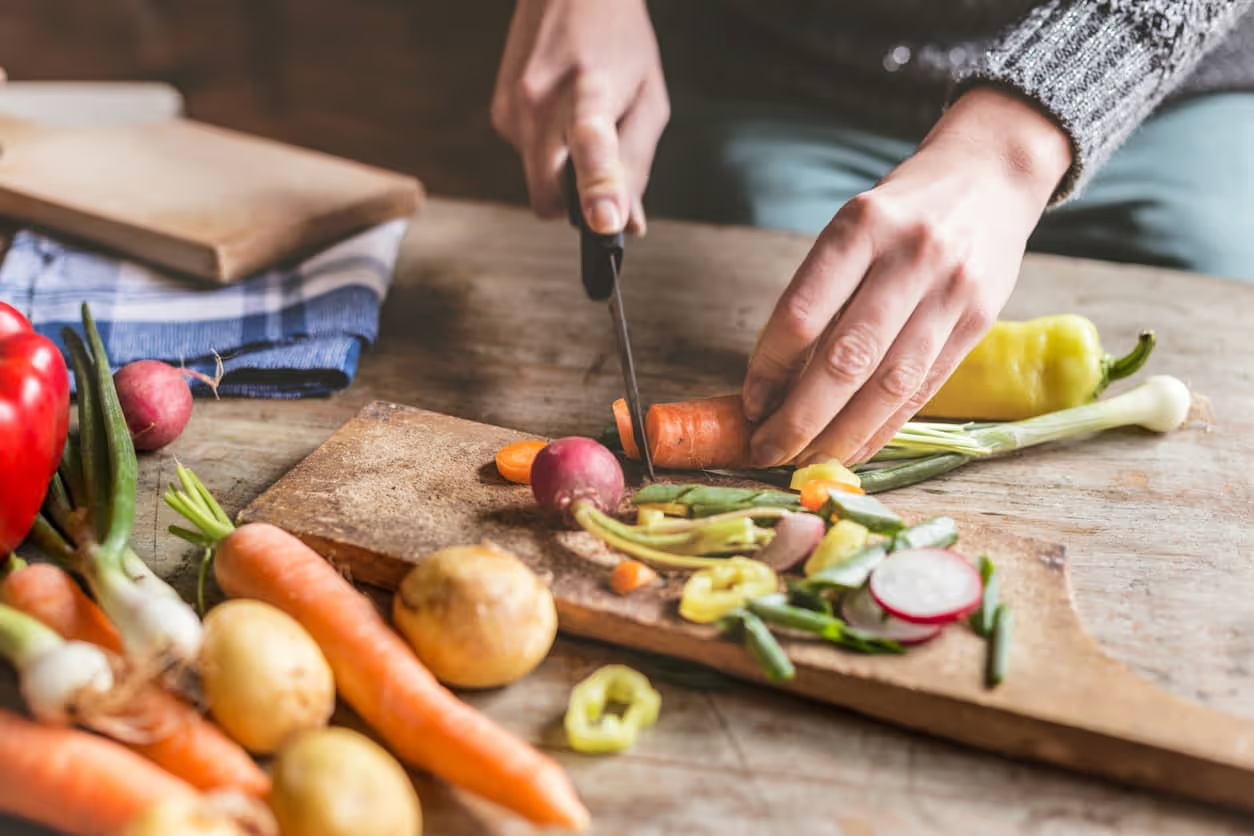
If most of your meals consist of pre-packaged or fast food, you should try to prepare your food at home for some of those meals.
This allows you to have more control over what’s in your meals, so you can prioritize unprocessed foods over those high in saturated fat, refined carbohydrates, and added sugars.
It can help to have a plan in place. Make a grocery list of your favorite wholesome foods and keep it handy so grocery shopping is less intimidating.
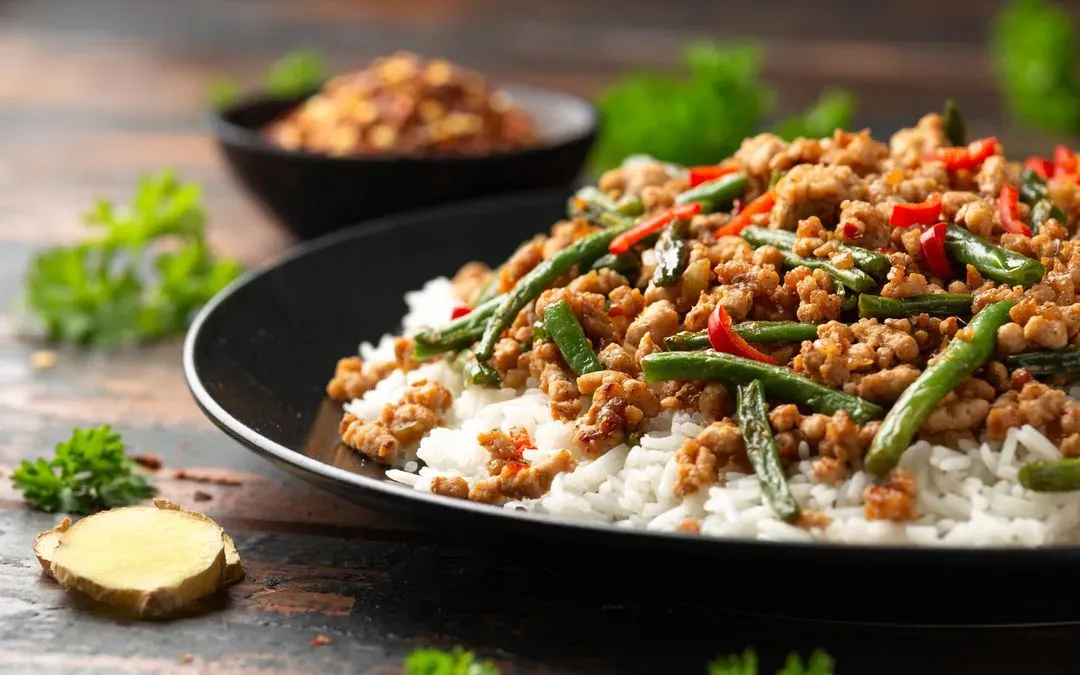
Use these foods to plan nutrient-dense meals, such as lean chicken breast served with roasted vegetables.
Changing your go-to meals doesn’t mean you have to eat bland food.
Try to recreate foods you love at home.
If you normally have frozen burritos for lunch, try making your own with whole-wheat tortillas, beans, lean ground turkey, lettuce, and salsa.
Tips for Eating Out With Insulin Resistance
Eating away from home can be a nice treat, and learning to pick options that support healthy insulin levels can help you enjoy your selections without worrying about how they will impact your health.
Many restaurants offer large portions, which may exceed what you normally eat at home, research suggests.
The USDA MyPlate model is a fantastic tool because it doesn’t eliminate foods—it teaches you how to include them in moderation.
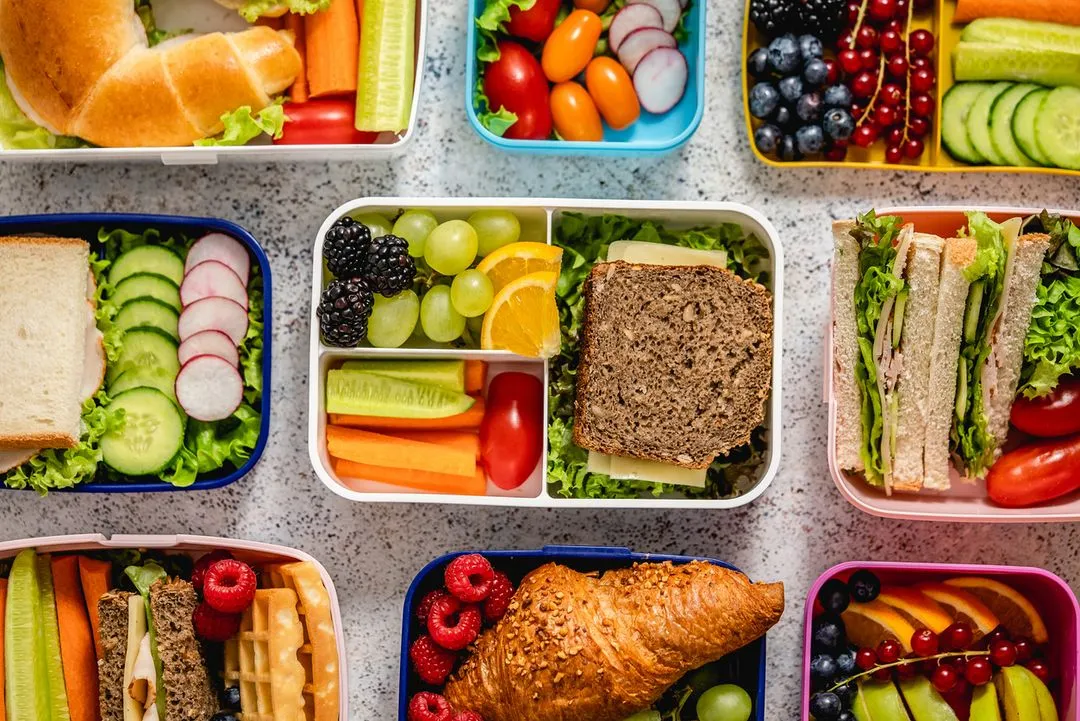
To follow the tool, fill half your plate with vegetables (cooked or raw), a quarter of your plate with whole grains or starchy carbohydrates, and the final quarter is reserved for a lean protein (animal or plant-based).
Particular attention should be paid to the carbohydrate portion of the plate, which can be a very generous serving in a restaurant.
You may ask the server to give you half the regular portion of carbohydrates and double up on the vegetables instead.
{{splash}}
Takeaway
Insulin resistance trends are rising in America, and a significant contributor to this increase is poor diet and a lack of physical activity.
Fortunately, you can make simple changes to your lifestyle that will support healthy insulin levels.
Choose high-fiber carbohydrate foods whenever possible to help improve blood glucose control.
Strive to build a balanced meal by following the MyPlate model at home and while dining out.
If you aren’t sure you are making the right nutritional choices, consider booking an appointment with a registered dietitian.
How Nourish Can Help
A registered dietitian is trained to communicate evidence-based nutrition research into actionable steps that fit your lifestyle.
Here are some questions a person might ask during a nutrition appointment with a dietitian:
- What is insulin, and what does it do?
- Can I still eat carbohydrates if I’m trying to improve my insulin function?
- What proactive steps can I take to decrease developing diabetes?
- What are recommended exercises, and how often?
- How do I know if my insulin resistance is improving?
Working with a registered dietitian and completing individual counseling can help address these questions and more.
Find a dietitian who accepts insurance through Nourish.
Frequently Asked Questions
What are the worst foods for insulin resistance?
If you are concerned about your insulin, you may want to reduce your intake of foods that are high in salt, fat, and refined sugars and offer little fiber. The sugar molecules rapidly enter the bloodstream, making managing your blood sugar levels and insulin response very difficult.
What are good foods for insulin resistance?
Choose whole, minimally processed foods whenever possible because these items are fiber-rich. These foods include whole grains (bread, brown rice, quinoa, etc.), fruits, legumes, nuts, and seeds.
How can I lose weight fast with insulin resistance?
Rapid weight loss is not recommended, and gradual changes should be considered instead. Eating a balanced diet rich in whole foods can help set you up for sustainable weight loss.
Other changes that may help include decreasing your intake of refined sugars and foods that are high in salt and fat. These items tend to be high in unnecessary calories and increasing your physical activity. Working with a registered dietitian can help you safely achieve your weight loss goals.
References
View all references
Nourish has strict sourcing policies and prioritizes primary sources, including medical organizations, governmental agencies, academic institutions, and peer-reviewed scientific journals. Learn more about our medical review process and editorial guidelines.











.jpg)





















.avif)

.avif)























.avif)

%20(1).webp)







.avif)
.avif)