Is Broccoli Good for Weight Loss?

Medical Reviewer: Ellie Stamerjohn, MS, RDN, LD

Author: Jennifer Huddy, MS, RD, LD
Summary
- Broccoli is low in calories and high in fiber and water, which can help you feel full longer.
- Cruciferous vegetables, including broccoli, are rich in antioxidants, phytochemicals, and micronutrients, which have been linked with reduced inflammation and cancer risk, lower LDL cholesterol levels, and improved gut health.
- Adding too much broccoli to your diet may cause digestive upset, including bloating and gas. It’s best to slowly increase your intake of broccoli and other vegetables to help your body get used to more fiber.
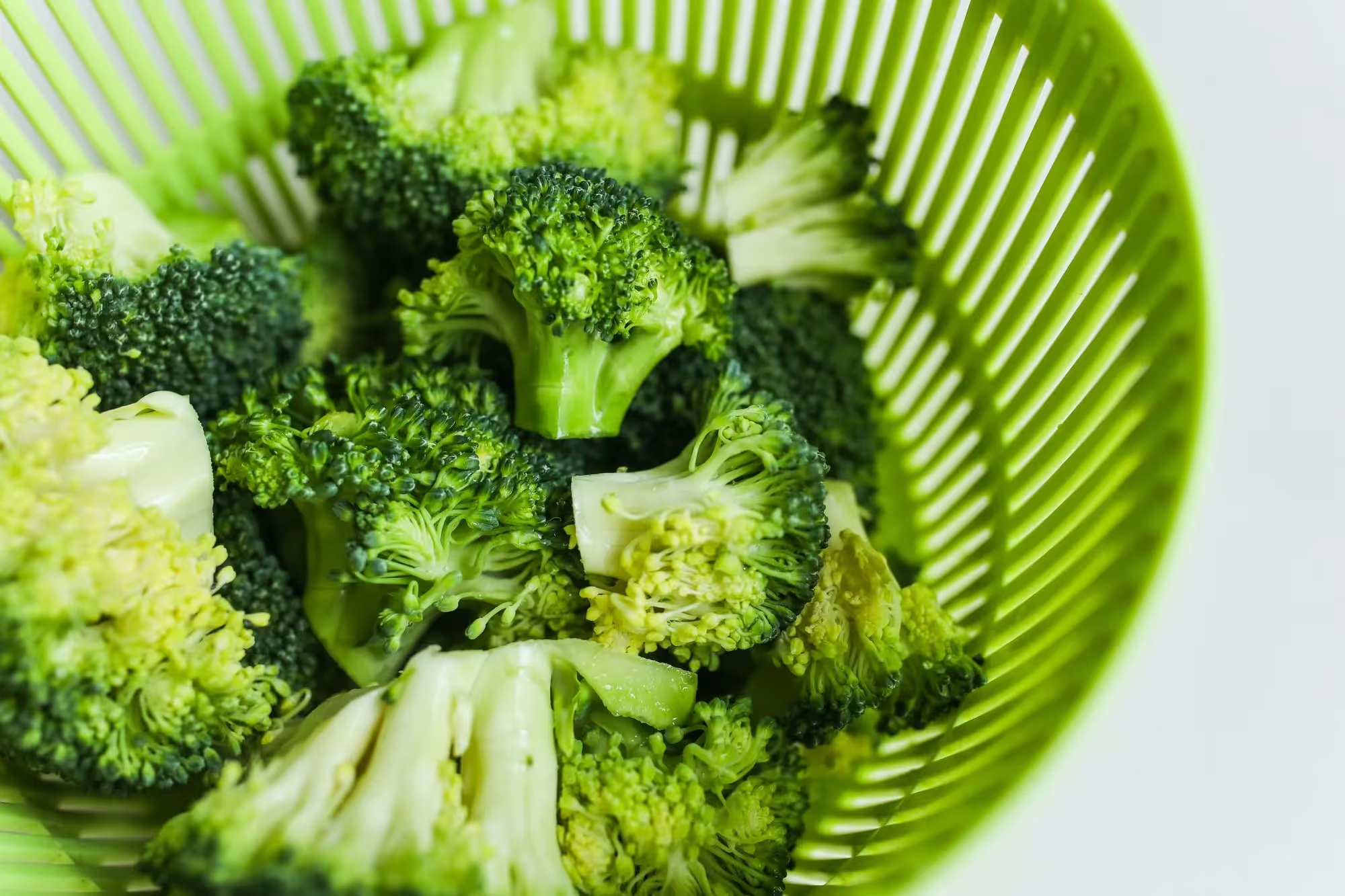
Broccoli is one of the most popular members of the cruciferous vegetable family, which also includes cauliflower, cabbage, kale, and brussels sprouts. These vegetables are known to be rich in phytochemicals (beneficial plant compounds) and are often recommended for weight management due to their low-calorie and high-fiber nature.
Continue reading to understand the benefits of broccoli for weight loss, other health effects, and tips for incorporating more broccoli into your diet.
{{splash}}
Is Broccoli Good For Weight Loss?
Broccoli, like other non-starchy vegetables, is beneficial for weight management due to being low in calories and rich in fiber. The fiber and water content of broccoli may help you stay full longer due to slowed digestion, and adding broccoli to your diet may help crowd out higher-calorie and ultra-processed foods.
Broccoli may also benefit weight management at the metabolic level. Fiber-rich plant-based foods like broccoli have a high TEF, or thermic effect of food, meaning it can result in an increased metabolic rate after eating.
Further, obesity is associated with chronic inflammation in the body, and the antioxidants present in cruciferous vegetables may help target this inflammation.
Mixed evidence shows that intake of these vegetables may improve insulin sensitivity and decrease appetite levels, which are important factors for weight management. Though more human research is needed, the plant compounds present in broccoli and other cruciferous vegetables might also play a role in slowing the growth of fat cells.
Potential Benefits
In addition to weight management, broccoli is linked with many other possible health benefits.
May Prevent Cancer
Cruciferous vegetables, including broccoli, have most notably been linked with a reduced risk of certain types of cancer. In addition to their role in cancer prevention, the various phytochemicals found in these vegetables may help slow tumor growth, reduce inflammation, and destroy cancer cells.
May Improve Cholesterol
Broccoli may also help decrease the risk of heart disease by lowering LDL “bad” cholesterol levels. A 2015 study found significant improvements in LDL cholesterol after the subjects added 400 grams (a little over four cups) of broccoli to their weekly diet over 12 weeks.
May Benefit Gut Health
The plant compounds found in broccoli may improve the balance of healthy bacteria in your digestive tract. Studies have linked a diet rich in broccoli with improved digestive health due to increased levels of health-promoting gut bacteria.
Nutrient-Dense
In addition to phytochemicals and other beneficial plant compounds, broccoli is also rich in micronutrients like vitamins C, K, and A. Vitamin K is essential for bone health and blood clotting function, while vitamin C supports a healthy immune system. Consuming adequate vitamin A helps benefit vision and eye health.
Potential Drawbacks
Incorporating broccoli into your diet is generally safe, though some populations may need to be mindful of how much they consume.
May Cause Digestive Symptoms
The primary drawback many people experience when increasing their intake of broccoli or other cruciferous vegetables is digestive symptoms, such as bloating and gas. These effects occur because the gut bacteria in your large intestine digest the carbohydrates found in these vegetables, which can draw water into the intestine and create gas.
In addition, increasing the fiber content of your diet too fast or too much can cause similar symptoms. It’s best to slowly increase fiber intake while maintaining adequate hydration to minimize this.
Certain people, like those with irritable bowel syndrome, may need to decrease the amount of broccoli they eat in order to reduce digestive upset. If you have chronic gastrointestinal symptoms, talk to your doctor.
May Impact the Effectiveness of Blood Thinners
Since broccoli is rich in vitamin K, a nutrient that assists with blood clotting, people on blood thinners may need to limit their intake of broccoli and other green vegetables.
Nutritional Value of Broccoli
Broccoli is a high-fiber, low-calorie, nutrient-dense green vegetable. Though it has a small amount of carbohydrates, it’s considered a non-starchy vegetable.
One cup of raw, chopped broccoli contains:
- 30 calories.
- 2.5 grams of protein.
- Less than 0.5 grams of fat.
- 6 grams of carbohydrates.
- 2.4 grams of fiber.
Broccoli is made up of almost 90% water, making it an excellent hydrating vegetable. Broccoli is also rich in micronutrients and antioxidants, such as:
- Iron.
- Calcium.
- Potassium.
- Vitamin C.
- Vitamin K.
- Folate.
- Vitamin A (as beta carotene).
- Lutein.
- Zeaxanthin.
How Much Broccoli is in a Serving?
You can meet one serving of vegetables by eating one cup of cooked or raw broccoli. Experts recommend adults consume at least two to four cups of vegetables daily depending on factors like sex, height, and weight.
For realistic tips on how to meet your daily vegetable needs, talk with an online registered dietitian through Nourish.
Ways to Incorporate Broccoli Into Meals
If you’re looking for how to add more broccoli to your diet, there are plenty of unique and interesting recipes to make this green vegetable a new favorite.
- Roasted broccoli finished with fresh lemon juice.
- Steamed broccoli on a baked potato.
- Broccoli stir fry.
- Raw broccoli with hummus.
- Blanched broccoli salad.
- Riced broccoli.
Interestingly, the cooking method of broccoli has an impact on its nutrient density. Research has identified raw broccoli to have more easily digestible forms of phytochemicals than cooked broccoli.
Blanching broccoli, the process of boiling for a short time and then submerging in ice water to slow the cooking rate, has been shown to preserve beneficial plant compounds.
Since most people prefer to eat cooked broccoli, it’s helpful to know that boiling or microwaving broccoli in water results in the most significant loss of nutrients, with steaming being the preferred cooking method.
Other Vegetables for Weight Loss
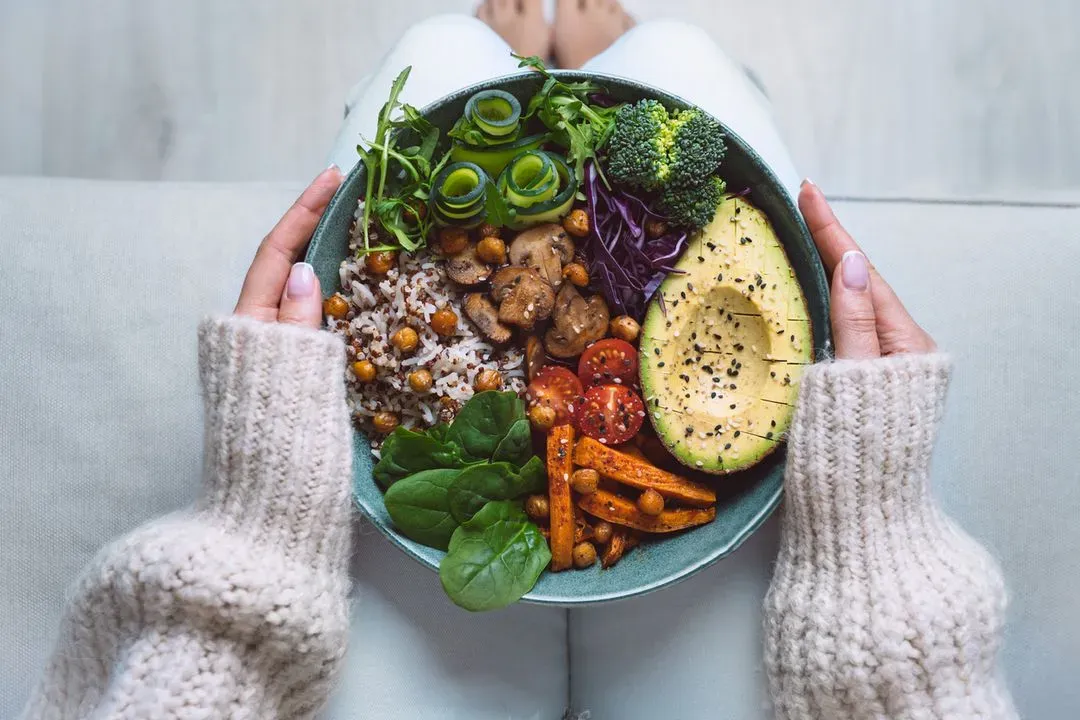
Experts recommend filling half of your plate with non-starchy vegetables for weight management. These veggies are low in calories and high in fiber, and increasing your intake can help replace some of the more dense foods on your plate.
There are five subgroups of vegetables that experts recommend including in your diet since different colored produce has unique nutrients.
- Green vegetables, like kale, spinach, and broccoli.
- Orange and red vegetables, like bell peppers and carrots.
- Other vegetables, like cauliflower, summer squash, and mushrooms.
- Starchy vegetables, like potatoes, peas, and corn.
- Legumes, like black beans, garbanzo beans, brown lentils, and green peas.
Keep in mind that the “starchy vegetable” and “legume” categories often count toward the carbohydrate portion on your plate in weight management plans. Talk to your registered dietitian for personalized recommendations.
Having trouble losing weight? Take the weight loss quiz to understand your next steps and reach your goals.
Takeaway
Broccoli is highly nutrient-dense and can benefit weight management because of its fiber content and low calorie density compared to other foods. Cruciferous vegetables, like broccoli, may also reduce your cancer risk, lower cholesterol levels, and improve gut health.
Most adults need at least two to four cups of vegetables per day. It’s best to slowly increase your intake of broccoli and other veggies to help minimize digestive symptoms from the fiber.
{{splash}}
How a Dietitian Can Help
A registered dietitian can assist you on your weight management journey by helping you increase your intake of minimally processed, nutrient-dense foods and teaching you strategies for listening to your natural hunger and fullness cues.
Nourish dietitians follow a non-diet approach that focuses on building healthy habits that address the root cause of your health concerns. Visits are conducted online, and Nourish accepts most insurance plans.
Find a dietitian near you that accepts insurance using Nourish.
Frequently Asked Questions
References
View all references
Nourish has strict sourcing policies and prioritizes primary sources, including medical organizations, governmental agencies, academic institutions, and peer-reviewed scientific journals. Learn more about our medical review process and editorial guidelines.
More articles
%201%20(1).jpg)


.avif)














.avif)
















.avif)















.avif)







.avif)
.avif)










.avif)
.avif)