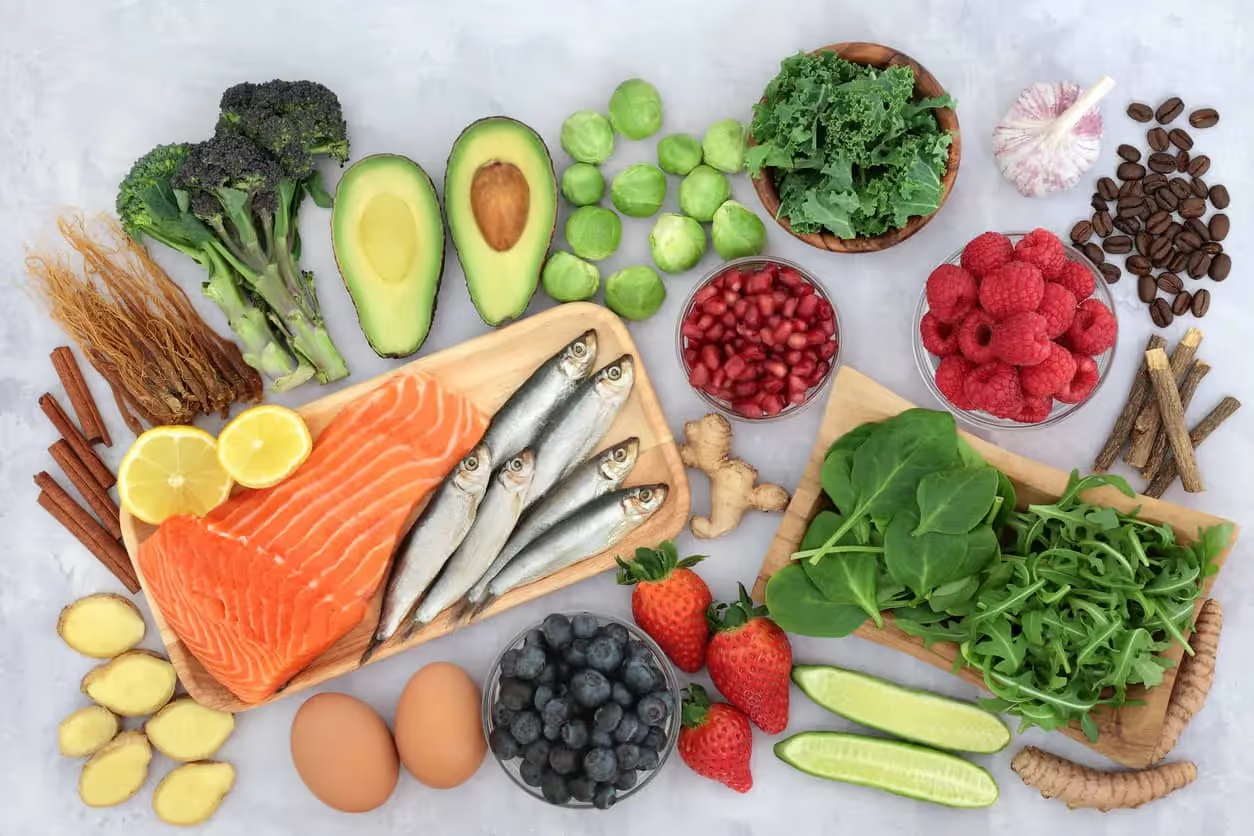
Is It Bad To Eat When You’re Not Hungry?

Medical Reviewer: Christa Brown, MS, RDN, LD

Author: Julia Zakrzewski, RD

Summary
- Your body sends signals when it’s time to eat. These include stomach growls, hunger pangs, irritability, and sometimes headaches.
- Occasionally, eating when you’re not hungry is okay, and you should never feel guilty for nourishing your body.
- Working with a dietitian can help you understand your motivations for eating, and they can offer helpful changes to improve your relationship with food.
Your body needs food to function and sends physical hunger signals when it’s time to eat.
Classical signs of hunger include painful hunger pangs, a growling stomach, irritability or feeling “hangry,” and headaches.
When you experience these sensations, you should eat as soon as possible to satisfy your hunger.
After eating, you’ll feel energized and able to focus on daily tasks.
Eating several times daily is standard for most adults, but sometimes you may eat even when you’re not hungry.
In these moments, there could be several reasons you choose to eat.
This article will help you understand what motivates your food decisions.
Keep reading to learn why eating when you’re not hungry is not bad and why working with a dietitian may help you find peace with food.
{{splash}}
Is It Bad to Eat When You’re Not Hungry?
Eating when you’re hungry is not bad; you should never feel guilty for nourishing your body.
If you eat when you’re not hungry, there could be underlying reasons driving that behavior.
Taking time to investigate them (without being critical) can help you better understand your relationship with food.
A helpful first step might be to track your eating habits and include details about your hunger levels and mood before and after meals.
Here are examples of what you can write:
- 7 a.m: I felt rushed leaving for work this morning and ate my usual bagel with cream cheese in the car.
- 8 am.: I wasn’t hungry but ate half my lunch when I arrived at the office because I won’t have time to eat during my break.
- 1 pm.: I felt hungry and ate the rest of my lunch.
- 2 p.m.: I felt bored and tired and ate whole grain crackers with peanut butter. Immediately after eating, I felt good, but after thirty minutes, I felt bored again.
- 8 p.m.: I felt hungry and couldn’t wait for dinner. I ate quickly and felt stuffed, but I was happy I was no longer hungry.
When you track your intake, you should include details that feel relevant to you.
This is an exploratory exercise, and reviewing this information with your dietitian at your next appointment can be helpful.
Why You Might Eat When You’re Not Hungry
Food and nutrition provide energy and nutrients, and eating when hungry is beneficial.
But sometimes, you may eat despite not feeling hungry.
Once in a while, these behaviors are normal.
However, if you’re unhappy with your decision to eat, it might be helpful to take a closer look at your eating patterns and habits.
Several internal and external influences could prompt you to eat, regardless of your hunger.
These include your emotions, timing, habits, and social settings.
Emotional Eating
Emotional eating behaviors develop when you use food to cope with emotions.
Falling into this cycle can impact your relationship with eating and may affect your health.
This can happen when you’re feeling:
- Stressed.
- Bored.
- Anxious.
- Angry.
- Lonely.
- Happy.
- Sad.
- Frustrated.
Occasional emotional eating is normal, but frequently using food to cope with your emotions can strain your relationship with food.
Research has shown that emotional eaters are more likely to engage in disordered eating and may struggle to identify their hunger and fullness cues.
You can address emotional eating by reading books or booking an online appointment with a registered dietitian.
{{splash}}
Social Eating
Being around people who are eating can influence your eating behaviors.
Research suggests that being around family and friends who are eating can encourage you to eat more food than if you were alone.
You might have experienced this firsthand when having a second helping at a family function even though you no longer felt hungry.
Practical Eating
Timing is everything, and if you have a busy work schedule, you may need to take advantage of available downtime to eat.
Unfortunately, this doesn’t always align with your hunger cues, and you may eat when you’re not hungry.
In these events, you’ll need to decide if you can wait longer or if eating when you have time is more beneficial.
You Rarely Feel Hungry
If you find it challenging to identify when you feel hungry, you may choose to eat because you know your body needs fuel.
This can occur when people lose touch with their hunger and fullness cues, feel stressed or anxious, or take medications that decrease appetite (including weight loss medications and some ADHD prescriptions).
Fatigue
Inadequate sleep can make you feel tired and impact your appetite levels.
Some research has shown that lack of sleep can increase ghrelin production (a gut hormone that stimulates appetite), and you might eat even though you don’t need more food.
Habit
Sometimes, you eat because of a routine or learned habits that don’t consider your hunger levels.
This may include eating at the movie theater when you smell popcorn or having a slice of birthday cake at a party.
Eating during these times isn’t bad, but it might be insightful to recognize external cues prompting you to eat versus physical hunger cues.
With this information, you can decide whether to eat or not.
{{splash}}
You Have High Energy Requirements
You may need to eat when you’re not hungry to satisfy high energy requirements.
This is relevant for people with highly physical jobs, such as firefighters, who must consume large amounts of calories to perform.
Athletes may also fall into this category.
It might be easier for some people to satisfy their high-energy goals by eating on a schedule versus listening to hunger cues.
Can It Be Good to Eat When You’re Not Hungry?
Under the guidance of a registered dietitian, eating when you’re not hungry can restore awareness of your hunger and fullness cues.
This can strengthen your relationship with food and help you feel your best when choosing to eat.
Additionally, some people may benefit from regularly eating if their health goals require consuming a set amount of calories daily.
This is similar to the athlete example above, but it also applies to clinical cases such as people recovering from an eating disorder or after major surgery.
Takeaway
People may eat when they’re not hungry due to emotional eating behaviors, social settings that feature food, accommodating a busy schedule, or satisfying a caloric requirement.
If you consistently eat when you’re not hungry, you can work with a dietitian to understand the motivators driving these behaviors.
Building a healthy relationship with food is essential for your health and enjoyment of meals.
How a Dietitian Can Help
A registered dietitian is a nutrition expert and licensed healthcare professional.
They can help you build a nourishing, satisfying eating plan that enables you to feel your best.
You may not know what to expect if you’ve never met with a dietitian. Here are questions to ask:
- How can I identify my hunger and fullness cues?
- What healthy snacks can I bring to work?
- How can I make nutritious dinners at home?
- How many meals should I eat daily?
{{splash}}
Frequently Asked Questions
Should I still eat if I'm not hungry?
You should permit yourself to eat—even when you’re not hungry.
Letting your natural intuition guide your eating can help you build trust in your hunger cues and restore your relationship with food.
Depending on the situation, eating when you’re not hungry might also be wise if you know you’ll be too busy to eat later.
Should I eat three meals a day even if I'm not hungry?
Eating regularly throughout the day has been linked to better health outcomes.
For many adults, this can be two or three meals daily, with optional snacks.
If you struggle to identify your hunger cues, following a schedule that may include three meals and snacks can be helpful.
Can I eat only one meal a day?
One meal per day probably won’t provide enough energy, vitamins, and nutrients. Work on spreading your intake across the day by including several eating opportunities.
Limited access to foods
If you have limited access to food (for example, you can’t afford to eat more than one meal or live in a food desert), ask your dietitian for local resources, like a foodbank or soup kitchen, to help you supplement your intake.
References
View all references
Nourish has strict sourcing policies and prioritizes primary sources, including medical organizations, governmental agencies, academic institutions, and peer-reviewed scientific journals. Learn more about our medical review process and editorial guidelines.












.jpg)
























.avif)

.avif)




























.avif)

%20(1).webp)






.avif)
.avif)