Is Oatmeal Good for Weight Loss?

Medical Reviewer: Ellie Stamerjohn, MS, RDN, LD

Author: Jennifer Huddy, MS, RD, LD

Summary
- Eating oatmeal can assist with weight management by slowing digestion and increasing satiety.
- Steel-cut and rolled oats are minimally processed and have a lower negative impact on blood sugar levels than instant oatmeal.
- Oats are rich in beta-glucan, a fiber linked to improved cholesterol, blood sugar levels, and digestive health.
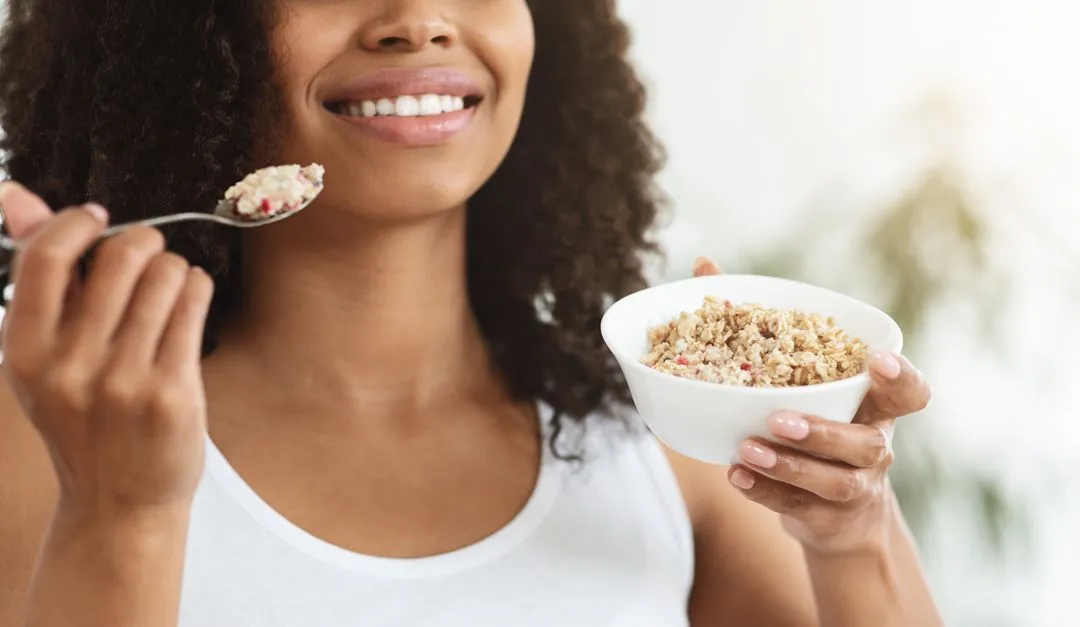
Oatmeal is a comforting and nutrient-dense breakfast food enjoyed around the world. People who eat oatmeal tend to have a lower body weight and healthier cholesterol and blood sugar levels.
Oats contain a type of soluble fiber called beta-glucan, which is responsible for many of these health benefits.
Continue reading to learn more about the health benefits of oatmeal and how to incorporate them into your diet.
{{splash}}
Is Oatmeal Good for Weight Loss?
Whole grains, like oats, are good for weight management due to their fiber content. Oats are rich in a type of soluble fiber called beta-glucan, which absorbs water in the digestive tract.
This effect slows the emptying of stomach contents and helps you feel full for longer. Beta-glucan also influences gut hormones that help with satiety.
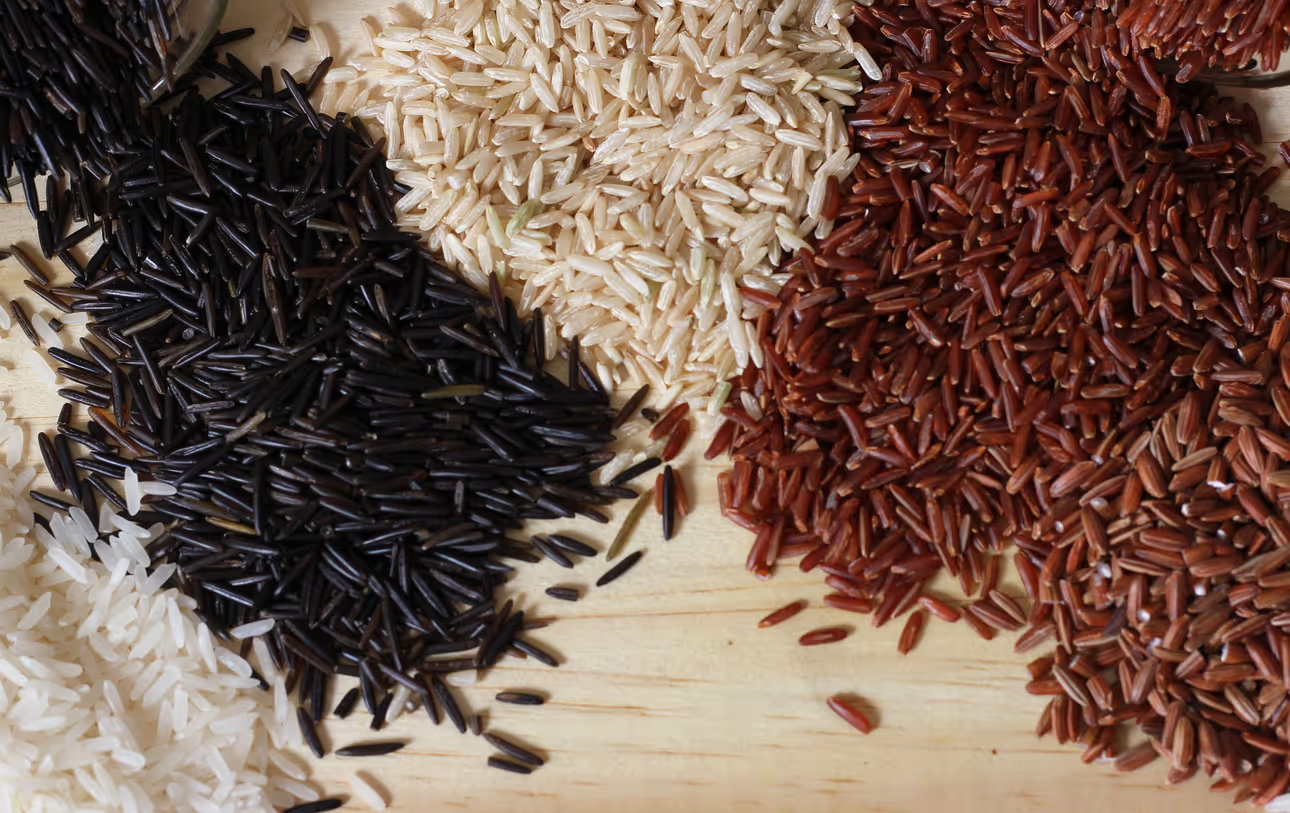
Experts recommend eating half of your daily grains as whole grains. This means eating more grains like oats, brown rice, and barley instead of foods made with refined flour, like white bread or white rice.
Research has found that replacing refined grains and sugars with whole grains leads to lower energy intake and body weight.
In addition to oat intake being associated with lower body weight, survey data from the United States found that people who regularly consumed oatmeal had higher diet quality than those who did not eat oats.
This includes greater intakes of protein, fiber, vitamins, and minerals.
For guidance on incorporating oats and other whole grains into your diet for weight management, consider booking a consultation with a registered dietitian through Nourish.
Types of Oatmeal
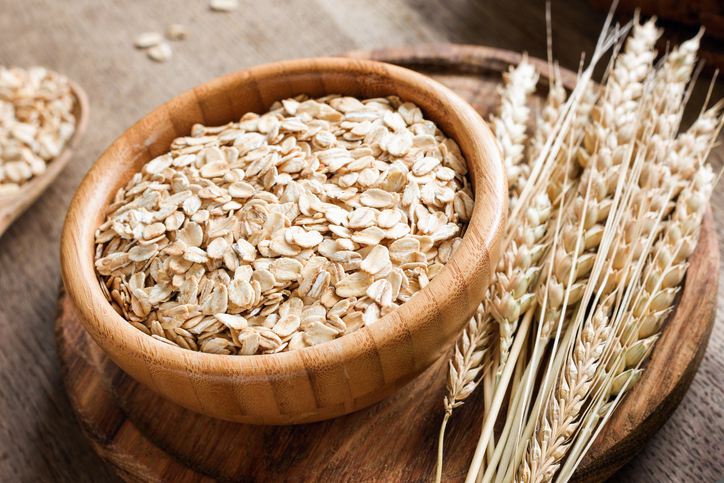
Many varieties of oatmeal are available at the grocery store, making it challenging to know which one to choose. Oats in their unprocessed form are known as “groats”, which are processed in different ways to create the types of oats we are familiar with.

Steel-Cut Oatmeal
Steel-cut oats are made by cutting oat groats into smaller pieces. Because these are minimally processed, they take the longest to cook and have a heartier texture.
Rolled Oatmeal
Rolled oats, also known as old-fashioned oats, are steamed groats that have been passed between two rollers to create oat flakes.
These take less time to cook and are one of the more popular types of oatmeal.
Instant Oatmeal
Instant oats are heated at a higher temperature than rolled oats, then rolled extra thin to create a smaller flake.
This allows them to absorb hot water and soften very quickly. Instant oats are typically found in individual packets or cups, flavored with ingredients like sugar, cinnamon, and dried fruit.
Nutritional Value of Oatmeal
Oats are rich in beneficial nutrients and low in calories and fat. Forty grams of uncooked rolled oats, which is equivalent to ½ cup, contain:
- 150 calories.
- 5 grams of protein.
- 2.5 grams of fat.
- 28 grams of carbohydrates.
- 4 grams of fiber.
- 1.8 mg iron.
A comparable 40-gram portion of uncooked steel-cut oats has an almost identical nutritional composition to rolled oats. A 45-gram packet of unflavored instant oatmeal contains a similar nutritional composition as well.
However, many instant oat products are fortified with additional vitamins and minerals and contain added ingredients that influence the nutrition facts.
How Oatmeal Can Help Aid Weight Loss
Oats have numerous health benefits, making this whole grain an excellent breakfast option. Oats may aid blood sugar, cholesterol, and weight management while boosting digestive health and reducing cancer risk.
Having trouble losing weight? Take the weight loss quiz to understand your next steps and reach your goals.
High in Fiber and Protein
Oats contain four grams of total dietary fiber per ½ cup serving (uncooked), with two grams coming from soluble fiber. Experts recommend adults eat between 25 and 38 grams of fiber daily for optimal health and digestion.
Oats have a higher protein content than other whole grains, with five grams in ½ cup of uncooked oats. The protein in oats also has a higher biological value than other grains, meaning it’s easier for your body to digest and utilize.
Low Glycemic Index (Low GI)
Glycemic index (GI) is a method used to identify how much a food might raise blood sugar levels after eating. Low-GI foods are less than 55, medium GI foods are 56–69, and high GI foods are above 70.
The different types of oats impact blood sugar levels differently. Instant oatmeal has a significantly higher glycemic index than rolled oats and steel-cut oats, which are both in the low GI category.
- Steel-cut oats: 55.
- Rolled oats: 53.
- Quick cooking oats: 71.
The beta-glucan fiber in oats has been shown to slow digestion, resulting in lower blood sugar and insulin levels after eating.
Rich in Phytonutrients
Oats are a good source of phytonutrients, which are a type of beneficial plant compound. Preliminary studies have found that the kind of phytonutrients in oats may reduce the risk of colon cancer. Oats also contain antioxidants, like vitamin E, which benefits healthy aging.
Reduces Appetite and Cravings
The soluble fiber in oats may aid weight management by slowing gastric emptying and promoting fullness. This effect can reduce hunger levels, which may help minimize cravings.
Oatmeal is often consumed as a breakfast food, and it’s well known that eating a consistent morning meal helps reduce appetite and cravings. Research shows that people who eat oatmeal for breakfast have a lower appetite and energy intake for the rest of the day when compared to other breakfast foods.
Helps Lower Cholesterol Levels
A diet rich in oats may help lower total and LDL cholesterol levels, which can reduce the risk of heart disease. This is thought to be due to beta-glucan fiber from oats blocking cholesterol absorption into the bloodstream during digestion. The fiber in oats may also help reduce the amount of cholesterol your body naturally produces.
Promotes a Healthy Gut
Regularly consuming oats may help improve the balance of healthy gut bacteria in your digestive tract, which is linked to lower body weight, blood sugar, and cholesterol levels.
The soluble fiber in oats has other gastrointestinal (GI) benefits, like reducing constipation by adding bulk to the stool.
{{splash}}
Why Aren't I Losing Weight Eating Oatmeal?
Here are a few tips for eating oatmeal on your weight management journey:
- When selecting and preparing oatmeal products, be mindful of added ingredients that may not be helpful toward your health goals.
- Purchase oats in their minimally processed, unflavored form to avoid added sugar and fat.
- When preparing your oats at home, try to sweeten them with fruit instead of sugar, and use lower-fat milk products if you are concerned about cholesterol levels.
- Steel-cut and old-fashioned oats tend to be sold without added flavorings, and these varieties also have less of an impact on blood sugar levels when compared to instant oatmeal packets.
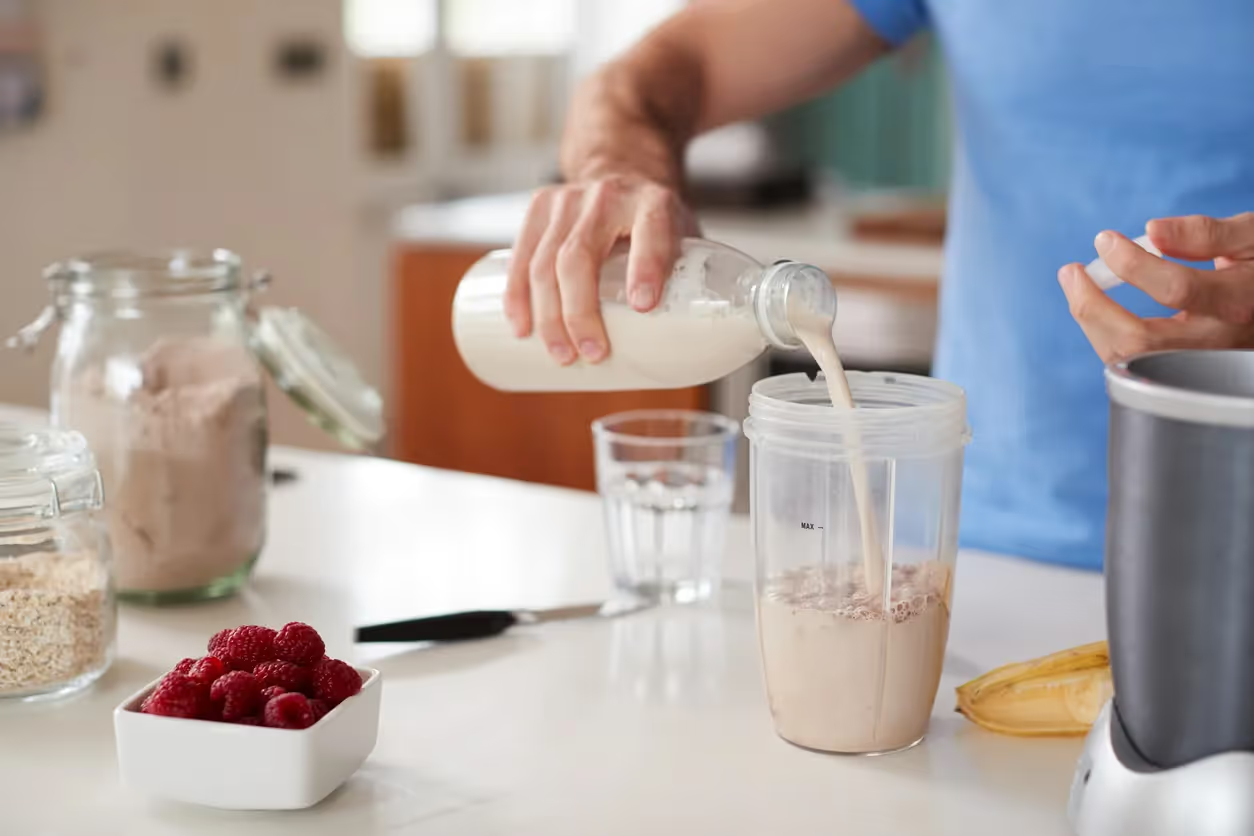
- Try adding protein powder or eat it with another form of protein like eggs.
How to Incorporate Oatmeal into Your Diet
If you want to add more oatmeal to your diet, start by replacing a few of your typical breakfast meals per week with a bowl of oatmeal. To keep it interesting, try oats prepared in different ways, like muesli, overnight oats, baked oatmeal, or slow cooker oatmeal.
Try different flavor combinations without adding sugar, with ingredients like:
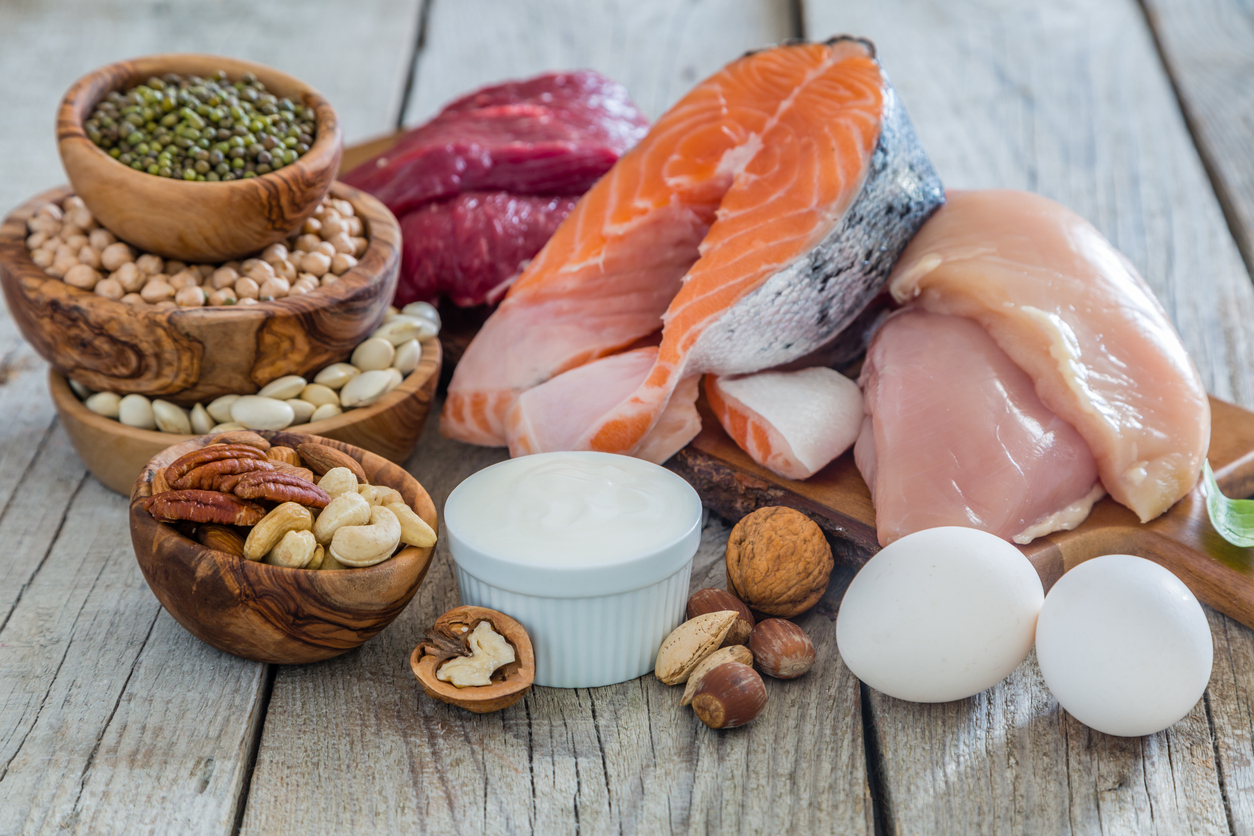
- Nuts and seeds, like pecans, almonds, peanut butter, or chia seeds.
- Cinnamon and nutmeg.
- Fruit, like apples, bananas, or berries.
- Pumpkin puree and pumpkin spice.
- Unsweetened dried fruit.
- Avocado and a fried egg (for savory oatmeal).
Takeaway
Oats can benefit weight management by slowing digestion, improving fullness, and reducing appetite. The primary fiber in oats, beta-glucan, can aid in chronic disease prevention by lowering blood sugar and cholesterol levels.
To maximize their health benefits, choose steel-cut or rolled-oat products that are minimally processed and do not contain added sugar and fat.
How a Dietitian Can Help
Weight is a complex topic, and there is much misinformation online regarding the best eating pattern to achieve your goals.
For compassionate, evidence-based nutrition guidance during your weight management journey, consider booking an appointment with a registered dietitian through Nourish.
All visits are conducted virtually for your convenience. We work with you to maximize your insurance coverage, with most of our patients paying $0 out of pocket.
Find a dietitian near you that accepts insurance using Nourish.
Frequently Asked Questions
How much oatmeal should I eat to lose weight?
Research shows that eating 50–100 grams of oats (dry) per day results in long-term improvements in weight, blood sugar, and cholesterol levels. This is approximately ½-1 cup of uncooked oats daily. Still, it is best to talk to your registered dietitian about specific recommendations for your weight management eating plan.
Which oatmeal is healthiest?
Steel-cut and rolled oats are the healthiest choices, with comparable nutritional composition and low glycemic index scores. Instant oatmeal is often packaged with added sugars and has a high glycemic index even when eaten plain.
Should I eat oatmeal every day?
Research shows that daily consumption of whole grains, like oatmeal, benefits weight management and reduces chronic disease risk. It’s best to follow an eating pattern that feels sustainable to you, so you may prefer to include oatmeal as one of a few whole-grain breakfast options during your week.
References
View all references
Nourish has strict sourcing policies and prioritizes primary sources, including medical organizations, governmental agencies, academic institutions, and peer-reviewed scientific journals. Learn more about our medical review process and editorial guidelines.
More articles
%201%20(1).jpg)


.avif)













.avif)














.avif)















.avif)







.avif)
.avif)










.avif)
.avif)