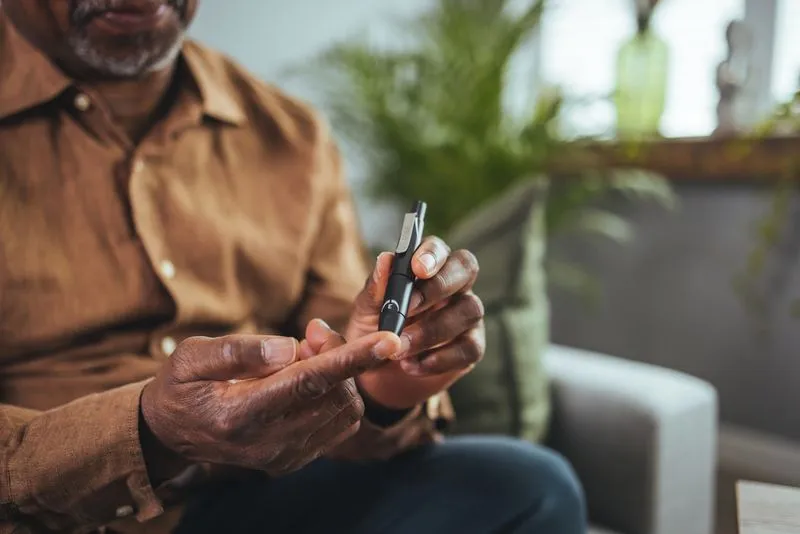
Is Ozempic Safe For Weight Loss?

Medical Reviewer: Christa Brown, MS, RDN, LD

Author: Ashley Petrie, RDN, LDN

Summary
- Ozempic (semaglutide) is a weekly injectable medication approved for treating adults with type 2 diabetes. It also helps some people lose weight.
- Taking Ozempic for weight loss is generally safe for most people. However, before starting Ozempic, it's important to talk to your doctor about potential side effects and risks.
- You may also want to consider making healthy lifestyle changes or taking other weight loss medications as alternatives to Ozempic.
If you're considering Ozempic for weight loss, you might be concerned about its safety and potential side effects.
Ozempic (semaglutide) is a once-weekly injectable medication approved to treat adults with type 2 diabetes.
It belongs to a class of drugs called GLP-1 receptor agonists.
These medications help lower blood sugar by slowing down digestion, reducing appetite, and increasing the amount of insulin the body makes naturally. Ozempic also helps some people lose weight.
Ozempic is typically safe for weight loss for the majority of adults.
However, people with a history of certain thyroid problems or allergic reactions to semaglutide should avoid taking Ozempic.
The medication also comes with other potential risks and side effects.
Before starting treatment, it's important to talk to your doctor about whether or not Ozempic is right for you.
Read on to learn more about whether Ozempic is safe for weight loss, its potential side effects, and other options you may consider if you’re trying to lose weight.
{{splash}}
Is Ozempic Safe for Weight Loss?
For most adults, Ozempic is generally considered safe for weight loss.
However, discussing your health history with your doctor before starting Ozempic is critical.
Ozempic comes with a boxed warning because it causes thyroid tumors and a certain type of thyroid cancer called medullary thyroid carcinoma (MTC) in rodents.
If you or a family member have a history of MTC or multiple endocrine neoplasia syndrome type 2 (MEN 2), you should not use Ozempic.
Ozempic should also not be used in children under the age of 18, people who are pregnant, or those with a health history of the following:
- Allergic reaction to semaglutide.
- Type 1 diabetes.
- Kidney problems.
- Pancreatitis.
- Severe stomach problems.
- Eating disorders.
It's important to be aware of these risks and discuss any concerns with your healthcare provider before starting Ozempic for weight loss.
Is Ozempic Approved for Weight Loss?
Although Ozepmic can help you lose weight, The Food and Drug Administration (FDA) has not approved it for the treatment of obesity.
Currently, Ozempic is only approved to treat adults with type 2 diabetes.
If you have type 2 diabetes and want to lose weight, Ozempic might work well for you.
However, if you don't have type 2 diabetes, your insurance may not cover Ozempic.
In that case, you can ask your doctor about other GLP-1 medications that are approved for weight loss in people without diabetes.
Who Can Take Ozempic for Weight Loss?
According to the manufacturer, Ozempic is approved for use in adults aged 18 and older diagnosed with type 2 diabetes.
Taking Ozempic for weight loss is considered off-label.
This means you’re taking a medication for a reason other than the primary purpose for which it was approved by the FDA.
Therefore, while some healthcare providers may prescribe Ozempic for weight loss in individuals without type 2 diabetes, health insurance companies may not cover it.
Potential Side Effects and Risks of Ozempic
Due to its ability to slow digestion, the most common side effects of Ozempic involve the gastrointestinal tract and include nausea, vomiting, stomach pain, diarrhea, and constipation.
Rarely, Ozempic may cause more serious side effects, including allergic reactions, low blood sugar, and problems with the kidneys, gallbladder, or pancreas.
In a clinical review of eight randomized controlled trials, up to 75% of patients with diabetes taking semaglutide reported experiencing mild side effects, including gastrointestinal ones.
More serious side effects, such as heart problems, affected up to 9% of participants.
Additionally, studies suggest that stopping Ozempic after losing weight may cause you to regain most of the weight back.
GLP-1s Approved for Weight Loss Without Diabetes
As previously mentioned, Ozempic is not approved by the FDA for weight loss without also having a diagnosis of type 2 diabetes.
However, Weygovy (semaglutide) contains the same active ingredient as Ozempic and was recently approved by the FDA specifically for weight loss.
Saxenda (liraglutide) and Zepbound (tirzepatide) are two other GLP-1 medications also approved for weight loss.
These medications are usually prescribed to adults with a body mass index (BMI) of 30 or greater or adults with a BMI of 27 or greater who have at least one weight-related medical problem.
Since Weygovy, Saxenda, and Zepbound are FDA-approved for weight loss, your insurance company is more likely to cover at least some of the cost.
Alternatives to Ozempic for Weight Loss
If you’re hoping to avoid the negative side effects of Ozempic but still want to lose weight, here are some alternatives to consider.
Having trouble losing weight? Take the weight loss quiz to understand your next steps and reach your goals.
Lifestyle Changes
One of the most effective ways to lose and maintain weight is through lifestyle changes.
Lifestyle changes include eating a balanced diet, engaging in regular physical activity, staying well hydrated, getting enough sleep, and managing stress.
A balanced diet should consist of a variety of fruits, vegetables, whole grains, lean proteins, and healthy fats. Minimizing processed foods, along with excess sugar, sodium, and saturated fats, is also key.
Regular physical activity means at least 150 minutes of moderate aerobic exercise or 75 minutes of vigorous activity each week, along with muscle-strengthening exercises on two or more days.
Staying hydrated, getting enough sleep, and managing stress are also important for maintaining a healthy weight.
Other Weight Loss Medications
Other weight loss medications that work differently are available if you don’t want to take a GLP-1 receptor agonist. Some options include:
- Contrave: This oral tablet reduces hunger and cravings with a combination of naltrexone, an opioid blocker, and bupropion, an antidepressant.
- Qsymia: This combination medication is an oral capsule that contains phentermine, a stimulant, and extended-release topiramate, an anti-seizure medication. These two medications work together to reduce cravings and hunger.
- Phentermine: This short-term treatment is an oral stimulant that suppresses appetite. Similar options include benzphetamine, diethylpropion, and phendimetrazine.
- Orlistat: Available as both a prescription (Xenical) and over-the-counter (Alli) oral capsule, Orlistat helps decrease the absorption of dietary fat.
Several other medications, including metformin, topiramate (Topamax), and bupropion, are used off-label for weight management due to their tendency to cause weight loss as a side effect.
Non-Pharmaceutical Approaches
If you’re struggling to make lifestyle changes but prefer to avoid medications altogether, some non-pharmaceutical approaches may help you lose weight.
First, consider working with a weight loss dietitian.
They can provide personalized nutrition and meal planning guidance to help you lose weight.
With their support, you might find the accountability you need to stick to making healthy lifestyle changes.
Weight loss surgery, also known as bariatric surgery, may also be recommended for individuals with a BMI over 35 or over 30 and weight-related health conditions.
Surgical interventions can provide effective long-term solutions for weight management.
Finally, structured weight loss programs, such as Weight Watchers or other medically supervised programs, can offer support and guidance to help you achieve and maintain a healthy weight.
Tips for Talking to Your Doctor About Ozempic
When discussing Ozempic with your doctor, it’s important to be prepared. Here are some tips to help guide the conversation:
- Be honest about your health history. Provide complete information about your medical history, including any thyroid issues, allergies, and other health conditions.
- Discuss your weight loss goals. Share your weight loss goals and any previous attempts to lose weight, including what has or hasn’t worked for you in the past.
- Ask about side effects. Ask about the potential side effects of Ozempic, how they might affect you, and any signs you should watch for while using the medication.
- Explore alternatives. Don’t be afraid to ask about other weight loss medications or non-pharmaceutical options that might be best for you.
- Follow-up plan. Discuss a follow-up plan to monitor your progress, adjust the treatment if necessary, and ensure that any potential side effects are managed promptly.
- Request a referral to a registered dietitian. A dietitian who specializes in weight loss using GLP-1 receptor agonist medications can support you with personalized nutrition guidance tailored to your treatment plan and weight loss goals.
By preparing for this conversation with your doctor, you can be better informed about whether Ozempic or another weight loss strategy is the best option for you.
Takeaway
Ozempic is a once-weekly injectable GLP-1 medication approved by the FDA to treat type 2 diabetes.
It can also help with weight loss, but insurance coverage may be limited if you don’t also have a type 2 diabetes diagnosis.
It's also important to think about the possible side effects and risks of taking Ozempic.
Having an open discussion with your healthcare provider is essential to determine if Ozempic is the right choice for you.
They can assess your health history and guide you on managing any potential side effects.
Before starting Ozempic, you might also want to explore alternative weight loss approaches, such as making healthy lifestyle changes or seeing a weight loss dietitian.
How a Dietitian Can Help
The most common side effects of Ozempic involve the digestive system.
Connecting with a registered dietitian can be helpful if you have questions about managing these side effects or need personalized support on your weight loss journey.
A dietitian will evaluate your current eating habits, nutritional needs, and overall health goals and work with you to create a plan that fits your lifestyle.
If you experience nausea or other digestive issues while taking Ozempic, a dietitian can provide guidance on dietary strategies to manage these symptoms.
Find a dietitian who specializes in GLP-1 medications and can help you lose weight on Ozempic while minimizing potential side effects.
Frequently Asked Questions
What are the negative effects of Ozempic for weight loss?
The most common negative effects of Ozempic for weight loss include gastrointestinal issues like nausea, diarrhea, and stomach pain. Rare but more serious side effects include allergic reactions, low blood sugar, and problems with the kidneys, gallbladder, or pancreas.
Is it worth taking Ozempic for weight loss?
Whether it's worth taking Ozempic for weight loss is a personal decision. It can depend on several factors, including your personal health history, insurance coverage, and the severity of side effects you may experience.
How much weight can you lose in a month on Ozempic?
References
View all references
- Ozempic® (semaglutide) injection for Type 2 Diabetes. (n.d.-b).
- Collins, L., & Costello, R. A. (2023, January 13). Glucagon-Like peptide-1 receptor agonists. StatPearls - NCBI Bookshelf.
- Smits, M. M., & Van Raalte, D. H. (2021). Safety of semaglutide. Frontiers in Endocrinology, 12.
- These highlights do not include all the information needed to use OZEMPIC® safely and effectively. See full prescribing information for OZEMPIC. OZEMPIC (semaglutide) injection, for subcutaneous use Initial U.S. Approval: 2017. (n.d.).
- Delong, C., & Preuss, C. V. (2023, June 17). Box warning. StatPearls - NCBI Bookshelf.
- Canadian Agency for Drugs and Technologies in Health. (2019, June 1). Results. Clinical Review Report: Semaglutide (Ozempic) - NCBI Bookshelf.
- Wilding, J., Batterham, R. L., Davies, M. J., Van Gaal, L. F., Kandler, K., Konakli, K., Lingvay, I., McGowan, B., Oral, T. K., Rosenstock, J., Wadden, T. A., Wharton, S., Yokote, K., & Kushner, R. F. (2022). Weight regain and cardiometabolic effects after withdrawal of semaglutide: The STEP 1 trial extension. Diabetes, Obesity & Metabolism/Diabetes, Obesity and Metabolism, 24(8), 1553–1564.
- Koeder, C., Kranz, R., Anand, C., Husain, S., Alzughayyar, D., Schoch, N., Hahn, A., & Englert, H. (2021). Effect of a 1-Year Controlled Lifestyle intervention on body weight and other risk markers (the Healthy Lifestyle Community Programme, Cohort 2). Obesity Facts, 15(2), 228–239.
- Tips for healthy eating for a healthy weight. (2023, December 28). Healthy Weight and Growth.
- Physical activity for adults: An overview. (2023, December 20). Physical Activity Basics.
- Thornton, S. N. (2016). Increased Hydration Can Be Associated with Weight Loss. Frontiers in Nutrition, 3.
- Hirshkowitz, M., Whiton, K., Albert, S. M., Alessi, C., Bruni, O., DonCarlos, L., Hazen, N., Herman, J., Hillard, P. J. A., Katz, E. S., Kheirandish-Gozal, L., Neubauer, D. N., O’Donnell, A. E., Ohayon, M., Peever, J., Rawding, R., Sachdeva, R. C., Setters, B., Vitiello, M. V., & Ware, J. C. (2015). National Sleep Foundation’s updated sleep duration recommendations: final report. Sleep Health, 1(4), 233–243.
- Eik-Nes, T. T., Tokatlian, A., Raman, J., Spirou, D., & Kvaløy, K. (2022). Depression, anxiety, and psychosocial stressors across BMI classes: A Norwegian population study - The HUNT Study. Frontiers in Endocrinology, 13.
- Contrave. (2023, August 24). Prescription Weight Loss Pills | CONTRAVE® (naltrexone HCl/bupropion HCl). CONTRAVE® (Naltrexone HCl/Bupropion HCl).
- Prescription Weight Loss with Qsymia® (Phentermine and Topiramate extended-release capsules) CIV. (n.d.).
- Phentermine: MedlinePlus drug information. (n.d.).
- Bansal, A. B., Patel, P., & Khalili, Y. A. (2024, February 14). Orlistat. StatPearls - NCBI Bookshelf.
- Definition & Facts of Weight-loss Surgery. (2023, December 16). National Institute of Diabetes and Digestive and Kidney Diseases.
- Maciejewski, M. L., Arterburn, D. E., Van Scoyoc, L., Smith, V. A., Yancy, W. S., Weidenbacher, H. J., Livingston, E. H., & Olsen, M. K. (2016). Bariatric surgery and long-term durability of weight loss. JAMA Surgery, 151(11), 1046.
- Laudenslager, M., Chaudhry, Z. W., Rajagopal, S., Clynes, S., & Gudzune, K. A. (2021). Commercial Weight Loss Programs in the Management of Obesity: an Update. Current Obesity Reports, 10(2), 90–99.
- Ghusn, W., De La Rosa, A., Sacoto, D., Cifuentes, L., Campos, A., Feris, F., Hurtado, M. D., & Acosta, A. (2022). Weight loss outcomes associated with semaglutide treatment for patients with overweight or obesity. JAMA Network Open, 5(9), e2231982.
Nourish has strict sourcing policies and prioritizes primary sources, including medical organizations, governmental agencies, academic institutions, and peer-reviewed scientific journals. Learn more about our medical review process and editorial guidelines.
More articles
%201%20(1).jpg)


.avif)













.avif)

















.avif)















.avif)







.avif)
.avif)










.avif)
.avif)