Is Peanut Butter Good For Weight Loss?

Medical Reviewer: Blair Kott, MDA, RD, LD
Summary
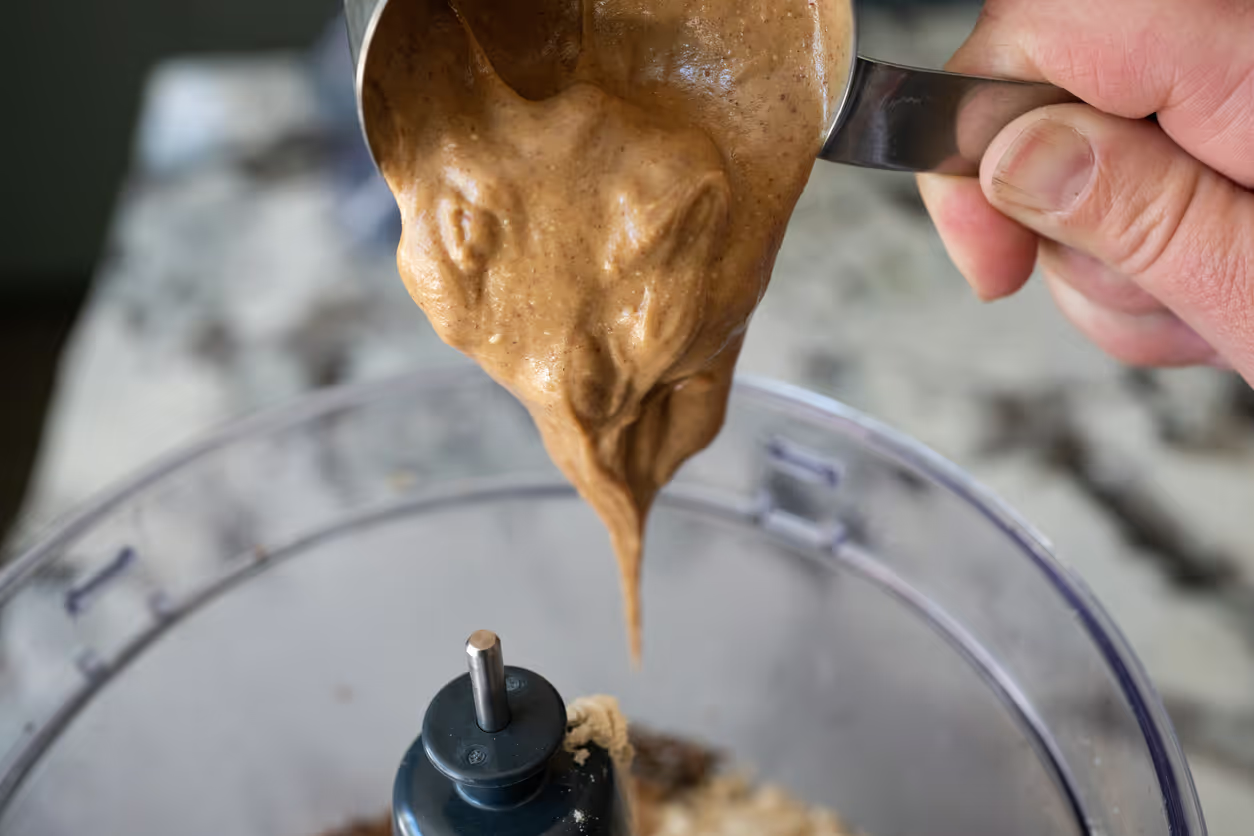
- Peanut butter is a nutrient-dense food that can fit into your weight loss plan.
- Portion sizes and the total components of your diet will impact whether or not peanut butter supports weight loss.
- Eating a balanced, nutrient-dense diet is important if you’re trying to lose weight.
Peanut butter is a staple in many homes throughout the United States.
One customer survey from 2024 reports that over 299 million Americans eat peanut butter every year.
Because the versatile spread is high in both fat and calories, many people following a low-calorie or low-fat diet may avoid the food when they’re trying to lose weight.
But research suggests that when eaten in moderation, the high-protein and high-fiber snack may help to curb appetite and support weight loss.
Continue reading to learn more about how peanut butter may support your weight loss goals.
{{splash}}
Is Peanut Butter Good for Weight Loss?
When eaten in moderation, peanut butter may help with weight loss.
Research shows that eating peanut butter and other forms of nuts is associated with having a lower body weight and a 5% lower risk of gaining weight during a five-year period.
Because peanut butter is high in protein and fiber, it can also help to keep you feeling full in between meals, reducing your overall caloric intake to support your weight loss goals.
The Nutritional Content of Peanut Butter
Peanut butter is a nutrient-dense food and a rich source of protein, calories, fiber and monounsaturated fats.
Below is the nutritional content of one serving (three tablespoons) of peanut butter:
- 269 calories.
- 10 grams of protein.
- 23 grams of fat.
- 10 grams of carbohydrates.
- 2 grams of fiber.
- 4 grams of sugar.
- 254 mg of potassium.
- 193 mg of sodium.
- 76 mg of magnesium.
- 6 grams of niacin (vitamin B3).
How Does Peanut Butter Help With Weight Loss?
There are several ways peanut butter may help you reach your weight loss goals, including offering a nutrient-dense food, promoting feelings of fullness and controlling blood sugar levels.
Below, we explain each potential benefit in detail.
- It’s nutrient-dense: Research suggests that eating a diet rich in nutrient-dense foods can help to reduce the risk of obesity and support weight maintenance.
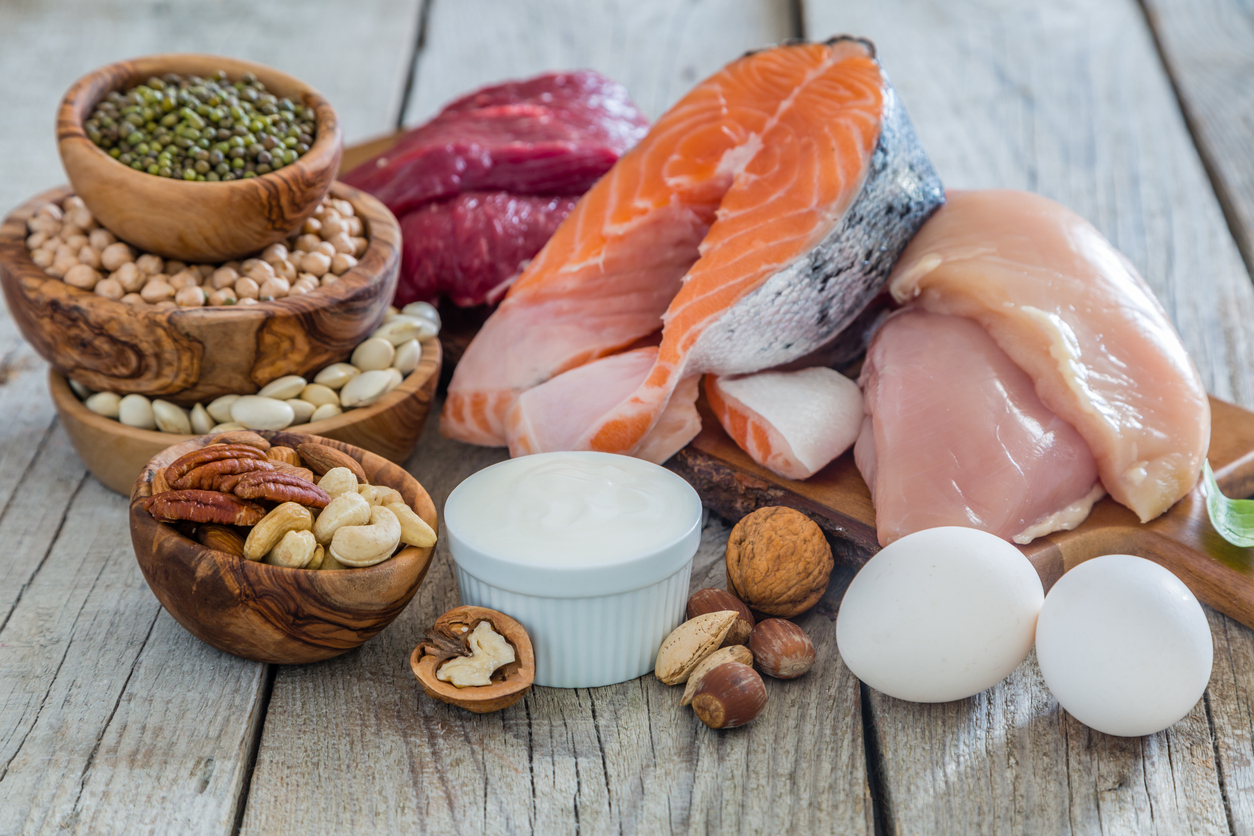
- It may promote satiety: Peanut butter high in protein, monounsaturated fats, and fiber, all of which help keep you feeling fuller for longer in between meals. One small study of 15 women found that those who ate roughly three tablespoons of peanut butter with their breakfast felt fuller and less inclined to eat more than the control group.
- It may help control blood sugar levels: The same study of 15 women found that those who added peanut butter to their morning meals had more stable blood sugar levels, which may help to reduce appetite and keep weight gain at bay. Another study suggests that adding two tablespoons of peanut butter to a high-glycemic meal helps to reduce the spike in blood sugar levels after eating.
Can Eating Peanut Butter Make You Gain Weight?
A person’s weight is a result of several factors, including genetics, environment, sex, race, socioeconomic status as well as dietary choices.
In general, eating peanut butter in moderation is associated with lower body weight and weight maintenance, rather than weight gain.
However, how much peanut butter you consume, in combination with your overall diet and lifestyle, can impact whether or not the food supports weight loss or weight gain.
What to Look for When Choosing Peanut Butter for Weight Loss
When choosing a peanut butter to support your weight loss goals, it's important to consider all of the potential ingredients included in the food.
Natural or Organic Options
Most natural or organic peanut butters contain minimal ingredients, like peanuts and salt.
However, some versions of peanut butter may contain additional ingredients or additives, like sugar or fully hydrogenated oils, which can contain trans fats and can work against weight loss.
Limited Sodium Content
Most peanut butters contain some salt, but choosing an option with limited salt may help to support your heart health.
Some research suggests that limiting salt intake may also support weight loss, but this may be a result of total body water loss rather than a reduction of body fat.
Avoid Reduced Fat Versions
Though it may seem counterintuitive, you don’t have to buy reduced fat peanut butter when your goal is to lose weight.
In fact, many reduced-fat options include added sugars and other additives to improve the taste, but these ingredients may hinder your weight loss goals.
How Much Peanut Butter Can I Safely Eat for Weight Loss?
According to the UDSA, roughly three tablespoons amounts to one single serving of peanut butter.
How many servings of peanut butter is best for you will vary depending on your health, weight loss goals, and overall diet.
Consulting with a registered dietitian will help you to learn how much peanut butter is right for your health needs and goals.
RD-Approved Ways to Incorporate Peanut Butter in Your Diet
There are many ways to enjoy peanut butter as a part of your diet when you’re trying to lose weight.
Below are some registered dietitian approved ways to incorporate peanut butter into your meals and snacks.
Spread on Whole-Wheat Toast or Apples
Spreading peanut butter on a slice of whole-wheat toast will add roughly two grams of fiber and four grams of protein to your meal, which can help you to feel fuller throughout the day.
Eating your peanut butter with one small apple will also add roughly two grams of fiber to your meal.
Fiber can help to support your overall health by reducing the risk of constipation, heart disease, type 2 diabetes and colon cancer.
Eating meals rich in fiber may also help to enhance weight loss by promoting satiety in between meals.
Add to Smoothies
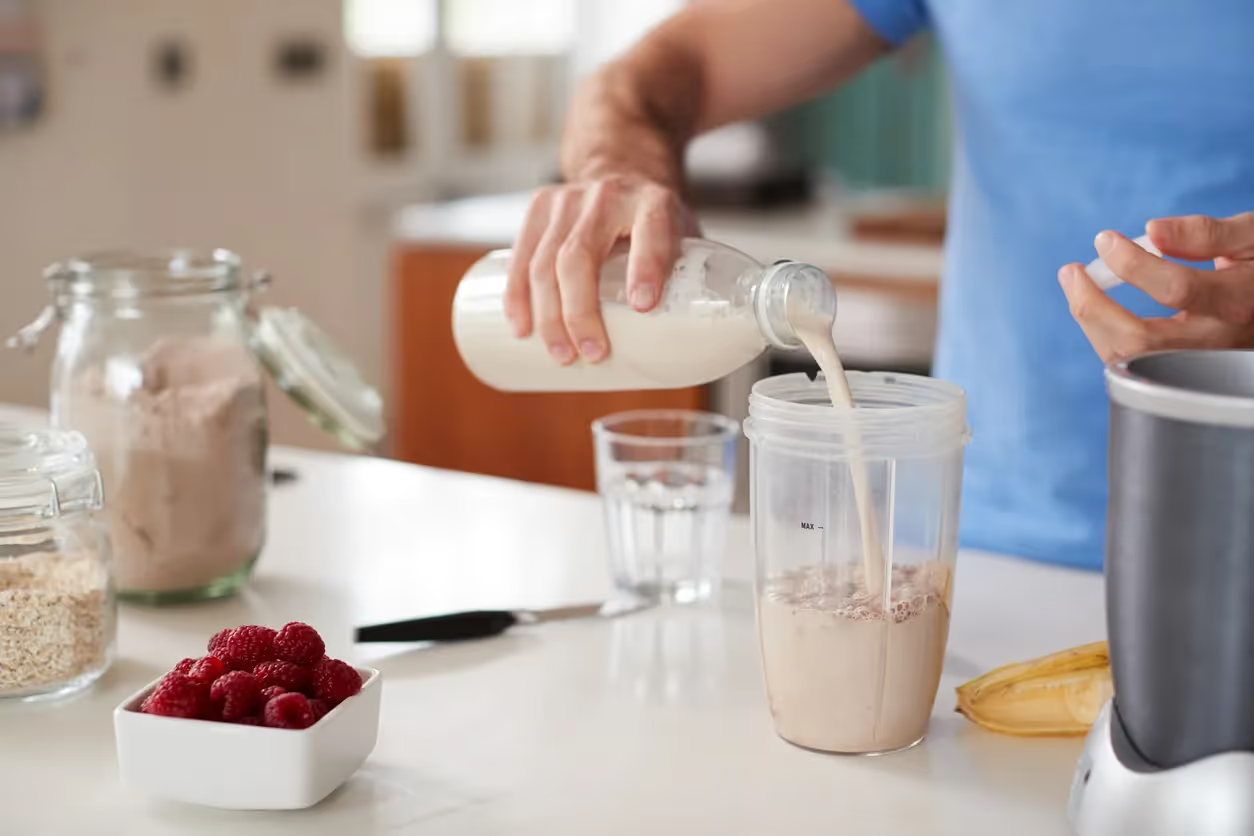
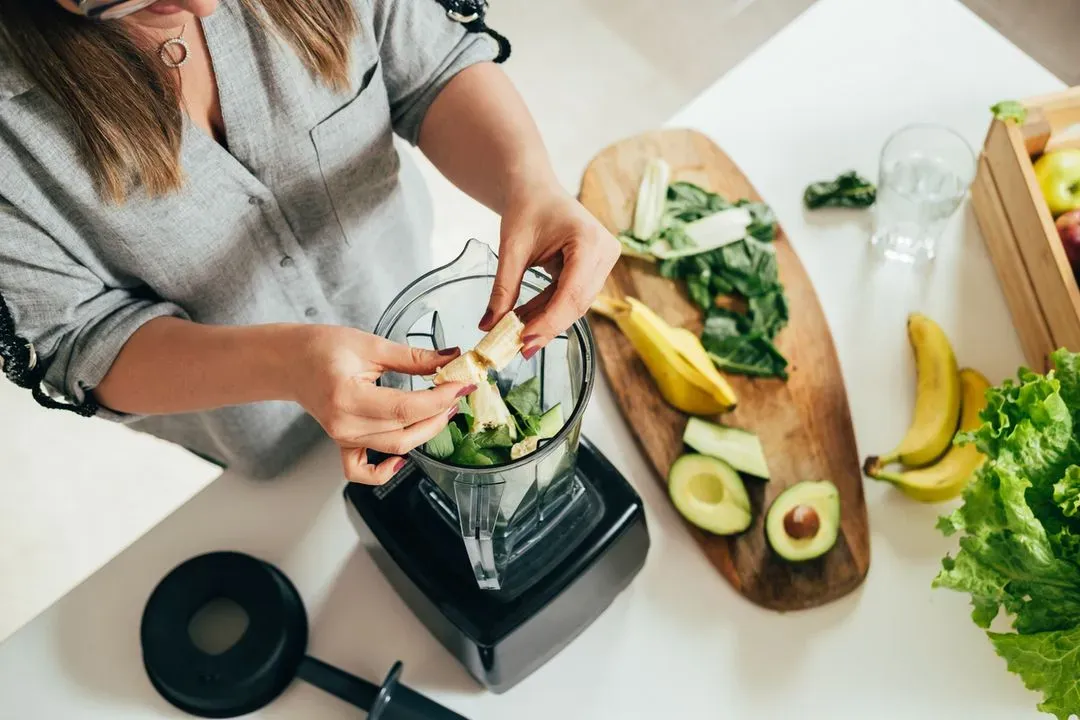
Adding peanut butter to your fruit, vegetable, and yogurt smoothies is a delicious way to boost the drink’s overall protein and fiber content.
Drizzle on Your Oatmeal
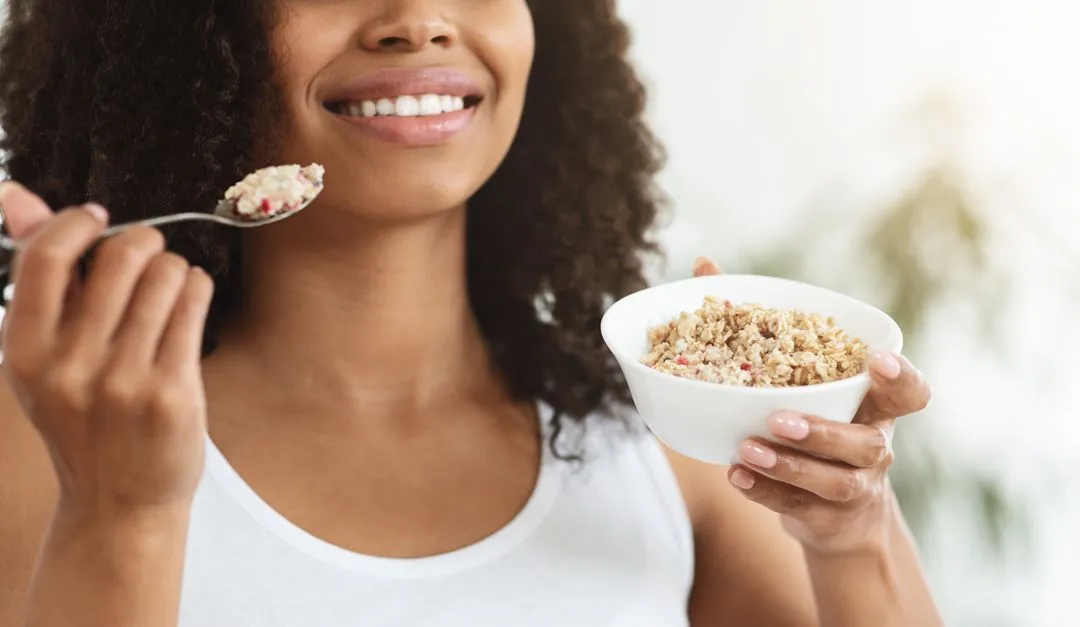
Peanut butter will also increase the protein and fiber content of your oatmeal breakfast.
Oatmeal is an excellent food for weight management because it's rich in a type of soluble fiber called beta-glucan that slows the emptying of the stomach and keeps you feeling fuller for longer.
Use as a Dip for Celery Sticks or Carrots
Combining fiber-rich vegetables like celery sticks or carrots with a high-protein dip like peanut butter will ensure that you’re eating a nutrient-dense and filling snack.
{{splash}}
Takeaway
Peanut butter is a nutrient dense food that may help to promote fullness, reduce blood sugar levels and support weight loss.
But it’s important to keep in mind that weight loss (as well as weight maintenance and weight gain) is often a result of several factors.
Factors that can impact a person’s weight include diet, exercise, genetics, stress, environment, access to healthcare, and changes in health status.
Though peanut butter may help some people to lose weight, it’s just one factor of many that can contribute to a change in weight.
How a Dietitian Can Help
Weight loss is a complex topic that’s heavily influenced by a person’s unique health history, lifestyle, and goals.
A registered dietitian specializing in sustainable and healthy weight loss can guide you in making evidence-based dietary changes to support your goals.
What’s more, a registered dietitian will work around your dietary preferences and medical history to build a personalized, realistic weight loss plan just for you.
Find a dietitian who accepts insurance through Nourish.
Frequently Asked Questions
Is peanut butter good for losing belly fat?
Peanut butter is a nutrient-dense food that can support weight loss when eaten in moderation.
It’s high-protein and high-fiber content can help to keep you feeling fuller for longer in between meals.
But there’s little evidence to suggest that it will help you lose belly fat in particular.
Can you eat peanut butter when trying to lose weight?
Yes, peanut butter is a nutrient-dense food that can support your weight loss goals when eaten in moderation.
How much peanut butter can I eat a day for weight loss?
Roughly three tablespoons of peanut butter make up a single serving.
However, how much peanut butter is ideal for your diet will vary depending on your health and weight loss goals.
References
Nourish has strict sourcing policies and prioritizes primary sources, including medical organizations, governmental agencies, academic institutions, and peer-reviewed scientific journals. Learn more about our medical review process and editorial guidelines.
More articles
%201%20(1).jpg)


.avif)












.avif)














.avif)















.avif)







.avif)
.avif)










.avif)
.avif)