Is Steak Good for Weight Loss?

Medical Reviewer: Christina Harris, RDN

Author: Sarah Bullard, MS, RD
Summary
- Steak can be helpful for weight management and for preserving muscle mass during fat loss.
- Recent research shows no causal relationship between unprocessed red meat (steak) and heart disease.
- Choose lean or extra-lean cuts of beef for optimal health benefits.
The average American adult ate about 59 pounds of beef in 2022. About 40 to 50% came from ground beef, leaving the rest as different types of steak or cuts of meat such as chuck, round, loin, rib, flank, rump, or brisket—each with varying nutritional components. Also, each year, the average American eats about 25 to 29 pounds of steak.
Observational studies have linked a high intake of red meat (including steaks) to heart disease events, causing many people to question how often they should eat red meat and the possible adverse health effects.
However, recent research indicates inconsistent results on the effects of red meat intake on heart disease. New research has focused on whether processed red meat instead of unprocessed red meat (steak) is more associated with heart disease.
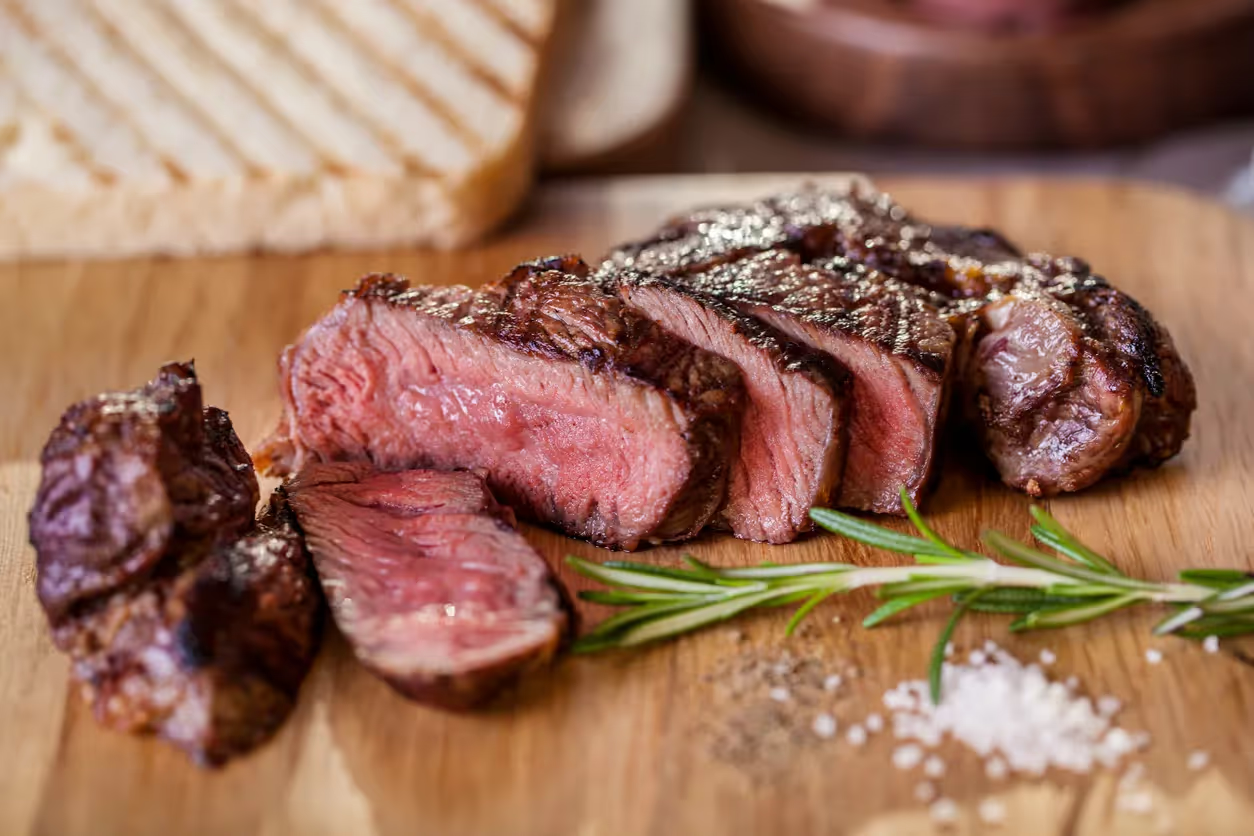
Steak is an excellent source of protein, vitamins, and minerals. Inadvertently, removing red meat from a diet for fear of heart disease could eliminate a helpful protein source that can aid weight loss and management.
In this article, you’ll learn the nutritional value of steak, if it is good for weight loss and its effect on heart disease, the possible benefits and downsides of eating steak, how much to eat, and what cuts to choose.
{{splash}}
Nutritional Value of Steak
A three-ounce serving of sirloin steak with fat removed provides:
- 130 calories
- 16.8 g of protein
- 6.8 g of fat (2.6 g of saturated fat)
- 49 mg of cholesterol
- No carbs, sugar, or fiber
Steak is a high source of key nutrients such as protein, vitamin B12, niacin, selenium, and zinc.
Nourish offers personalized nutrition counseling and can help you determine the appropriate amounts of carbohydrates, fat, fiber, protein, and nutrients for your meals. If you’re ready to take the next step in your health, consider booking a virtual appointment with a registered dietitian.
Is Steak Good For Weight Loss?
Protein Source
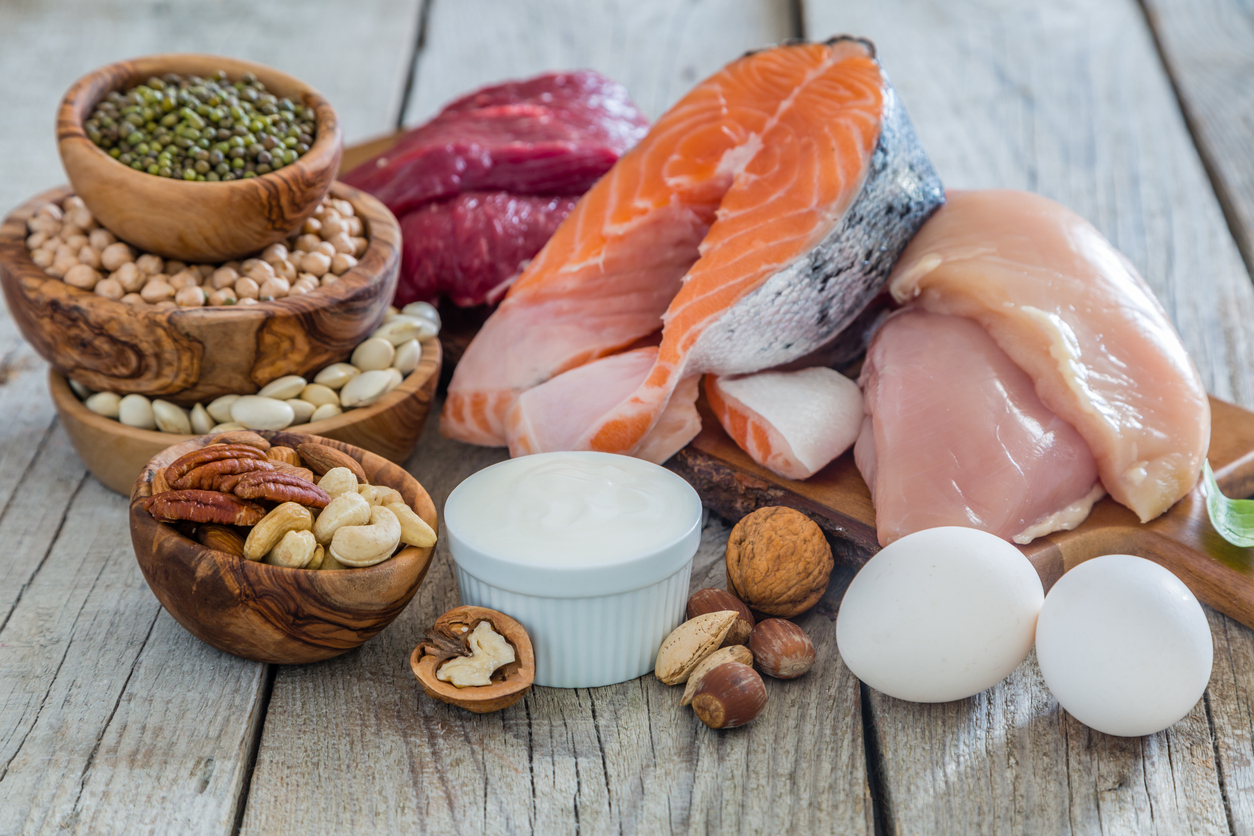
Protein intake is essential for maintaining muscle mass while losing fat mass. A 2015 research encouraged people to boost their protein intake to 1.2 to 1.6 g per kg of body weight to aid in weight loss and maintain muscle mass. This increase in protein is also thought to reduce appetite and overall calorie intake, leading to slow, sustainable weight loss.
Additionally, the study found that heart and metabolic lab markers improved with this higher protein intake, even after one year of the higher protein diet. The researchers did indicate that maintaining a higher protein diet was difficult for some.
Aim for about 20 to 30 g of protein per meal. Incorporating three ounces of lean steak could meet most of those protein needs indicated in research for muscle maintenance and loss of fat mass.
Helps with Weight Maintenance
Six clinical trials ranging from 36 to 120 participants have indicated that unprocessed red meat intake (steak) in 15 g to 150 g amounts daily does not increase body weight or increase heart disease risk. Keep in mind that one ounce of steak is approximately 20 g.
Also, one study with 108 participants found that adding unprocessed red meat after weight loss helped with weight maintenance in the following three months.
Excellent Source of Nutrients
Steak is a great source of other nutrients aside from protein. A three-ounce serving provides 45% of the daily vitamin B12 needs, about one-third of daily niacin needs, 30% of selenium needs, and over 25% of zinc needs for adults.
Niacin helps to turn food into energy and keeps cells functioning properly. Vitamin B12 helps to keep blood and nerve cells strong and is usually found in animal-based foods unless the food is fortified. Selenium is important for reproduction and the immune system, along with zinc.
Potential Downsides
Disease Association
Cancer and heart disease have historically been associated with high red meat intake, although current research clarifies that it is primarily processed red meat.
Observational studies have found that substituting plant foods such as beans, nuts, or soy for red meat might have reduced the risk of heart disease among 43,272 men. Interestingly, these studies did not conclude that red meat caused heart disease, nor was the type of red meat clarified.
A large prospective study of 134,297 people found no significant associations between unprocessed red meat and death or heart disease. But a high intake of processed meat was associated with a higher risk of death and heart disease.
Too Much Saturated Fat
Depending on the type of steak and cooking methods (adding butter and oil), saturated fat content might creep into the unhealthy range.
The Dietary Guidelines for Americans recommends limiting saturated fat to 10% or less of total daily calories. This equates to about 200 calories or 22 g of saturated fat daily for a 2,000-calorie diet. Lean cuts of steak provide less than 4.5 g of saturated fat.
How Much Steak Can You Eat?
When it comes to food, moderation and variety are important. A review article summarizing many studies indicated the health benefits and weight maintenance effect of steak intake. Portion sizes across the studies ranged from 15g (almost 1 ounce ) to 150 g (7.5 ounces) of red meat daily. Many studies in the review article used a threshold of at least four servings of steak per week as a higher red meat intake with no adverse risks.
The Dietary Guidelines for Americans (DGA) recommends 10 to 35% of your calories come from protein, equating to about 200 to 700 calories or 50 to 175 g of protein daily for a 2,000-calorie diet. The DGA also provides guidance that adults eat no more than 5.5 to 6 ounces (156 to 170 grams) of cooked lean meat, fish, shellfish, or skinless poultry daily.
This shows that lean cuts of steak can fit into a weekly meal plan and help meet daily protein needs along with other protein-rich foods.
Measuring Serving Sizes
A three-ounce serving of steak is about the size of a deck of cards or the palm of your hand and provides between 15 and 22 g of protein. This visual can help you portion out your lean cut of steak.
You can weigh in ounces or grams if you want to use a food scale. Three ounces is about 60 g on a food scale.
What are the Best Cuts of Steak for Weight Loss?
Leaner cuts of steak may be the best for weight loss, and choosing them will ensure a high protein option with healthy amounts of fat. The U.S. Department of Agriculture (USDA) defines “lean” or “extra lean” cuts of beef based on their fat and cholesterol content.
Lean cuts of beef
The USDA defines a lean cut of beef as a 3.5-ounce serving (about 100 grams) with less than:
- 10 grams total fat
- 4.5 grams of saturated fat
- 95 milligrams cholesterol
Extra-lean cuts of beef
The USDA defines extra-lean beef as a 3.5-ounce serving that contains less than:
- 5 grams total fat
- 2 grams of saturated fat
- 95 milligrams cholesterol
Examples of steak cuts include eye of round roast and steak, sirloin tip side steak, top round roast and steak, bottom round roast and steak, and top sirloin steak. Cutting off visible fat and draining excess fat are additional ways to reduce the fat and cholesterol content.
Takeaways
Steak is a rich source of protein, vitamins, and minerals. Removing steak entirely from your diet may not be necessary for optimal health. Research indicates that unprocessed red meat does not increase the risk of heart disease or cancer.
Adding lean cuts of steak may help with weight maintenance without adversely affecting cholesterol and other heart disease markers. Because they are rich in protein, steaks can also help keep you full and add variety to your eating patterns.
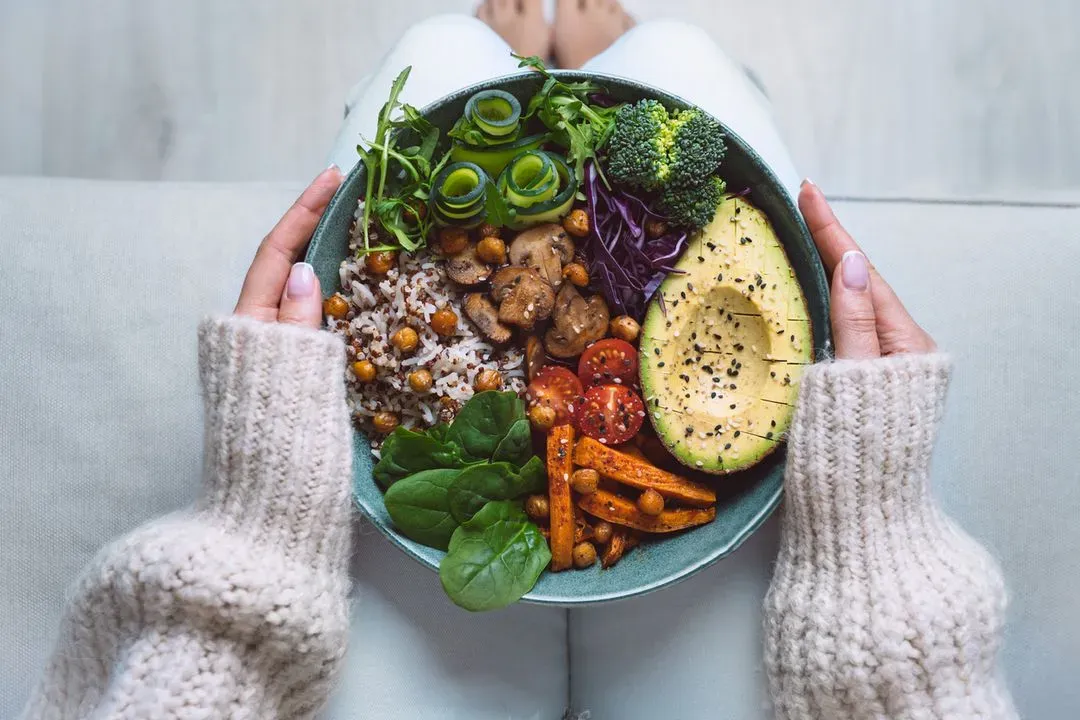
Consider trying some lean or extra-lean cuts of beef to boost your protein and nutrient intake. Pairing three to four ounces of steak with vegetables and whole grains can be an enjoyable and satisfying meal option.
Having trouble losing weight? Take the weight loss quiz to understand your next steps and reach your goals.
{{splash}}
How a Dietitian Can Help
Collaborate with an expert on weight management. Dietitians have various tools and knowledge to help you customize your specific lifestyle and eating habits to manage your weight healthfully and sustainably.
Nourish has a team of compassionate dietitians available for online appointments. Every dietitian is covered by insurance, and many are specialized in sustainable weight management. Book your first appointment today.
Find a dietitian near you that accepts insurance using Nourish.
Frequently Asked Questions
References
View all references
- Per capita red meat and poultry consumption expected to decrease modestly in 2022. (n.d.).
- Ground Beef In The United States. (n.d.).
- O'Connor, L. E., Kim, J. E., & Campbell, W. W. (2017). Total red meat intake of ≥0.5 servings/d does not negatively influence cardiovascular disease risk factors: a systemically searched meta-analysis of randomized controlled trials. The American journal of clinical nutrition, 105(1), 57–69.
- Al-Shaar, L., Satija, A., Wang, D. D., Rimm, E. B., Smith-Warner, S. A., Stampfer, M. J., Hu, F. B., & Willett, W. C. (2020). Red meat intake and risk of coronary heart disease among US men: prospective cohort study. BMJ (Clinical research ed.), 371, m4141.
- FoodData Central. (n.d.).
- Leidy, H. J., Clifton, P. M., Astrup, A., Wycherley, T. P., Westerterp-Plantenga, M. S., Luscombe-Marsh, N. D., Woods, S. C., & Mattes, R. D. (2015). The role of protein in weight loss and maintenance. The American journal of clinical nutrition, 101(6), 1320S–1329S.
- Magkos, F., Rasmussen, S. I., Hjorth, M. F., Asping, S., Rosenkrans, M. I., Sjödin, A. M., Astrup, A. V., & Geiker, N. R. W. (2022). Unprocessed red meat in the dietary treatment of obesity: a randomized controlled trial of beef supplementation during weight maintenance after successful weight loss. The American journal of clinical nutrition, 116(6), 1820–1830.
- Office of Dietary Supplements - Niacin. (n.d.).
- Office of Dietary Supplements - Vitamin B12. (n.d.).
- Office of Dietary Supplements - Selenium. (n.d.).
- Office of Dietary Supplements - Zinc. (n.d.).
- Al-Shaar, L., Satija, A., Wang, D. D., Rimm, E. B., Smith-Warner, S. A., Stampfer, M. J., Hu, F. B., & Willett, W. C. (2020). Red meat intake and risk of coronary heart disease among US men: prospective cohort study. BMJ (Clinical research ed.), 371, m4141.
- Iqbal, R., Dehghan, M., Mente, A., Rangarajan, S., Wielgosz, A., Avezum, A., Seron, P., AlHabib, K. F., Lopez-Jaramillo, P., Swaminathan, S., Mohammadifard, N., Zatońska, K., Bo, H., Varma, R. P., Rahman, O., Yusufali, A., Lu, Y., Ismail, N., Rosengren, A., Imeryuz, N., … Yusuf, S. (2021). Associations of unprocessed and processed meat intake with mortality and cardiovascular disease in 21 countries [Prospective Urban Rural Epidemiology (PURE) Study]: a prospective cohort study. The American journal of clinical nutrition, 114(3), 1049–1058.
- Home | Dietary Guidelines for Americans. (n.d.).
- Cuts of beef: A guide to the leanest selections. (2021, November 24). Mayo Clinic.
Nourish has strict sourcing policies and prioritizes primary sources, including medical organizations, governmental agencies, academic institutions, and peer-reviewed scientific journals. Learn more about our medical review process and editorial guidelines.
More articles
%201%20(1).jpg)


.avif)













.avif)















.avif)















.avif)







.avif)
.avif)










.avif)
.avif)