Top 10 Foods That Cause Water Retention And How To Avoid Them

Medical Reviewer: Blair Kott, MDA, RD, LD

Author: Ashley Petrie, RDN, LDN
Summary
- Water retention can be caused by certain medical conditions, medications, and some foods.
- Common foods that cause water retention include high-sodium foods, sugar-sweetened foods, alcoholic beverages, and carbonated drinks.
- Making changes to your diet and lifestyle can reduce the likelihood of experiencing water retention.
If parts of your body feel more swollen than usual or if your weight has increased over a short period of time (days to weeks), you may be experiencing water retention.
Water retention, also called fluid retention, occurs when the body can’t eliminate excess water.
While certain medical conditions and medications can cause this issue, the foods and drinks you consume also affect how your body manages fluid levels.
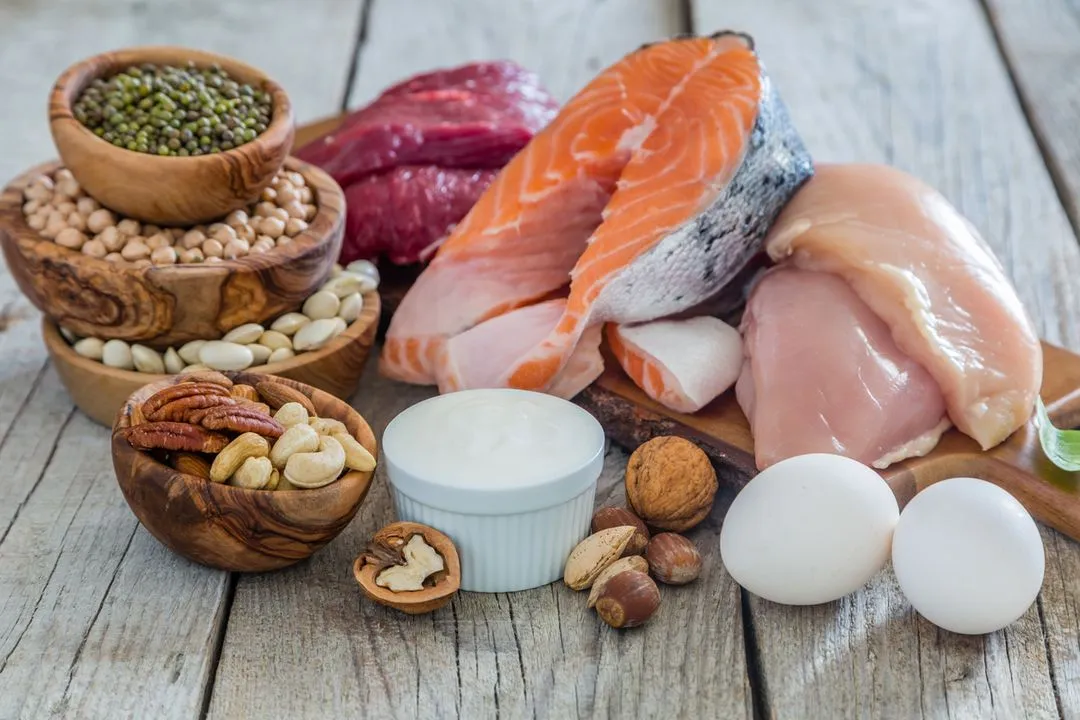
In general, processed foods that are high in salt and sugar can lead to water retention.
Refined carbohydrates, alcoholic beverages, and carbonated drinks can also contribute.
Read on to learn about the most common foods that cause water retention, how to avoid them, and helpful tips for reducing excess fluid buildup in your body.
{{splash}}
What Causes Water Retention?
Water retention occurs when excess fluids build up in the body’s tissues, leading to swelling in the feet, ankles, legs, hands, or abdomen.
Various factors can cause water retention, including certain medical conditions like kidney disease or heart failure, medications such as corticosteroids, hormonal changes, and dietary choices.
Fortunately, dietary changes may help with water retention.
For example, reducing sodium intake and staying well-hydrated, can help manage and prevent excess fluid.
Consider working with a registered dietitian for more personalized recommendations.
How Diet Impacts Water Retention
Diet impacts water retention in several ways.
Consuming high-sodium foods can cause the body to retain excess water as your vital organs attempt to dilute and balance sodium levels.
Likewise, diets high in refined carbohydrates and sugars may lead to insulin spikes, promoting sodium retention and fluid buildup.
Maintaining a balanced diet that includes plenty of whole foods and adequate hydration may help regulate fluid levels and reduce water retention.
Common Foods That Cause Water Retention
Certain foods are more likely to contribute to water retention, leading to uncomfortable swelling and bloating. Here are some common culprits:
High-Sodium Foods
Sodium is one of the main dietary causes of water retention.
When sodium levels in your cells are high, your body holds onto more water to balance it out.
Foods that are particularly high in sodium include:
- Canned soups.
- Bottled sauces and dressings.
- Frozen meals.
- Table salt added to meals.
Sugary Foods
Sugary foods also contribute to water retention. Foods that are high in sugar cause your blood sugar levels to increase.
In response, your body releases insulin. High insulin levels cause your body to hold onto more sodium and water.
Examples of sugary foods include:
- Candies and sweets.
- Sugar-sweetened cereals.
- Baked goods, such as cookies, cakes, and brownies.
- Sodas and energy drinks.
Refined Carbs
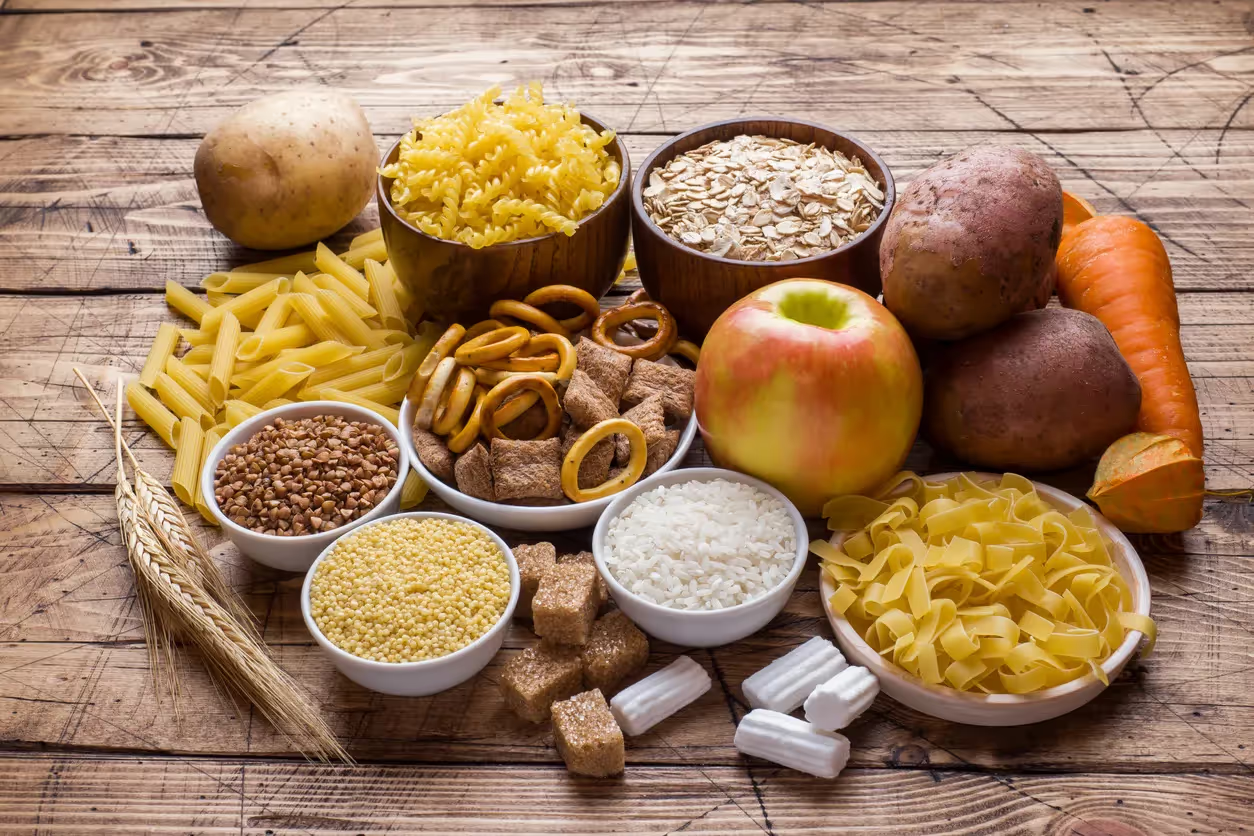
Refined carbohydrates are low in fiber and sometimes contain added sugars.
Without fiber, the body quickly breaks down these types of carbohydrates into sugar, leading to a spike in insulin.
High levels of insulin cause the body to retain excess sodium and water.
Additionally, if you eat excess carbohydrates, your body may store them as glycogen.
Glycogen is stored in the muscles along with water, contributing to fluid retention.
Some examples of refined carbohydrates include:
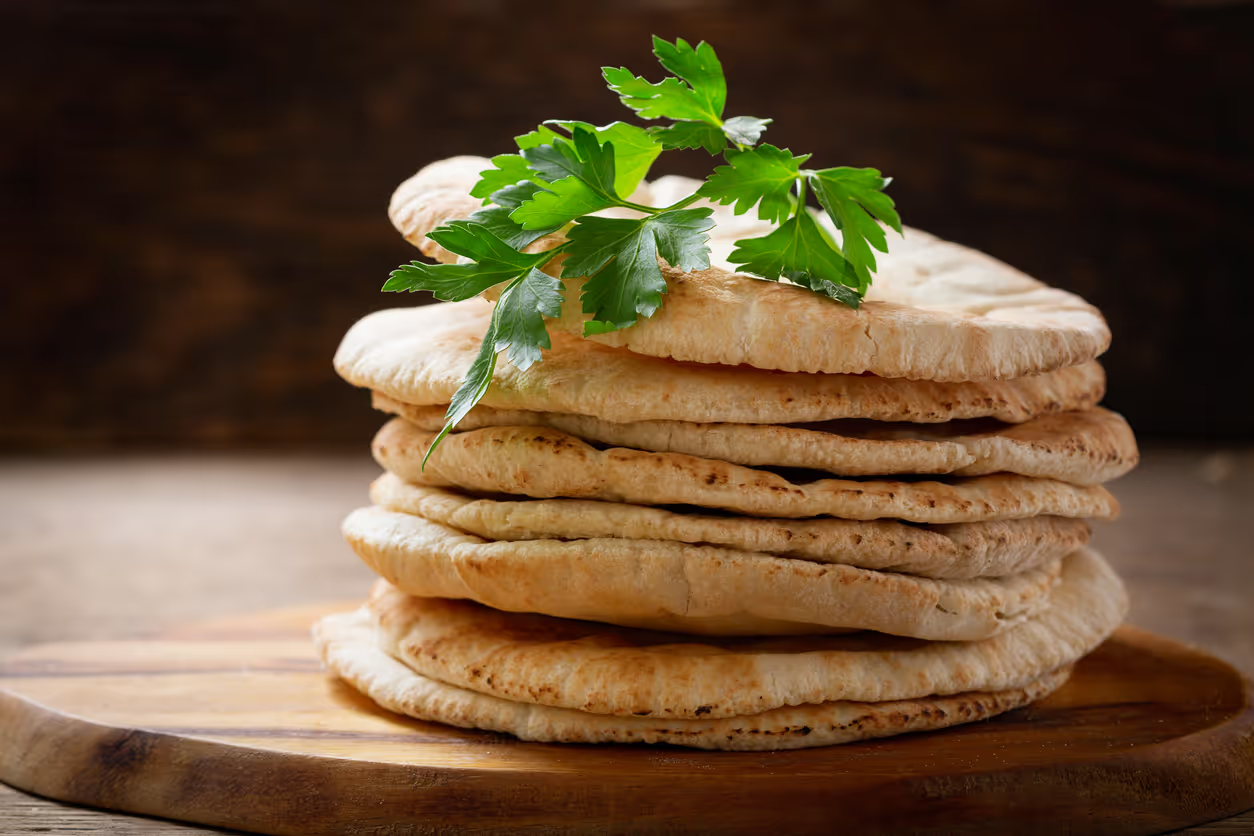
- White bread.
- Bagels.
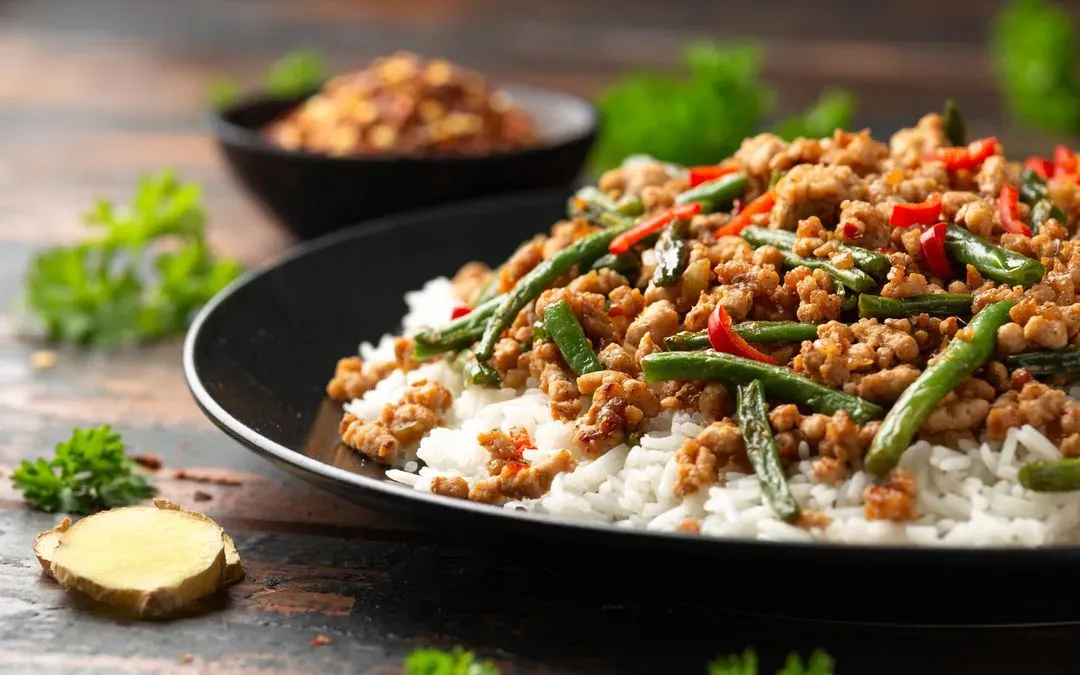
- White rice.
- Pasta.
- Pastries and other desserts.
Certain Dairy Products
Certain dairy products can be high in excess sodium or sugar, and eating too many of these dairy products can contribute to fluid retention.
Here are some dairy products that may contribute to water retention:
- Processed cheese slices.
- Cream cheese.
- Cottage cheese.
- Buttermilk.
- Sweetened yogurt.
Salty Snacks
Snacks that are high in salt can cause your body to hold onto extra water if consumed in excess.
Common salty snacks include:
- Potato chips.
- Pretzels.
- Popcorn.
- Salted nuts.
- Beef jerky.
Processed Meats
Processed meats are often cured or preserved using a large amount of salt.
Consumed frequently, the high sodium content in processed meats can sometimes lead to water retention.
Examples of processed meats include:
- Bacon.
- Sausages.
- Deli meats, such as ham, salami, and bologna.
Alcoholic Beverages
Alcoholic beverages initially act as a diuretic, making you pee more frequently.
If you’re not replacing these fluids with water, your body can become dehydrated.
Dehydration can cause water retention because your body starts conserving the water it already has.
While drinking in moderation may be okay (one drink or less per day for women and two drinks or less per day for men), chronic alcohol use or excessive binge drinking can lead to sodium and fluid imbalances.
Additionally, some mixed drinks may contain sugary or salty ingredients, which can affect fluid retention.
Alcohol consumption can also lead to overeating foods that are high in sodium or sugar.
Some Vegetables
Certain vegetables, particularly canned vegetables and frozen varieties with added sauces, can be high in sodium.
Canned vegetables are typically processed with salt to help preserve them.
Similarly, frozen vegetables with added sauces or seasonings can also contribute significantly to daily sodium intake.
Canned and frozen goods can still be included in a balanced diet.
Check the label and look for options that say no sodium added, low sodium, or have 5% or less of the daily value of sodium.
Carbonated Drinks
Carbonated beverages like soda or energy drinks are often high in added sugar, which can contribute to water retention if consumed excessively.
These drinks can also contain caffeine, which acts as a diuretic, potentially making dehydration worse if not balanced with adequate water intake.
Examples of carbonated beverages that may cause fluid retention include:
- Soda.
- Energy drinks.
- Sports drinks.
- Sweetened seltzer water.
- Beer.
Pre-Packaged Meals
While convenient, pre-packaged meals are often high in sodium, making them a common cause of water retention.
Examples include:
- Frozen dinners.
- Instant noodles.
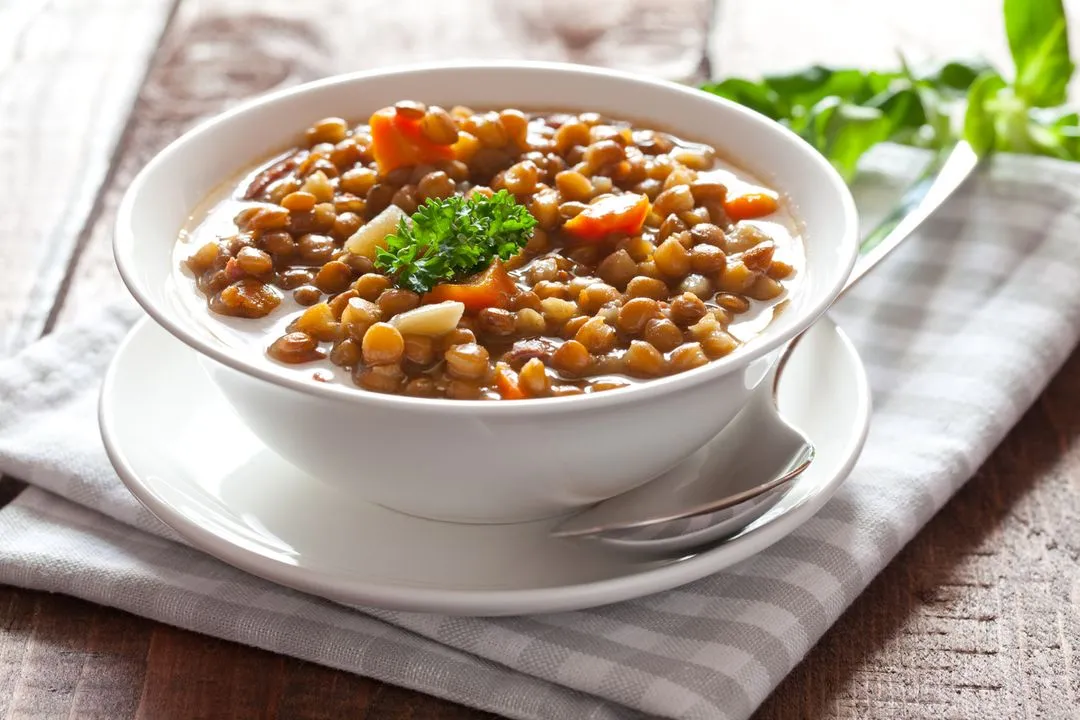
- Canned soups.
- Pre-made meals from the grocery store.
How to Reduce Water Retention
Reducing water retention through your diet involves making small, mindful changes over time.
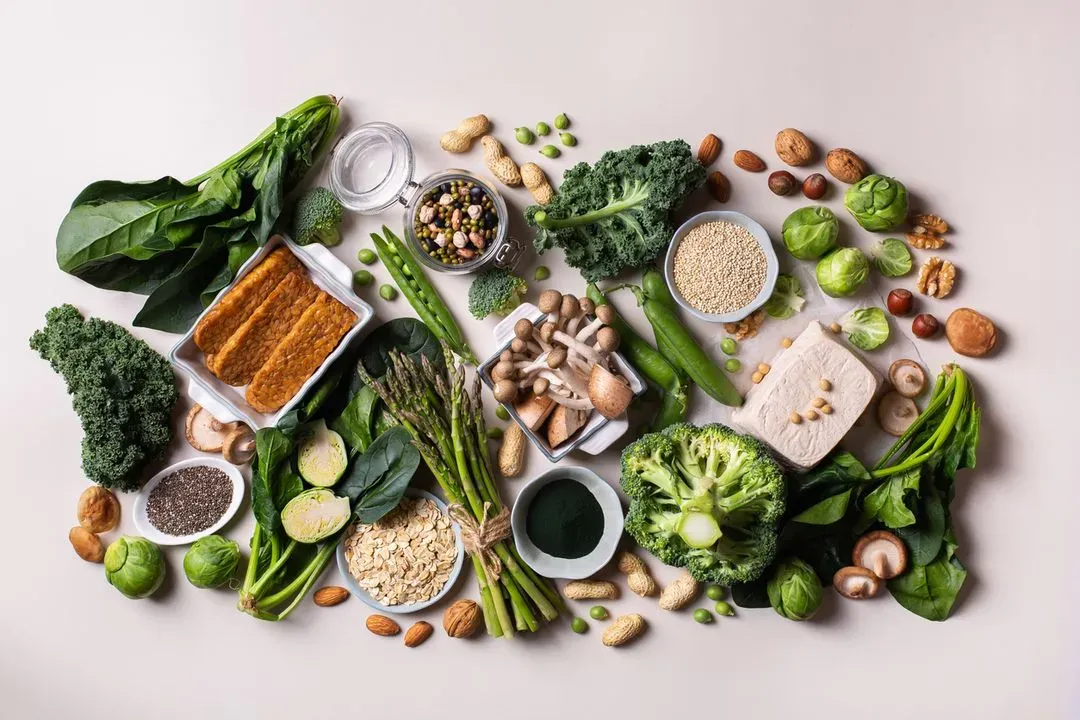
While you might need to limit some foods, there are also many healthy options you can add to your diet to help reduce fluid buildup.
Here are some tips to help you get started:
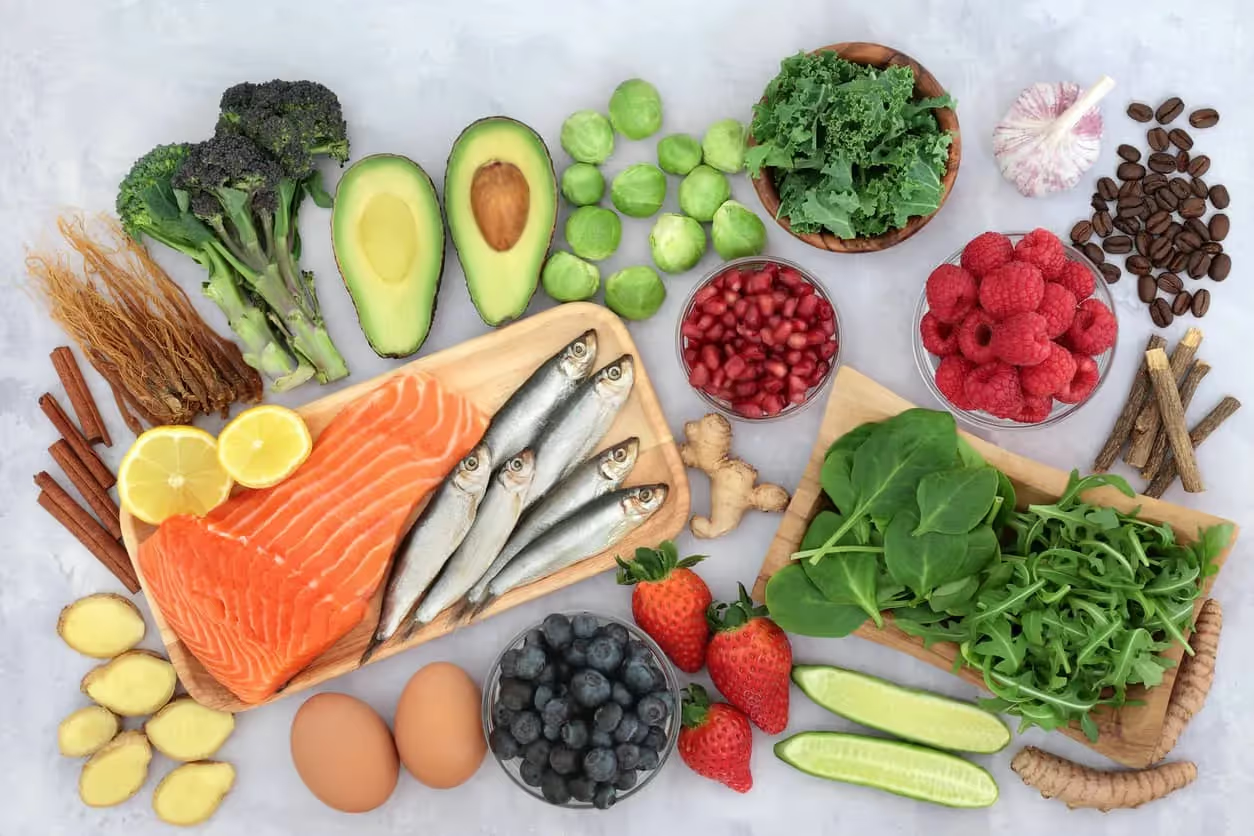
Increase Potassium Intake
Potassium is an important mineral that keeps your heart and other muscles functioning properly.
Eating enough potassium-rich foods may counteract the effects of sodium to help balance fluid levels in your body.
Foods rich in potassium include:
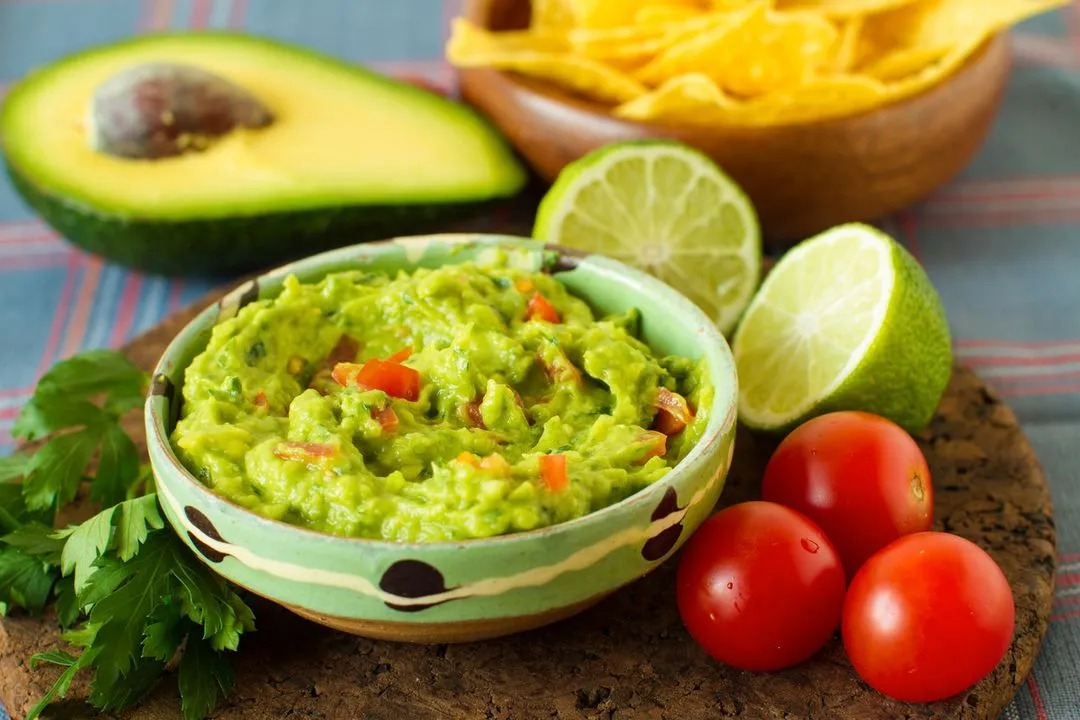
- Bananas.
- Apricots.
- Leafy greens (bok choy, spinach, beet greens, etc.)
- Avocados.
- Potatoes.
Drink Plenty of Water to Stay Hydrated
While it may seem like the opposite should be true, staying well-hydrated is one way to help with water retention.
Low water intake and dehydration can lead to fluid retention, as the body holds onto excess water to help dilute sodium.
Drinking plenty of water helps flush out excess sodium and reduce fluid buildup.
Reduce Salt Intake and Avoid Processed Foods
Since salt contributes to water retention, following a low-sodium diet and cutting back on processed foods may help restore fluid balance.
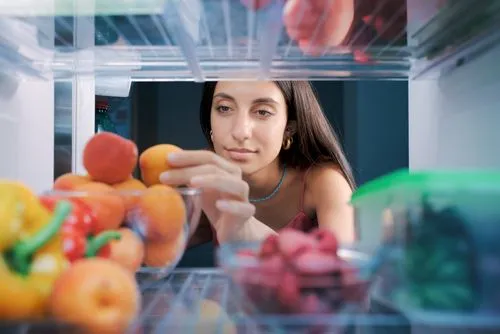
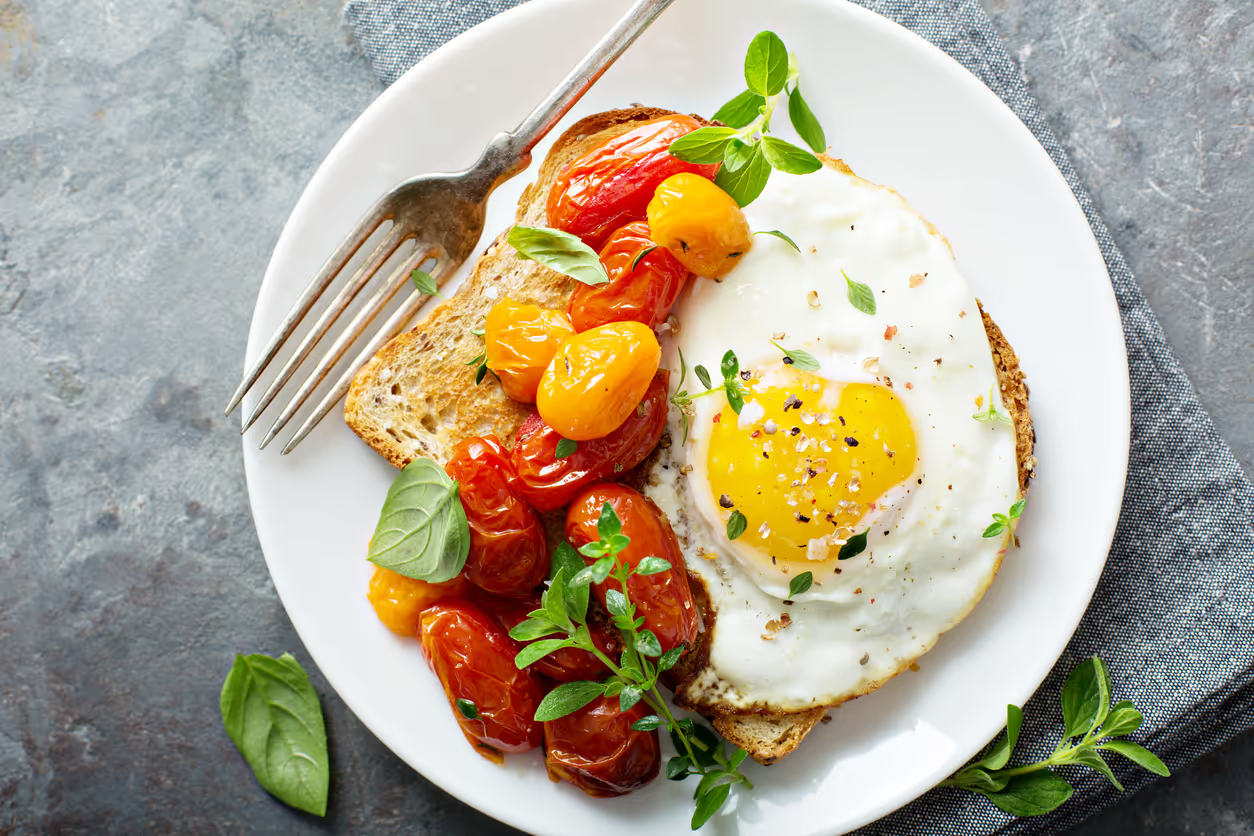
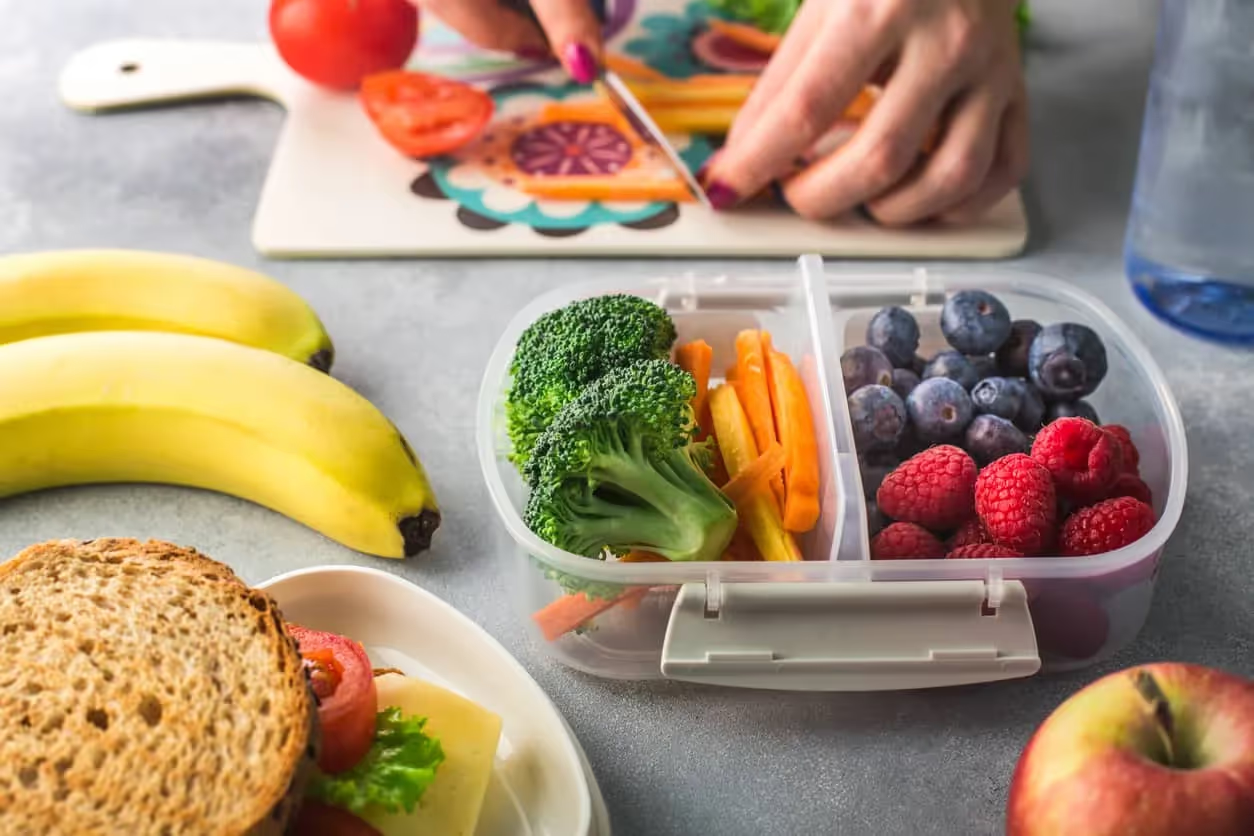
Choose whole foods such as fruits and vegetables for snacks, and prioritize home-cooked meals over pre-packaged options.
When shopping, check nutrition labels. Select foods with less than 20% of the daily value of sodium, aiming for less than 2,300 mg of sodium each day.
{{splash}}
Eat More Diuretic Foods
Incorporating water-rich, diuretic foods into your diet can help reduce water retention by promoting urine production and flushing out excess fluids.
Examples of water-rich or potentially diuretic foods include:
Exercise Regularly to Improve Circulation
Regular exercise improves circulation and helps reduce excess fluid buildup in the body.
When you exercise regularly, you strengthen your heart and improve blood circulation.
Better blood circulation means your body can move fluids around more easily, reducing the chances of fluid retention.
Additionally, studies have shown that people who engage in regular physical activity have increased water turnover compared to those who are sedentary, likely due to increased sweating and subsequently replacing the fluids lost during exercise.
Aim for at least 150 minutes of moderate exercise and two days of strength training each week.
Make workouts fun by recruiting a walking buddy, attending a local fitness class, or trying something new like rock climbing or zumba.
Monitor Portion Sizes and Avoid Overeating
Overeating, especially overeating ultra-processed foods and refined carbohydrates, can lead to water retention.
Here are some tips to help you limit the frequency of overeating:
- Eat smaller, more frequent meals.
- Practice mindful eating and avoid distractions.
- Enjoy a balanced diet to ensure your body is well-nourished.
- Drink plenty of water.
Takeaway
Understanding how certain foods can lead to water retention is essential for maintaining balanced fluid levels in the body.
By cutting back on salty and sugary foods, choosing whole foods more often, and staying hydrated with water, you can support your body's natural ability to regulate fluid levels.
Eating water-rich foods, like watermelon and celery, and staying active can also help reduce excess fluid buildup.
Practicing these habits regularly can help you feel better and make a difference in managing water retention over time.
How a Dietitian Can Help with Water Retention
If you’re struggling with water retention, a dietitian may be able to help.
A dietitian can assess your current diet to identify sources of excess sodium and sugar.
They can create a personalized meal plan focused on fresh, whole foods to promote better fluid balance.
Additionally, a dietitian can provide guidance on proper hydration, monitor your fluid intake, and educate you on reading nutrition labels to help you make informed food choices.
Find a dietitian who can help you manage water retention and develop sustainable dietary habits that support optimal fluid balance.
Frequently Asked Questions
References
View all references
- Swelling: MedlinePlus Medical Encyclopedia. (n.d.).
- Fluid imbalance: MedlinePlus Medical Encyclopedia. (n.d.).
- Rakova, N., Kitada, K., Lerchl, K., Dahlmann, A., Birukov, A., Daub, S., Kopp, C., Pedchenko, T., Zhang, Y., Beck, L., Johannes, B., Marton, A., Müller, D. N., Rauh, M., Luft, F. C., & Titze, J. (2017). Increased salt consumption induces body water conservation and decreases fluid intake. The Journal of Clinical Investigation/The Journal of Clinical Investigation, 127(5), 1932–1943.
- DiNicolantonio, J. J., & O’Keefe, J. H. (2022, December 1). Added sugars drive insulin resistance, hyperinsulinemia, hypertension, type 2 diabetes and coronary heart disease. PubMed Central (PMC).
- Hodgens, A., & Sharman, T. (2023, May 1). Corticosteroids. StatPearls - NCBI Bookshelf.
- Stachenfeld, N. S. (2014). Hormonal changes during menopause and the impact on fluid regulation. Reproductive Sciences, 21(5), 555–561.
- Hahn, R. G. (2020). Effects of diet, habitual water intake and increased hydration on body fluid volumes and urinary analysis of renal fluid retention in healthy volunteers. European Journal of Nutrition, 60(2), 691–702.
- Choosing healthy carbs. (2024, May 15). Diabetes.
- Fernández-Elías, V. E., Ortega, J. F., Nelson, R. K., & Mora-Rodriguez, R. (2015). Relationship between muscle water and glycogen recovery after prolonged exercise in the heat in humans. European Journal of Applied Physiology, 115(9), 1919–1926.
- Epstein, M. (1997). Alcohol’s impact on kidney function. PubMed Central (PMC).
- Caton, S. J., Nolan, L. J., & Hetherington, M. M. (2015). Alcohol, appetite and loss of restraint. Current Obesity Reports, 4(1), 99–105.
- Drinking levels defined | National Institute on Alcohol Abuse and Alcoholism (NIAAA). (n.d.).
- National Library of Medicine. (n.d.-c). Caffeine.
- Shrimanker, I., & Bhattarai, S. (2023, July 24). Electrolytes. StatPearls - NCBI Bookshelf.
- Sodium in your diet. (n.d.-b). FDA.
- Clare, B. A., Conroy, R. S., & Spelman, K. (2009). The Diuretic Effect in Human Subjects of an Extract ofTaraxacum officinaleFolium over a Single Day. The Journal of Alternative and Complementary Medicine/Journal of Alternative and Complementary Medicine, 15(8), 929–934.
- Jalalyazdi, M., Ramezani, J., Izadi-Moud, A., Madani-Sani, F., Shahlaei, S., & Ghiasi, S. S. (2019). Effect of hibiscus sabdariffa on blood pressure in patients with stage 1 hypertension. Journal of Advanced Pharmaceutical Technology and Research, 10(3), 107.
- National Library of Medicine. (n.d.-b). Benefits of exercise.
- Disher, A. E., Stewart, K. L., Bach, A. J. E., & Stewart, I. B. (2021). Contribution of dietary composition on water turnover rates in active and sedentary men. Nutrients, 13(6), 2124.
- Physical activity for adults: An overview. (2023d, December 20). Physical Activity Basics.
- Leaf, A., & Antonio, J. (2017). The effects of Overfeeding on body Composition: The role of Macronutrient Composition – A Narrative review. PubMed Central (PMC).
Nourish has strict sourcing policies and prioritizes primary sources, including medical organizations, governmental agencies, academic institutions, and peer-reviewed scientific journals. Learn more about our medical review process and editorial guidelines.









.jpg)


















.avif)

.avif)

















.avif)

%20(1).webp)





.avif)
.avif)