The 12 Most Nutritious Vegetables To Cook With Everyday

Medical Reviewer: Christine Russell, MS, RD, LD, CDCES

Author: Julia Zakrzewski, RD

Summary
- Vegetables have a variety of nutrients and antioxidants that support overall health and help prevent disease.
- We’ve selected twelve nutritious and versatile vegetables to add to your weekly menu.
- Enjoy vegetables in smoothies, salads, soups, stews, or even baked into desserts.
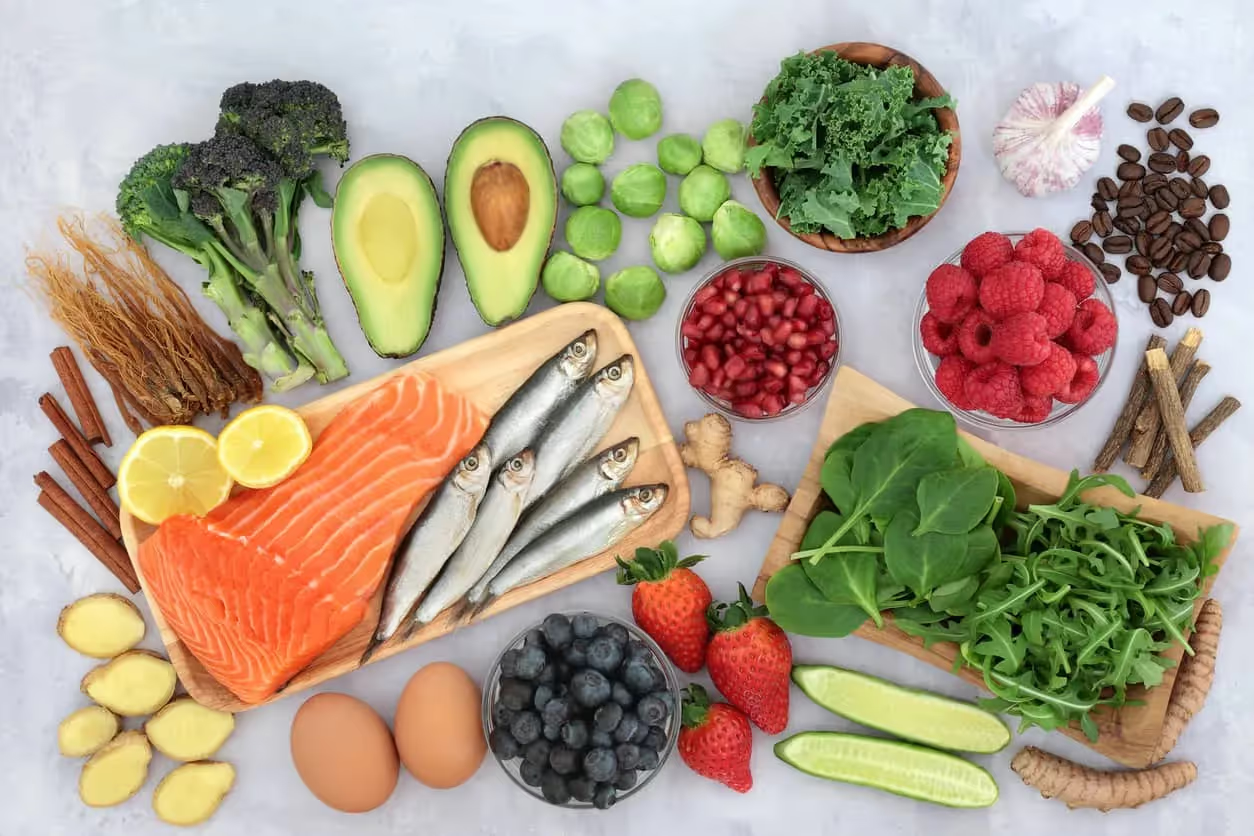
Vegetables are rich in vitamins, minerals, antioxidants, and fiber—all nutrients that help you stay healthy.
Although every vegetable has benefits, we’ve picked 12 nutritious options that are easy to cook.
Keep reading to learn more about vegetables and how to incorporate them into your meals.
{{splash}}
The 12 Most Nutritious Vegetables to Cook With Everyday
There are so many vegetables to pick from, so it was challenging to pick just 12.
For our criteria, we examined:
- Overall nutritional value. We wanted vegetables loaded with a variety of nutrients.
- Accessibility. We tried to pick options that are easy to find and, ideally, available year-round (either fresh or frozen).
- Versatility. Knowing about nutritious vegetables is a good start, but cooking and eating them regularly is more important for your health.
Keep reading to learn which vegetables made our list (listed in no particular order).
1. Spinach
Raw spinach is a nutrient-dense leafy green vegetable that contains a host of micronutrients, including vitamins A, C, and K, and some non-heme iron (a plant-based form of iron best absorbed with vitamin C-rich foods).
It also has antioxidants, which support overall health and help to reduce the risk of illness and some cancers.
Spinach can be eaten raw or cooked. You can eat more spinach by:
- Adding it to smoothies.
- Layering it into sandwiches or wraps.
- Cooking it into pasta sauces (you can use fresh or frozen for this).
2. Garlic
Garlic has long been consumed because of its believed health benefits (some research suggests that powdered garlic supplements may help lower blood pressure), and it’s a bonus that garlic makes food taste great.
One clove has selenium, vitamin B6, vitamin C, and antioxidants.
Garlic cloves can be consumed raw or cooked and are excellent for pickling.
You can eat more garlic by:
- Crushing it into salad dressings.
- Roasting and spreading it onto sandwiches.
- Adding it to soups, stews, and other cooked dishes.
3. Red Cabbage
Raw red cabbage has crunchy fiber that nourishes the probiotic microorganisms in your digestive tract.
It also has a variety of vitamins and minerals, and it is generally an inexpensive vegetable.
You can eat raw or cooked red cabbage, but when served raw, it can have a more intense flavor than green cabbage.
You can eat more red cabbage by:
- Shredding it into a coleslaw.
- Braising it with onions for a side dish.
- Grilling cabbage steaks on the BBQ.
4. Sweet Potatoes
Sweet potatoes are a complex carbohydrate because they contain starch and fiber.
Their rich orange color is due to beta-carotene, a precursor to vitamin A (which supports eye health).
Be sure you cook your potatoes thoroughly before eating to prevent digestive illness.
You can eat more cooked sweet potatoes by:
- Cooking them into soups or stews.
- Adding roasted sweet potatoes to salads.
- Shredding them into your pancake or waffle batter for a savory breakfast.
5. Broccoli
Broccoli contains fiber, vitamins, minerals, and antioxidants.
It also contains sulforaphane, which is known for its health benefits and anticancer properties.
Additionally, some research suggests that eating broccoli can decrease inflammation.
Broccoli can be eaten raw or cooked. You can eat more broccoli by:
- Shredding florets into bean or burger mix before cooking.
- Roasting frozen broccoli with garlic, lemon zest, and grated parmesan.
- Steaming and dressing it with sesame oil, ground ginger, and chili flakes.
6. Kale
Kale is another cruciferous vegetable with similar nutritional properties to cabbage and broccoli.
It’s quite hearty and can be very chewy when served raw.
To soften the leaves, cut out the spine and gently massage the leaves for three minutes with your fingers before eating.
Kale can be eaten raw or cooked. You can eat more kale by:
- Cooking it in soup.
- Adding it to a pesto recipe with fresh basil.
- Making kale chips in an air-fryer.
7. Edamame
Edamame is a juvenile or immature soybean grown in a pod.
Although they’re legumes, the USDA states that soybeans count towards your daily vegetable intake.
They are rich in protein, fiber, and potassium and contain other micronutrients.
Edamame (and all soy products) must be cooked before consumption.
You can eat more edamame by:
- Blending them into a hummus.
- Serving them steamed with sesame oil and grated ginger.
- Adding them to salads.
8. Bell Peppers
Bell peppers are usually found in four colors: green, yellow, orange, and red.
Lighter—colored peppers are sweeter, while green bell peppers taste slightly bitter.
All bell peppers contain vitamins A and C, antioxidants, and fiber.
Bell peppers can be eaten raw or cooked. Eat more bell peppers by:
- Stuffing them with rice and beans (or lean ground meat).
- Roasting and blending them with white beans into a dip.
- Adding them to skewers or kebabs on the grill.
9. Carrots
Carrots are a staple in most households because they’re affordable, rich in nutrition, and can be used in sweet and savory dishes.
They also tend to go on sale often and are considered a more affordable produce option.
Carrots can be eaten raw or cooked. You can eat more carrots by:
- Adding spiralized carrots to your salads.
- Roasting them in the oven for a side dish.
- Shredding them into muffins.
{{splash}}
10. Beets
Another sweet root vegetable on our list is beets.
They’re famously purple (and can make your stool and urine purple, too), but when in season, you can also buy yellow or golden beets with a milder flavor.
All beet varieties have antioxidants, vitamin C, folate, and potassium.
Beets should be cooked before being eaten. You can eat more beets by:
- Boiling or microwaving them and adding them to salads.
- Buying canned beets for your recipes (this can save you a lot of prep and cooking time.)
- Adding cooked beets to smoothies.
11. Peas
Peas have starch, a small amount of protein, and various vitamins and minerals.
They also have fiber, which helps you stay regular and supports gut health.
We included them on our list because they’re widely accessible (frozen, fresh, or canned), and many people enjoy their mildly sweet flavor, making them easier to eat.
Peas can be eaten raw or cooked. You can eat more peas by:
- Adding them to a tuna salad with celery, onion, and pickles.
- Cooking them into soups or stews.
- Mashing and then layering them into sandwiches or wraps.
12. Bok Choy
Bok choy (and baby bok choy) is a type of Chinese cabbage with large, dark-green leaves and a crunchy stalk.
It’s rich in vitamins C and K and offers some fiber. It’s highly versatile and can be boiled, steamed, sautéed, or flash-cooked in a wok.
Bok choy can be eaten raw or cooked. You can eat more bok choy by:
- Sautéeing it with eggs for breakfast.
- Cooking it into soups.
- Grilling it on the barbecue.
How Often Should I Eat Vegetables?
The USDA recommends eating vegetables daily, with specific servings depending on your sex, age, and general health status.
Vegetables can be expensive, and if you’re on a budget, ask your dietitian for ways to buy produce without overspending.
Many canned and frozen vegetables can be used in recipes and may be a more affordable way to add nutrition to your meals.
Tips for Incorporating Vegetables Into Your Meals
You can add more vegetables to your meals by following these easy tips:
- Add more vegetables to sandwiches and wraps.
- Blend at least two vegetables in your smoothies.
- Make a pot of vegetable-filled soup and enjoy it throughout the week.
- Cook more savory breakfasts with vegetables (sauté eggs with vegetables, shred broccoli or zucchini into muffins, etc.)
- Wash and prep your vegetables after grocery shopping so they’re convenient and easy to grab.
- Follow the MyPlate model, which encourages you to fill half your plate with vegetables at every meal.
- Add vegetables to pasta sauces and marinades.
How a Dietitian Can Help
A registered dietitian is a nutrition expert who can help you incorporate more vegetables into your diet.
Through individual counseling, you’ll learn what evidence-based dietary changes you can make to optimize your health further.
At Nourish, every dietitian is covered by insurance and offers remote appointments.
At every session, you will have the chance to learn about nutrition concepts, work on goals, and receive unconditional support.
Find a dietitian who accepts insurance through Nourish.
Frequently Asked Questions
What is the healthiest vegetable?
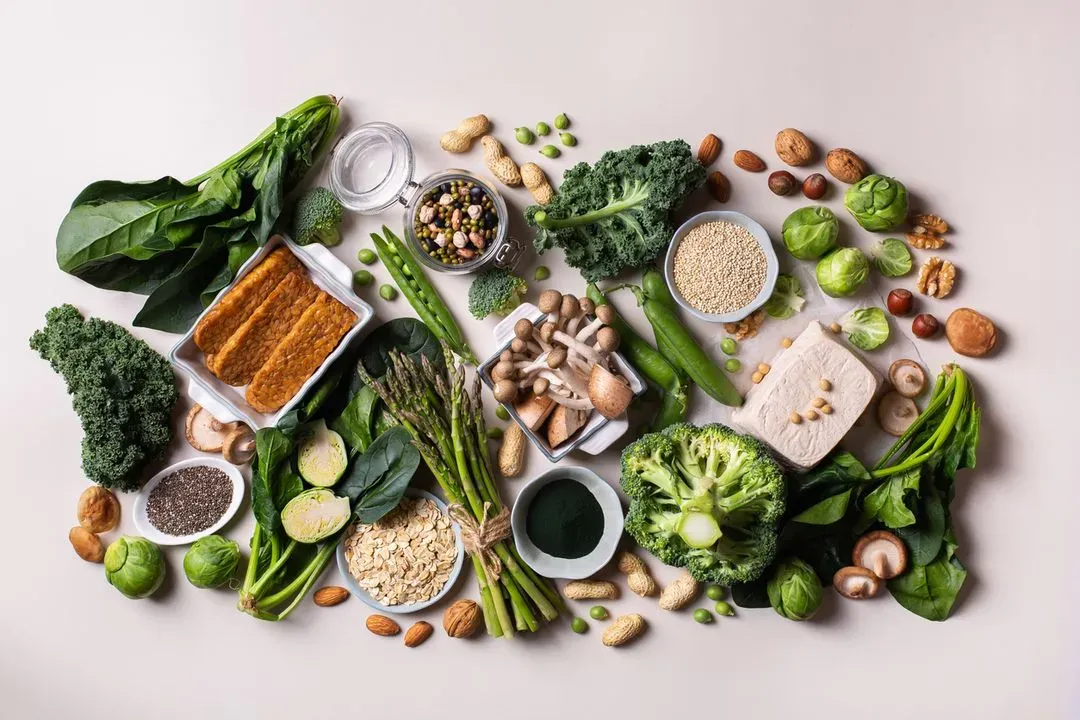
It’s difficult to say what the healthiest vegetable is. We prefer a more inclusive approach, which is why we selected twelve delicious options:
- Spinach.
- Garlic.
- Red cabbage.
- Sweet potatoes.
- Broccoli.
- Kale.
- Edamame.
- Bell peppers.
- Carrots.
- Beets.
- Peas.
- Bok choy.
What is the healthiest food in the world?
Many foods are nutritious and are considered beneficial for your health.
Vegetables may be one of the healthiest options because they contain vitamins, minerals, antioxidants, and fiber—all essential nutrients your body needs to thrive.
What vegetables should I eat every day?
Try to eat various colorful vegetables daily, as they contain different vitamins and minerals supporting your health.
References
View all references
State Indicator Report on Fruits and Vegetables, 2018 | Nutrition | CDC.
Antioxidants and Cancer Prevention - NCI
Sweet potato, cooked, baked in skin, flesh, without salt
Beets, cooked, boiled, drained
[historical record]: baby bok choy
USDA MyPlate Vegetables Group – One of the Five Food Groups
Nourish has strict sourcing policies and prioritizes primary sources, including medical organizations, governmental agencies, academic institutions, and peer-reviewed scientific journals. Learn more about our medical review process and editorial guidelines.













.jpg)























.avif)

.avif)



























.avif)

%20(1).webp)







.avif)
.avif)