The Best Ozempic Alternatives to Consider

Medical Reviewer: Ellie Stamerjohn, MS, RDN, LD

Author: Heather Smith, RN, BSN

Summary
- Ozempic (semaglutide) is a prescription GLP-1 agonist medication that is used to lower blood sugar levels.
- Many people who take Ozempic also experience weight loss, although it is not FDA-approved for this purpose.
- Other GLP-1 agonists that are alternatives to Ozempic include Byetta, Victoza, Tanzeum, Trulicity, and Mounjaro.
Ozempic is a medication used to manage type 2 diabetes in adults.
GLP-1 agonists help decrease a person’s blood sugar levels and lower their A1C (the average blood sugar levels over the last three months).
The medication also protects against cardiovascular events such as heart attack and stroke in people who have diabetes and heart disease.
Ozempic is not the only medication in its class.
Several other GLP-1 agonists exist which help manage blood sugar and sometimes encourage weight loss.
Read on to learn more about Ozempic and other alternative GLP-1 agonist medications.
{{splash}}
What Is Ozempic?
Ozempic is a prescription medication that works alongside lifestyle and dietary changes to keep blood sugar in a healthy range for people with type 2 diabetes.
It comes from the class of glucagon-like peptide-1 (GLP-1) agonists.
GLP-1 agonists have several mechanisms of action in the body. They work by:
- Decreasing the number of hormones the liver releases to control blood sugar.
- Slowing the rate at which food leaves the stomach during digestion.
- Stimulating the pancreas to release insulin when blood sugar levels start to increase.
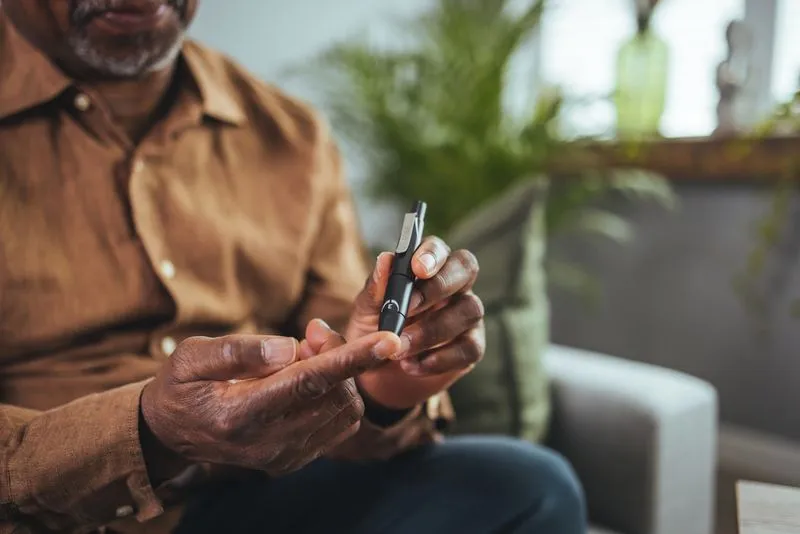
Ozempic is a once-weekly medication that you self-inject into your upper arm, thigh, or abdomen.
You can take it with or without food, and it’s important to take it at the same time each week.
People who take Ozempic also tend to experience weight loss.
A 2022 study of 175 people taking semaglutide, the active ingredient in Ozempic, showed an average weight loss of 5.9% at three months and 10.9% at six months of their starting weight.
During clinical trials, participants taking Ozempic lost an average of 8—14 lbs.
Side Effects of Ozempic
According to the prescribing information, Ozempic has several side effects.
These may be intense when first starting the medication, but they should decrease over time while your body adjusts. People starting Ozempic take a smaller dose that gradually increases over time.
The most common side effects of Ozempic include nausea, diarrhea, and vomiting.
Redness at the injection site is another common side effect.
Serious side effects may include:
- Hypoglycemia: Low blood sugar levels, which can lead to feeling faint, cold, and clammy skin.
- Allergic reaction: Itching, rash, swelling of the face, mouth, tongue, or throat, trouble breathing or swallowing.
- Pancreatitis: Inflammation of the pancreas with symptoms of mid-abdominal pain that may spread to the back with or without vomiting.
- Gallbladder disease: Upper stomach pain, fever, rapid heartbeat, yellowing of the eyes or skin, clay-colored stools.
- Diabetic retinopathy complications: Damage to delicate blood vessels, which results in vision changes.
- Acute kidney injury: Swelling of the legs, ankles, or feet, decreased urination.
The Food and Drug Administration (FDA) assigns “black box” warnings to medications to alert patients and medical professionals to a serious possible side effect.
Ozempic has a black box warning for the possible increased risk of thyroid tumors.
During clinical trials, mice and rats experienced more thyroid tumors while on Ozempic.
Currently, experts do not know if this risk applies to humans.
Speak to your doctor about Ozempic if you have a personal or family history of thyroid cancer or multiple endocrine neoplasia syndrome type 2.
Alternatives to Ozempic
Several other medications are also GLP-1 agonists and work similarly to Ozempic.
It is important to note that all GLP-1 agonists have the same black box warning as Ozempic and are not appropriate for everyone. People with the following medical conditions should avoid taking GLP-1 agonists:
- History of pancreatitis.
- Kidney failure.
- Type 1 diabetes.
- Breastfeeding or pregnant.
- Diabetic ketoacidosis.
- Multiple endocrine neoplasia syndrome type 2 (MEN 2).
- Family or personal history of medullary thyroid carcinoma (MTC).
At this time, all GLP-1 agonist medications are brand-name medications.
No generic versions are currently available.
The cost of brand-name medication can be high.
However, there are ways to help decrease the cost.
Coupons are available online, and some manufacturers have programs people can apply to when they need help paying for their prescriptions.
{{splash}}
Byetta
Byetta (exenatide) is an immediate-release GLP-1 agonist.
It differs from Ozempic in that it is taken twice daily, 60 minutes prior to the morning or evening meal or the two main meals of the day.
Byetta was the first medication of its kind in the GLP-1 agonist class.
Byetta can be taken in conjunction with other 2 diabetes medications, such as metformin.
Always discuss all your medications with your doctor.
It is important to continue monitoring blood sugar levels daily and A1C twice a year while taking Byetta.
Common side effects include nausea, vomiting, indigestion, and changes to bowel movements.
Pros of Byetta:
- Helps control blood sugar.
- Can be taken with other diabetes medications other than short-acting insulins.
- Helps with weight loss.
- May reduce the risk of cardiovascular events.
Cons of Byetta:
- Twice daily injection.
- Can make birth control pills less effective.
- Not approved for people under age 18.
- Can cause hypoglycemia.
Victoza
Victoza (liraglutide) is a once-daily injection.
It differs from Ozempic in that the FDA approves Victoza for children with type 2 diabetes over ten years of age and adults with type 2 diabetes.
During clinical trials, participants taking liraglutide lost an average of 8.1–11.6 pounds between 5–16 weeks.
Common side effects include nausea, vomiting, diarrhea, decreased appetite, and constipation.
Victoza may also cause your heart rate to increase.
Pros of Victoza:
- Approved for adults and kids 10 and over.
- Helps control blood sugar.
- Reduces appetite.
- May reduce the risk of cardiovascular events.
Cons of Victoza:
- Daily injection.
- May cause blood sugar to drop too low.
- Possible large out-of-pocket cost.
Trulicity
Trulicity (dulaglutide) is a GLP-1 agonist for adults with type 2 diabetes to take as a once-weekly injection.
50–60% of participants in clinical trials lowered their A1C to below 7%.
They also lost an average of ten pounds. However, this medication is not a FDA-cleareda weight loss medication.
Common side effects include nausea, diarrhea, vomiting, and abdominal pain.
Pros of Trulicity:
- Once-weekly injection.
- Helps lower A1C to below 7%.
- Helps with weight loss.
Cons of Trulity:
- Several side effects.
- May be cost-prohibitive.
- Can cause hypoglycemia.
Tanzeum
Tanzeum (albiglutide) is a once-weekly injection that helps adults manage blood glucose alongside lifestyle changes.
Clinical trial testing found it to be safe as monotherapy or in combination with other medications such as insulin glargine, metformin, and thiazolidinedione.
Common side effects include upper respiratory tract infection, nausea, diarrhea, and injection site reaction.
Pros of Tanzeum:
- Once-weekly injection.
- Helps with blood sugar management.
- Assists with weight loss.
Cons of Tanzeum:
- Not safe during pregnancy or while breastfeeding.
- May cause low blood sugar.
Mounjaro
Mounjaro (tirzepatide) is a once-weekly injection medication for adults with type 2 diabetes.
It is a newer GLP-1 agonist, and clinical trials show it helps decrease blood sugar levels.
Many participants in the trials lost 20% of their starting weight.
Because of this, some doctors prescribe Mounjaro as a weight loss medication.
However, this is an off-label use as the FDA has not given approval as a weight loss medication.
The FDA is currently reviewing it as a possible weight-loss medication.
Common side effects include nausea, diarrhea, vomiting, and constipation.
Pros of Mounjaro:
- Helps with weight loss.
- Blood sugar management.
- Convenient once-weekly injection.
Cons of Mounjaro:
- May cause nausea or vomiting.
- Newer medication.
Metformin
Metformin has a long history of helping with blood sugar management for people with type 2 diabetes.
It’s an oral medication that you may take once or twice daily.
Metformin is known as being a first-line treatment for people who are showing signs of type 2 diabetes or who already have type 2 diabetes.
It differs a bit from Ozempic in that it will not give you the added weight loss benefits Ozempic has.
People who take metformin may or may not experience slight weight loss.
Pros of Metformin:
- Tablet medication.
- Cost effective.
- Safe and effective track record.
- May be safe for children over 10.
Cons of Metformin:
- Must be taken daily.
- May cause some nausea or other side effects.
{{splash}}
Are There Non-Medicine Alternatives to Ozempic?
It may be difficult to find a non-medicine alternative if you have type 2 diabetes and need help with blood sugar management.
However, some people can get their blood sugar controlled through diet and exercise. This needs to be done under the direction and supervision of your doctor.
If you are looking for a non-medicine alternative for weight loss, there are options.
Remember that healthy weight loss takes time and commitment. Taking these approaches is generally less costly and may not have side effects.
The basic keys to weight management come down to how you eat and your level of physical activity.
Focus on eating a balanced diet of vegetables, fruits, lean meats, and healthy fats.
Eating this way will help you feel satiated, which may help decrease mindless snacking.
Getting at least 30 minutes a day of moderate-intensity exercise is also key.
Exercise helps your body burn excess energy and increase lean muscle, which helps boost your metabolism.
A dietitian can be a valuable resource for helping you manage your weight.
They take a personalized approach and can offer meal planning guidance based on your health and personal preference needs.
{{splash}}
Supplements For Weight Loss
Several companies claim to make supplements to help you lose weight.
Before trying one of those, understand there is little science backing their claims, and it’s important to discuss this with your primary care provider or dietitian. They are also not typically FDA-approved.
Several supplements that may help with modest weight loss include:
- Caffeine.
- African mango.
- Carnitine.
- Green coffee bean extract.
- Pyruvate.
- White kidney bean.
Who Might Need an Alternative to Ozempic?
There are several reasons why you may want an alternative to Ozempic.
If You Have a Medical Condition
People with certain medical conditions should avoid using Ozempic or any other GLP-1 medications. These include:
- Multiple endocrine neoplasia type 2.
- Personal or family history of medullary thyroid carcinoma.
- Pancreatitis.
- Kidney disease.
If You’re Pregnant or Breastfeeding
Ozempic and other GLP-1 medications are not approved for people who are pregnant or breastfeeding.
It is currently unclear if the medication could cause harm to the baby.
The Price Isn’t Within Your Budget
Currently, there are no generic options for Ozempic and other GLP-1 medications.
Because of this, they can be quite expensive.
Your out-of-pocket costs may be extremely high if you do not have insurance coverage for this medication.
You Don’t Like Needles
If you are one of those people who can’t stand the thought (or sight) of needles, Ozempic may not be the best choice for you.
Ozempic and most of the other GLP-1 medications are injection medications.
However, for Ozempic, the injection is only once weekly.
Some people who do not like needles may be able to handle a once-weekly injection, while others cannot.
This comes down to personal preference.
You’re Concerned About the Potential Side Effects
Ozempic has several side effects that can cause some discomfort.
The most common side effects include nausea, vomiting, diarrhea, constipation, and stomach pain.
However, these side effects were not too common among clinical study participants, and most of the time the side effects go away within several days.
To help your body adjust to the medication, your doctor will start you on a smaller dose and slowly work your way up to the therapeutic dose over several weeks.
Where Can I Get Alternatives to Ozempic?
Where you find an alternative to Ozempic depends on what type of alternative you are looking for.
If you want to try another GLP-1 medication, talk with your doctor.
Your doctor can review the pros and cons of each medication and how it may affect your current health conditions.
If you are seeking a more natural approach, talk with a dietitian for a personalized holistic approach.
In terms of weight loss supplements, there are many options available online or in health food stores.
However, it’s important to approach those with caution as they are not under the strict approval guidelines of the FDA. Keep in mind that many natural supplements may also interact with any medications you take.
It’s best to consult with your doctor before starting any supplements.
Takeaways
Ozempic is used for better blood sugar control in people with type 2 diabetes. T
his once-weekly injection is a convenient way to improve blood sugar levels, lower A1C, and possibly experience weight loss.
Ozempic works alongside lifestyle and dietary changes.
Other GLP-1 agonists work the same way and can help keep blood sugar in a healthy range.
There are several non-medicinal alternatives to Ozempic that can include diet changes, getting exercise, or taking a supplement.
Before making any changes, it’s important to consult with your doctor.
How a Dietitian Can Help You Reach Your Weight Goals
A weight loss registered dietitian can help you manage your weight and give you personalized recommendations so you can make sustainable lifestyle changes.
Find a dietitian near you that accepts insurance using Nourish.
Frequently Asked Questions
References
View all references
Ozempic (semaglutide) injection. (2023).
Ozempic prescribing information pdf. (2022).
Bridges, A. (2022, June 5). Exenatide. StatPearls - NCBI Bookshelf.
Victoza prescribing information pdf. (2022).
Pilot study of the effects of liraglutide on weight loss and gastric functions in obesity. (2017).
Tulicity (dulaglutide) injection. (n.d.)
Corcoran, C., et al. (2023). Metformin. StatPearls.
Dietary Supplements For Weight Loss (2021.) National Institutes of Health.
Nourish has strict sourcing policies and prioritizes primary sources, including medical organizations, governmental agencies, academic institutions, and peer-reviewed scientific journals. Learn more about our medical review process and editorial guidelines.
More articles
%201%20(1).jpg)


.avif)














.avif)


















.avif)















.avif)







.avif)
.avif)










.avif)
.avif)