Does Ozempic Cause Constipation? Tips for Prevention and Relief

Medical Reviewer: Christine Russell, MS, RD, LD, CDCES

Author: Jennifer Huddy, MS, RD, LD

Summary
- Constipation is one of the top side effects of Ozempic, a GLP-1 medication for treating type 2 diabetes.
- Ozempic can cause constipation because this medication slows down the digestive process. Other side effects, like nausea, can make it hard to drink enough water and eat a balanced diet, which can also contribute to constipation.
- You can manage Ozempic constipation by staying hydrated, eating enough fiber, and exercising regularly. Doctors commonly recommend fiber supplements and laxatives if lifestyle interventions are not effective.
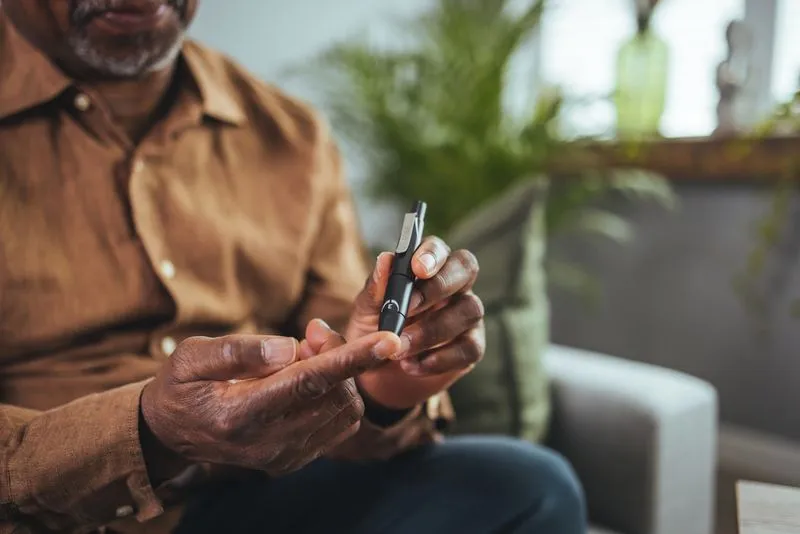
Ozempic is an injectable GLP-1 medication used for treating people with type 2 diabetes.
It can also be prescribed off-label for weight management.
The GLP-1 class of medications is known for causing gastrointestinal side effects like constipation.
Continue reading to learn more about why Ozempic may cause constipation and how to manage and prevent it while taking Ozempic.
{{splash}}
Does Ozempic Cause Constipation?
If you’ve experienced constipation while taking Ozempic, you’re not alone.
Clinical trials show that Ozempic causes constipation in approximately 5% of those on the medication (in people with type 2 diabetes).
Interestingly, research shows constipation rates up to 35% in people taking Ozempic off-label for weight management.
Ozempic constipation is dose-dependent, meaning that people on higher doses of the medication tend to experience more intense constipation.
There are three doses of Ozempic: 0.25 mg, 0.5 mg, and 1.0 mg. Doctors typically start people on the lowest dose and increase it as needed.
How Long Does Constipation on Ozempic Last?
The good news is, like other common Ozempic side effects, constipation typically improves over time when the body gets used to Ozempic.
Research shows that the average duration of constipation on Ozempic is 47 days.
Keep in mind that this area of research is still underway.
The number of days needed to improve constipation may also vary between people who take the same Ozempic dosage.
Causes of Constipation While Taking Ozempic
Ozempic constipation is thought to be caused by the slower digestion that occurs while taking the medication.
Delayed gastric emptying helps regulate blood sugar because the glucose is released into the bloodstream more steadily.
However, this mechanism is responsible for many of Ozempic’s side effects.
Because delayed gastric emptying can frequently make you feel full, you may be inclined to drink less water and other hydrating beverages throughout the day.
Improper hydration is a secondary cause of Ozempic constipation.
In addition, if you experience nausea (the top side effect of Ozempic), you may prefer bland foods that are easy to digest, like crackers or white bread.
These foods lack fiber, and frequent consumption may lead to a lower fiber intake in some people.
This can also increase the risk of constipation.
Symptoms
Doctors diagnose constipation in people who have two or more of the following symptoms.
- Lumpy, hard stools.
- Straining during at least 25% of bowel movements.
- Lack of complete evacuation for more than 25% of bowel movements.
If you notice these symptoms upon starting Ozempic, or any other significant changes, like decreased frequency of bowel movements or lower abdominal pain, consider making some changes to your lifestyle and talking with your doctor and a registered dietitian.
Does Weight Loss Cause Constipation?
Weight loss may cause constipation if you’re eating and drinking less due to the side effects of Ozempic.
Research found that people who also eat fewer calories and lower amounts of protein, fat, and fiber may experience changes in the transit time of digestive content and an altered bacterial composition in the gut.
Both of which may cause constipation.
Specifically, whole grains, vegetables, fruits, legumes, and nuts contain both soluble and insoluble fiber.
Soluble fiber absorbs water and keeps content moving along the digestive tract, while insoluble fiber adds bulk to the stool.
In addition, a reduced appetite, coupled with nausea, due to the Ozempic side effects may also decrease fluid intake.
Fluids aren’t only found in beverages but are also present in foods, such as vegetables and fruits.
Fluids support hydration and help move contents along the digestive tract.
The colon absorbs fluids naturally from the stools.
When you are dehydrated, more fluids are absorbed and less goes to waste.
Over time, this leads to constipation where stools become dry and hard to pass.
How To Relieve Ozempic Constipation
Most people can manage Ozempic constipation through lifestyle changes, like increasing hydration, fiber intake, and physical activity.
However, fiber supplements and laxatives are sometimes needed.
Drink More Water
If you aren’t consistently meeting your daily hydration needs, drinking more water can treat Ozempic constipation.
Adequate hydration helps soften the stool, making it easier to pass.
Experts recommend women drink 6-9 cups of hydrating fluids per day and men drink 8-12 cups, but you may have higher needs based on your activity level, the climate you live in, and your medical history.
Drinking hot liquids, like coffee and tea, may help constipation.
Prune juice can also be effective, though talk to your doctor about potential blood sugar concerns with this intervention if you have type 2 diabetes.
Eat High-Fiber Foods
Lack of fiber in the diet is one of the top contributors to constipation.
Most adults need between 22 and 34 grams of fiber per day, and many of us fall short.
A combination of soluble and insoluble fiber is beneficial for constipation.
As mentioned above, soluble fiber helps increase the frequency of bowel movements, improve stool consistency, and reduce pain.
Insoluble fiber works by speeding up the rate of digestion.
Consider increasing the fiber content of your diet by eating more from the following food groups:
- Whole grains.
- Legumes.
- Fruits.
- Vegetables.
- Nuts.
You may find that increasing your fiber intake too quickly can result in gas, bloating, and digestive discomfort, so make sure to add fiber to your diet slowly.
Increase Physical Activity
Research shows that moderate physical activity can increase the frequency of bowel movements and reduce a person’s risk of constipation.
Experts recommend engaging in at least 150 minutes per week of moderate-intensity exercise.
Not only can being active help relieve Ozempic constipation, but regular activity has also been shown to benefit blood sugar levels in type 2 diabetes and weight management.
Take a Fiber Supplement
If the above lifestyle changes aren’t enough to manage your Ozempic constipation, consider talking with your doctor or dietitian about starting a fiber supplement.
Not all fiber supplements are created equal.
Soluble fiber supplements, like those containing psyllium, are the most effective for treating constipation.
These supplements help the stool absorb more water, making it easier to pass.
Products containing wheat dextrin, inulin, and guar gum have been proven less effective in constipation management.
Since soluble fiber absorbs water in the digestive tract, it’s important to ensure you are well-hydrated before starting a fiber supplement.
Try a Gentle Laxative
In some cases, a laxative is needed to help manage Ozempic constipation.
Osmotic, or gentle, laxatives work by helping your colon absorb water, softening the stool, and increasing bowel movement frequency.
Miralax and Milk of Magnesia are examples of osmotic laxatives.
Talk to your doctor before starting any over-the-counter laxatives.
Your doctor may also prescribe a stronger laxative to take in the short-term to help your constipation as your body gets used to the Ozempic.
Talk to your provider about adjusting your dose
Certain medications and nutritional supplements, such as iron supplements, may also increase the chances of constipation.
You may want to review your medications and supplements with your doctor to determine if they’re contributing to constipation.
They may suggest taking a lower dose if your symptoms don’t improve from lifestyle changes.
Foods to Avoid for Ozempic Constipation
When you experience Onzempic-related constipation, it is best to eat less of foods that have little to no fiber, and those high in fat, sugar, and salt.
Some examples include:
- Salty snacks, such as chips.
- Sweets, such as cakes, cookies, and doughnuts.
- Processed foods, such as hot dogs and bologna.
- Fast foods.
- Some frozen meals.
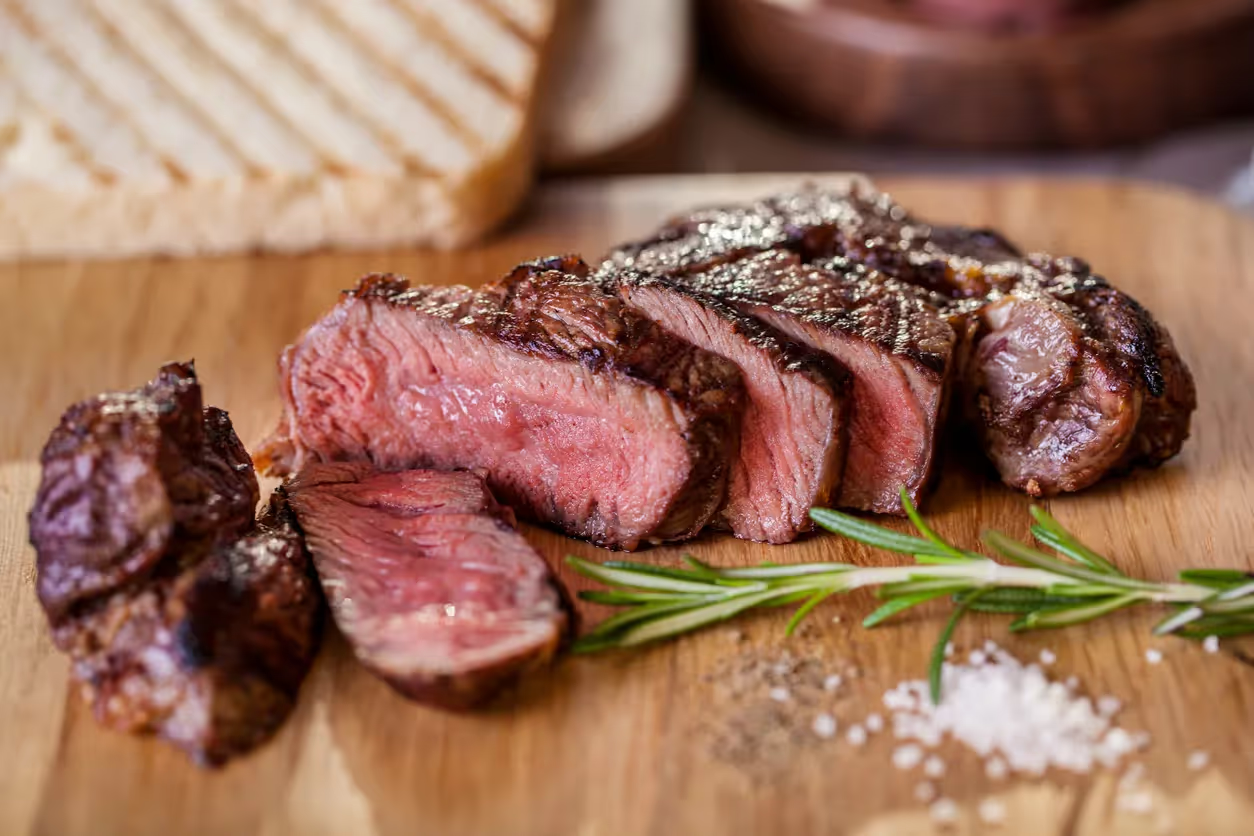
- Red meat.
Tips For Preventing Constipation While Taking Ozempic
To prevent or minimize Ozempic constipation, focus on the following tips:
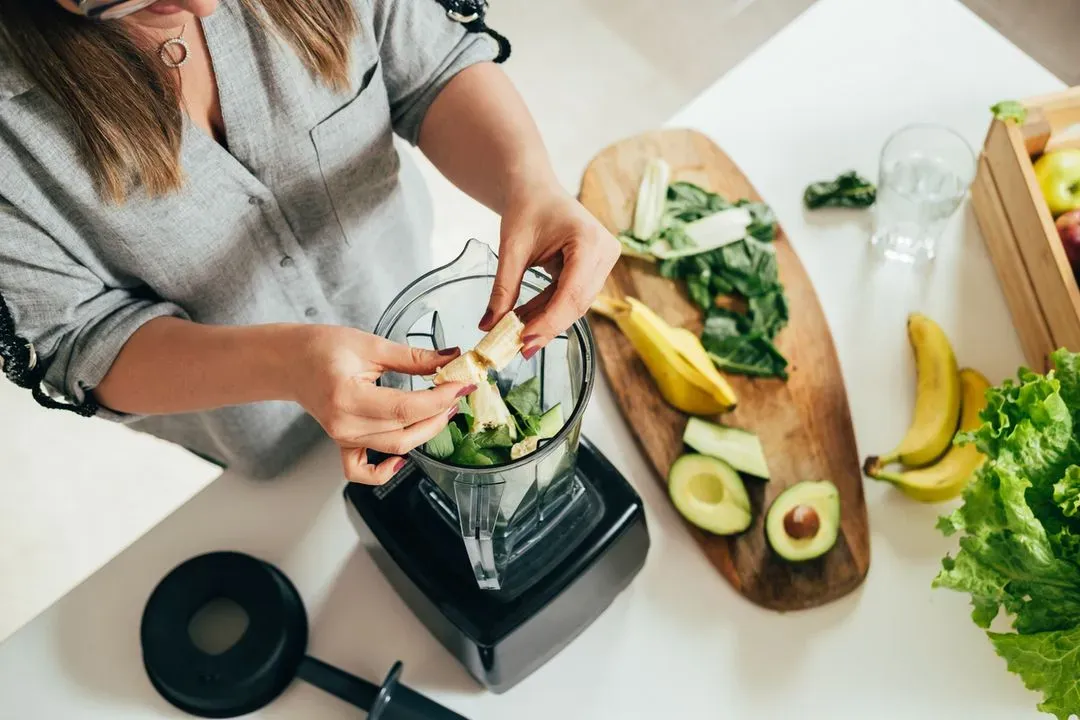
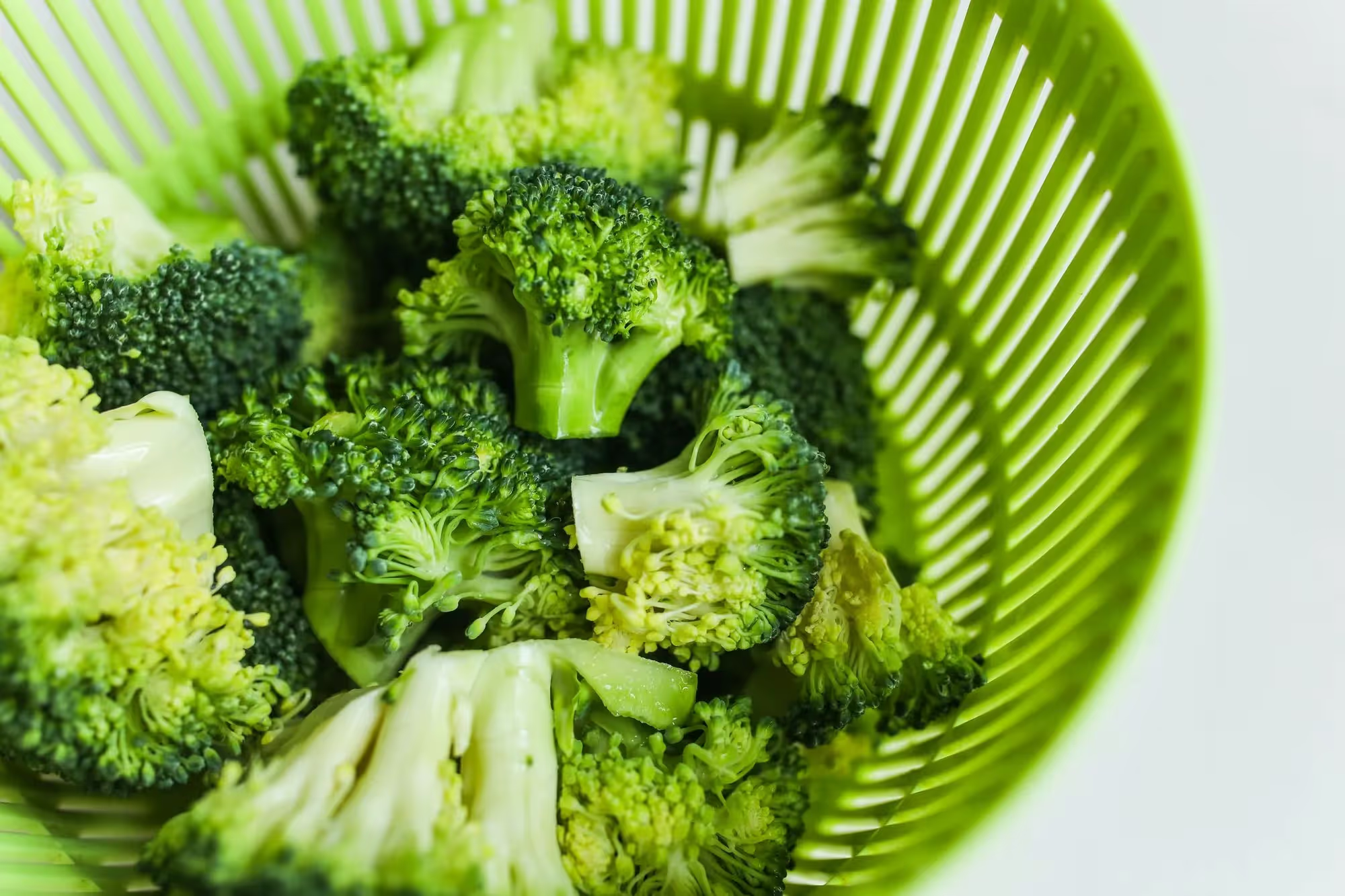
- Follow a high-fiber diet rich in legumes, whole grains, fruits and vegetables, and nuts.
- Set a goal to drink enough water every day.
- Practice regular, moderate-intensity physical activity.
- Ramp up Ozempic dosage slowly with supervision from your doctor to allow your body to get used to the medication.
Eating a balanced diet and drinking enough water can be challenging if you are struggling with other Ozempic symptoms, like nausea.
{{splash}}
When to See a Medical Provider for Ozempic Constipation
If increasing your fiber, water intake, and physical activity does not improve your constipation, or your symptoms worsen over time, talk to a healthcare professional about your options.
They may recommend an over-the-counter fiber supplement or prescribe laxatives, as discussed above.
If your symptoms are severe, your medical provider will consider decreasing your dose of Ozempic or discontinuing it altogether.
Your doctor can also help rule out more rare side effects of Ozempic, like pancreatitis.
You can ask your doctor for a referral to a registered dietitian to help you identify any further lifestyle changes to consider adjusting for constipation management.
{{splash}}
Takeaway
Ozempic is an injectable GLP-1 medication that can cause constipation in over 5% of people.
With higher medication doses, constipation tends to be more intense, but it usually improves over time.
You can address your constipation at home by drinking more water, increasing fiber intake, and engaging in regular physical activity.
Your doctor can also advise on fiber supplements and laxative options if lifestyle changes alone don’t improve your bowel movements.
How a Dietitian Can Help
Whether you are taking Ozempic off-label for weight management or for type 2 diabetes, a weight loss dietitian can help you navigate side effects while optimizing your diet for the best results.
During your counseling appointments, your dietitian will review your current diet, help you set realistic goals, and provide unconditional support as you make lifestyle changes.
At every visit you’ll have a chance to share your progress and celebrate your wins.
For more support, download the Nourish app to access free nutrition resources and stay connected with your dietitian between visits.
Work with Nourish
At Nourish, all appointments are online, and you’ll have 55 minutes with your weight loss dietitian nutritionist.
We’re proud to share that 94% of our users pay zero dollars out of pocket, and we’ll work closely with your insurance provider to help you get paid visits.
Find a dietitian near you who accepts insurance through Nourish.
{{splash}}
Frequently Asked Questions
Does Ozempic make you constipated?
Ozempic causes constipation in over 5% of people taking the medication. This is thought to happen because of the slowed digestion that occurs while taking Ozempic. Constipation can also be caused by inadequate water and fiber intake due to other Ozempic side effects, like nausea.
What helps constipation while taking Ozempic?
First, try managing your constipation with lifestyle changes like drinking more water, eating high-fiber foods, and exercising regularly. If your constipation continues or worsens, talk to your doctor about fiber supplements or laxatives.
In some cases, you may need to reduce your dose or discontinue Ozempic if your constipation is severe and doesn’t respond to treatment.
Can Ozempic cause bowel blockage?
Clinical trials on Ozempic have not found bowel blockage or intestinal obstruction as a possible side effect. A recent animal study from 2023 found an increased risk of intestinal blockage with semaglutide (Ozempic), but this has not been replicated in human studies.
References
View all references
- Label: Ozempic-Semaglutide Injection, Solution. (2022, October 7). NIH National Library of Medicine.
- Wharton, S., Calanna, S., Davies, M., Dicker, D., Goldman, B., Lingvay, I., Mosenzon, O., Rubino, D. M., Thomsen, M., Wadden, T. A., & Pedersen, S. D. (2022). Gastrointestinal tolerability of once-weekly semaglutide 2.4 mg in adults with overweight or obesity, and the relationship between gastrointestinal adverse events and weight loss. Diabetes, Obesity & Metabolism, 24(1), 94–105.
- Nutrition in Cancer Care (PDQ®). (2003, February 21). National Cancer Institute.
- Włodarczyk, J., Waśniewska, A., Fichna, J., Dziki, A., Dziki, Ł., & Włodarczyk, M. (2021). Current Overview on Clinical Management of Chronic Constipation. Journal of Clinical Medicine Research, 10(8).
- Good hydration linked to healthy aging. (2023, January 2). NHLBI, NIH.
Nourish has strict sourcing policies and prioritizes primary sources, including medical organizations, governmental agencies, academic institutions, and peer-reviewed scientific journals. Learn more about our medical review process and editorial guidelines.
More articles
%201%20(1).jpg)


.avif)













.avif)
















.avif)















.avif)







.avif)
.avif)










.avif)
.avif)