I'm Scared To Weigh Myself: How To Overcome Your Fear

Author: Julia Zakrzewski, RD

Summary
- People who’ve experienced weight stigma, a type of discrimination based on their weight, may struggle to feel comfortable using a scale.
- Your weight is not an indicator of your health, and the number on a scale is not a measure of your self-worth.
- You can overcome the fear of weighing yourself by challenging thoughts about weight loss and health and working with a registered dietitian.
For a long time, people have associated weight and thinness as desirable, and it can be disheartening if your weight doesn’t fit into societal standards.
It’s even worse if your healthcare team pushes unrealistic weight goals onto you, and eventually, you may dread stepping on the scale altogether.
Instead of focusing on weight, focus on daily behaviors that are proven to increase your energy levels, strength, and mood.
These practices include following a balanced diet rich in nutrients and being physically active.
Keep reading to learn why you may feel scared to weigh yourself and how to overcome these fears.
{{splash}}
Why Am I Scared to Weigh Myself?
You may be scared to weigh yourself if you associate success or self-worth with the number on the scale.
Weight-focused evaluations are very popular in Western society—thinness is favored, and losing weight is heavily promoted through diet channels and social media.
Understandably, you may develop a fear of weighing yourself if you’ve received harsh criticism about your weight, both in your personal life and especially in a medical setting.
It may be very stressful and disheartening to hear you don’t fall within what the CDC considers a “healthy weight.”
Unfortunately, patients who live in larger bodies are more likely to receive unwanted comments about their weight during medical appointments.
Experiencing weight stigma can deter you from seeking medical help, make you feel guilty or ashamed, and make you feel scared to step on the scale.
{{splash}}
Possible Outcomes of Self-weighing
Many people don’t like stepping on the scale to weigh themselves.
Below are examples of how self-weighing can impact mood, emotions, and health.
Fortunately, you can address these fears by working with a registered dietitian.
Lowers Mood
A study on young adults found that frequent self-weighing triggered intense negative emotions after stepping off the scale.
Notably, study participants trying to lose weight experienced worse moods if their weight increased.
Increases Anxiety
Stepping on the scale with expectations about your weight can provoke feelings of anxiety, especially if you’ve linked your weight to your self-worth.
Seeing a number you didn’t want may trigger feelings of inadequacy and frustration, and you may feel more fearful of weighing yourself again.
May Be a Symptom of an Eating Disorder
Some eating disorders, such as anorexia nervosa, have a strong focus on weight and external appearances.
If you’re afraid to weigh yourself, or if your weight affects your decision on how much food to eat, you should consider being assessed for an eating disorder.
{{splash}}
Healthy vs Unhealthy Relationship with the Scale
You may have developed an unhealthy relationship with the scale if you:
- Evaluate your self-worth based on the number you see.
- Are preoccupied with constant thoughts of weight or self-weighing.
- Limit your caloric intake after stepping on the scale.
- Feel your mood decline based on the number on the scale.
When you’re ready, developing a healthy relationship with the scale is possible.
Signs that you’re healing include:
- You’re weighing yourself without attaching emotions to the number (including happiness).
- You continue to eat foods you love regardless of the scale.
- Your priority is maintaining healthy habits.
Understanding Normal Fluctuations in Weight
Weight fluctuations happen daily, and it’s normal for your weight to increase or decrease by two to seven pounds.
Factors contributing to these changes include how much salt you eat, water retention, and whether you passed a bowel movement.
People are more likely to see weight fluctuations during holiday events (because they eat more food and the dishes may be saltier than their regular meals).
These brief changes in weight don’t impact long-term health or weight.
Remember, a weight fluctuation isn’t an indicator of your actual mass or body composition.
It’s normal to experience daily changes, but you should follow up with your doctor if you have concerns.
Menstrual Cycles Influence Weight
Women experience normal weight fluctuations throughout their menstrual cycles.
A woman may gain approximately one pound (0.5kg) of water weight during their period due to hormonal changes.
Other temporary changes that can make weight fluctuations more noticeable include feeling bloated and having swollen breasts.
Awareness of these changes is a great reminder to avoid weighing yourself during your period.
Tools and Strategies for Overcoming Your Fear
Fear is an unpleasant emotion that is meant to protect you from harm.
Feeling scared to weigh yourself may be a way of shielding yourself from unwanted criticisms, comments, and other negative feelings.
However, overcoming your fears can help you grow.
When you’re ready to take action, remember to take small, consistent steps until you feel more comfortable using a scale.
Here are tips you can follow today:
- Choose a different way to track the progress of your health goals.
- Practice positive self-talk while assessing your health goals.
- Start journaling and write down your achievements. Refer back to these notes when you need a pick-me-up.
- Engage in deep breathing to calm nerves and running thoughts.
- Challenge thoughts around weight and health.
Focus on taking consistent action toward your health goals.
Your combined daily behaviors, such as diet choices and physical activity, are more beneficial to your health than only prioritizing weight loss.
{{splash}}
Celebrating Progress and Non-Scale Victories
There are ways to measure your health without relying on the scale.
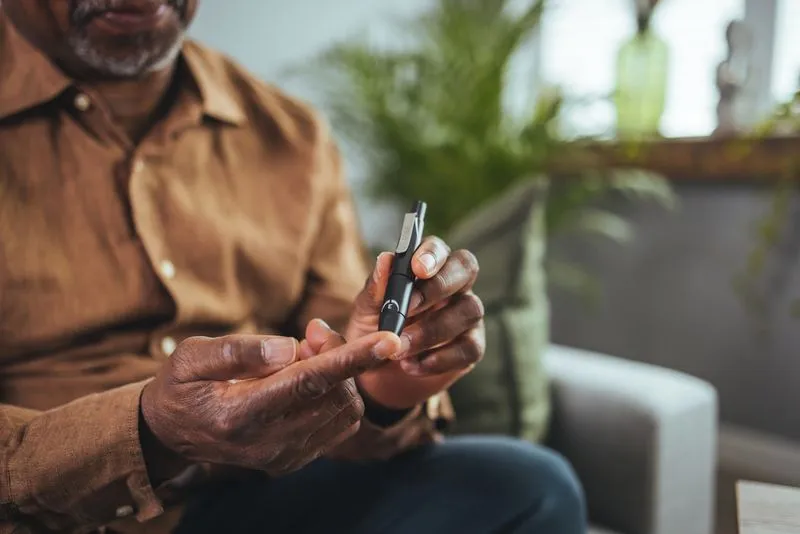
Instead of focusing on weight, try tracking other areas of your metabolic health by taking blood pressure readings at home and completing regular blood work to assess blood sugar levels and cholesterol.
Additional ways to evaluate your health include tracking changes in energy levels and mental health.
Keep a journal to track how your body feels after being physically active, managing stress, and improving your mood and sleep quality.
Learning other ways to measure your health may ease a stressful relationship with the scale.
Takeaway
You’re not alone in being afraid to weigh yourself.
Remember that a scale only provides a number that doesn’t reflect your self-worth or health.
Your doctors and health care providers track body weight to gauge risk factors for your health.
Although documenting this information is still considered clinically relevant, it can be stressful for the patient.
If being weighed at your doctor’s office makes you anxious or scared, ask staff to record your weight silently and tell them you don’t want to know how much you weigh.
These practices are becoming more common as health providers try to decrease weight stigma in the medical setting.
At home, you may want to remove all scales from your house while actively healing your relationship with self-weighing.
Try to challenge thoughts toward weight loss and self-worth and prioritize other ways of measuring health, such as tracking your energy levels and how you feel after exercising.
How a Dietitian Can Help
Find a registered dietitian who can improve your relationship with body image, increase your nutrition knowledge, and heal your relationship with food.
You may not know what to expect if you’ve never met with a dietitian.
Here are questions to ask:
- Do I need to weigh myself every day?
- Why does my weight fluctuate so much?
- Do I need to lose weight to hit my goals?
- I’d prefer not to weigh myself—how else can we measure health improvements?
{{splash}}
Frequently Asked Questions
Is it normal to be scared of weighing yourself?
Many people are afraid to weigh themselves, primarily if they associate their self-worth with the number they see on the scale.
Remember that a scale is one tool, and the number you see does not directly reflect your health.
How do I get over my fear of weighing myself?
Take small, consistent steps to reduce the fear of weighing yourself.
Start by challenging thoughts you have about weight loss and health and accepting weight fluctuations as a normal part of life.
In the future, set realistic health goals and measure your progress using non-weight outcomes such as changes to your energy levels, overall mood, and even blood pressure and blood sugar levels.
How much heavier do you weigh at the end of the day?
Weight fluctuates daily, and your weight can change by an average of 5 lbs each day.
Factors contributing to these changes include how much salt you eat, water retention, and whether you passed a bowel movement.
References
View all references
Nourish has strict sourcing policies and prioritizes primary sources, including medical organizations, governmental agencies, academic institutions, and peer-reviewed scientific journals. Learn more about our medical review process and editorial guidelines.
More articles
%201%20(1).jpg)

.avif)












.avif)

















.avif)















.avif)






.avif)
.avif)










.avif)
.avif)