Should I Take Creatine While Trying To Lose Weight?

Medical Reviewer: Sarah Hormachea, MS, RD, CDCES, BC-ADM

Author: Jennifer Huddy, MS, RD, LD

Summary
- Creatine is a compound found naturally in your body and in animal-based foods.
- Many athletes take creatine supplements to boost performance and muscle growth.
- Creatine doesn’t cause weight loss, and in fact, can sometimes cause weight gain due to increased muscle mass and water retention.
Introduction
Creatine is one of the most popular dietary supplements taken by athletes to build muscle mass and improve performance. If you’re on a weight management journey, you may wonder if creatine supplements may also help you burn fat and lose weight.
Read on to learn whether you should take creatine while trying to lose weight and to understand the pros and cons of this popular supplement.
What is Creatine?
Creatine is a compound made from the amino acids glycine, arginine, and methionine.
One of its primary functions in the body is to give your muscles energy.
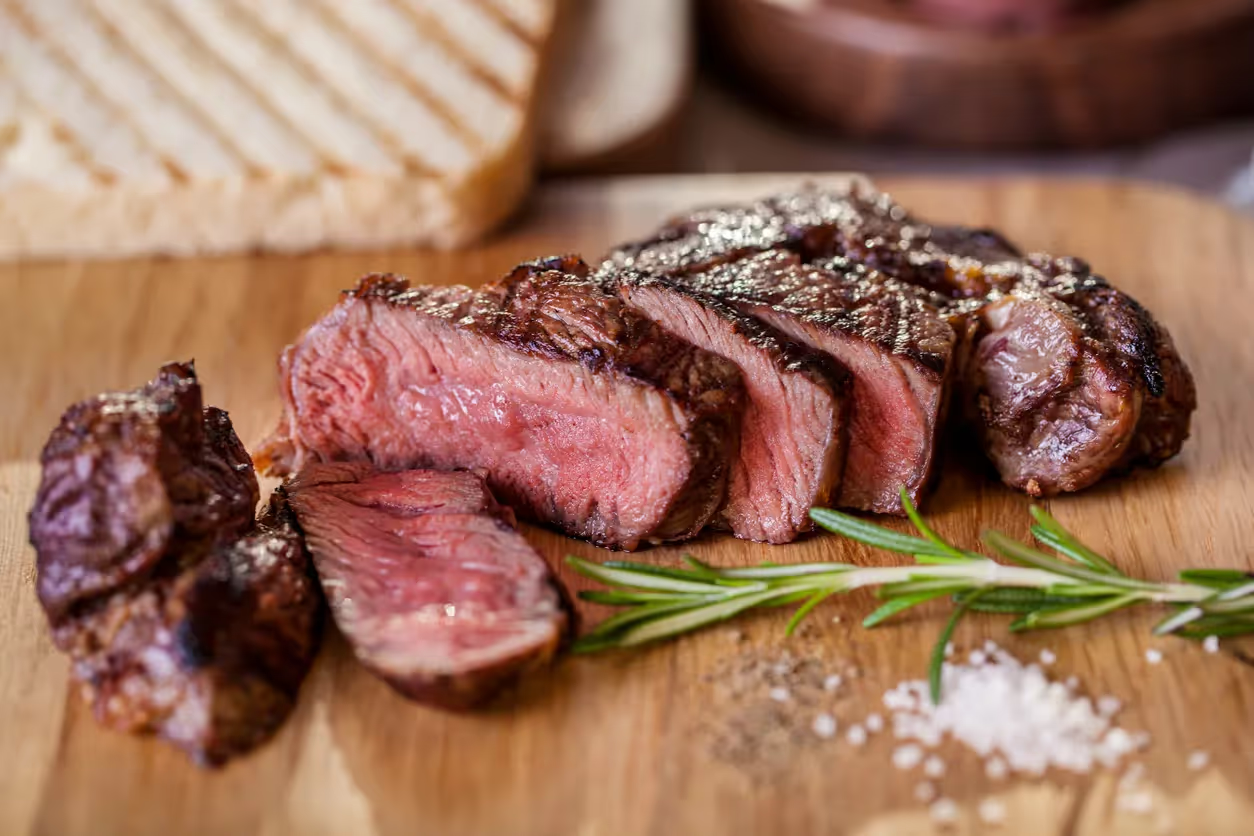
Your liver and kidneys produce creatine, and you can also get it from animal-based foods, like seafood and red meat.
Almost all of your body’s creatine is stored in your skeletal muscle.
Creatine is also available in supplement form and is commonly used by athletes and bodybuilders to increase training capacity and muscle strength.
There are several types of creatine supplements, but extensive research shows that creatine monohydrate is the most effective form.
How Does Creatine Work?
The International Society of Sports Nutrition (ISSN) recognizes creatine monohydrate as the most effective dietary supplement for enhancing performance and muscle mass in high-intensity training.
Much of the creatine in your muscles is stored as phosphocreatine, which helps your muscles produce ATP (adenosine triphosphate).
our body (and muscles) use ATP for energy.
Supplementing with creatine increases the amount of energy your muscles have access to, which can boost athletic performance in short-duration, high-intensity exercises, such as weight lifting.
Should I Take Creatine While Trying to Lose Weight?
Creatine doesn’t directly lead to weight loss, but it may be beneficial for certain groups of people who are trying to lose weight.
Research shows that although creatine supplementation can increase muscle mass, it has no effect on fat mass for most people.
A person’s total body weight may actually increase while taking creatine.
This weight gain can be related to changes in body composition, primarily muscle growth.
Creatine also causes some water retention in the muscles, which can result in temporary weight gain of one to three kilograms (around two to six pounds).
Interestingly, several longer-term studies have demonstrated that creatine supplementation may lead to a small amount of fat loss in older adults participating in resistance training.
Overall though, the evidence doesn’t support creatine as a weight loss supplement.
Future Research Directions
Research shows that engaging in regular resistance exercises (without supplements) may reduce fat mass and improve the resting metabolic rate, which may lead to weight loss.
More research is needed to understand whether the addition of creatine supplements can enhance the weight management benefits of resistance training.
Further, weight loss related to a calorie deficit is known to decrease both fat mass and muscle mass.
It’s currently unknown whether creatine supplements can help minimize the loss of muscle mass during weight loss interventions.
Potential Benefits of Taking Creatine
Creatine has been well-studied for its potential benefits in athletic performance, muscle building, and recovery time.
Enhanced Athletic Performance
Creatine helps increase the energy available for the muscles to use, allowing athletes to have a greater output during training.
This enhances athletic performance because the individual can complete more work per set.
Research shows that creatine loading (taking high doses of creatine before a high-intensity event) can lead to a 10-20% increase in athletic performance.
Creatine is primarily effective for short-duration, high-intensity exercises, like weight lifting and sports that require short bursts of sprinting, like basketball and American football.
Increased Muscle Mass
Creatine can be a valuable supplement for people who are trying to build muscle.
Research shows that people taking creatine while participating in a resistance training program experience significantly greater increases in muscle mass and strength than those who train without the supplement.
Improved Recovery Time
Creatine may play a role in enhancing recovery for athletes.
Research shows that athletes who combined creatine supplementation with carbohydrate loading before intense exercise experienced greater glycogen replenishment after the event (compared to carb loading alone).
Because restoring glycogen (glucose storage) levels after training is an important part of muscle recovery, this research supports the use of creatine for recovery benefits.
Creatine supplementation may also reduce the risk of muscle cramping, soreness, and injury during training.
Some research shows that creatine can reduce the incidence of dehydration, especially when exercising in warm weather conditions.
Drawbacks and Potential Side Effects
Creatine is considered safe for both short-term and long-term use in healthy adults. Studies have examined doses between 0.3 to 0.8 grams per kilogram per day for up to five years with no adverse effects.
For example, this is equivalent to a 150-pound (68 kilograms) person taking 20-54 grams of creatine per day.
Some people may experience gastrointestinal distress upon starting creatine supplements, including:
Research shows these symptoms, especially diarrhea, are more common at higher doses of creatine (above 10 grams).
Several myths are commonly circulated regarding the potential side effects of taking creatine.
These involve possible damage to the liver and kidneys, as well as anecdotal claims that the supplements cause muscle cramps and musculoskeletal injuries.
However, extensive research has shown that when taken in appropriate doses, creatine supplementation doesn’t cause kidney or liver damage.
Additionally, research demonstrates that creatine supplements may prevent muscle cramps and injuries.
Talk with your doctor before starting creatine if you have a history of kidney or liver disease.
How Much Creatine Should I Take?
Research has yet to identify one optimal dose of creatine for everyone.
It’s important to talk with a sports dietitian about the best regimen for you.
Generally, it’s recommended to take several “loading doses” of creatine before starting a daily maintenance dose.
Examples of common creatine-loading regimens include:
- 20-25 grams per day for 5-7 days.
- 0.3 grams per kilogram of body weight per day for a minimum of 3 days (this equals 20 grams for a 150-pound person).
Recommended maintenance doses also vary, ranging from three to five grams per day.
However, larger individuals may need to consume five to ten grams per day to encourage optimal creatine stores.
An RD's Take on Creatine for Weight Loss
Taking creatine supplements generally won’t result in fat loss.
If you’re participating in intensive resistance training as part of a weight management plan, creatine supplements can help improve muscle mass and strength.
However, keep in mind that the number on the scale won’t be the most accurate measure of your progress since you will likely be gaining muscle mass.
Don’t be discouraged if you notice several pounds of weight gain after starting creatine.
This can occur due to temporary water retention.
If you choose to take creatine supplements, talk with your doctor and dietitian to determine whether they are appropriate for you and which dose to take.
Be sure to choose a high-quality supplement, which you can determine by looking for third-party quality testing seals from the following organizations:
- ConsumerLab.
- NSF International.
- US Pharmacopeia (USP).
How to Support Weight Loss Without Creatine Supplements
If you have weight management goals, work with your doctor and dietitian for an individualized plan.
Start by making realistic changes to your diet and exercise habits, which may include:
- Prioritizing at least five servings per day of fruits and vegetables.
- Emphasizing lean proteins, whole grains, and healthy fats.
- Limiting fried and fast food.
- Limiting sugar-sweetened beverages and foods with added sugar.
- Engaging in at least 150 minutes of moderate-intensity physical activity per week.
- Including resistance workouts at least twice per week.
Takeaway
Creatine is a compound that helps give your muscles energy.
It’s produced in your body and is found in foods like beef and salmon.
Creatine supplements are popular among athletes for improving performance, strength, and muscle mass.
Creatine monohydrate is highly effective and is generally considered safe when taken at recommended doses.
Creatine supplements aren’t proven to reduce fat mass and don’t typically lead to weight loss.
How a Dietitian Can Help
A registered dietitian can help you build healthy habits to reach your weight management goals.
During your sessions, your dietitian may:
- Evaluate your dietary habits.
- Make recommendations for exercise.
- Discuss the importance of sleep and stress management.
- Assess your current supplement intake.
- Review your medical history and coordinate with your doctor.
Find a dietitian specializing in weight management for support in meeting your health goals and feeling your best.
Frequently Asked Questions
Can I lose weight while taking creatine?
While creatine itself doesn’t cause weight loss, you can lose weight while taking creatine if you’re on a weight management diet and exercise plan.
However, be aware that the number on the scale may not be the most reliable measure of your progress.
Creatine is known to increase muscle mass, so many people experience weight gain due to gains in muscle volume.
Creatine can also cause mild fluid retention in the muscles, which can lead to a temporary weight gain of one to three kilograms.
Should I take creatine while trying to lose belly fat?
Research shows that creatine supplements don’t result in fat loss.
While creatine may improve muscle mass, which can boost your resting metabolic rate, there’s no evidence that creatine supplements specifically help with weight loss.
Is creatine or protein better for weight loss?
they may result in weight gain due to increases in muscle mass and temporary water retention.
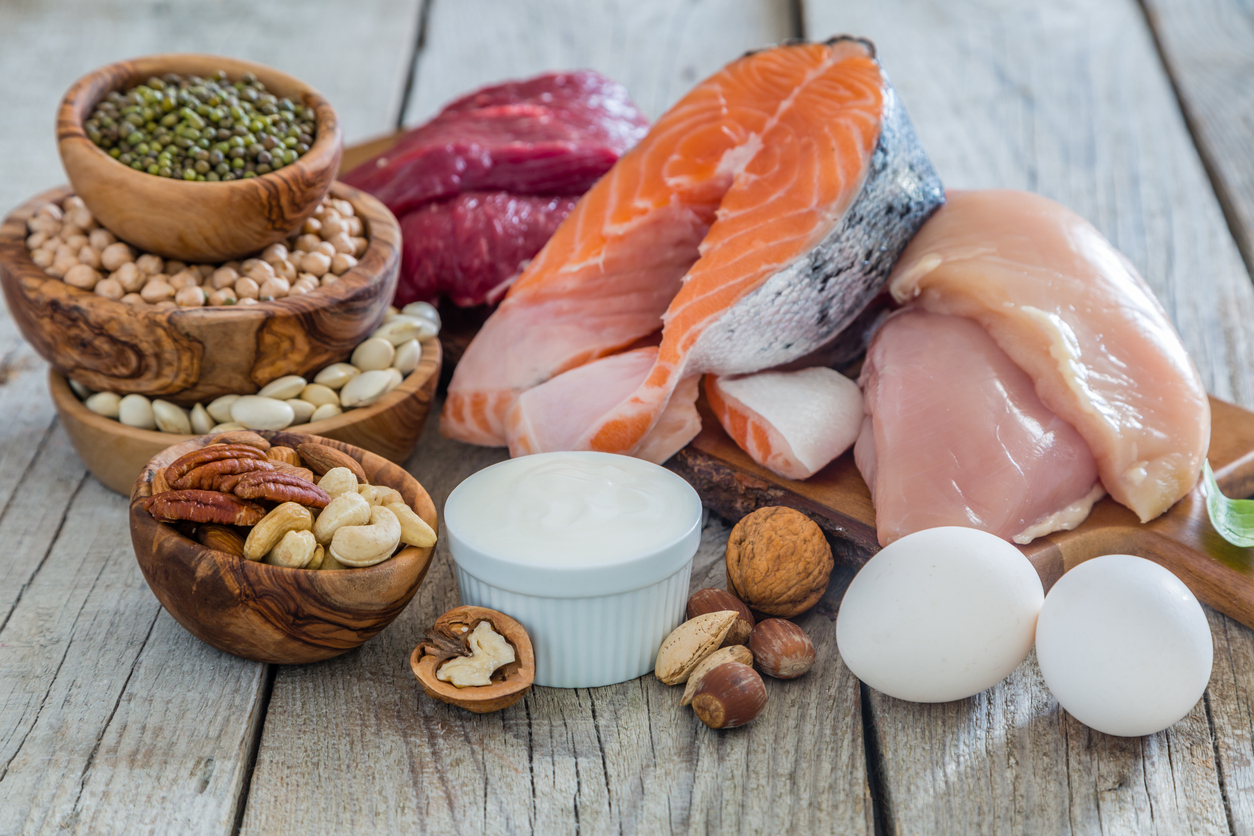
On the other hand, research shows that a high-protein diet may increase weight loss results compared to a lower protein intake.
A high-protein diet may also preserve lean body mass during weight loss and reduce rates of weight regain.
References
View all references
Nourish has strict sourcing policies and prioritizes primary sources, including medical organizations, governmental agencies, academic institutions, and peer-reviewed scientific journals. Learn more about our medical review process and editorial guidelines.
More articles
%201%20(1).jpg)


.avif)













.avif)

















.avif)















.avif)







.avif)
.avif)










.avif)
.avif)